Carl Bishop Photography / Shutterstock.com
evenfh / Shutterstock.com
AlessandroZocc / Shutterstock.com
Walencienne / Shutterstock.com
Jarrod Risley / Shutterstock.com
Brian Woolman / Shutterstock.com
AngieC333 / Shutterstock.com
Carl Bishop Photography / Shutterstock.com
Three Babies Images / Shutterstock.com
shansh23 / Shutterstock.com
Stephanie Periquet / Shutterstock.com


10 Strange-Looking Plants With Unusual Adaptations
Plants don't exactly have a reputation for being dangerous, clever, or particularly interesting. Most just sit there, soaking up sunlight and waiting for someone to remember to water them. But spend a little time looking beyond your average backyard garden, and you'll discover that some plants have developed genuinely unusual ways to survive.
There are plants that trap and digest insects, others that steal nutrients from their neighbors, and a few that smell like something died in the woods. Some can survive almost completely drying out, while others move when touched. And then there's a desert plant that spends its entire life growing the same two leaves, potentially for more than a thousand years.
These 10 unusual plants come from different parts of the world, and each has developed adaptations that set it apart. They're not ranked from strangest to least strange, because that's a pretty subjective argument. Instead, we're looking at what makes each plant remarkable, how its unusual features work, and why nature developed them in the first place.
Corpse Flower (Amorphophallus titanum)
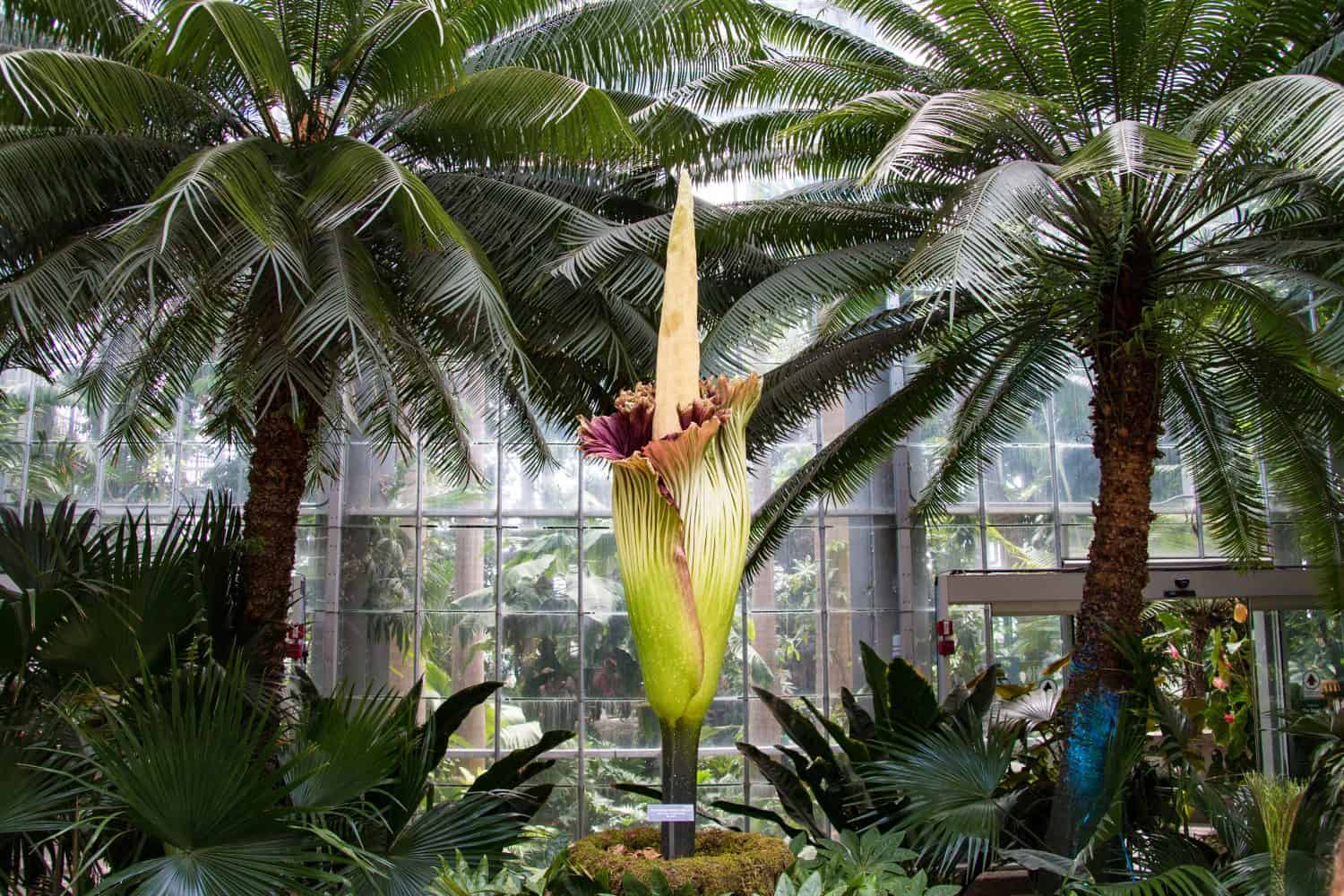
Imagine walking into a botanical garden and discovering that something smells like a dead animal. There's a good chance the culprit could be a blooming corpse flower, also known as the titan arum. Native to the rainforests of Sumatra, Indonesia, this enormous plant produces one of the largest flowering structures in the world, sometimes reaching nearly 10 feet tall. Technically, it isn't one giant flower but a collection of smaller flowers arranged around a central spike. When it blooms, the plant releases a powerful odor resembling rotting flesh, while its dark reddish interior helps complete the illusion. It can even generate heat, helping spread that lovely fragrance to insects attracted to decaying animals. Those insects serve as pollinators, which explains why smelling absolutely terrible is actually a pretty effective survival strategy. The spectacular bloom lasts only a few days, and the species is endangered in the wild.
Venus Flytrap (Dionaea muscipula)
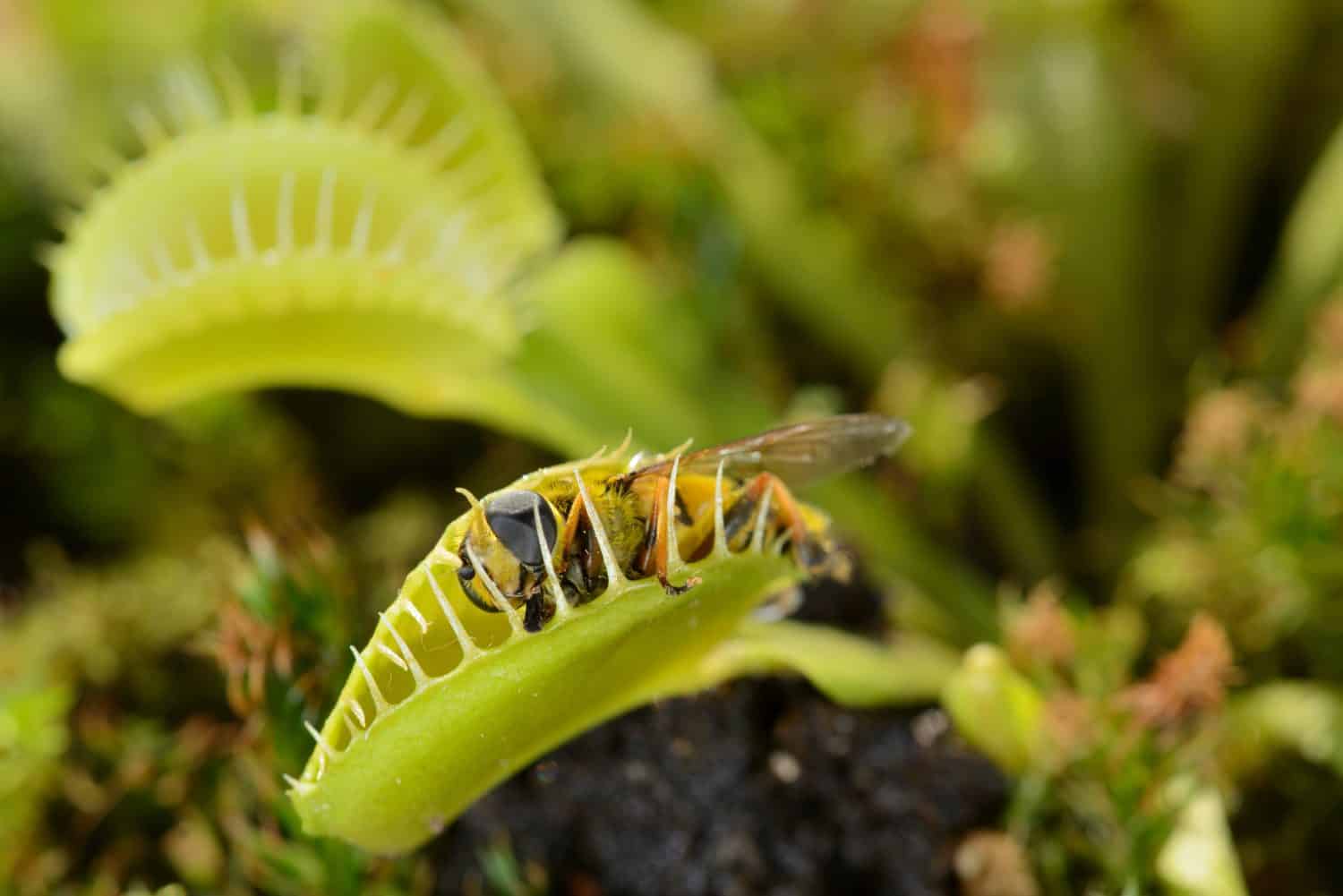
The Venus flytrap is probably the most recognizable carnivorous plant on Earth, and it's easy to see why. Instead of waiting for nutrients to arrive through its roots, this little predator captures insects using modified leaves that resemble miniature jaws. Tiny sensory hairs inside each trap detect movement, and when they're stimulated twice within roughly 20 seconds, the trap snaps shut. Additional movement helps trigger the digestive process, allowing the plant to break down its prey and absorb valuable nutrients. Interestingly, Venus flytraps still get their energy from sunlight through photosynthesis. Their insect-eating habit helps compensate for the nutrient-poor soils where they naturally grow. And despite their exotic appearance, they're native to a relatively small area of North and South Carolina. Habitat loss, altered fire patterns, and illegal collection remain concerns, although federal officials determined in 2023 that listing the species under the Endangered Species Act was not warranted.
Cobra Lily (Darlingtonia californica)
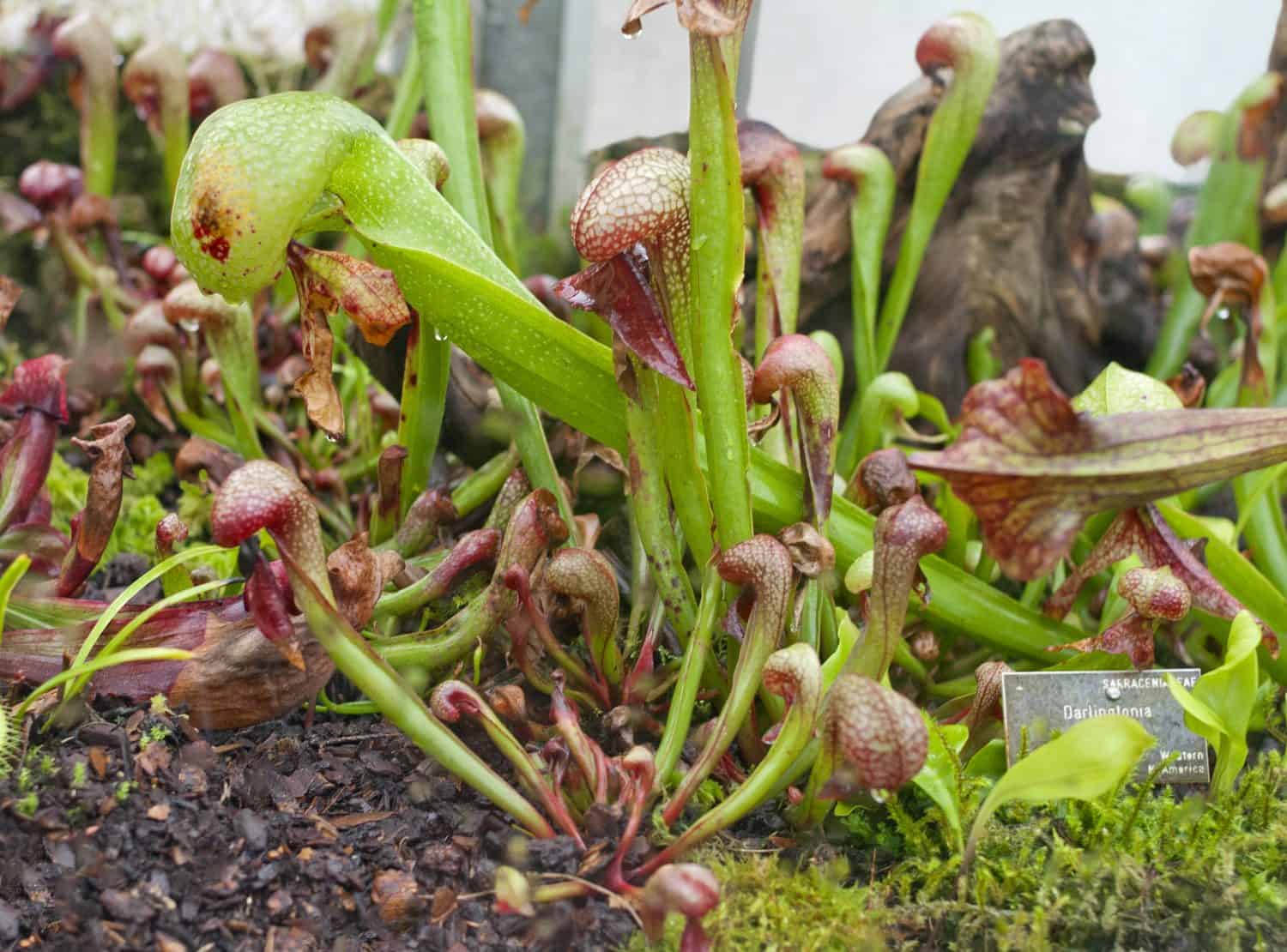
If the Venus flytrap looks like something from a science fiction movie, the cobra lily isn't far behind. Also called the California pitcher plant, this unusual carnivorous species has tall, hollow leaves topped with a curved hood that resembles the head of a striking cobra. Native to northern California and southern Oregon, it grows in wet areas where cool water moves through the soil. Insects are attracted by nectar around the plant's opening, but getting inside can be a serious mistake. The hood contains translucent areas that resemble exits, while slippery surfaces and downward-pointing hairs make escaping difficult. Insects that fall into the pitcher eventually break down, providing nutrients the plant struggles to obtain from its surroundings. Cobra lilies are notoriously difficult to cultivate because of their specialized growing requirements. They can also regenerate from underground structures following fires, an important adaptation in parts of their native range.
Ghost Pipe (Monotropa uniflora)
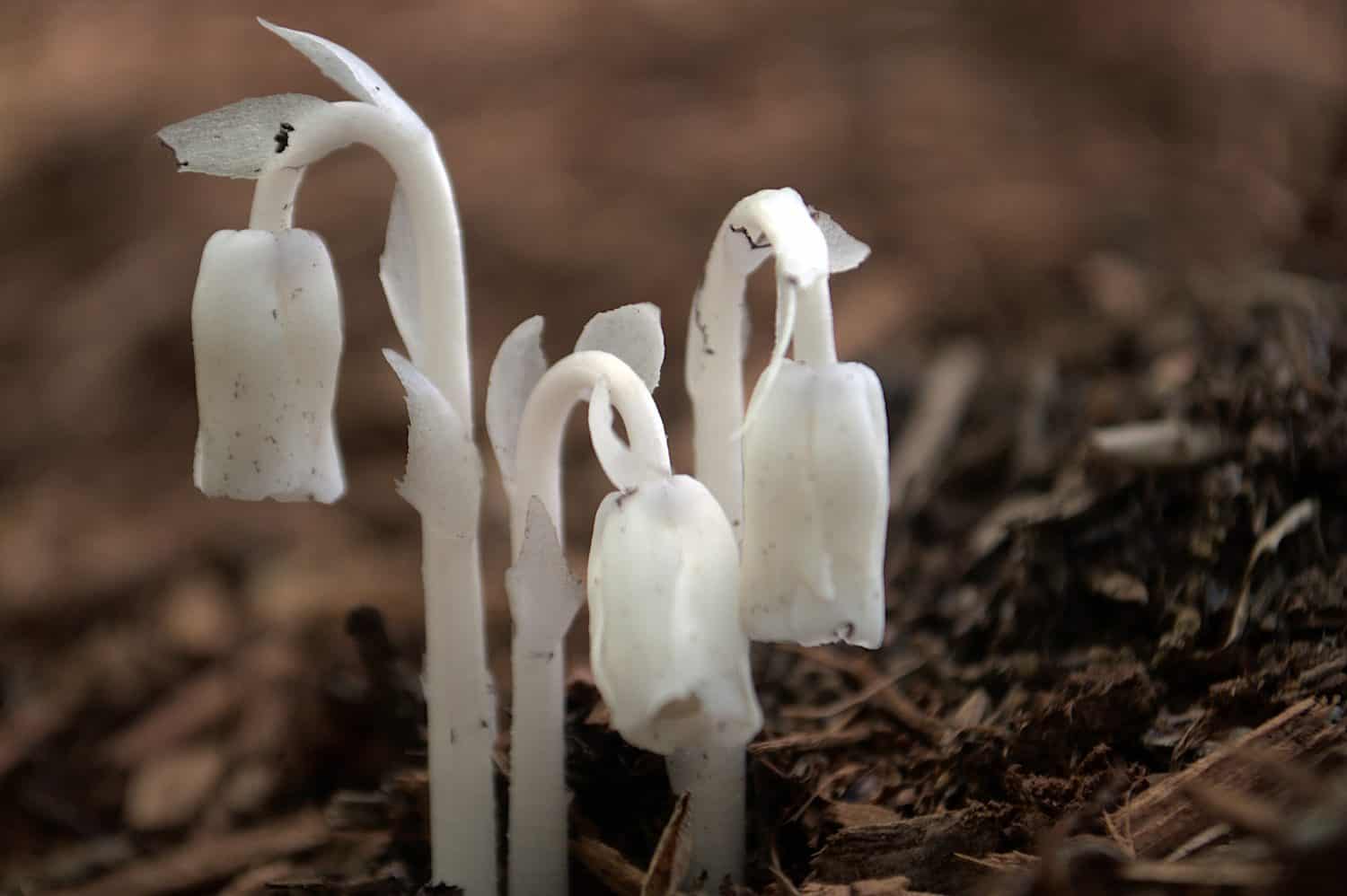
Most plants need sunlight to survive, but ghost pipe has developed a completely different arrangement. This pale, almost translucent flowering plant lacks chlorophyll, meaning it cannot produce its own food through photosynthesis. Instead, it obtains nutrients from mycorrhizal fungi that normally exchange resources with nearby trees. In other words, the ghost pipe takes advantage of an underground relationship that other organisms have already established. Found in forested regions of North America and parts of Asia, it often appears in deeply shaded areas where ordinary green plants would struggle. Its white stems and downward-facing flowers can make it look more like a fungus than a flowering plant, although it actually belongs to the same broad plant family as blueberries and rhododendrons. The visible shoots generally appear for a relatively short period, but the plant itself is perennial. Its complicated dependence on specific fungi also makes it extremely difficult to cultivate successfully.
Dodder (Cuscuta)
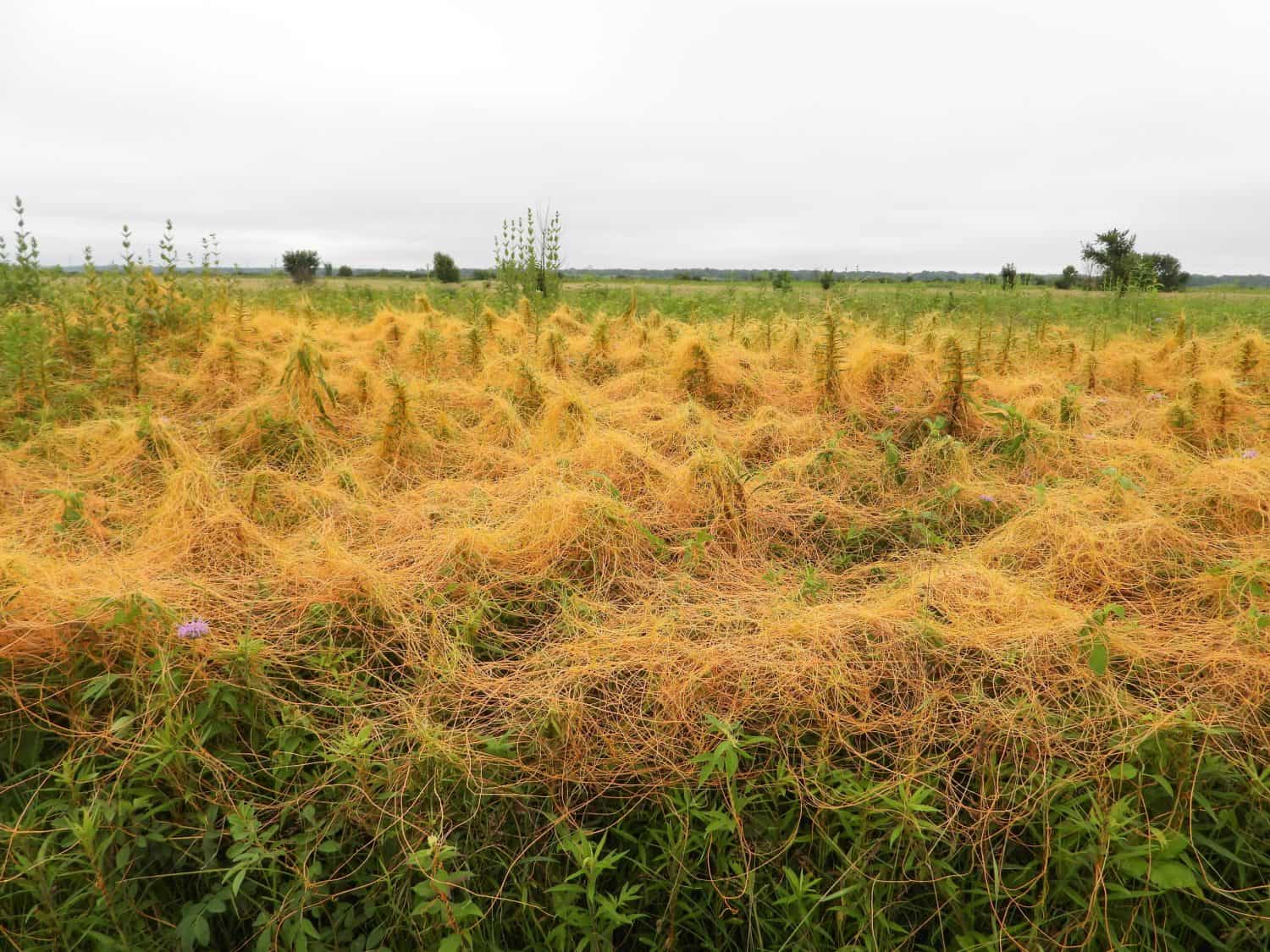
Dodder looks like somebody dumped a pile of orange spaghetti over an unsuspecting plant and decided to leave it there. But those tangled strands are actually a parasitic vine belonging to the genus Cuscuta, which includes numerous species found across much of the world. Rather than depending primarily on its own roots and leaves, dodder attaches itself to other plants using specialized structures called haustoria, which penetrate the host's tissues and draw out water and nutrients. Some species retain limited photosynthetic ability, but many depend heavily on their hosts for survival. Perhaps the strangest part is how certain dodder seedlings find those hosts in the first place. Research has shown that Cuscuta pentagona can detect airborne chemicals released by nearby plants and grow toward promising targets. It doesn't smell the way an animal does, but it can respond to chemical signals in its environment. Unfortunately for farmers and gardeners, that makes dodder a particularly troublesome parasite.
Doll's Eyes (Actaea pachypoda)
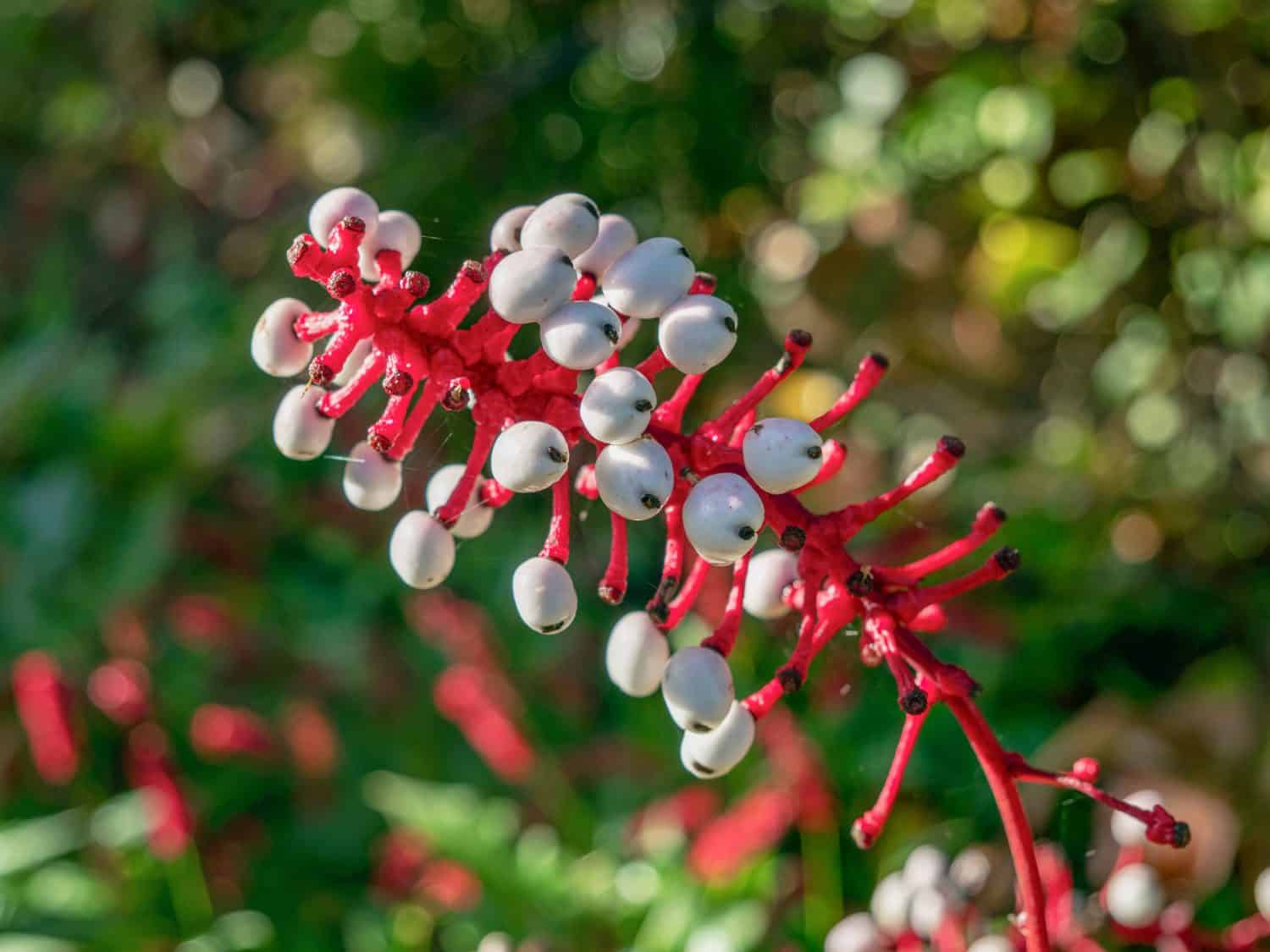
Some plants have attractive flowers or colorful leaves. This one produces something that looks like a collection of eyeballs staring back at you. Known as doll's eyes or white baneberry, Actaea pachypoda is a woodland plant native to eastern North America. Its most recognizable feature is a cluster of white berries with dark spots, often supported by thick, reddish stalks. The resemblance to tiny eyeballs is surprisingly convincing, especially when several berries are packed together. But this is one plant you definitely shouldn't sample while exploring the woods. Its berries and other parts are poisonous to humans, and ingestion can cause serious illness. The plant is sometimes grown in shaded gardens because of its unusual appearance, although its toxicity makes it unsuitable for areas where young children might mistake the berries for something edible. Interestingly, some birds can consume the fruits and help disperse the seeds, allowing the plant to reproduce without attracting the wrong kind of attention from humans.
Giant Carrion Flower (Stapelia gigantea)
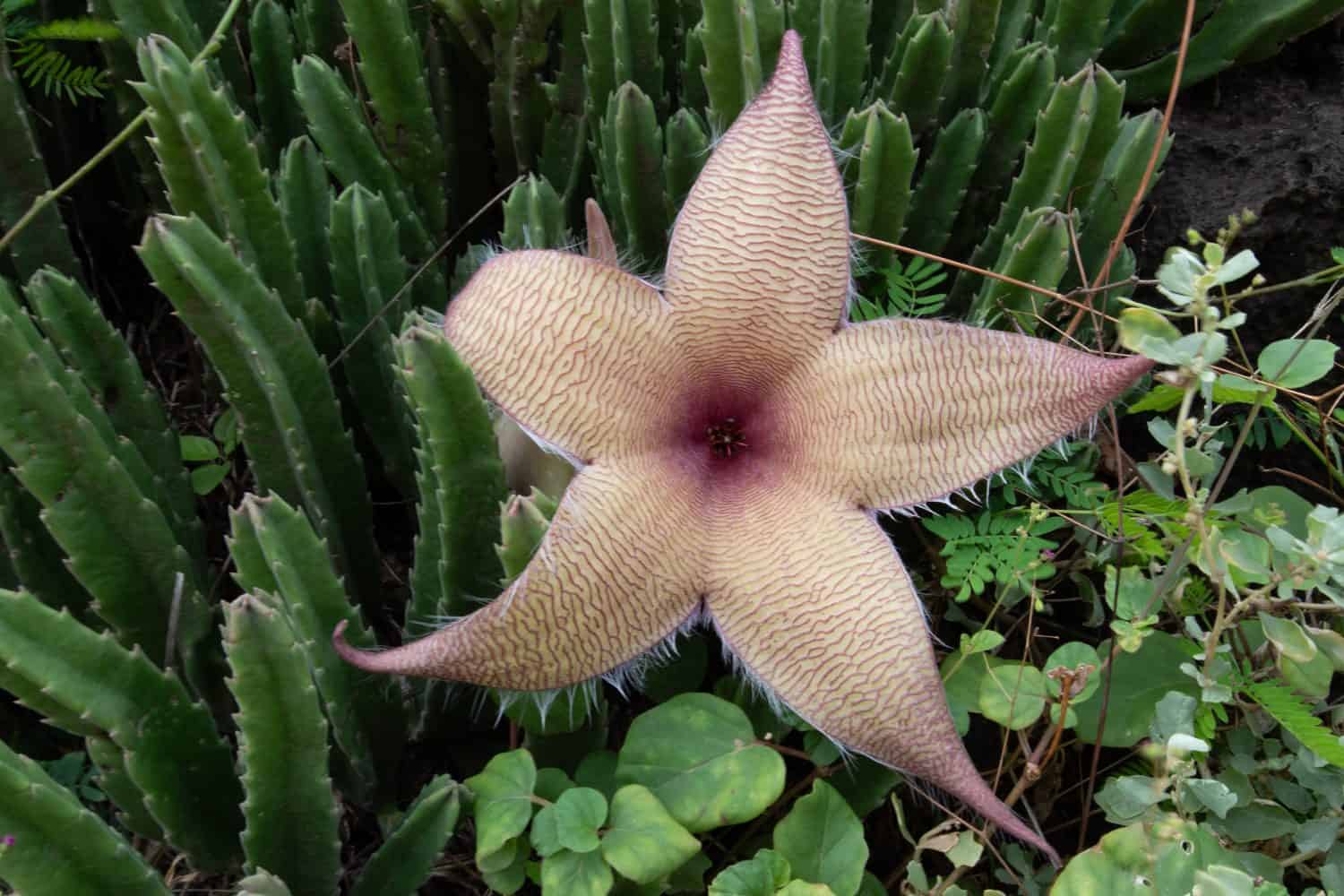
Not every impressive flower smells like roses. Stapelia gigantea, sometimes called the giant carrion flower or Zulu giant, produces enormous star-shaped blossoms that smell remarkably similar to decomposing flesh. Native to parts of southern and tropical Africa, this succulent grows relatively short, fleshy stems but can produce flowers measuring more than a foot across. The blossoms are typically yellowish with reddish markings, wrinkles, and fine hairs that contribute to their distinctly unusual appearance. The unpleasant odor isn't an unfortunate accident, either. Like the much larger titan arum, this plant uses the smell of decaying meat to attract flies that help pollinate its flowers. Despite the resemblance to something carnivorous, it doesn't trap or digest those insects. It simply tricks them into visiting. From a plant's perspective, that's an effective reproductive strategy. From a human perspective, it's a good reminder that not every beautiful flower belongs on the dining room table.
Sensitive Plant (Mimosa pudica)
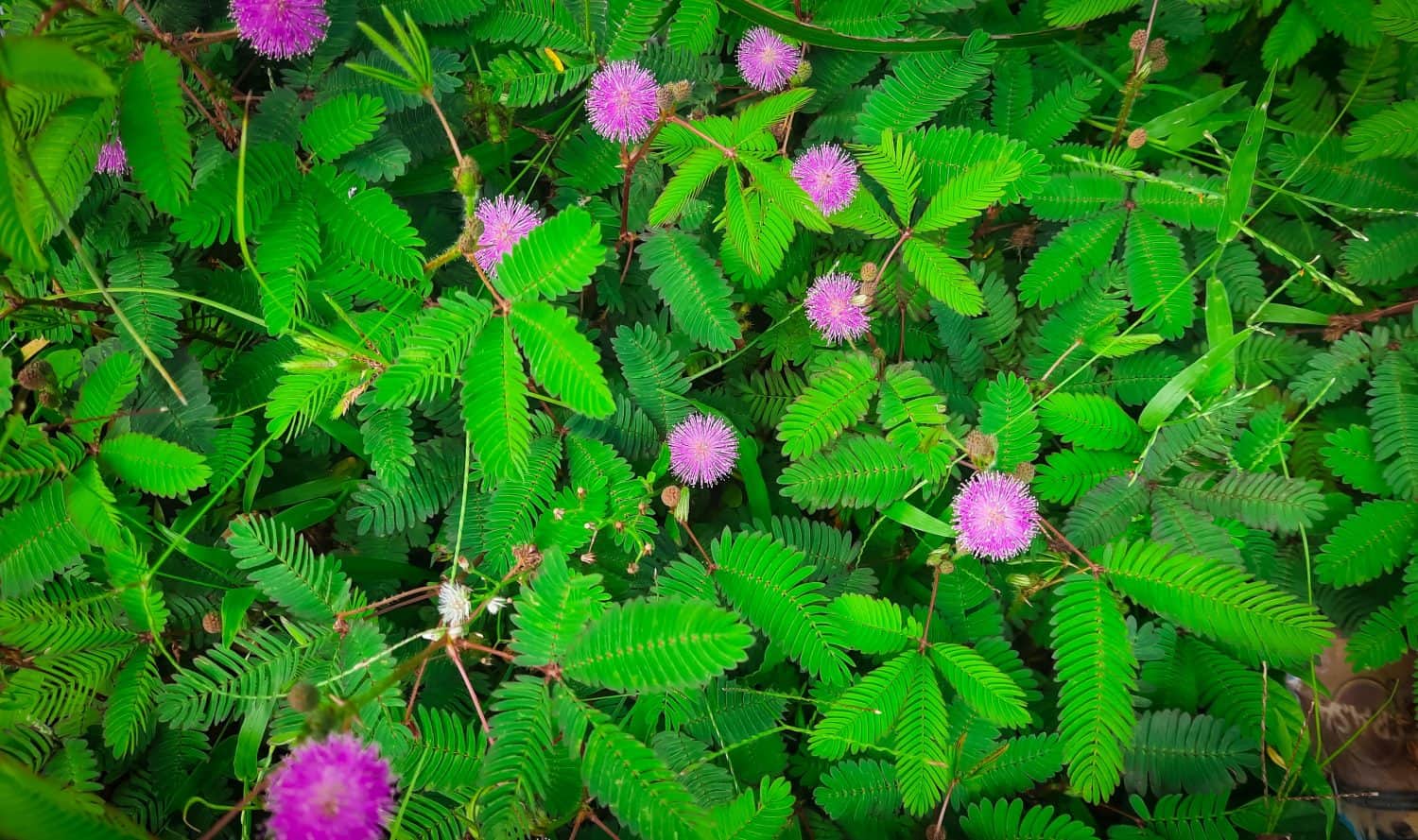
Most plants don't react when you touch them, at least not in a way that's immediately obvious. Mimosa pudica is a different story. Commonly known as the sensitive plant, this tropical species can fold its delicate leaflets and cause entire leaves to droop within seconds of being touched or shaken. The response looks almost deliberate, as though the plant is trying to hide from whatever disturbed it. But the mechanism is physical rather than conscious. Changes in water pressure inside specialized structures called pulvini allow the leaves to move quickly, and they generally reopen after a period of rest. Scientists have proposed several possible benefits, including discouraging herbivores and reducing damage from disturbance. Native to tropical parts of the Americas, the plant has spread across many warmer regions of the world and can behave as a weed outside its original range. It's a fascinating example of how plants can respond to their surroundings without muscles, nerves, or a brain.
Resurrection Plant (Selaginella lepidophylla)
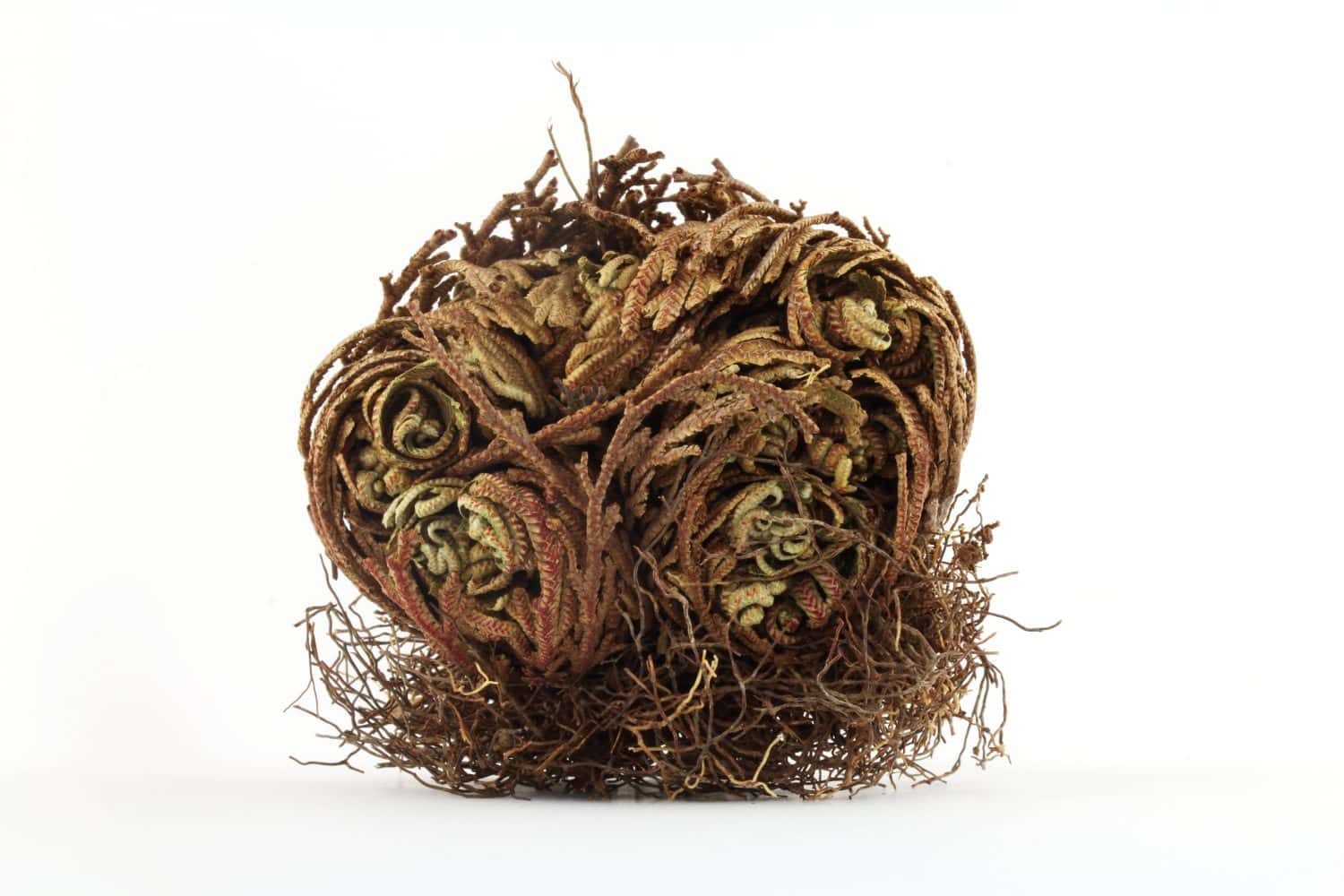
If you came across this plant during a dry spell, you'd probably assume it was dead. Known as the resurrection plant or false rose of Jericho, Selaginella lepidophylla survives in the Chihuahuan Desert of the United States and Mexico, where rainfall can be scarce and unpredictable. During prolonged drought, its stems curl inward until the plant resembles a tightly packed ball of dried vegetation. When moisture returns, the stems gradually unfurl, and a living specimen can resume normal biological activity. The movement is driven by changes in moisture rather than anything resembling animal muscles. Remarkably, these plants can survive losing most of their internal water, entering a state of extreme metabolic inactivity until conditions improve. That doesn't mean every dried specimen sold as a resurrection plant is still alive, however. Even dead material can sometimes uncurl when wet. Still, the ability of living plants to tolerate such severe dehydration is an extraordinary adaptation to life in the desert.
Welwitschia (Welwitschia mirabilis)
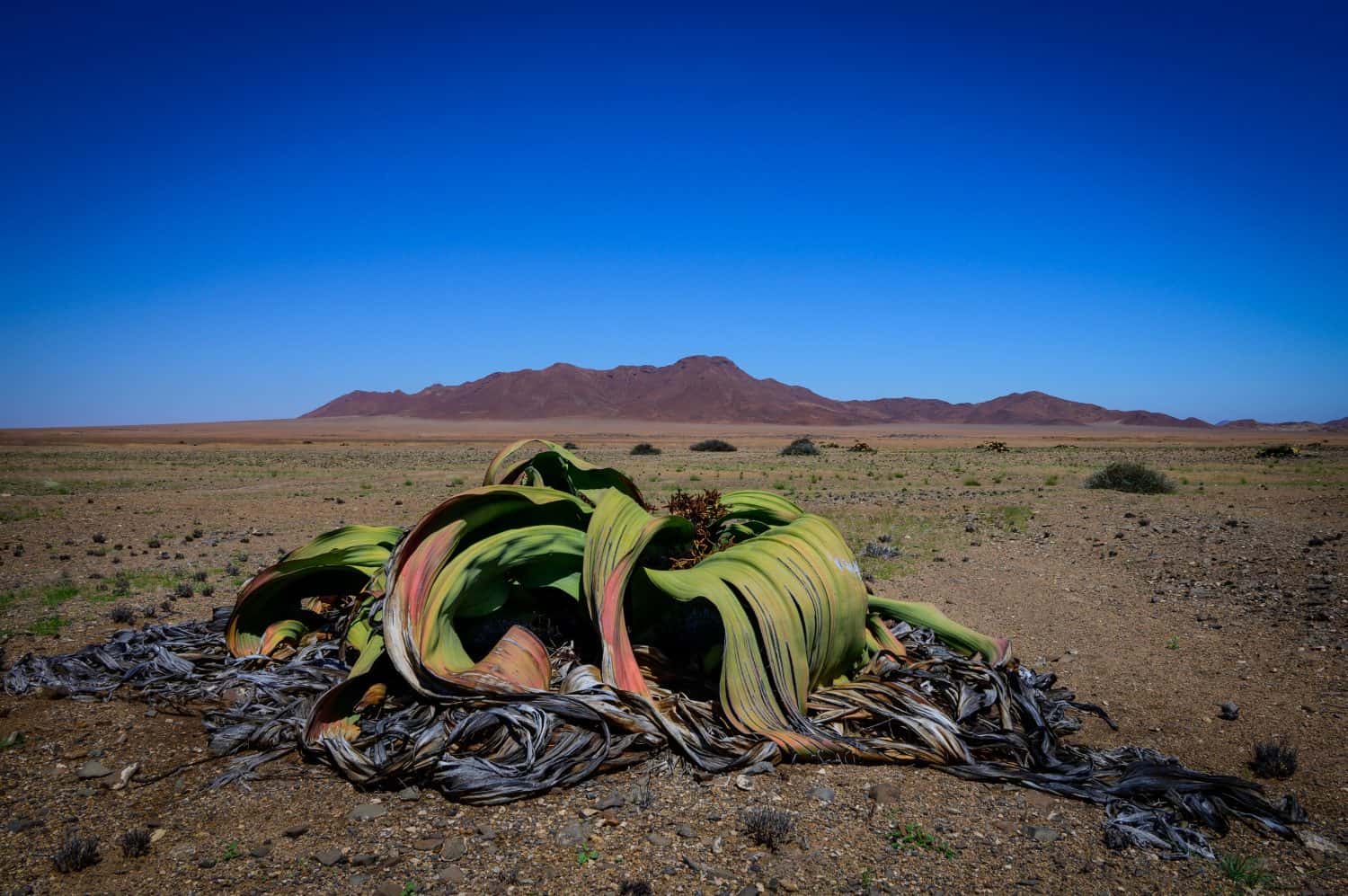
Welwitschia mirabilis looks like a pile of oversized, shredded leaves abandoned in the desert. But there's a remarkable story behind its rather untidy appearance. Native to the Namib Desert of Namibia and Angola, this unusual plant produces just two permanent leaves that continue growing throughout its life. Over time, harsh winds and environmental exposure split those leaves into long, tangled strips, making the plant appear to have far more foliage than it actually does. Its survival is even more impressive considering the extreme conditions of its native habitat. Welwitschia can obtain moisture from groundwater and coastal fog, allowing it to endure in a region where rainfall is often limited. And while determining the exact age of individual plants is difficult, researchers believe some specimens may survive for more than 2,000 years. Male and female plants produce separate reproductive cones, making it a particularly unusual example of ancient plant evolution. It might not win any beauty contests, but longevity is clearly one of its strengths.