US Species Preservation
Cavan Images/iStock via Getty Images
pjsells/iStock via Getty Images
Jeremy_Hogan/iStock via Getty Images
6381380/iStock via Getty Images
Lisa Herlick/iStock via Getty Images
Wikimedia Commons
MyFWC Florida Fish and Wildlife / BY-ND 2.0
Wikimedia Commons
Paul Dionne/iStock via Getty Images
Wikimedia
Wirestock/iStock via Getty Images
Wikimedia
12 Rare U.S. Animals You'd Be Lucky to See in the Wild
America is home to plenty of animals most of us will never see outside a zoo, wildlife documentary, or lucky once-in-a-lifetime encounter. Some survive in tiny pockets of habitat. Others number only in the dozens or hundreds, and a few are now so scarce that scientists are not even sure how many remain in the wild.
There is no sensible way to rank a whale against a bee, bird, fish, or tortoise by "rarity," so we are not going to pretend there is. Instead, these are 12 remarkable U.S. animals whose populations or ranges have become extraordinarily small, along with where things stand for them today.
Red Wolf
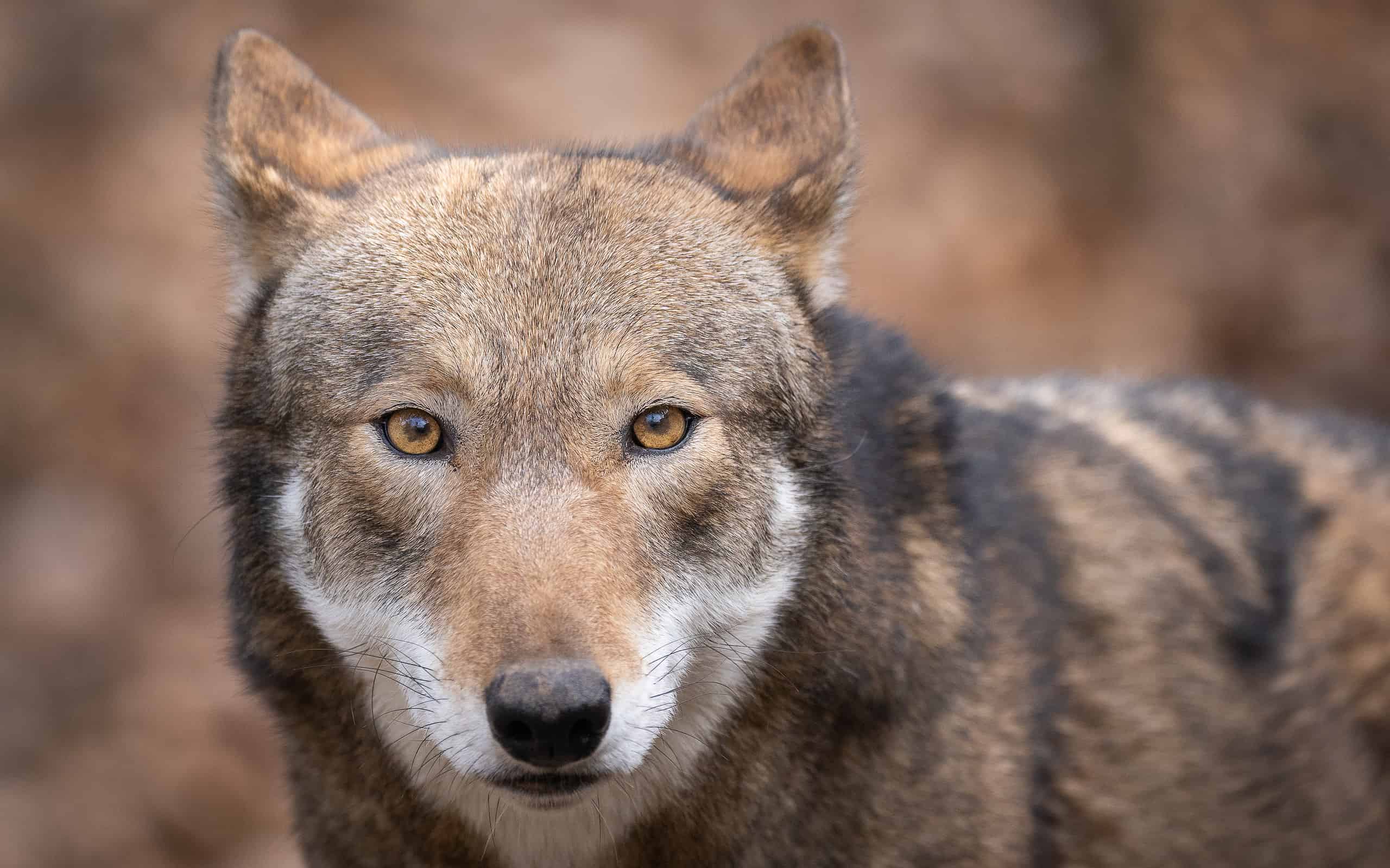
The red wolf came frighteningly close to disappearing altogether. After the species was declared extinct in the wild in 1980, animals from a captive-breeding program were eventually returned to eastern North Carolina. The comeback has been anything but smooth, with the wild population falling to fewer than 10 known animals at one point. Things look somewhat better today. As of August 2026, the U.S. Fish and Wildlife Service estimated 22 to 23 wild adults and subadults, along with another 14 to 15 pups, while nearly 300 red wolves lived in managed care. That is still an incredibly small wild population, but it is a noticeable improvement over where things stood just a few years ago.
California Condor
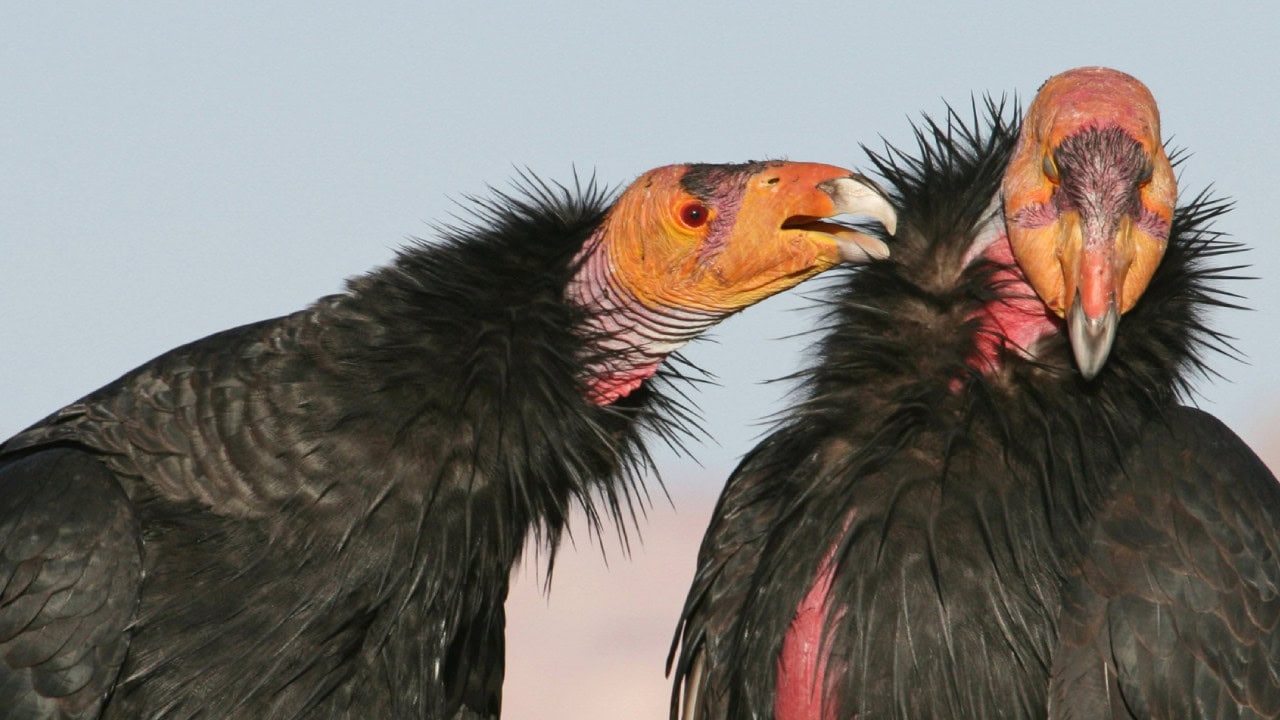
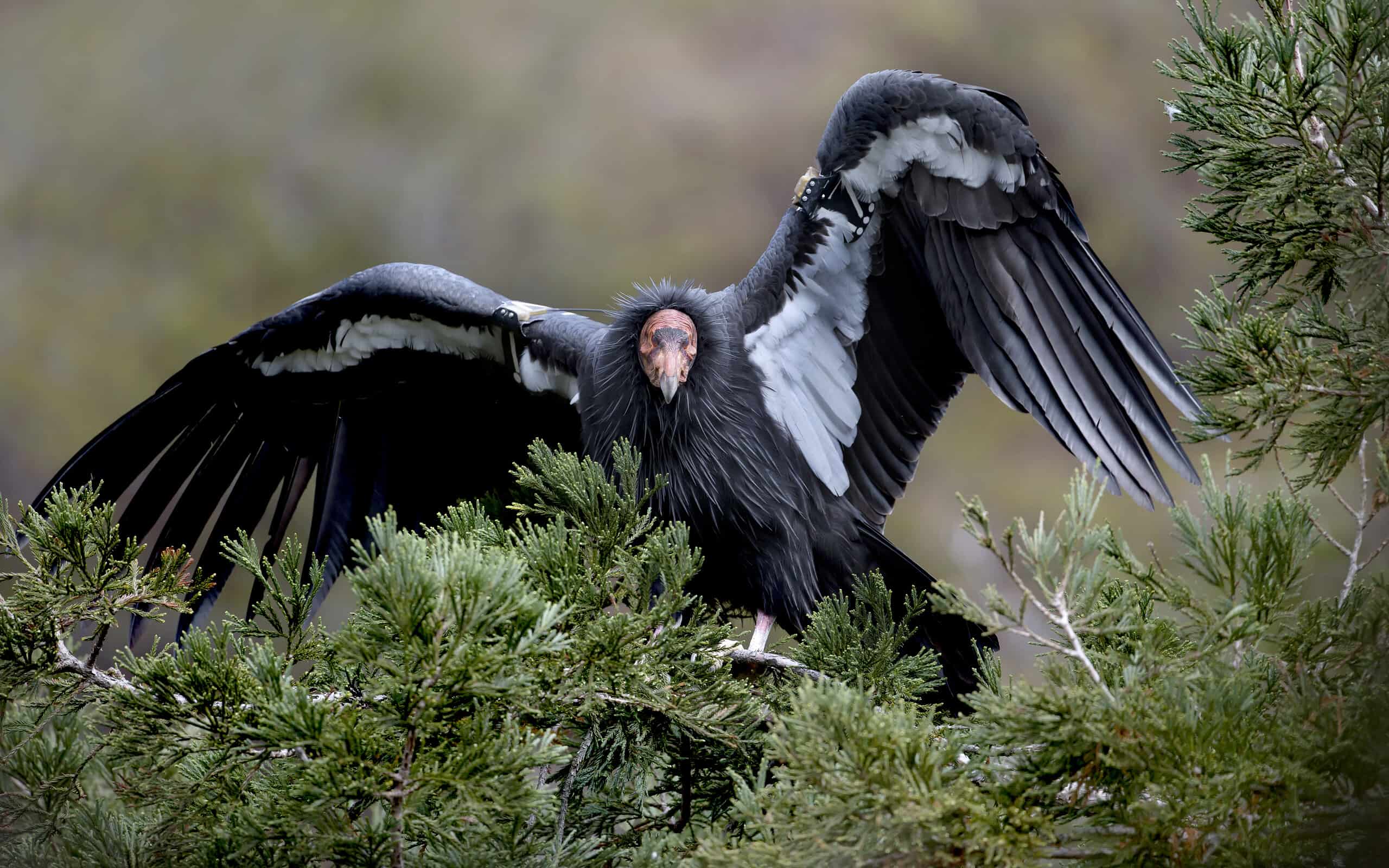
Few endangered-species stories are as dramatic as the California condor's. Only 23 were left in the world in 1982, and by 1987 every surviving wild bird had been brought into captivity in a desperate attempt to save the species. That gamble worked. At the end of 2025, the U.S. Fish and Wildlife Service counted 607 condors worldwide, including 392 flying free in California, Arizona, Utah, Baja California, and the Pacific Northwest. A wingspan approaching 10 feet makes the condor North America's largest land bird, but its recovery remains heavily managed. Lead poisoning from ammunition fragments in animal carcasses continues to be one of its biggest threats, meaning the species is doing far better than it once was without being anywhere close to out of danger.
Bethany Beach Firefly
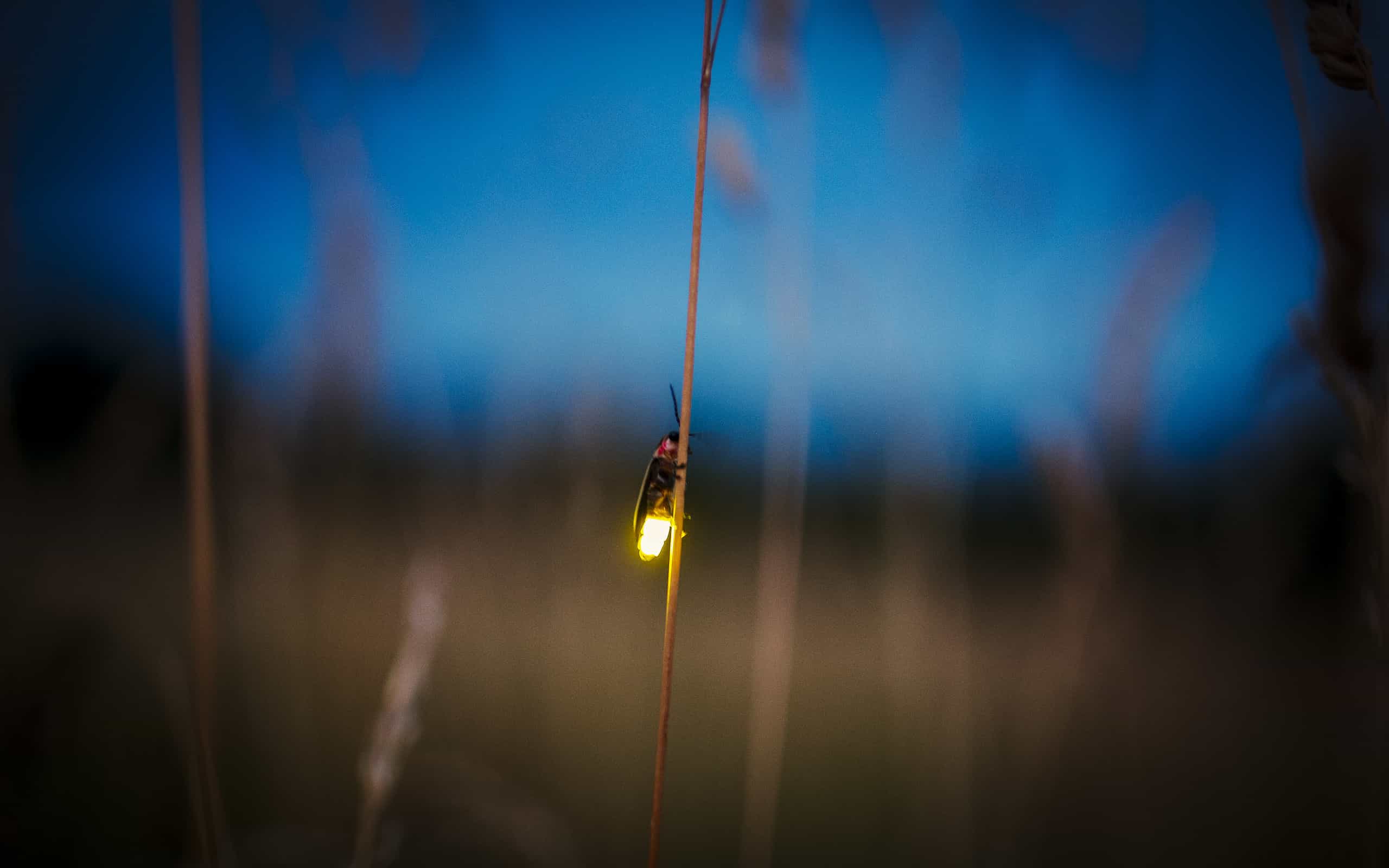
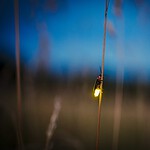
The Bethany Beach firefly survives in one of the most specialized habitats on this list. The tiny beetle lives in freshwater wetlands called interdunal swales tucked between coastal dunes, generally within about 500 meters of the Atlantic shoreline in Delaware, Maryland, and Virginia. Development, rising seas, storms, saltwater intrusion, and artificial light all threaten that narrow strip of habitat. Older accounts predicted the species would already be extinct by now, but that did not happen. In 2024, the U.S. Fish and Wildlife Service instead proposed listing it as threatened under the Endangered Species Act. As of 2026, that federal listing process was still unresolved, making this one a good reminder that extinction forecasts should never be treated like countdown clocks.
North Atlantic Right Whale
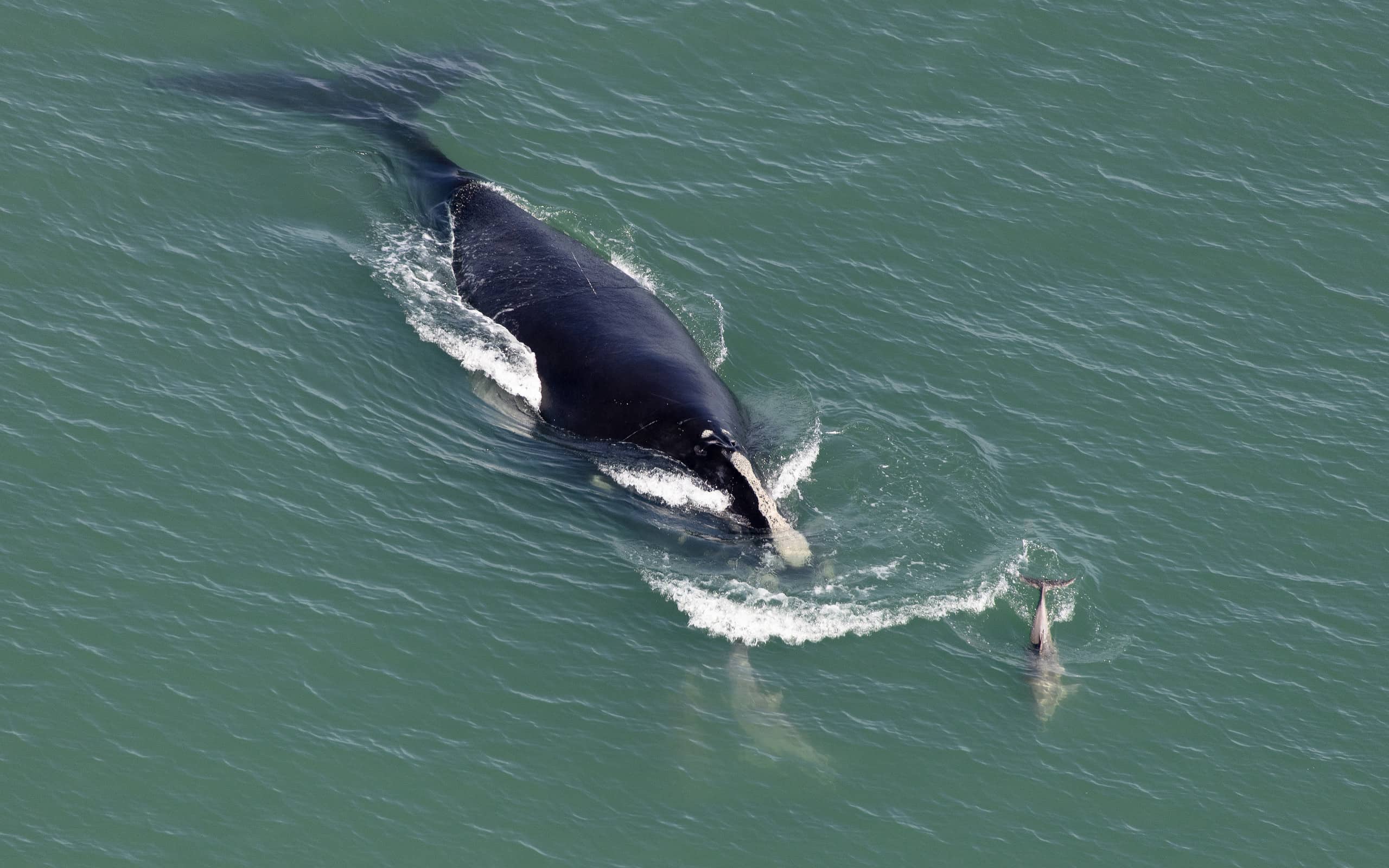
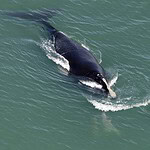
North Atlantic right whales were hunted so heavily that their name is often said to come from whalers considering them the "right" whale to kill. Hunting is no longer the main problem, but humans still pose the species' biggest threats through fishing-gear entanglements and vessel strikes. NOAA's latest population estimate put 384 whales alive at the beginning of 2024, including only about 70 reproductively active females. There is at least a sliver of encouraging news: NOAA says the population has now shown signs of increasing for three consecutive years after a brutal decline during the previous decade. Even so, with fewer than 400 animals left in the entire North Atlantic, spotting one remains an exceptionally rare experience.
Rusty Patched Bumble Bee
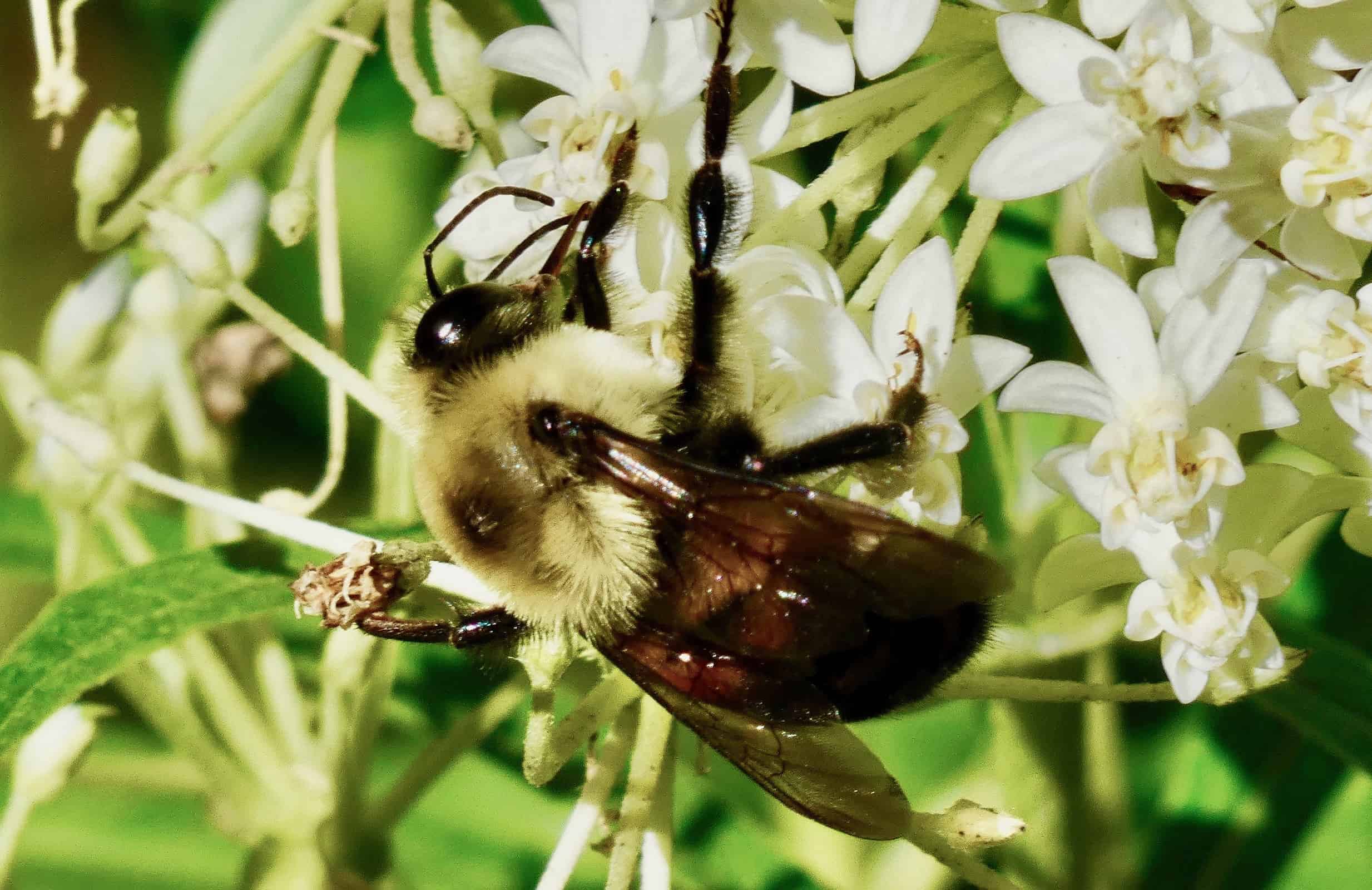
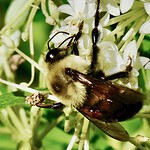
This little pollinator was once common across a huge stretch of the eastern United States and upper Midwest. Then its population collapsed. The U.S. Fish and Wildlife Service estimates that rusty patched bumble bees have declined by roughly 87% since the early 2000s and are now known from less than 1% of their historical range. The species became the first bumble bee federally listed as endangered in 2017. In May 2026, the government designated about 1.5 million acres of occupied critical habitat across parts of Illinois, Iowa, Minnesota, Virginia, West Virginia, and Wisconsin. Disease appears to have played a major role in the decline, with pesticides, habitat loss, climate extremes, and the risks of an increasingly small population adding more pressure.
Alabama Sturgeon
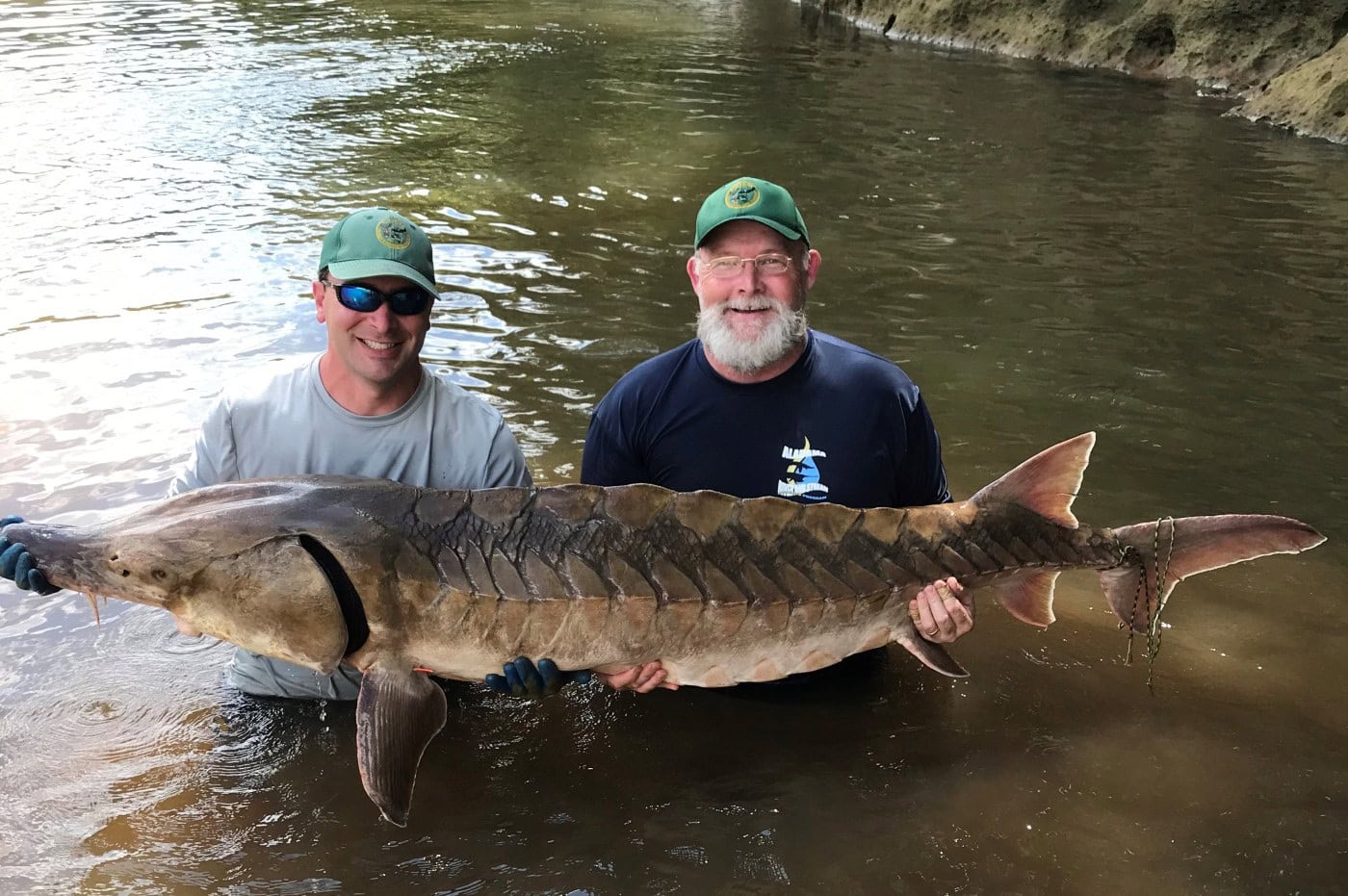
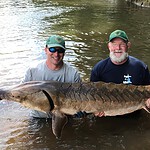
The Alabama sturgeon may be one of the hardest animals in America to find, even for biologists actively looking for it. This small freshwater sturgeon once lived throughout major rivers in Alabama's Mobile River Basin, but dams, altered river flow, and other habitat changes devastated its range. The last Alabama sturgeon physically captured by wildlife officials was caught on April 3, 2007. The U.S. Fish and Wildlife Service says the endangered fish may now be close to extinction, with the most recent records restricted to portions of the lower Alabama River and lower Cahaba River. That uncertainty is important. Nobody can responsibly say there are exactly five, 10, or 20 left because scientists simply do not have enough recent confirmed encounters to know.
Kemp's Ridley Sea Turtle
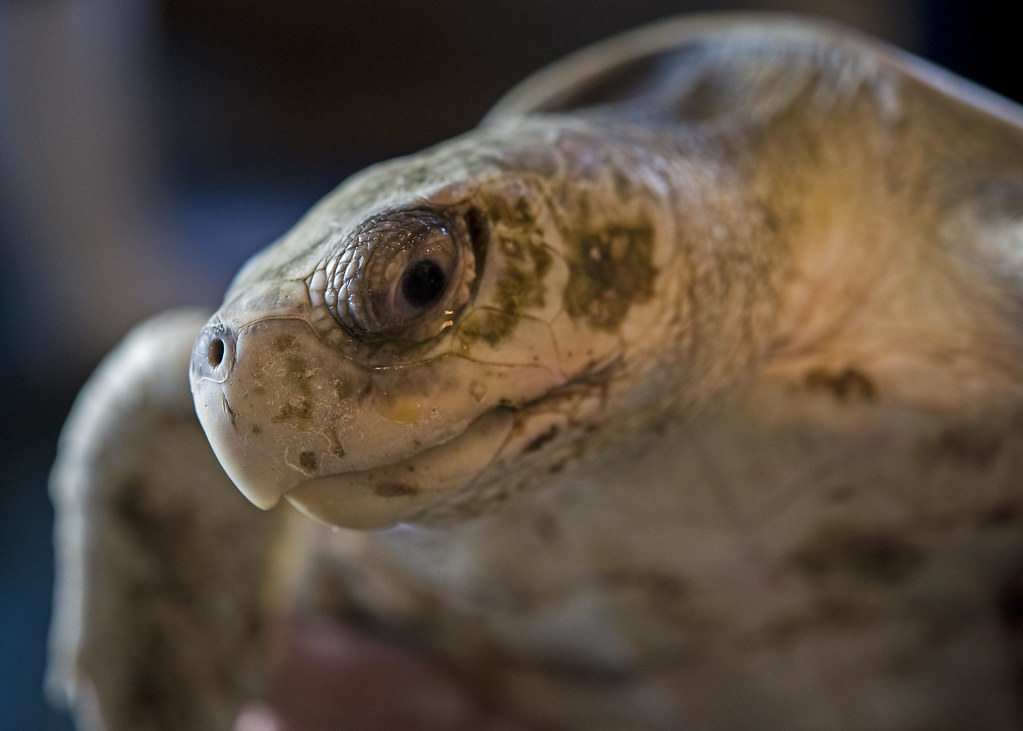
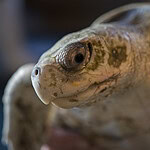
Kemp's ridley is the world's smallest sea turtle and one of its most endangered. About 95% of the species' nesting still occurs in Tamaulipas, Mexico, while Texas hosts its most important U.S. nesting beaches. The population crashed by more than 99% from the enormous nesting gatherings recorded in the mid-20th century, largely because of egg collection and deaths in fishing gear. Conservation has produced real gains. Texas recorded 449 Kemp's ridley nests in 2025, the highest number since monitoring began there in 1978. Bycatch remains the biggest threat, however, and the turtle is still federally endangered. Its famous arribadas, when many females come ashore together in daylight, are slowly becoming a little easier to witness again.
Kiwikiu
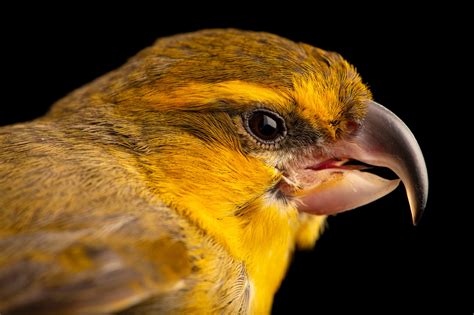
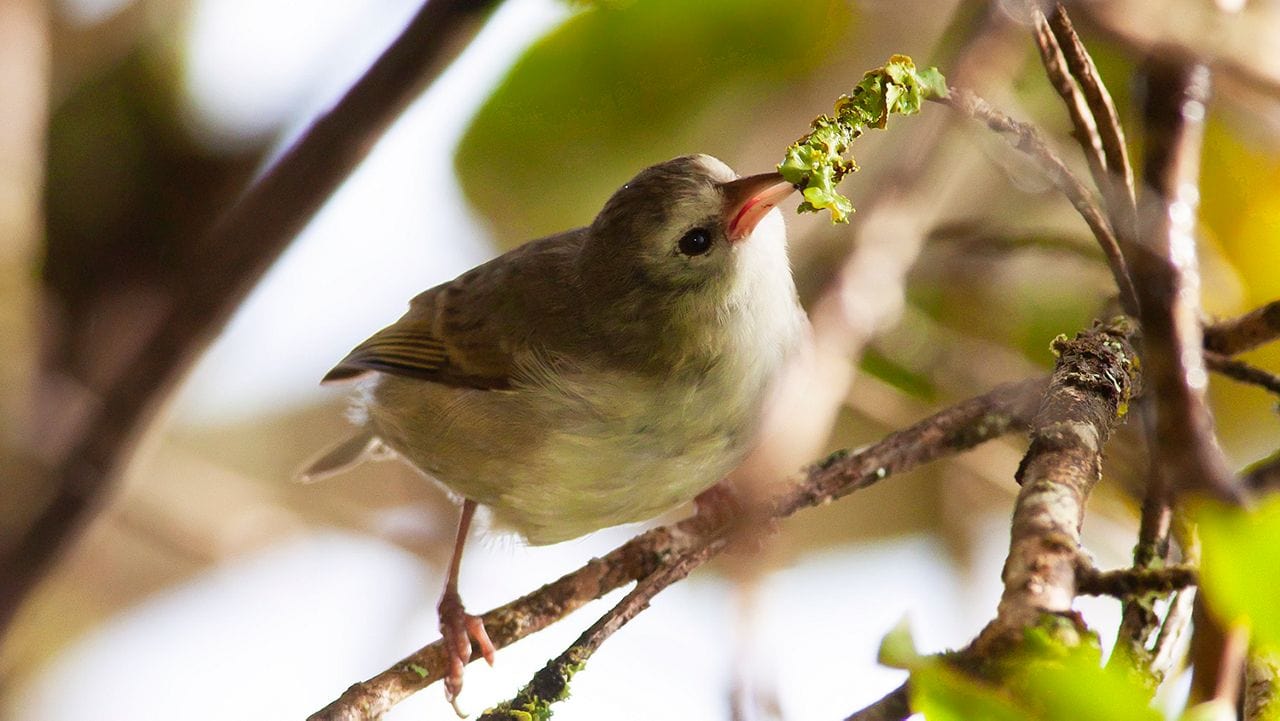
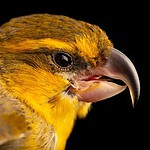
The kiwikiu, also known as the Maui parrotbill, survives only in high-elevation forests on the windward side of Haleakalā. Its oversized, parrot-like bill is perfectly designed for tearing into bark and branches in search of insects, but specialization has not protected it from introduced mosquitoes carrying avian malaria. The most recent widely cited federal estimate put the wild population at about 135 birds in 2021. An effort to establish another population in restored Maui forest in 2019 ended badly when the released birds encountered heavy mosquito activity and avian malaria. The species' tiny population, slow reproduction, limited range, and growing disease pressure have left the kiwikiu among the most endangered birds anywhere in the United States.
Mojave Desert Tortoise
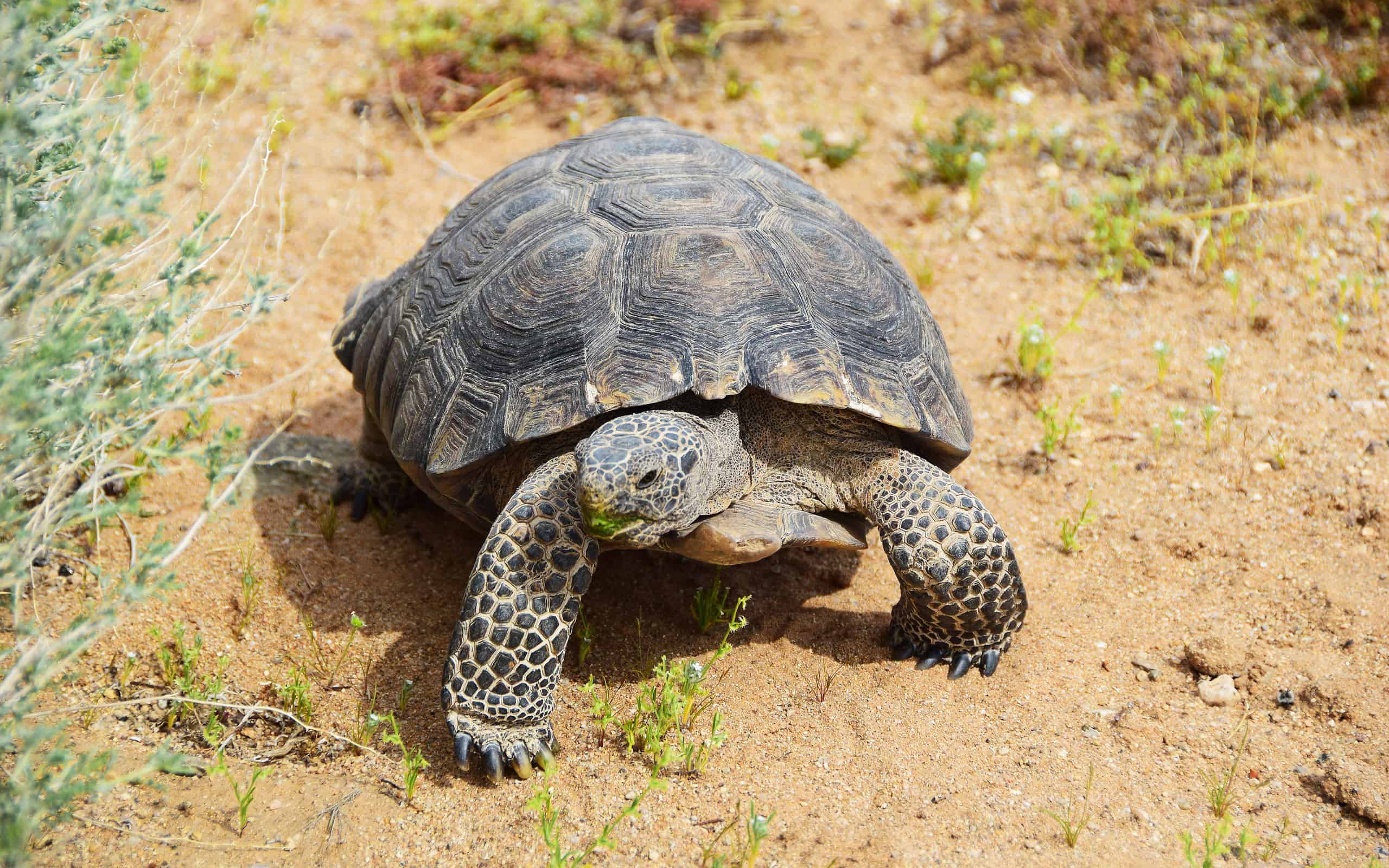
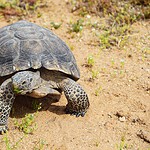
The Mojave desert tortoise is not down to a few dozen animals like some species here, but its long-term decline has been serious enough to keep it federally protected as threatened since 1990. One important correction to older descriptions is that this is not the tortoise of the entire Mojave and Sonoran deserts. The Mojave population of Gopherus agassizii lives north and west of the Colorado River in southeastern California, southern Nevada, southwestern Utah, and northwestern Arizona. Tortoises south and east of the river are now recognized as a different species. Habitat fragmentation, roads, disease, development, invasive grasses, and increasingly destructive wildfires all continue to chip away at Mojave tortoise habitat.
ʻAkekeʻe
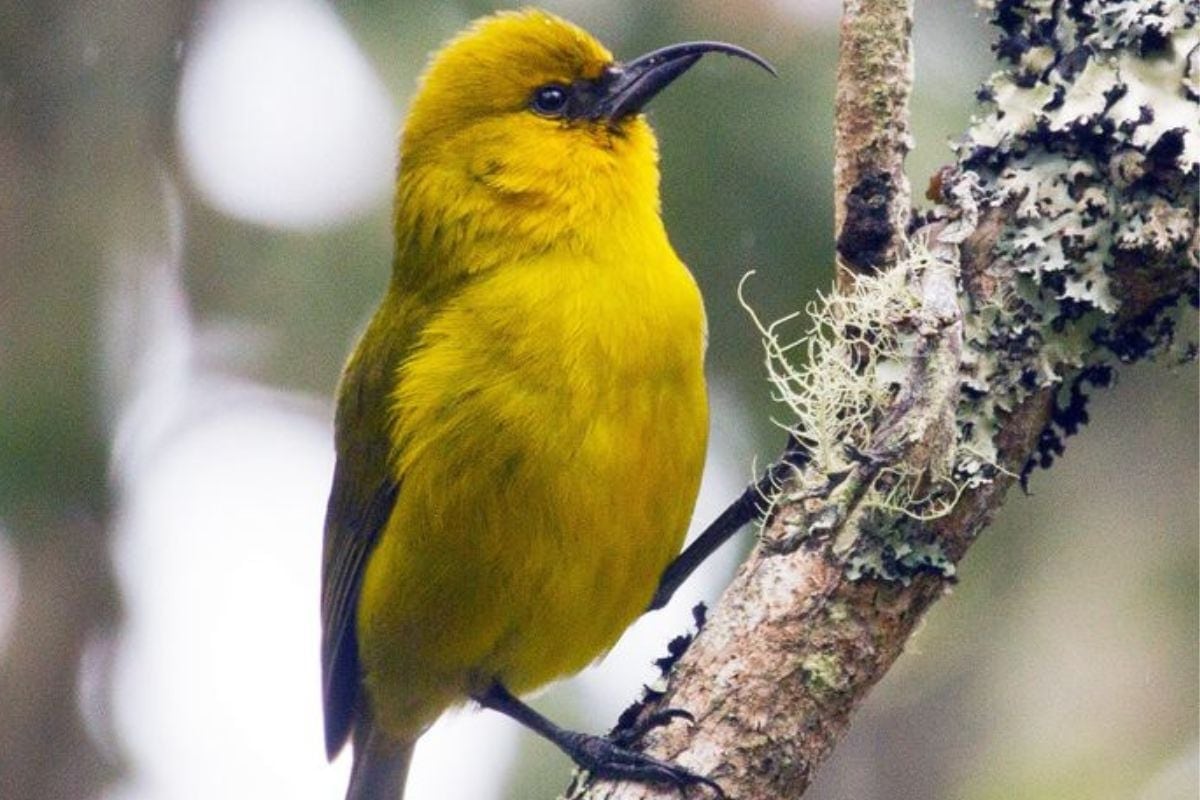
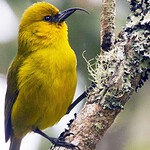
The ʻakēkeʻe exists nowhere on Earth except Kauaʻi. A 2022 assessment put roughly 638 birds in the wild, already a dramatic decline from earlier decades, and researchers continue to describe the species as being in imminent danger. The biggest problem is one that has devastated several Hawaiian honeycreepers: avian malaria carried by introduced mosquitoes. As warming temperatures allow mosquitoes to reach higher elevations, birds lose the cool mountain refuges that once protected them from the disease. Habitat degradation, invasive predators, and competition from non-native species add to the problem. A 2025 genomic study still found a narrow path to recovery, but only if conservation can slow the collapse before that window closes.
Ivory-Billed Woodpecker
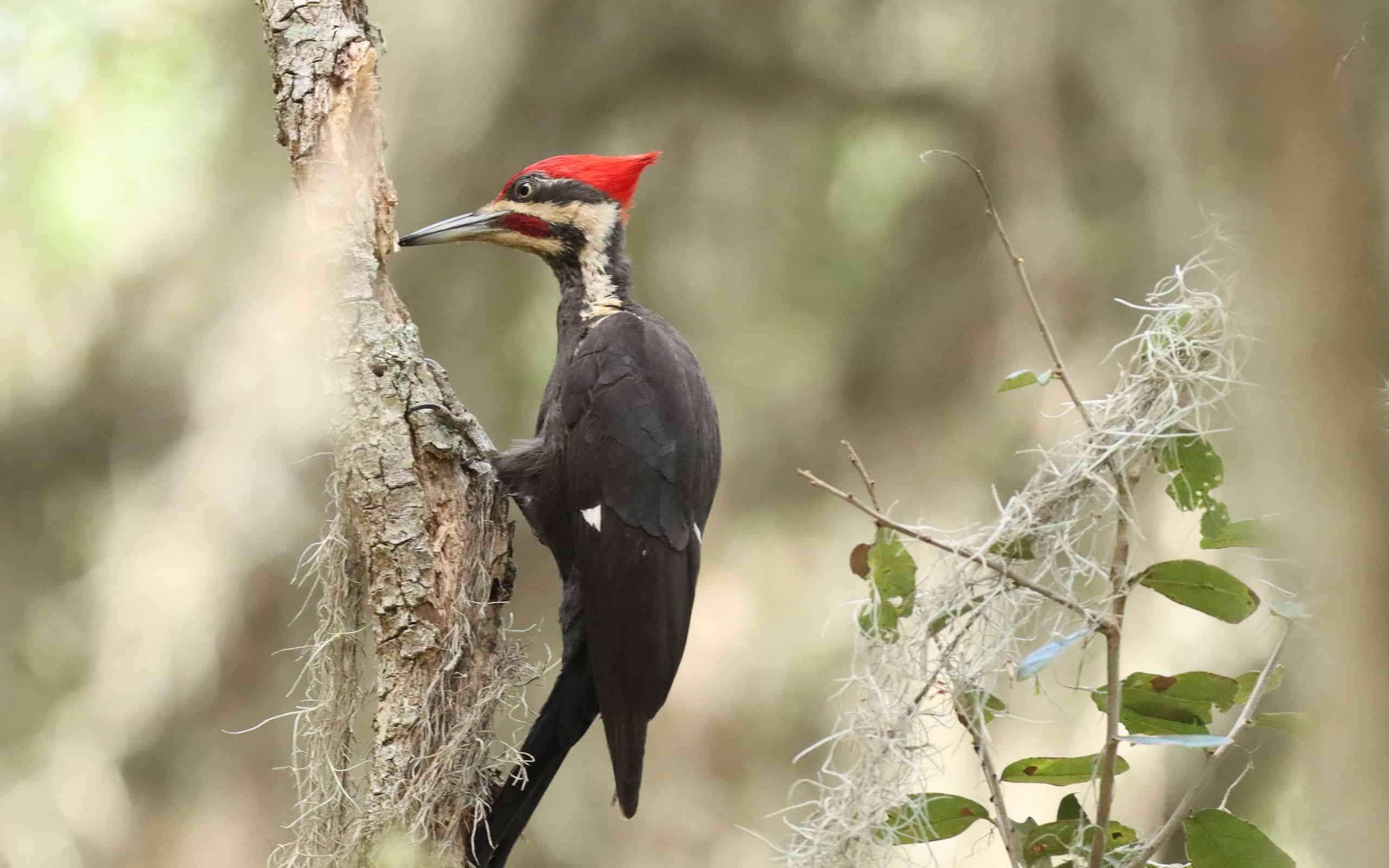
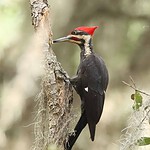
No animal on this list comes with a bigger question mark. The enormous ivory-billed woodpecker once lived in bottomland forests across the southeastern United States and Cuba, but logging and hunting drove it toward oblivion. The U.S. Fish and Wildlife Service proposed declaring the species extinct and removing it from federal protection in 2021. Then came disagreement over reported sightings, recordings, and other evidence, and the government held off on a final decision. In 2023, the Service formally delisted 21 other extinct species while saying it still needed more time to evaluate the ivory-billed woodpecker. As of 2026, its fate remains unresolved. It may already be extinct, or an extraordinarily small number could still survive somewhere in remote southern forest.
ʻAkikiki
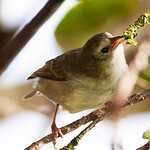
The ʻakikiki story changed dramatically after the original version of this article was written. Scientists once predicted the Kauaʻi honeycreeper might vanish from the wild by 2023, but a tiny number held on longer. Pakele, believed to be the last known wild ʻakikiki, was still being observed in a remote Kauaʻi valley until August 29, 2025. She has not been confirmed since. That means the species may now be effectively gone from the wild, although birds survive in conservation-breeding facilities and Pakele herself produced offspring that joined that program. Avian malaria spread by introduced mosquitoes drove much of the catastrophic decline. The hope now is that captive descendants can eventually return to Kauaʻi if the disease threat can be brought under control.