Ciro de Simone/iStock.com
Paul Aparicio/Shutterstock.com
Davepape, Public domain, via Wikimedia Commons
OneEarth.org
OneWorld.org
Don Mammoser/Shutterstock.com
mruizseda/Shutterstock.com

juliazara/Shutterstock.com
JennyPPhoto/ via Getty Images

Tom Reichner/Shutterstock.com
Allison Coffin/Shutterstock.com
ambquinn / Shutterstock.com
Ciro de Simone/iStock.com

n.k.junky / Shutterstock.com
Derek R. Audette/Shutterstock.com

PeopleImages.com - Yuri A / Shutterstock.com
Luke23/Shutterstock.com

rarrarorro
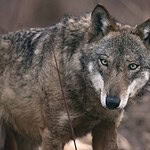



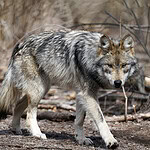












Texas Once Had Wolves. Here's Why They Disappeared
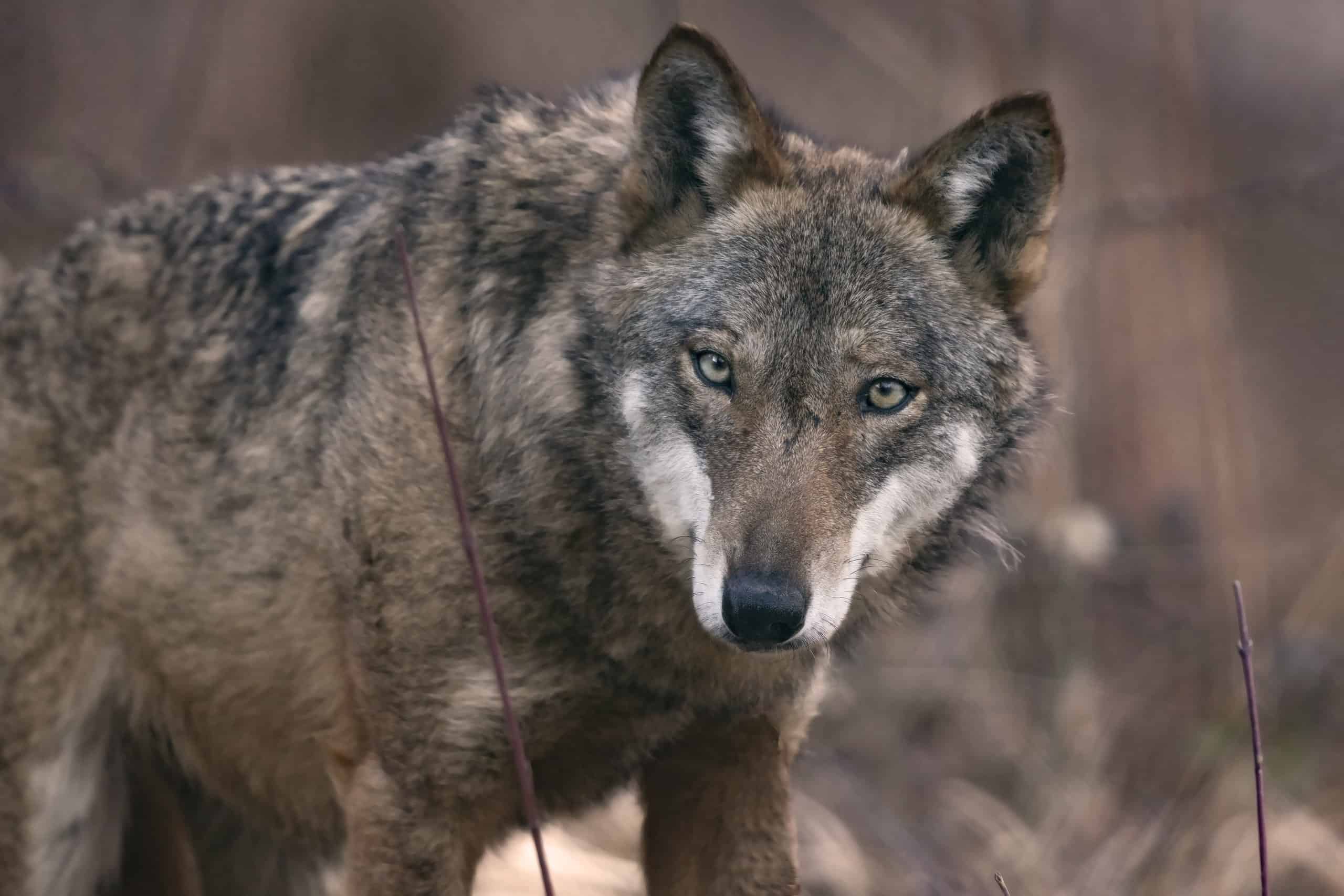
Wolves once roamed across Texas, from the forests and coastal plains of the east to the deserts and rugged mountains of the west. Today, those wild populations are gone. While coyotes remain common throughout the Lone Star State, the wolves that once helped shape its ecosystems have been missing for decades.
What happened to them? The answer involves centuries of changing land use, conflicts with ranchers, government predator-control programs, and conservation efforts that came too late to save Texas's remaining wild wolves. There is also the question of whether they might someday return. Here is a closer look at the wolves that once called Texas home, why they disappeared, and what stands in the way of bringing them back.
Are There Still Wolves in Texas?
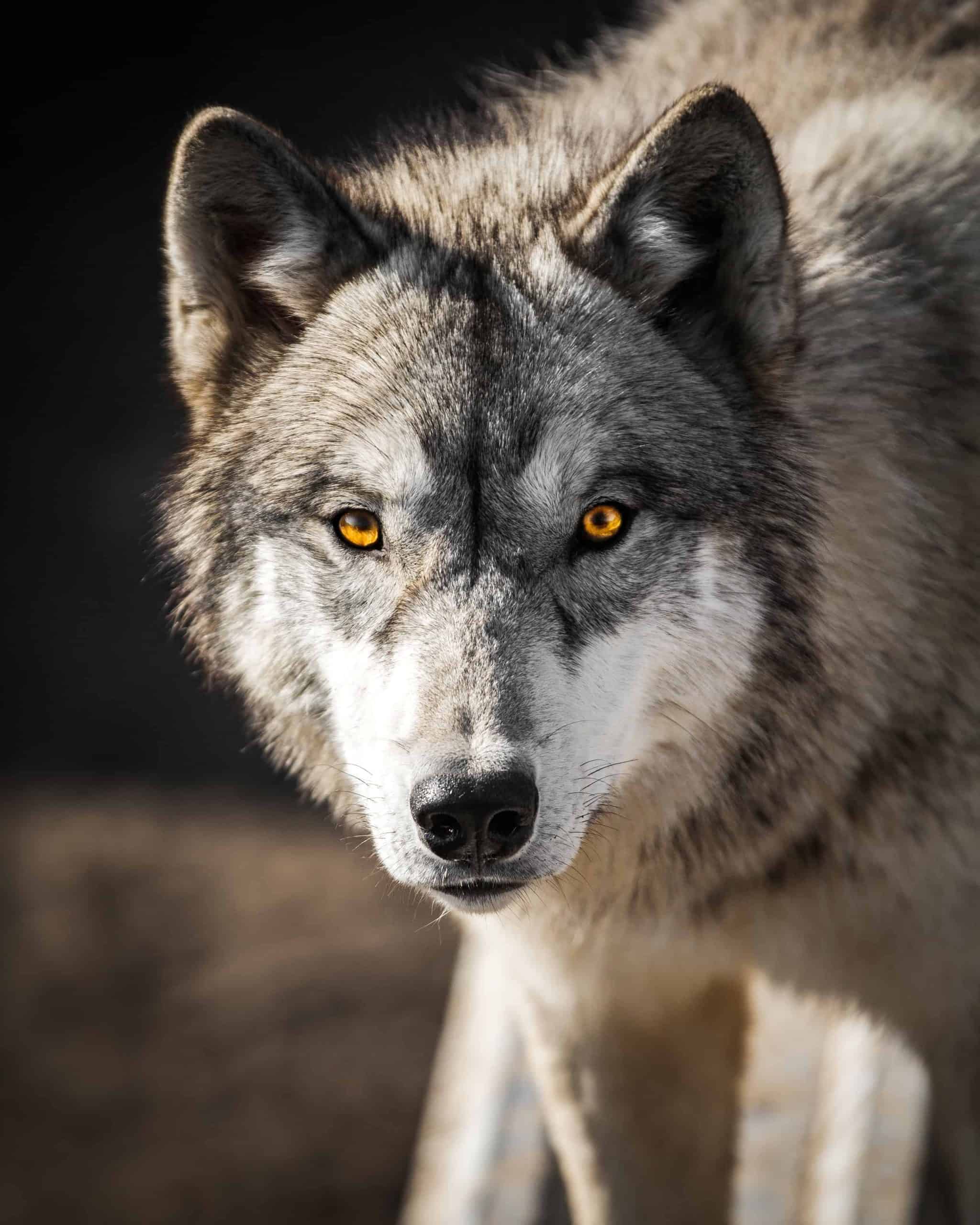
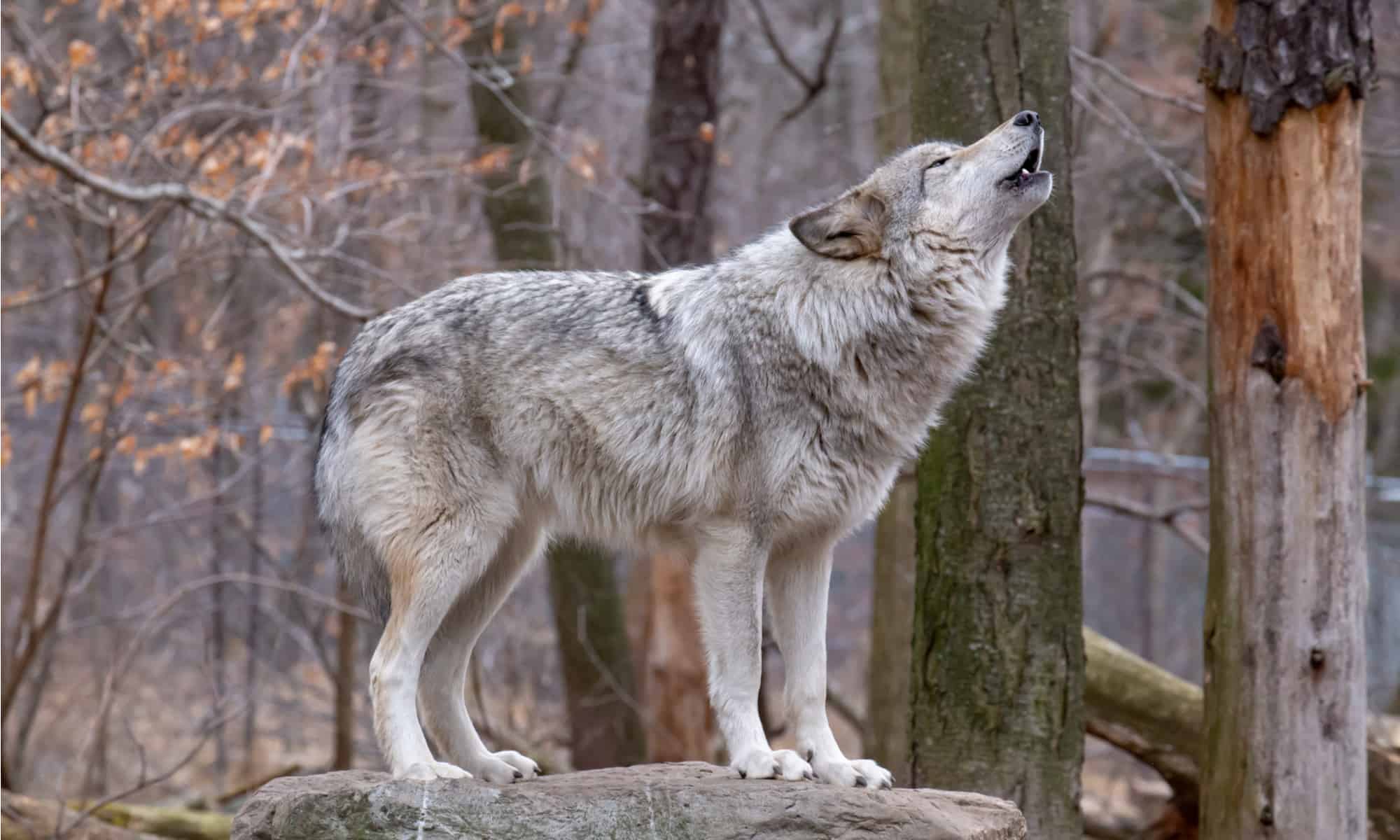
Despite occasional reported sightings, Texas has no established wild population of gray wolves or red wolves. Both historically inhabited the state before being eliminated through hunting, trapping, poisoning, and habitat changes. Gray wolves were primarily associated with western Texas, while red wolves occupied much of the eastern portion. The Mexican gray wolf, a smaller subspecies of the gray wolf, also historically occurred in parts of the Southwest, including Texas.
Texas Parks and Wildlife considers gray wolves extirpated, meaning they have disappeared from the state but survive elsewhere. The agency reports that two gray wolves crossed into Texas from Mexico in 1970 and were killed, representing the last documented wild gray wolves in the state. Today, wolves can still be seen at certain accredited zoos and sanctuaries, but these animals are not part of a naturally reproducing Texas population. Coyotes, which are smaller and far more adaptable to human development, remain widespread.
The Red Wolf Once Roamed East Texas
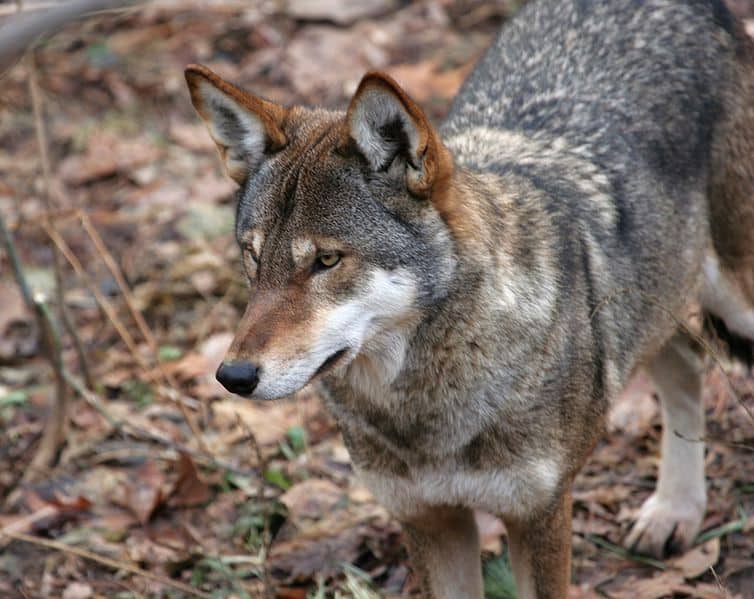
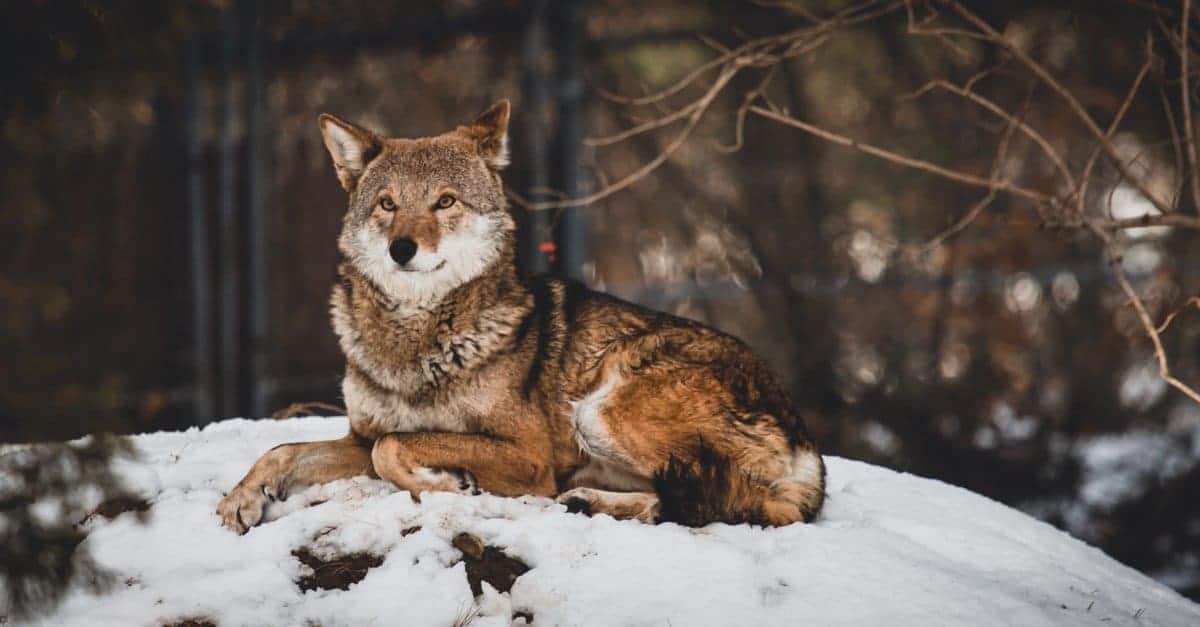
The red wolf (Canis rufus) once occupied much of the southeastern United States, including eastern Texas. Generally smaller and more slender than gray wolves but larger than coyotes, adult red wolves typically weigh around 45 to 80 pounds. Their coats often contain a mixture of brown, gray, black, and reddish fur, with the reddish coloring especially noticeable around the ears, legs, and neck.
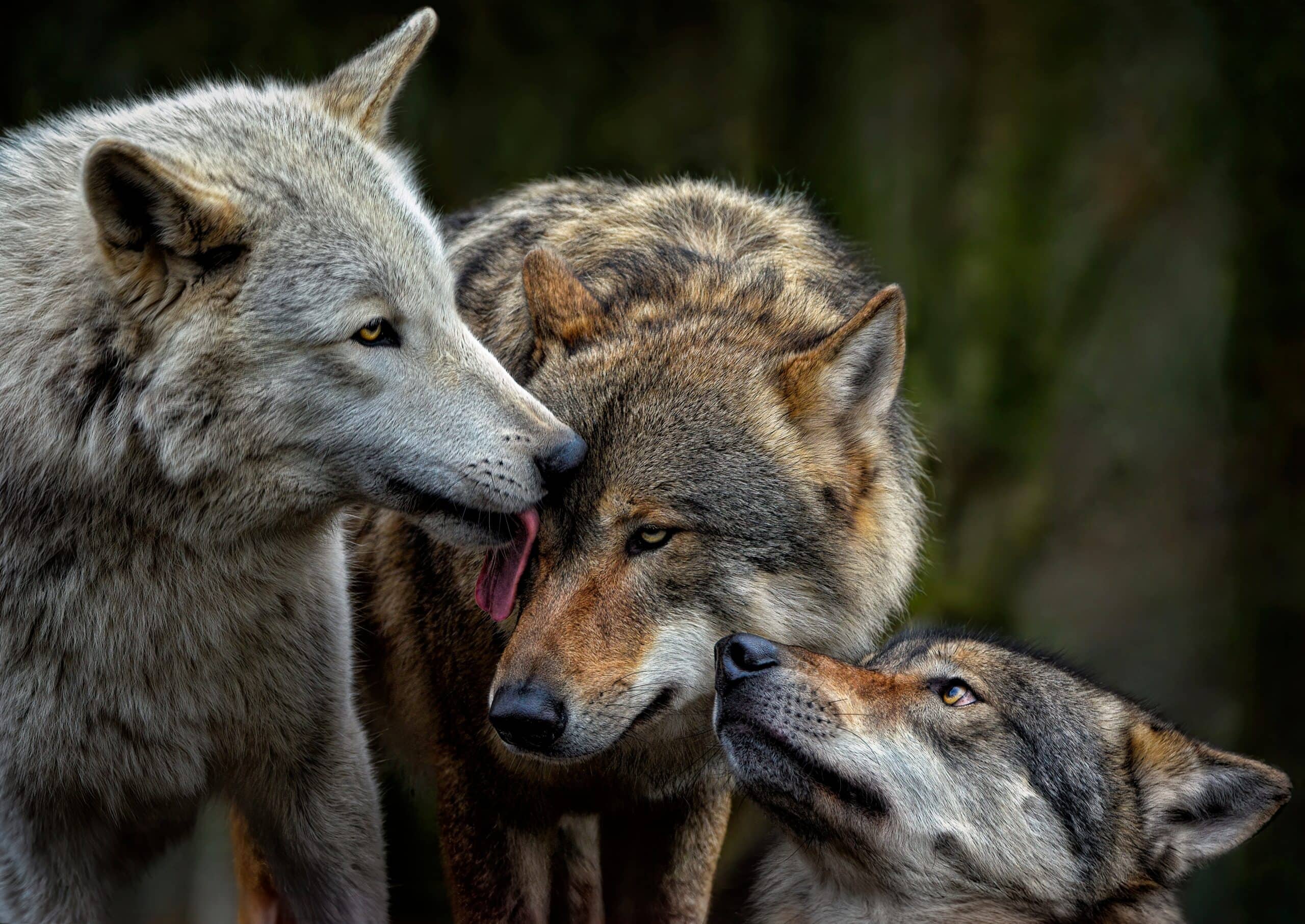
Red wolves live in family groups and hunt animals such as white-tailed deer, rabbits, rodents, and other small mammals. By the 1970s, persecution, habitat loss, and interbreeding with coyotes had pushed them toward extinction in the wild. Federal wildlife officials captured the remaining animals they could identify for a captive-breeding program, and red wolves were declared extinct in the wild in 1980.
Reintroduction began in eastern North Carolina in 1987, but recovery remains difficult. According to the U.S. Fish and Wildlife Service's August 2026 estimate, approximately 22 to 23 adults and subadults, along with 14 to 15 pups, remained in the wild. Roughly 295 additional red wolves were in managed conservation facilities. Although the species has made some progress, its future remains uncertain, and no established wild population has returned to Texas.
Mexican Gray Wolves Are Recovering, but Not in Texas
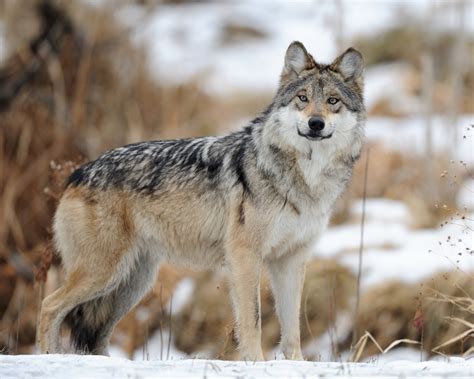
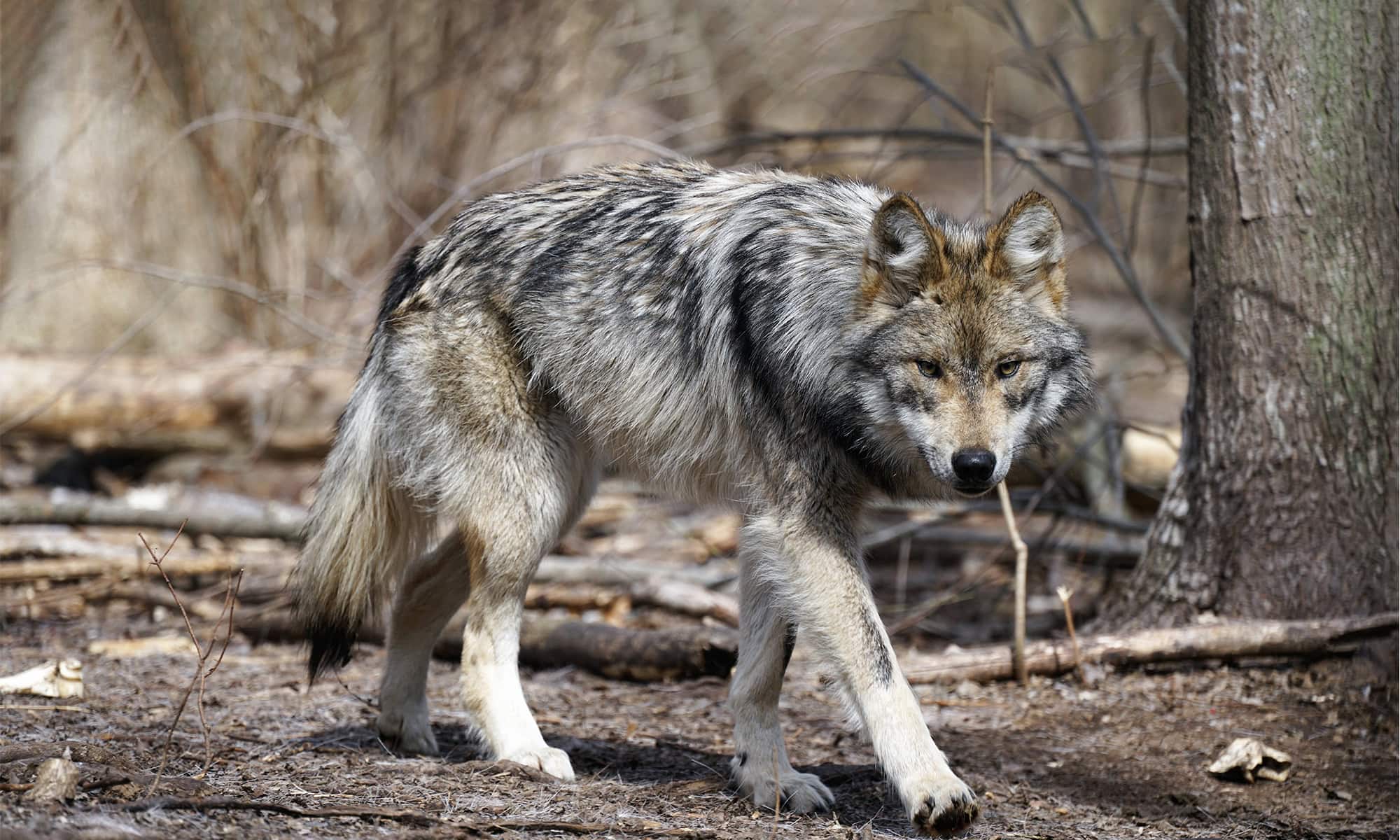
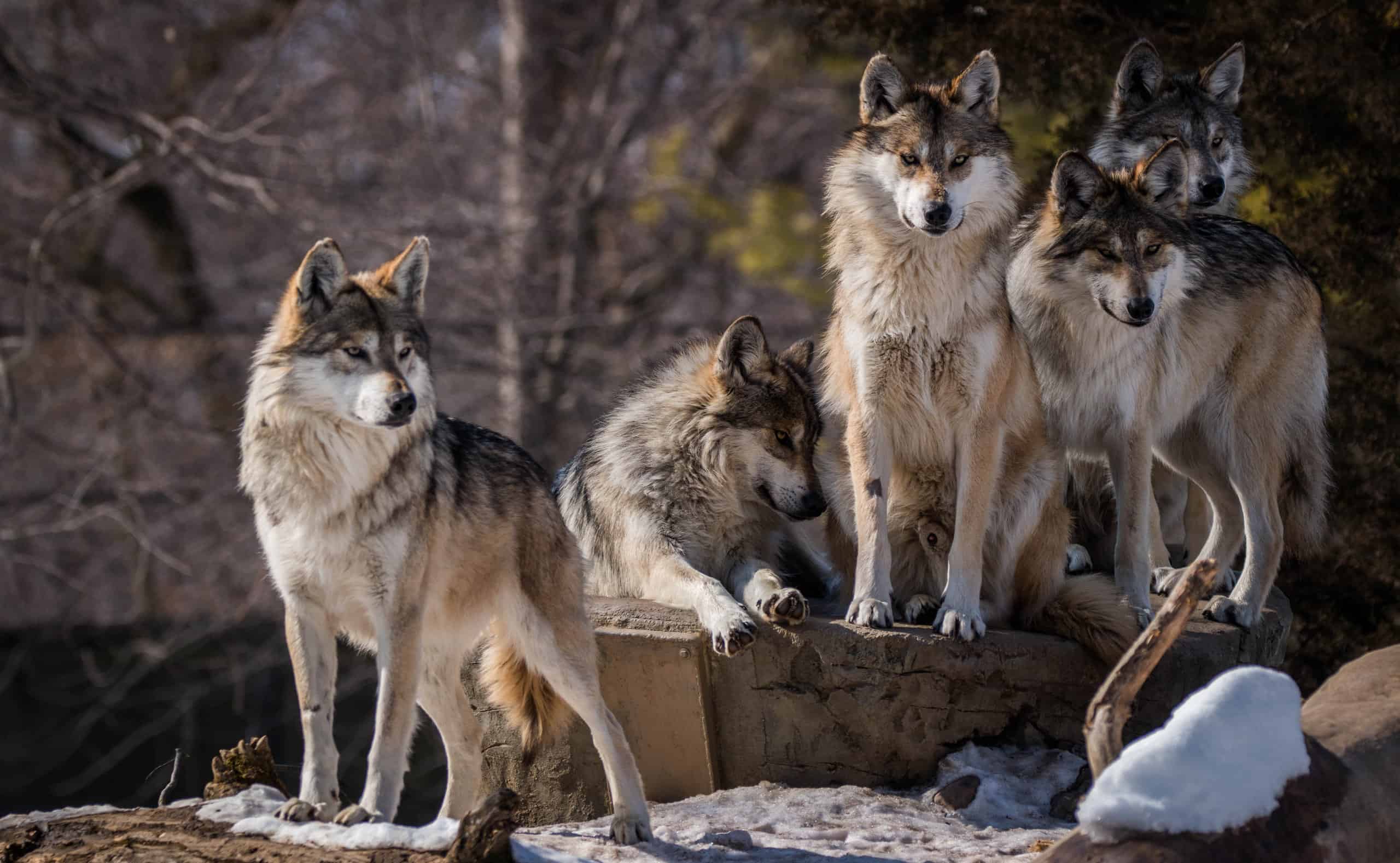
The Mexican gray wolf (Canis lupus baileyi), commonly called the lobo, is the smallest surviving subspecies of gray wolf in North America. Historically found in portions of the American Southwest and Mexico, these wolves have relatively slender bodies and coats that combine shades of gray, brown, black, and tan. They typically weigh between 50 and 80 pounds, although individual animals can fall outside that range.
Mexican Gray Wolf (continued)
Decades of predator-control campaigns nearly eliminated Mexican wolves from the wild. In response, the United States and Mexico developed a captive-breeding program using a very small founding population. The first captive-bred Mexican wolves were released into eastern Arizona in 1998, beginning a recovery effort that continues today.
According to the latest official annual survey, at least 319 Mexican gray wolves were living in the wild in Arizona and New Mexico at the end of 2025, up from 286 the previous year. That represents substantial progress compared with the late 1990s, but the subspecies remains endangered. Recovery efforts currently focus on designated areas in the Southwest and Mexico, not Texas. Limited genetic diversity, illegal killings, vehicle collisions, and conflicts involving livestock remain significant concerns.
The Texas Gray Wolf Has Disappeared
Historical accounts sometimes refer to a distinct Texas gray wolf, identified scientifically as Canis lupus monstrabilis. This name was used for wolves inhabiting portions of Texas and northern Mexico, although subsequent taxonomic research questioned whether these animals represented a distinct subspecies. Some researchers have grouped them with Mexican gray wolves, so describing the Texas wolf as a completely separate species would be misleading.
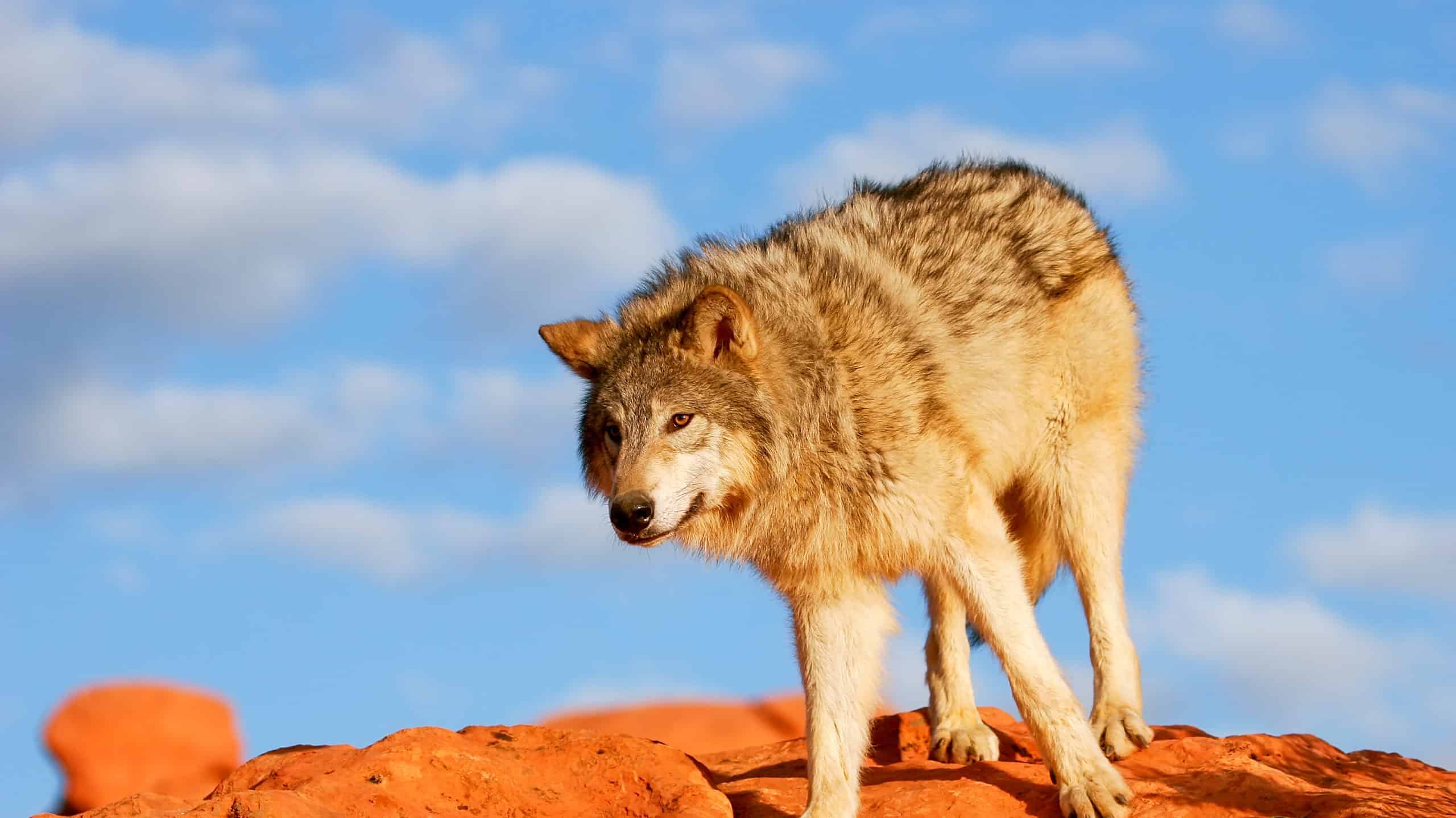
Whatever name scientists use, the larger story is the same. Gray wolves that once inhabited western Texas disappeared during the 20th century as ranching expanded and predator-control efforts intensified. Hunting, trapping, and poisoned bait substantially reduced their numbers. By the early 1900s, wolves had become increasingly rare across much of the state, and the remaining native populations eventually vanished.
Unlike the Mexican gray wolf, which has benefited from a dedicated recovery program in neighboring states, the historical Texas wolf population was never successfully restored. Its disappearance remains an example of how quickly a once-established predator can vanish when human land use and wildlife management priorities change.
How Texas Lost Its Wolves
Wolves were once an important part of Texas's wildlife community. Gray wolves occupied much of the western two-thirds of the state, while red wolves lived primarily in the eastern forests, coastal prairies, and brushlands. Their fortunes began changing as European settlement expanded, livestock ranching grew, and the state's landscape underwent dramatic changes during the 19th century.
The near-elimination of American bison from Texas also changed the available prey and scavenging opportunities for wolves. As ranching expanded, livestock increasingly became a source of conflict between predators and landowners.
How Texas Lost Its Wolves (continued)
Wolves sometimes killed cattle and sheep, creating financial losses for ranchers and encouraging organized efforts to eliminate them. Bounties, traps, firearms, and poisoned bait were all used to reduce predator populations.
During the early 20th century, federal and state predator-control programs accelerated the decline. These campaigns were often considered necessary agricultural protections at the time, but they contributed to the disappearance of wolves across much of the contiguous United States. Texas was no exception. Gray wolves were effectively gone by the mid-20th century, apart from a few later documented animals, while the remaining red wolves of coastal Texas and Louisiana were captured for conservation breeding before disappearing from the wild.
What Happens to an Ecosystem When Wolves Disappear?
Wolves are apex predators, meaning they occupy a position near the top of the food chain and have relatively few natural enemies. By hunting deer and other animals, they can influence prey populations and behavior, which may affect vegetation and the wider ecosystem. In some environments, these relationships help reduce excessive browsing and allow certain plant communities to recover.
However, removing wolves does not automatically explain every ecological problem that follows. Texas faces numerous environmental pressures, including livestock grazing, expanding development, habitat fragmentation, invasive species, and changing water availability.
The Ecosystem (continued)
Deer populations also vary dramatically across the state, depending on habitat, rainfall, hunting pressure, and other factors.
Research from other regions suggests that restoring large predators can influence ecological relationships, but the results depend heavily on local conditions. Reintroducing wolves into Texas would not automatically reverse erosion, eliminate invasive plants, or resolve overgrazing. It could potentially restore some natural predator-prey interactions, but any expected benefits would need to be evaluated alongside existing wildlife populations, land management practices, and the needs of surrounding communities.
Could Wolves Make a Comeback in Texas?
The idea of bringing wolves back to Texas is not entirely new. Conservation advocates have raised the possibility of restoring Mexican gray wolves to suitable habitat in the Trans-Pecos region, including areas near Big Bend National Park. The rugged terrain and relatively low human population density in parts of far West Texas make the proposal interesting from a wildlife conservation perspective.
However, suitable habitat alone does not guarantee that a reintroduction program would succeed. Wolves require extensive territories, adequate prey, connectivity between populations, and protection from human-caused mortality. Much of Texas is privately owned, creating additional challenges for wildlife management.
Could Wolves Make a Comeback? (continued)
Any proposed restoration would also need to address concerns involving ranching operations, livestock losses, public acceptance, and the long-term costs of monitoring and managing wolves.
Texas Parks and Wildlife has stated that there are no plans to release or reintroduce wolves in the state. The agency has also acknowledged the possibility that wolves could naturally wander into Texas from neighboring regions, although it has considered that unlikely in the near future. For now, successful recovery programs in Arizona, New Mexico, and Mexico remain the most realistic path toward increasing wild Mexican gray wolf populations.
Should Texas Reintroduce Wolves?
Whether wolves should return to Texas is a complicated question, and reasonable arguments exist on both sides. Supporters of reintroduction point to the animals' historical presence in the state and their potential ecological role as native predators. They argue that restoring wolves to appropriate habitats could help recover an important part of the region's natural heritage while supporting broader conservation efforts.
Ranchers and other landowners have raised concerns about livestock losses, property rights, and the practical difficulties of managing wide-ranging predators. Wolves are capable of traveling considerable distances, and national park boundaries would not prevent them from entering neighboring ranches.
Reintroducing Wolves (continued)
Compensation programs, nonlethal deterrents, monitoring, and collaboration with landowners can help reduce conflicts, but none completely eliminates the possibility of livestock predation.
There is also the question of whether restoration would be an effective use of limited conservation resources. Mexican gray wolves remain endangered, and existing recovery efforts in Arizona and New Mexico require ongoing attention. For Texas, a serious reintroduction proposal would need scientific habitat assessments, legal changes, extensive public consultation, and a long-term management plan before any animals could be released.
Texas Law Is a Major Obstacle to Wolf Restoration
Even if wildlife biologists identified an ideal location for a wolf restoration project, Texas law presents a significant obstacle. Section 63.102 of the Texas Parks and Wildlife Code prohibits people from possessing, transporting, receiving, or releasing live wolves in the state, subject to specific exceptions. Those exceptions address certain official activities and the possession or transportation of wolves by qualifying licensed facilities.
That means establishing a new wild population is not simply a matter of obtaining federal conservation funding or choosing a suitable park.
Texas Law (continued)
A reintroduction program would have to navigate the state's legal restrictions and any applicable federal requirements. The Texas Parks and Wildlife Department has explicitly stated that wolves are not being reintroduced and that no such program is planned.
For conservation advocates, changing the law would be only one part of a larger challenge. Any proposed restoration would also need cooperation from wildlife agencies, local communities, livestock producers, and landowners. Until those issues are resolved, a managed reintroduction remains a proposal rather than an active conservation program. Meanwhile, Texas continues to rely on its existing populations of coyotes, bobcats, mountain lions, and other predators as part of its wildlife community.
What the Loss of Wolves Means for Texas Today
Wolves once played an important role in Texas's natural history, and their disappearance reflects a much larger transformation of the state's landscape. Over the past two centuries, expanding settlements, ranching, agriculture, and infrastructure have reshaped habitats that previously supported large predators. Wolves were among the most visible casualties of those changes, but they were hardly the only wildlife affected.
In other parts of the United States, wolf restoration has demonstrated that recovery is possible, even after populations have been nearly eliminated. It has also shown how difficult maintaining that progress can be.
The Loss of Texas Wolves (continued)
Wolves need room to roam, reliable prey, and a landscape where conflicts with people can be managed. Conservation success depends not just on the animals themselves, but on the cooperation of the communities that share their habitat.
Whether wolves will ever return to Texas remains uncertain. There is currently no state-backed reintroduction program, and legal and practical barriers remain substantial. Still, the ongoing recovery of Mexican gray wolves in the Southwest and red wolves in North Carolina shows that extinction in the wild does not always have to be the final chapter. For Texas, the question is no longer simply what happened to its wolves, but whether the state will ever decide there is a place for them again.