BoJack/Shutterstock.com
BORINA OLGA/Shutterstock.com
fotyma/iStock via Getty Images
Rin Seiko/Shutterstock.com
Kassio KM/Shutterstock.com
ElenaYakimova/Shutterstock.com
yhelfman/iStock.com
BoJack/Shutterstock.com
Nick Chase 68/Shutterstock.com
Lourdes Photography/Shutterstock.com
CaptureLight/iStock.com





10 Dog Breeds That Survived Against the Odds
Dog breeds can disappear for all kinds of reasons. Wars, disease, changing technology, shifting fashions, and the loss of the jobs they were originally bred to perform have all pushed breeds dangerously close to the edge.
Fortunately, dedicated breeders and dog enthusiasts have managed to pull several breeds back from tiny surviving populations. In a few cases, nearly every dog alive today traces back to only a handful of ancestors.
Here are 10 dog breeds with remarkable survival stories, including several that came frighteningly close to disappearing altogether.
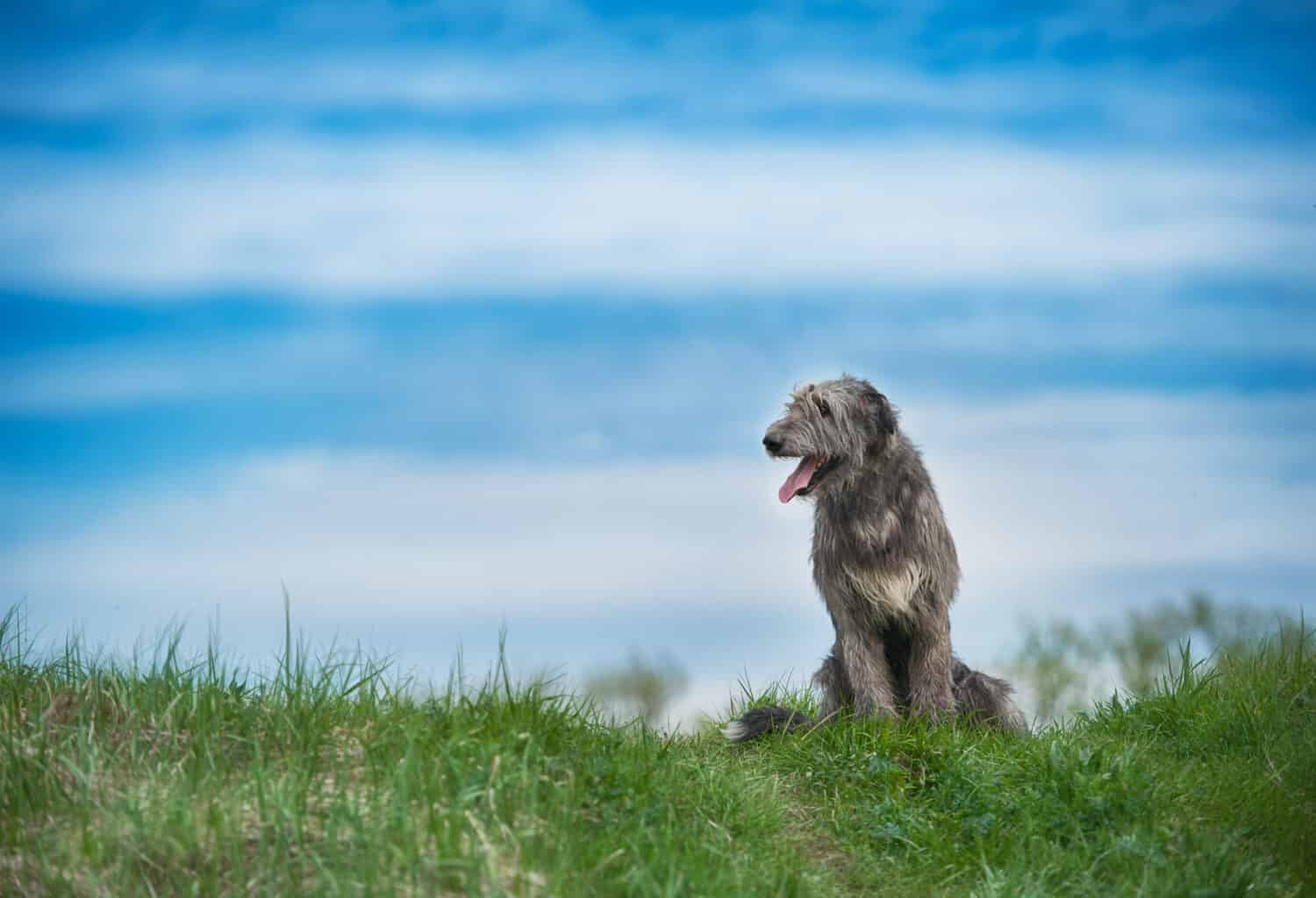
Irish Wolfhound
The Irish Wolfhound traces its history to enormous Irish sighthounds prized for hunting wolves and other large game. The dogs were also status symbols, valuable enough to be presented as gifts to kings, nobles, and other powerful figures.
The problem was that the dogs became victims of their own success. Wolves disappeared from Ireland by the late 18th century, taking the Wolfhound's primary job with them. The breed became so scarce that an 1836 account included it among animals that had disappeared from Ireland.
Captain George Augustus Graham began a serious restoration effort in 1863. Because so few dogs resembling the old Irish hounds remained, Graham used surviving lines along with Scottish Deerhounds, Great Danes, Borzois, and a mastiff-type dog to rebuild what became the modern Irish Wolfhound.
Graham and other enthusiasts founded the Irish Wolfhound Club in 1885, and the breed was eventually stabilized. Whether the modern Wolfhound is a direct restoration of the ancient breed or partly a 19th-century reconstruction is still debated, but there is little doubt that the dog came remarkably close to disappearing.
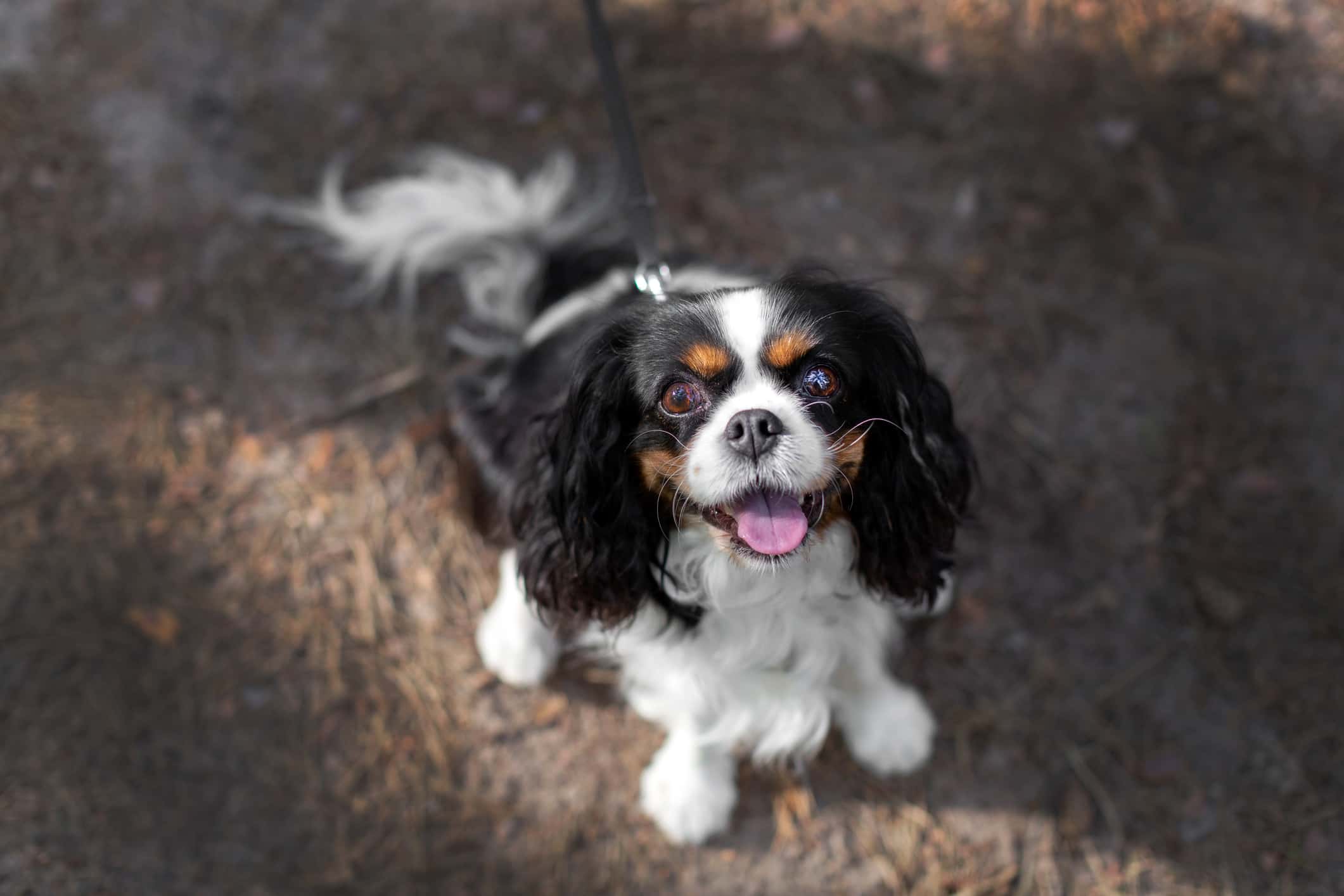
Cavalier King Charles Spaniel
Small toy spaniels were famously associated with England's King Charles II, who was so fond of them that they regularly appeared alongside the royal family. The modern Cavalier King Charles Spaniel, however, is a much newer breed built to resemble the longer-muzzled spaniels seen in paintings from Charles II's era.
By the late 1800s, British toy spaniels had developed much shorter muzzles and rounder skulls. In 1926, American dog enthusiast Roswell Eldridge offered prize money at Crufts for breeders who could produce dogs resembling the older style. A Cavalier breed club followed in 1928.
World War II nearly derailed the young breed. Wartime food shortages and the difficulty of maintaining breeding programs dramatically reduced the available stock. Breed histories commonly identify just a handful of dogs as the foundation of the postwar Cavalier population, creating a significant genetic bottleneck.
The Kennel Club recognized the Cavalier King Charles Spaniel as a separate breed in 1945, and the American Kennel Club followed in 1996. The comeback certainly worked. In the AKC's 2025 registration rankings, the Cavalier was the 12th most popular breed in the United States.
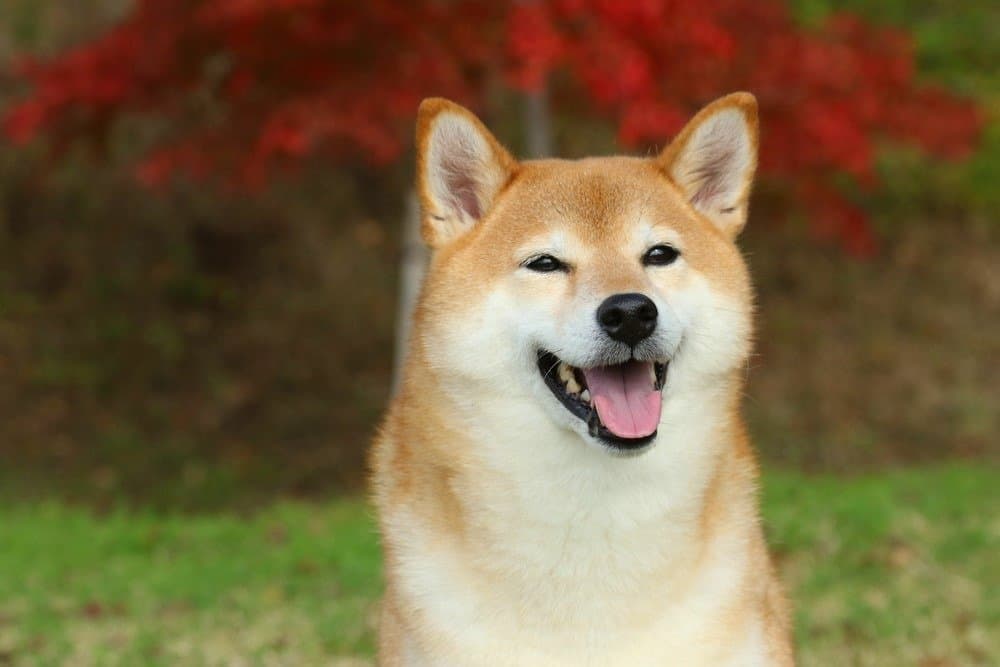
Shiba Inu
The Shiba Inu is the smallest of Japan's native spitz-type breeds. Historically, Shibas were hunting dogs used to pursue birds and small game, with some dogs also used in hunts for larger animals such as wild boar.
The breed faced its first serious threat as Japan opened to the West during the Meiji and Taisho eras. Imported Western dogs were increasingly crossed with native Japanese dogs, making pure indigenous lines harder to find. Japanese enthusiasts formed the Nihon Ken Hozonkai, or Japanese Dog Preservation Society, in 1928, and the Shiba was designated a Japanese Natural Monument in 1936.
Then came World War II. Bombing raids, food shortages, and the disruption of breeding programs devastated the remaining population. A severe distemper outbreak after the war reduced the numbers even further.
Surviving dogs from the Shinshu, Mino, and San'in lines were used to rebuild the breed. All three contributed to the Shiba Inu seen today, although modern Shibas most closely resemble the Shinshu type. The AKC officially recognized the breed in 1992.
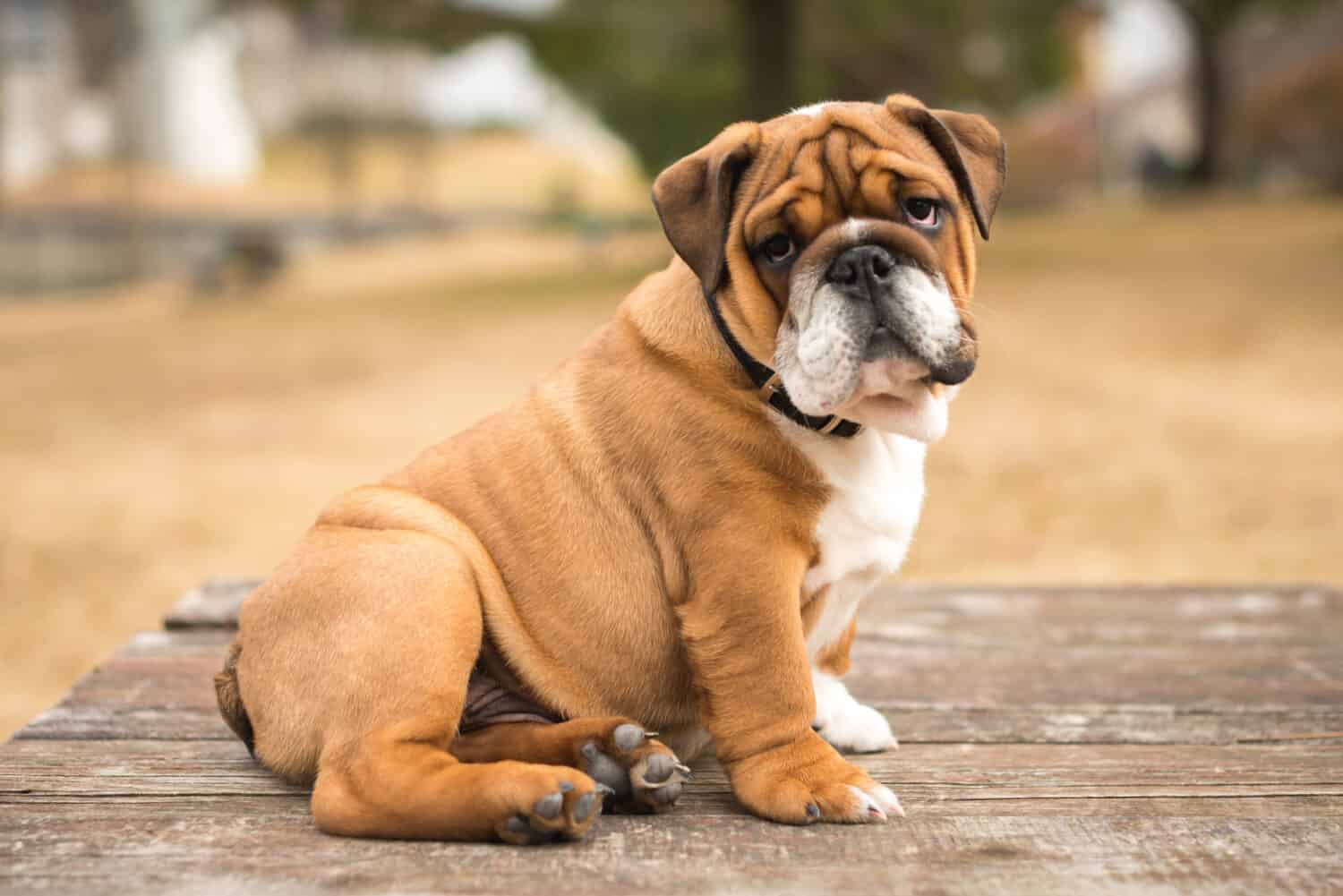
Bulldog
The Bulldog's history in Britain is tied to bullbaiting, a blood sport in which dogs were set against a tethered bull. The dogs were selectively bred for the strength, courage, and physical traits needed to survive an exceptionally brutal job.
Britain outlawed bullbaiting in 1835. Suddenly, the Bulldog had lost the purpose for which generations of dogs had been bred, and its numbers fell sharply. The breed came close to disappearing.
Instead, Bulldog enthusiasts began breeding the surviving dogs for a very different future. Dog shows, which became established in Britain during the second half of the 19th century, helped give the breed a new purpose. Breeders also selected for a gentler temperament while gradually changing the Bulldog's appearance.
The modern Bulldog looks considerably different from the dogs once used in bullbaiting, but it descends from the population that fanciers preserved after the sport disappeared. The AKC recognized the Bulldog in 1886, and it ranked 10th among AKC breeds in 2025.
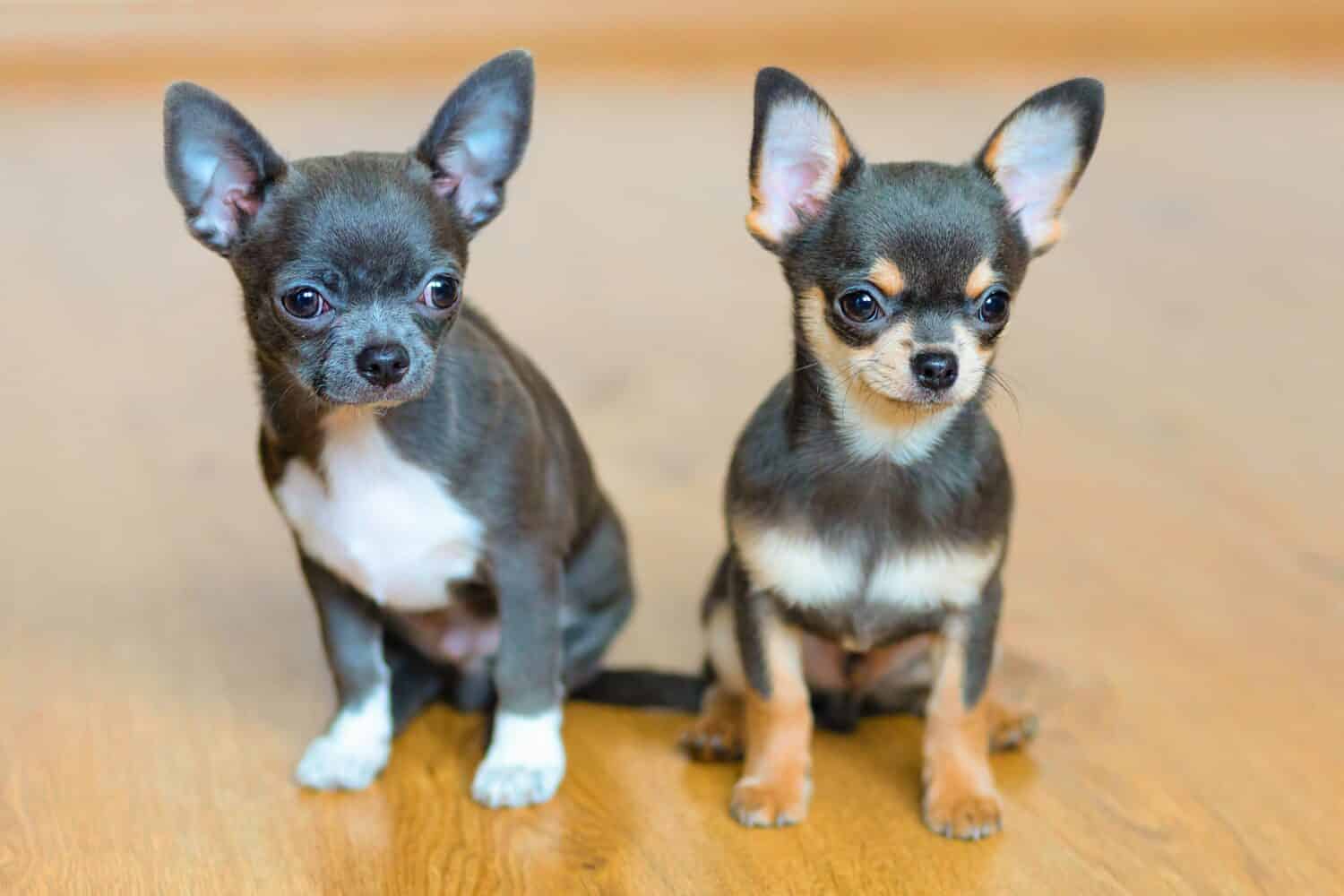
Chihuahua
The Chihuahua has one of the oldest canine lineages in the Americas, although parts of its origin story remain debated. The AKC connects the breed to the Techichi, a small dog kept by the Toltec civilization in what is now Mexico and later associated with the Aztecs.
The Techichi eventually disappeared as a distinct dog type after the Spanish conquest. Small native dogs did survive in Mexico, however, and modern genetic research has found that Chihuahuas retain some ancestry from pre-Columbian American dogs.
By the late 1800s, American travelers were acquiring small dogs in the Mexican state of Chihuahua. Author and dog-show judge James Watson purchased a female named Manzanita in 1888, while writer Owen Wister later imported a dog named Caranza that contributed to important early bloodlines.
The AKC recognized the Chihuahua in 1904. Unlike breeds on this list with a clearly documented population crash, the Chihuahua's survival story is more about the continuation and reconstruction of an ancient Mexican lineage than a single moment when the modern breed nearly vanished.
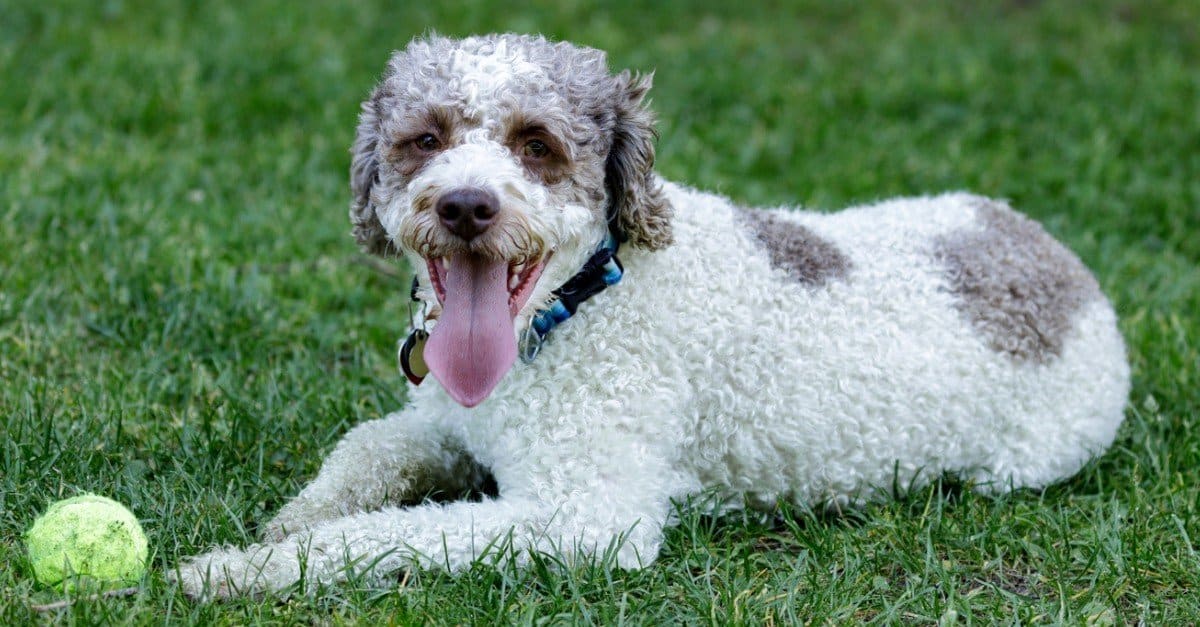
Lagotto Romagnolo
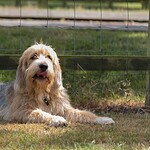
The Lagotto Romagnolo comes from the Romagna region of Italy and has a history stretching back centuries. The curly-coated dogs originally worked in the marshlands as water retrievers, fetching waterfowl for hunters in difficult, wet conditions.
Beginning in the 19th century, much of the marshland in Emilia-Romagna was drained and converted to agricultural use. That eliminated much of the Lagotto's original work. Fortunately, the breed had another talent waiting in reserve: an exceptional nose.
Lagotti increasingly became truffle-hunting dogs. That new job helped keep the dogs around, although truffle hunters often bred strictly for working ability and crossed Lagotti with other dogs. By the early 1970s, enthusiasts worried that the recognizable pure breed could disappear and began a coordinated preservation effort.
Today, the Lagotto is best known as an Italian truffle dog and companion. Its tightly curled coat sheds relatively little, although no dog is guaranteed to be completely hypoallergenic. The AKC officially recognized the Lagotto Romagnolo in 2015.
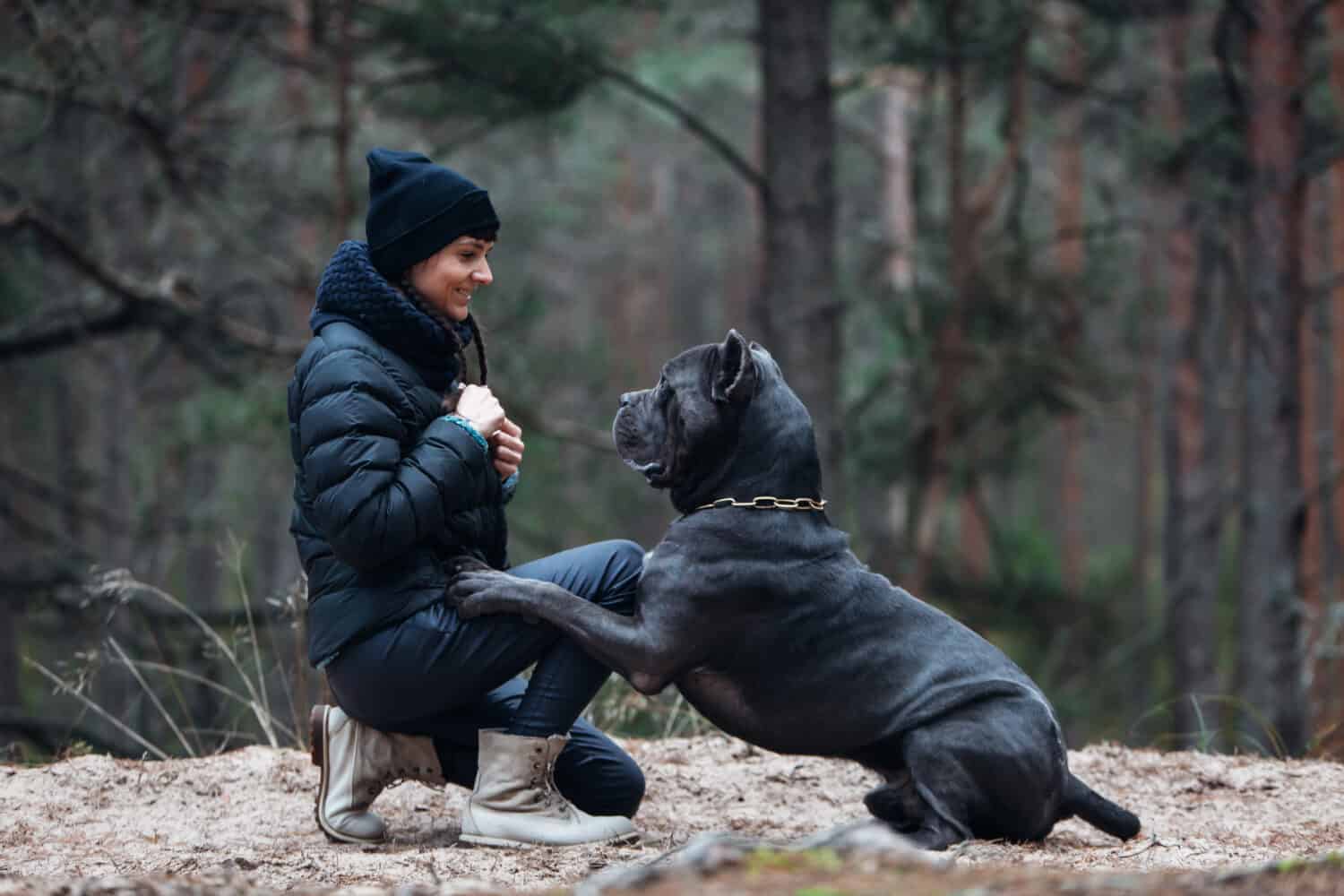
Cane Corso
The Cane Corso is an Italian mastiff whose ancestry is traditionally traced to the large war dogs used by ancient Roman armies. After Rome's fall, the dogs found new jobs as farm guardians, livestock dogs, hunters, and all-purpose working animals.
Changing agricultural practices during the 19th and 20th centuries steadily reduced the need for these powerful working dogs. Two world wars made matters worse, and by the middle of the 20th century the Cane Corso was considered all but extinct.
During the 1970s, Vito Indiveri and other Italian enthusiasts began locating surviving Cane Corsos in rural areas. Giovanni Bonnetti, Dr. Paolo Breber, Stefano Gandolfi, and the Malavasi brothers were among the people involved in the restoration effort. In 1980, the Malavasi brothers produced a litter that included dogs used to establish the early modern breed standard.
The comeback has been dramatic. The breed has become one of the most searched dog breeds on Google, and AKC registrations placed the Cane Corso at No. 11 in the United States for 2025. These are large, powerful guardian dogs that benefit from early training, socialization, and experienced ownership.
Chinook
The Chinook is not an ancient dog from the Columbia River. It was developed in the early 1900s in Wonalancet, New Hampshire, by explorer and sled-dog driver Arthur Treadwell Walden. He wanted a dog with the speed of racing sled dogs, the power of freight dogs, and a friendly temperament.
The breed takes its name from one of Walden's foundation dogs, Chinook, who became a celebrated sled-team leader. Every Chinook today ultimately descends from that original dog.
Numbers eventually collapsed. Guinness World Records listed the Chinook as the world's rarest dog breed in 1965. By 1981, only 28 were left, and just 11 of those dogs were considered suitable for breeding. Three breeders divided the surviving breeding stock and began rebuilding the population.
The breed remains uncommon, but its position is considerably better than it was in 1981. The AKC granted full recognition in 2013, and the Chinook is now the official state dog of New Hampshire.
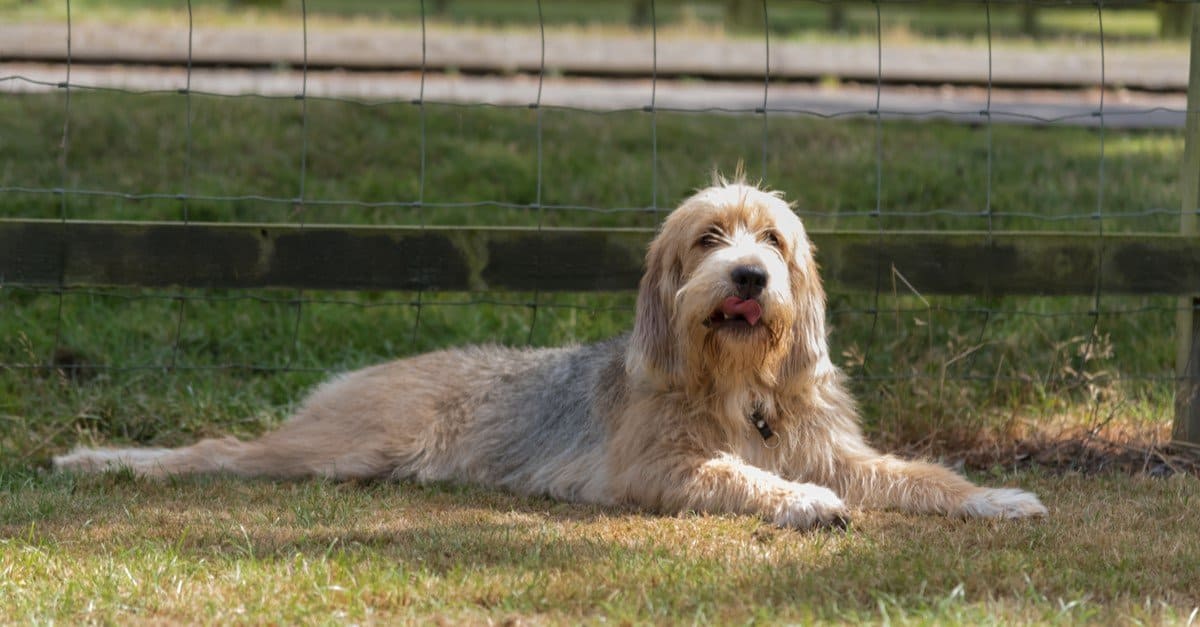
Otterhound
The Otterhound was developed in Britain as a large pack hound capable of tracking otters both on land and through water. Its powerful nose, rough double coat, and webbed feet made it unusually well suited to the job.
Otter hunting originally helped protect fish stocks but eventually developed into a sport. As otter populations declined and attitudes toward hunting changed, the practice disappeared. Otter hunting was banned in England in 1978 and Scotland in 1980, leaving a highly specialized breed without its traditional job.
Organizations such as the Otterhound Club of America now focus on preserving the breed, maintaining healthy breeding programs, and finding appropriate homes when Otterhounds need to be rescued.
The breed is still in a precarious position. AKC and breed-club materials estimate that fewer than 1,000 Otterhounds remain worldwide, with fewer than 350 in the United States and Canada combined.
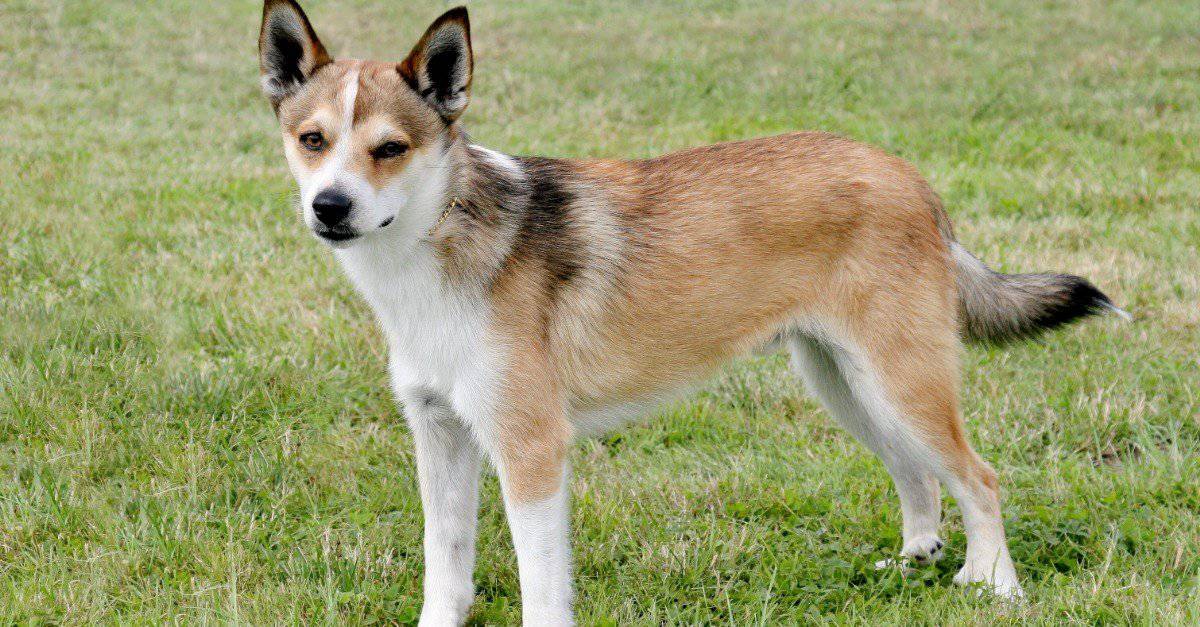
Norwegian Lundehund
The Norwegian Lundehund was developed for one spectacularly specific job: climbing the steep cliffs and crawling into narrow crevices of Norway's Lofoten Islands to retrieve puffins. The breed's unusual anatomy reflects that work. Lundehunds have at least six fully developed toes on each foot, remarkably flexible shoulders, and the ability to fold their ears closed.
The arrival of easier methods for catching puffins made the dogs increasingly obsolete. By the 1930s, the Lundehund was already hovering close to extinction, with most survivors concentrated in the village of Mastad on the island of Værøy.
English Setter breeder Eleanor Christie obtained several Lundehunds and established a breeding program, but disaster followed. A distemper outbreak during World War II killed almost all of the dogs on Værøy. A later outbreak devastated Christie's kennel as well.
By the 1960s, only six purebred Lundehunds remained in Norway, and every Lundehund alive today descends from four closely related dogs. That extraordinary genetic bottleneck still affects the breed, which is why programs such as the Norwegian Lundehund Outcross Project are working to introduce genetic diversity while preserving the breed's defining characteristics.