
Dogs are good at making people feel like the center of the universe. They follow us from room to room, wait by the door, and occasionally act as though a trip to the mailbox is a major reunion. According to the American Veterinary Medical Association’s 2026 pet-ownership data, nearly 59 million U.S. households have at least one dog. Clearly, plenty of Americans appreciate that companionship.
But loyalty isn’t a single trait you can measure with a stopwatch, and it certainly doesn’t make every breed suitable for every family. Some dogs express their attachment by staying close. Others are protective, highly trainable, or happiest when they have a job to do. A devoted Akita and a friendly Labrador can both be loyal while requiring very different kinds of homes. The dog’s individual temperament, upbringing, and health matter too.
These 20 breeds are known for strong relationships with their people, based on breed histories and guidance from the American Kennel Club and other veterinary and breed resources. The order follows the original article and is not a scientific ranking of which dog loves its owner most. Life-expectancy figures are general breed estimates, not guarantees. Before bringing any dog home, consider its exercise, training, grooming, medical needs, and how well it fits your actual daily routine.
20. Coton de Tulear
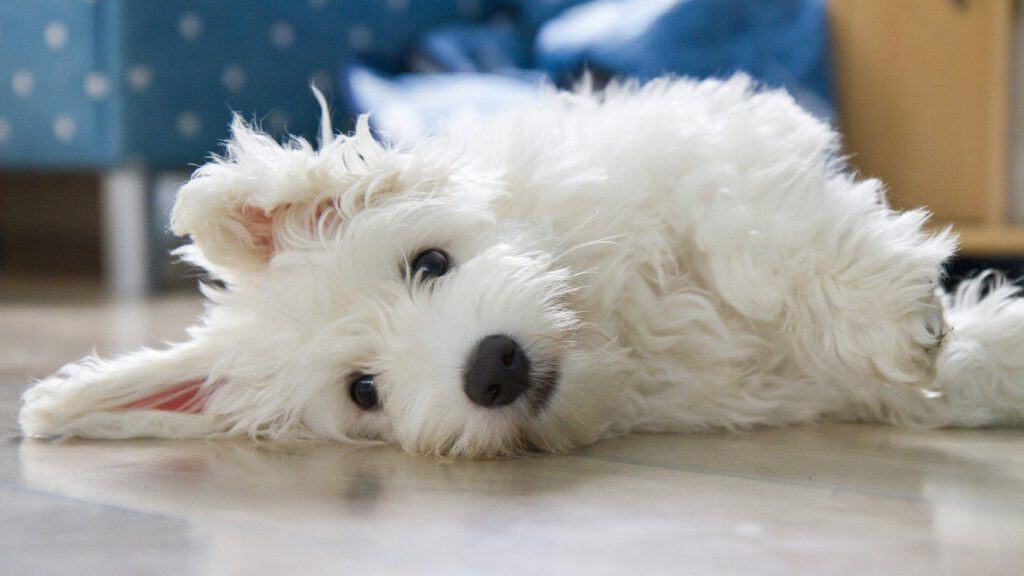
- Life expectancy: 15-19 years
The Coton de Tulear is a small companion dog from Madagascar, and being close to its people is practically the job description. These cheerful, adaptable dogs often follow family members from room to room and enjoy training that feels more like a game than a chore. The cottony coat is the catch: keeping it long requires frequent, careful brushing to prevent painful mats, while a shorter trim still needs maintenance. Cotons also need daily walks, play, and attention. Their relatively small size can work well in an apartment, but they are not decorative lapdogs that can be ignored all day. For someone who wants a lively, affectionate companion and has time for grooming, a Coton can be a rewarding match.
19. Basset Hound
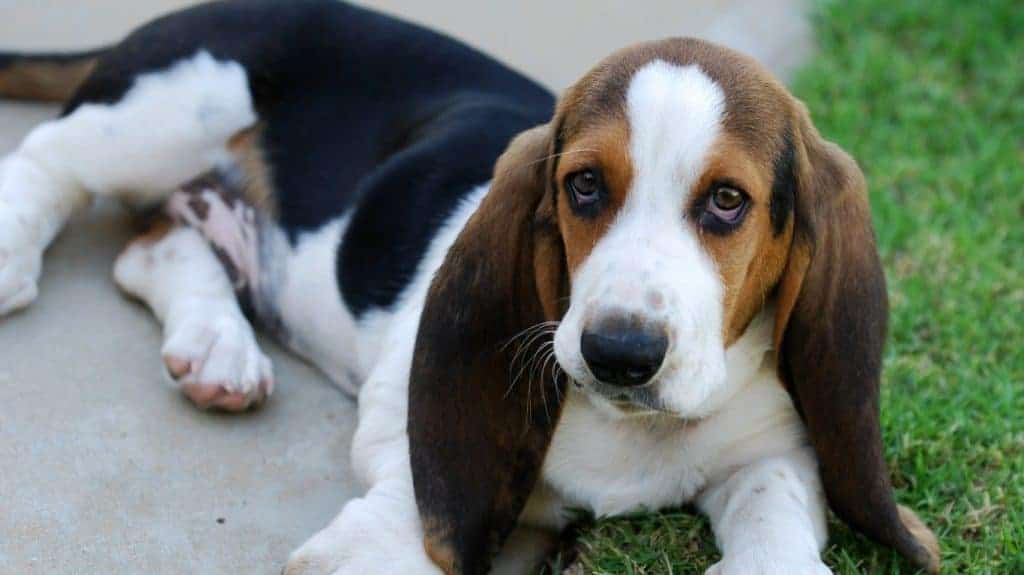
- Life expectancy: 12-13 years
The Basset Hound has the droopy ears and soulful expression of a dog that couldn’t possibly cause trouble. Then it catches an interesting scent and suddenly your requests become suggestions. Originally developed to follow game by smell, Bassets are typically patient, sociable, and closely attached to their families, but their independent streak calls for consistent, reward-based training. They are sturdier than their short legs suggest, often weighing 40 to 65 pounds, and they still need regular exercise and weight management. Their long ears require frequent checks for irritation or infection. A securely fenced area helps keep an eager nose from leading the dog down the street. They’re companions with a lot of character, not necessarily the easiest dogs to recall off a trail.
18. Pembroke Welsh Corgi
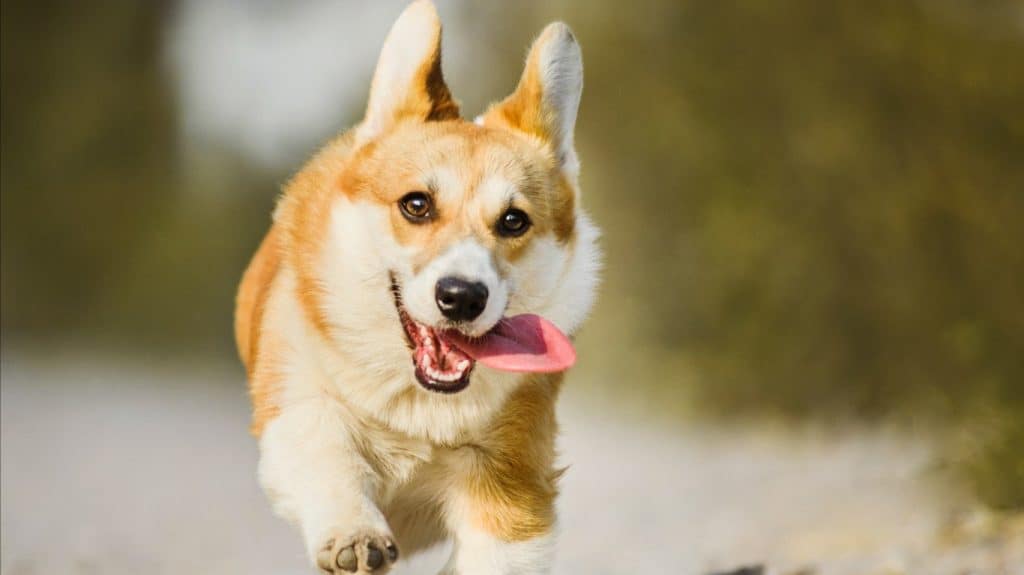
- Life expectancy: 12-13 years
Those short legs can be deceiving. The Pembroke Welsh Corgi is a genuine herding dog bred to move cattle, so it brings more confidence, speed, and energy than its compact frame suggests. Pembrokes are often affectionate with their families, alert to unfamiliar activity, and quick to learn when training is engaging. They can also be vocal, shed heavily from their double coats, and occasionally try to herd running children by circling or nipping. Daily walks, games, and mental challenges help give that working-dog instinct somewhere useful to go. At roughly 10 to 12 inches tall, a Corgi may fit easily into a smaller home, but it still needs an involved owner. Loyalty here comes packaged with a strong personality and a surprising amount of dog.
17. Mastiff
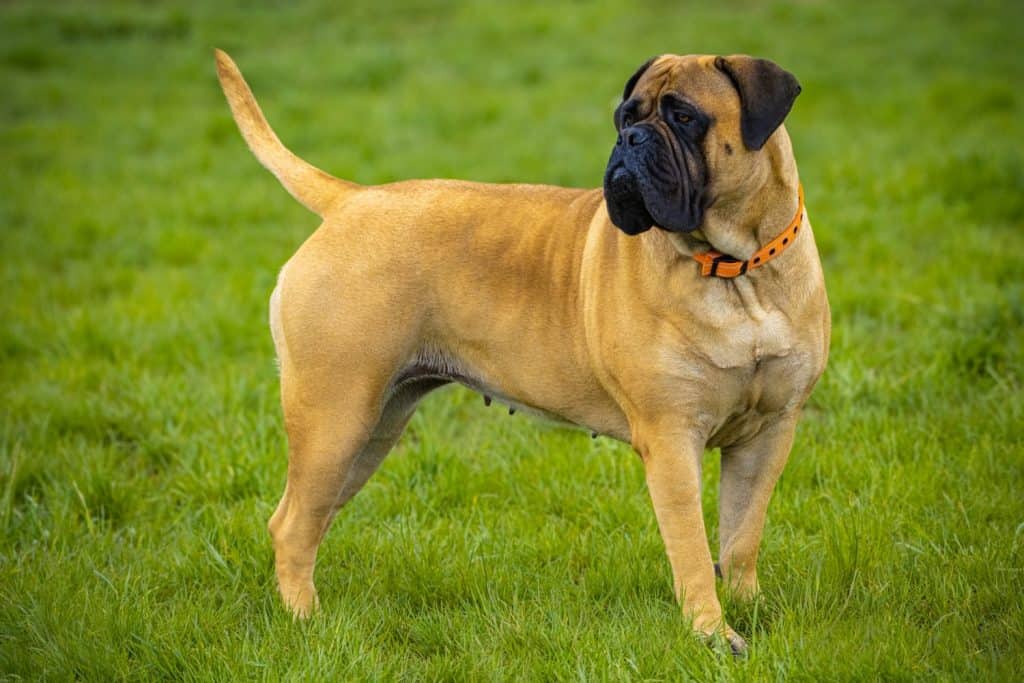
- Life expectancy: 6-10 years
A Mastiff is less interested in running a marathon than in staying close to the household it knows. This giant breed can be calm and deeply attached to its family, but its size is no small consideration: adult males can weigh 160 to 230 pounds. That makes early socialization, polite leash manners, and basic training essential long before the dog reaches full size. Mastiffs generally benefit from moderate walks and time with their people rather than strenuous workouts, particularly while young and still growing. Owners also need to plan for drool, substantial food and veterinary bills, and the shorter lifespan common among giant breeds. A well-matched Mastiff can be a gentle companion, but it’s a serious commitment in every sense of the word.
16. Siberian Husky
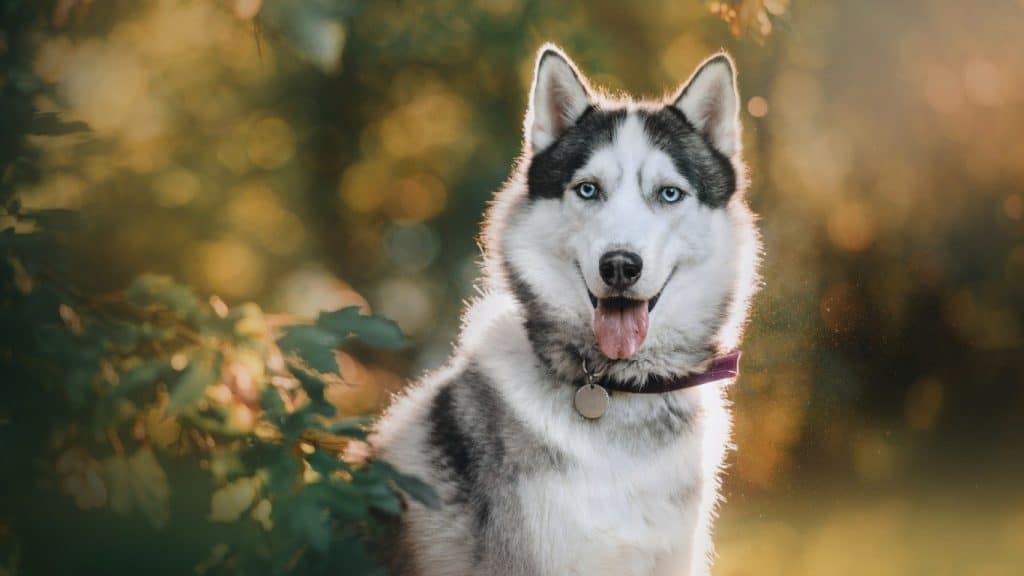
- Life expectancy: 12-14 years
Siberian Huskies are sociable, athletic dogs with a long history of working in teams. Many form strong attachments to their households and enjoy the company of people and other dogs, but being loyal does not mean they’ll reliably stay by your side off leash. Huskies are famous for exploring, digging, and escaping inadequate fences, and their prey drive can be a concern around small animals. They need considerable daily activity, patient training, and outlets for their curiosity. Their thick coats also shed heavily, while their heat tolerance deserves special attention in warm climates. For an active family that understands the breed’s independence, a Husky can be an engaging companion. For someone seeking an easygoing couch potato, probably not.
15. Dachshund
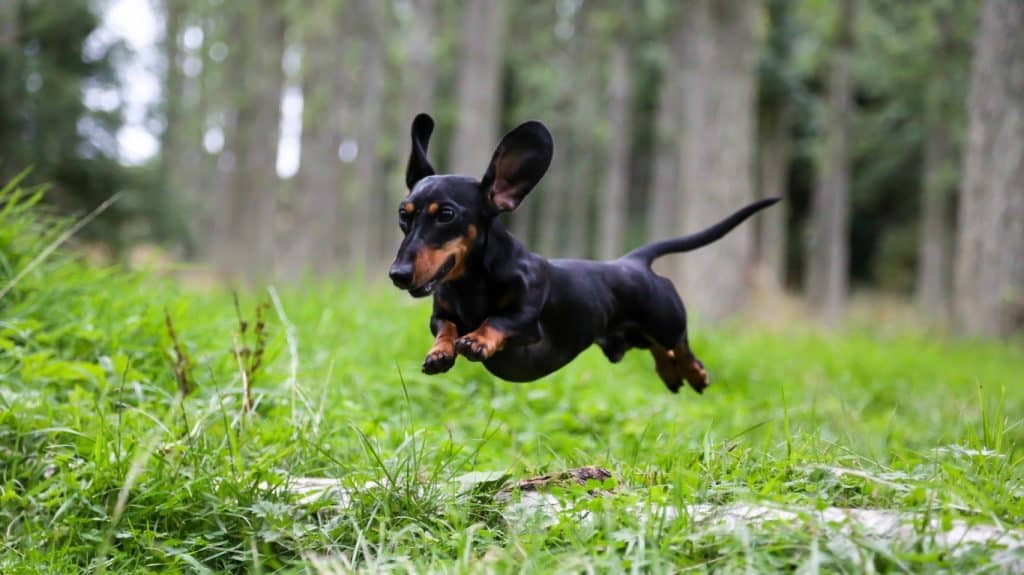
- Life expectancy: 12-16 years
Don’t mistake the Dachshund’s short legs for a timid personality. These bold little hounds were developed to pursue badgers, and plenty still act as though they are ten feet tall. They’re often intensely attached to their favorite people, quick to sound the alarm, and perfectly capable of deciding that obedience can wait until later. Short walks, scent games, and patient training suit them better than expecting nonstop athletic activity. Their long backs also make spinal health an important responsibility: intervertebral disc disease is a known concern, and maintaining a healthy weight and limiting high-impact jumps can help reduce strain. Dachshunds can be entertaining, affectionate companions, provided their owners appreciate a stubborn streak and take their physical needs seriously.
14. Border Collie
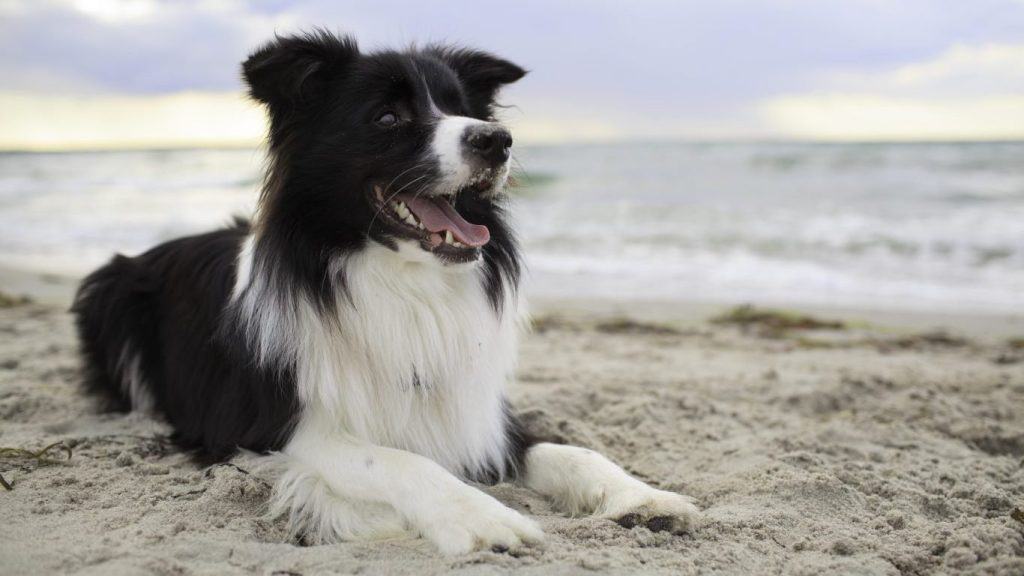
- Life expectancy: 12-15 years
If a Border Collie seems to be studying everyone in the room, it probably is. These highly intelligent herding dogs form strong working partnerships with people and learn complicated tasks quickly. Their devotion, however, is tied to a need for meaningful activity. A short walk and a few minutes in the backyard often won’t be enough. Many thrive with herding, agility, advanced training, or games that challenge both mind and body. Without those outlets, boredom can show up as barking, chasing, or unwanted attempts to herd pets and children. The breed can be wonderfully affectionate with its household, but it’s best for owners who actually enjoy training and daily exercise. A Border Collie wants to be part of the action, not simply admire it from the sofa.
13. Saint Bernard
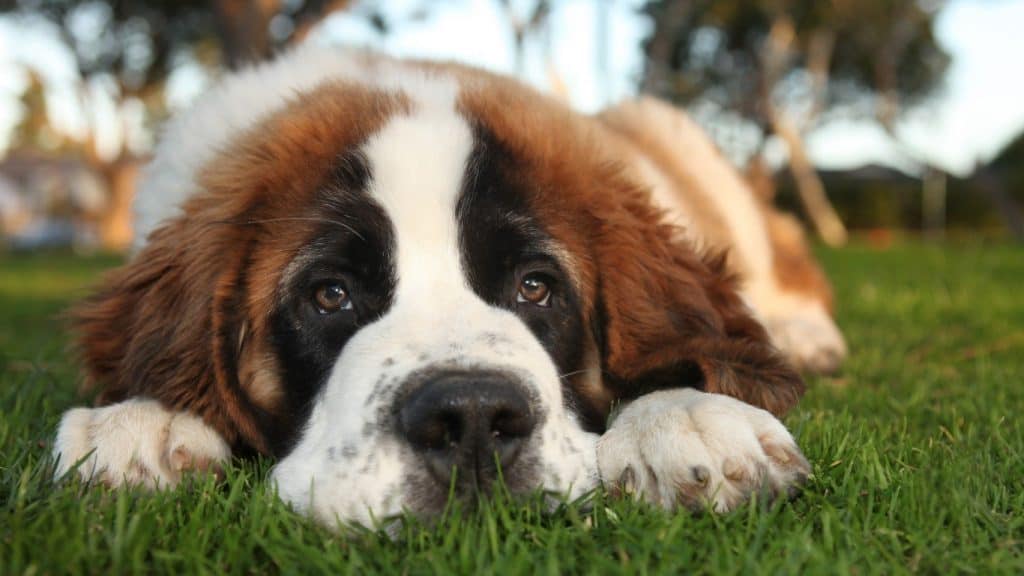
- Life expectancy: 8-10 years
The Saint Bernard earned its reputation through centuries of association with rescue work in the Swiss Alps. Today’s dogs are usually better known for their easygoing manner, patience, and attachment to their households. That gentle reputation shouldn’t distract from the realities of sharing a home with a dog that may weigh well over 100 pounds. Early manners training matters, especially around children who could be knocked over unintentionally. Expect plenty of shedding, drool, and a need to manage exercise carefully in hot weather. Giant breeds also face potential orthopedic and other health concerns, along with relatively short average lifespans. For families prepared for the upkeep, a Saint Bernard offers plenty of companionship, but the commitment is as big as the dog.
12. Newfoundland
- Life expectancy: 9-10 years
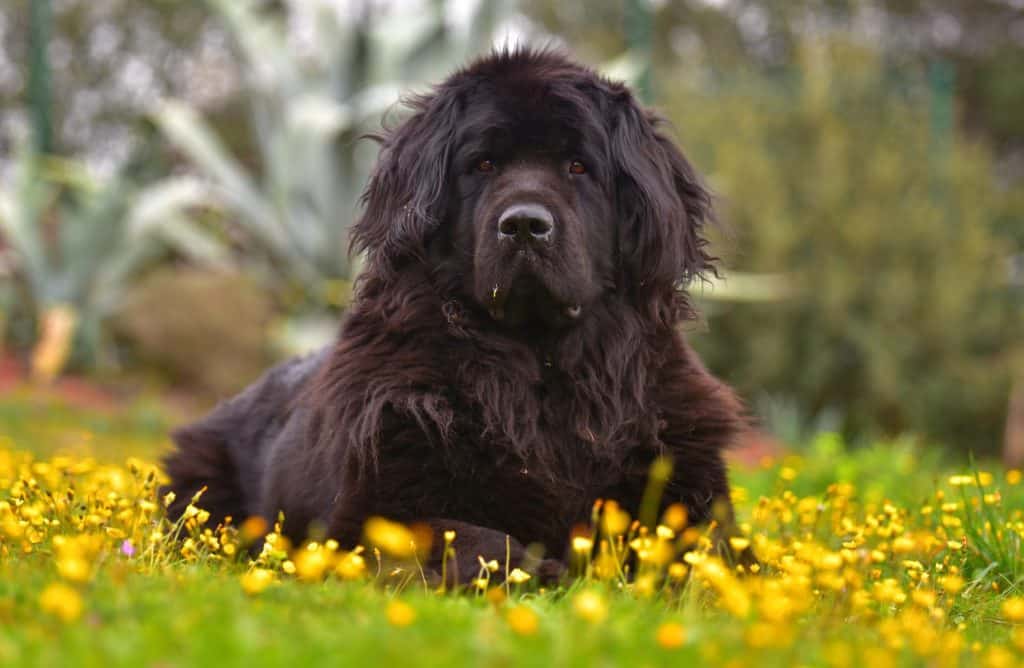
A Newfoundland looks like a small bear but is historically a water-working dog, developed to help people around boats and shorelines. The breed is widely known for a sweet, patient disposition and strong attachment to family. Newfies can enjoy swimming, moderate walks, and spending time close to their people, but they don’t come in a low-maintenance package. Their dense coats need thorough brushing, shedding can be considerable, and drool tends to appear in places you didn’t expect. An adult may weigh 100 to 150 pounds, so training and sensible household arrangements matter. They also need help staying comfortable in the heat. A Newfoundland can be a devoted companion for the right home, but there’s no getting around the grooming, space, and expense.
11. Doberman Pinscher
- Life expectancy: 10-12 years
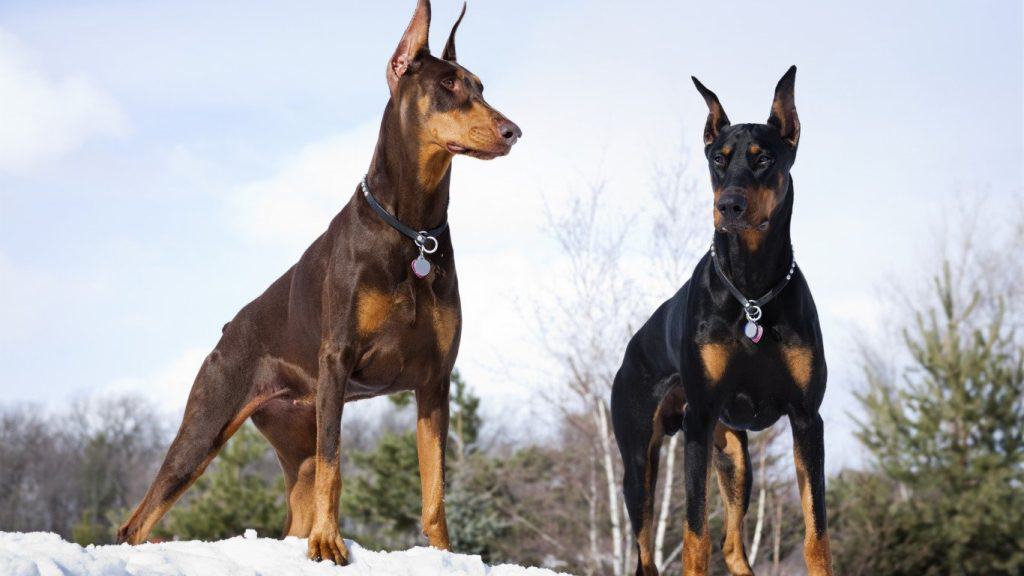
The Doberman Pinscher may have a formidable reputation, but a properly raised Doberman is often an affectionate, people-focused dog that wants to be involved in family life. Intelligent and athletic, the breed benefits from early socialization, consistent reward-based training, and substantial daily activity. A Doberman that’s bored or poorly managed can become difficult to handle, so this is not a breed to choose solely for its imposing appearance. Prospective owners should also understand health risks, particularly dilated cardiomyopathy, a serious heart condition for which veterinary screening is important. Their short coats are relatively easy to groom, but their training and exercise needs are not. In the right household, loyalty and companionship go hand in hand with responsibility.
10. Bulldog
- Life expectancy: 8-10 years
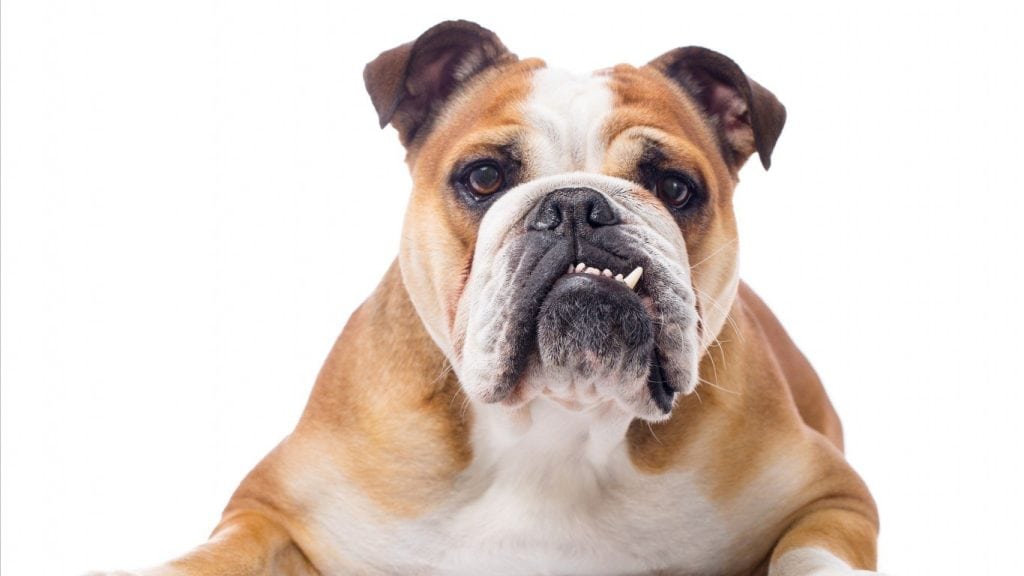
Bulldogs can be charming homebodies, often content to spend time near their people rather than chase a ball for hours. Their affectionate, steady personality helps explain their popularity, but the breed’s distinctive flat face comes with genuine health concerns. Some Bulldogs experience breathing difficulties, and heat or strenuous exercise can be especially dangerous. Owners should watch their dogs’ breathing, keep them cool, maintain a healthy weight, and work closely with a veterinarian familiar with brachycephalic breeds. Skin folds also need care, and potential medical costs deserve consideration before adoption. Bulldogs can be loving companions, but describing them as effortlessly low-maintenance because they don’t need long runs would be misleading. Their quieter pace doesn’t erase their special needs.
9. Pug
- Life expectancy: 13-15 years
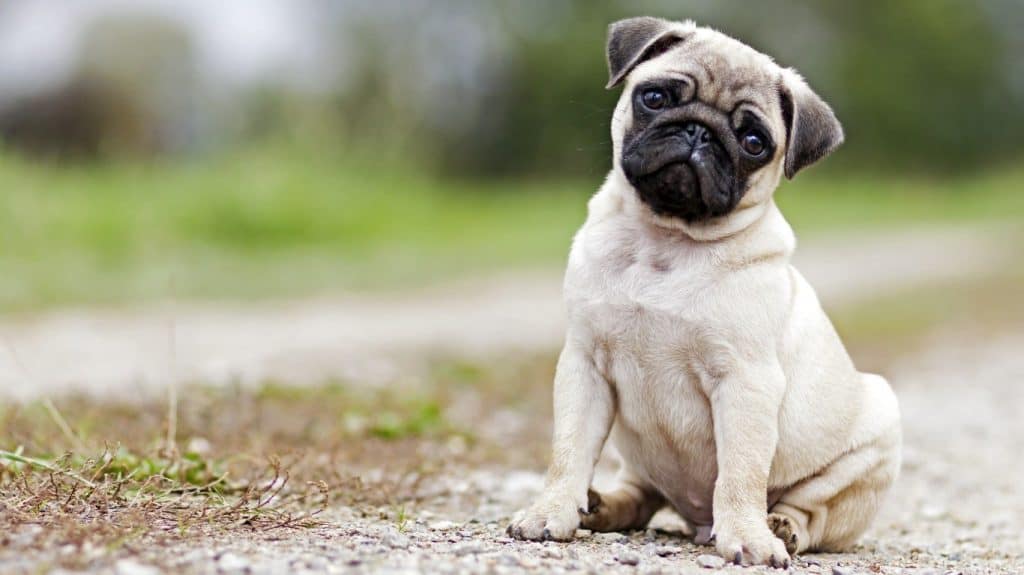
The Pug was bred to keep people company, and many still seem happiest when their favorite human is within reach. Playful, sociable, and often funny without trying, Pugs can adapt to smaller homes as long as they receive attention, moderate exercise, and basic training. Their compact size doesn’t remove the need for daily care, though. The breed’s shortened muzzle can contribute to breathing problems, especially in hot or humid weather, and its prominent eyes are vulnerable to injury or disease. Weight control is especially important because excess pounds can make mobility and breathing harder. For a household prepared to take those health needs seriously, a Pug may be a devoted companion, not just a cute face on the couch.
8. Great Pyrenees
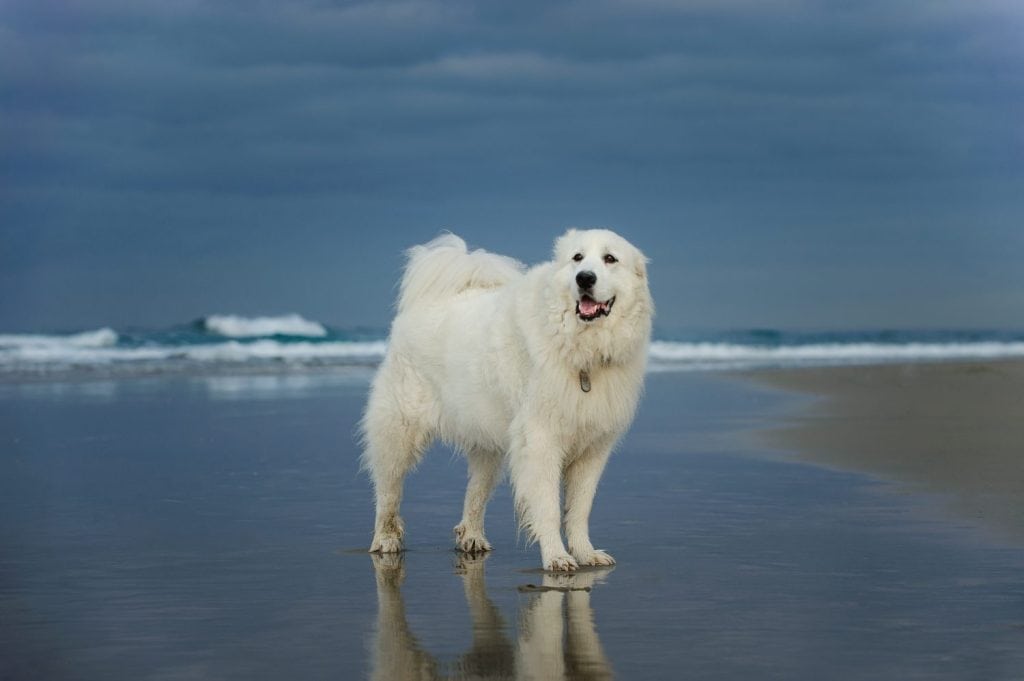
- Life expectancy: 10-12 years
The Great Pyrenees is a livestock guardian first and a family companion second, and that background explains much of its personality. Bred to make decisions while protecting flocks, this large dog can be calm, watchful, and deeply devoted without being particularly eager to obey every command. Pyrs often bark to alert others to activity, sometimes after dark, and secure fencing is important for a breed inclined to patrol its surroundings. Their thick double coats shed heavily, while their size and strength make early socialization necessary. They may be gentle with familiar people but still need thoughtful introductions and supervision around children and other animals. This is a wonderful match for some homes, but independence and loyalty are not opposites in a Great Pyrenees.
7. Chihuahua
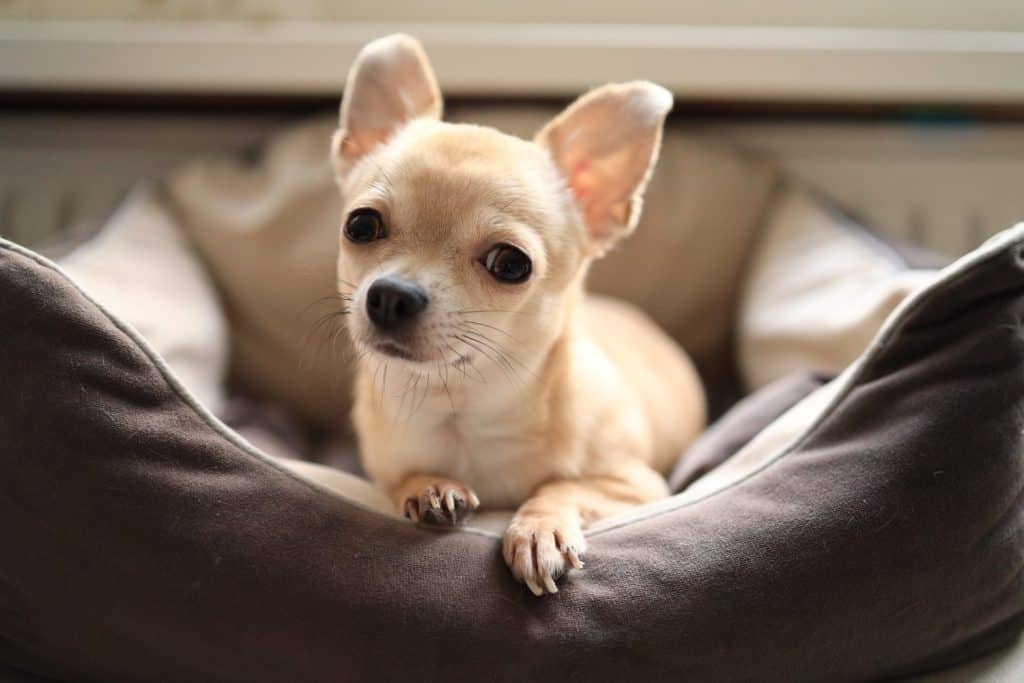
- Life expectancy: 14-16 years
A Chihuahua can weigh less than a bag of groceries and still have the confidence of a much larger dog. These tiny companions often form close bonds with their people and make excellent alert dogs, although their enthusiasm for announcing visitors can turn into excessive barking without training. Because they are small and physically delicate, rough handling poses a real risk; households with young children need careful supervision and must teach kids how to interact gently. Chihuahuas also benefit from regular walks, socialization, dental care, and protection from extreme temperatures. They can thrive in apartments and other modest spaces, but small size isn’t the same thing as effortless ownership. Their loyalty tends to be most rewarding when it comes with patience and good boundaries.
6. Akita
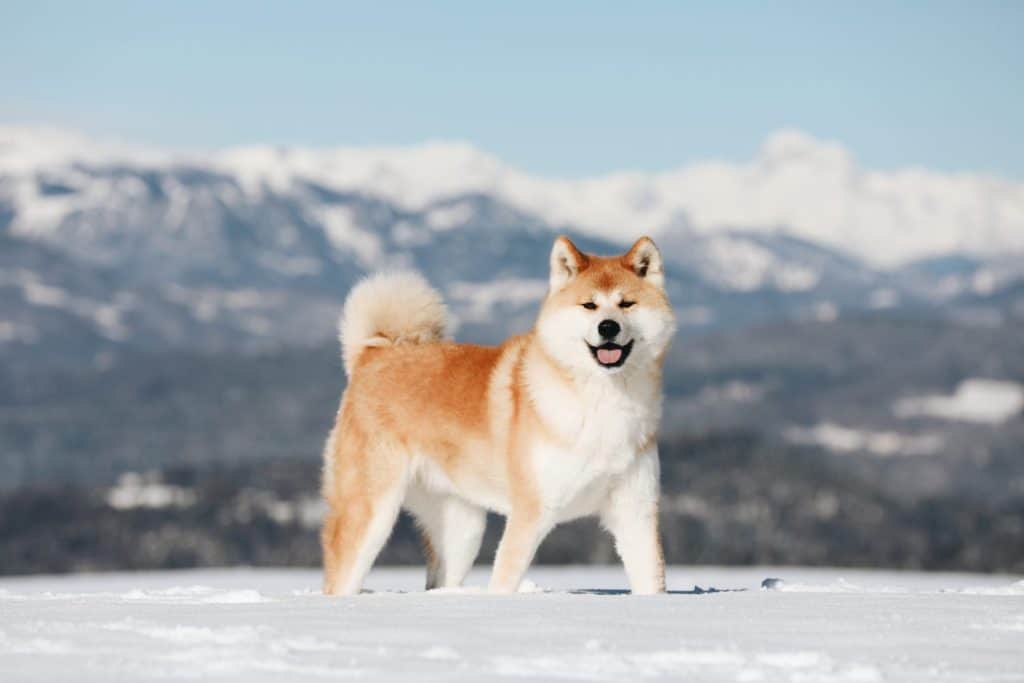
- Life expectancy: 10-14 years
Akitas have a long history in Japan and a reputation for forming strong bonds with the people they consider family. Their dignified, often reserved manner can be appealing, but this isn’t typically a carefree, everybody-is-my-friend breed. Many Akitas are wary of strangers and may be intolerant of unfamiliar dogs or other animals, making early socialization and responsible management essential. They are strong, independent thinkers that do best with experienced owners who can provide consistent training, routine exercise, and secure spaces. Their thick double coats require brushing and shed heavily at times. An Akita’s devotion can be remarkable, but it shouldn’t be confused with automatic friendliness or a guarantee that every household will be the right fit.
5. Golden Retriever
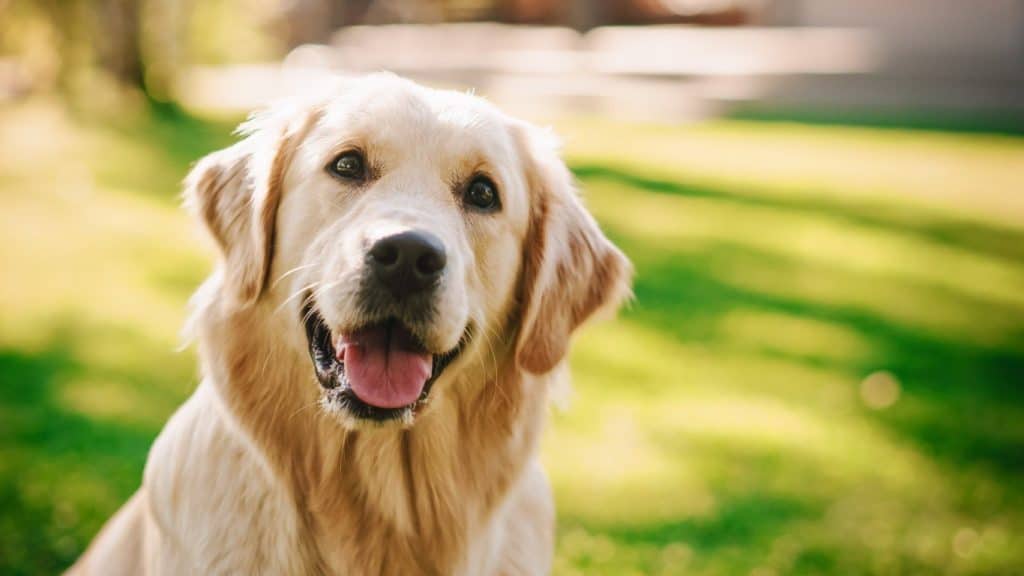
- Life expectancy: 10-12 years
Golden Retrievers have earned a reputation as enthusiastic companions for good reason. Bred to work closely with hunters and retrieve game, they tend to enjoy training, games, swimming, and just about anything that includes their people. Many are affectionate and sociable with family and visitors alike, which is lovely for companionship but not exactly what you’d want from a dedicated guard dog. Goldens need daily exercise and mental stimulation, particularly when young, plus regular brushing to manage their shedding coats. Responsible owners should also ask about health screening for hip and elbow problems, eye conditions, and heart disease. A Golden can be a great family partner, but only when the home can handle its energy, grooming, and long-term care.
4. Boxer
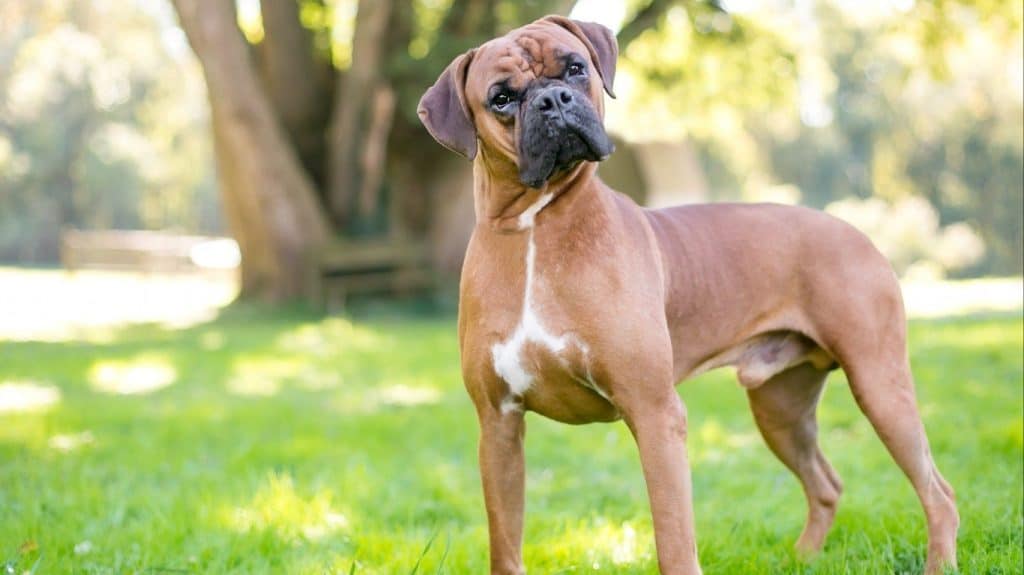
- Life expectancy: 10-12 years
Boxers have the build of serious athletes and, quite often, the personality of overgrown puppies. These lively dogs commonly form strong bonds with their families and enjoy being involved in games, outings, and whatever else is happening around the house. They’re intelligent and trainable, but their exuberance means a young Boxer can accidentally knock over a small child without meaning any harm. Daily exercise, early socialization, and clear manners are important. The breed’s standard coat colors include fawn and brindle, sometimes with white markings; a solid-black coat isn’t a recognized Boxer color. Owners should also discuss cardiac and other breed health screening with a veterinarian or responsible breeder. Loyalty is appealing, but energy management is part of the deal.
3. German Shepherd
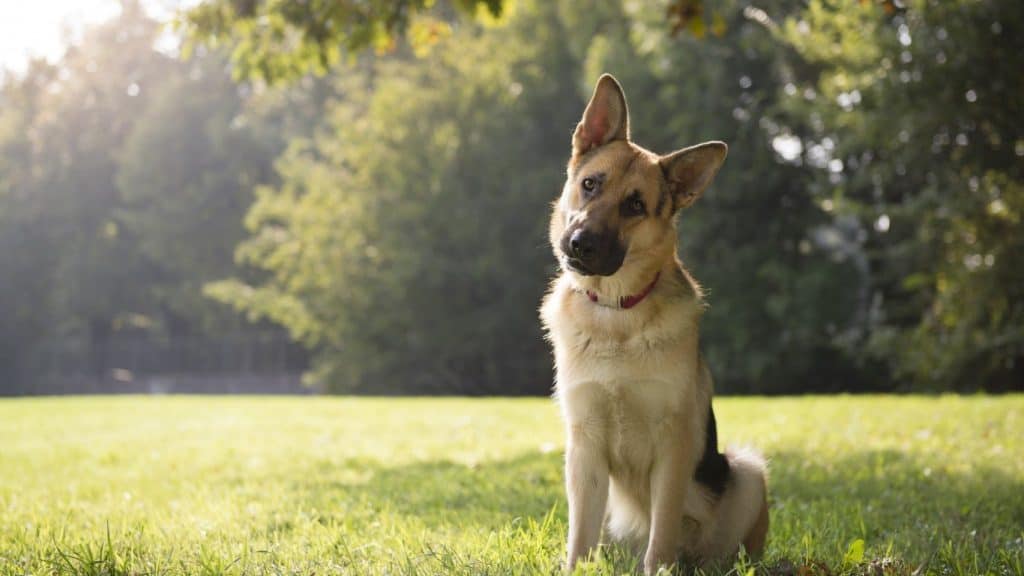
- Life expectancy: 12-14 years
German Shepherd Dogs were developed to work closely with handlers, and that partnership remains one of the breed’s defining characteristics. They’re intelligent, versatile, and often strongly attached to their families, whether they’re doing obedience work, search and rescue, or simply playing at home. They also require more than a place to sleep and an occasional walk. Regular physical activity, problem-solving, early socialization, and consistent training are essential for a confident, well-mannered dog. Some individuals are naturally reserved with strangers, so loyalty should never be used as an excuse to encourage fear or aggression. Prospective owners should also ask about hip and elbow health. The AKC lists a 12- to 14-year life expectancy, although actual lifespans vary widely.
2. Beagle
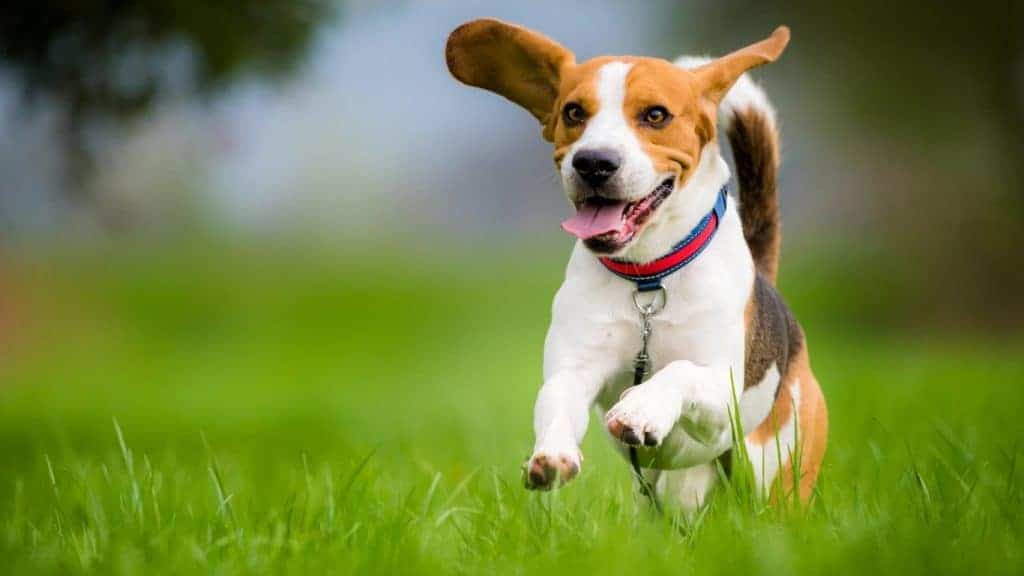
- Life expectancy: 10-15 years
Beagles were bred to follow scent trails in packs, which helps explain why so many are friendly, curious, and happiest when there’s something interesting to investigate. They can form strong bonds with families, including children, but their noses sometimes take priority over the person calling them home. This breed comes in two height varieties, up to 13 inches and over 13 through 15 inches, so the original claim that all Beagles top out at 13 inches was incomplete. Expect plenty of sniffing, exercise, and a voice that can carry across the neighborhood. A leash or secure fence is important when a scent becomes irresistible. Beagles can make engaging companions for active households willing to train patiently and accept that a good hound follows its nose.
1. Labrador Retriever
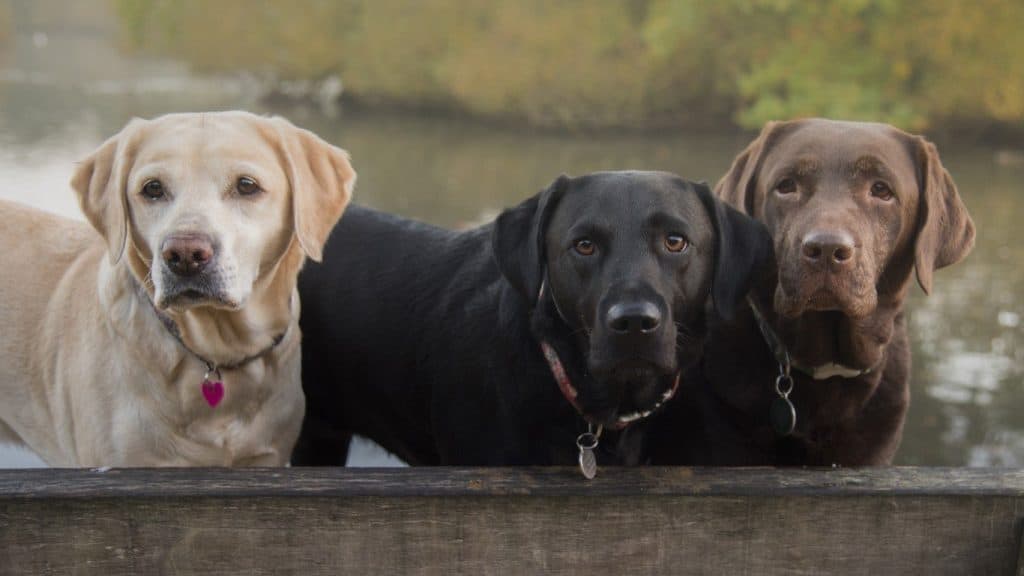
- Life expectancy: 11-13 years
Labrador Retrievers are often described as friendly, outgoing, and eager to work alongside people. Originally developed as retrieving dogs, Labs typically enjoy swimming, fetch, long walks, and other activities that let them use their brains and bodies. They frequently adapt well to family life, but a young Labrador can be energetic enough to exhaust an unprepared owner. Consistent training, enough exercise, and healthy food portions are essential; the breed has a real tendency to gain excess weight. Labs come in black, yellow, and chocolate, and their short double coats shed more than some new owners expect. Their reputation for loyalty is well earned as a general breed tendency, but no Labrador becomes a well-mannered companion without attention, patience, and daily involvement.