BoJack/Shutterstock.com
Al_Er / Shutterstock.com
Madeeva_11 / Shutterstock.com
Dora Zett / Shutterstock.com
Rita_Kochmarjova / Shutterstock.com
Ricantimages / Shutterstock.com
AnetaZabranska / Shutterstock.com
Ana Bencina Kosmac / Shutterstock.com
Valerie Berdinel / Shutterstock.com
everydoghasastory / Shutterstock.com
acceptphoto / Shutterstock.com
nomad-photo.eu / Shutterstock.com
Kat_marinina / Shutterstock.com
cynoclub / Shutterstock.com
zhukovvvlad / Shutterstock.com
PardoY / Shutterstock.com
Michael J Magee / Shutterstock.com




16 of the Biggest Dog Breeds in the World
Some dogs are perfectly happy curling up in your lap. Others are so big they practically need a sofa of their own. From towering Great Danes to massive Mastiffs that can weigh more than 200 pounds, the world's largest dog breeds are impressive in more ways than one. And while their size might make them look intimidating, many are surprisingly affectionate, playful, and devoted to their families.
Most of these oversized companions were originally bred to do demanding jobs. Some guarded livestock against predators, others pulled heavy carts or helped rescue people from dangerous waters, and a few protected homes and estates. Today, they're just as likely to be found lounging in a living room, although their strength, energy, and protective instincts still deserve respect.
The American Kennel Club recognizes 205 dog breeds as of 2026, and that's only part of the picture when considering breeds recognized by other organizations around the world. For this list, we selected 16 particularly large breeds, many of which routinely weigh 100 pounds or more. Heights, weights, and estimated lifespans are based primarily on breed information published by the American Kennel Club. Individual dogs can fall outside these ranges, and the breeds are presented in no particular order.
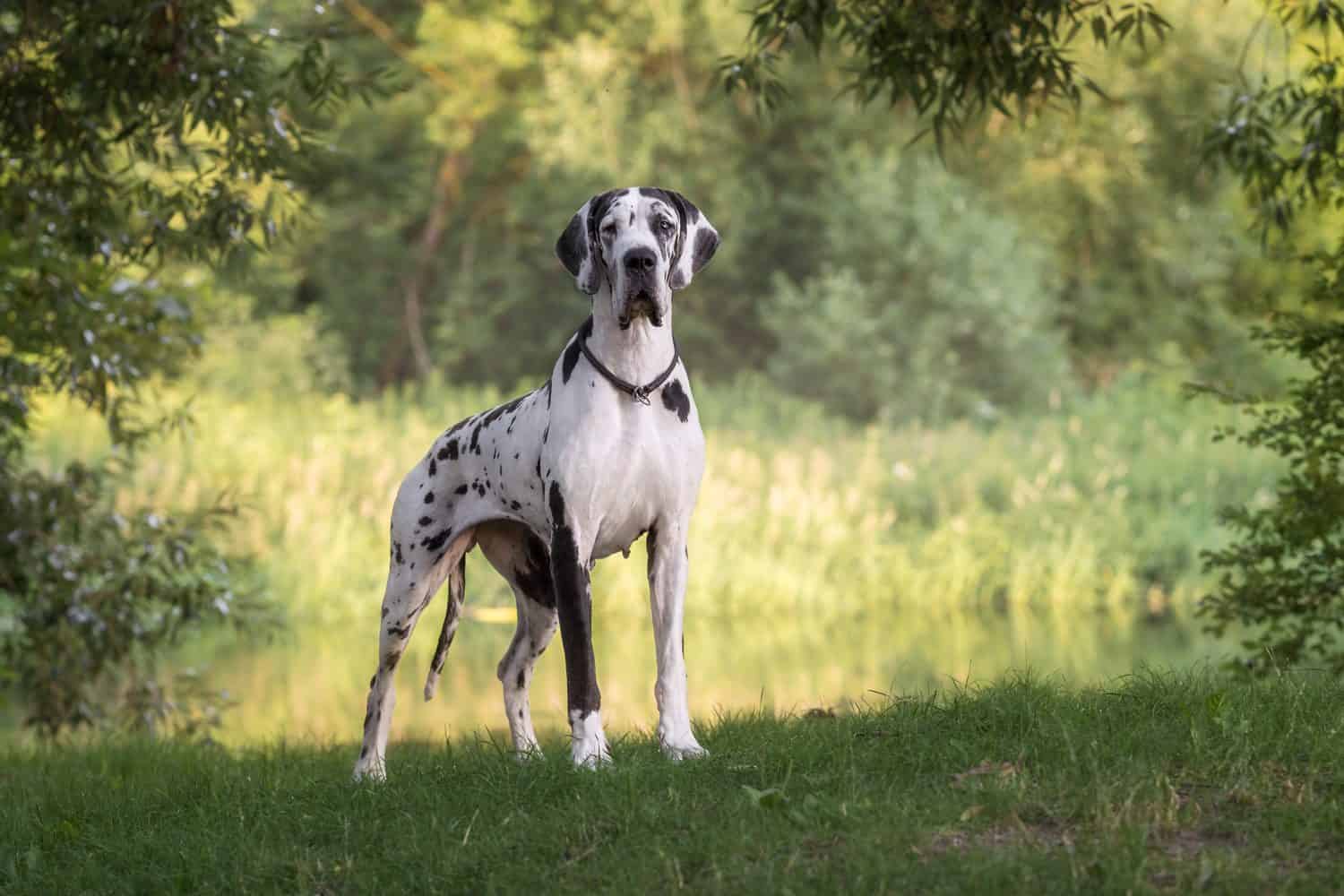
Great Dane
Height: 28–32 inches
Weight: 110–175 pounds
Life expectancy: 7–10 years
Few dogs make quite the first impression of a Great Dane. Standing as tall as 32 inches at the shoulder, these towering dogs can easily look a person in the eye when standing on their hind legs. Despite their name, Great Danes actually originated in Germany, where they were developed to hunt wild boar and later became companions and guardians for the nobility.
Today, Great Danes are better known for their friendly personalities than their hunting abilities. They're often affectionate, patient, and surprisingly eager to squeeze onto the couch beside their favorite people. Their enormous size does come with challenges, including higher food and veterinary expenses and a relatively short lifespan. Early training is especially important because even an enthusiastic greeting from a full-grown Great Dane can knock someone off balance.
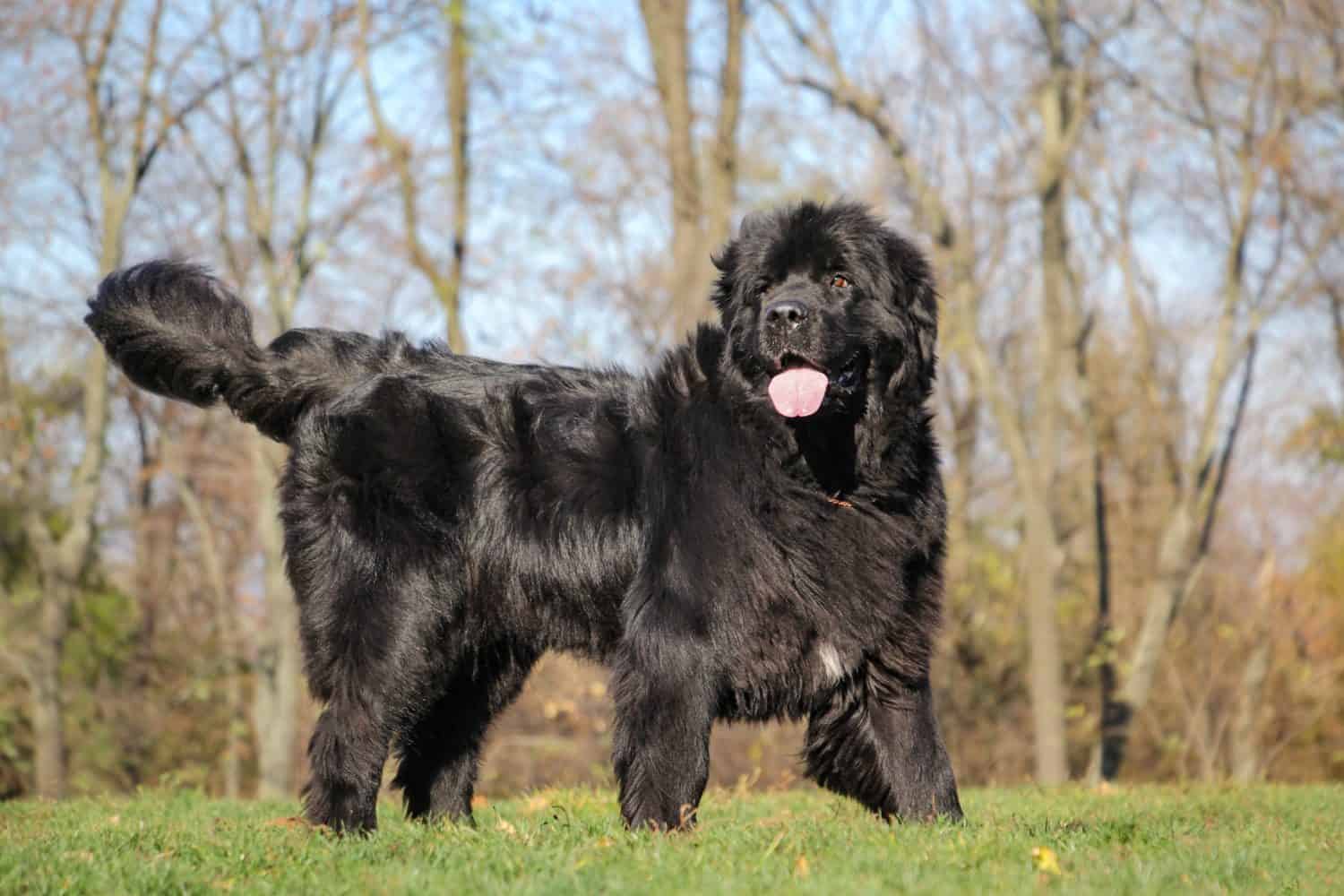
Newfoundland
Height: Approximately 26–28 inches
Weight: 100–150 pounds
Life expectancy: 9–10 years
Imagine a massive, shaggy dog that loves the water and has the strength to help rescue someone struggling to swim. That's the Newfoundland, a Canadian breed developed to work alongside fishermen. With partially webbed feet, a thick water-resistant coat, and powerful swimming abilities, Newfoundlands were historically used to retrieve fishing nets, haul equipment, and assist people in distress.
One famous Newfoundland named Seaman even accompanied Lewis and Clark on their expedition across the American West. Despite their enormous size, Newfoundlands are widely admired for their patient, gentle personalities. They're often called gentle giants, although their size, heavy shedding, and tendency to drool require some adjustment. Families considering one should also remember that a dog weighing 150 pounds needs plenty of room, regular grooming, and consistent training.
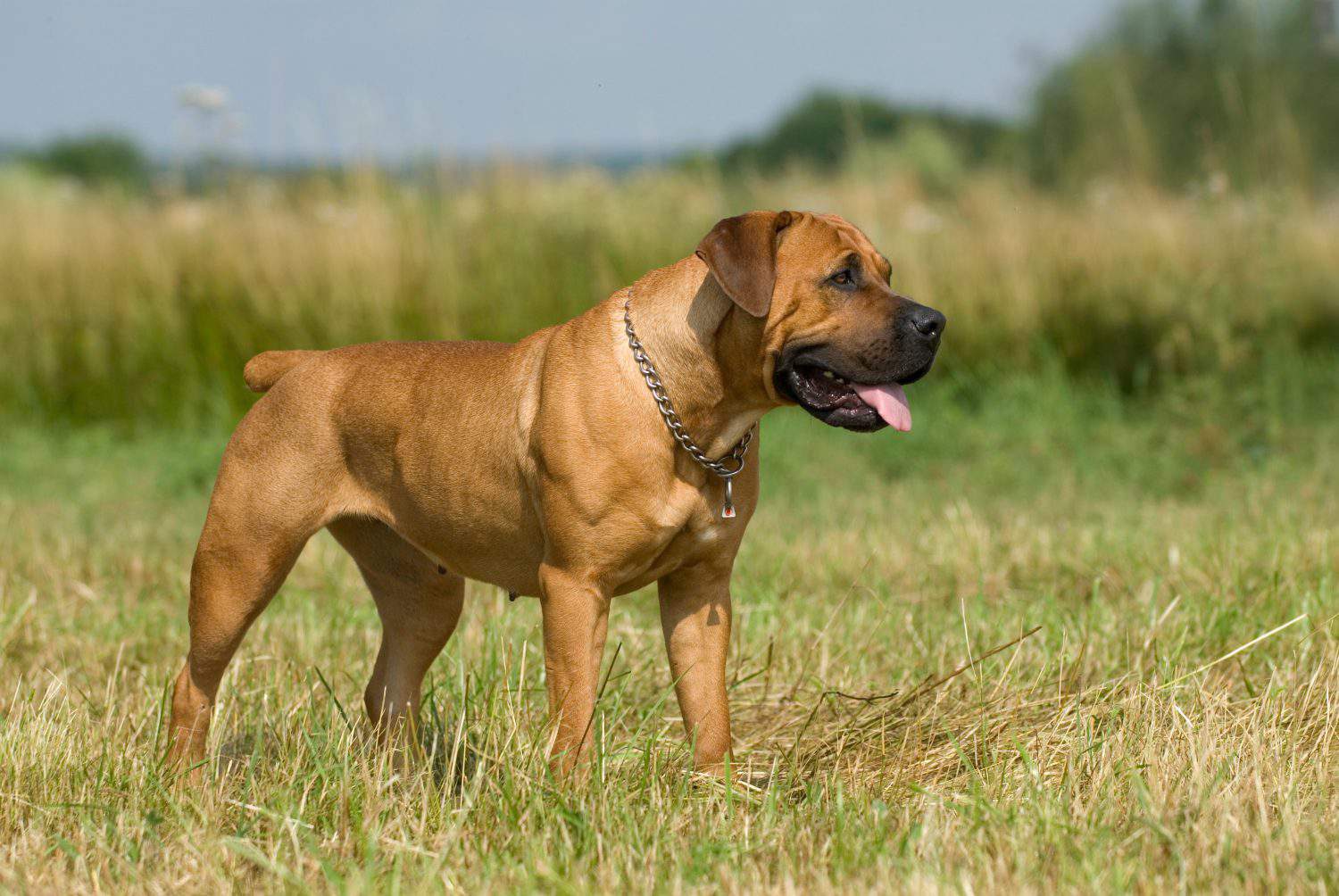
Boerboel
Height: 22–27 inches
Weight: 150–200 pounds
Life expectancy: 9–11 years
Originally developed to protect farms and homesteads in South Africa, the Boerboel is a muscular, powerful dog with a serious reputation as a guardian. Its name comes from Afrikaans words associated with farmers and dogs, reflecting its agricultural roots. Boerboels were expected to protect property, livestock, and families in environments where large predators could pose a real threat.
Modern Boerboels retain much of that protective instinct, along with a calm, confident disposition when properly raised. They're generally devoted to their households but can be reserved or suspicious around unfamiliar people and animals. Because these dogs can approach 200 pounds, early socialization and consistent training are essential. Their strength and independent nature make them better suited to experienced owners who understand the responsibilities of managing a large guardian breed.
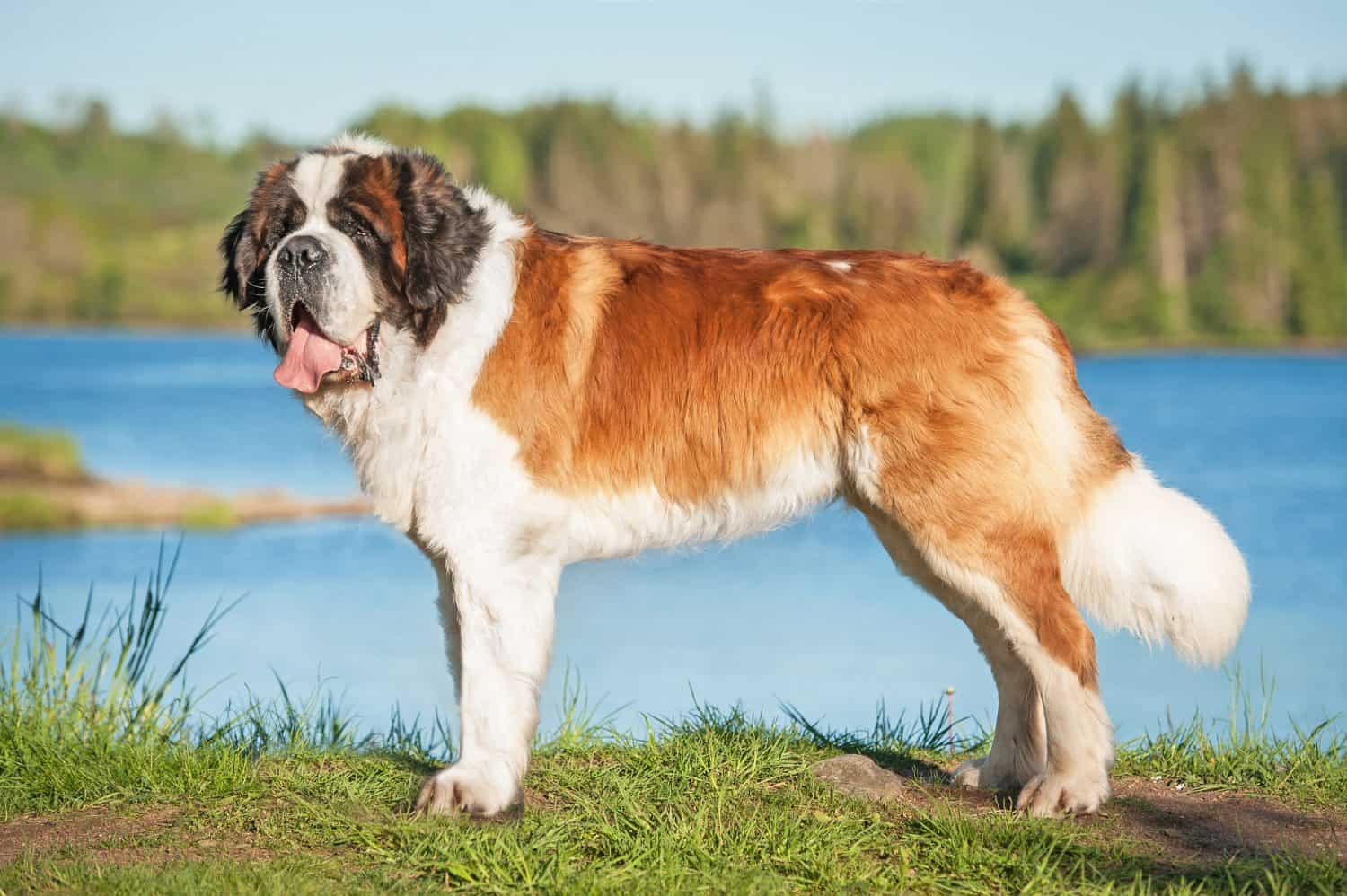
Saint Bernard
Height: 26–30 inches
Weight: 120–180 pounds
Life expectancy: 8–10 years
The Saint Bernard might be the world's most recognizable mountain rescue dog. Developed in the Swiss Alps, these enormous animals became famous for helping travelers stranded in dangerous snowy conditions around the Great St. Bernard Pass. Their reputation for bravery eventually inspired the familiar image of a big, fluffy dog carrying a small barrel of brandy around its neck, although that detail is largely a popular legend rather than a documented rescue practice.
Saint Bernards are generally gentle, patient, and affectionate companions, especially with people they know well. Their enormous bodies and calm expressions can make them seem like living teddy bears, but they still require training, exercise, and plenty of space. They're also heavy shedders, and drooling comes with the territory. For owners prepared to handle the mess and expenses of a giant breed, the Saint Bernard can be an exceptionally devoted family companion.
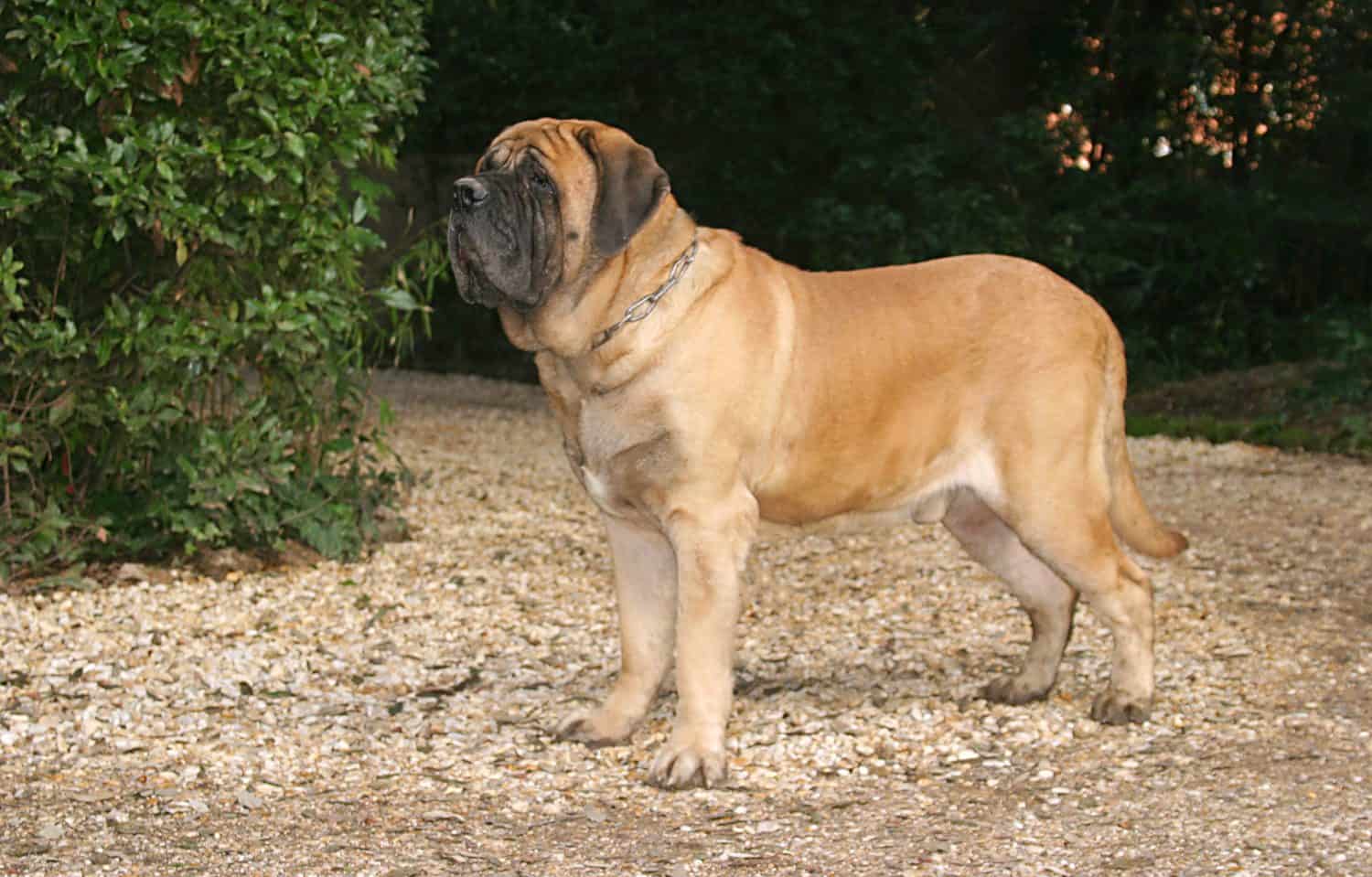
Mastiff
Height: At least 27.5–30 inches, depending on sex
Weight: 120–230 pounds
Life expectancy: 6–10 years
When it comes to sheer bulk, few breeds can compete with the Mastiff. Adult males commonly weigh between 160 and 230 pounds, making them considerably heavier than many grown adults. The breed has a long history in Britain, where its ancestors were associated with guarding estates, protecting property, and other demanding work. Their imposing appearance alone has been enough to discourage unwanted visitors for generations.
Despite that intimidating history, modern Mastiffs are typically good-natured, loyal, and surprisingly relaxed around their families. Many would rather spend an afternoon stretched out on the floor than running around the backyard. Still, their enormous size requires thoughtful training and responsible handling. Mastiffs also have relatively short lifespans and can be prone to health problems associated with giant breeds. Owning one means preparing for oversized everything, from dog beds to food bills.
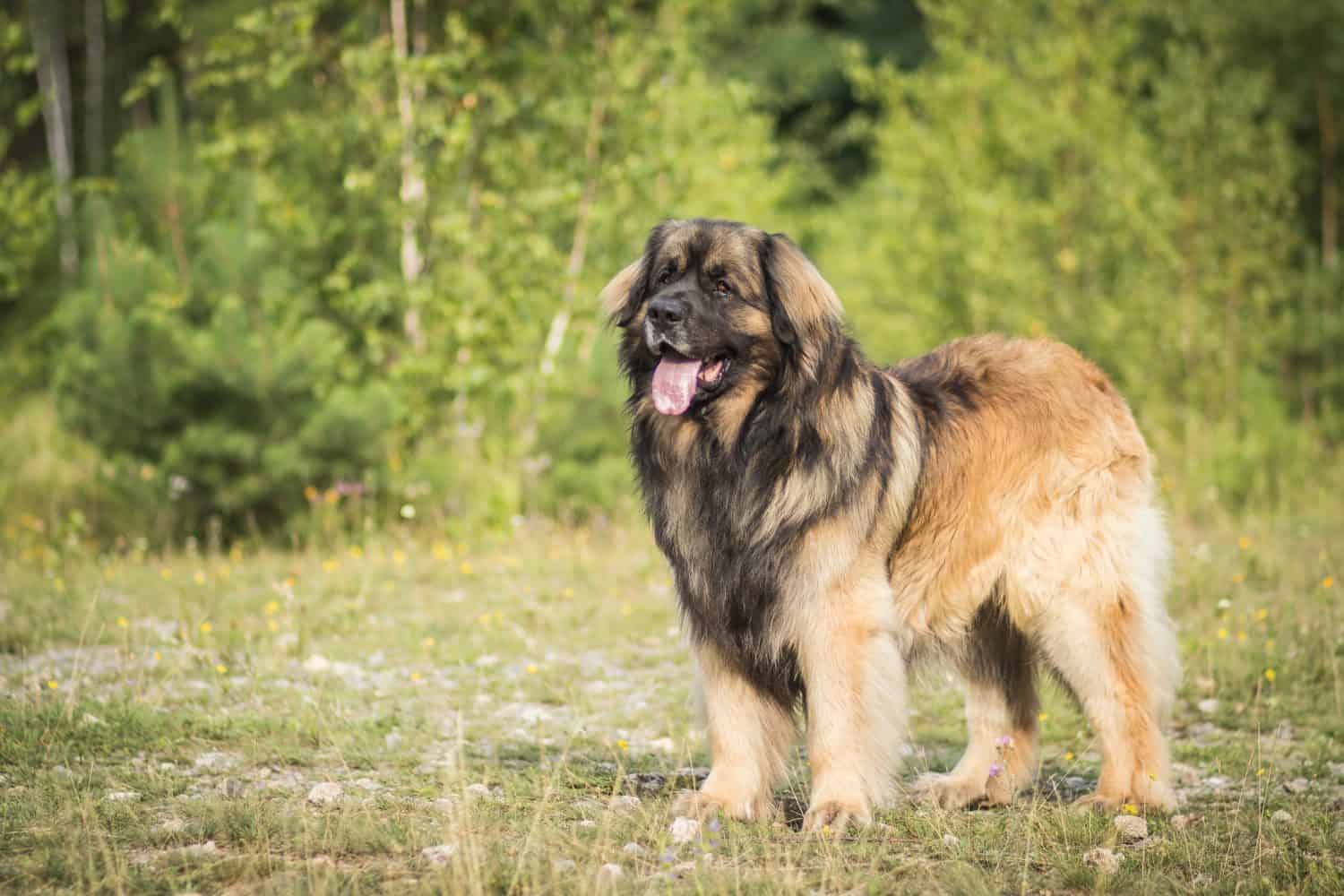
Leonberger
Height: 25.5–31.5 inches
Weight: 90–170 pounds
Life expectancy: Approximately 7 years
With its thick mane, enormous frame, and confident posture, the Leonberger looks a little like a lion disguised as a dog. The breed originated in Leonberg, Germany, during the 19th century, and its lion-like appearance is traditionally associated with the town's coat of arms. Over time, Leonbergers became valued as working dogs capable of pulling carts and performing other physically demanding tasks.
Although their appearance is impressive, Leonbergers are generally known for being friendly, playful, and affectionate with their families. Many enjoy swimming and outdoor activities, making them appealing companions for active households. Their luxurious double coats require regular grooming, and owners should be prepared for substantial shedding. Leonbergers also have relatively short average lifespans, making responsible breeding and preventive veterinary care especially important.
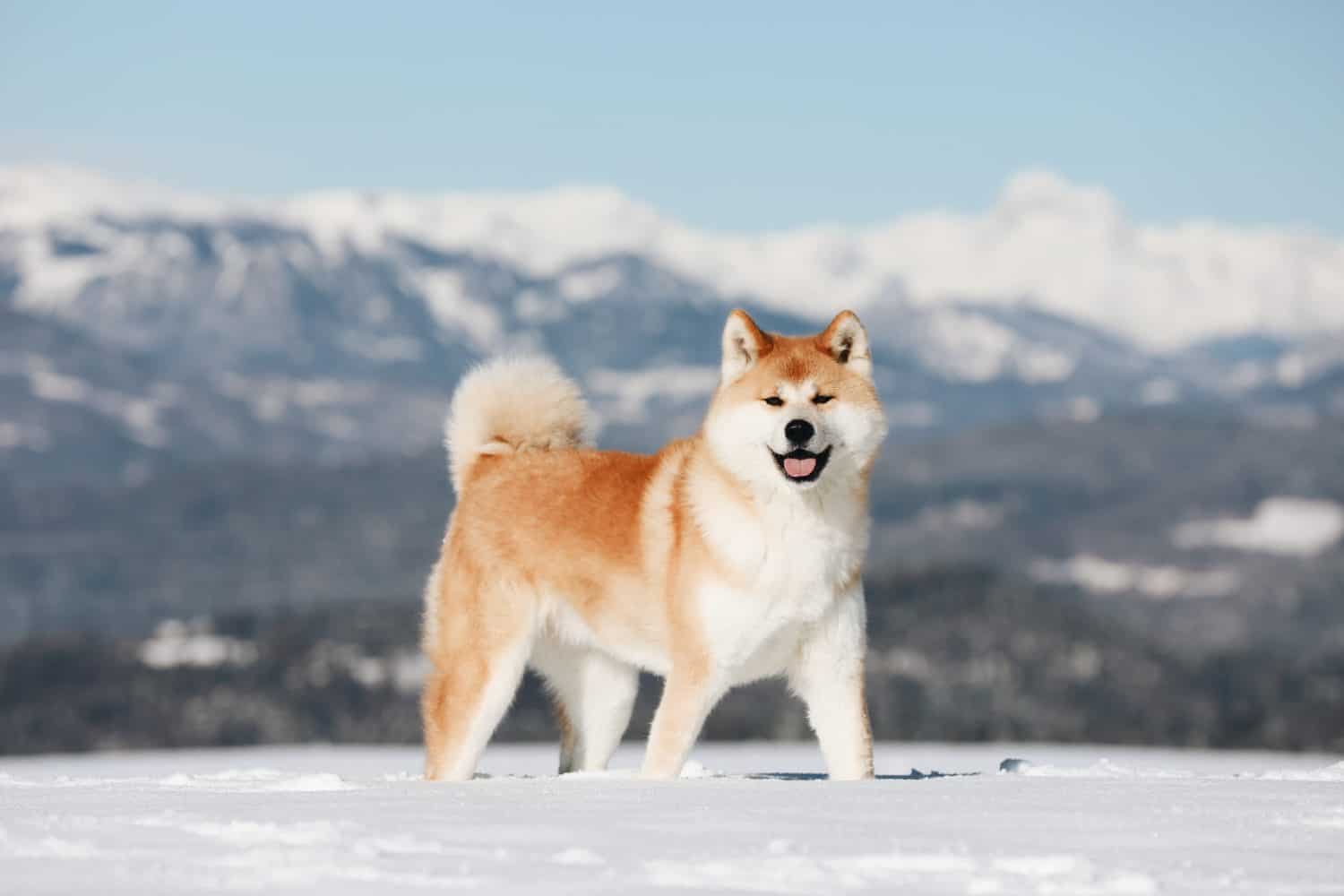
Akita
Height: 24–28 inches
Weight: 70–130 pounds
Life expectancy: 10–14 years
The Akita is one of Japan's most famous dog breeds, admired for its powerful build, thick double coat, and unwavering loyalty. Originally developed for hunting and guarding, Akitas were historically used to pursue large game, including bears. In Japan, the breed has become a symbol of good health, happiness, and devotion, with its cultural significance extending far beyond its working origins.
Akitas tend to form strong attachments to their families but are often reserved around strangers and may be selective about other dogs. Their independence and protective instincts can make training more demanding than with some other breeds. Still, in the right home, they can be deeply affectionate companions. Compared with several other dogs on this list, Akitas also have a relatively long expected lifespan. For more examples of canine longevity, see the longest-living dog breeds in the United States.
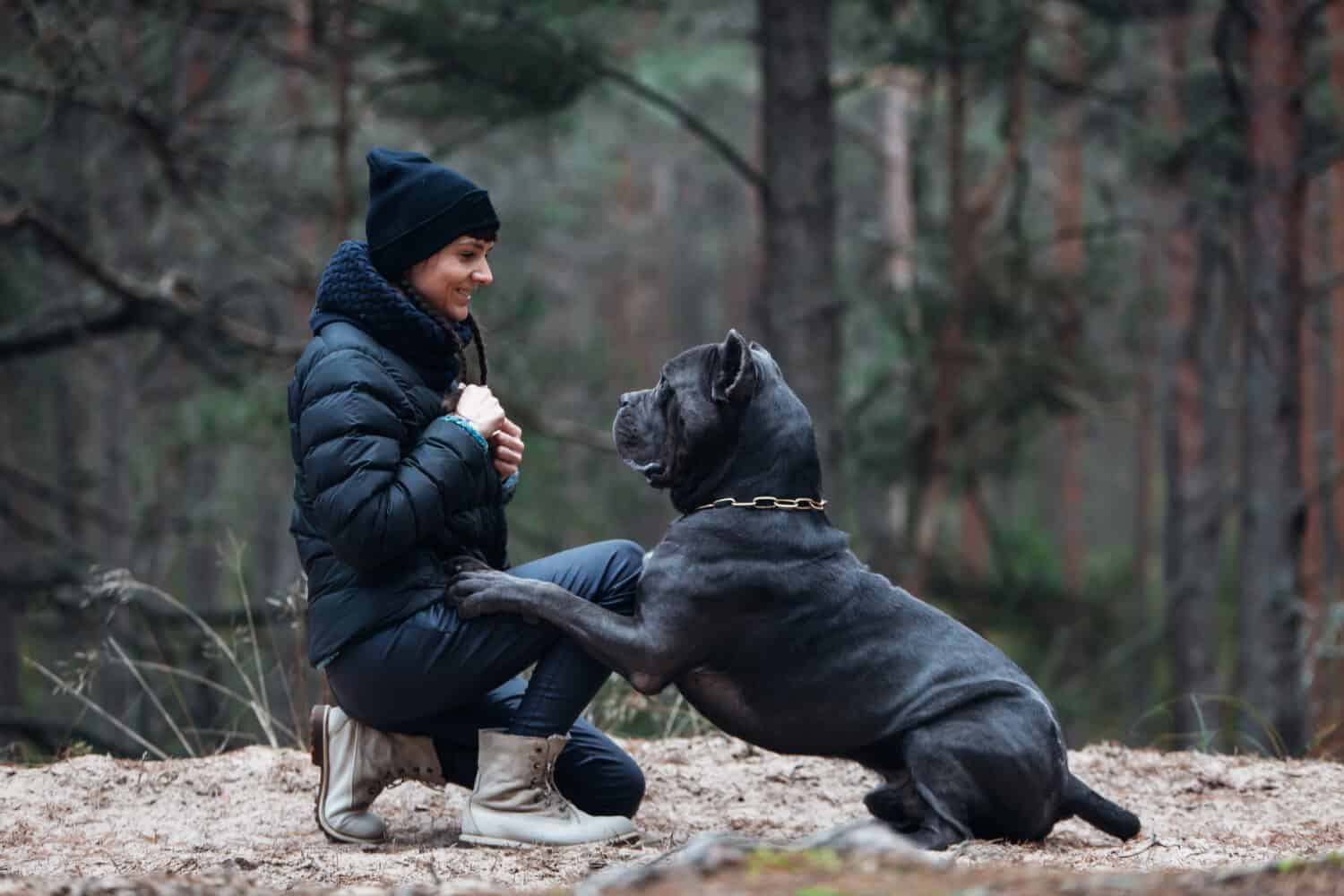
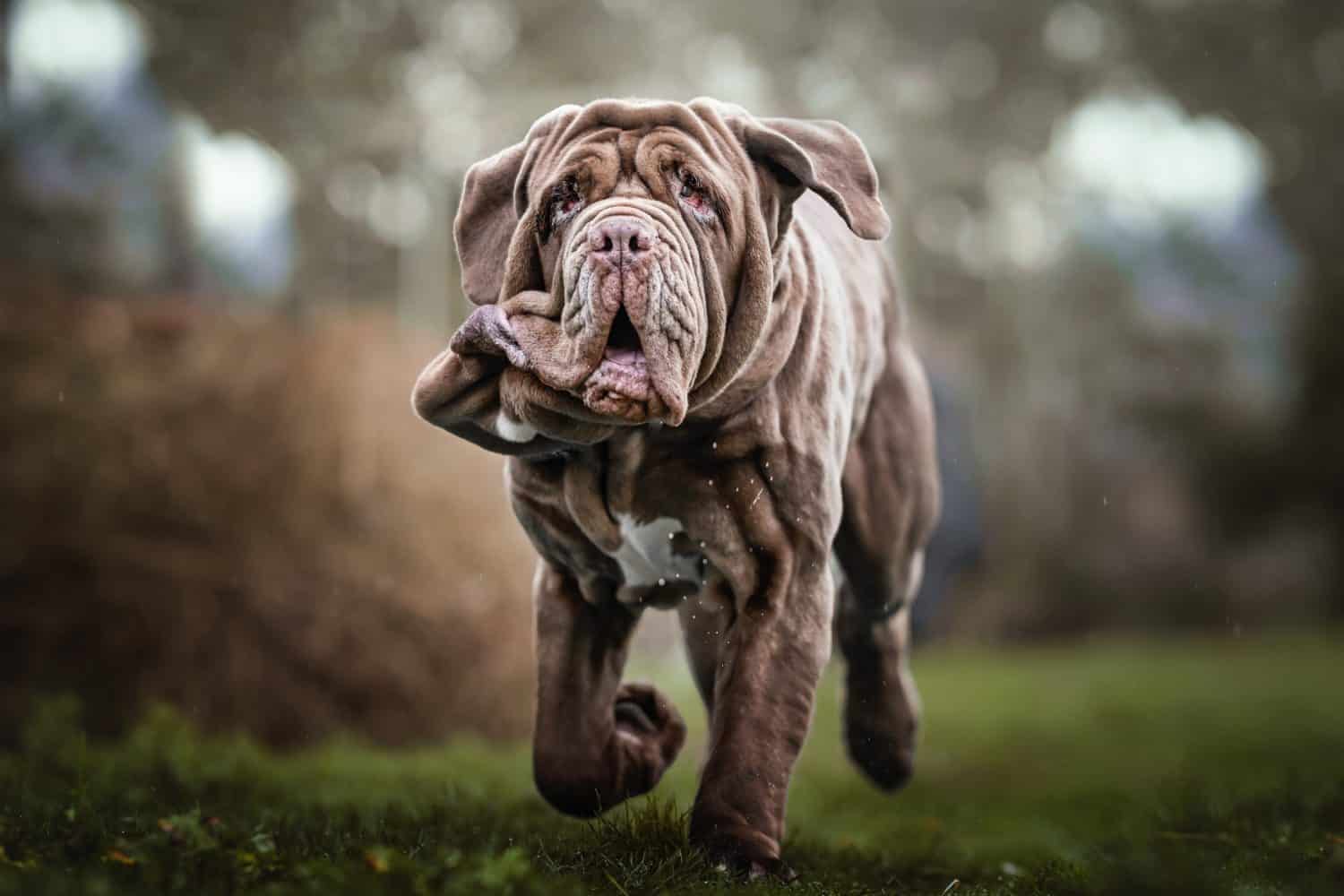
Neapolitan Mastiff
Height: 24–31 inches
Weight: Approximately 110–150 pounds
Life expectancy: 7–9 years
Few dog breeds have a more distinctive appearance than the Neapolitan Mastiff. With its enormous head, heavy jowls, and layers of loose, wrinkled skin, this Italian breed looks like something from an ancient painting. Its ancestry is associated with the mastiff-type dogs used in ancient Rome, while the modern breed developed in Italy as a powerful guardian of homes and estates.
Neapolitan Mastiffs are typically loyal and watchful, often forming close bonds with their families while remaining cautious around unfamiliar people. Their protective instincts make early socialization and obedience training especially important. Prospective owners should also be prepared for frequent drooling, routine skin-fold care, and the expenses associated with a very large dog. They may look intimidating, but with responsible ownership, these wrinkled giants can be devoted household companions.
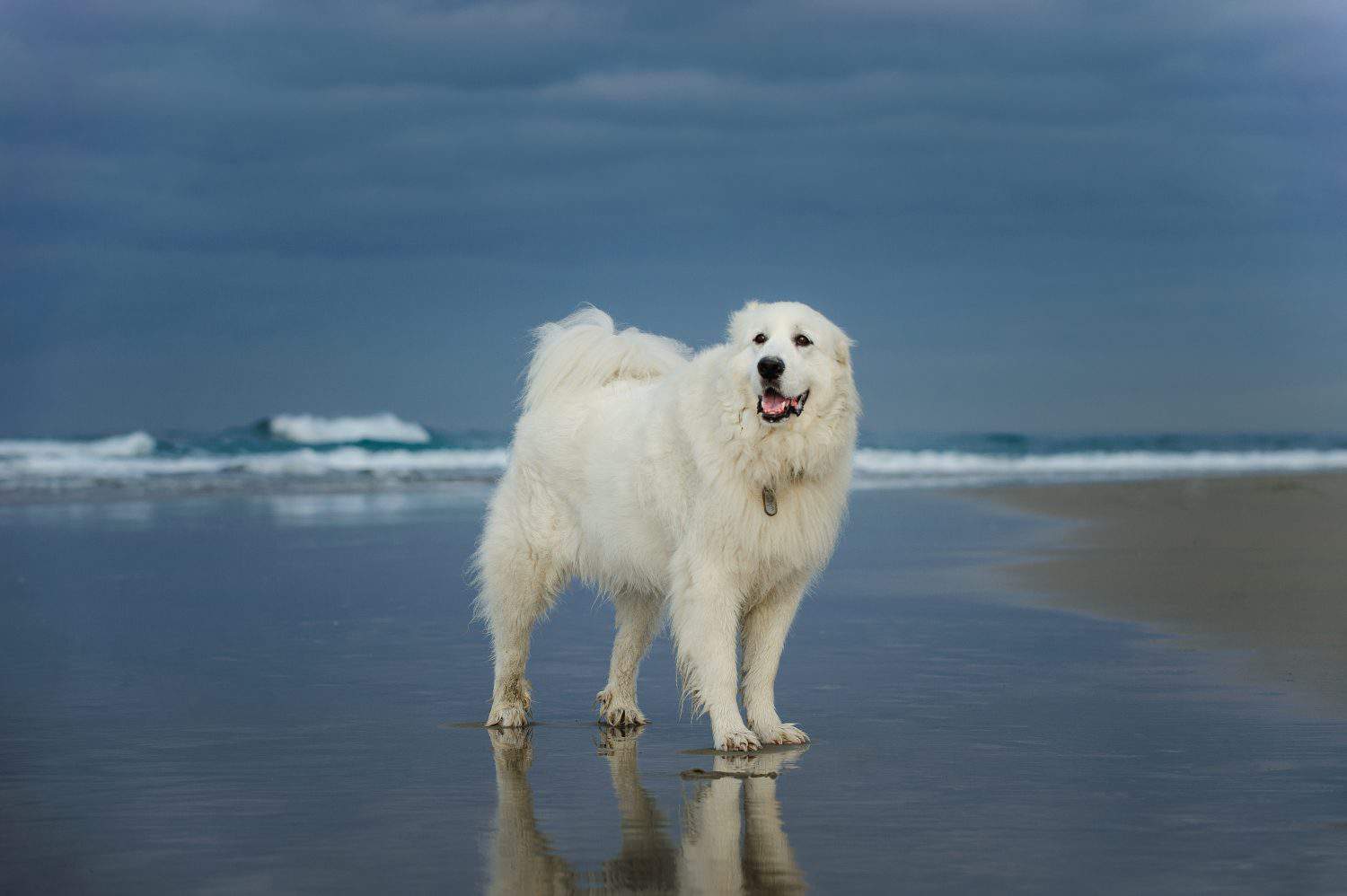
Great Pyrenees
Height: 25–32 inches
Weight: Generally 85 pounds or more for females and 100 pounds or more for males
Life expectancy: 10–12 years
At first glance, the Great Pyrenees might resemble an enormous white stuffed animal. Beneath that fluffy exterior, however, is a serious working dog developed to protect livestock in the mountainous border region between France and Spain. These dogs were traditionally responsible for watching over sheep and helping deter predators, including wolves, often making decisions without direct human supervision.
That independent background helps explain why Great Pyrenees can be both wonderfully affectionate and surprisingly stubborn. They're generally calm and patient with familiar people but remain alert to potential threats around their territory. Their thick, weather-resistant coats require regular grooming, and their instinct to patrol can make secure fencing important. Despite their size, many Great Pyrenees are content to spend much of the day relaxing near the people or animals they consider their responsibility.
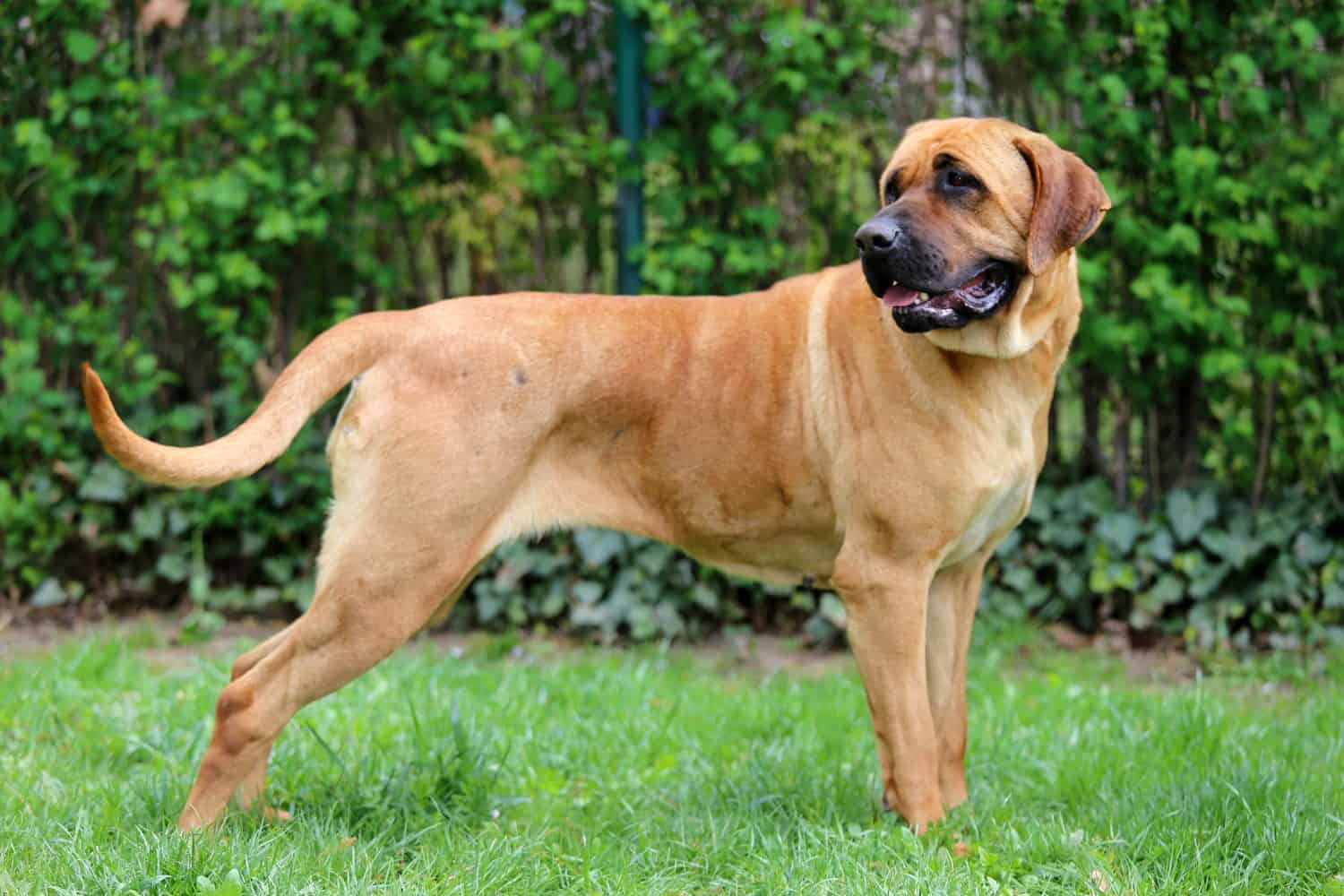
Tosa Inu
Height: Minimum height approximately 21.5–23.5 inches, depending on sex
Weight: 100–200 pounds
Life expectancy: 10–12 years
The Tosa Inu is a powerful Japanese breed with a complicated history. Developed in the former Tosa Province, now part of Kochi Prefecture, the breed was created through crosses involving Japanese dogs and several European breeds. Tosas were historically bred for organized dog fighting, a practice that remains controversial and is prohibited in many parts of the world.
Despite their intimidating size and fighting background, well-raised Tosas are often described as composed, patient, and strongly attached to their households. They can be reserved around unfamiliar people and may have difficulties with other dogs, making careful socialization especially important. Tosas are not fully recognized by the American Kennel Club but are listed in its Foundation Stock Service. Because of their size, strength, and history, they are generally considered more appropriate for experienced handlers than first-time dog owners.
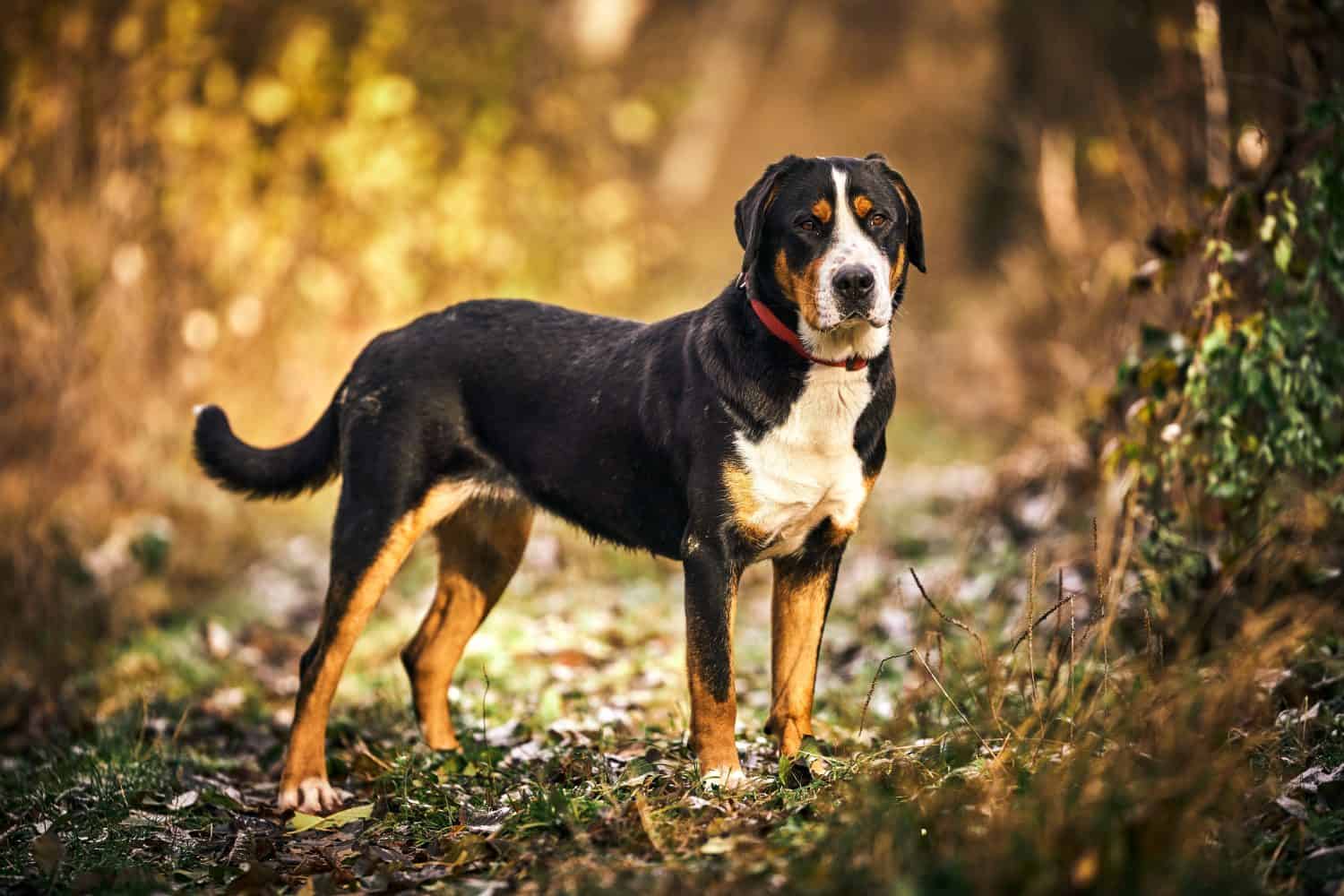
Greater Swiss Mountain Dog
Height: Approximately 23.7–28.5 inches
Weight: 85–140 pounds
Life expectancy: 8–11 years
The Greater Swiss Mountain Dog, affectionately known as the Swissy, is a large working breed that originated in Switzerland. Historically, these sturdy dogs helped farmers by herding livestock, guarding property, and pulling carts loaded with goods. Their muscular bodies and strong frames made them useful for jobs requiring endurance rather than outright speed.
Today, Swissies are valued for their confidence, affectionate personalities, and recognizable black, white, and rust-colored coats. They generally enjoy spending time with their families and can be enthusiastic companions for outdoor activities. Their short double coats are easier to maintain than those of some other giant breeds, although they still shed. Like most large dogs, Greater Swiss Mountain Dogs benefit from early training, consistent exercise, and owners who understand their considerable strength.
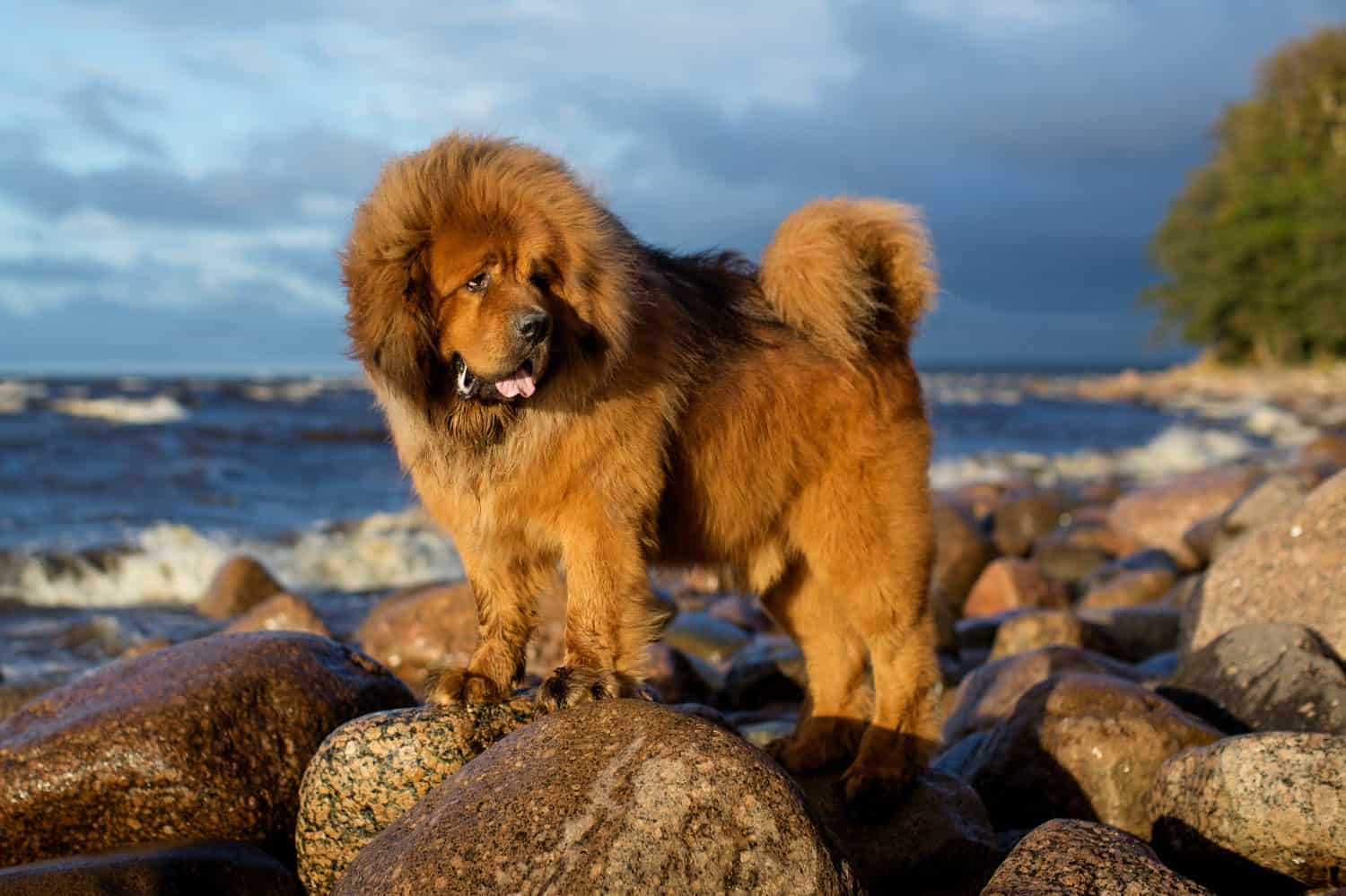
Tibetan Mastiff
Height: At least 24–26 inches, depending on sex
Weight: 70–150 pounds
Life expectancy: 10–12 years
With its thick mane, enormous head, and imposing appearance, the Tibetan Mastiff can look more like a lion than a household pet. These ancient guardian dogs developed in the Himalayan region, where they protected homes, monasteries, camps, and property in challenging mountain conditions. Their dense double coats helped them withstand cold temperatures and harsh weather.
Unlike more people-oriented breeds, Tibetan Mastiffs are known for their independence and strong territorial instincts. They're often affectionate and devoted to their families but reserved around strangers. That combination can make them excellent guardians in appropriate settings, although it also makes training and responsible management essential. Their thick coats demand seasonal grooming, and their preference for cooler conditions can make life in hot, humid climates challenging. These spectacular dogs are generally best suited to experienced owners.
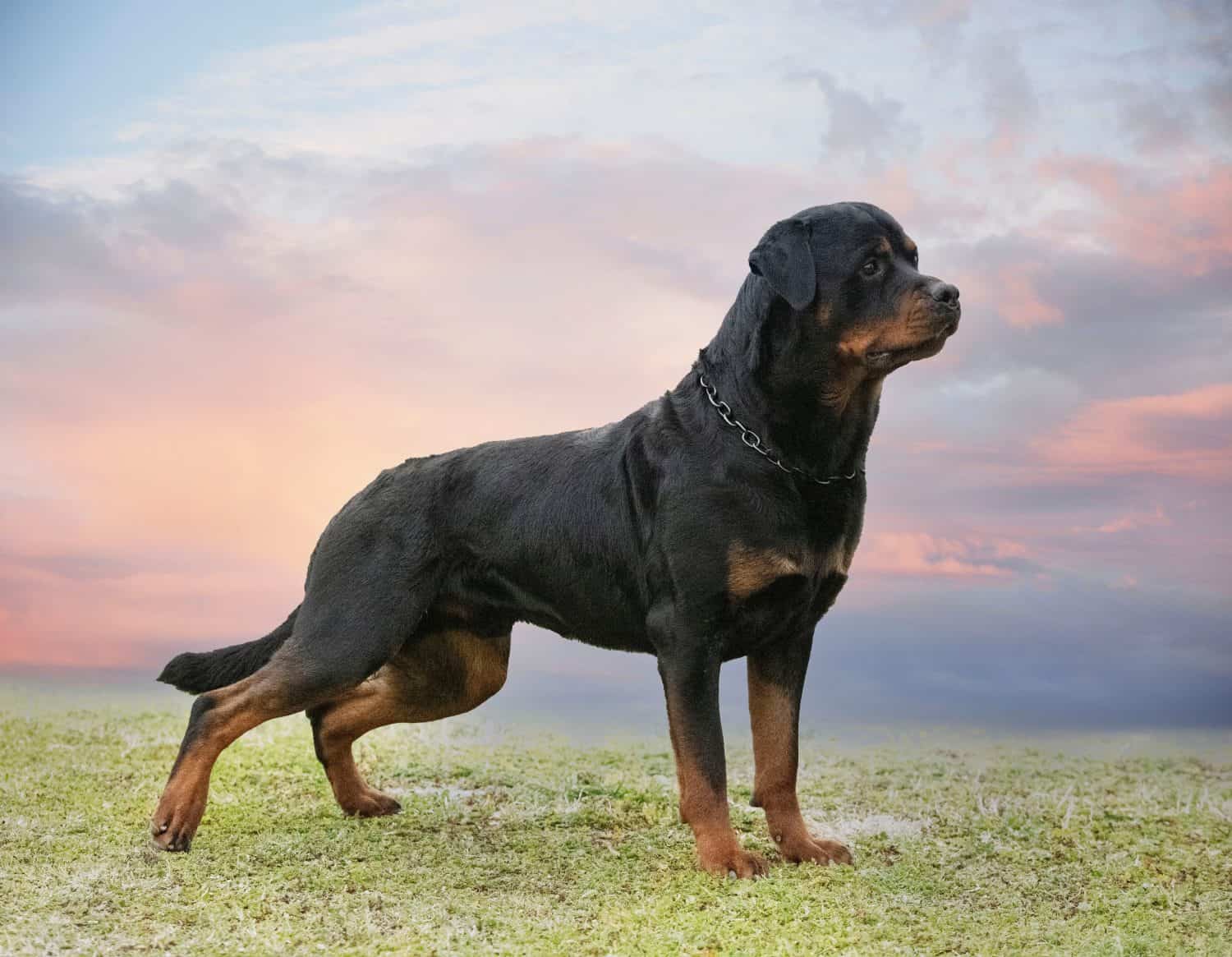
Rottweiler
Height: 22–27 inches
Weight: 80–135 pounds
Life expectancy: 9–10 years
The Rottweiler has a reputation as a serious guard dog, but there's much more to the breed than its powerful appearance. Its ancestry is commonly traced to cattle-driving dogs used during the Roman era. Later, Rottweilers became important working dogs in Germany, where they helped move livestock and protect property. Their muscular bodies and confident personalities made them well suited to demanding jobs.
Modern Rottweilers can be affectionate, playful, and even downright goofy around people they trust. They are also intelligent, athletic dogs that benefit from regular exercise and mentally engaging activities. Because they may be naturally protective or reserved around strangers, early socialization and consistent training are especially important. A well-managed Rottweiler can be a devoted family companion, but prospective owners should be realistic about the breed's strength, energy, and need for attention.
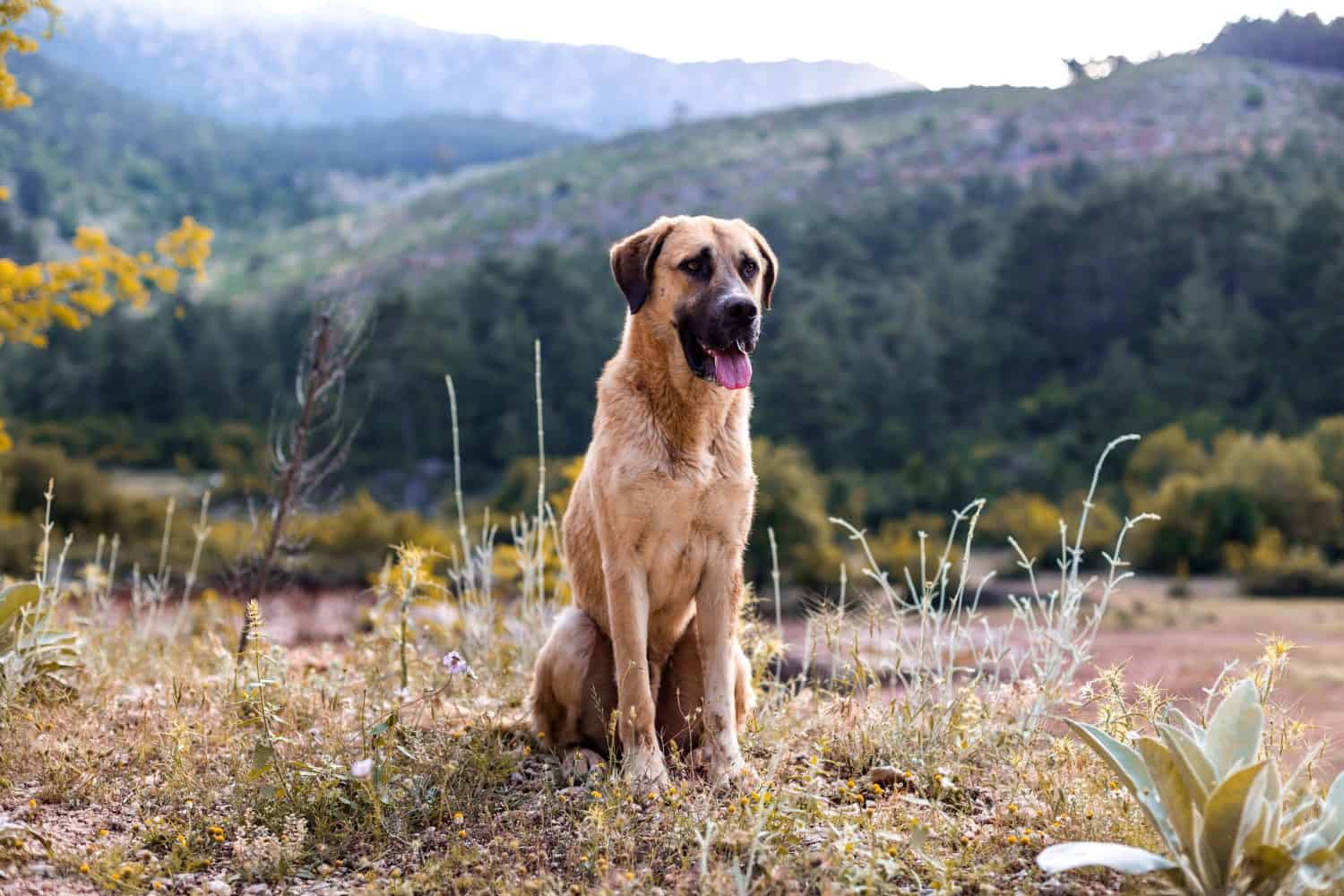
Anatolian Shepherd Dog
Height: Approximately 27–29 inches
Weight: 80–150 pounds
Life expectancy: 11–13 years
The Anatolian Shepherd Dog is a large, athletic livestock guardian developed in what is now Turkey. For generations, dogs of this type protected sheep and other animals from predators, including wolves. Unlike herding dogs that move livestock from place to place, livestock guardians are expected to stay with their animals and discourage predators from approaching.
Anatolian Shepherds are known for their independence, intelligence, and protective nature. Those qualities make sense for dogs traditionally trusted to work without constant supervision, but they can also present challenges for inexperienced owners. They need appropriate socialization, secure surroundings, and consistent guidance. Related Turkish livestock-guardian breeds, including the Kangal, share some of this history, although breed classifications vary among kennel organizations. These dogs are impressive working animals, but they're not necessarily ideal companions for every household.
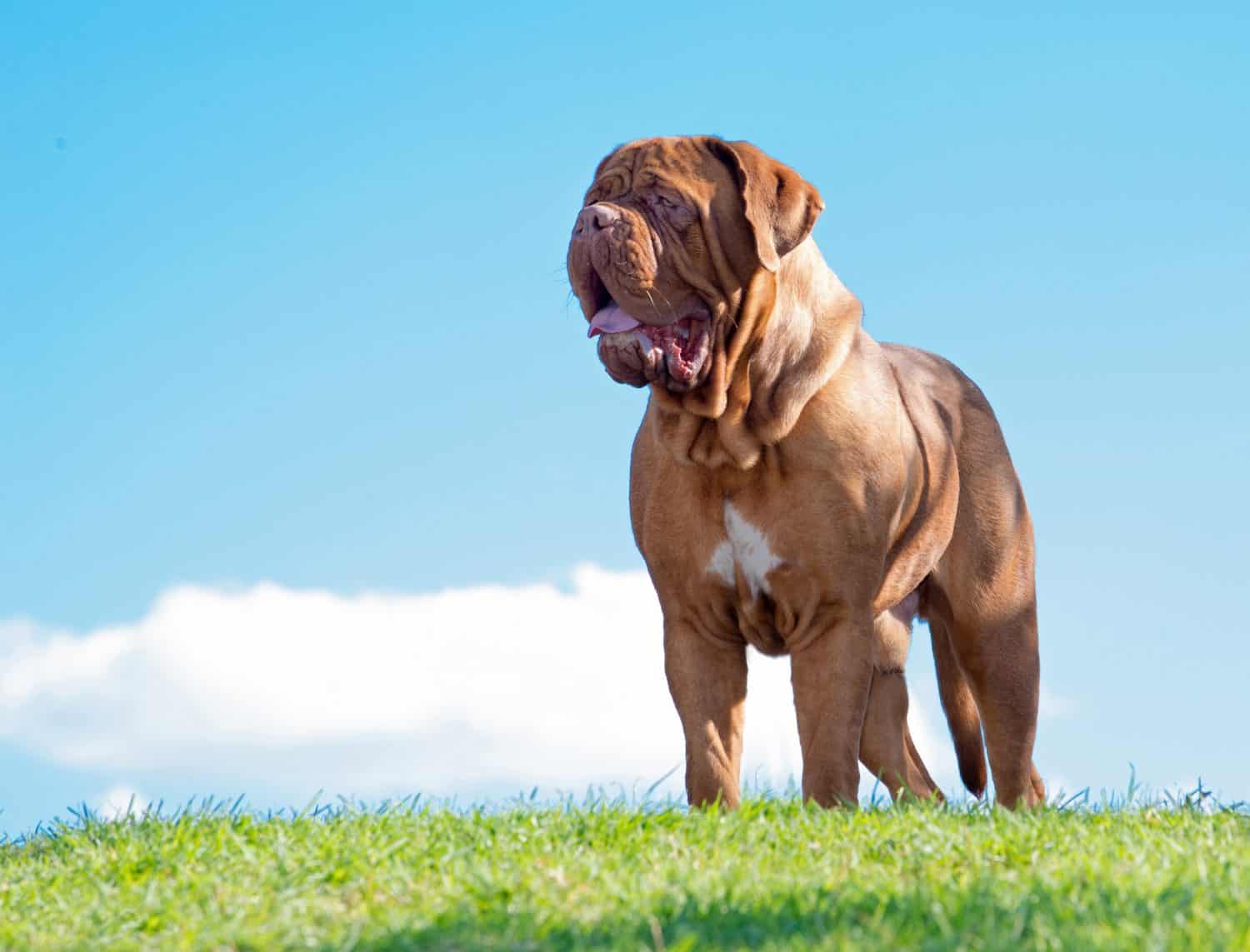
Dogue de Bordeaux
Height: Approximately 23–27 inches
Weight: Generally 99 pounds or more
Life expectancy: 5–8 years
The Dogue de Bordeaux, sometimes called the French Mastiff, is instantly recognizable thanks to its enormous head, short muzzle, and wrinkled face. The breed developed in France and historically performed various jobs, including guarding property and other physically demanding work. Despite being shorter than some of the towering breeds on this list, its powerful build makes it one of the more substantial dogs.
Dogue de Bordeaux dogs are often deeply affectionate with their families, although their stubborn streak can make training a challenge. They generally do best with experienced owners who can provide consistent guidance and early socialization. Unfortunately, the breed also has one of the shortest expected lifespans on this list, and its facial structure and size can contribute to health concerns. For a look at other strong-willed breeds, check out 20 of the most stubborn, hard-to-train dog breeds.
Bullmastiff
Height: 24–27 inches
Weight: 100–130 pounds
Life expectancy: 7–9 years
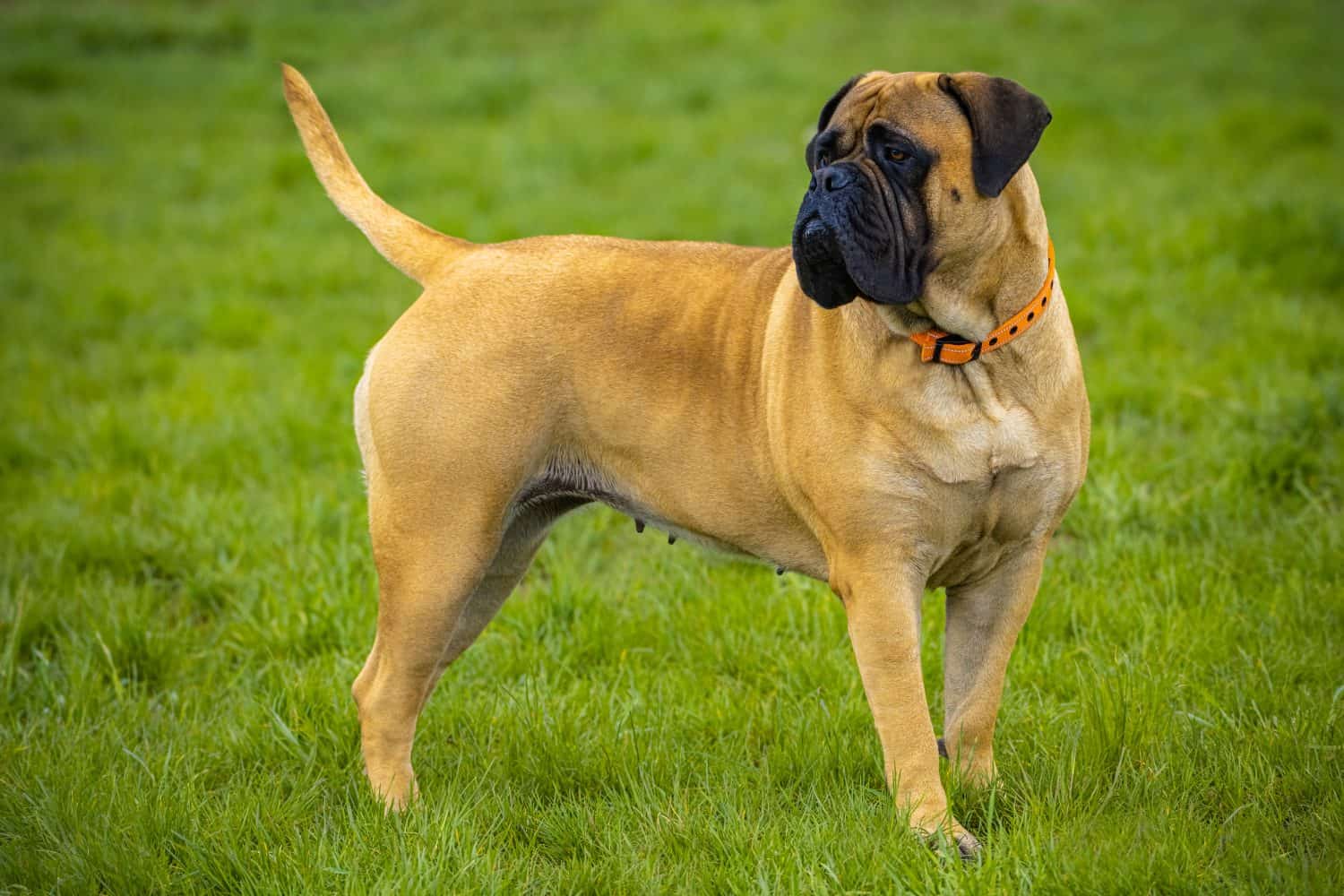
The Bullmastiff was developed in Britain during the 19th century to help gamekeepers protect large estates from poachers. Created through crosses between Mastiffs and Bulldogs, the breed combined considerable size and strength with the agility needed to confront intruders. Its muscular body, broad head, and confident expression still reflect that working heritage.
Despite their formidable appearance, Bullmastiffs are typically affectionate and loyal with their families. Many are comparatively calm indoors, although they still need regular exercise and mental stimulation. Their short coats require less grooming than those of long-haired giant breeds, but their size and protective instincts demand consistent training and socialization. Like many other large dogs, Bullmastiffs have relatively short lifespans and benefit from careful attention to weight, joint health, and overall fitness.