
gorodenkoff / iStock via Getty Images
Ryan Jello / iStock via Getty Images

lizcen / iStock via Getty Images
chapin31 / iStock via Getty Images
diego_cervo / iStock via Getty Images
sammcool / Getty Images
patrickheagney / E+ via Getty Images

PrzemysÅaw Iciak / iStock via Getty Images
Grigorita Ko / Shutterstock.com
Glikiri / Shutterstock.com
mladenbalinovac / Getty Images






America's 10 Favorite Dog Breeds to Celebrate International Dog Day
Every August 26, National Dog Day gives Americans a reason to celebrate something many of them do 365 days a year: loving their dogs. Whether it's the family Golden Retriever sleeping at the foot of the bed or the Frenchie squeezed into a city apartment, dogs are woven into American life in a way few other animals can match.
The American Kennel Club (AKC) ranks the popularity of its recognized breeds each year using registration statistics from the previous year. The 2025 rankings put the French Bulldog on top for the fourth straight year, while the Dachshund moved into the top five and the German Shorthaired Pointer climbed to ninth. These are the 10 most popular dog breeds in the United States according to 2025 AKC registration data, along with some of the history behind them.
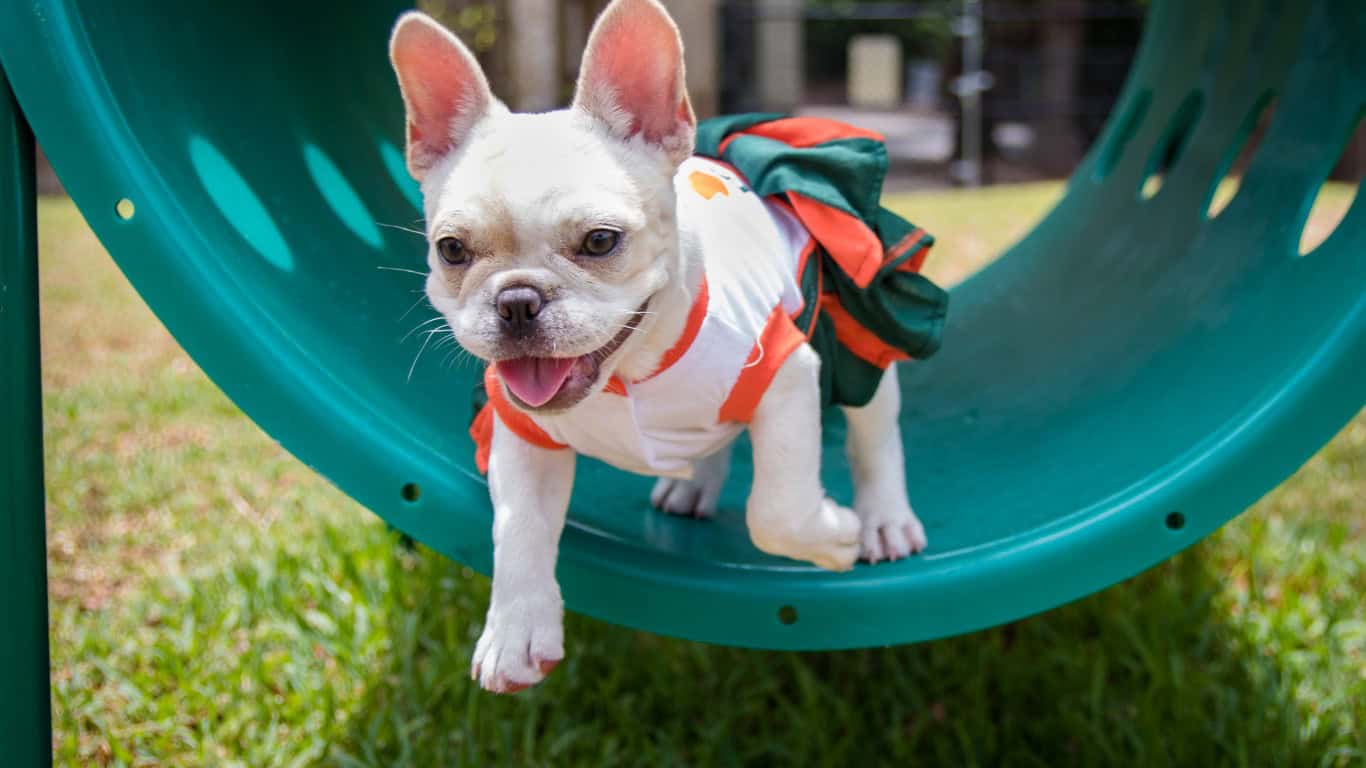
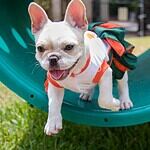
French Bulldog
For four years now, the French Bulldog has held the top spot in the AKC rankings. Its rise has been remarkable: the breed jumped from No. 14 in 2012 to become America's most popular AKC-registered breed for the first time in 2022.
The French Bulldog traces its roots to toy Bulldogs favored by lace workers in Nottingham, England. When industrialization displaced many of those workers, some moved to northern France and brought their little dogs with them. The dogs became increasingly fashionable in France, including among Parisian society by the late 1800s, and gradually developed into the Frenchie we recognize today.
Frenchies are compact, adaptable, and highly social, traits that have helped make them popular with city dwellers as well as suburban families. Their flat faces also come with some limitations. Like other brachycephalic breeds, French Bulldogs can struggle in hot weather and are not built for strenuous exercise in the heat. None of that has stopped them from holding onto the number one spot.
Labrador Retriever
The Labrador Retriever held the AKC's number one ranking for a record 31 consecutive years before the French Bulldog finally knocked it from the top in 2022. The Lab has hardly disappeared, though. It remains America's second-most-popular AKC-registered breed for 2025.
The Lab's story actually begins in Newfoundland, not Labrador. Its ancestor was the St. John's Dog, a tough water-loving working dog that helped fishermen haul nets and lines and retrieve fish that slipped from hooks. English nobles recognized the dogs' abilities during the 1800s, imported them to Britain, and developed the bloodlines that became the modern Labrador Retriever.
The original St. John's Dog eventually disappeared from Newfoundland. According to AKC breed history, two of the last known survivors were found in a remote part of the island in the late 1970s. Both were elderly males, leaving no females with which to continue the line. The old breed vanished, but much of its retrieving ability and love of water survives in today's Labrador.
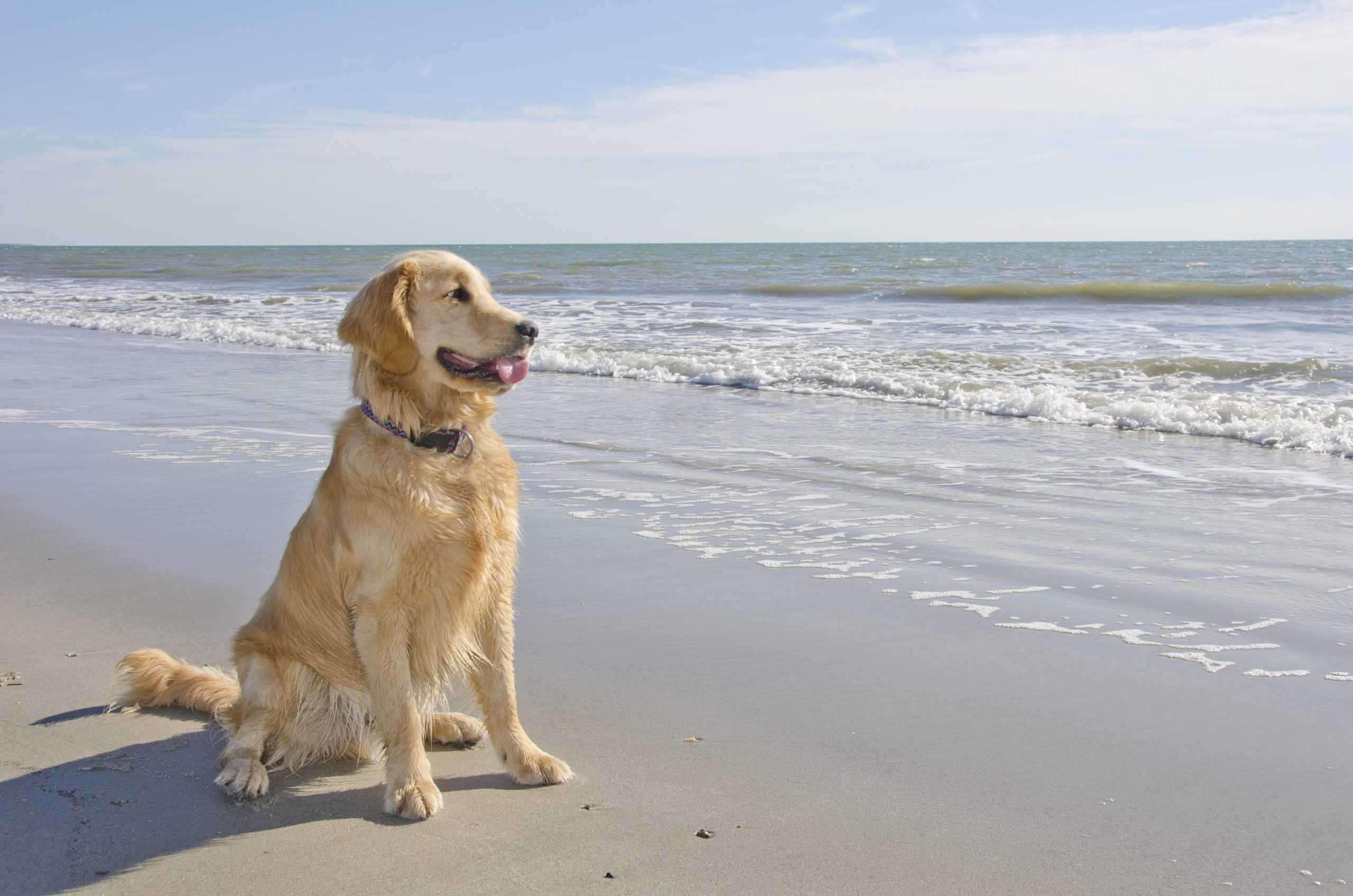
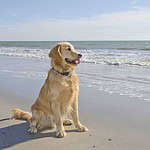
Golden Retriever
In third place, the Golden Retriever continues a long run as one of America's favorite breeds. Its friendly reputation may seem completely modern, but the breed's beginnings can be traced to remarkably detailed records kept by Scottish businessman and aristocrat Dudley Marjoribanks, later Lord Tweedmouth.
In 1865, Marjoribanks was walking with his son in Brighton, England, when he encountered a yellow Wavy-Coated Retriever named Nous. The dog belonged to a cobbler who had acquired him from an employee of a local nobleman as payment of a debt. Nous had been born to black parents at a time when black sporting dogs were far more fashionable.
Three years later, Marjoribanks bred Nous with Belle, a Tweed Water Spaniel, a breed that is now extinct. Their 1868 litter produced three yellow puppies named Cowslip, Crocus, and Primrose. Those dogs became the foundation of the breeding program that ultimately developed the Golden Retriever.
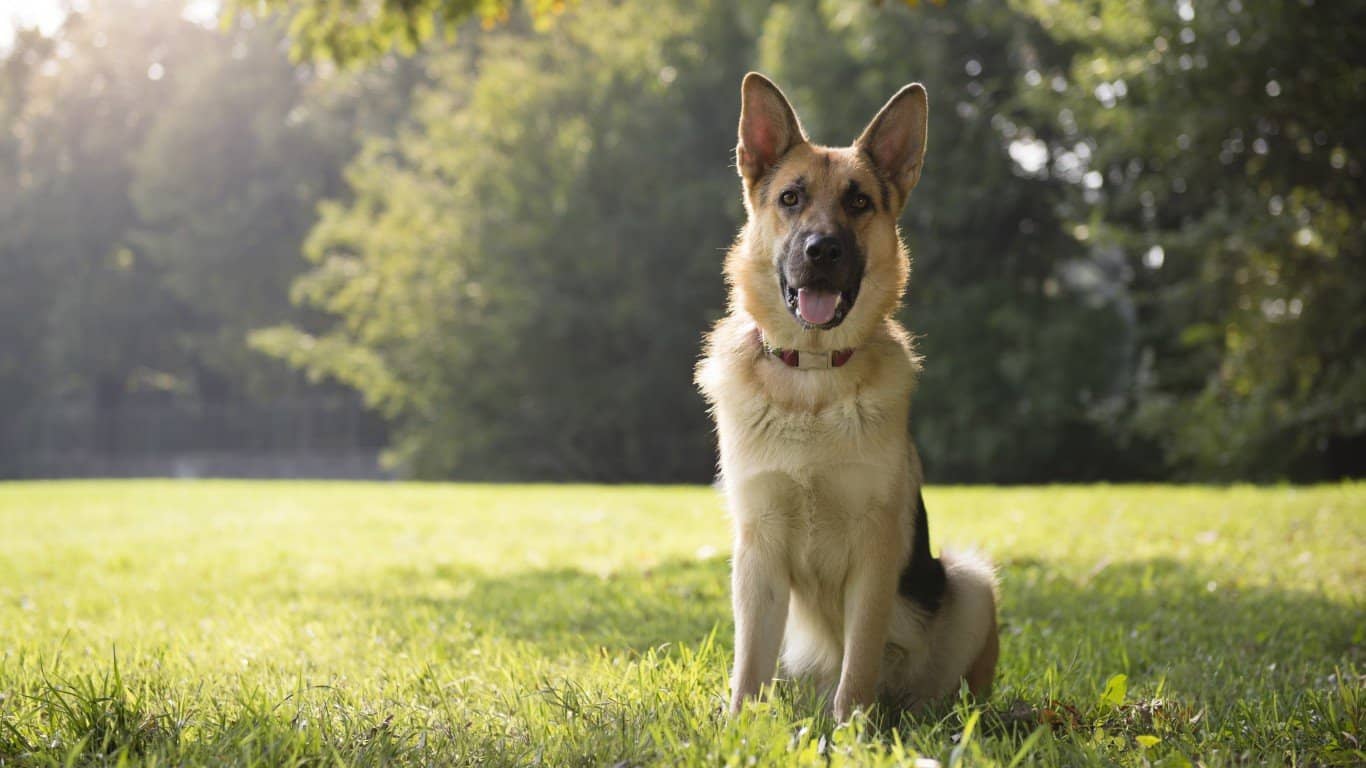
German Shepherd Dog
The German Shepherd Dog, ranked fourth in 2025, owes much of its modern development to one chance meeting. In April 1899, German cavalry officer Max von Stephanitz attended a dog show and spotted a four-year-old sheep-herding dog named Hektor Linksrhein. He bought the dog, renamed him Horand von Grafrath, and helped establish the Verein für deutsche Schäferhunde, the first German Shepherd Dog club. Horand received registration number SZ1, making him the breed's first registered dog.
World War I complicated the breed's identity outside Germany. Anti-German sentiment led the American Kennel Club and its U.S. parent club to remove "German" from the breed's name for a time, while Britain adopted the name Alsatian. The German Shepherd nevertheless became famous around the world as a police, military, and service dog.
One of its most important roles came through Buddy, a female German Shepherd originally named Kiss. In 1928, Morris Frank traveled to Switzerland and learned to work with Buddy as his guide. The pair returned to New York that June and demonstrated what a trained guide dog could do. Frank and Dorothy Harrison Eustis went on to co-found The Seeing Eye in 1929, the first guide-dog school established outside Europe and the world's oldest guide-dog school still operating today.
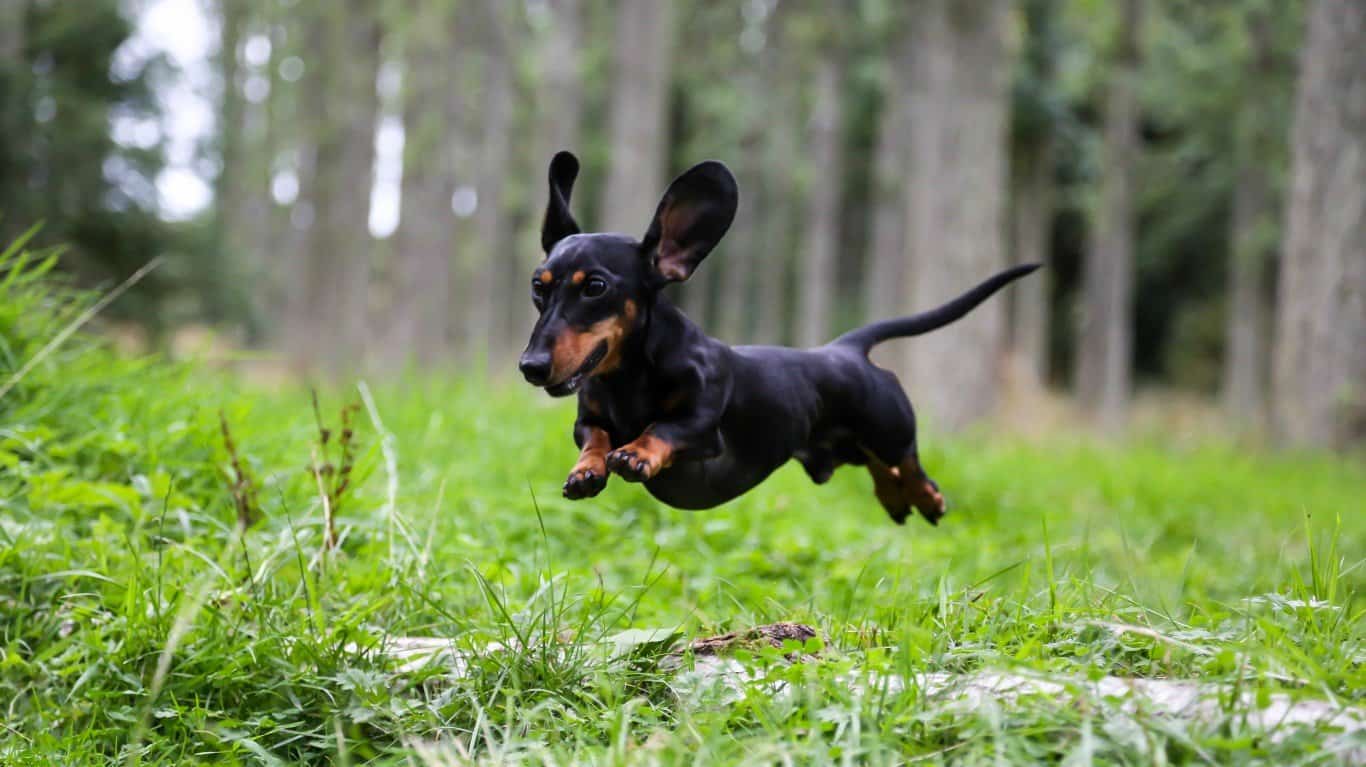
Dachshund
The Dachshund jumped from sixth place in 2024 to fifth in the 2025 AKC rankings. Its unusual proportions were not created simply to make the dog recognizable. They were developed for a surprisingly dangerous job.
Europeans used dogs to hunt badgers as far back as the Middle Ages, but the Dachshund began taking recognizable form in Germany during the late 17th century. Its name literally means "badger dog." Short legs allowed it to enter burrows, compact feet helped it dig, and its long, well-developed rib cage gave it room for the heart and lungs needed during extended work underground. During the 1800s, German hunters also developed smaller Dachshunds suited to pursuing rabbits.
The breed's German identity became a problem in the United States during World War I. Anti-German sentiment became so strong that some American owners referred to their Dachshunds as "liberty hounds." The nickname disappeared, but the breed certainly did not. More than a century later, the Dachshund has climbed all the way to No. 5 in the country.
Poodle
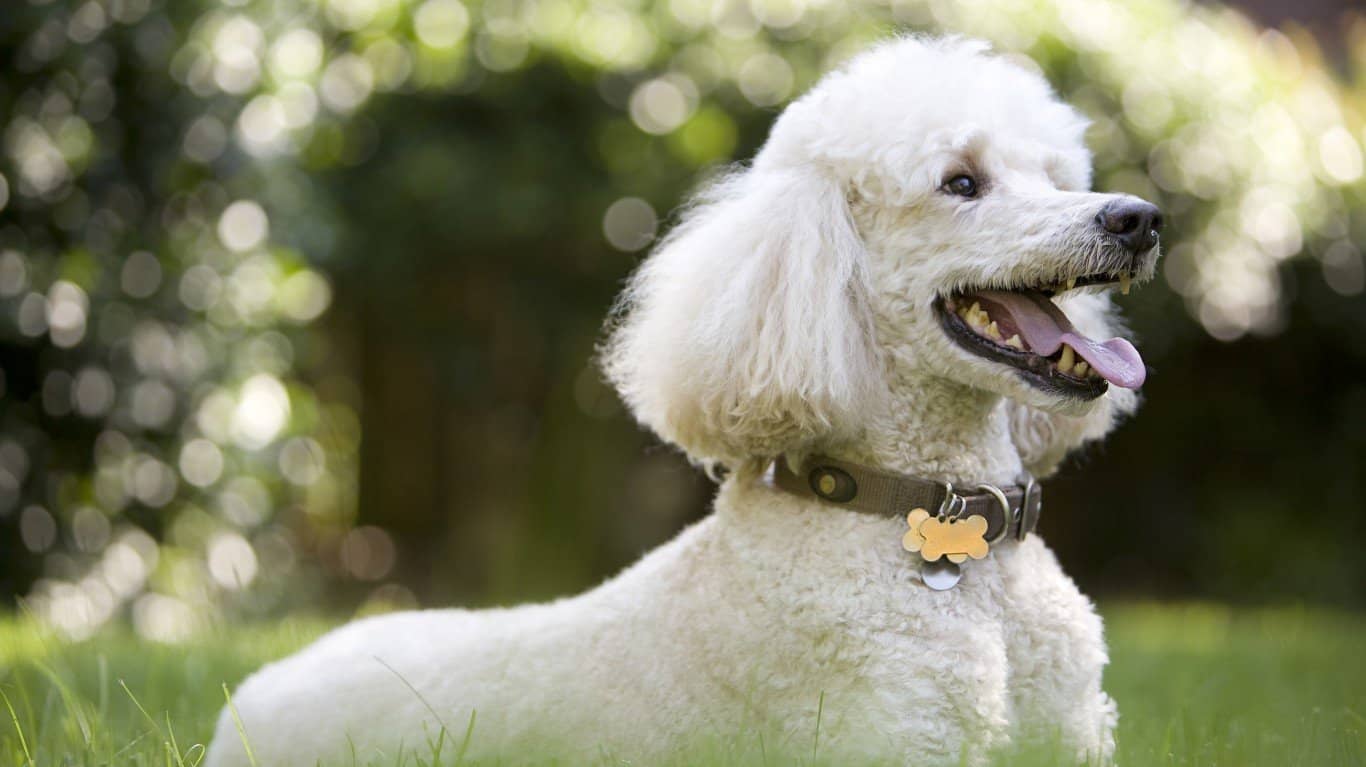
Despite its close association with France, the Poodle is generally traced to European water-retrieving dogs and is most strongly associated with an origin in Germany. Even its English name comes from the German "Pudel" or "pudeln," referring to splashing in water. France embraced the breed so enthusiastically that the Poodle eventually became the country's national dog.
The famous Poodle haircut also has a practical history. A full coat could become cumbersome for a dog retrieving waterfowl, so hunters trimmed parts of the legs, neck, and tail while leaving hair around areas that benefited from insulation and protection in cold water.
Smaller Poodles became increasingly popular in Europe during the 18th century. Miniatures have also been used for truffle hunting, while smaller Poodles became popular as companions and performers. Today, the AKC recognizes Standard, Miniature, and Toy as three varieties of the Poodle. The breed slipped one spot in 2025, falling from fifth to sixth after the Dachshund moved ahead of it.
Beagle
The Beagle ranks seventh in the AKC's 2025 list, but tracing the breed all the way back to its beginning is difficult. The AKC notes that the Beagle's earliest origins are obscure because reliable documentation does not exist. What is much clearer is that well-bred English Beagles imported during the 1860s played an important role in shaping the American version of the breed.
What has never been in doubt is the Beagle's nose. Its strong scenting ability and manageable size have made it useful far beyond rabbit hunting. The U.S. Department of Agriculture's National Detector Dog Training Center trains Beagles to detect fruits, vegetables, meats, and other agricultural products in baggage, packages, and vehicles entering the United States.
The Beagle has also been America's top dog before. AKC historical rankings show the breed held the No. 1 position from 1953 through 1959. That run began only a few years after Charles Schulz introduced Snoopy in the "Peanuts" comic strip on October 4, 1950. Whether Snoopy deserves any credit for the Beagle boom is harder to prove, but the timing could hardly have been better.
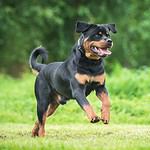
Rottweiler
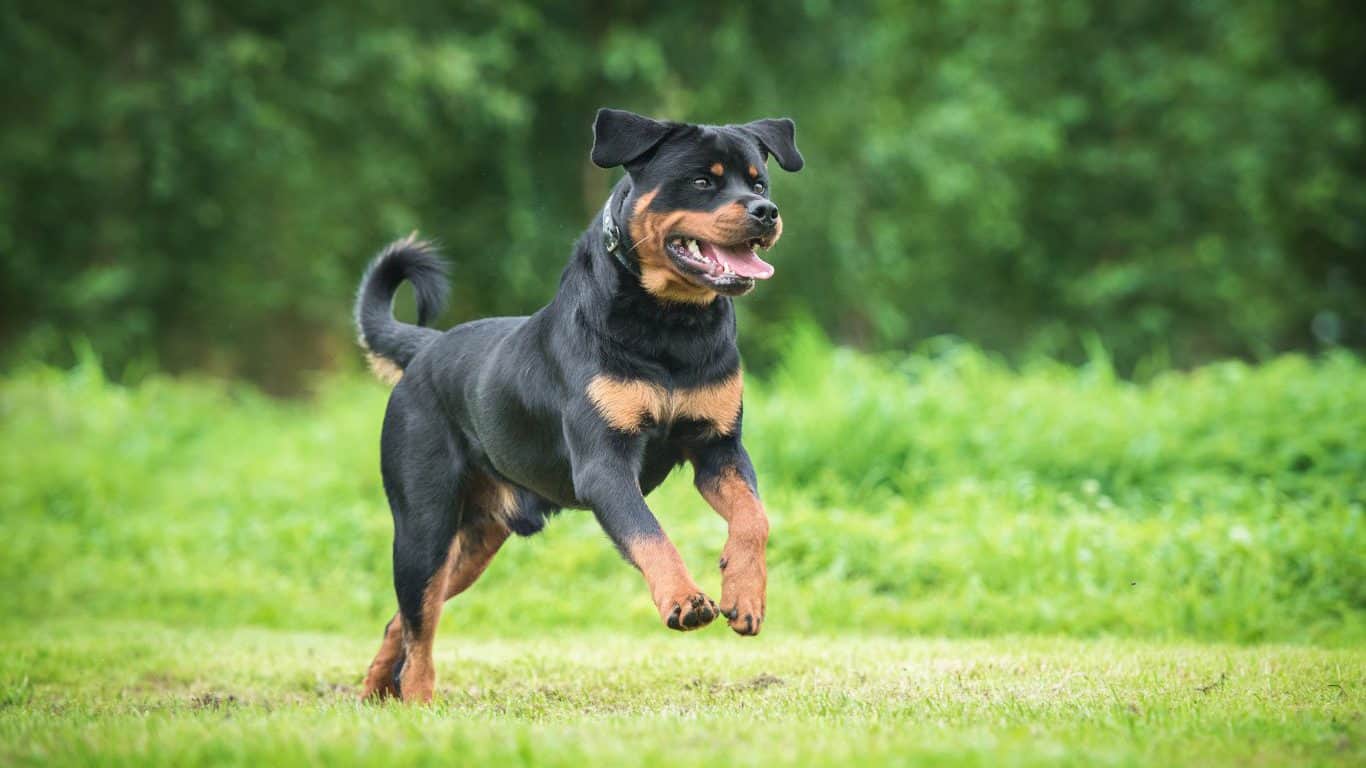
The Rottweiler holds eighth place in the 2025 rankings. Its earliest history is not completely documented, but breed historians generally believe Rottweilers descended from the rugged drover dogs that accompanied Roman armies and their livestock as they moved across Europe. Those working dogs eventually became associated with the German town of Rottweil, where their descendants were used for generations to move and guard livestock.
Rottweilers later became valuable working companions for butchers and cattle dealers, earning the German name Rottweiler Metzgerhund, or "Butcher's Dog of Rottweil." They drove cattle, guarded property, and pulled carts. One colorful piece of breed lore says butchers placed their proceeds in pouches around their dogs' necks for protection on the trip home. The American Rottweiler Club describes that detail as legend rather than documented history, but it certainly fits the dog's reputation as a formidable guardian.
By the 20th century, the breed's strength, trainability, and protective instincts had also led to police and military work. The American Kennel Club officially recognized the Rottweiler in 1935.
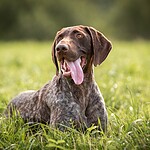
German Shorthaired Pointer
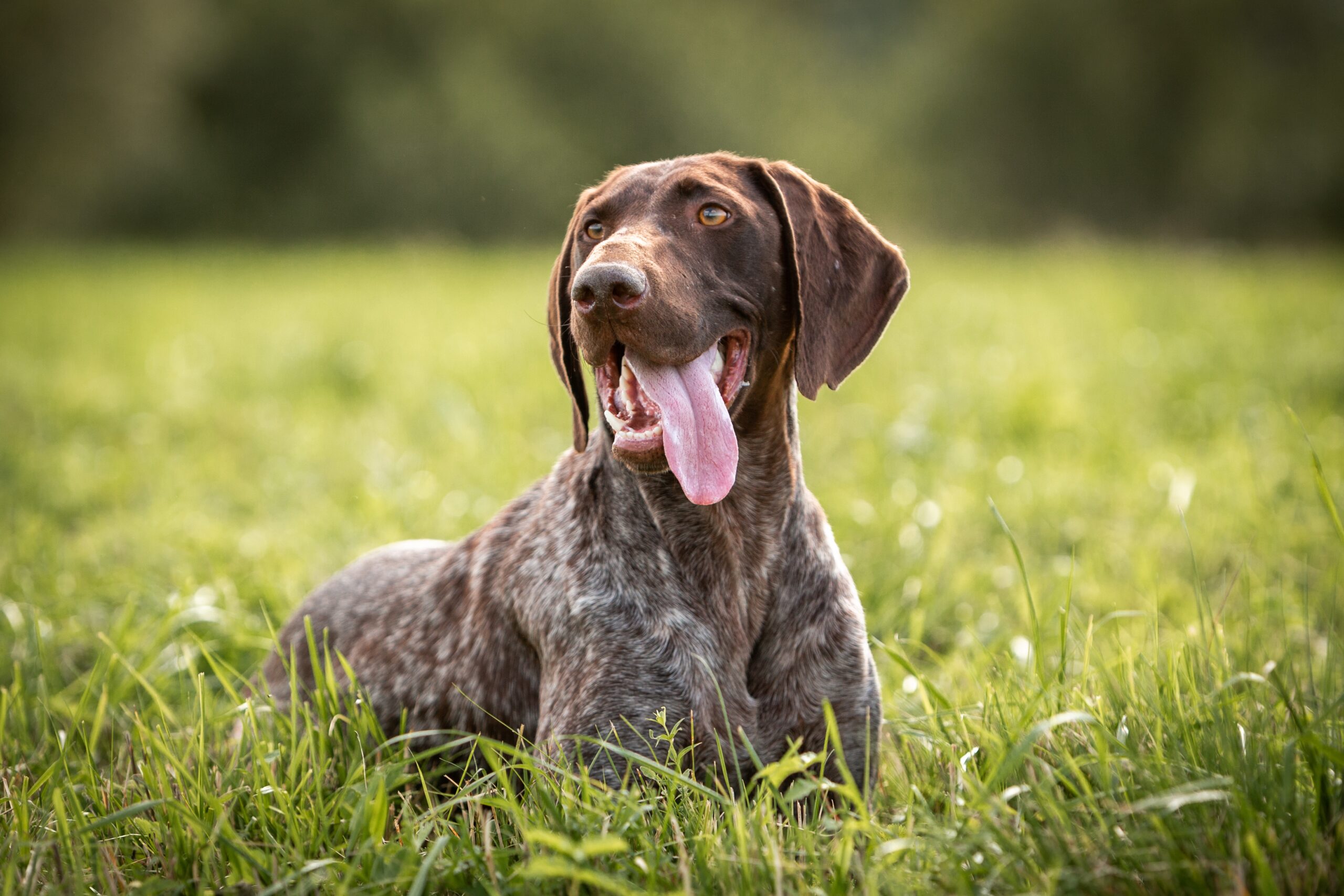
The German Shorthaired Pointer, or GSP, moved from tenth place in 2024 to ninth in the 2025 AKC rankings. With extraordinary energy and a friendly temperament, the breed has found plenty of fans far beyond the hunting field.
The GSP was developed in Germany during the 19th century as hunters sought a versatile dog capable of finding, pointing, tracking, and retrieving different kinds of game on both land and water. Its exact ancestry is complicated, but breed historians point to old German and Spanish pointing dogs, French pointing breeds, and later crosses with the English Pointer among its influences.
The first documented GSP litter in the United States was born in Montana on July 4, 1925. The breed was admitted to the AKC Stud Book in March 1930, beginning a long American history that eventually carried this once-specialized hunting dog into the country's top 10.
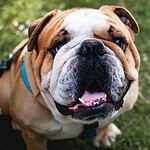
Bulldog
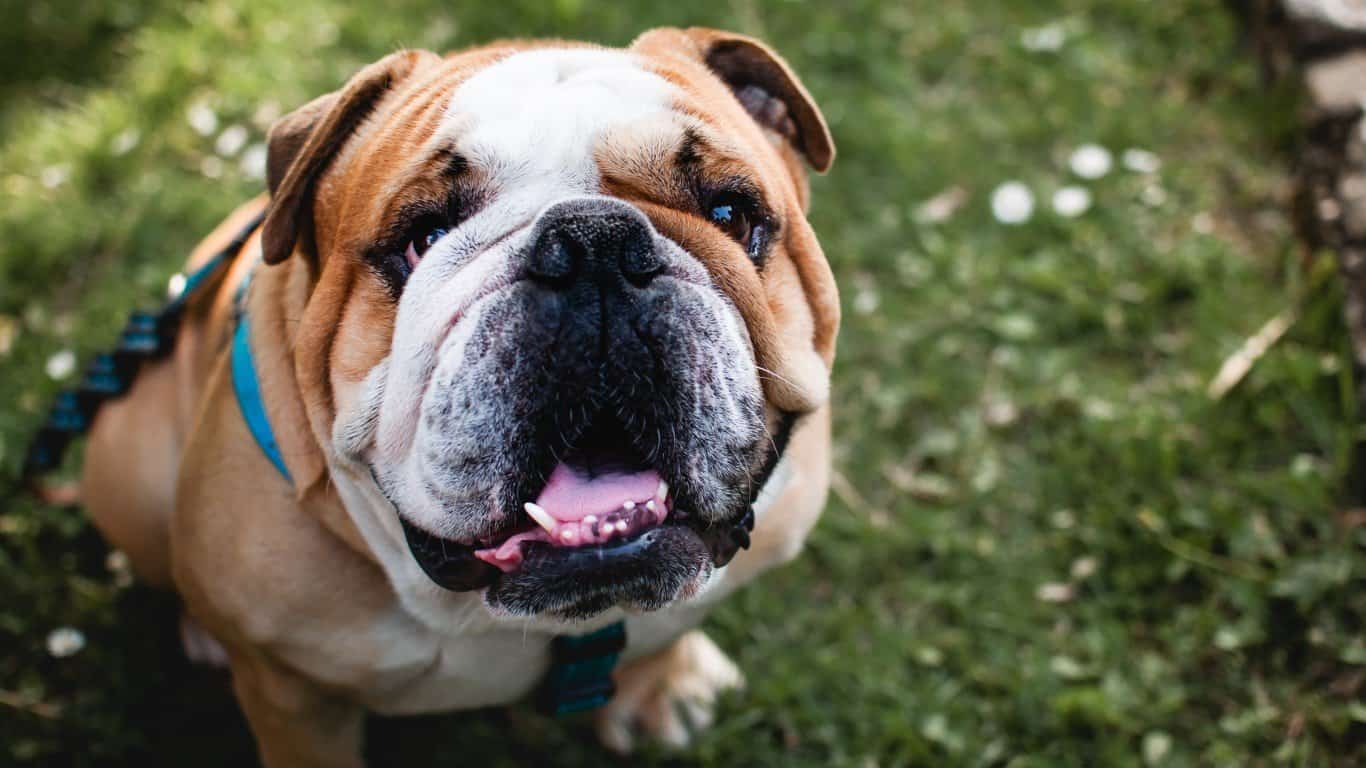
The Bulldog rounds out the 2025 top 10 after slipping one spot from ninth the year before. Its modern reputation as a laid-back companion is a dramatic departure from the brutal job for which its ancestors were once bred.
The breed's name comes from bull-baiting, a blood sport in which dogs were set against tethered bulls. Bulldogs were selected for strength, courage, and the ability to grip their opponent. Britain prohibited bull-baiting under the Cruelty to Animals Act of 1835, leaving the Bulldog without the purpose for which generations had been bred.
The breed nearly disappeared, but enthusiasts preserved it and increasingly selected for a gentler temperament as formal dog shows developed during the 19th century. The Bulldog that emerged became a companion rather than a fighting dog while retaining its unmistakable broad head, heavy build, and low stance. Its image also became a symbol of toughness. The AKC notes that more than 40 U.S. universities use a Bulldog as a mascot, proving that even after leaving the bull-baiting ring behind, the breed never lost its reputation for tenacity.