SerhiiBobyk / Getty Images
Abramova_Kseniya / Getty Images
Pierre Aden / iStock via Getty Images
SerhiiBobyk / Getty Images
nemoris / iStock via Getty Images
Yurikr / Getty Images
tom_kolossa / iStock via Getty Images

PrzemysÅaw Iciak / iStock via Getty Images
Liliya Kulianionak / iStock via Getty Images
Marlonneke / iStock via Getty Images
adogslifephoto / Getty Images
Bigandt_Photography / Getty Images

RosetteJordaan / E+ via Getty Images
studio22comua / iStock via Getty Images
mladenbalinovac / Getty Images
tobkatrina / iStock via Getty Images
DoraZett / iStock via Getty Images
Pekic / E+ via Getty Images
Thais Almeida / iStock via Getty Images
CaptureLight / iStock via Getty Images
Byrdyak / iStock via Getty Images



Often called man's best friend, dogs have been a part of our lives for thousands of years, and rightfully so. They provide companionship, emotional support, and protection, and can enhance our well-being both physically and mentally, among many other things. There's no denying how incredible dogs are, and the majority of Americans agree – as of 2024, 65.% of all households have one, up significantly from the previous year.
When it comes to training our dogs, not every breed is as enthusiastic to learn as others. Some dogs, like those that are independent or stubborn, may require extra effort and training to encourage responsiveness. While those breeds that are high-energy need constructive outlets for their energy and enthusiasm. This is especially important for larger, more powerful breeds because proper handling is crucial to prevent unintended harm or damage due to their size and strength.
24/7 Tempo compiled a list of dog breeds that are tough to train by comparing listings of relative difficulty published by various specialist websites, including TopDogTips, PetCareRX, CertaPet, and PuppyToob. While obedience and training may take a bit more time with these pups, they still possess many wonderful attributes, including loyalty, intelligence, and playfulness, and like all dogs, make excellent additions to any family. (Here are the best dogs for people with allergies.)
Here is the list of dog breeds that are tough to train:
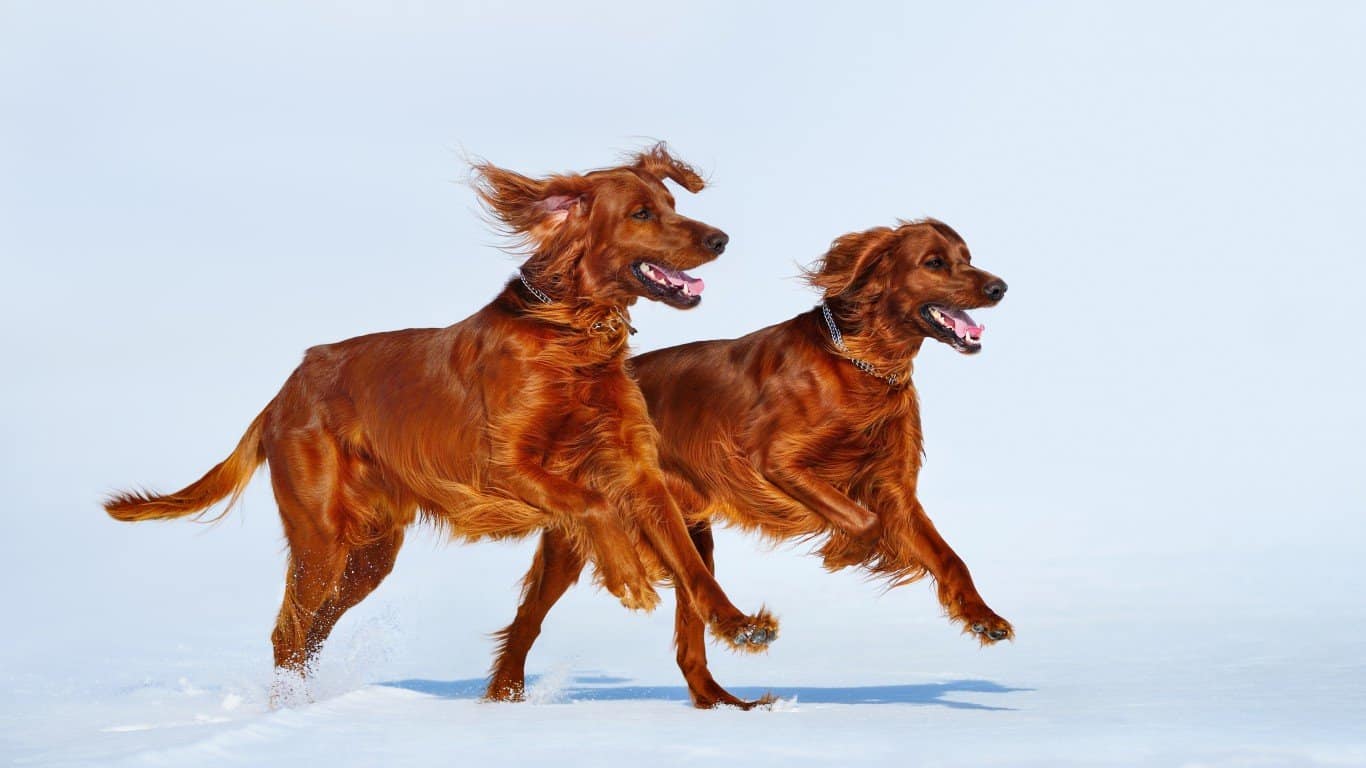
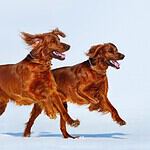
Irish Setter
Irish Setters are famous for their elegant red coats, grace, and speed. These dogs thrive on human companionship and are great with children and other pets. They need vigorous exercise and plenty of it. While they are eager to please, they require patience and positive training methods.
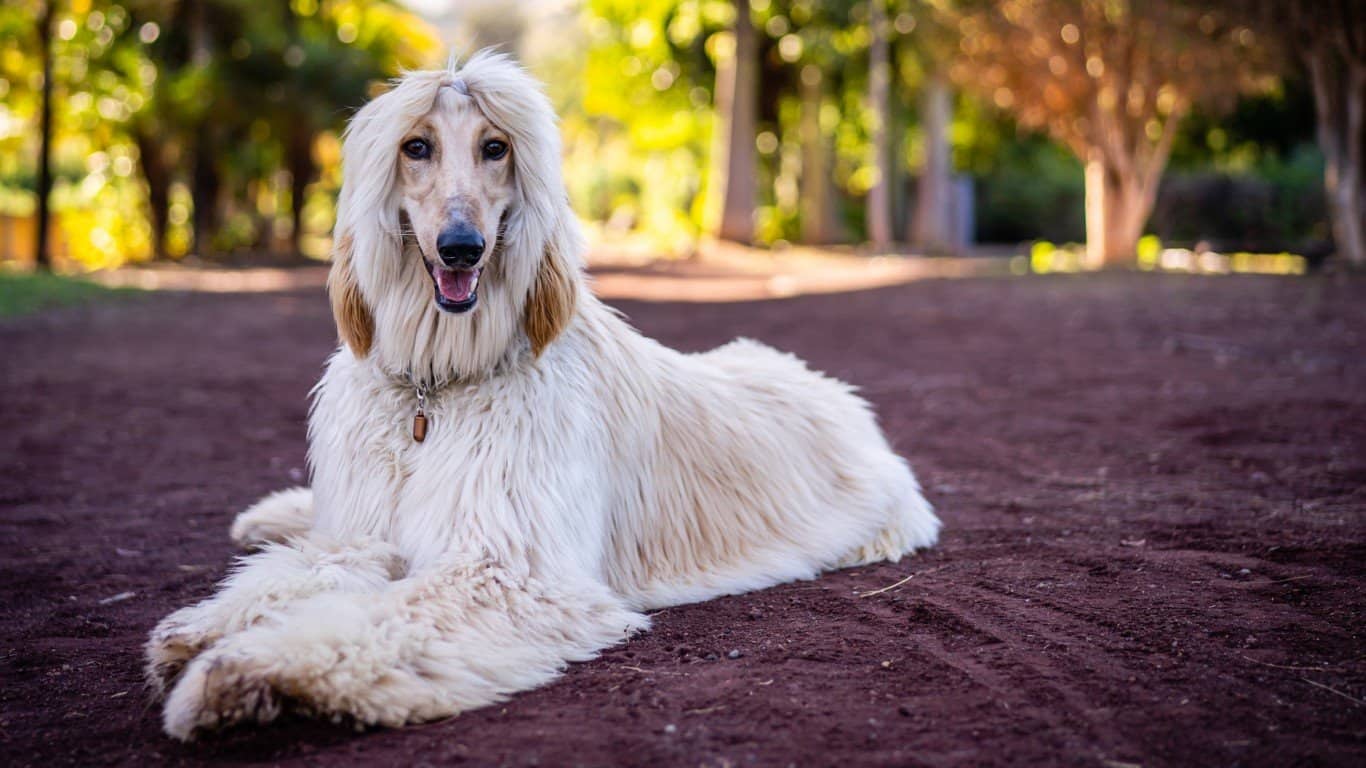
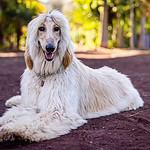
Afghan Hound
The Afghan Hound is a loyal, regal-looking breed known for its athleticism. However, it may not be suitable for all dog owners. The AKC highlights that no amount of training can completely override the Afghan Hound's instinct to chase at high speeds.
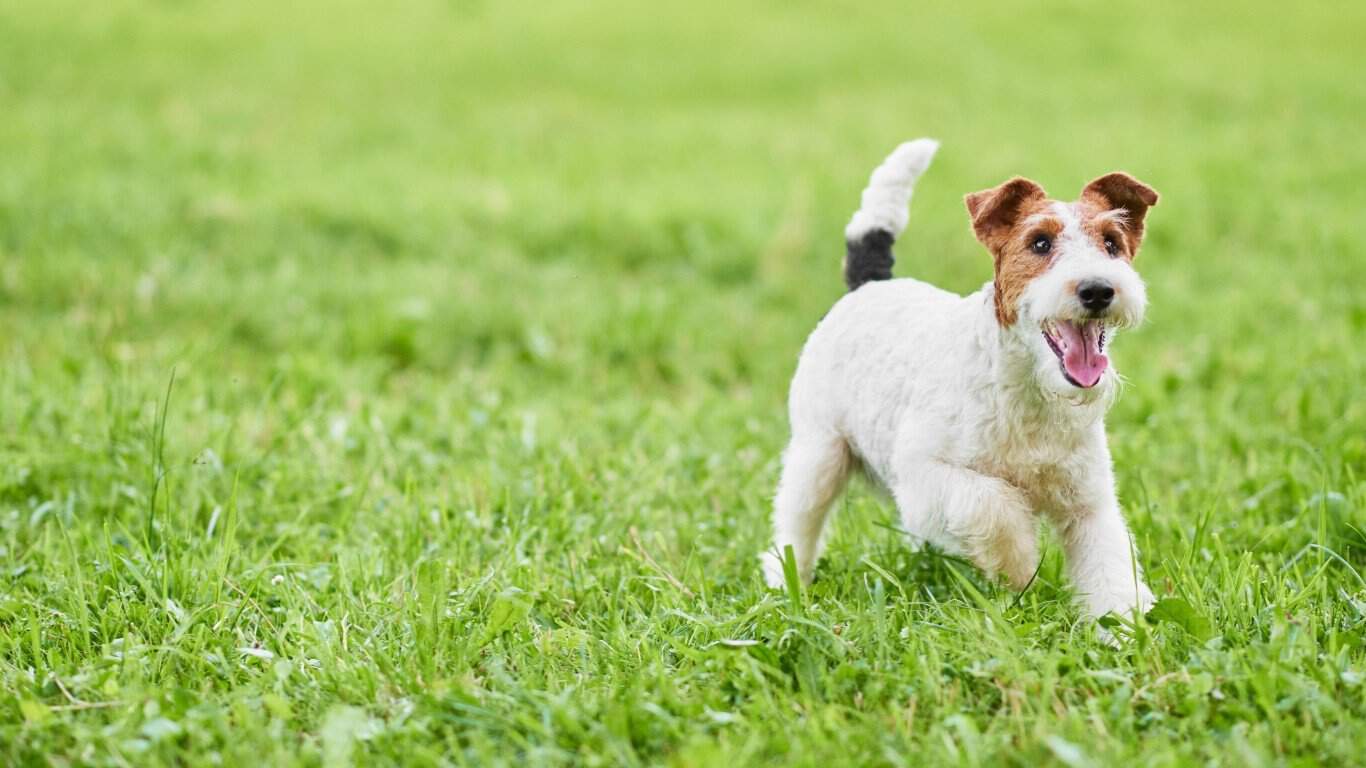
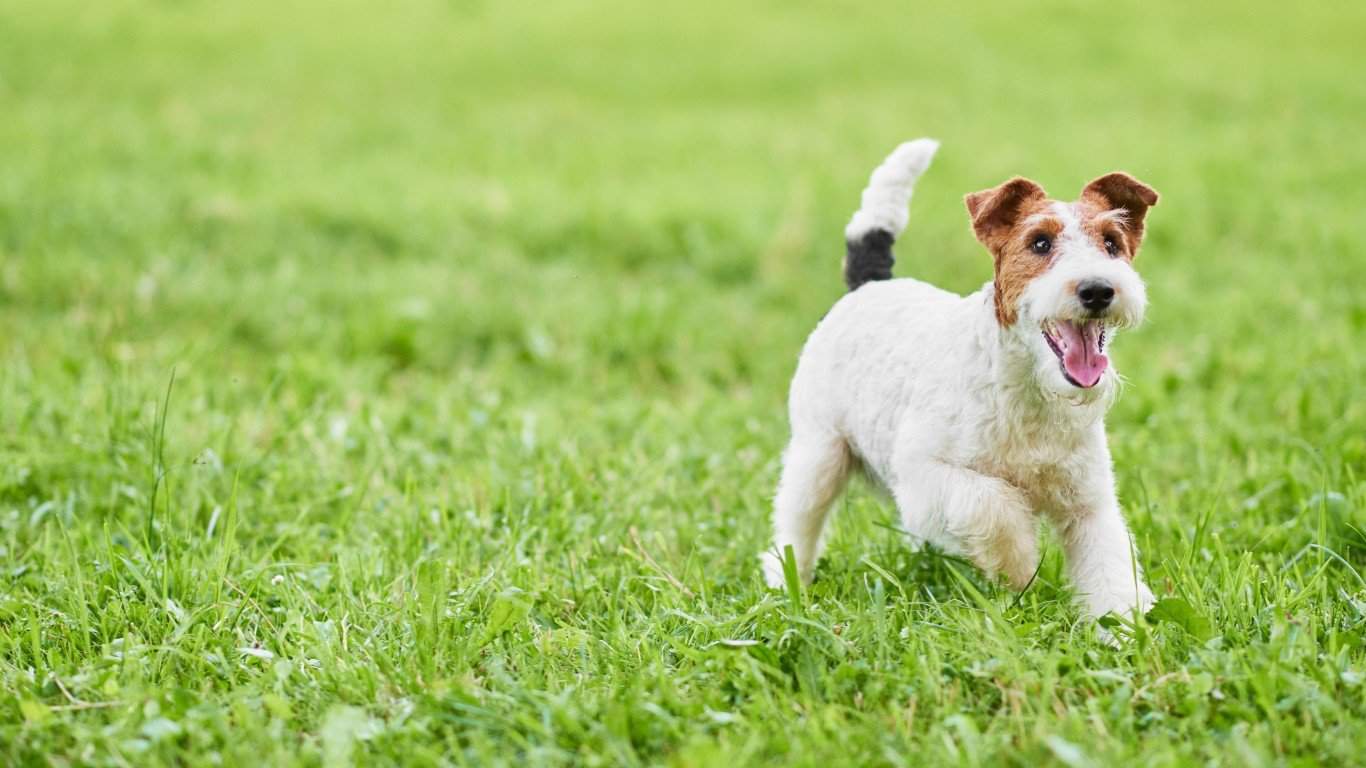
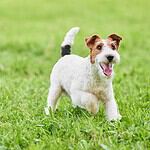
Fox terrier
The AKC recognizes several fox terrier breeds: the wire fox terrier, the smooth fox terrier, and the toy fox setter. Training the wire fox terrier is said to be a challenge, less so the other two.
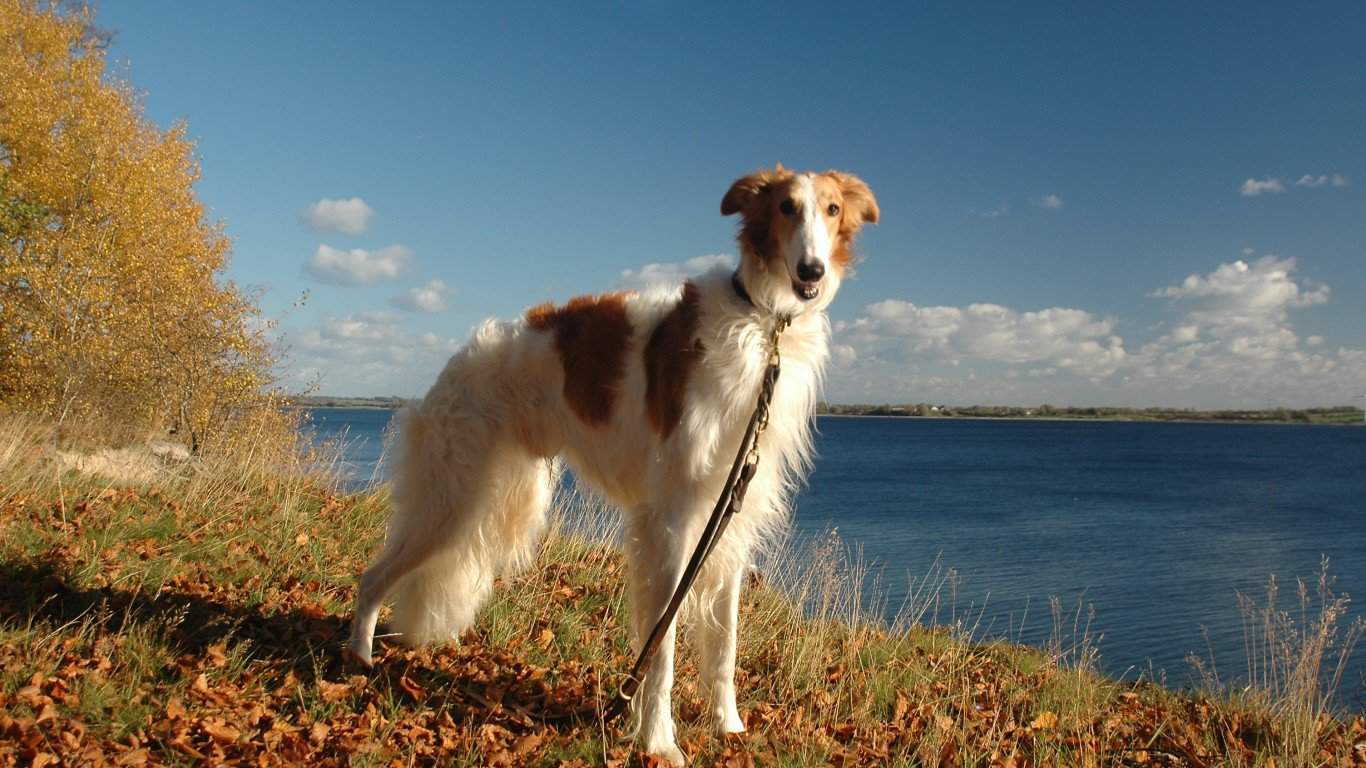
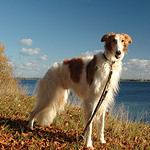
Borzoi
Borzoi are large sighthounds, weighing over 100 pounds and primarily hunting by sight and speed. Formerly known as Russian wolfhounds, they were bred for speed and resilience. Their independence and occasional stubbornness can make training a challenge.
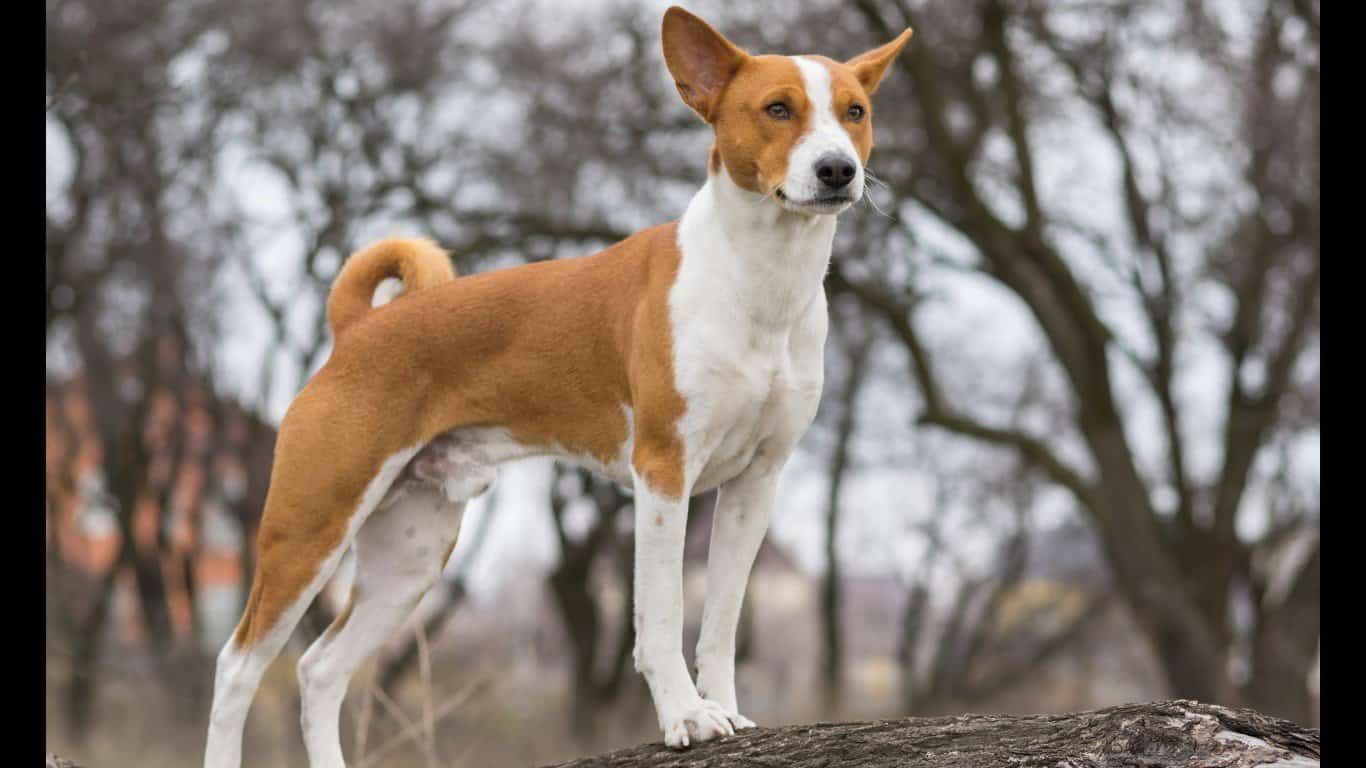
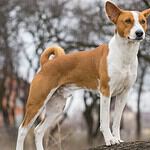
Basenji
The Basenji originated in Africa and is one of the oldest dog breeds. That said, it has some un-doglike characteristics — it doesn't bark, and it grooms itself like a cat. The Basenji is good with children, but can also be aloof. It's energetic and loses interest quickly, which poses some training issues.
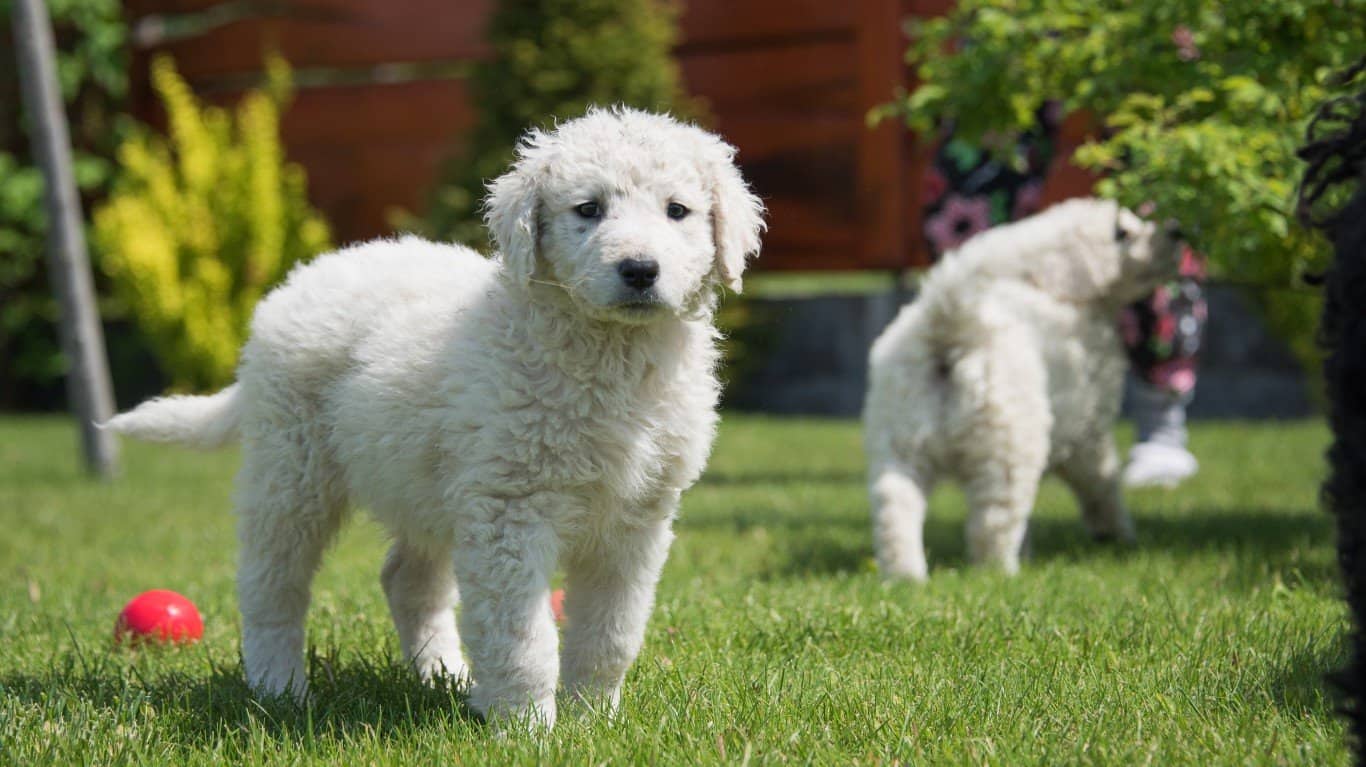
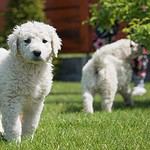
Kuvasz
The Kuvasz is a large working dog originally bred in Hungary to guard livestock. This intelligent and determined breed matures slowly and does not respond well to harsh or repetitive training methods.
Beagle
Bred to live and work in packs, beagles are sociable dogs who enjoy the company of their human families and other dogs. As scent hounds, they can sometimes get into trouble and should not be left off-leash unless in a secured area. Beagles do not respond well to harsh techniques but thrive with patience and positive reinforcement.
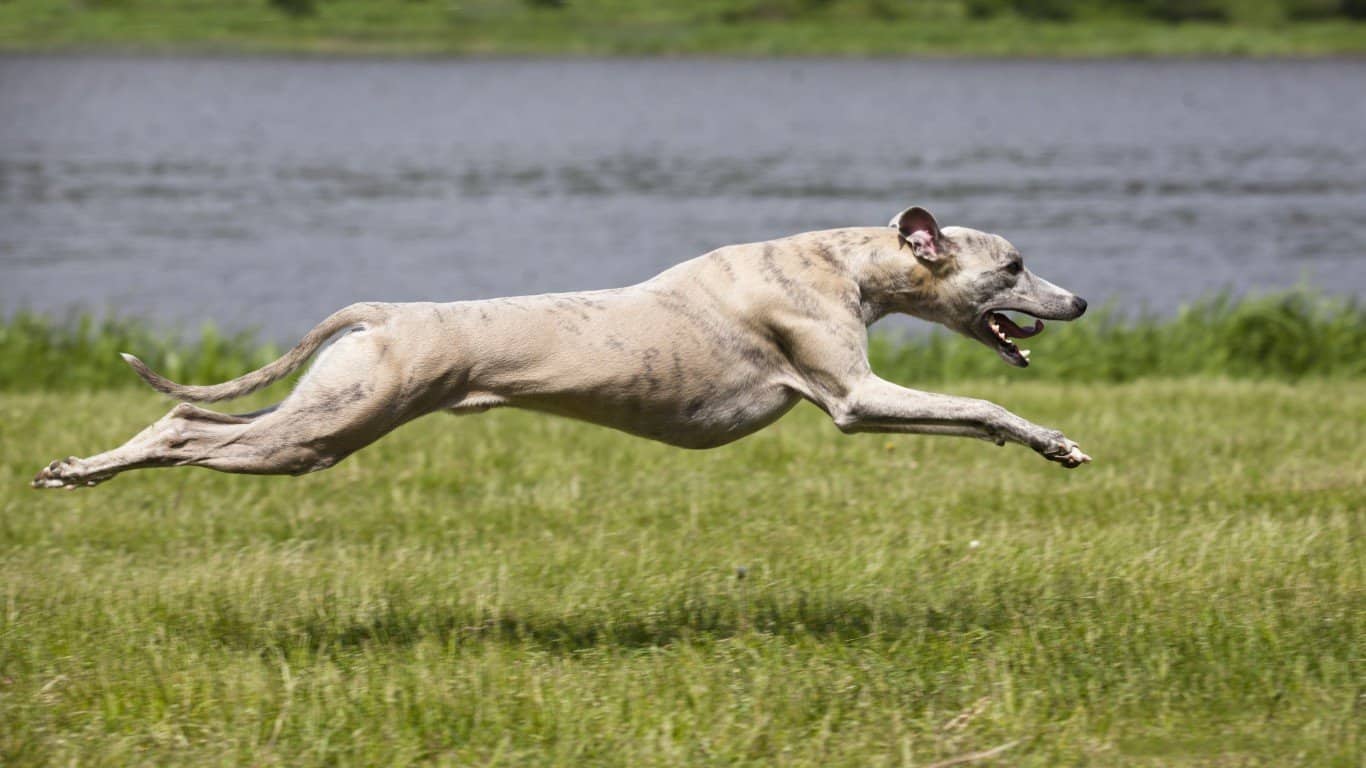
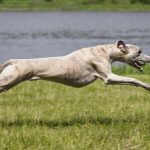
Greyhound
Greyhounds are sighthounds and famous for their speed. They pursue game independently of humans so training them can be a challenge. They should be socialized from an early age with small animals and children — and they get bored very easily.
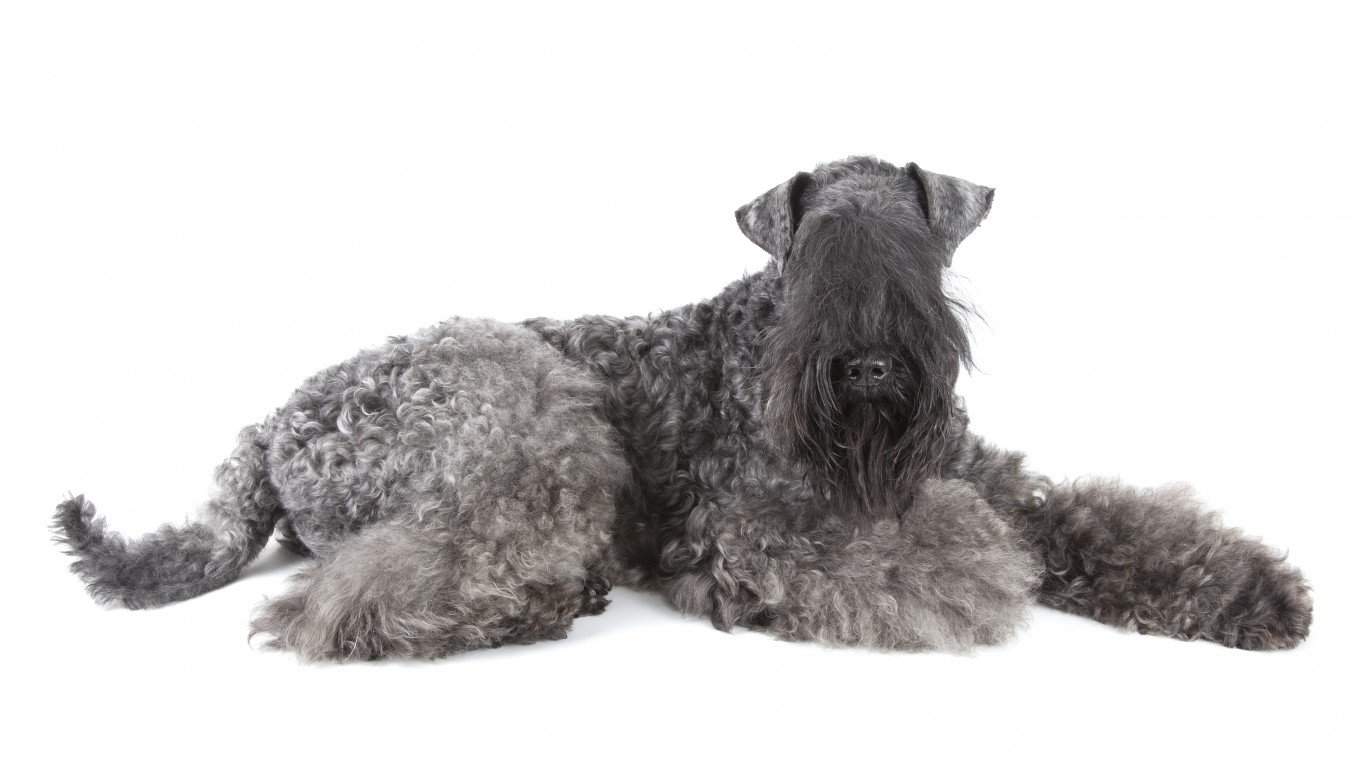
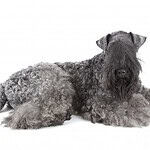
Kerry Blue Terrier
The Kerry Blue Terrier is a small, muscular breed originally used in England and Ireland for hunting small game and birds. They are intelligent but require socialization and obedience training is recommended.
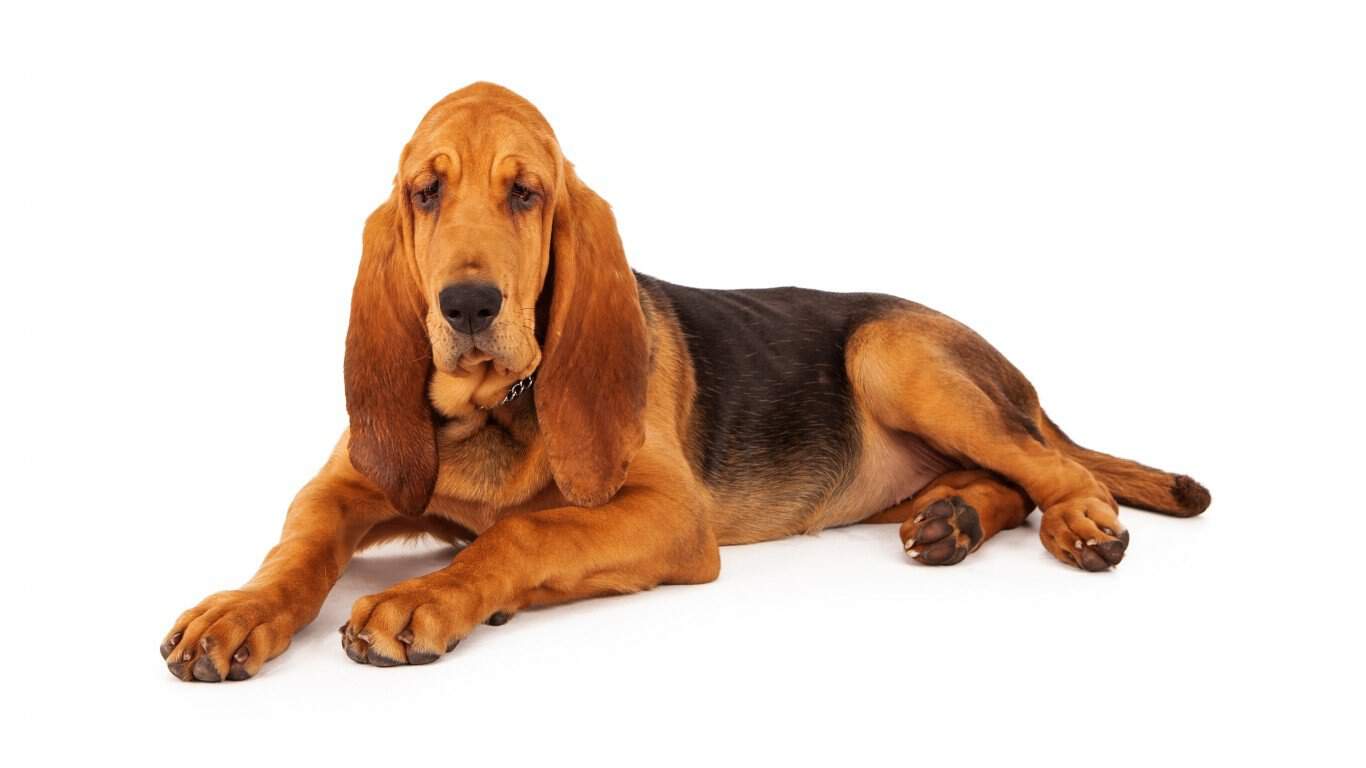
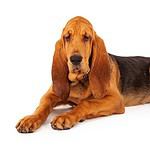
Bloodhound
The bloodhound is famous for its sense of smell and tracking ability. The breed is used by police forces around the world to find missing people and escaped prisoners. It is instantly recognizable because of its wrinkled face and large drooping ears. Unfortunately, the bloodhound is one of the shortest-lived dog breeds, at seven to nine years. It becomes set in its ways and likes to take charge, so training should start early.
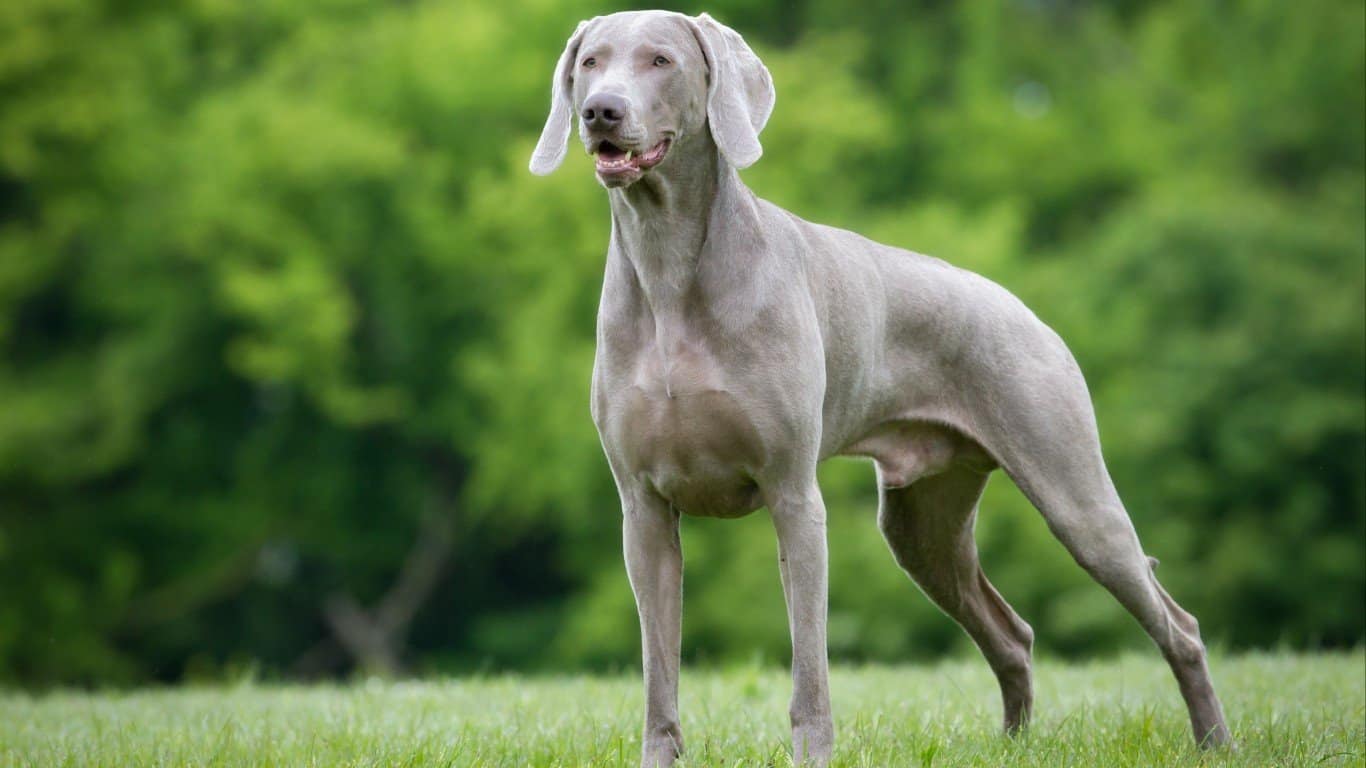
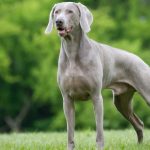
Weimaraner
The Weimaraner, named after the German city of Weimar, was bred as a hunting and retrieving dog. It is known for its distinctive silver-gray coat and bright blue eyes. As a pet, the Weimaraner is friendly and obedient, but it requires regular activity. Due to its intelligence, consistent training is necessary to prevent it from becoming dominant.
Basset hound
Originally bred in France, the basset hound is known for its droopy features, hunting ability, and keen sense of smell, which is second only to that of its cousin, the bloodhound. Bassets are great with kids and, despite their size, they think of themselves as lap dogs. They are very independent and training takes time and persistence.
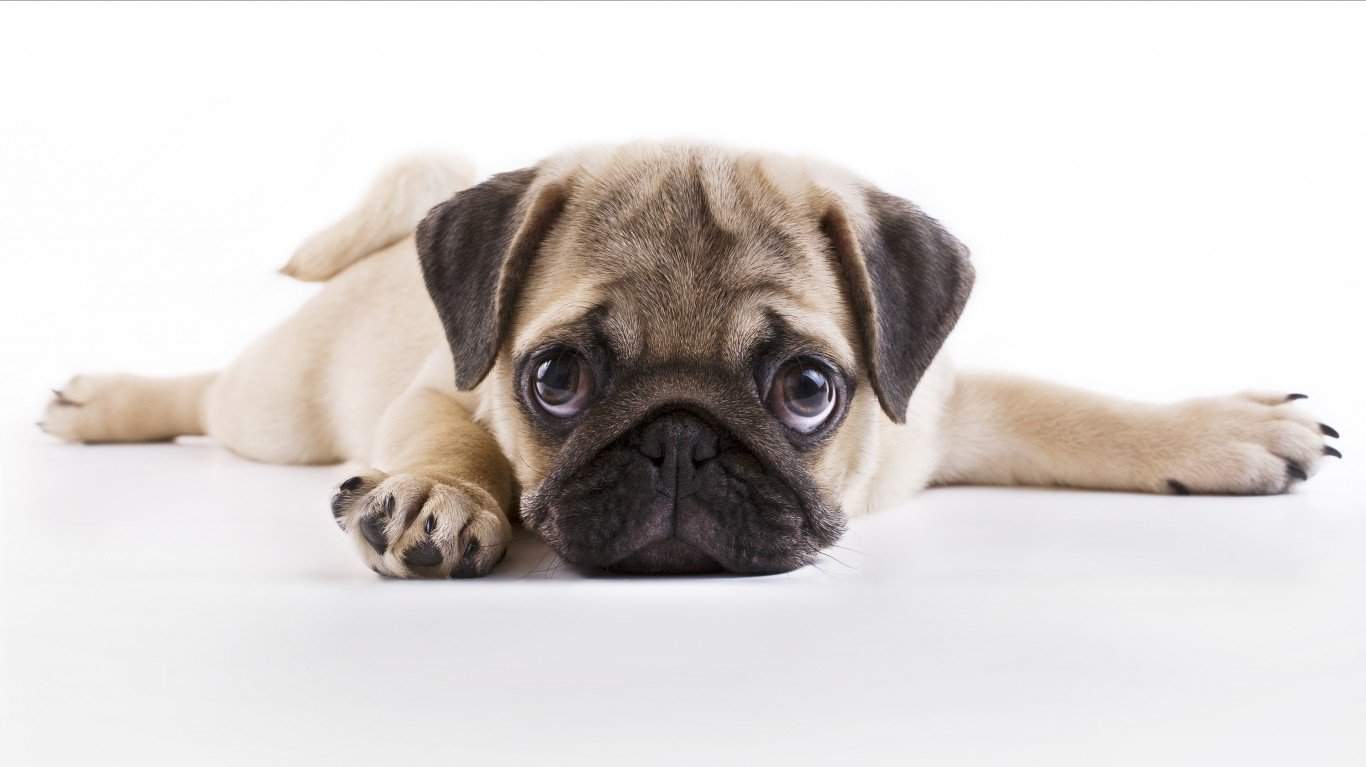
Pug
Pugs have a lot of personality in a small package, and they thrive on attention and affection. They are intuitive and adept at sensing the moods of their owners, making them excellent companions. While they can be strong-willed, they are not aggressive and enjoy playing with children, though supervision may be necessary. Due to their desire to please, gentle training methods are most effective with pugs.
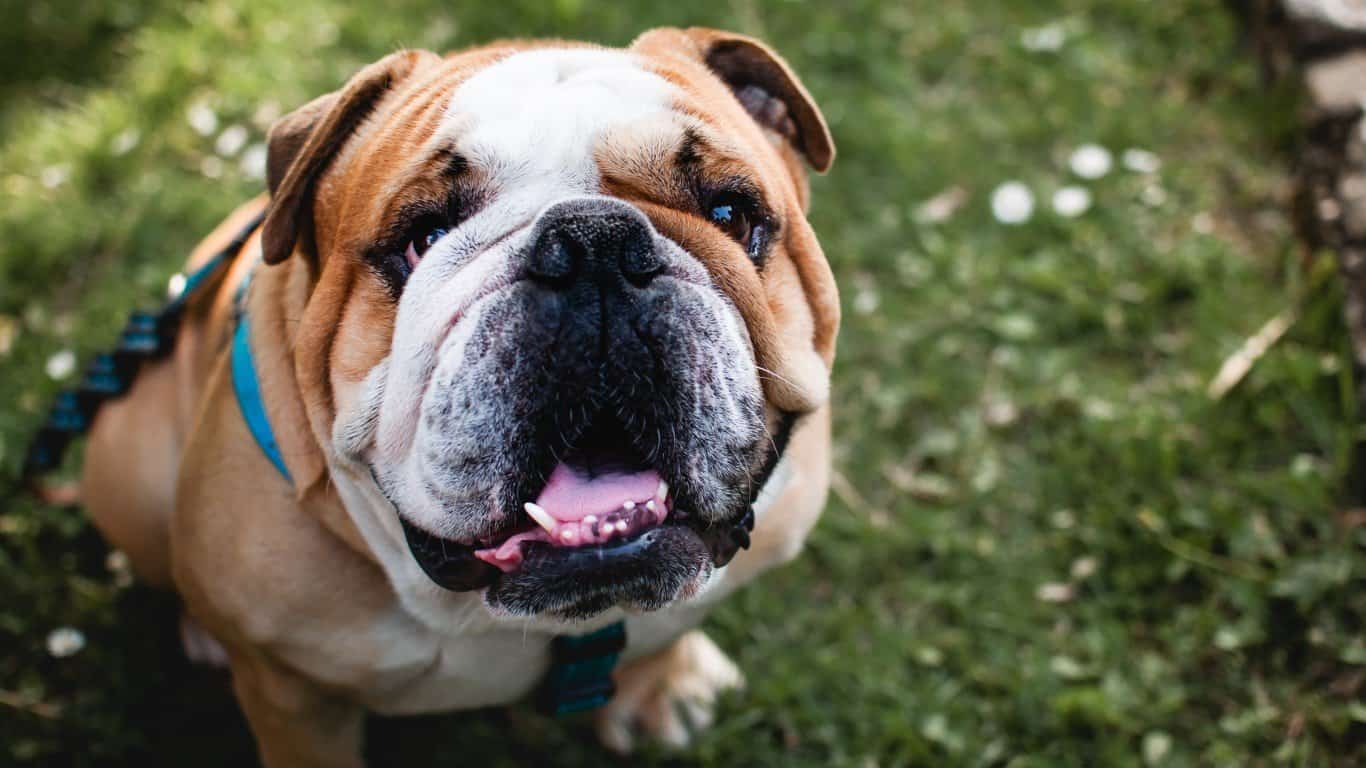
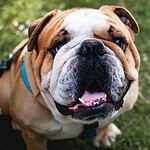
Bulldog
The bulldog has long been associated with British culture (note the resemblance to Winston Churchill!), but it's also one of the most popular breeds in America. Its name belies a friendly personality and gentle disposition. The bulldog likes to chew, so it should be trained to release what's in its mouth on command.
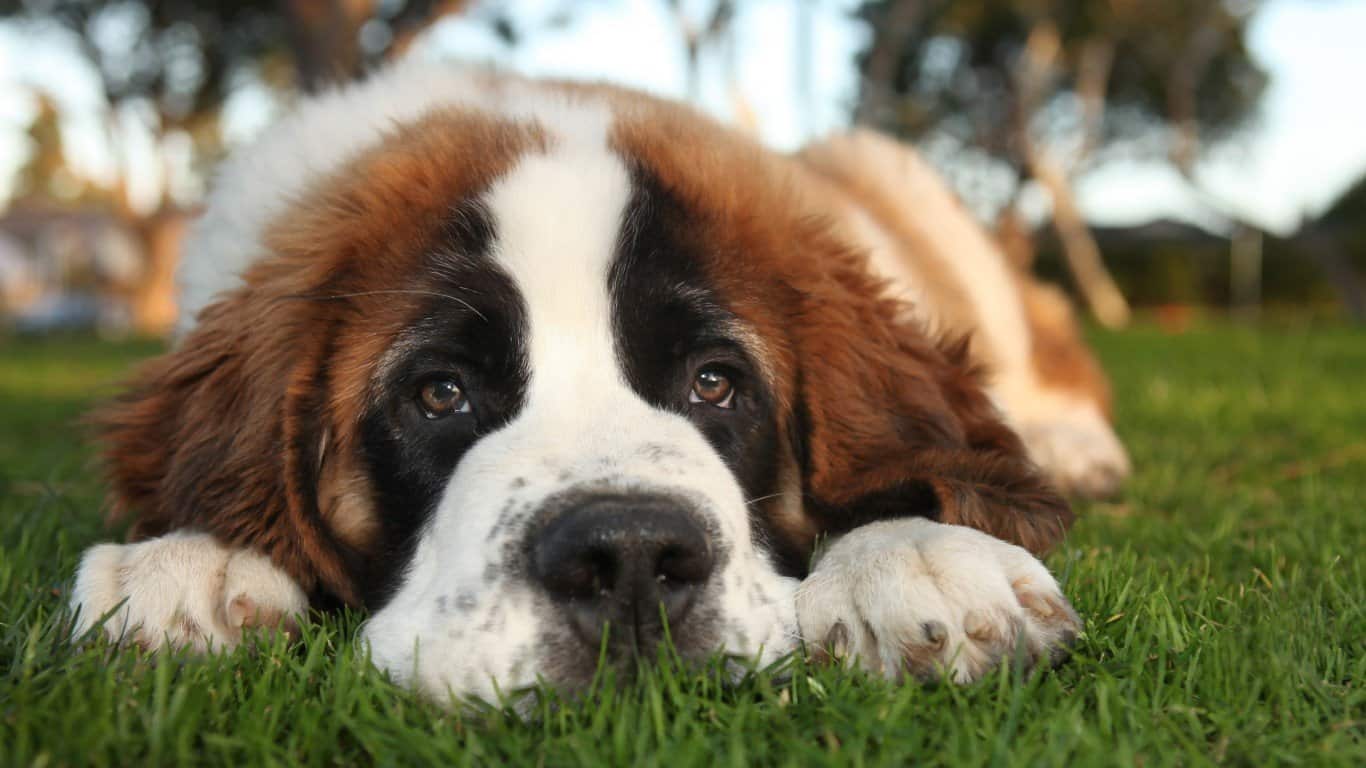
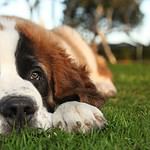
St. Bernard
The St. Bernard, named after a monk who assisted pilgrims crossing the Alps to Rome, is famous as a rescue dog. With males reaching weights of up to 180 pounds, it is very strong, but it has a very gentle and endearing expression. Unfortunately, it has a relatively short lifespan of eight to 10 years. Given its strength, early socialization and obedience training are crucial for this breed.
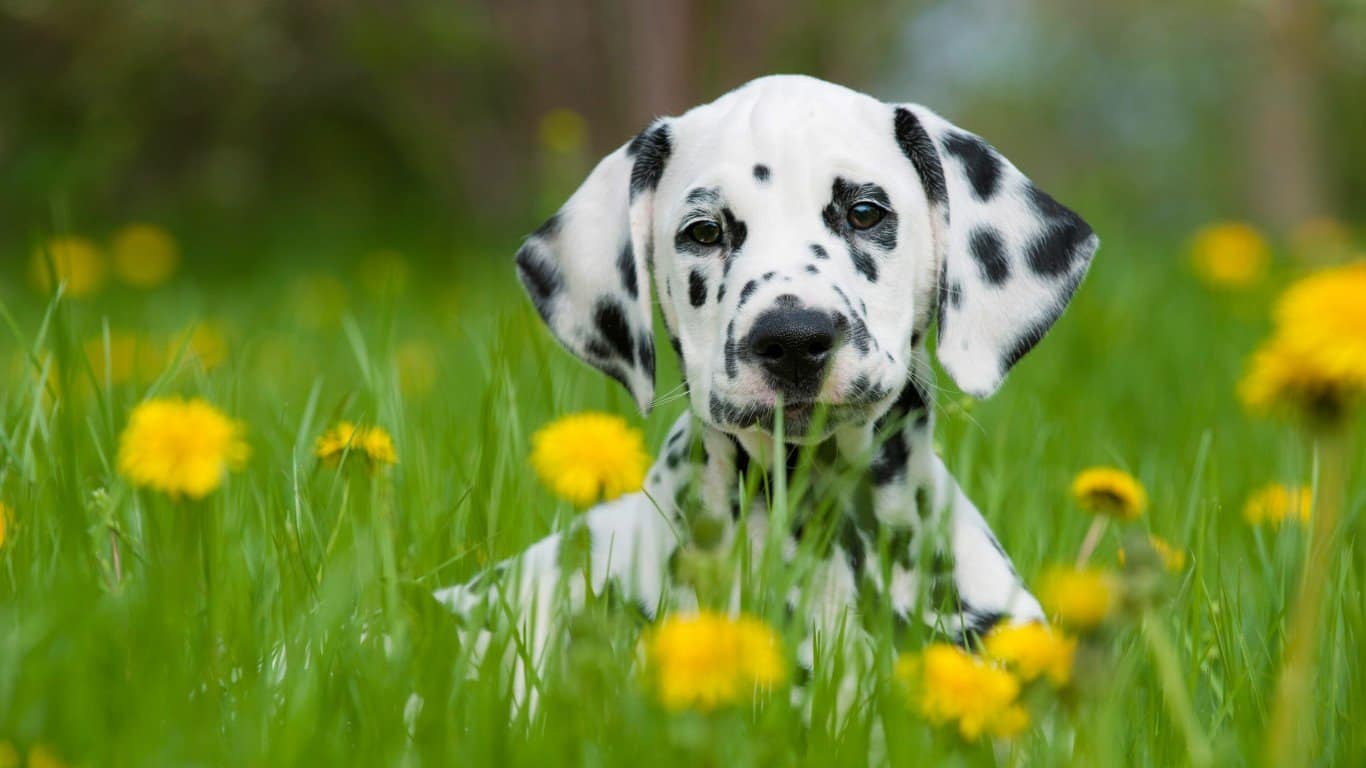
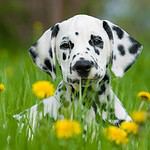
Dalmatian
The Dalmatian is known for its spotted coat, although puppies are born without spots. It has a unique AKC designation — coach dog — as it was used to accompany and guard horse-drawn coaches. The breed has been known to generations of children as the star of the Dodie Smith book and Walt Disney film adaptation "101 Dalmatians." The Dalmatian can be very sensitive, so positive, reward-based training is required.
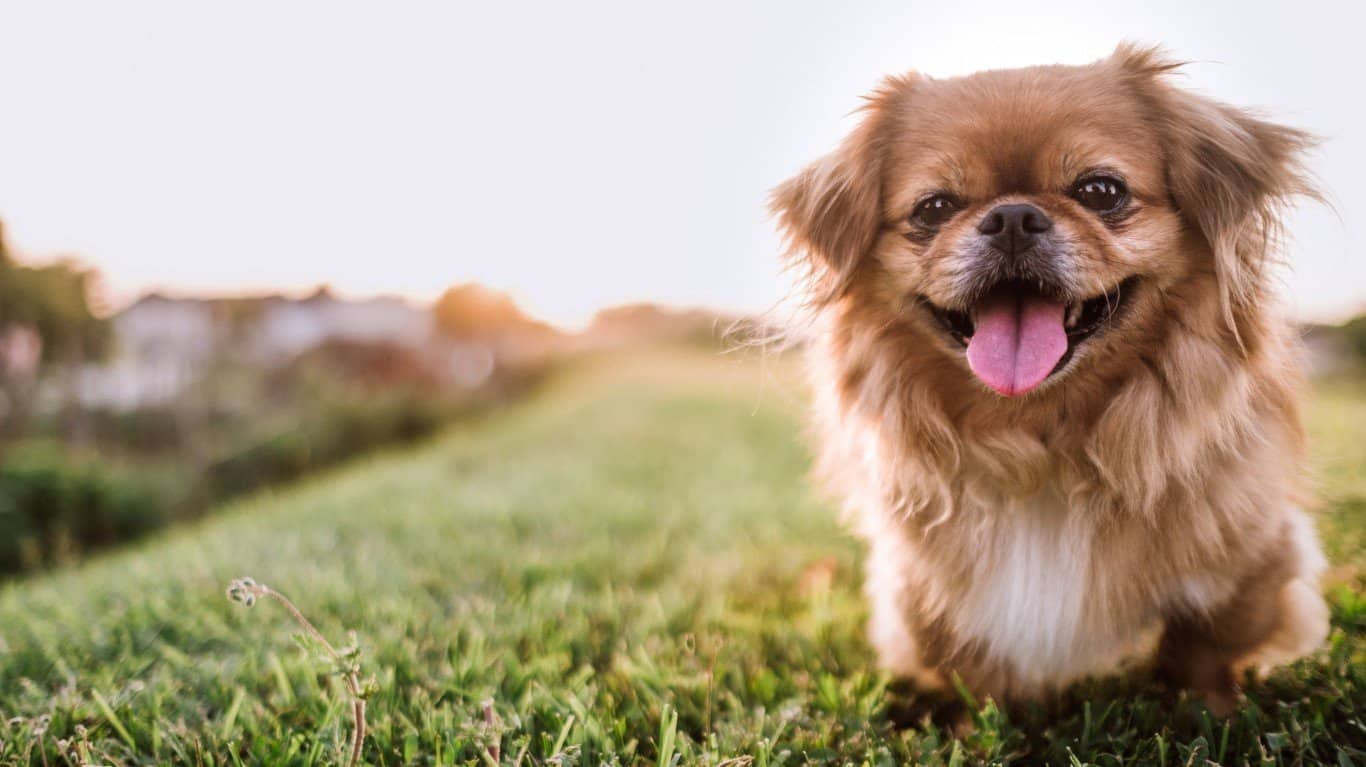
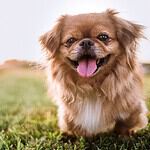
Pekinese
The Pekingese was originally bred to be small enough to fit into the sleeves of ancient Chinese garments for royalty, yet it also served as a guard dog. Known for its resilience, one of the two dogs to survive the Titanic was a Pekingese named Sun Yat-sen, after the first president of the Republic of China. Independent and sometimes "opinionated," this breed requires thoughtful and patient training.
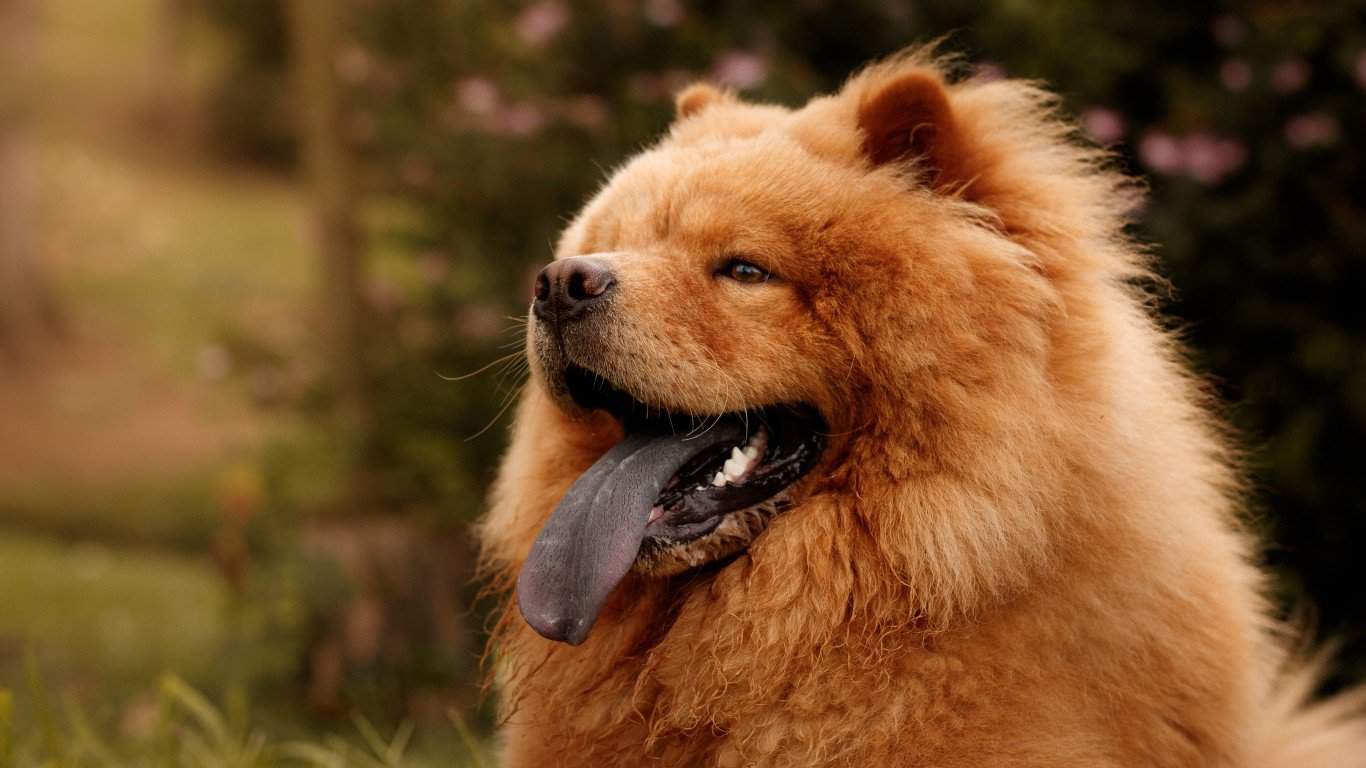
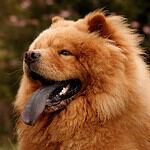
Chow chow
The chow chow is a member of the AKC's Non-Sporting Group and does fine without a lot of exercise. Its deep-set eyes give it a serious look. It comes in a variety of colors, including red, black, and blue. The chow chow is one of two AKC-registered breeds with a unique blue-black tongue, the other being the Chinese shar-pei. The breed can be stubborn so patience and positive reinforcement are required when training.
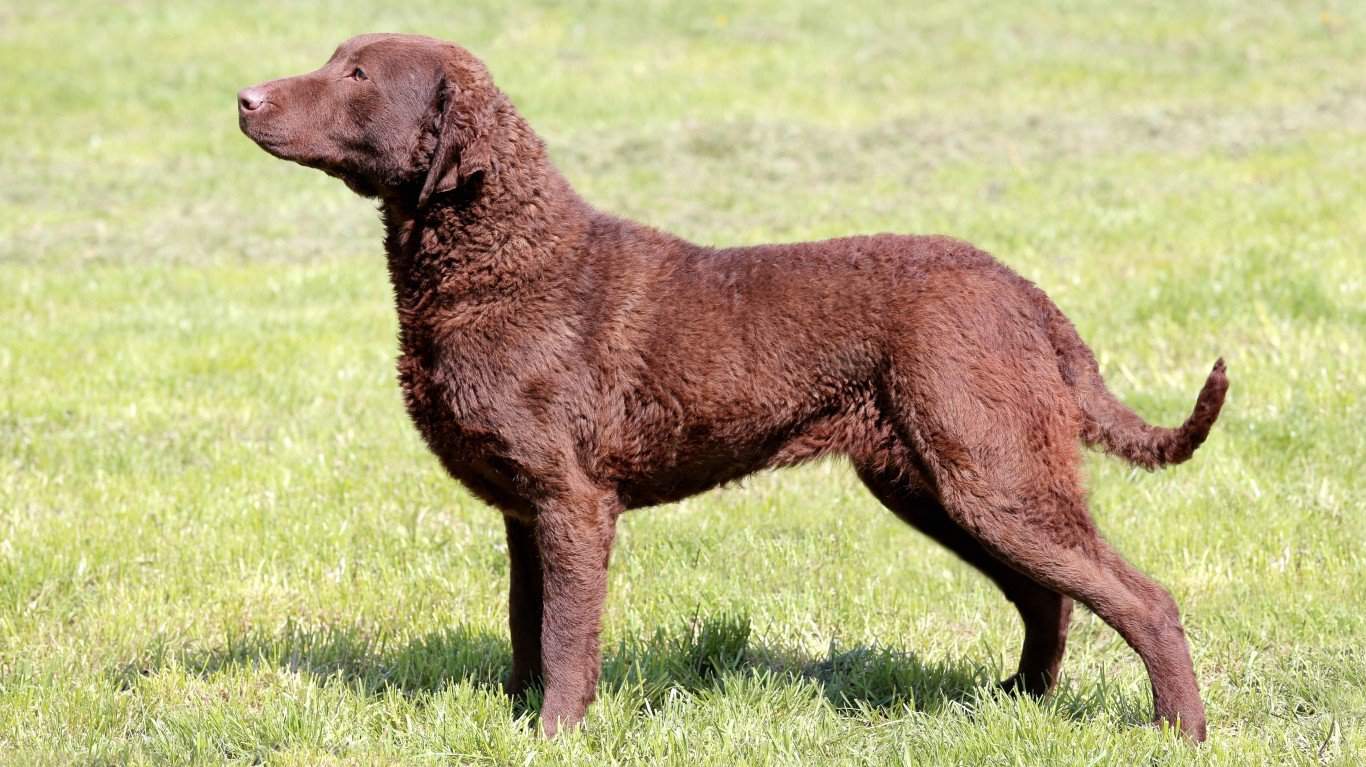
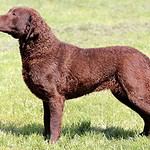
Chesapeake Bay Retriever
The Chesapeake Bay Retriever, Maryland's official State Dog, has a waterproof coat that feels oily to the touch. This breed is deeply loyal to its family, serving as a great watchdog due to its protective nature and determined demeanor, which also presents a challenge during training.
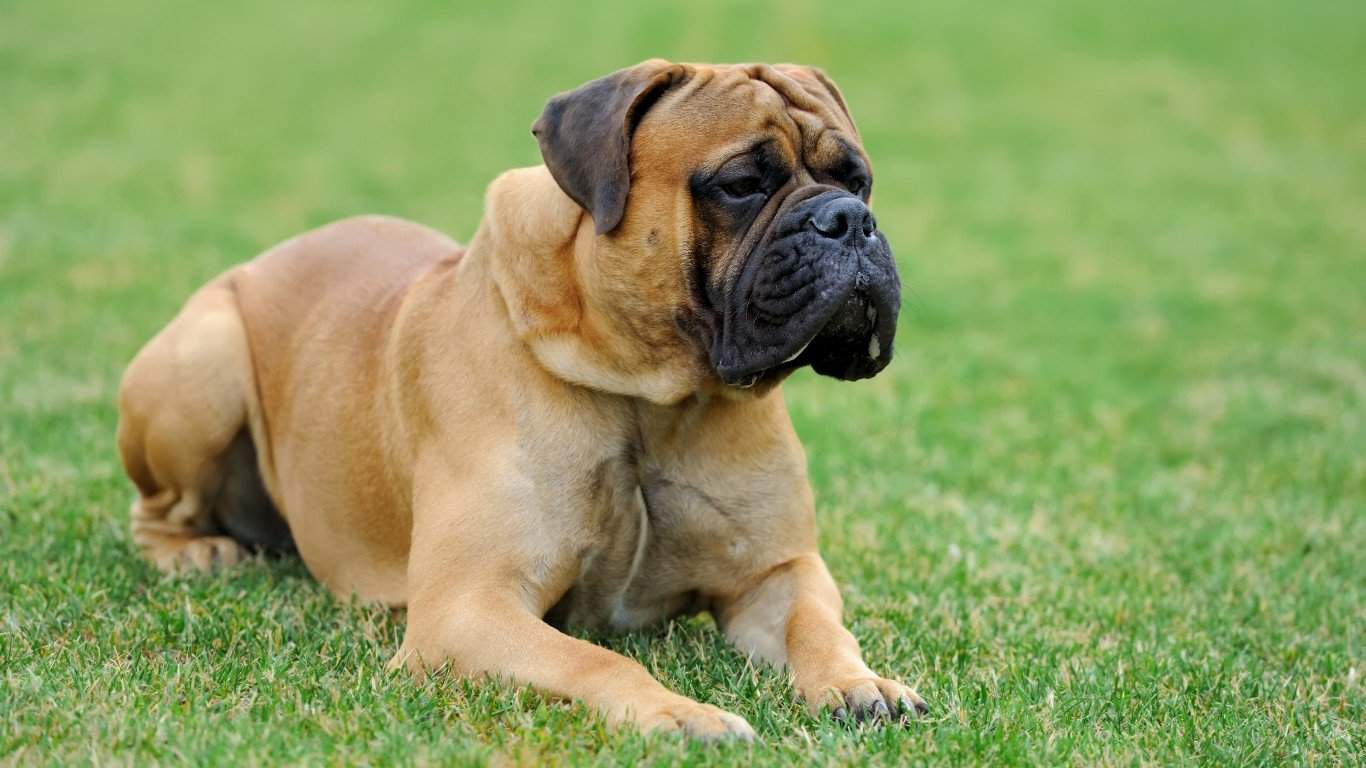
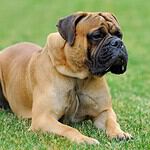
Bullmastiff
As the name suggests, the bullmastiff is the result of bulldog and mastiff crosses. It was bred to guard country estates and game preserves from poachers. It is large, tipping the scale at up to 130 pounds, and is powerful and intimidating. As a result, the bullmastiff requires careful training.