PardoY / Shutterstock.com
Ricantimages / Shutterstock.com
Dora Zett / Shutterstock.com
acceptphoto / Shutterstock.com
Rita_Kochmarjova / Shutterstock.com
Al_Er / Shutterstock.com
AnetaZabranska / Shutterstock.com
Valerie Berdinel / Shutterstock.com
Madeeva_11 / Shutterstock.com
zhukovvvlad / Shutterstock.com
Kat_marinina / Shutterstock.com
PardoY / Shutterstock.com
nomad-photo.eu / Shutterstock.com
cynoclub / Shutterstock.com
Michael J Magee / Shutterstock.com
everydoghasastory / Shutterstock.com
Ana Bencina Kosmac / Shutterstock.com




The American Kennel Club may only recognize 200 breeds, but the largest canine organization in the world, the Fédération Cynologique Internationale recognizes 339. This doesn't include the abundance of mixed breeds available either, which increases your breed selection exponentially. With these odds, you are bound to find a dog that fits in your household and can join the 65.1 million American homes proud to be dog owners.
Many people prefer small dogs because of the perception that they might cost less and it's certainly easier to travel with a smaller breed. But there is something particularly endearing about the largest of dogs, breeds that are physically imposing and athletically capable, and often have a disposition that betrays their oversized frames.
Unlike their smaller counterparts, large breeds have a history as working dogs, from guardians and hunting dogs to sled dogs and labor purposes. But similar to small dogs, large breeds have also moved inside the home and when they aren't entertaining their families with their fun, playful natures, they can be found lounging on beds and sofas.
To compile a list of the world's largest dog breeds, 24/7 Tempo consulted a range of animal and entertainment sources including the American Kennel Club, and then selected dog breeds that had a notable size, typically over 100 pounds. After that, we confirmed the health and temperament aspects of the breeds using sites like Dogtime and Britannica. (For the priciest pups, discover the most expensive dog breeds in the world.)
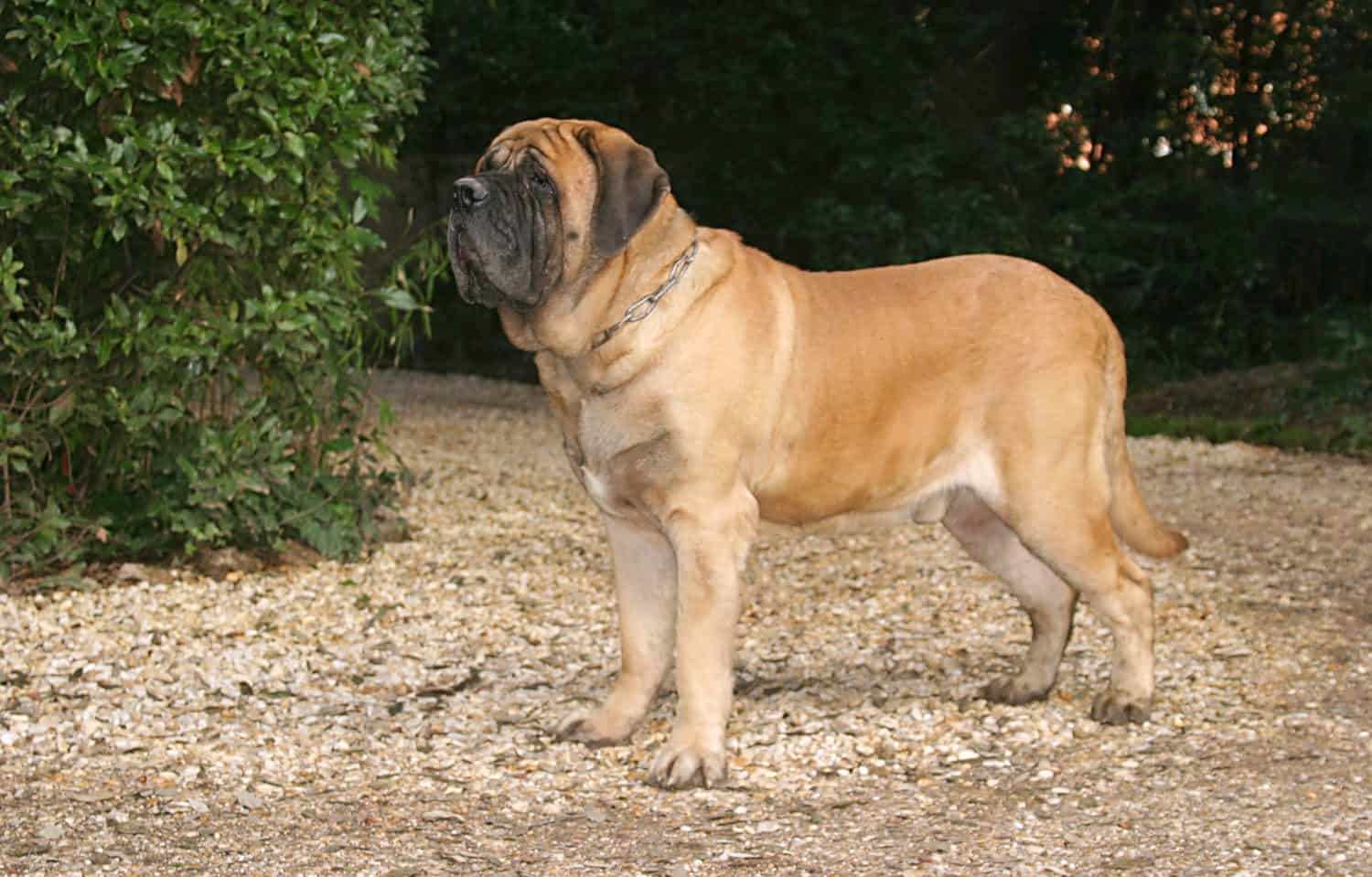
Mastiff
- Height: 27.5 inches to over 30 inches
- Average weight: 120 to 230 pounds
- Life expectancy: 6 to 10 years
No matter how you slice it, mastiffs are one of the largest dog breeds in the world. A true gentle giant, mastiffs have historically served as guardian dogs, livestock dogs, and war dogs. They are also one of the most popular dog breeds. Thanks to their affectionate disposition and good relations with both children and other dogs, the American Kennel Club ranks the mastiff as the 37th most popular dog breed in the United States. However, due to their size, mastiffs live shorter lives than smaller dogs.
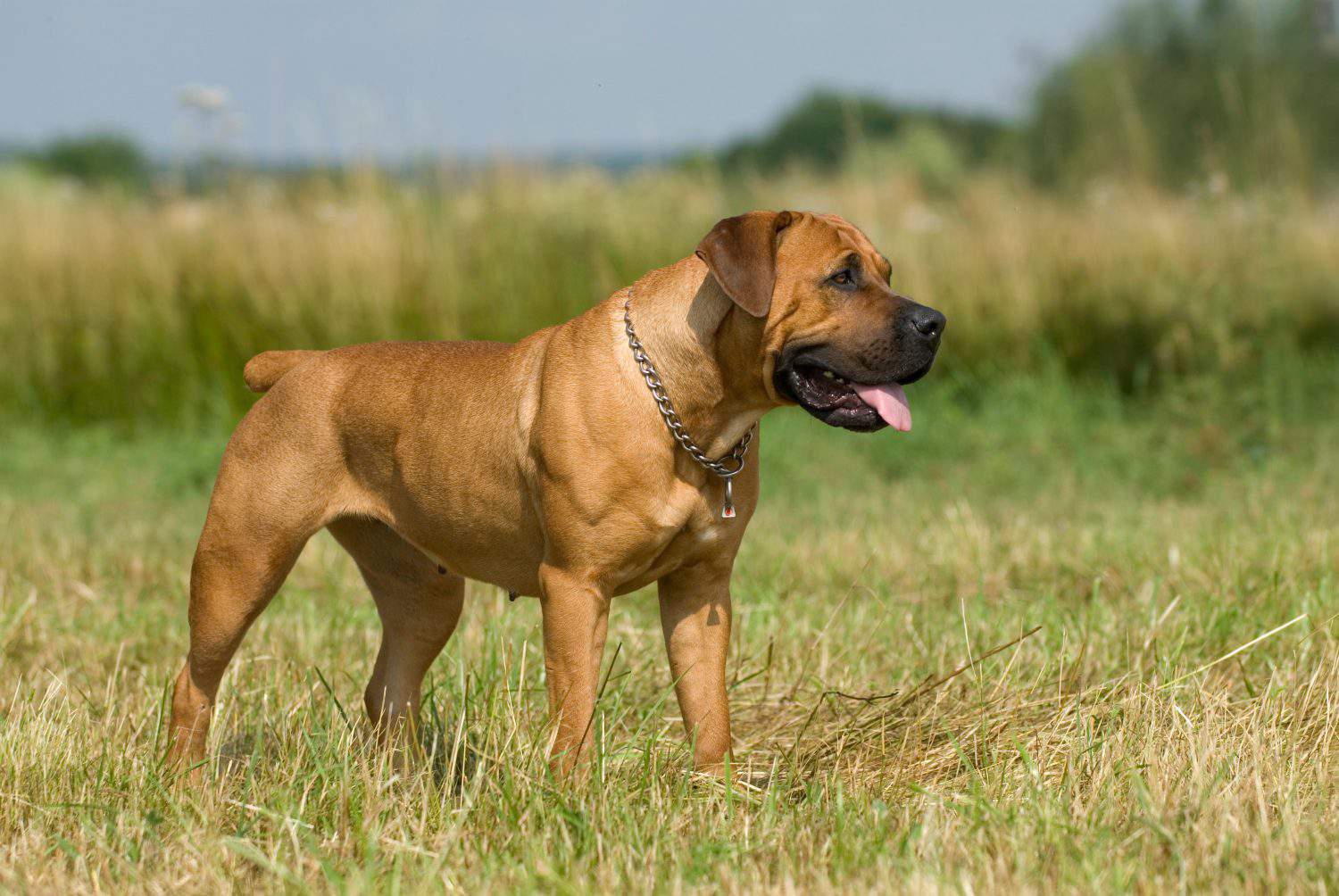
Boerboel
- Height: 22 to 27 inches
- Average weight: 200 pounds
- Life expectancy: 9 to 11 years
The Boerboel is characterized by its short hair, formidable bone structure, and visible muscles. A resolutely South African breed, the dog was created through the cross-breeding of mastiffs and bulldogs. Historically, boerboels were hunting dogs, used to corner and kill aggressive animals like leopards or baboons.
These days, however, Boerboels primarily serve as family guard dogs. Known for their fearlessness, by consequence, the breed can be aggressive with strangers unless trained from an early age.
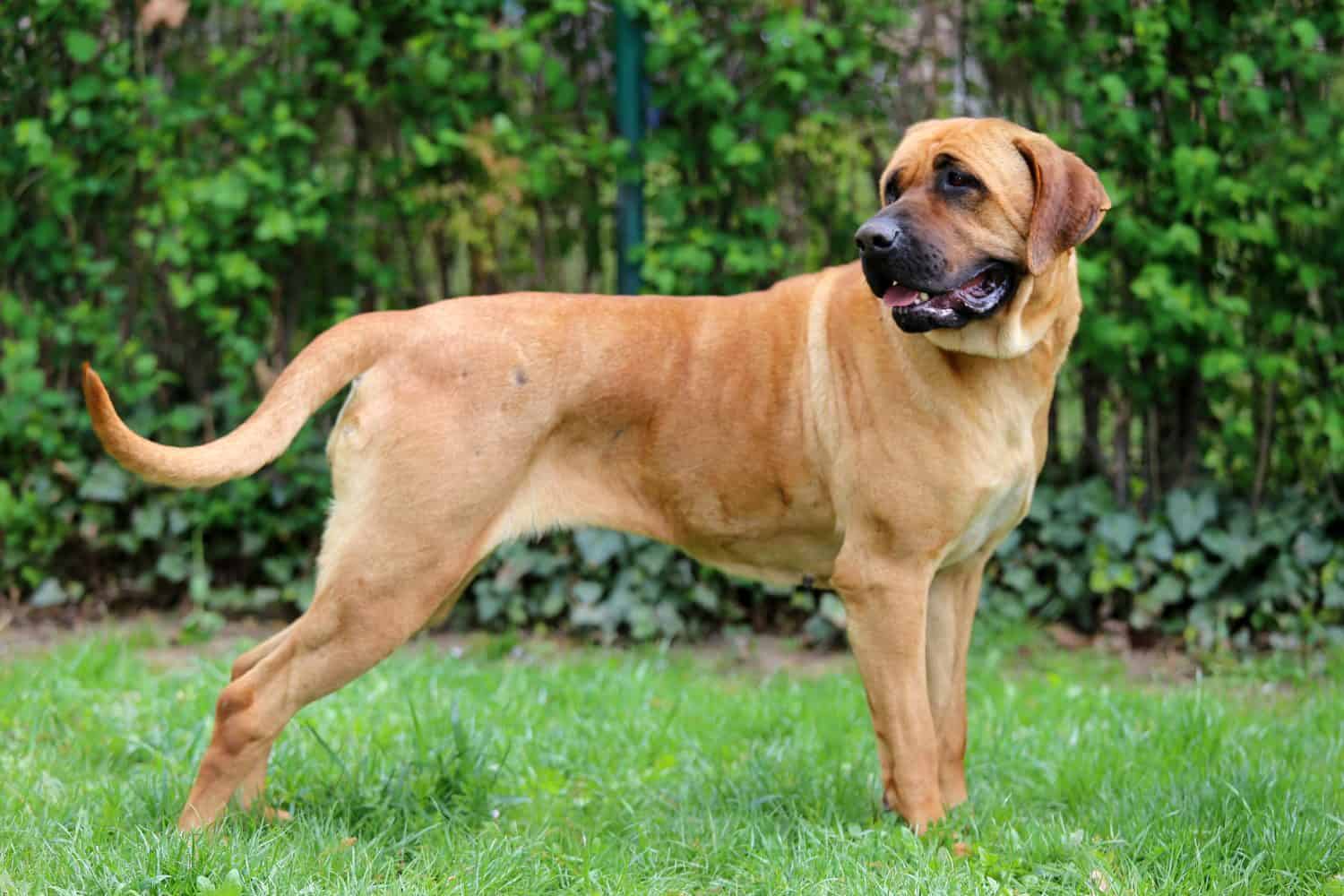
Tosa Inu
- Height: 21.5 to 23.5
- Average weight: up to 200 pounds
- Life expectancy: 10 to 12 years
The Tosa Inu, also known as Tosa Ken or simply Tosa, was originally bred in the Tosa province of Japan and is the only breed still used in Japanese dog fighting. Believed to be a crossbreed between the Japanese Shikoku Inu and European variants like the bulldog, the Tosa is characterized by a short, reddish coat and thick skull.
Compared to other large dog breeds, the Tosa Inu lives quite lengthy lives and shows affection towards their family but is often aloof with strangers. While they rarely show aggression with people, they can be violent upon encountering other dogs.
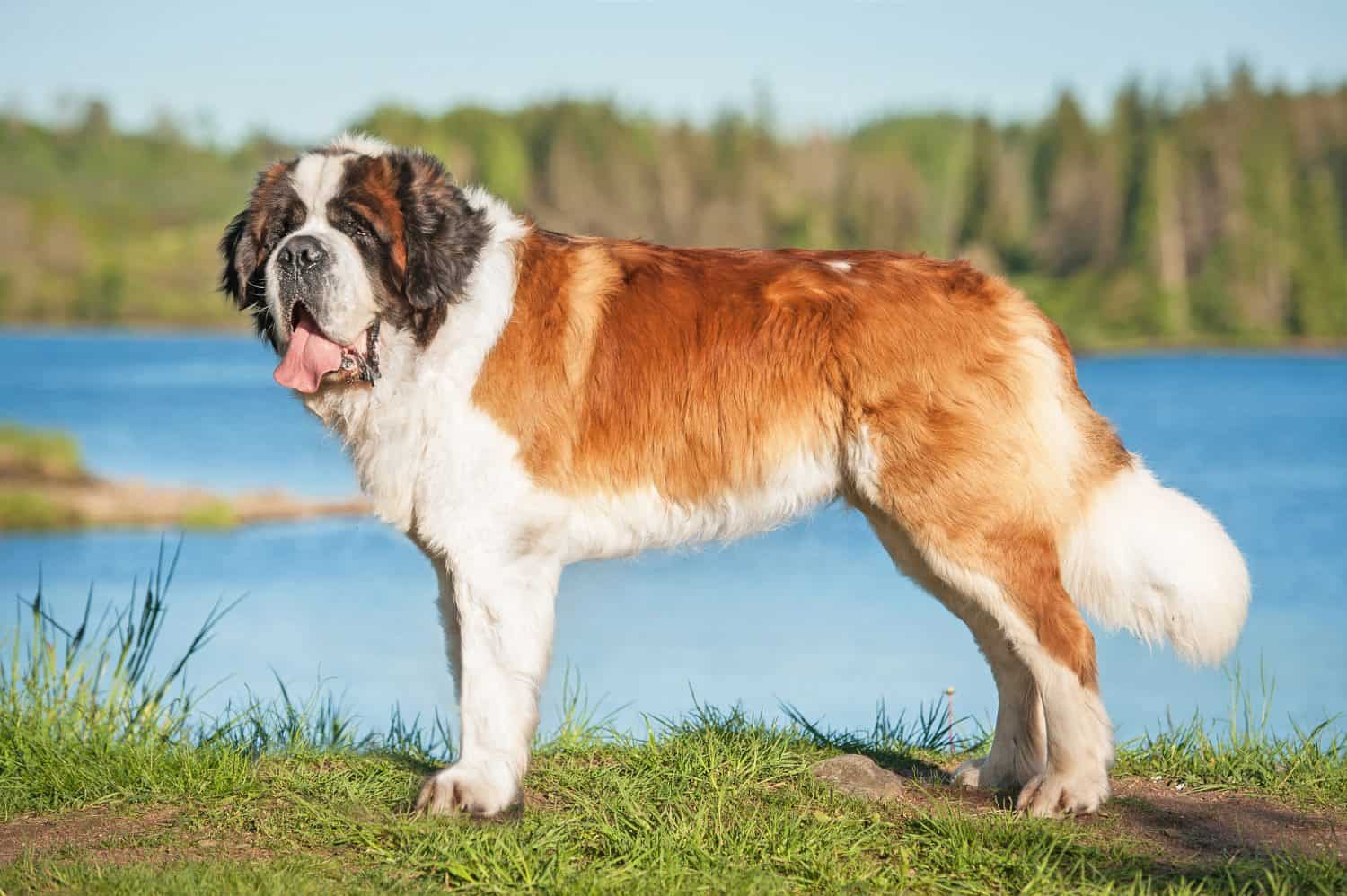
Saint Bernard
- Height: 26 to 35 inches
- Average weight: 120 to 180 pounds
- Life expectancy: 8 to 10 years
Saint Bernards were working dogs in the Swiss Alps and due to tales of their bravery and life-saving ability, they are often depicted with a small barrel around their neck used to relieve trapped climbers. Despite their bravery, Saint Bernards have gained a reputation for their peaceful, intelligent, and loving nature.
As such, they have a natural affinity for both children and adults. For this reason, they are one of the more popular dog breeds, especially amongst the larger variants.
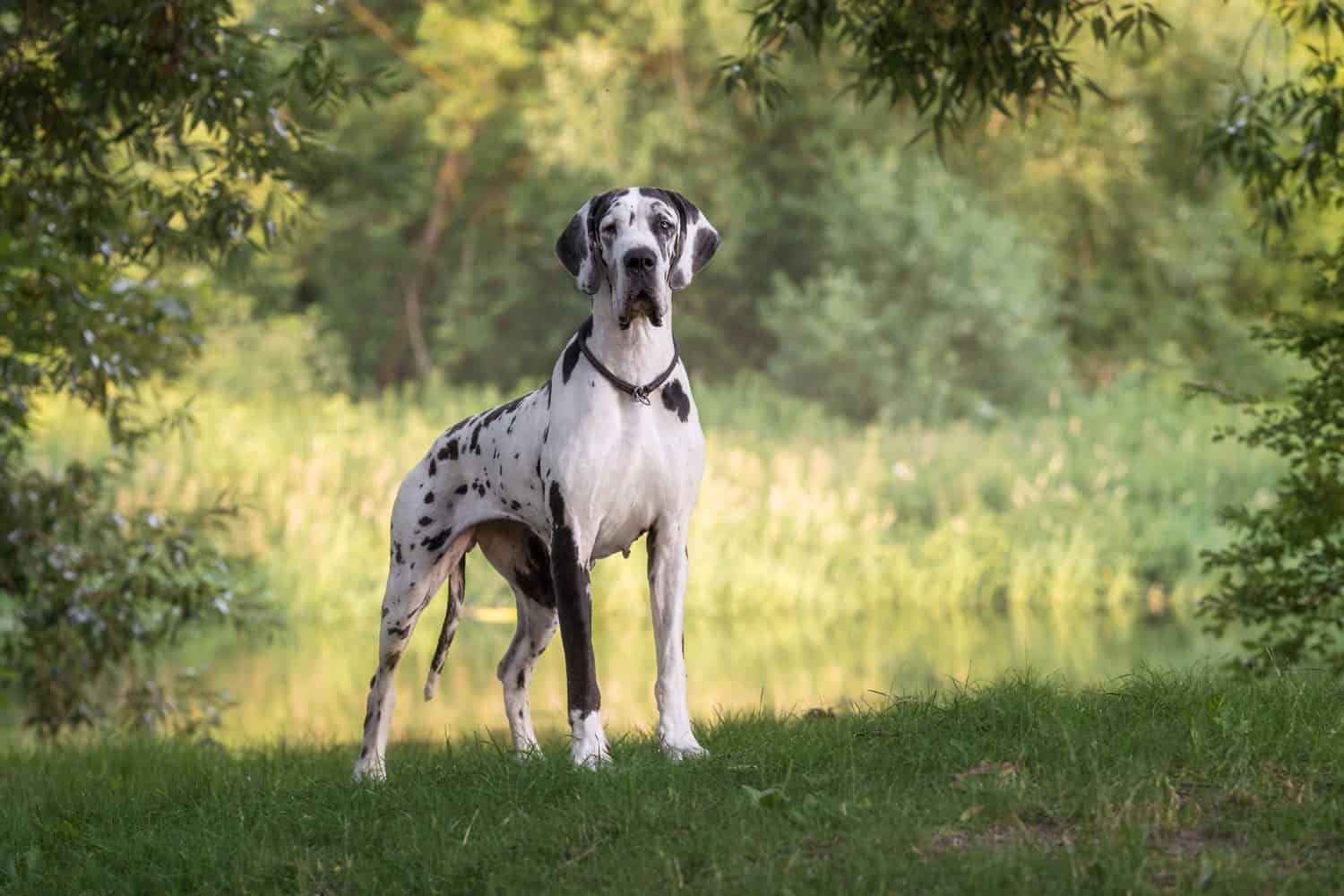
Great Dane
- Height: 28 to 35 inches
- Average weight: 99 to 200 pounds
- Life expectancy: 8 to 10 years
The Great Dane is a large, physically imposing dog who, when they stand tall on their hind legs can reach over 7 feet. They were both a hunting dog and a companion of nobility. Besides their acumen for hunting large game like boar or deer, the Great Dane often acted as an in-bedroom guardian for German royalty.
Don't be fooled by their size or historic uses, however, as Great Danes are truly gentle giants. Affectionate and playful, the breed flourishes when providing companionship or protection for people. Besides their natural affection for children, Great Danes are known to be lap dogs, despite their imposing size.
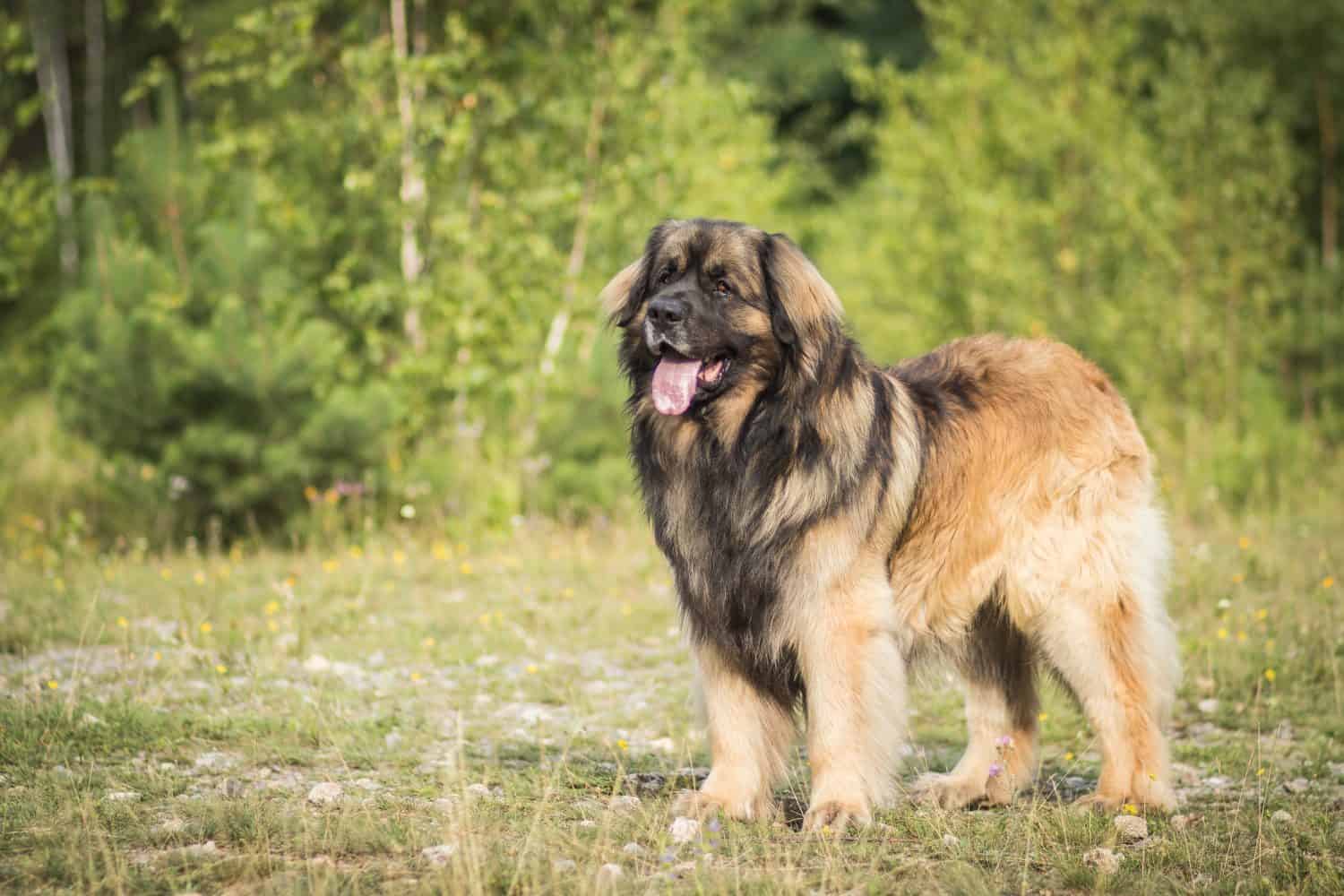
Leonberger
- Height: 26 to 31 inches
- Average weight: 90 to 170 pounds
- Life expectancy: 7 to 9 years
Legend has it that the Leonberger was bred as an homage to the coat of arms of its hometown, Leonberg, Germany. The Leonberger has a thick, water-resistant double coat, a mane akin to a lion, as well as large, droopy ears. They were drafting or working dogs, often seen pulling carts around their native Bavaria.
Thanks to their natural ability in the water, Canada began importing the breed in the 20th century to act as lifesaving dogs. As for their disposition, Leonbergers are athletic and show a natural affection for children, making them great family pets.
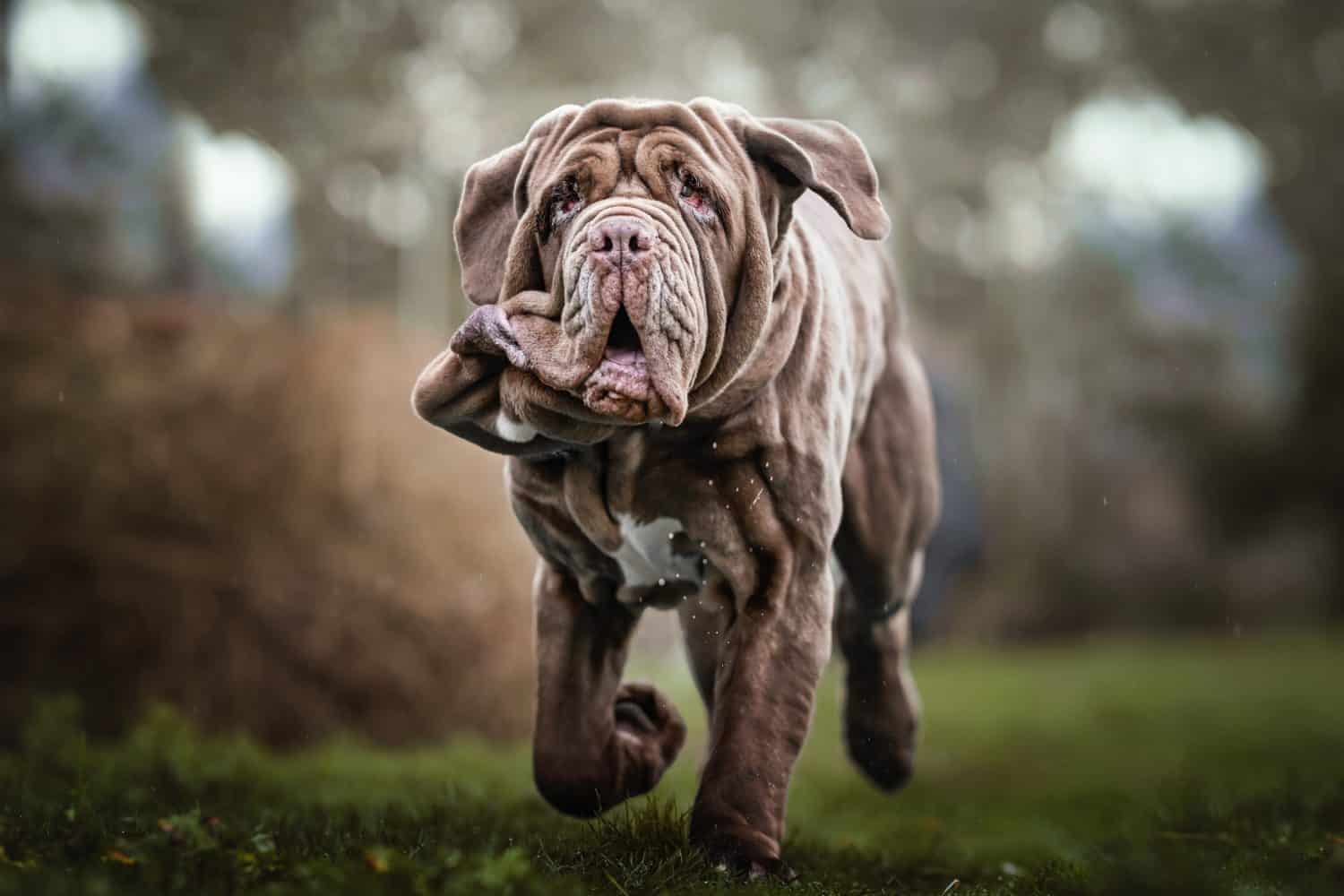
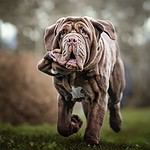
Neapolitan mastiff
- Height: 23 to 30 inches
- Average weight: 130 to 150 pounds
- Life expectancy: 7 to 10 years
One of the older dog breeds, the Neapolitan mastiff is said to originate in the Roman Empire. This breed is characterized by their loose, wrinkly skin, especially on the snout, as well as short hair, and once served as catch and guard dogs, particularly in the central region of Italy. Though smaller than many of the mastiff varieties, the Neapolitan mastiff is no less imposing.
They are known to be fiercely protective of their family unit, but by the same token, can often act aloof and wary of strangers. The breed is also closely related to the Cane Corso, another Italian mastiff variant.
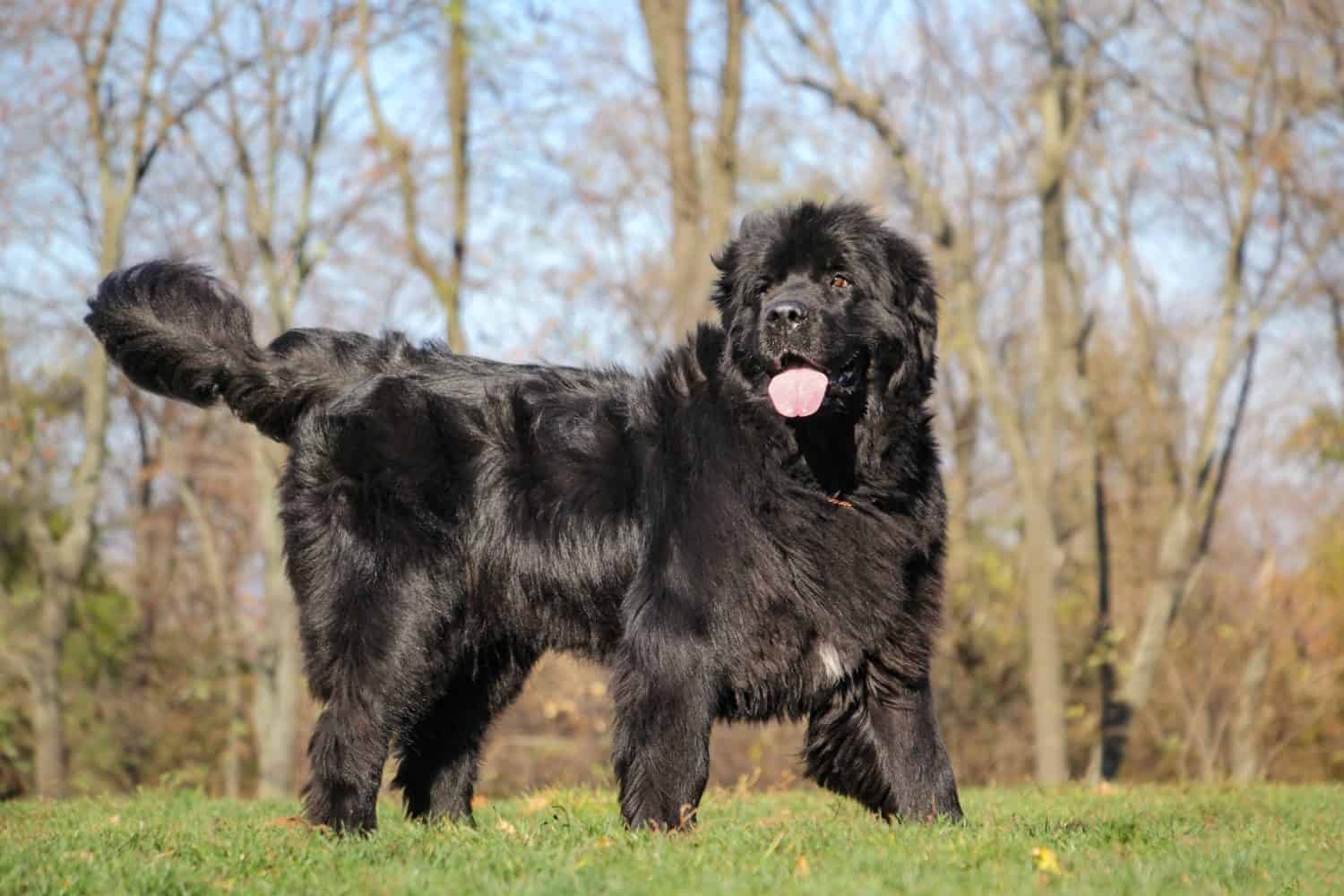
Newfoundland
- Height: 25 to 28 inches
- Average weight: 120 to 180 pounds
- Life expectancy: 8 to 10 years
Much like the Saint Bernard, tales of Newfoundland bravery and adventure have come down through the history books. A cross between various breeds like the Irish water spaniel and the golden retriever, the Newfoundland was historically used as a working dog for fishermen but also earned a reputation for saving people stuck at sea. Most notably, a Newfoundland dog accompanied Lewis and Clark on their 3-year journey through the United States and is featured in statues across the country commemorating the journey.
As for appearance, the Newfoundland features a long, shaggy coat and webbed feet. Another gentle and naturally happy giant, the Newfoundland is fond of most other creatures, showing affection for children, adults, and other dogs alike.
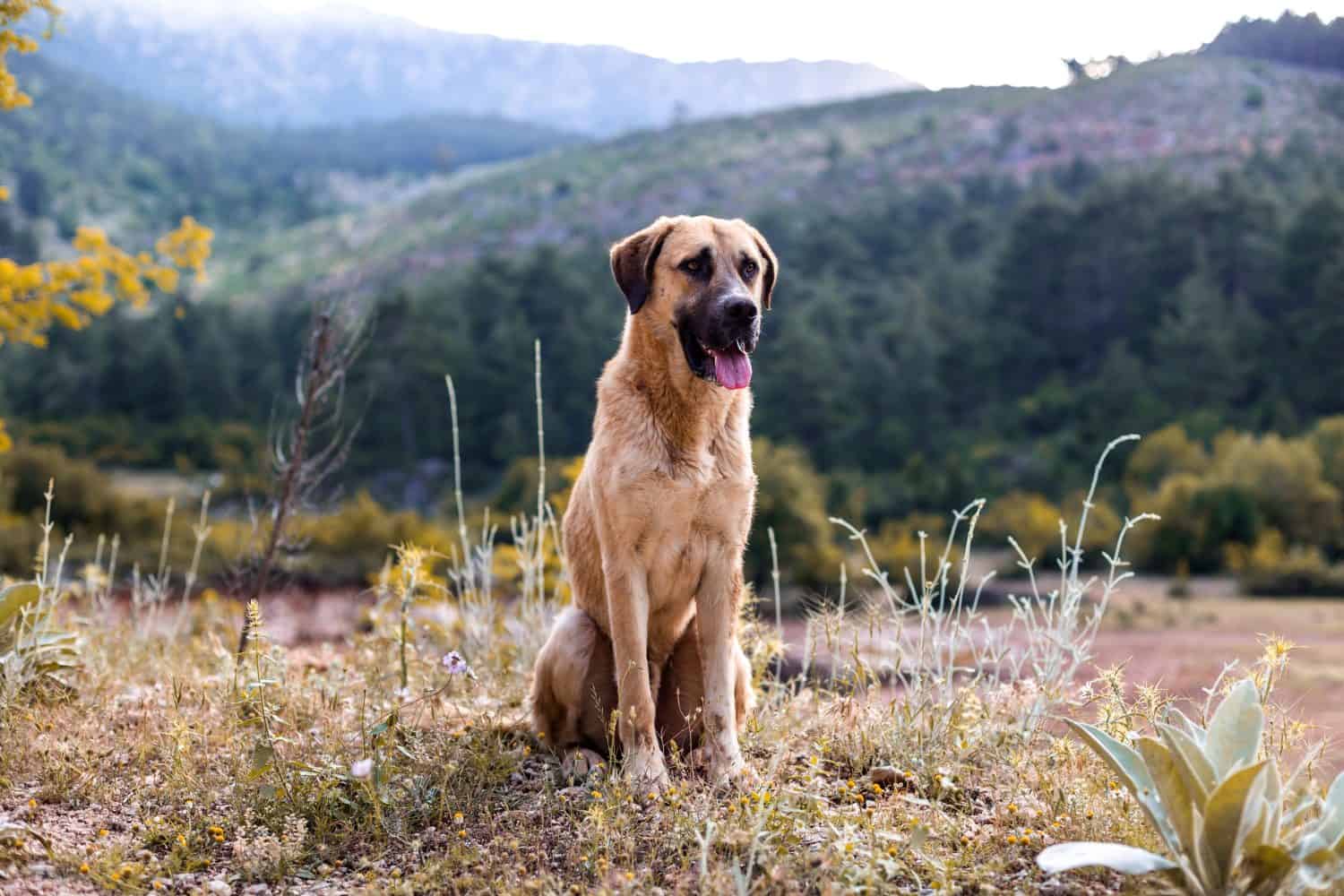
Anatolian shepherd
- Height: 28 to 32 inches
- Average weight: 90 to 150 pounds
- Life expectancy: 9 to 11 years
The Anatolian shepherd is also known as the Kangal shepherd dog, which is its Turkish ancestor. This breed is characterized by its light color, but thick fur, and typically shows more agility than other large dog breeds. The Anatolian or Kangal shepherd dog was used to guard livestock, often kept with flocks of sheep to protect them from wolves.
Due to their acumen in this department, countries like Namibia and Kenya have imported the breed to successfully protect animal flocks from predators like cheetahs. Compared to other large breeds, the Anatolian shepherd is more aloof and independent, preferring to work instead of socialize.
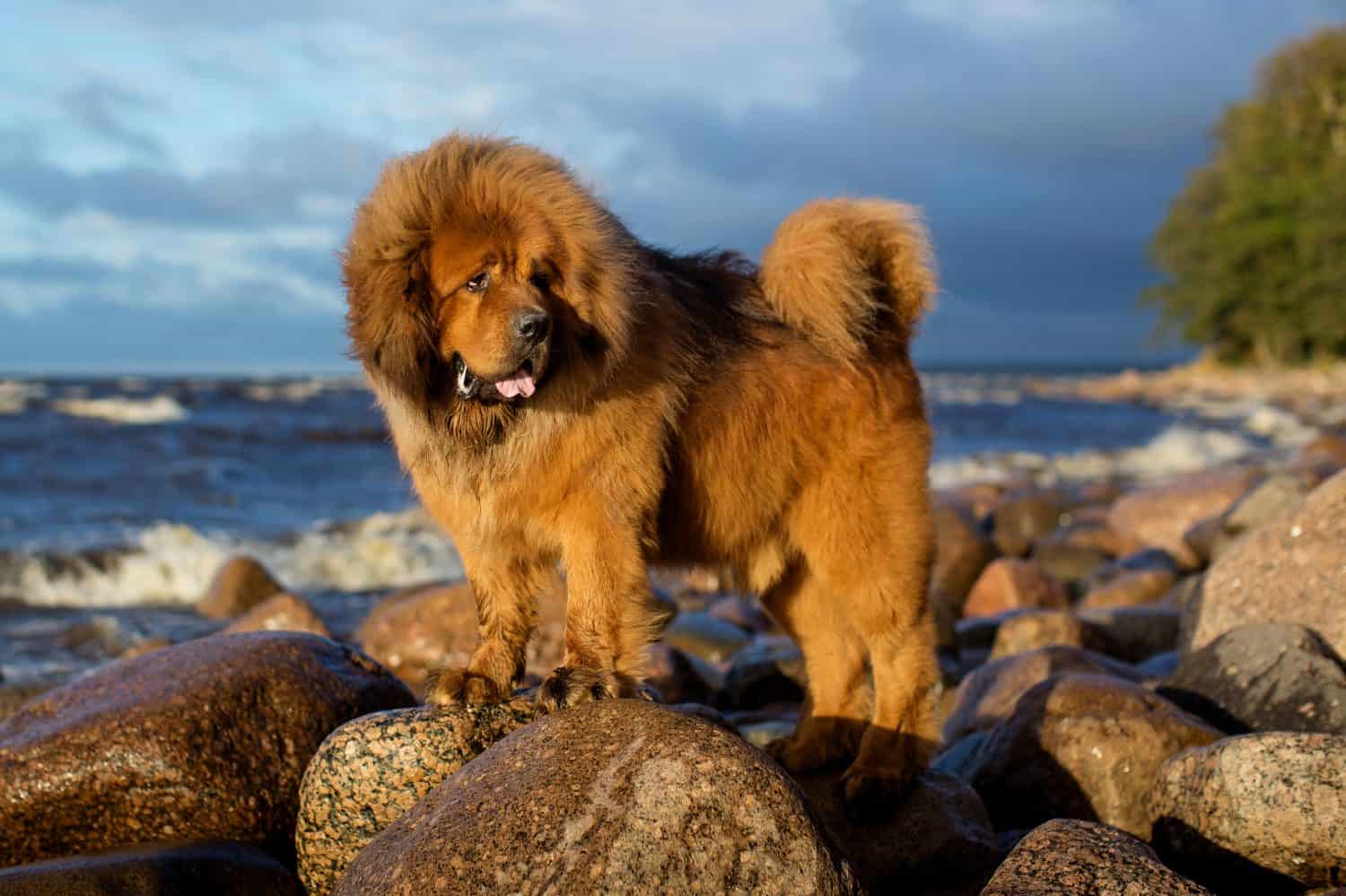
Tibetan mastiff
- Height: 24 to 30 inches
- Average weight: 75 to 150 pounds
- Life expectancy: 10 to 12 years
Not to be confused with previous mastiff entries on this list, the Tibetan mastiff might not technically even be a mastiff. Named incorrectly by the Europeans who first reached Tibet, a more accurate name for this breed might be the Tibetan mountain dog. An arguably primitive breed, the Tibetan mastiff was bred to guard flocks of animals like sheep.
It's characterized by its long, shaggy coat that requires constant upkeep. What's more, the breed is known to run up to 20 mph in open settings. Though the original version is relatively independent, western domesticated versions of the breed are more easygoing, though still aloof with strangers.
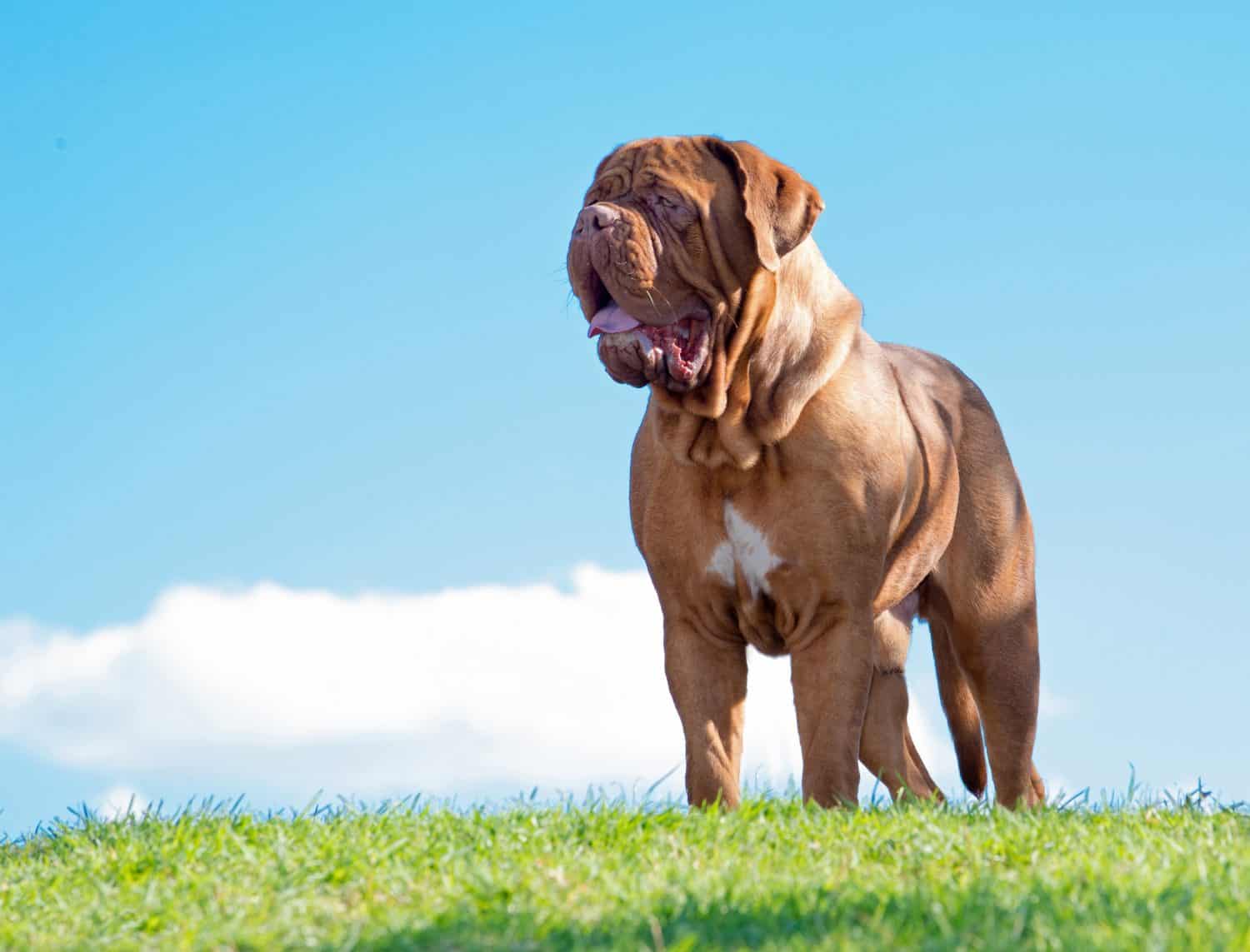
Dogue de Bordeaux
- Height: 23 to 26 inches
- Average weight: 100 to 110 pounds
- Life expectancy: 5 to 8 years
The Dogue de Bordeaux is characterized by short coats, wrinkled mugs on a large head, and dramatic eyes. Though they can make great family dogs, this breed has a stubborn, independent nature. For that reason, early training and socialization is highly recommended. The dog first appeared in the Bordeaux region of France in the 14th century.
The genetics of this breed are disputed, however, with some saying it is related to the mastiff while others believe the breed predates other large dogs. Known to be very protective dogs, the Dogue de Bordeaux can have many health problems.
(For other dogs that are naughty by nature, discover 20 of the most stubborn, hard-to-train dog breeds.)
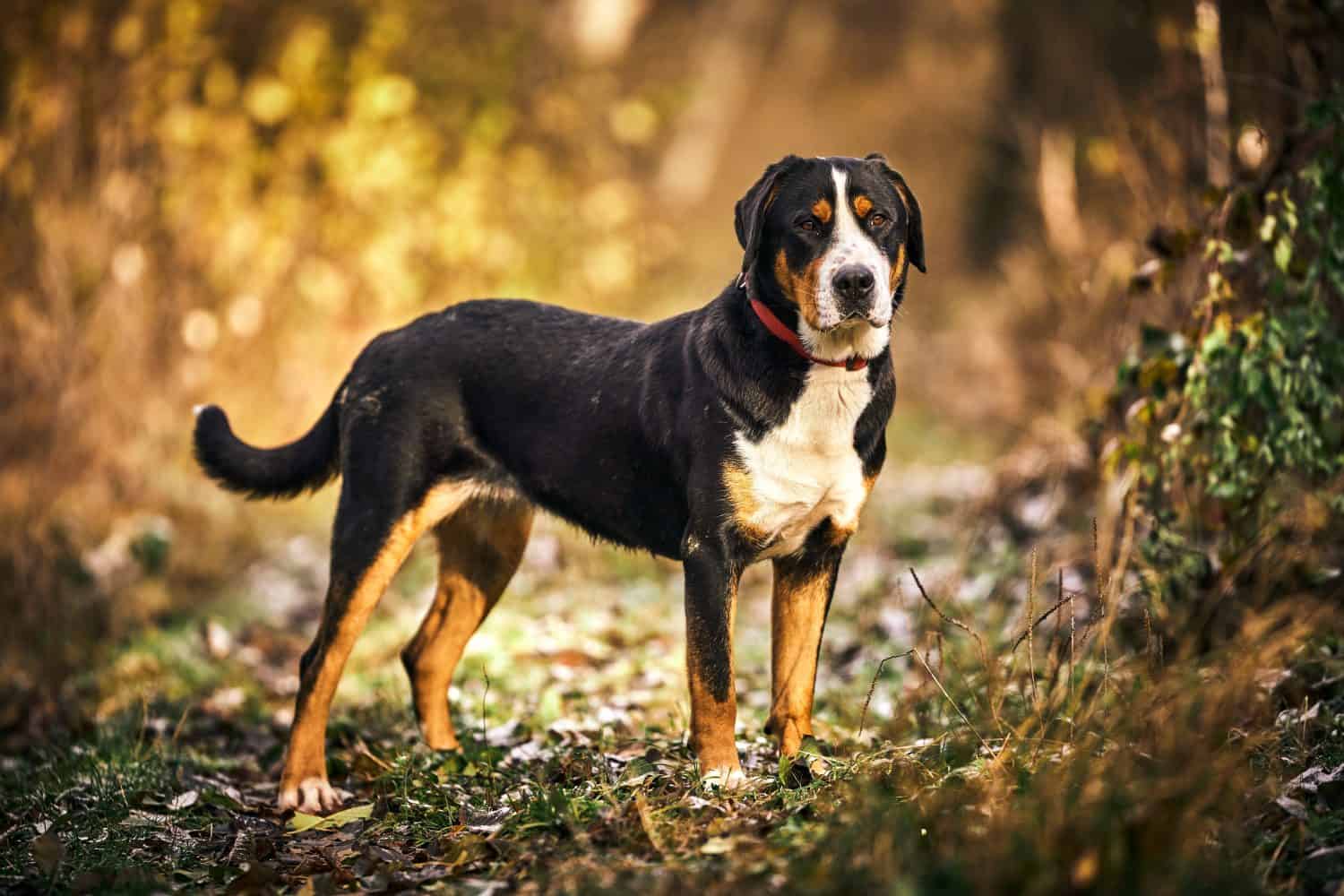
Greater Swiss mountain dog
- Height: 24 to 28 inches
- Average weight: 110 to 140 inches
- Life expectancy: 10 to 11 years
Not to be confused with Saint Bernards, the Greater Swiss mountain dog is another one of the largest dog breeds in the world that hails from the same region. Also known as "Swissies," this breed was bred as a working breed. Characterized by their dense coat and agile speed, the breed was a trusty pasture dog for centuries.
Temperament-wise, the breed is affectionate with children and works well in the family unit. While they are relatively agreeable with other dogs, this can be better ensured if trained from a young age.
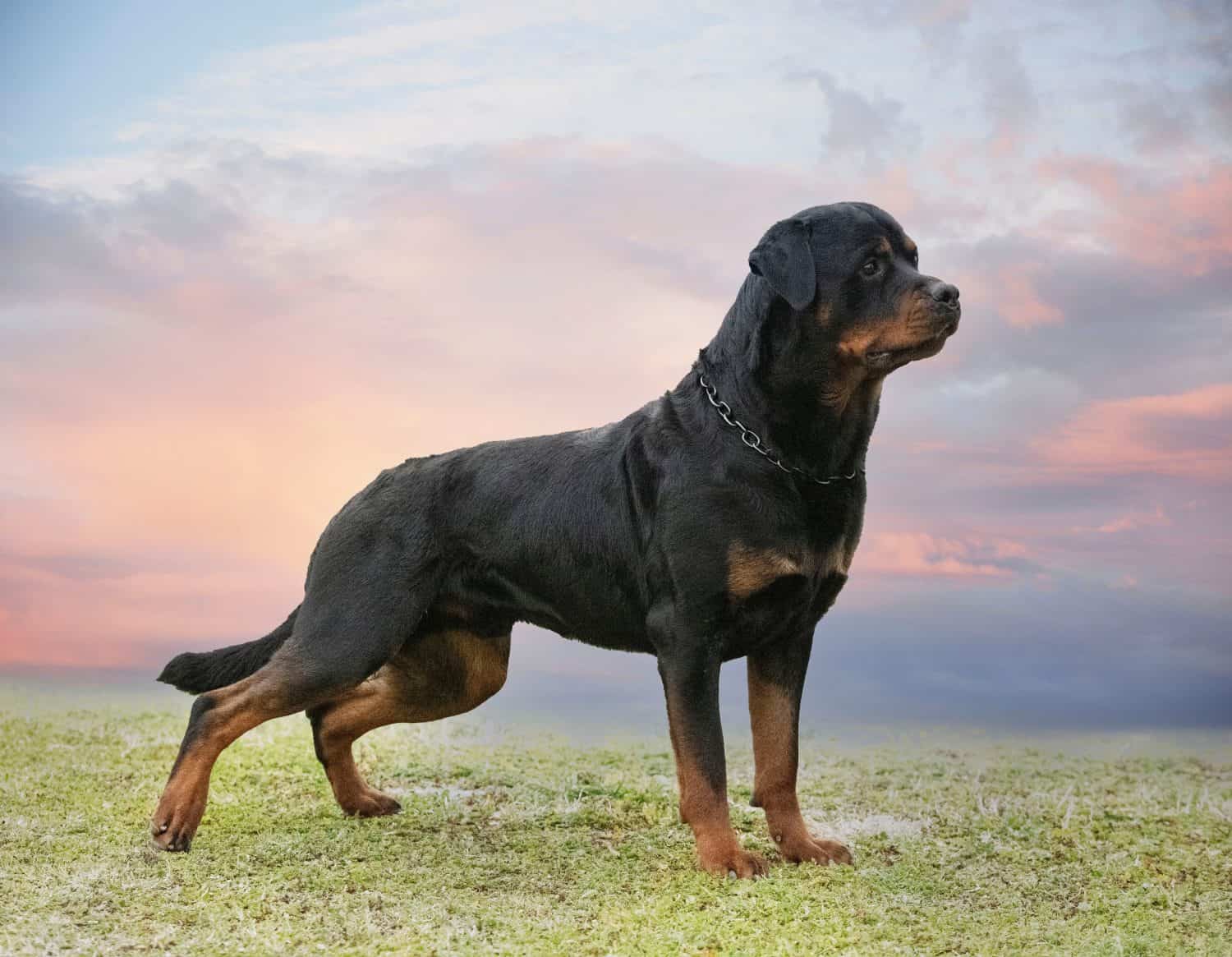
Rottweiler
- Height: 22 to 27 inches
- Average weight: 100 to 135 pounds
- Life expectancy: 9 to 10 years
The Rottweiler is characterized by strong, visible muscles and is said to be descended from the dogs used by the Roman Legions. This dog is a large, physically imposing breed that has been given an arguably unfair reputation for being aggressive and violent. Great within the family unit, Rottweilers retain a certain aloofness when interacting with other dogs.
Nevertheless, in intimate settings, the breed is known to be playful, loving, and even silly. For that reason, early socialization of the breed is encouraged.
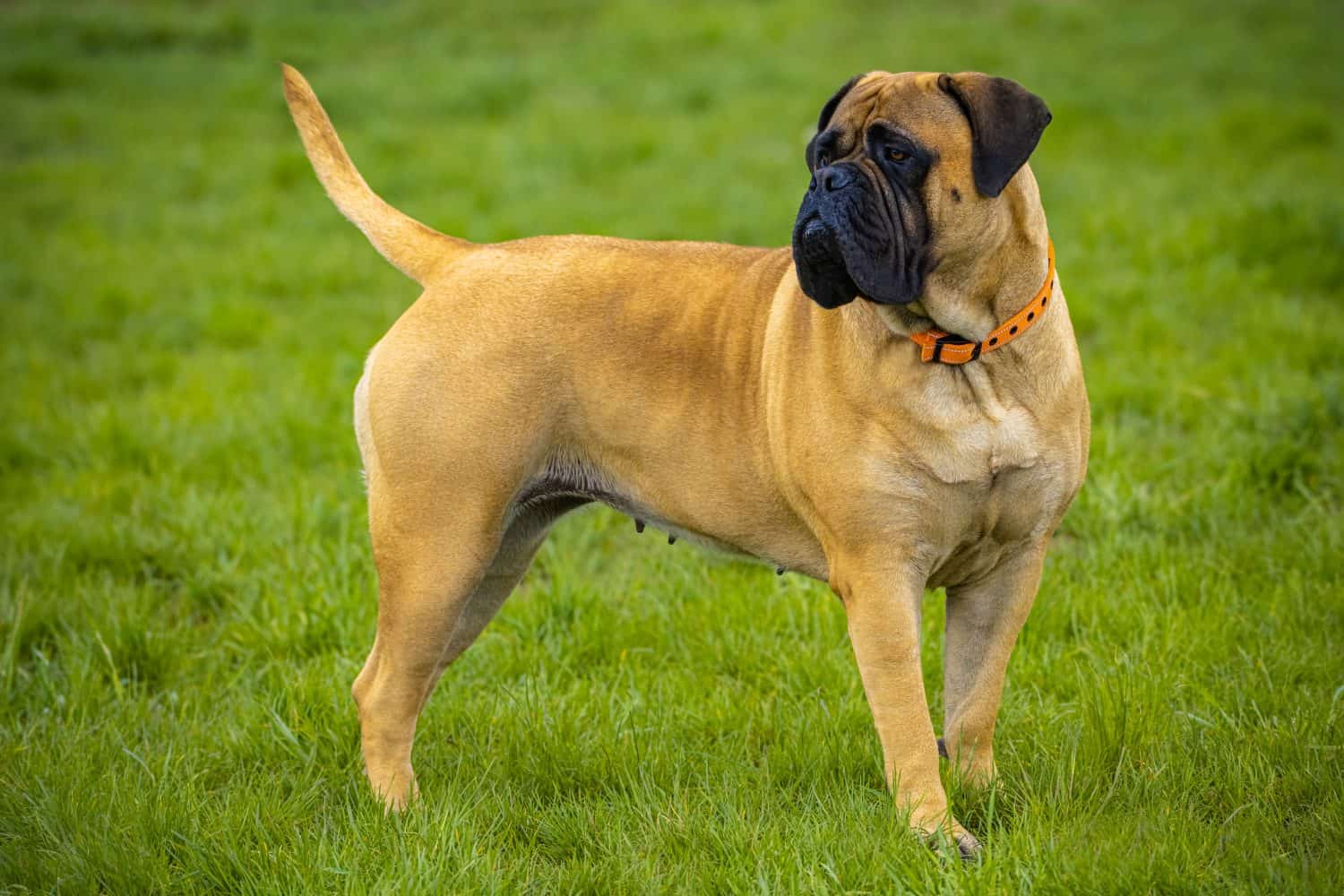
Bullmastiff
- Height: 24 to 27 inches
- Average weight: 99 to 130 pounds (can weigh more than 200)
- Life expectancy: 8 to 10 years
Though not quite as large as its cousin the mastiff, the bullmastiff is a cross between the typical mastiff and the English bulldog. The bullmastiff was bred as a deterrent for poachers in the British Isles and is a breed characterized by its large frame and an even larger head featuring a deep muzzle.
A fantastic companion dog and guardian, the bullmastiff is celebrated for its alertness, intelligence, and natural confidence. Though they require less grooming than other large breeds, it is recommended that you begin training them early while they are still small.
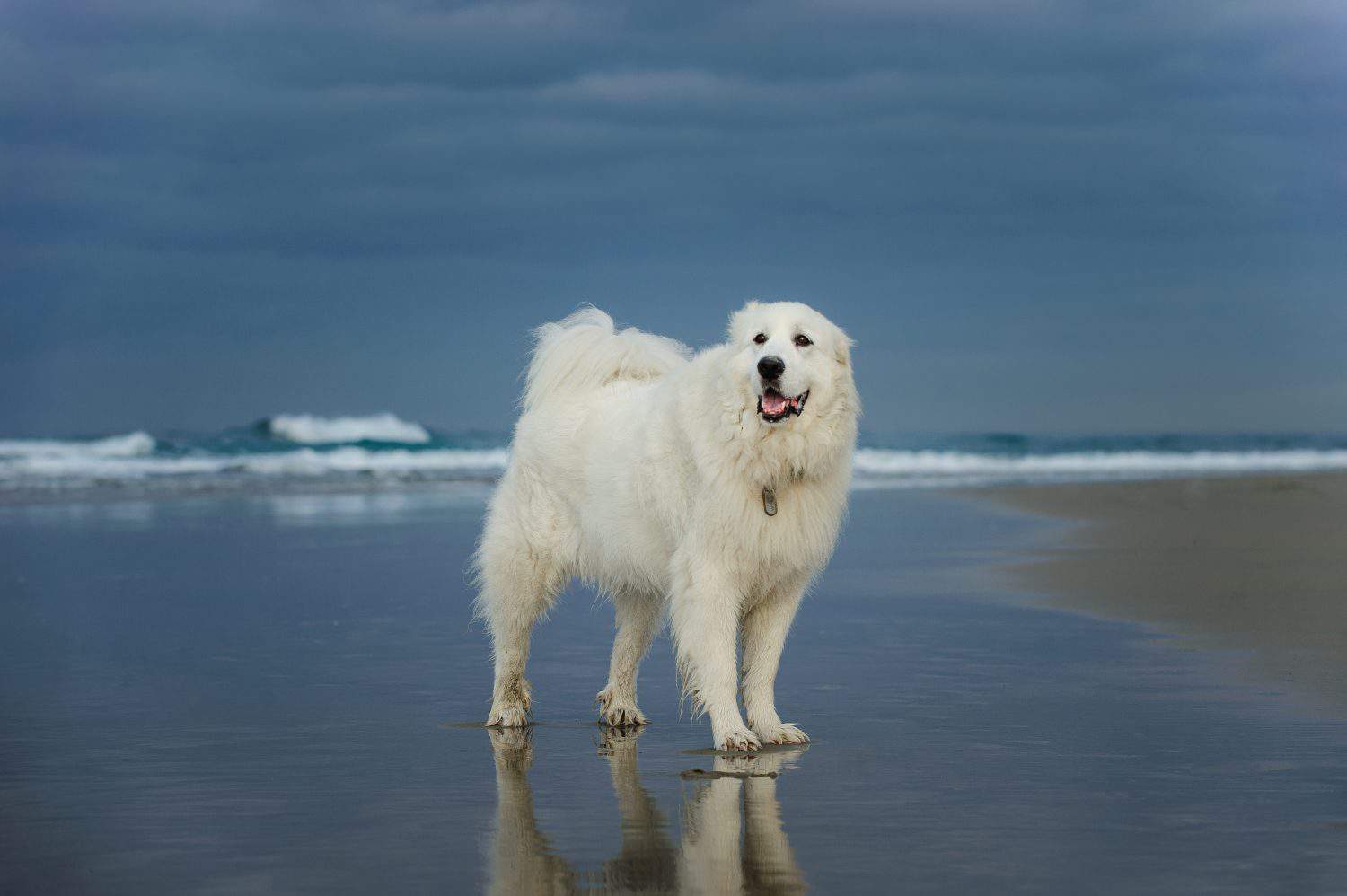
Great Pyrenees
- Height: 26 to 31 inches
- Average weight: 85 to 160 pounds
- Life expectancy: 10 to 12 years
Known as the Pyrenean Mountain Dog in their native France, this breed is characterized by its shockingly white fur, which is thick and double-coated. With some variants, however, patches of red or brown can be seen in their fur. The Great Pyrenees were used as a livestock guardian breed in the Pyrenees and Swiss mountain ranges. After King Louis XIV was gifted one, he fell in love with the variety and named it the Royal Dog of France.
Temperament-wise, this breed is quite affectionate but won't hesitate to drop this candor and protect loved ones. They are known as an incredibly smart, calm, and relatively patient dog breed. Though relatively independent, with a bit of a stubborn streak, the Great Pyrenees can be good at taking directions if they are trained from a young age.
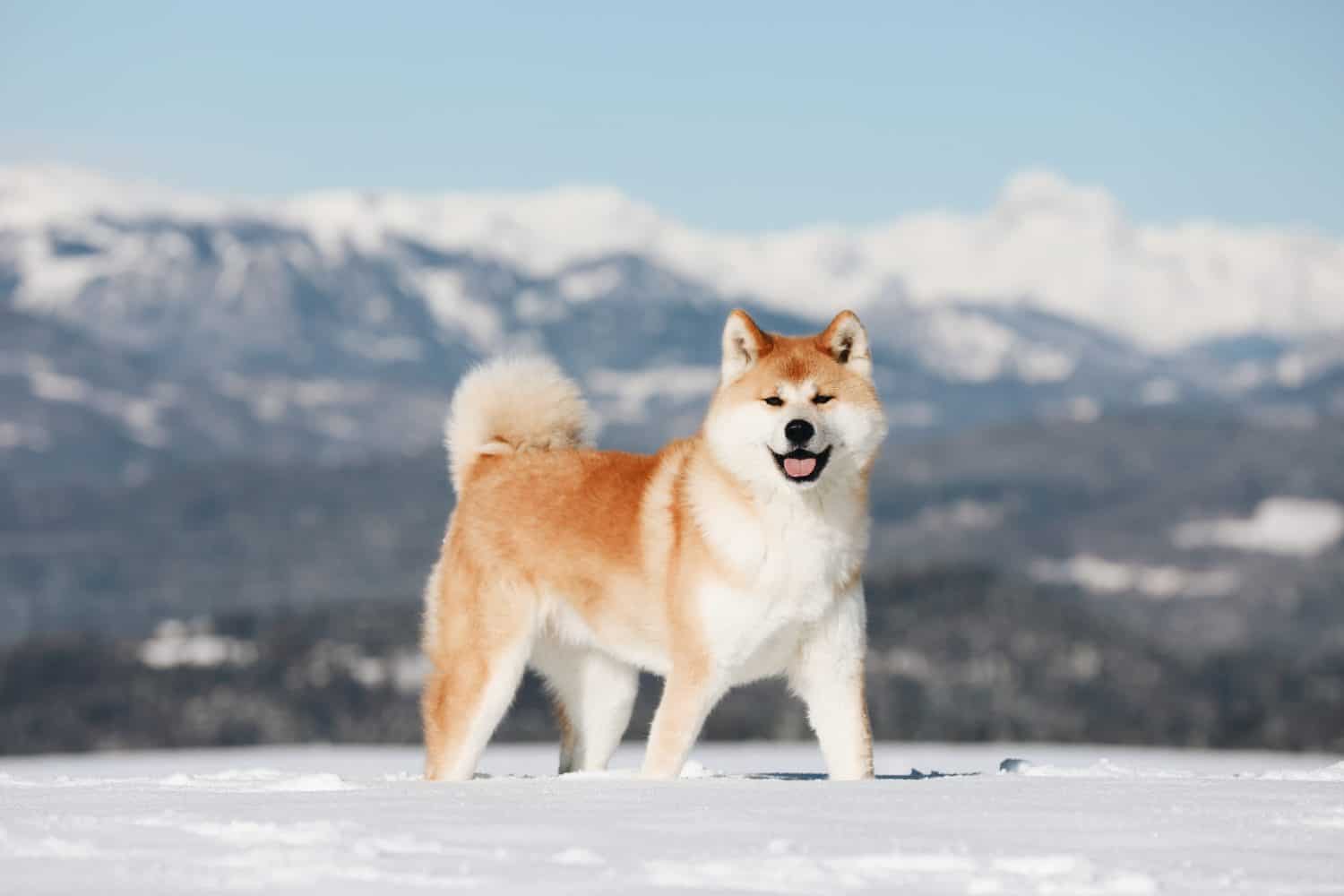
Akita
- Height: 24 to 28 inches
- Average weight: 100 to 130 pounds
- Life expectancy: 10 to 14 years
The Akita is a heavily muscular dog shrouded by their characteristically short but doubled coat. They were bred as both a guardian dog and a hunter of bears. Arguably one of the older large dog breeds, the Akita has been used in Japan for centuries and is considered a symbol of happiness and good health, where they are a loyal breed.
Usually quite aloof with strangers, and sometimes aggressive with other dogs, the Akita does show great affection and care within their family units. It is one of the larger dog breeds with the most longevity. (For other breeds that live long lives, discover the longest-living dog breeds in the U.S.)