Geoffrey Kuchera/Shutterstock.com
Holly S Cannon/Shutterstock.com
Flywheel Publishing
outdoorsman/Shutterstock.com
juliazara/Shutterstock.com
Warren Metcalf/Shutterstock.com
Warren Metcalf/Shutterstock.com
Jim Cumming/Shutterstock.com
ahisgett / BY 2.0
Evgeniyqw/Shutterstock.com
Rejean Bedard/iStock.com
Holly Kuchera/Shutterstock.com
Geoffrey Kuchera/Shutterstock.com
slowmotiongli/iStock.com
critterbiz/Shutterstock.com
MelaniWright/Shutterstock.com


The Largest Mountain Lion on Record Was Huge, But There's a Catch
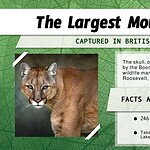
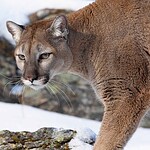
Imagine coming face-to-face with a mountain lion that could stretch nearly eight feet from nose to tail and weigh as much as a grown man. That's already an intimidating thought. But some of these powerful predators grow considerably larger than average, and one extraordinary cougar taken in the Canadian wilderness set a world record that has stood for decades.
The story gets even more interesting when you look at how the animal earned its place in the record books. It involves a hunter tracking a massive cat through more than two feet of snow, an unusually large skull, and a widely repeated weight claim that isn't quite what it seems. Here's the story of the largest mountain lion recognized by the Boone and Crockett Club, along with 14 fascinating details about how these cats grow, hunt, and survive in the wild.
How Big Can a Mountain Lion Actually Get?
If you've only seen mountain lions in photographs or wildlife documentaries, you might underestimate just how large they can become. An adult male commonly weighs around 120 to 200 pounds, according to the National Park Service, although the typical weight varies considerably between populations. Females are generally smaller, often weighing between 60 and 120 pounds. Particularly large males can exceed those ranges, but animals approaching or surpassing 200 pounds are exceptional rather than ordinary.
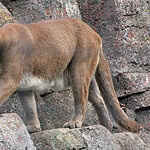
Weight is only part of the picture. A mature male can measure more than eight feet from its nose to the tip of its tail, with that long, muscular tail accounting for roughly one-third of its total length. Its body is built for short bursts of speed, powerful leaps, and taking down prey that can outweigh the cat itself. Put one of these predators beside an average adult person, and the difference in physical strength would be unmistakable. That's what makes the world's record-holding cougar such an extraordinary example of the species.
The Record-Breaking Mountain Lion Was Found in 1979
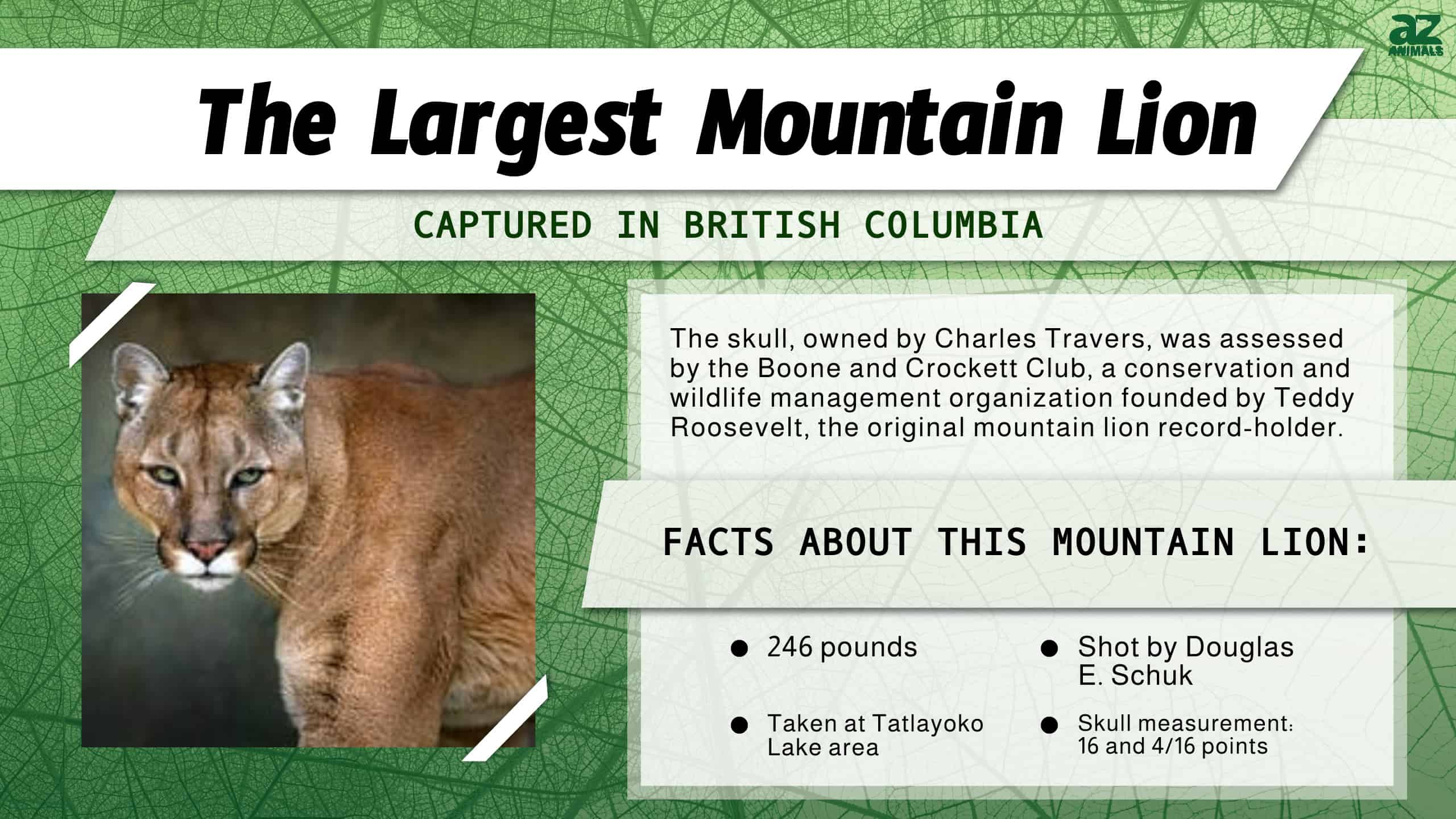
The mountain lion at the center of this story was taken in February 1979 near Tatlayoko Lake, a remote area of British Columbia, Canada. Hunter Douglas E. Schuk encountered the enormous male during a winter hunt, and the animal eventually earned the distinction of becoming the Boone and Crockett Club's world-record cougar. More than four decades later, that record remains unbeaten in the organization's official listings.
So what made this particular cat so remarkable? The answer lies in its skull. Official measurements recorded a length of 9 9/16 inches and a width of 6 11/16 inches. Combined under Boone and Crockett's scoring system, those dimensions produced a record score of 16 4/16 points. The measurements might seem modest compared with the size of the entire animal, but among cougar skulls, they were extraordinary. The record was reviewed and confirmed by the organization's judges, securing the British Columbia cat's place in wildlife-record history.
Did This Enormous Cougar Really Weigh 276 Pounds?
One of the most eye-catching claims about giant mountain lions involves a staggering weight of 276 pounds. A cat that heavy would be considerably larger than most adult males and would outweigh plenty of grown humans. The figure isn't entirely without a source, either. A National Park Service webpage about mountain lions at Bryce Canyon mentions a documented animal weighing 276 pounds, describing such a specimen as extremely rare.
Here's the catch: The National Park Service information doesn't establish that the 276-pound animal was Douglas Schuk's 1979 record cougar. More importantly, the Boone and Crockett Club's official record for Schuk's cat is based on skull measurements, not a documented body weight. Its entry doesn't provide a confirmed weigh-in. That means describing the British Columbia cougar as the verified 276-pound world-record holder would go beyond the available evidence. What we can say with confidence is that its skull was exceptionally large, and its record still stands. The distinction matters because trophy records, estimated weights, and independently verified measurements aren't necessarily the same thing.
The Hunt Took Place in 32 Inches of Snow
The story behind the record-setting cougar sounds like something from a wilderness adventure. According to the Boone and Crockett Club, Douglas Schuk was hunting near Tatlayoko Lake during the winter of 1979 when his hounds began tracking a large male mountain lion through approximately 32 inches of snow. Deep snow makes traveling difficult for people and animals alike, but it can also preserve tracks that help hunters follow wildlife across otherwise challenging terrain.
By around 3 p.m., the dogs had caught up with the cougar. The change in their barking, accompanied by the unmistakable hiss of a cornered cat, signaled that the encounter had reached a critical point. A large mountain lion can injure a hunting dog with a powerful swipe, and Schuk reportedly moved quickly to prevent his hounds from being hurt. He shot the cougar with a .308-caliber rifle. Only afterward would its extraordinary measurements become apparent. The account doesn't establish an enormous body weight, but it does document the circumstances surrounding an animal that would eventually become a world-record specimen.
Another Mountain Lion Missed the Record by Almost Nothing
Schuk's cougar wasn't the only extraordinary mountain lion to emerge from the wilderness. In 1988, hunter Gene R. Alford took another exceptionally large cougar in Idaho's Selway-Bitterroot Wilderness. After its skull was officially measured, the result came remarkably close to the British Columbia record. According to the Boone and Crockett Club, Alford's animal missed matching the existing record by just 1/16 of an inch.
That's an incredibly small difference when you consider the size and strength of the animals involved. Alford's hunt was notable for another reason: He spent approximately a month pursuing the cougar alone through wilderness country. The Boone and Crockett Club recognized the achievement with its Sagamore Hill Award, which honors an exceptional hunting accomplishment and adherence to fair-chase principles. The near miss illustrates how close another cougar came to replacing the 1979 record-holder, but the official mark still belongs to Schuk's animal.
Why Do Some Mountain Lions Grow So Much Bigger?
There's no single reason one mountain lion becomes an exceptionally large animal while another remains closer to average size. Sex is one of the biggest factors. Adult males are substantially heavier than females, with broader heads, heavier frames, and greater muscle mass. Age also matters. A fully mature male has had more time to develop its physical strength than a young cougar still establishing itself in the wild.
Genetics, food availability, habitat quality, and overall health play important roles, too. A cougar that consistently finds large prey has a better opportunity to maintain a powerful body than one struggling to find enough food. Injuries, parasites, and competition from other predators can also limit growth or physical condition. Yet even under ideal circumstances, not every male will become a giant. Just as some people naturally grow taller and heavier than others, individual mountain lions can differ dramatically in size. An unusually large skull may reflect that variation, although it doesn't reveal the animal's exact weight.
The Biggest Mountain Lions Often Come From Colder Regions
There's a reason northern places like British Columbia appear so frequently in discussions about unusually large mountain lions. Cougars living in temperate and northern regions tend to be larger, on average, than many of their relatives in tropical environments. Researchers have documented differences in body size across the species' enormous geographic range, although those patterns vary and there are exceptions.
Several factors may help explain the differences. Larger bodies can retain heat more efficiently, while northern habitats often support substantial prey animals such as deer and elk. Regional genetics, hunting opportunities, and competition also influence body size. However, it would be too simple to say cold weather automatically produces giant cougars. An animal's survival and growth depend on many conditions working together. The 1979 record-holder happened to come from a rugged Canadian landscape where large predators have access to big-game prey, but the exact reasons for its extraordinary skull size remain unknown.
These Powerful Cats Can Bring Down Animals Larger Than Themselves
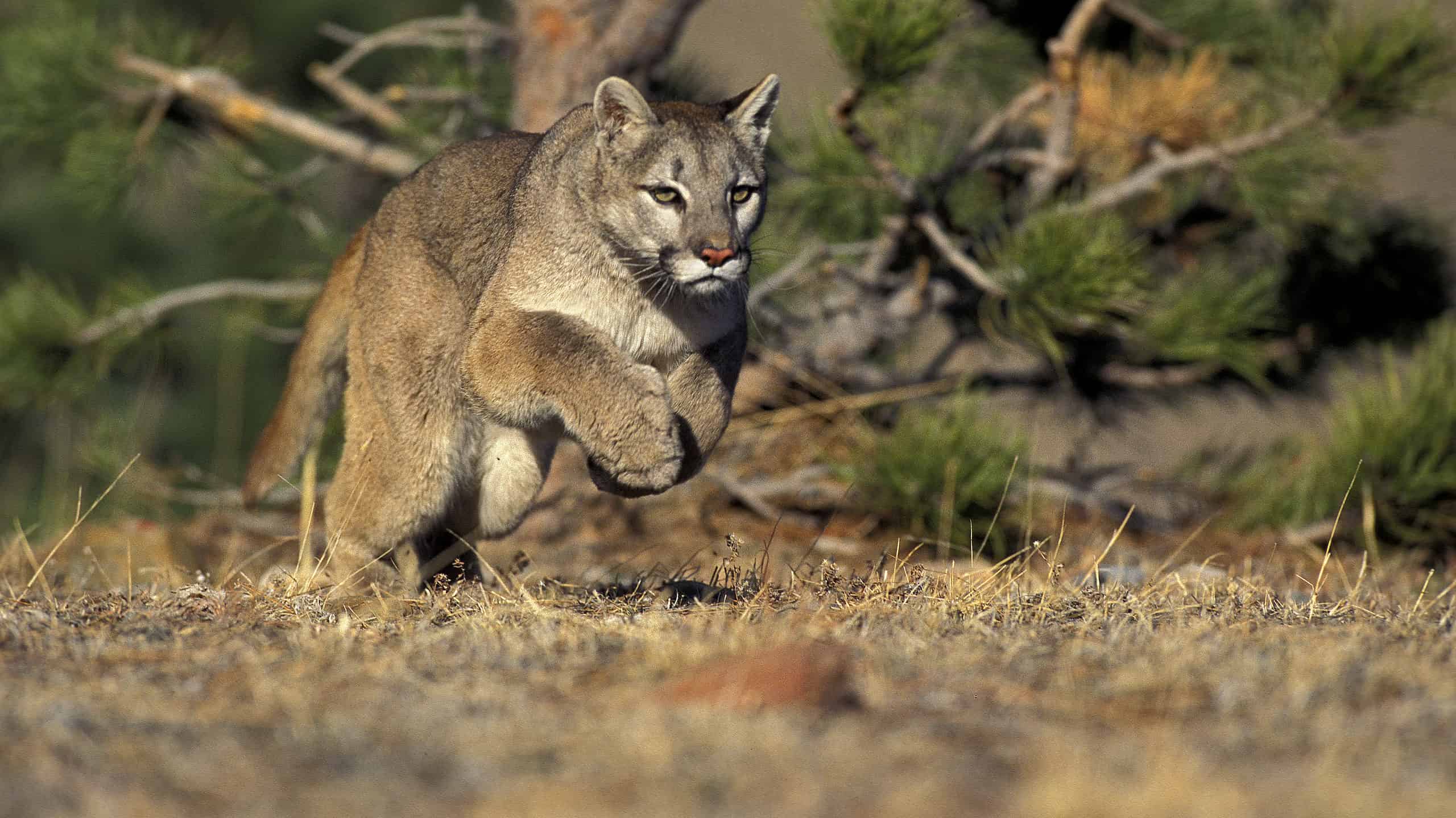
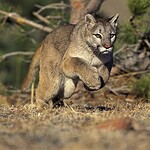
A mountain lion doesn't need to be a world-record giant to be an impressive hunter. These cats are built to ambush prey, using cover and stealth to get close before launching a short, explosive attack. Deer are among their most important food sources across North America, but cougars also hunt elk, mountain goats, bighorn sheep, and occasionally young moose. Smaller animals, including rabbits, raccoons, and rodents, supplement their diet.
Their strength becomes especially apparent when tackling a large animal. A cougar relies on powerful legs, sharp claws, and strong jaws to subdue prey, usually targeting the neck or head. The process can be dangerous even for an experienced adult because a large deer or elk can deliver a serious injury while defending itself. Washington wildlife officials estimate that a large male cougar in the Cascade Mountains may kill a deer or elk roughly every nine to 12 days. That feeding pattern helps explain why access to substantial prey can be so important to a mountain lion's growth and survival.
Mountain Lions Have an Unusual Way of Saving Leftovers
Imagine bringing down an animal that weighs considerably more than you do. Even a powerful mountain lion can't consume an entire deer or elk in one sitting. Instead of abandoning the remains, cougars often hide their kills so they can return for another meal. The behavior is known as caching, and it can involve dragging the carcass into a secluded location before covering it with leaves, grass, soil, snow, or other debris.
Caching helps conceal the food from scavengers, although it doesn't guarantee that bears, wolves, or other animals won't discover it. According to the Washington Department of Fish and Wildlife, a cougar may remain around a cached kill and feed from it for several days, sometimes as long as six to eight days depending on conditions. That ability to make the most of a successful hunt is particularly important for a large predator, since tracking and overpowering prey require considerable energy. It's also why wildlife officials caution people against approaching a partially covered animal carcass in cougar country. The predator responsible may still be nearby.
A Mountain Lion Could Live Nearby Without You Knowing
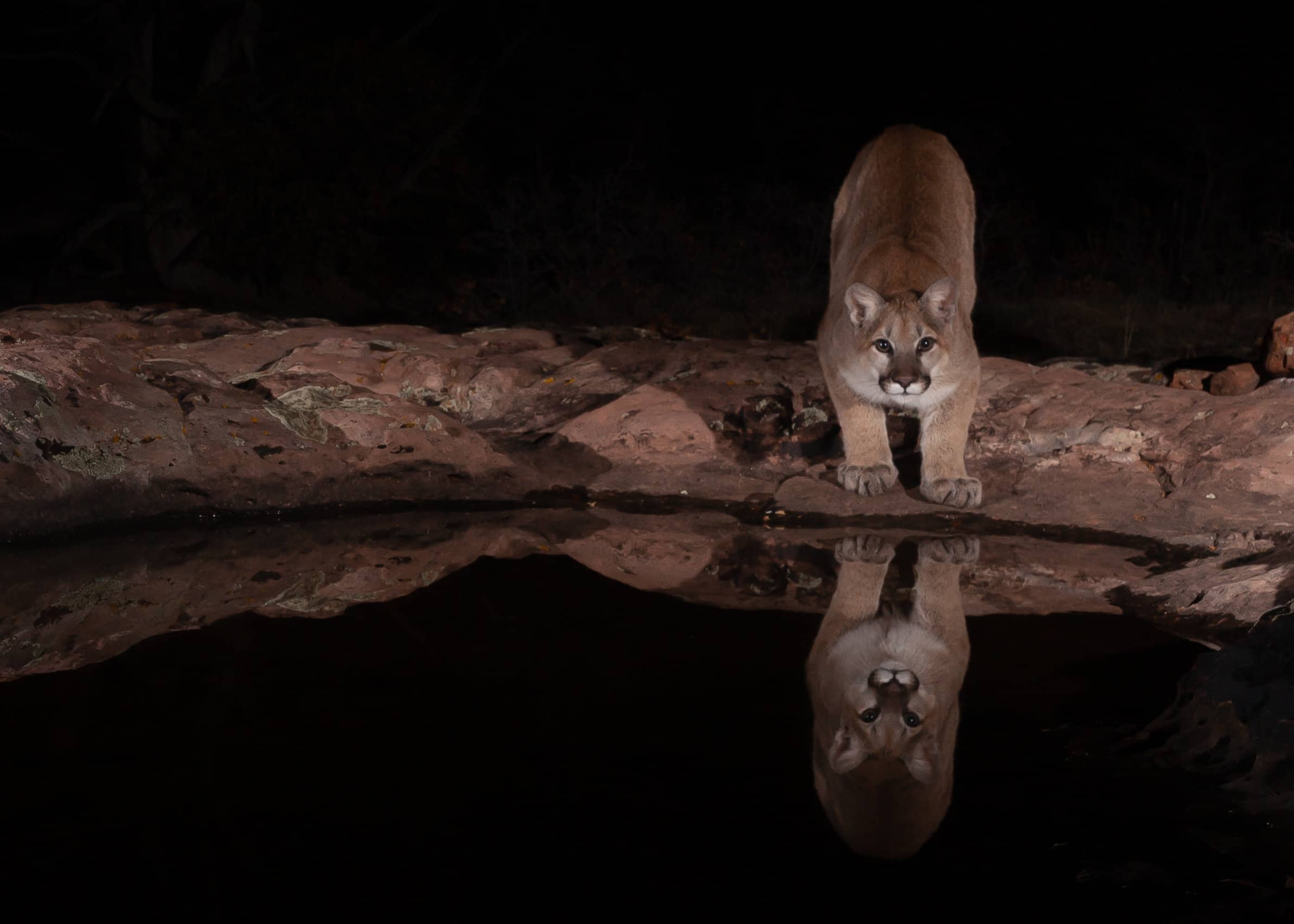
For an animal capable of weighing more than 150 pounds, the mountain lion is remarkably good at remaining unseen. These solitary predators generally avoid direct contact with people, relying on dense vegetation, rocky terrain, and low-light conditions to travel unnoticed. Even in areas near growing communities, cougars can move through ravines, wooded corridors, and undeveloped land without attracting much attention.
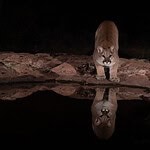
Mountain lions are frequently active around dawn, dusk, and nighttime, although they can hunt or travel during daylight hours as well. Sightings don't automatically mean the animal is threatening people, and attacks remain rare. Still, these are powerful wild predators that deserve plenty of space. Wildlife agencies recommend keeping pets secure, supervising small children in mountain lion habitat, and never running if a cougar approaches. Making yourself appear large, maintaining eye contact, and backing away without turning your back are commonly recommended responses during a close encounter. The best outcome is always one in which the cat and the person go their separate ways.
Despite Their Name, Mountain Lions Don't Actually Need Mountains
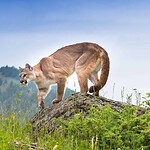
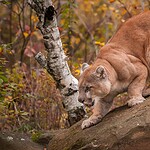
The name "mountain lion" brings to mind a powerful cat standing on a rocky cliff, surveying a wilderness valley below. While these animals certainly thrive in mountainous environments, they aren't limited to high elevations. Mountain lions, also called cougars or pumas, occupy an extraordinary variety of habitats throughout the Americas, including forests, grasslands, deserts, wetlands, and coastal areas.
Their adaptability comes down to a few important requirements. They need adequate prey, suitable cover for stalking and resting, and enough connected habitat to move safely between feeding and breeding areas. That's why a cougar can survive in a dry desert canyon as well as a snowy Canadian forest. Florida panthers, a regional population of the same species, provide another example of how these cats can live in habitats far removed from the mountains most people associate with them. Their tremendous adaptability has helped mountain lions maintain one of the widest natural ranges of any land mammal in the Western Hemisphere.
A Single Male Cougar May Roam Hundreds of Square Miles
A mountain lion's territory can be surprisingly enormous. Unlike animals that live in large social groups, cougars are generally solitary and require extensive areas in which to hunt and find potential mates. Adult males typically occupy larger home ranges than females, and those ranges can vary dramatically depending on how much prey is available and how the landscape is divided.
Colorado Parks and Wildlife reports mountain lion home ranges measuring anywhere from roughly 10 to 370 square miles, with adult males generally using the largest areas. Other regions have documented even larger ranges. A male's territory may overlap those of several females, while overlap between established adult males is generally limited. These distances help explain why mountain lions can occasionally appear far from established populations. Younger animals leaving their mothers may travel long distances in search of suitable territory. For a large male, having enough room to hunt consistently can matter more than simply occupying the largest possible area.
Two Adult Males Can Become Dangerous Rivals
Mountain lions may be solitary animals, but that doesn't mean they live without competition. Adult males can become territorial, marking frequently used locations with scrapes, urine, and other scent signals that communicate their presence. These markings help other cougars recognize which areas are occupied and may reduce the need for direct confrontations.
When territorial boundaries are challenged, however, encounters can become violent. A serious fight between two large male cougars can result in severe injuries or even death. Maintaining access to prey and opportunities to mate is important for an established male, so competition may be especially intense in areas where suitable habitat is limited. Females also maintain home ranges, although their territories and movements often differ from those of males. The solitary lifestyle of these animals helps explain why a region capable of supporting many deer might still have relatively few resident mountain lions. There's only so much room for large, competing predators.
Even the Biggest Mountain Lions Start Out Tiny
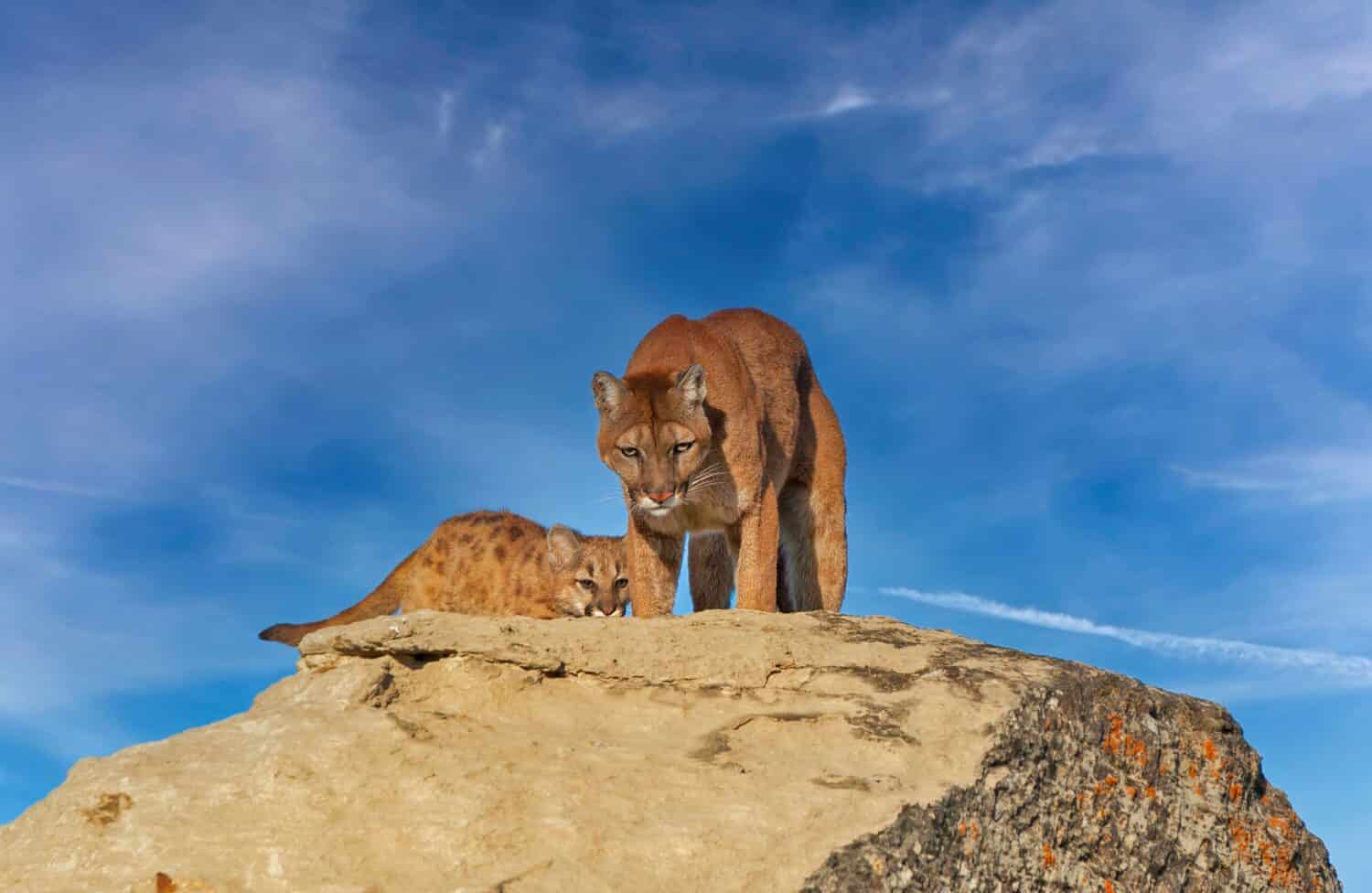
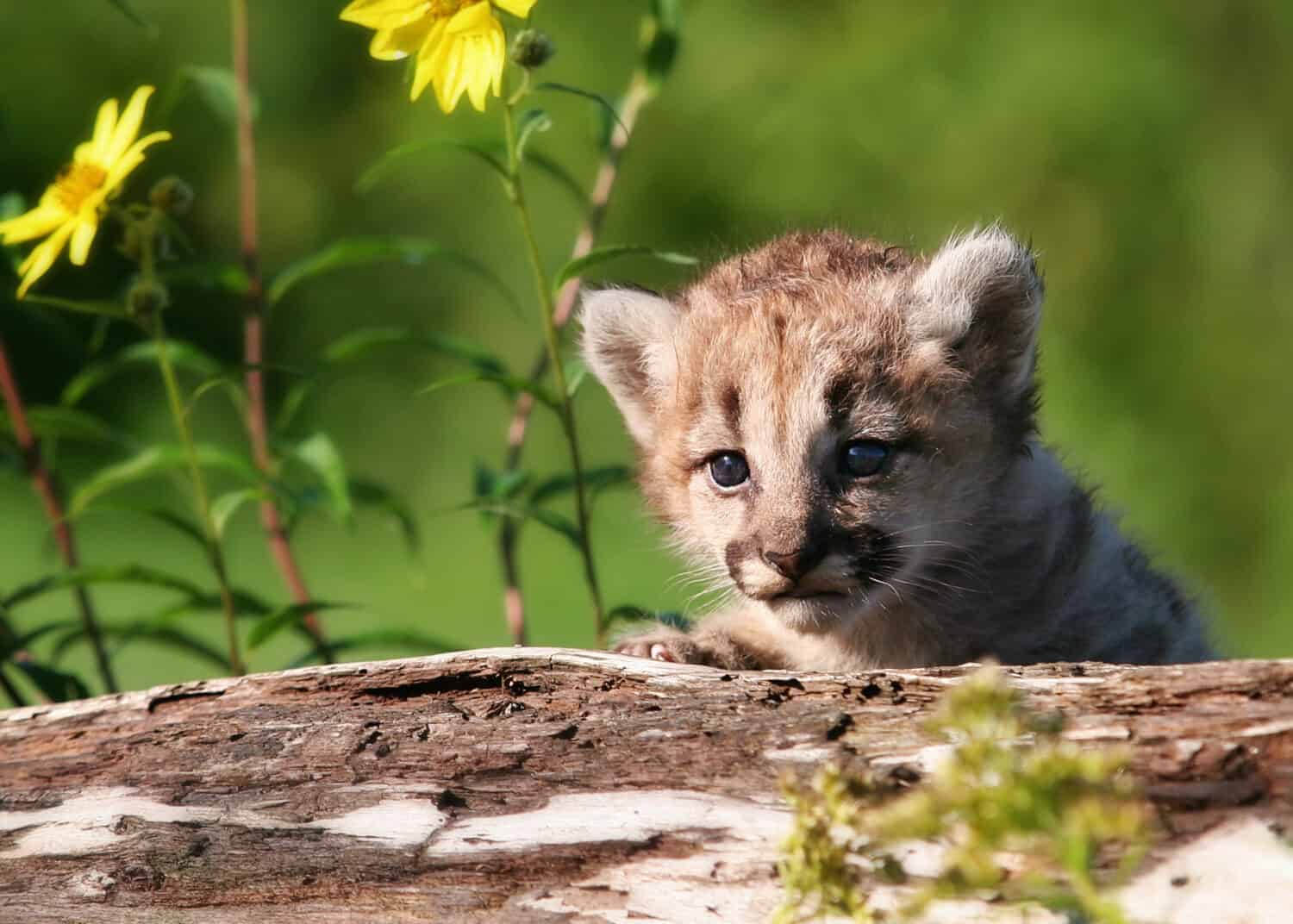
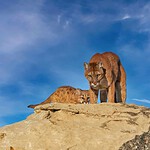
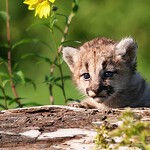
It's hard to believe that an animal capable of growing into a 200-pound predator begins life weighing only about one pound. Mountain lion kittens are born with spotted coats, ringed tails, and blue eyes, giving them a noticeably different appearance from their tawny-colored parents. The spots help provide camouflage while the kittens are young and vulnerable, gradually fading as they grow older.
Female cougars typically give birth in secluded places such as rocky shelters, caves, or dense vegetation. During the earliest weeks, the kittens depend entirely on their mother, who leaves periodically to hunt before returning to nurse and protect them. As they develop, the kittens begin eating meat and eventually accompany their mother to feeding locations. Growth can be rapid, but becoming a successful adult requires considerably more than putting on weight. A young cougar must eventually learn how to travel through its territory, avoid danger, and hunt without assistance. Those skills take many months of practice.
It Can Take Nearly Two Years to Become an Independent Hunter
A young mountain lion doesn't suddenly become an expert hunter the moment it grows large enough to chase prey. Learning to survive requires patience, experience, and considerable guidance from its mother. Young cougars gradually develop their stalking abilities, learning how to approach prey without being detected, choose the right moment to attack, and avoid injuries from animals capable of fighting back.
The National Park Service reports that mountain lion kittens may remain with their mothers for roughly 14 to 24 months, although the timing varies by population and individual. During that period, they become increasingly capable of hunting on their own. Once independent, young cougars face another major challenge: finding a suitable territory. Some travel great distances before establishing a permanent home range, and many do not survive the transition to adulthood. Those that eventually become large, mature males have overcome years of difficult hunting, territorial competition, and environmental challenges. It's one more reason record-sized mountain lions are such exceptional animals.