Evgeniyqw/Shutterstock.com
outdoorsman/Shutterstock.com
Rejean Bedard/iStock.com
Holly S Cannon/Shutterstock.com
critterbiz/Shutterstock.com
Flywheel Publishing
juliazara/Shutterstock.com
Warren Metcalf/Shutterstock.com
Holly Kuchera/Shutterstock.com
Geoffrey Kuchera/Shutterstock.com
Jim Cumming/Shutterstock.com
slowmotiongli/iStock.com
Rejean Bedard/iStock.com
Evgeniyqw/Shutterstock.com
Warren Metcalf/Shutterstock.com
MelaniWright/Shutterstock.com





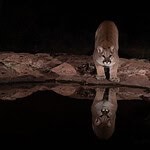
The Largest Mountain Lion Ever Recorded Was Bigger Than Most People Realize
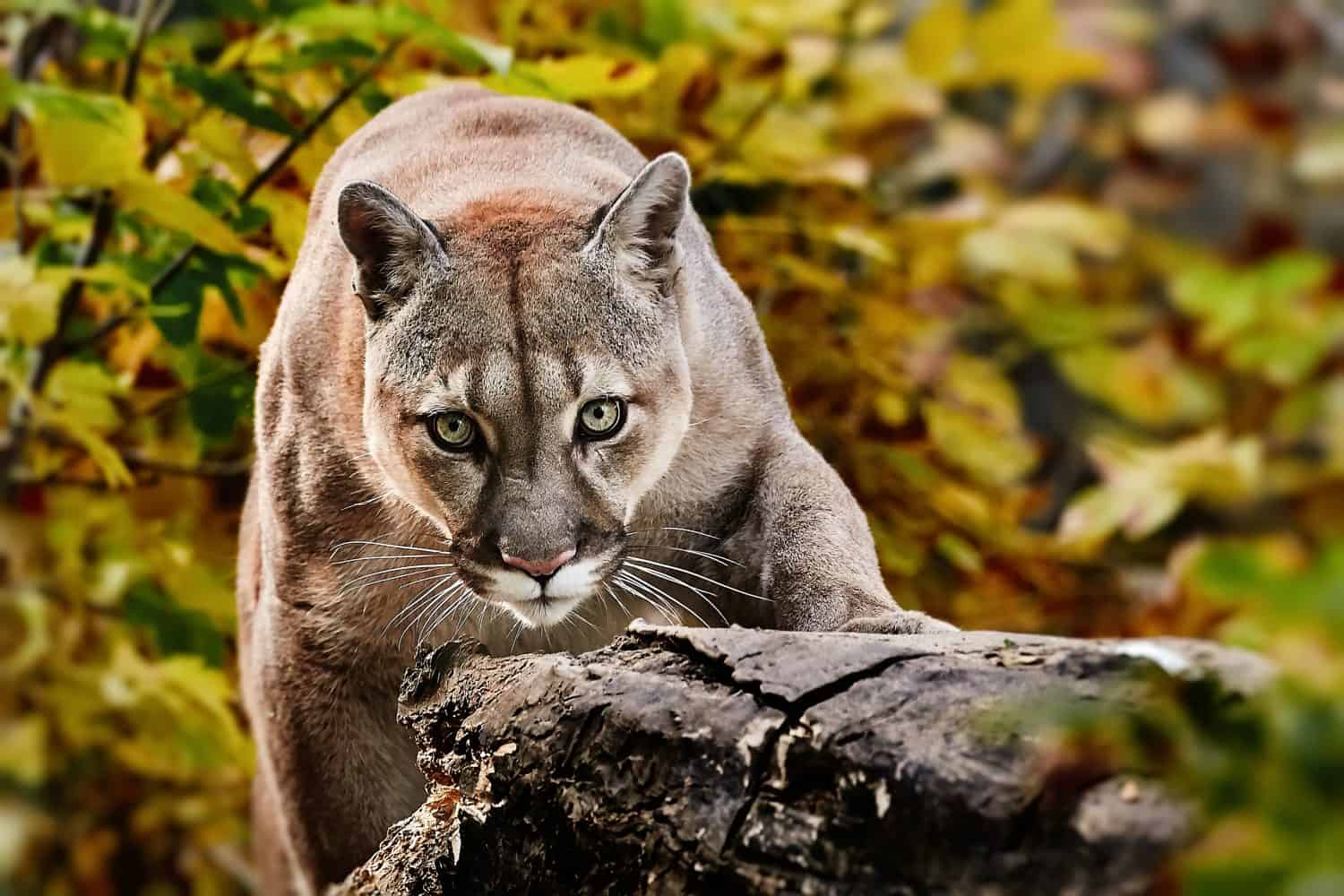
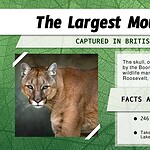
Mountain lions are built for survival. These powerful cats can adapt to forests, mountains, deserts, and scrublands across the Americas, but a few grow far beyond the size most people expect. The largest cougar recognized by the Boone and Crockett Club was taken in British Columbia in 1979, though its record was based on skull measurements rather than a confirmed body weight.
That detail is important because the frequently repeated claim that the cat weighed 276 pounds does not appear in the official record. What is known is still impressive. Here is the story behind the record-setting mountain lion, how large cougars typically grow, and why factors such as sex, age, prey supply, habitat, and genetics can produce exceptionally massive animals.
Mountain Lions Can Adapt to Almost Any Landscape
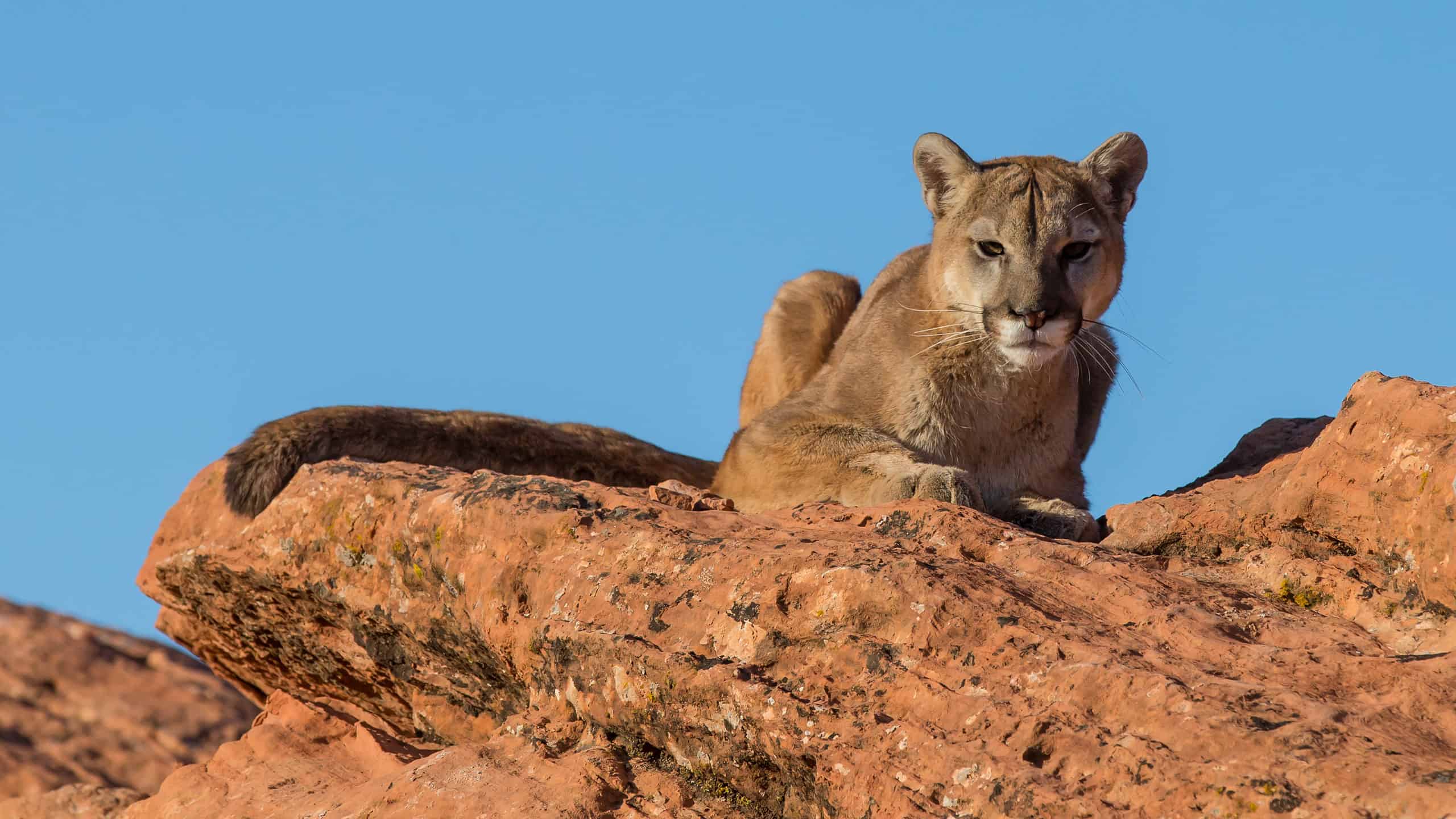
Mountain lions have one of the widest ranges of any land mammal in the Western Hemisphere. They can live in conifer forests, desert canyons, coastal brush, grasslands, wetlands, and even fragmented habitat near expanding cities. Rather than requiring a particular climate or elevation, they primarily need cover for stalking, reliable prey, and enough space to move.
These cats remain active throughout the year, changing their routes and hunting schedules as weather, prey, and human activity shift. That adaptability helps explain how the species established a range extending from western Canada to the southern reaches of South America.
Most Mountain Lions Want Nothing to Do With People
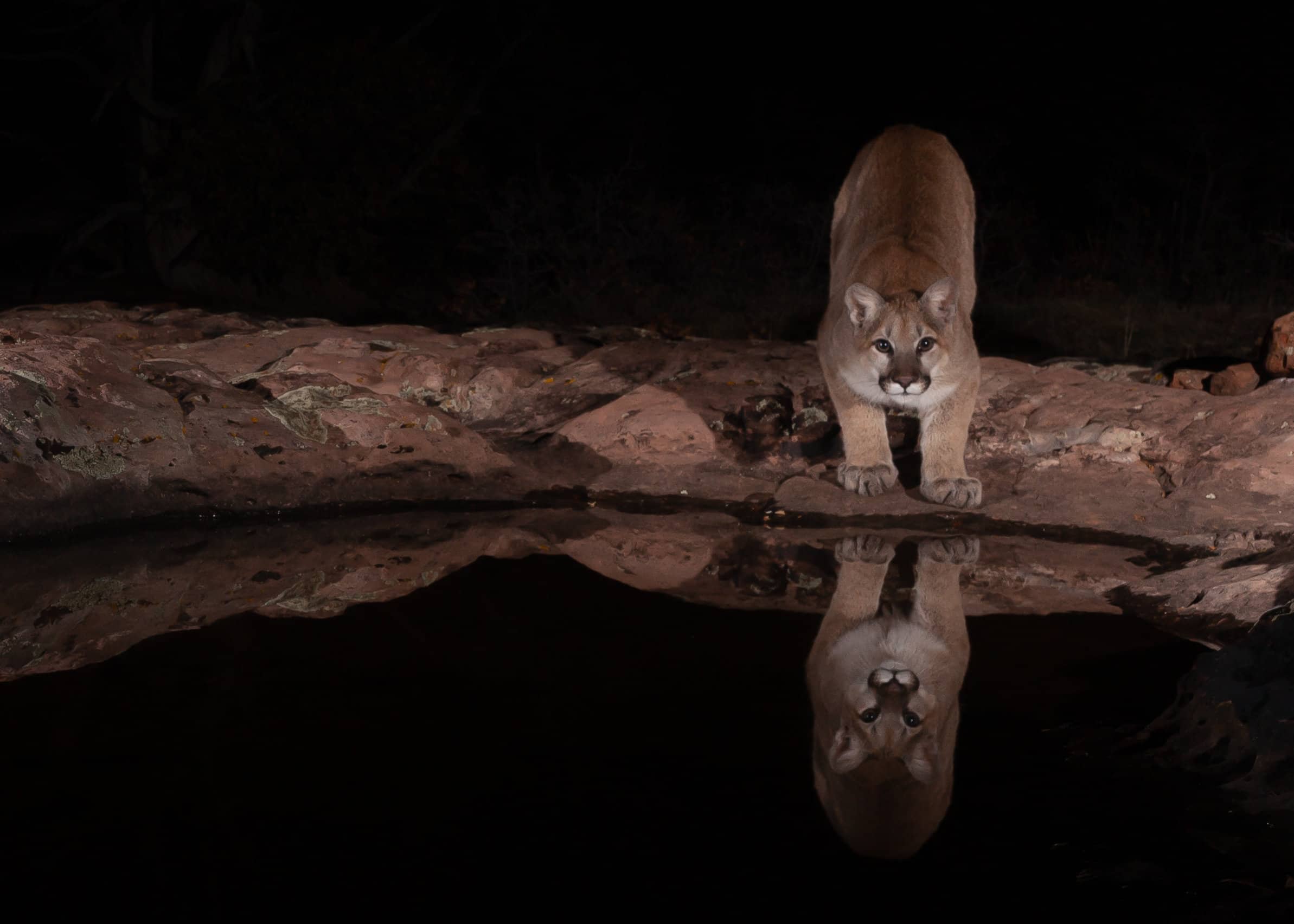
Despite their strength and hunting ability, mountain lions are elusive animals that generally avoid direct contact with humans. They can travel at any hour, but sightings are more common around dawn, dusk, and nighttime, when deer are active and fewer people are outside. Some even live near suburbs for years without being noticed, using brush, ravines, and darkness as cover.
Attacks on humans remain rare, although pets and livestock can attract a cougar’s attention. Wildlife agencies recommend keeping children close, securing animals at night, giving any mountain lion an escape route, and never running during a close encounter.
How Big Is a Typical Mountain Lion?
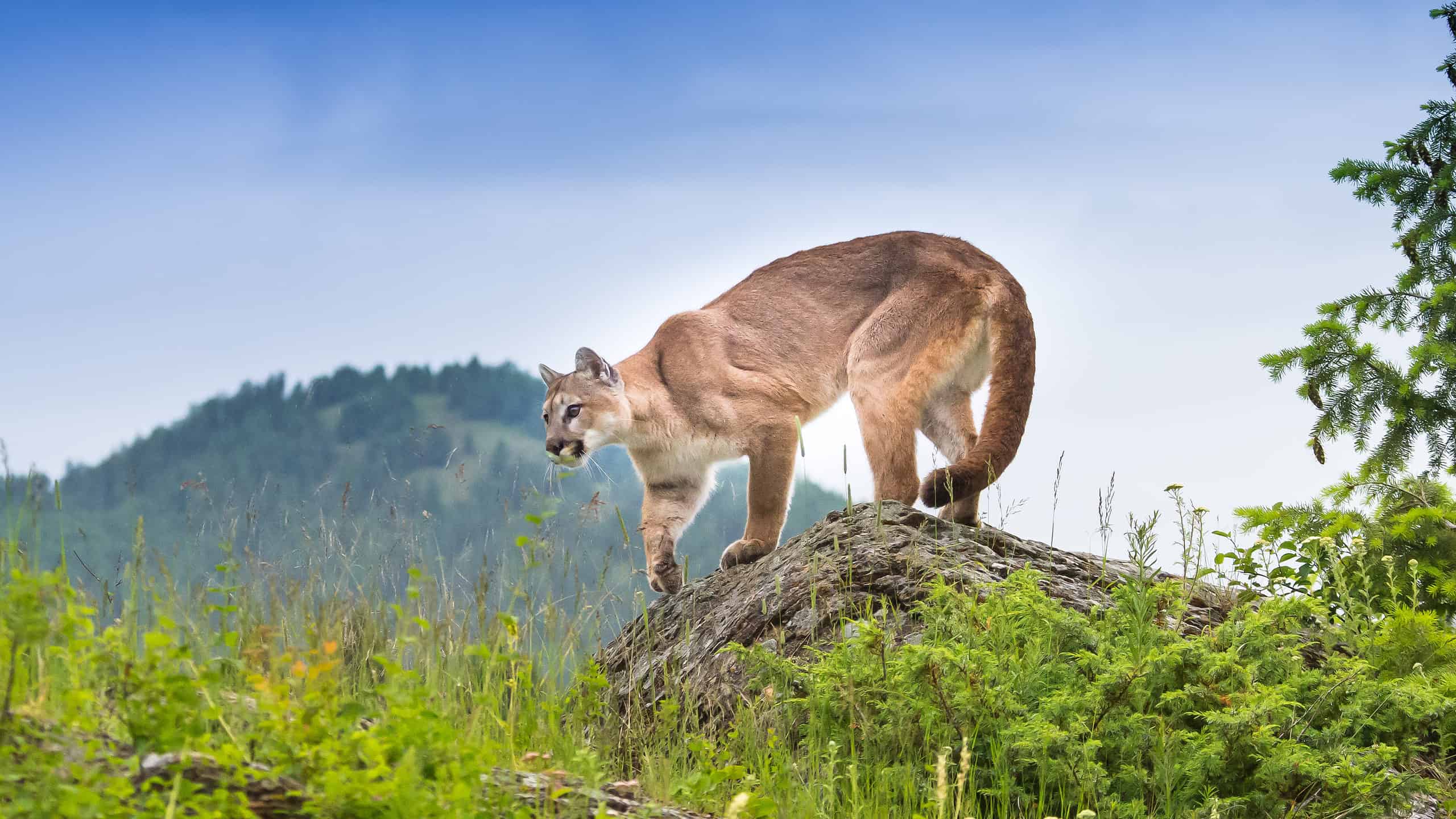
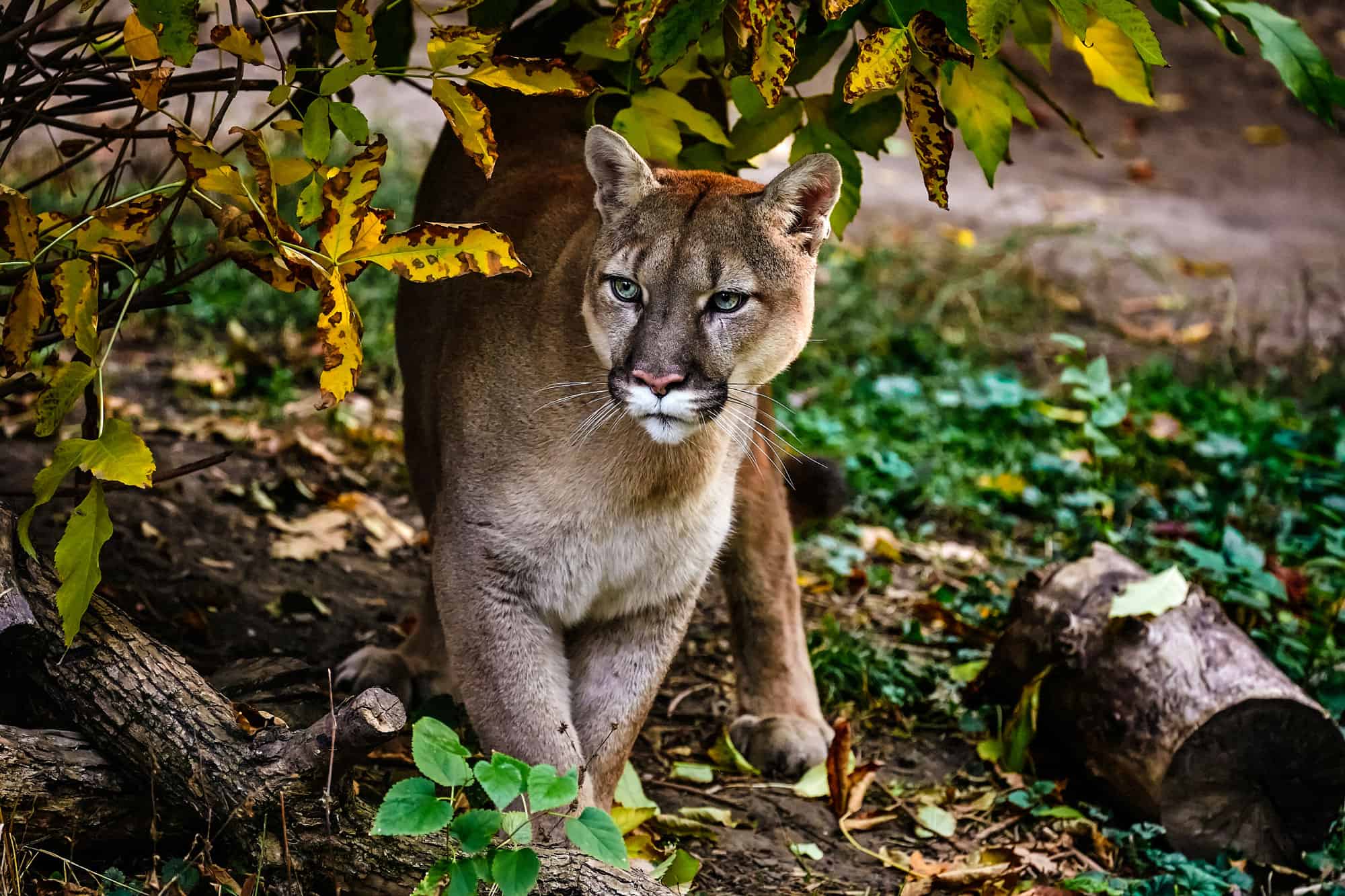
Mountain lion size varies by sex, age, region, and food availability. Adult males commonly weigh between 130 and 180 pounds, although exceptional cats can exceed 200 pounds. Females are considerably smaller and generally weigh between 65 and 120 pounds. A large male may measure roughly eight feet from nose to tail, with the tail accounting for nearly one-third of that length.
That makes the mountain lion one of the largest cats in the Americas, although jaguars can be heavier. Reports of unusually enormous cougars deserve scrutiny because estimated weights, stretched hides, body lengths, and official skull measurements are not interchangeable records.
Mountain Lion Kittens Grow Surprisingly Fast
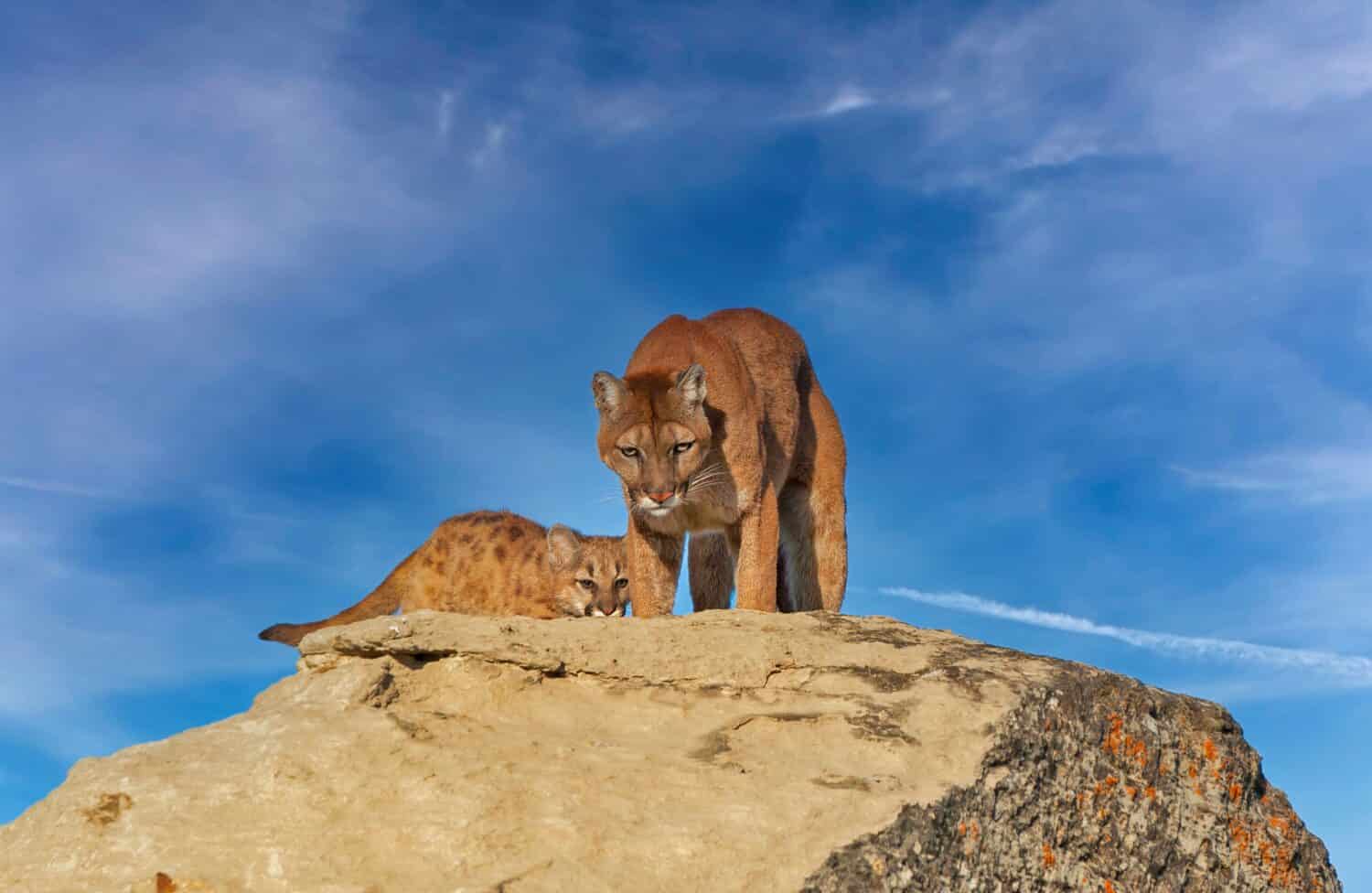
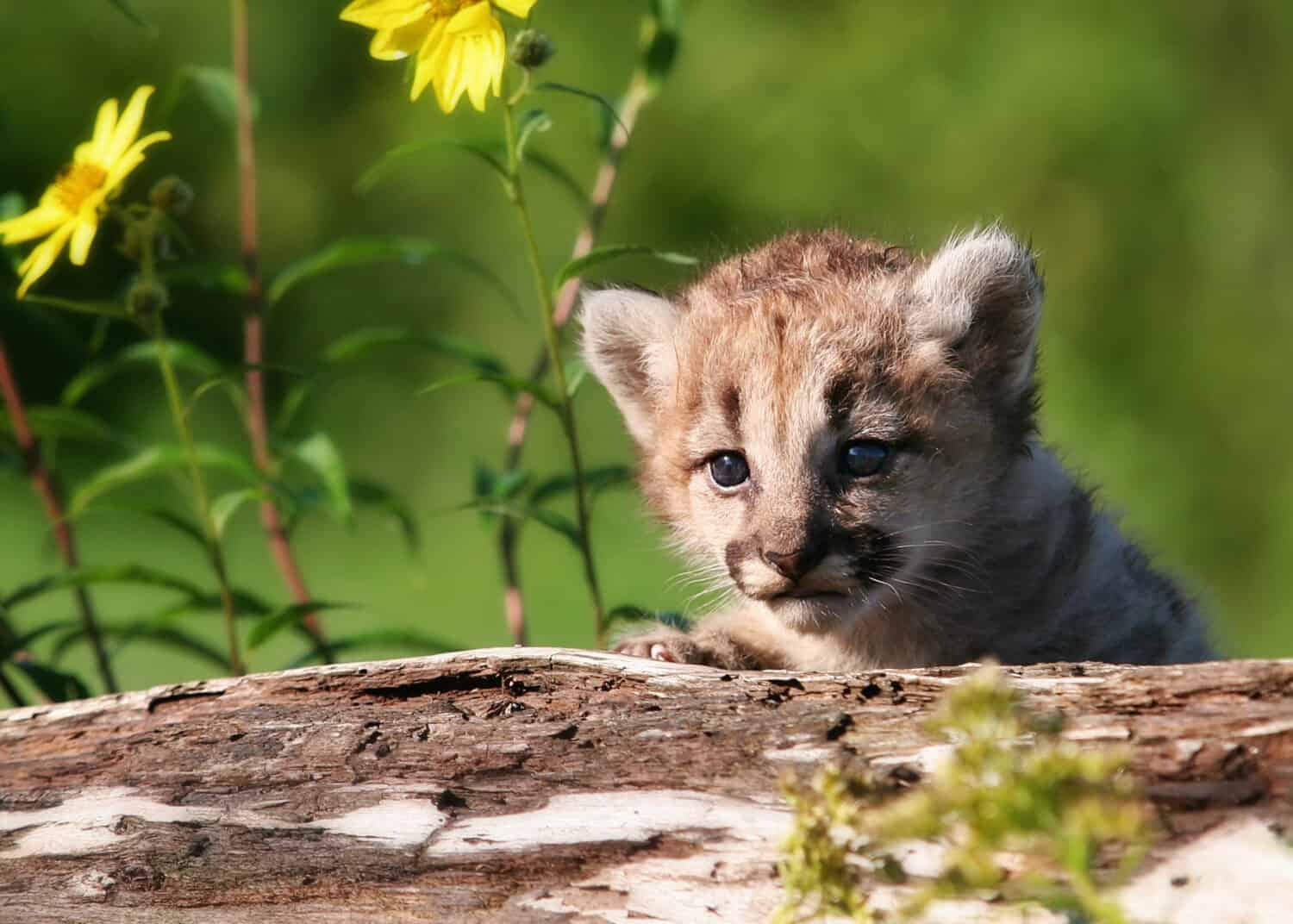
Mountain lion kittens weigh only about one pound at birth and are covered in dark spots with rings around their tails. They grow quickly on their mother’s milk before gradually transitioning to meat. Weaning may begin at around six weeks, but cubs continue depending on their mother for food, protection, and instruction for many months.
By six months, a young cougar may weigh around 40 pounds and begin taking a more active role during hunts. Growth rates vary considerably, however, and neither males nor females reach their full adult size or become independent during their first year.
The Record Was Based on Skull Size, Not Weight
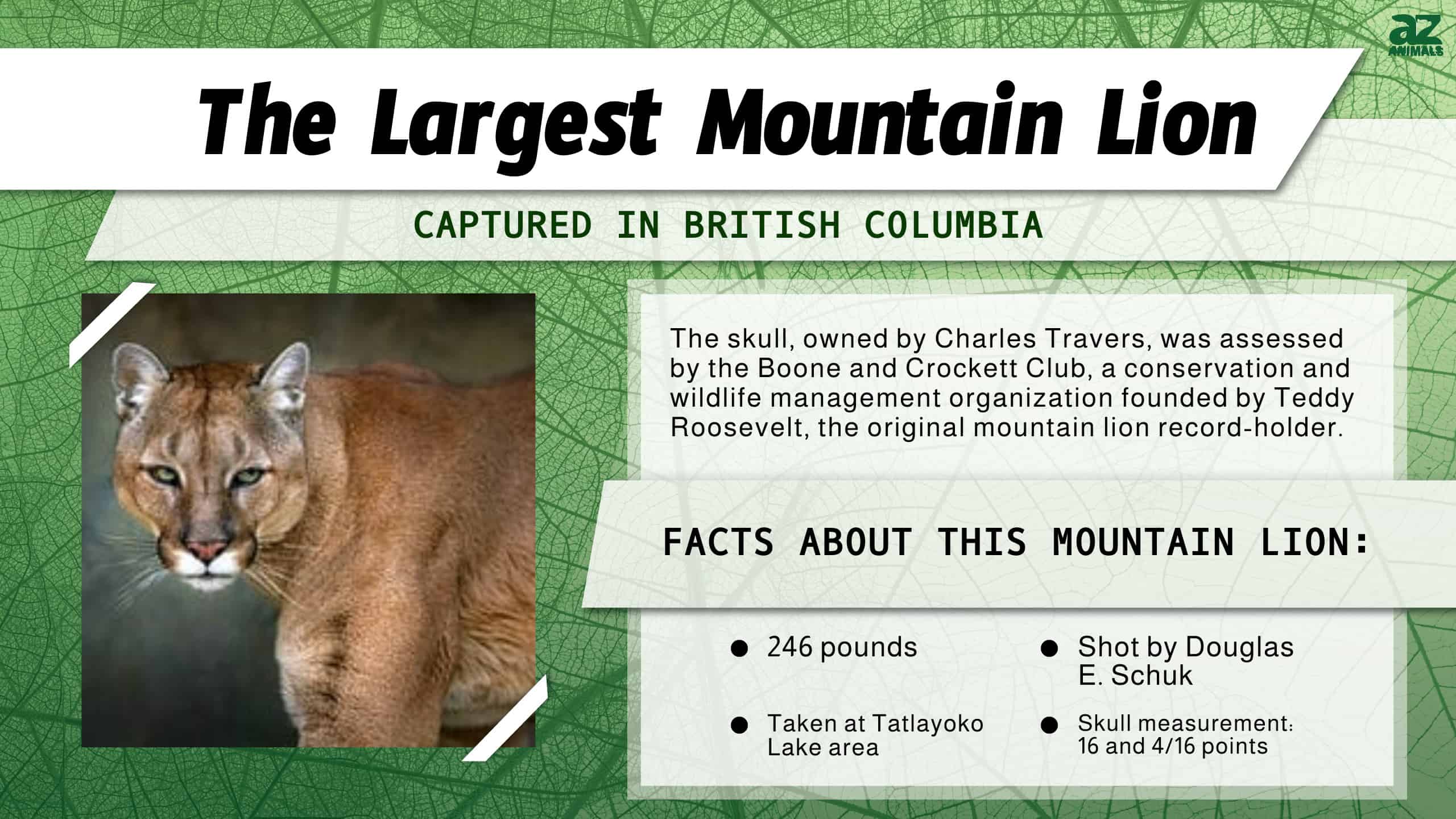
The Boone and Crockett Club’s world-record cougar was taken near Tatlayoko Lake in British Columbia in 1979 by Douglas E. Schuk. Its skull measured 9 9/16 inches long and 6 11/16 inches wide, giving it a combined score of 16 4/16 points. That remains the club’s highest score for the species.
Boone and Crockett ranks mountain lions by skull dimensions rather than body weight or total length. Its official record does not include a verified field weight for Schuk’s cougar. The widely repeated claim that it weighed 276 pounds may be compelling, but it should not be treated as confirmed. The documented record belongs to the animal’s exceptionally large skull.
How Douglas Schuk Found the Record Cougar
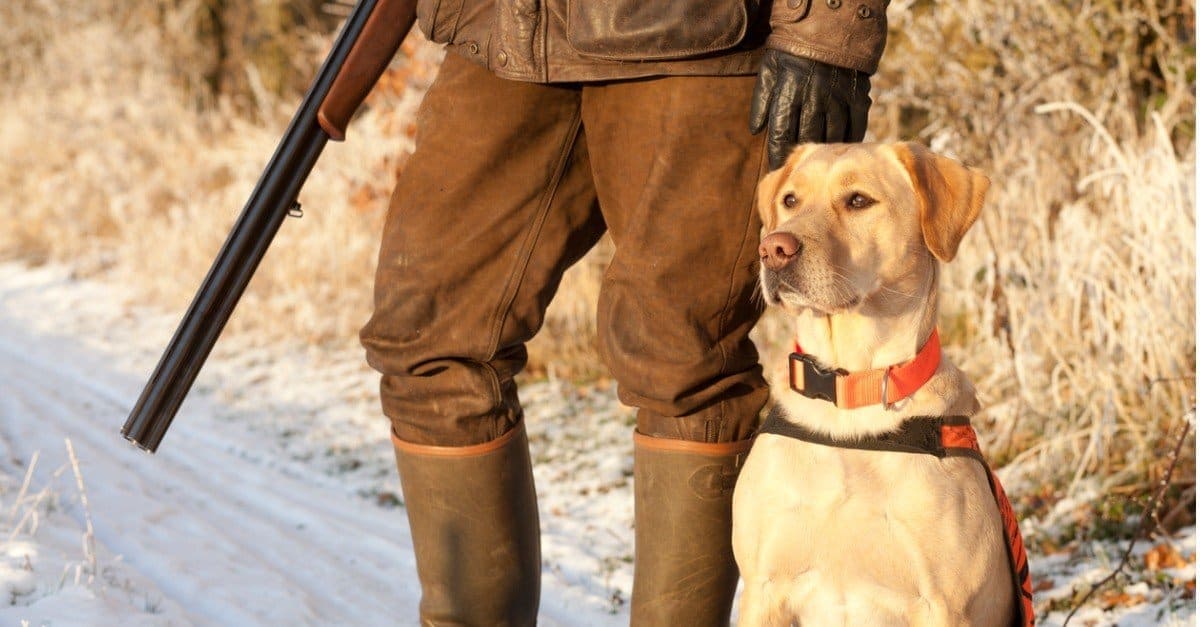
The encounter took place during deep winter near British Columbia’s Tatlayoko Lake. According to Boone and Crockett, Schuk’s hounds tracked the large male through approximately 32 inches of snow. Late in the afternoon, a change in the dogs’ voices and the sound of the cougar hissing indicated that they had finally brought it to bay.
A cornered adult male can severely injure or kill a hunting dog with a single swipe. Schuk moved into position and shot the cougar with a .308 rifle. Retellings sometimes describe the moment as a dramatic last-second rescue, but the official account presents it as a planned hunt in which Schuk acted quickly to protect his hounds.
Several Factors Determine a Cougar’s Size
There is no single explanation for why one mountain lion grows larger than another. Sex is the most obvious factor because adult males are substantially heavier than females. Age also matters, since mature cats have had more time to develop muscle and become proficient at hunting large prey. Genetics can influence frame and skull size, while injuries, parasites, illness, and competition may restrict growth.
Food availability is just as important. A mountain lion with regular access to deer, elk, and other large prey has a better chance of maintaining a heavy, muscular body than one living where food is scarce. Even so, a cold climate or prey-rich habitat does not guarantee a record-sized cat.
Despite the Name, They Do Not Need Mountains
Mountain lions are strongly associated with cliffs and rugged high country, but they occupy many landscapes. They can live in coastal areas, Florida wetlands, deserts, forests, foothills, and mountain systems above 10,000 feet. The most useful habitat provides plentiful prey along with thick vegetation, broken terrain, or rocky features that allow the cats to approach without being seen.
Deer are their most important prey across much of North America, so areas with healthy deer populations can often support cougars. Roads and development remain serious obstacles because mountain lions need connected habitat for hunting, dispersing, and finding mates.
Adult Males May Roam Hundreds of Square Miles
Male mountain lions generally occupy much larger home ranges than females. The exact territory depends on terrain, prey density, nearby cougars, and human development. Colorado wildlife officials have reported ranges extending from about 10 to 370 square miles, while males in some other regions have traveled across even larger areas.
Females raising kittens usually remain within smaller ranges. A male’s territory may overlap the ranges of several females, but it usually has limited overlap with those of other adult males. A huge range does not necessarily produce a larger cat. It often means the cougar must travel farther to find food and breeding opportunities.
Northern Cougars Often Grow Larger
Mountain lions in temperate and northern regions tend to be larger than many of their tropical relatives. Research suggests that northern cats also rely more heavily on large prey, while tropical populations often consume a wider variety of smaller animals. A larger body retains heat more efficiently, but climate is only part of the explanation.
Prey size, genetics, competition, and habitat quality are closely connected to regional differences. A male from Canada may therefore have a better chance of reaching an exceptional weight than one living near the tropics. However, considerable variation exists within every population, and cold weather alone cannot produce a record holder.
Mountain Lions Are Highly Territorial
Mountain lions are solitary animals that organize their lives around large home ranges. They mark frequently used areas with scent, scrapes, urine, and other visual signals. Adult males typically avoid one another, although serious fights can occur when boundaries or access to females are challenged. Those encounters may cause severe injuries, but overlapping ranges do not always lead to combat.
Females raise their kittens alone and choose secluded resting or den sites within their territories. This territorial system limits how many cougars can occupy one region and helps explain why young males sometimes travel extraordinary distances after leaving their mothers.
What Mountain Lions Hunt
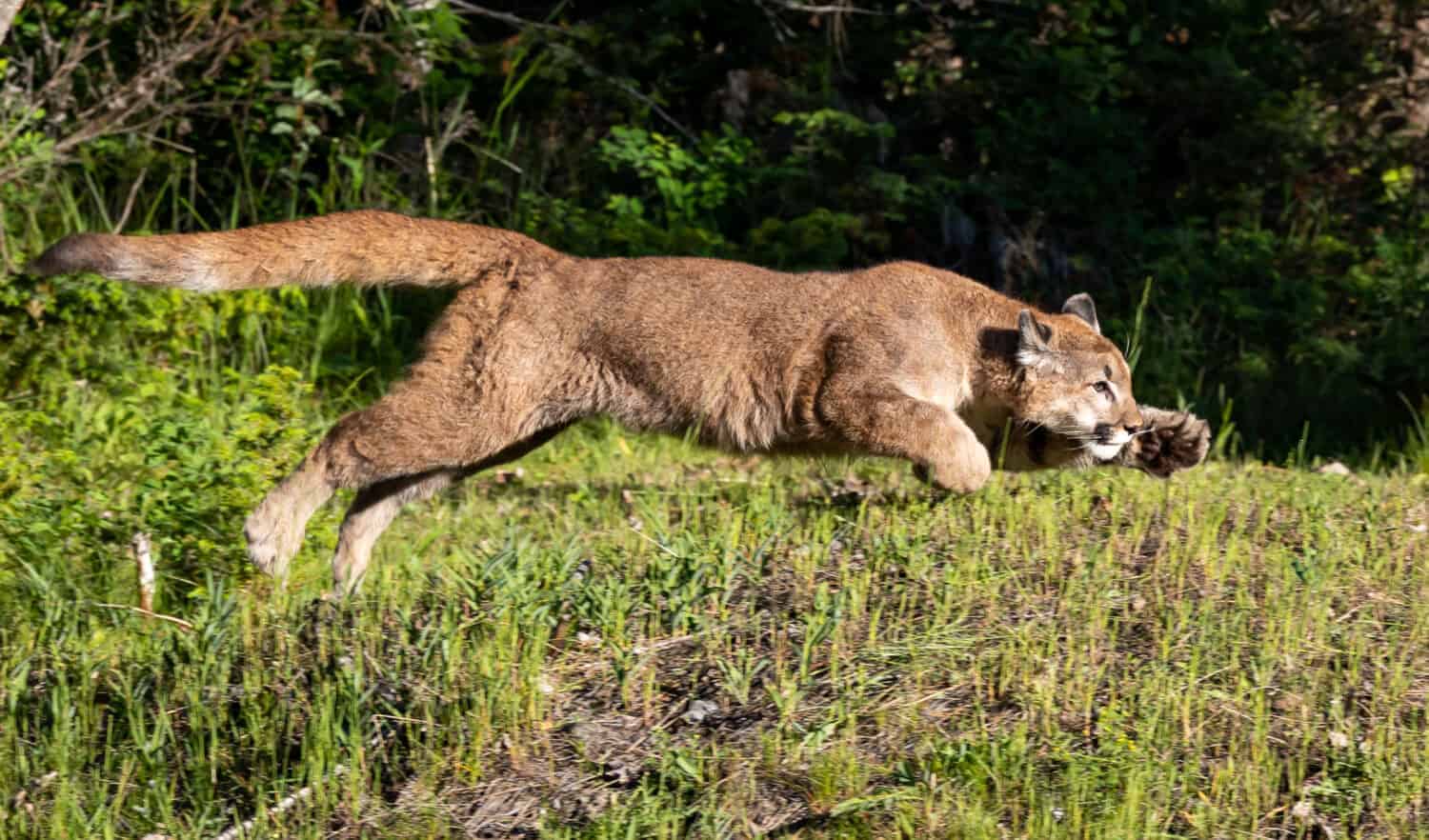
Mountain lions are ambush predators that usually hunt alone. They use vegetation, terrain, and darkness to approach before accelerating over a short distance. Deer are their primary prey across much of North America, but adult cougars can also take elk, moose calves, wild pigs, mountain goats, and bighorn sheep.
Rabbits, raccoons, porcupines, coyotes, and rodents provide additional food between larger kills. In Washington’s Cascade Mountains, wildlife officials estimate that a large male may kill a deer or elk every nine to 12 days. That rate varies by region, season, prey size, and whether a female is feeding kittens.
Cougars Hide Their Kills and Return Later
A mountain lion usually cannot consume an entire deer or elk in one meal. After feeding, it may drag the carcass into a secluded area and cover it with leaves, grass, sticks, soil, or pine needles. Known as caching, this behavior helps hide the sight and scent of the kill from scavengers.
The cougar may remain nearby and return for several meals over three or four days. Temperature, competition, and the size of the animal all affect how long the food lasts. Caching allows a mountain lion to gain as much energy as possible from a successful hunt, which is important because pursuing large prey requires time and carries a serious risk of injury.
Age and Genetics Set the Potential for Size
Genetics and age help determine how large a mountain lion can become, but nutrition and survival decide whether it reaches that potential. Cubs begin with their mother’s milk, gradually sample meat, and eventually follow her to kills. Favorable genetics may produce a broader skull or heavier frame, but an injury, food shortage, or the early loss of a mother can limit development.
Most young cougars remain with their mother for approximately 18 to 24 months before leaving to establish their own ranges. That extended learning period gives them time to develop the strength, coordination, and judgment required to survive alone. The largest cats are the product of full maturity, not one unusually rapid growth spurt.
Young Cougars Spend Months Learning to Hunt
Young mountain lions do not become expert deer hunters overnight. National Park Service guidance indicates that cubs may begin accompanying their mother on hunts at a young age and can show considerable hunting ability by around six months. Even then, they remain dependent on her and are more likely to practice on rabbits, rodents, skunks, and other manageable prey.
During the following year, juveniles refine their ability to stalk, select cover, judge distances, and deliver an effective bite. Only after gaining enough size and experience can they consistently pursue deer-sized animals. Moose and adult elk remain challenging prey even for powerful, fully grown mountain lions.