
Fabien Monteil/Shutterstock.com
mel-nik/iStock / Getty Images Plus via Getty Images
Mark A. McCaffrey/Shutterstock.com

wwwarjag/Shutterstock.com
stammphoto/iStock.com

Natalya Osipova/Shutterstock.com
FedBul/Shutterstock.com

Krugloff/iStock.com
FedBul/Shutterstock.com
Keith Publicover/Shutterstock.com

Ilya Marchenko/Shutterstock.com
Sergey Goruppa/Shutterstock.com

abadonian/iStock.com
Kevin Cass/Shutterstock.com

FedBul/iStock.com

VvoeVale/iStock.com
Fabien Monteil/Shutterstock.com


15 Monster Fish Lurking in the Great Lakes
The Great Lakes are so enormous that calling them lakes almost feels unfair. Together, Superior, Michigan, Huron, Erie, and Ontario hold about 21% of the world's surface freshwater. Beneath all that water is an ecosystem big enough to support some seriously large fish.
Everyone knows about perch and walleye, but those familiar catches share the water with lake trout pushing 60 pounds, muskies nearly as heavy, and lake sturgeon that can weigh more than a grown man. Some are native species that have lived here for thousands of years. Others arrived through intentional stockings or accidental introductions and managed to make themselves right at home.
For this roundup, 24/7 Tempo looked at fisheries information and current fishing records from the Michigan Department of Natural Resources, along with federal Great Lakes data. Because comparing an average fish with somebody else's all-time monster makes for a pretty lousy ranking, the list uses Michigan's current state-record weights as a consistent benchmark for species found in the Great Lakes. Here are 15 of the biggest fish swimming beneath the surface, starting with the comparatively little guys and working our way up to something that looks like it belongs in another geological era.
Where Are the Great Lakes?
The Great Lakes are five enormous freshwater lakes straddling the United States and Canada: Lake Superior, Lake Michigan, Lake Huron, Lake Erie, and Lake Ontario. Together, they contain roughly 21% of the world's surface freshwater and about 84% of North America's.
The system touches eight U.S. states: Minnesota, Wisconsin, Illinois, Indiana, Michigan, Ohio, Pennsylvania, and New York. On the Canadian side, the Great Lakes border Ontario. The lakes are linked by rivers, straits, and other connecting waterways before ultimately draining through the St. Lawrence River toward the Atlantic Ocean.
More than 30 million people live in the Great Lakes basin, but humans are hardly the only residents. The lakes support an enormous aquatic ecosystem, including everything from tiny forage fish to the lake sturgeon, the largest fish still living in the Great Lakes.
15. Pink Salmon: Record 8.56 Pounds
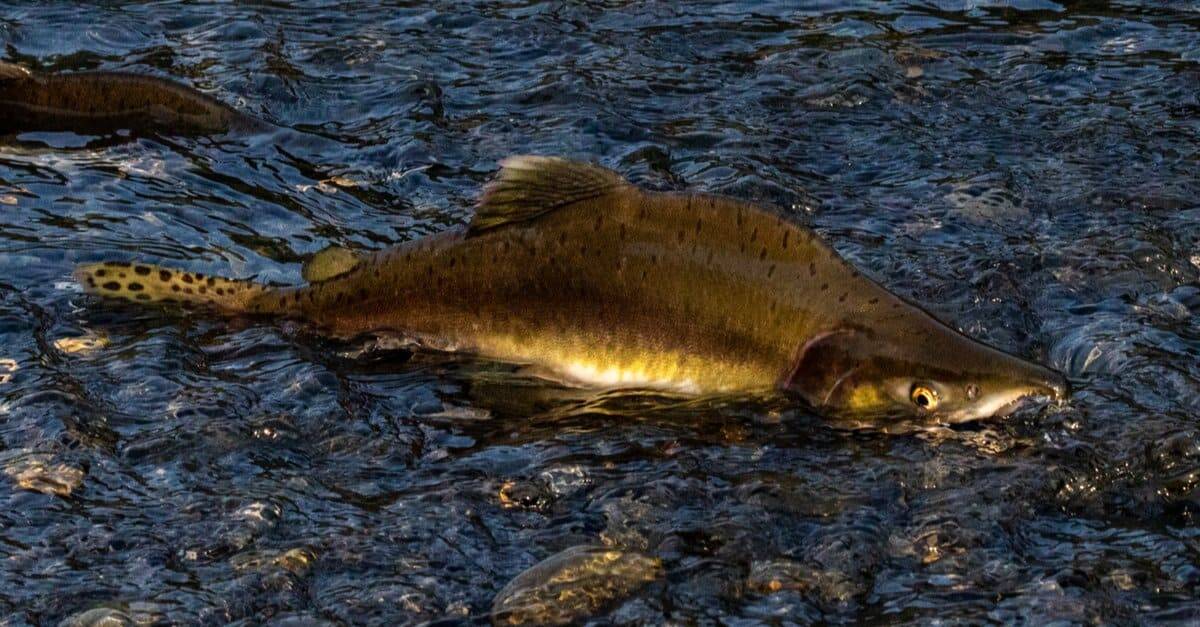
Pink salmon are native to the Pacific but wound up in the Great Lakes after an accidental introduction during the 1950s. Instead of quietly disappearing, they established a self-sustaining population. Today, they are found primarily in Lake Superior and northern portions of lakes Michigan and Huron.
They are not giants by salmon standards, but Michigan's current state record is 8.56 pounds. Most Great Lakes anglers encounter them during spawning runs into tributaries, when males develop the pronounced hump that gives the species its other common name, humpback salmon.
14. Brook Trout: Record 9.5 Pounds
Brook trout are native to the Great Lakes region and serve as Michigan's official state fish. Most stream-dwelling brook trout are relatively small, commonly reaching around 7 to 9 inches, but the Great Lakes form known as a coaster can get much larger.
Michigan DNR says Great Lakes brook trout can reach about 25 inches and 10 pounds. The state's current record is 9.5 pounds, making a trophy coaster a very different animal from the little brookies anglers pull from cold inland streams.
13. Largemouth Bass: Record 11.94 Pounds
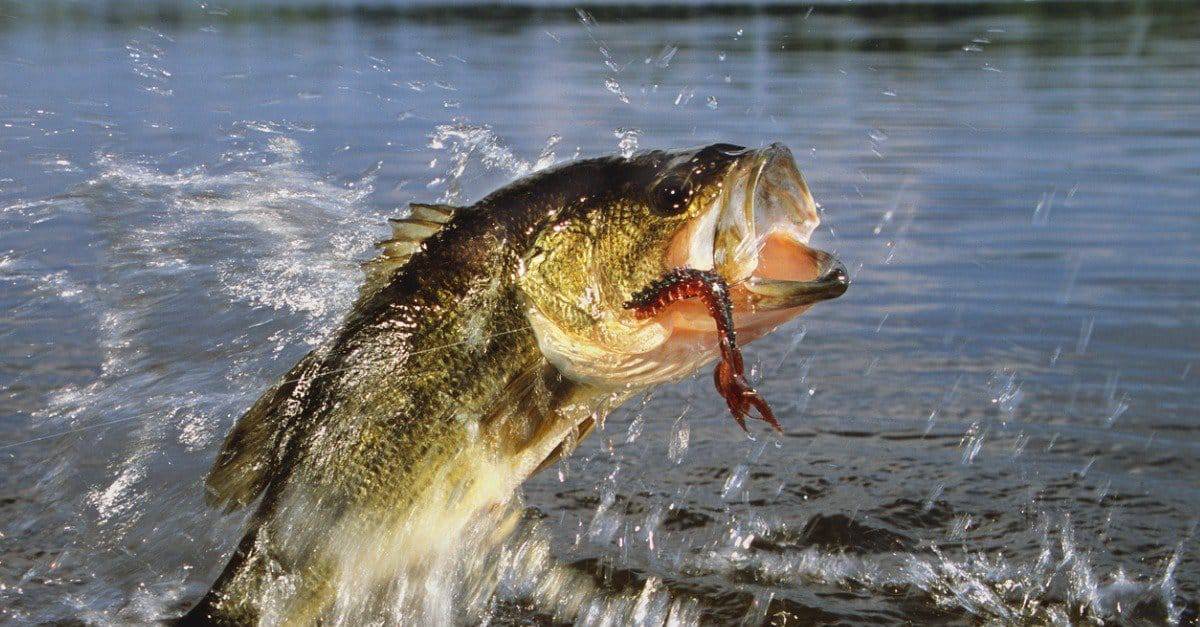
Largemouth bass hardly need an introduction to American anglers. These ambush predators favor warmer, shallower water with vegetation or other cover, putting them in a very different Great Lakes neighborhood from deep-water species such as lake trout.
The original version of this list had largemouth bass averaging more than 12 pounds, which would make every weekend bass fisherman considerably happier than reality allows. Michigan's actual state record is 11.94 pounds. Most are much smaller, but trophy fish can still reach impressive sizes.
12. Lake Whitefish: Record 14.28 Pounds
Lake whitefish have been one of the backbone species of the Great Lakes commercial fishery for generations. They usually spend the warmer months in deep, cold water, sometimes at depths of 200 feet or more, feeding on insects, freshwater shrimp, small fish, eggs, and organisms along the lake bottom.
The species is capable of topping 20 pounds, although fish that large are much less common today. Michigan's current state record is 14.28 pounds.
11. Walleye: Record 17.19 Pounds
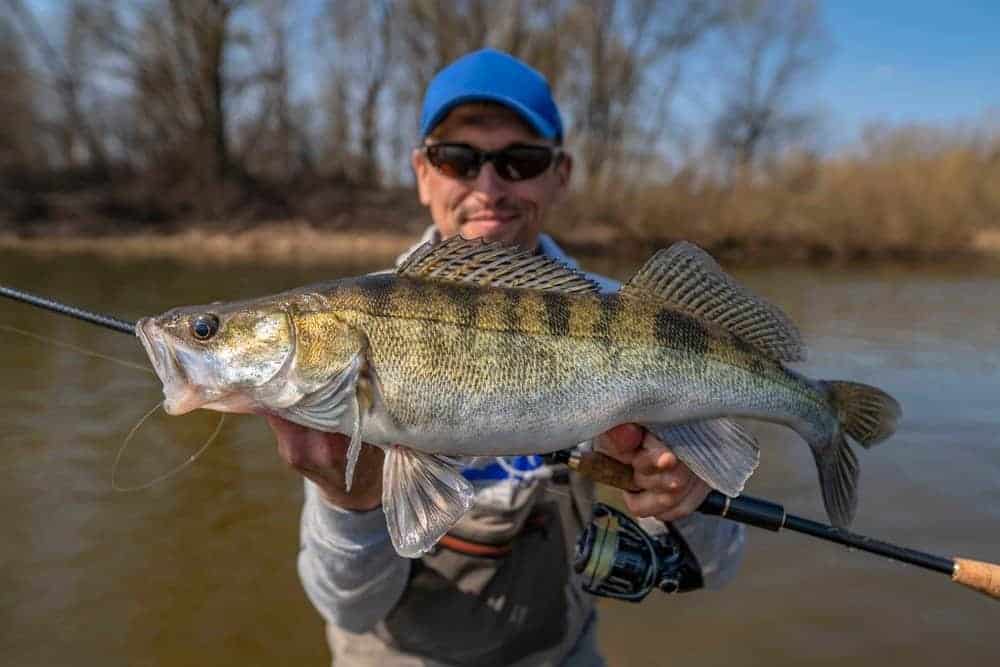
Walleye are the largest members of the perch family and among the Great Lakes' most celebrated game fish. The average walleye caught by Michigan anglers weighs only around 1 to 3 pounds, so the true giants are very much the exception.
Michigan's record walleye weighed 17.19 pounds and stretched 35 inches. Their large, light-sensitive eyes help them hunt effectively during low-light periods, which is one reason dawn, dusk, and nighttime can be productive times to find them.
10. Burbot: Record 18.25 Pounds
Burbot look like somebody crossed a cod with an eel and then forgot to make it pretty. They are actually the only freshwater members of the cod family in North America and thrive in cold, deep water.
They often spend daylight hours near the bottom and become more active after dark. Michigan's current record burbot weighs 18.25 pounds. Their appearance may not win many beauty contests, but burbot are absolutely edible and are prized as table fare by plenty of anglers.
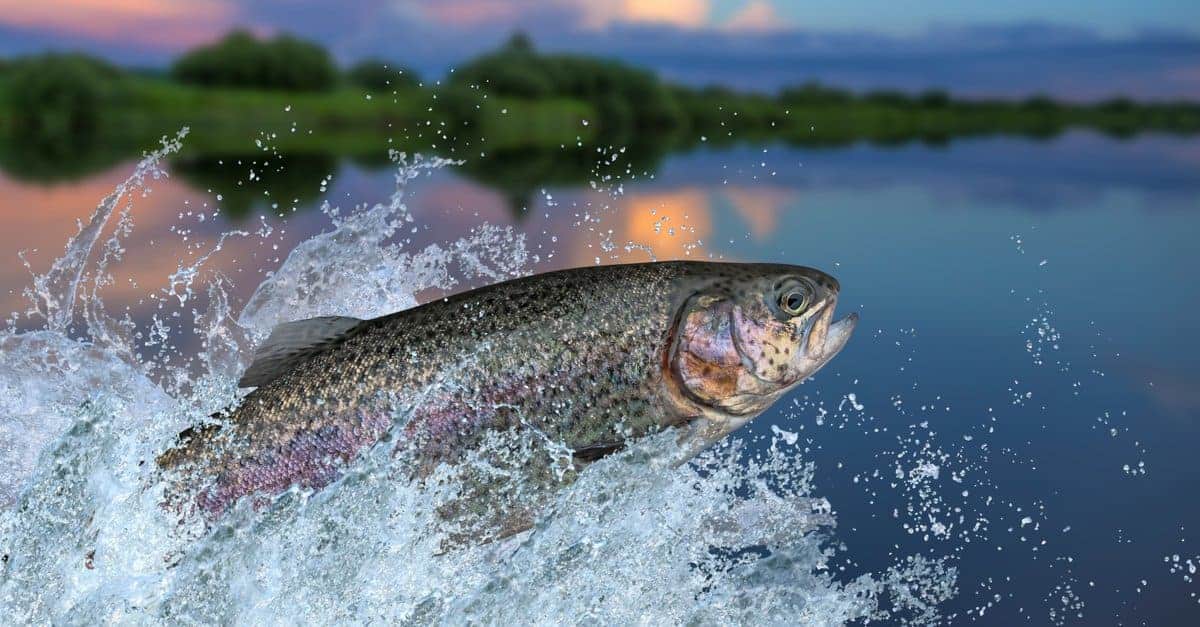
9. Rainbow Trout and Steelhead: Record 26.5 Pounds
Rainbow trout and steelhead are the same species, Oncorhynchus mykiss, but the names usually describe different lifestyles. Rainbow trout remain in freshwater, while steelhead are migratory fish that spend much of their lives in the Great Lakes before returning to rivers and streams.
The species is native to the Pacific watershed and was introduced to Michigan in the 19th century. Michigan's current rainbow trout and steelhead record stands at 26.5 pounds.
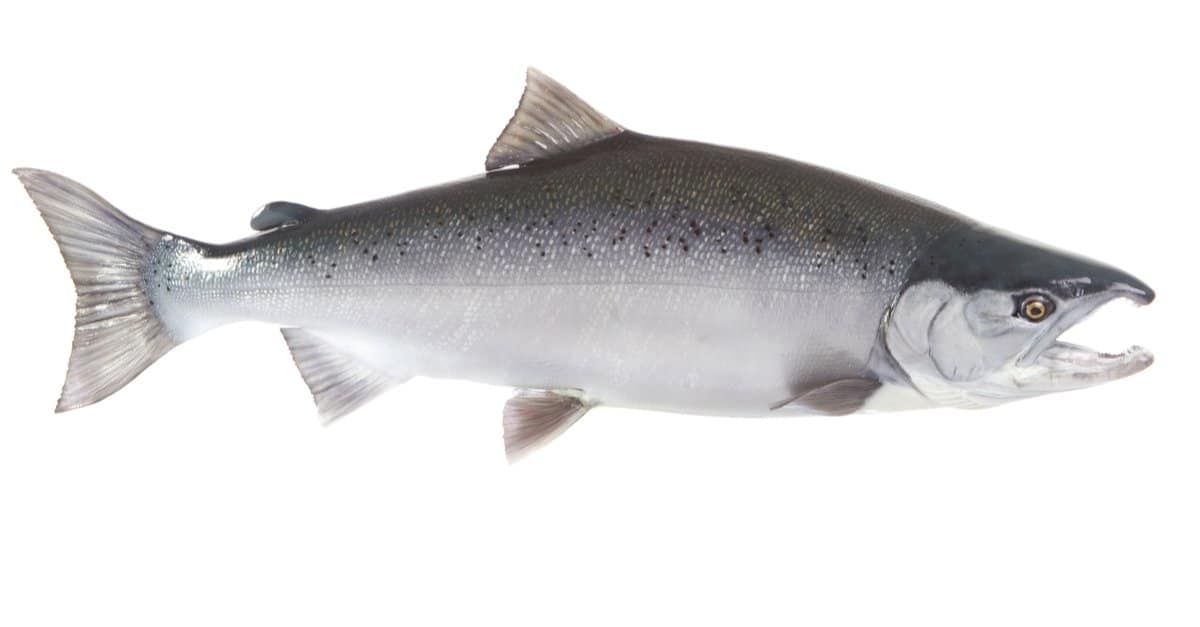
8. Coho Salmon: Record 30.56 Pounds
Coho salmon are another Pacific species that found a second home in the Great Lakes. Michigan successfully introduced them in 1966, helping create the modern Great Lakes salmon fishery.
The average adult Great Lakes coho weighs about 5 pounds, nowhere near the 18.5-pound "average" claimed in the older version of this story. The giants can get much bigger, though. Michigan's state record is 30.56 pounds.
7. Atlantic Salmon: Record 32.62 Pounds
Atlantic salmon have a complicated Great Lakes history. They were originally native to Lake Ontario but disappeared from the Great Lakes before 1900. Michigan successfully introduced the species to other Great Lakes waters beginning in 1972.
Many Great Lakes Atlantic salmon weigh around 6 pounds after a year or more of feeding in the lakes, but trophy fish can become considerably larger. Michigan's state record weighs 32.62 pounds.
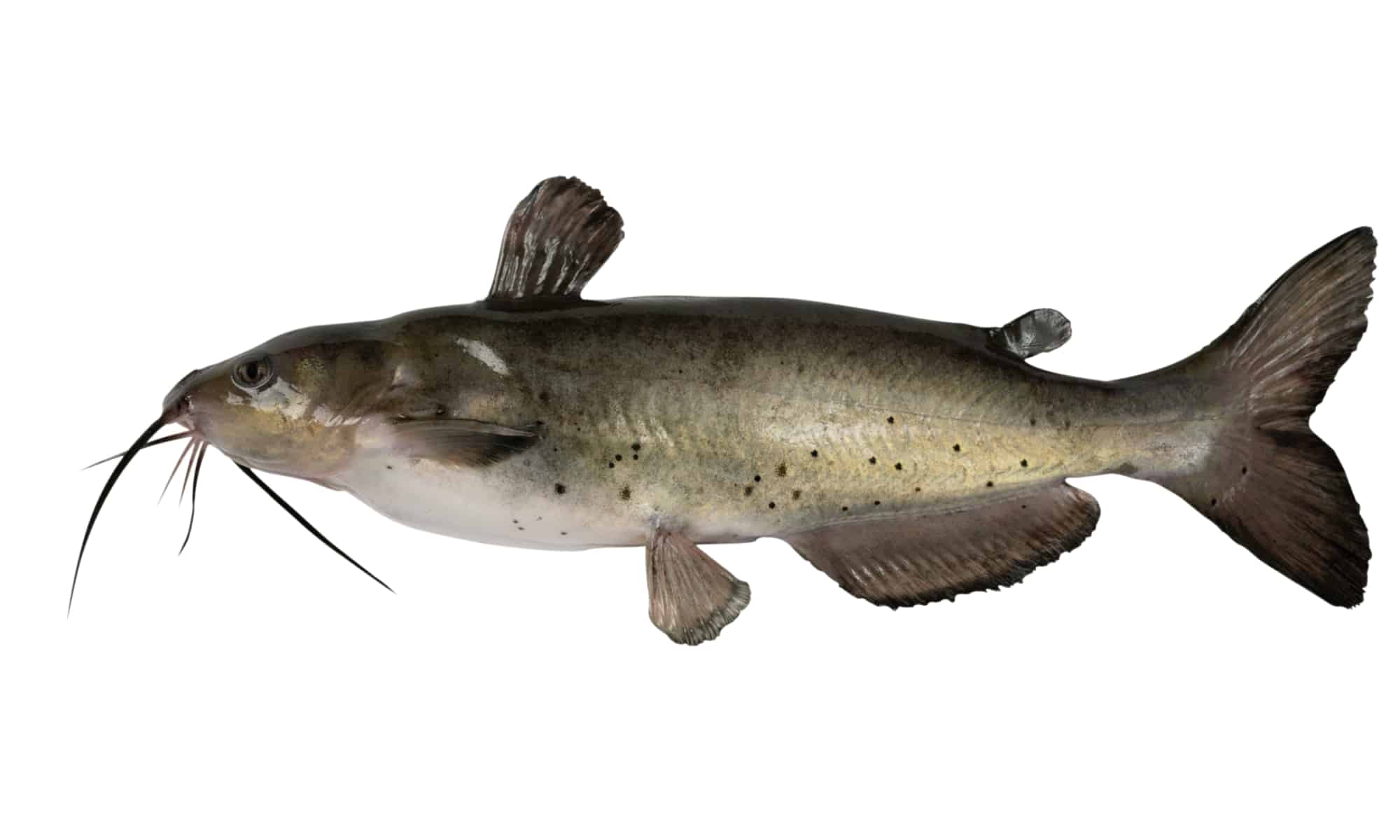
6. Channel Catfish: Record 40 Pounds
Channel catfish live in every Great Lake except Superior, along with rivers and inland lakes throughout much of the region. Although they are often dismissed as bottom scavengers, they are also effective predators equipped with highly sensitive barbels that help them locate food.
In productive waters, channel catfish commonly grow beyond 30 inches and 10 pounds. Michigan's state record is a considerably chunkier 40 pounds.
5. Brown Trout: Record 41.45 Pounds
Brown trout are not native to the Great Lakes, but after their introduction they became an established and highly sought-after sport fish. Lake-run adults average around 8 pounds, although the biggest specimens can dwarf that number.
Michigan's current brown trout record is 41.45 pounds. Great Lakes fish can also look different from their stream-dwelling relatives, often appearing more silvery with less obvious spotting.
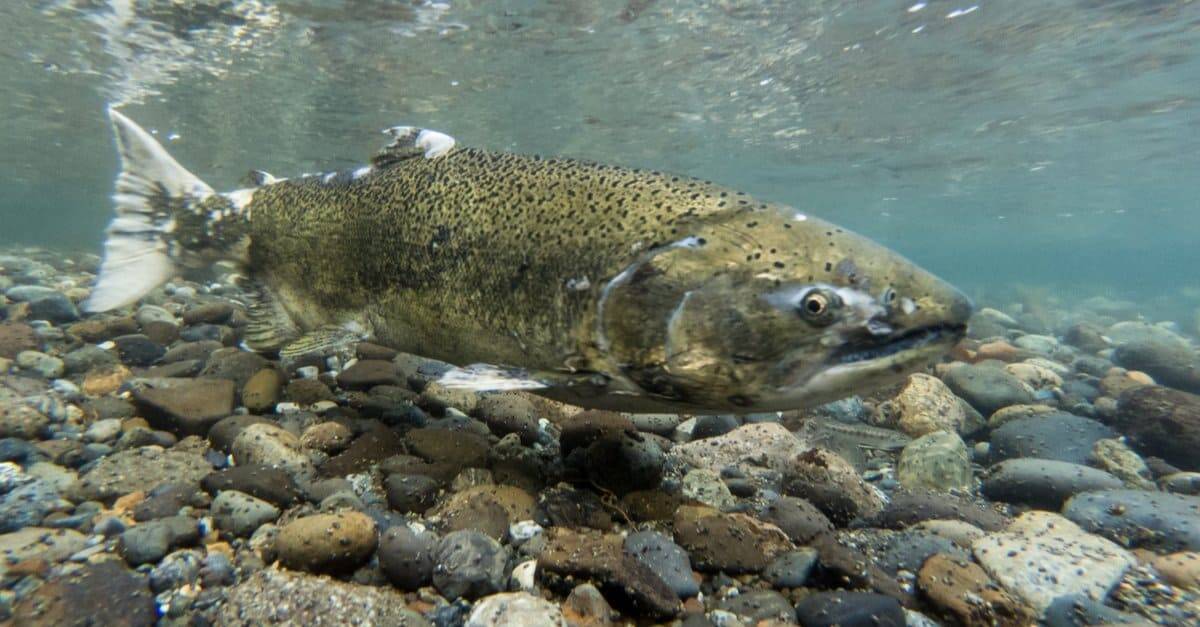
4. Chinook Salmon: Record 47.86 Pounds
Chinook are the biggest Pacific salmon and one of the fish that transformed Great Lakes sport fishing. Michigan began successfully stocking them in 1967, in part to put pressure on the enormous invasive alewife population.
The experiment worked well enough that Chinook eventually became the dominant salmon in the Great Lakes fishery. Michigan's current state record weighs 47.86 pounds and came from Lake Michigan in 2021.
3. Muskellunge: Record 58 Pounds
The muskellunge, better known as the muskie, has earned its reputation as one of North America's ultimate freshwater predators. Great Lakes muskies use vegetation, submerged timber, and other cover as ambush points before exploding after passing prey.
Michigan has naturally reproducing Great Lakes muskellunge populations in the Great Lakes and connected waters. The state's current Great Lakes muskie record is 58 pounds. Even considerably smaller fish are enormous by freshwater game-fish standards, routinely stretching well past 4 feet.
2. Lake Trout: Record 61.5 Pounds
Lake trout are native Great Lakes heavyweights built for cold, deep water. Adults average roughly 9 to 10 pounds, but exceptional fish can be several times that size. Michigan's record lake trout weighed 61.5 pounds and came from Lake Superior.
The species nearly disappeared from portions of the Great Lakes during the 20th century as intense commercial fishing and invasive sea lampreys devastated populations. Decades of lamprey control, stocking, habitat work, and fisheries management have helped lake trout recover, although the picture still varies from lake to lake.
1. Lake Sturgeon: Record 193 Pounds
Then there is the fish that makes everything else on this list look reasonable. Lake sturgeon are the only sturgeon species found in the Great Lakes and the largest fish still living there. Michigan's legally harvested state record weighed 193 pounds, but state biologists say lake sturgeon exceeding 300 pounds have been observed elsewhere in the Great Lakes basin.
These prehistoric-looking fish can live for many decades and spend much of their time feeding along the bottom, using their sensitive barbels to locate insects, mollusks, crustaceans, and other small prey. Great Lakes populations were devastated by historic overfishing, habitat loss, and other pressures, and extensive restoration work continues today. Catching sight of one now is less like seeing a big fish and more like watching a piece of the Great Lakes' ancient past swim by.