World of Fishing
mel-nik/iStock / Getty Images Plus via Getty Images
Mark A. McCaffrey/Shutterstock.com

wwwarjag/Shutterstock.com
stammphoto/iStock.com

Natalya Osipova/Shutterstock.com
FedBul/Shutterstock.com

Krugloff/iStock.com
FedBul/Shutterstock.com
Keith Publicover/Shutterstock.com

Ilya Marchenko/Shutterstock.com
Sergey Goruppa/Shutterstock.com

abadonian/iStock.com
Kevin Cass/Shutterstock.com

FedBul/iStock.com

VvoeVale/iStock.com

Fabien Monteil/Shutterstock.com


15 Big Fish Anglers Can Find in the Great Lakes
For some anglers, a trip to the Great Lakes means chasing walleye or filling a cooler with salmon. For others, it's the possibility of hooking something so big that the landing net suddenly looks inadequate. These enormous freshwater lakes support trout weighing dozens of pounds, powerful muskies, and a prehistoric-looking fish that can outweigh the person holding the rod.
The appeal isn't just size. The five Great Lakes and their connected rivers offer very different kinds of fishing, from trolling deep water for Chinook salmon to finding steelhead on their spawning runs. Some species are native, while others were introduced decades ago. And while you might encounter a trophy, most fish caught are nowhere near their record weights.
To get a sense of what's possible, 24/7 Tempo looked at 15 Great Lakes fish species and compared Michigan Department of Natural Resources state-record weights. Those are statewide records, not all catches made directly in the Great Lakes, and this is a selection rather than a definitive ranking of the region's 15 largest species. Fishing rules also vary by location, and some species, particularly lake sturgeon, are protected. Here's what makes each fish interesting to anglers, starting with the smaller records and working up to the real heavyweight.
Why Anglers Head to the Great Lakes
There's a reason anglers plan entire trips around the Great Lakes. Superior, Michigan, Huron, Erie, and Ontario offer everything from walleye in productive bays to hard-fighting salmon offshore and big lake trout in cold, deep water. Together, the lakes hold about 21% of the world's surface freshwater. They also connect to a network of rivers and inland lakes that support some of the same species. That matters when you're looking at record catches: the weights in this slideshow are Michigan state records, and several were caught outside the five Great Lakes themselves. They're a useful way to appreciate how large these fish can grow, not a prediction of what you'll reel in.
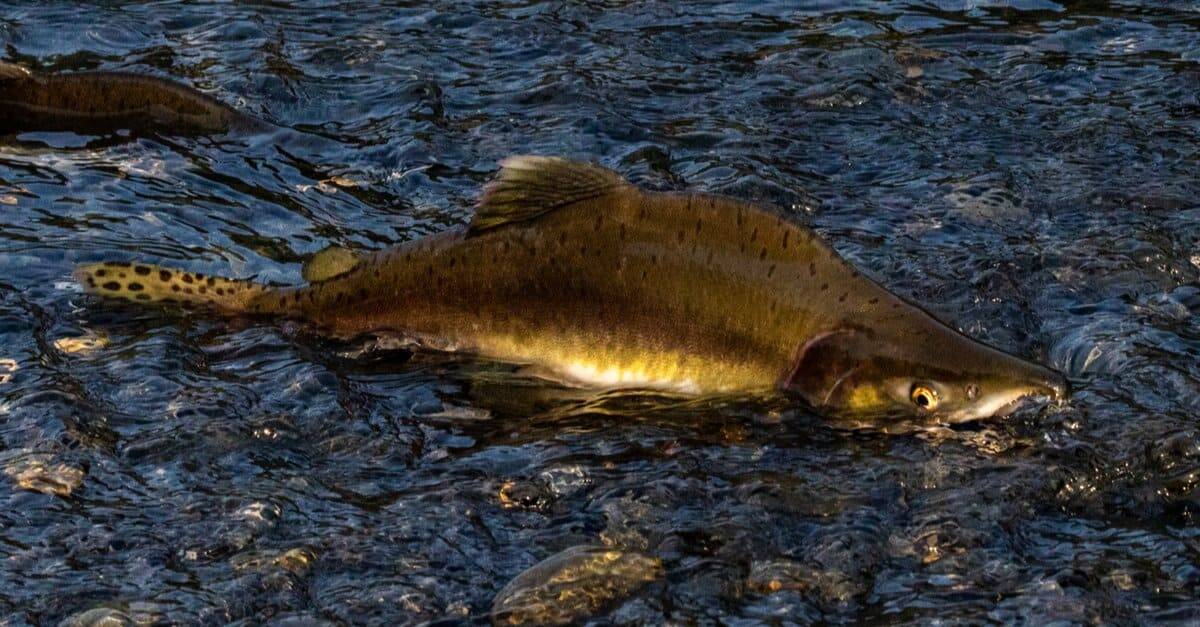
15. Pink Salmon: 8.56-Pound Michigan Record
Nobody heads to the Great Lakes expecting a pink salmon to weigh as much as a lake sturgeon. But for this relatively small salmon, an 8-pound fish is a serious catch. Pink salmon arrived accidentally from the Pacific in the 1950s and established populations in the Great Lakes region. Anglers are more likely to encounter them during spawning runs in tributaries near Lake Superior and northern lakes Michigan and Huron than by trolling the open lakes. Michigan's 8.56-pound record was caught in the Carp River in 1987. During spawning season, males can develop the distinctive hump that gives these fish their nickname, humpback salmon.
14. Brook Trout: 9.5-Pound Michigan Record
The little brook trout you might catch in a cold stream doesn't look like much of a heavyweight. Its Great Lakes relatives can be a different story. Lake-run brook trout, often called coasters, can grow much larger than typical stream fish, sometimes approaching 10 pounds. They inhabit cold water and are especially associated with the Lake Superior region. Michigan's 9.5-pound state record was caught in inland Clear Lake in 1996, not in one of the five Great Lakes. Still, it shows why anglers who usually picture brook trout as hand-sized fish might want to reconsider. Finding a big coaster is a special catch, not an everyday occurrence.
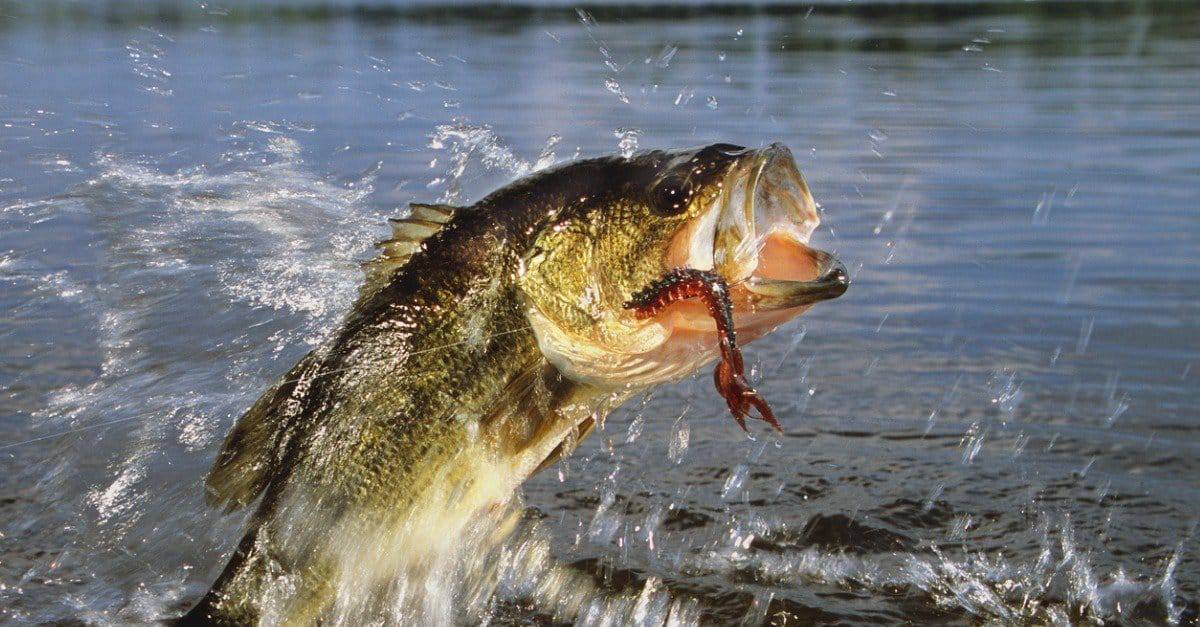
13. Largemouth Bass: 11.94-Pound Michigan Record
Largemouth bass are familiar to just about anyone who has spent time fishing in North America. They're ambush predators that favor relatively warm, weedy, sheltered water, so they're more at home in Great Lakes bays, harbors, and connected waterways than in deep, open water. A bass weighing 5 or 6 pounds can already make an angler's day. Michigan's record is 11.94 pounds, with record catches coming from inland waters rather than the Great Lakes themselves. That doesn't mean an 11-pound bass is waiting under every dock, of course. It means the species has considerably more growing potential than the average weekend catch suggests.
12. Lake Whitefish: 14.28-Pound Michigan Record
Lake whitefish aren't usually the first fish featured in a flashy trophy-fishing story, but they've been essential to the Great Lakes fishery for generations. These native fish favor cold water and often spend much of the warmer season in deeper parts of the lakes. They're especially important to commercial and tribal fisheries, and some recreational anglers pursue them, too. Michigan's 14.28-pound state record came from Lake Superior in 1993. Fish of that size are unusual, but they make a good reminder that not every substantial Great Lakes fish has sharp teeth or a reputation for spectacular jumps. Some of the biggest surprises stay close to the bottom.
11. Walleye: 17.19-Pound Michigan Record
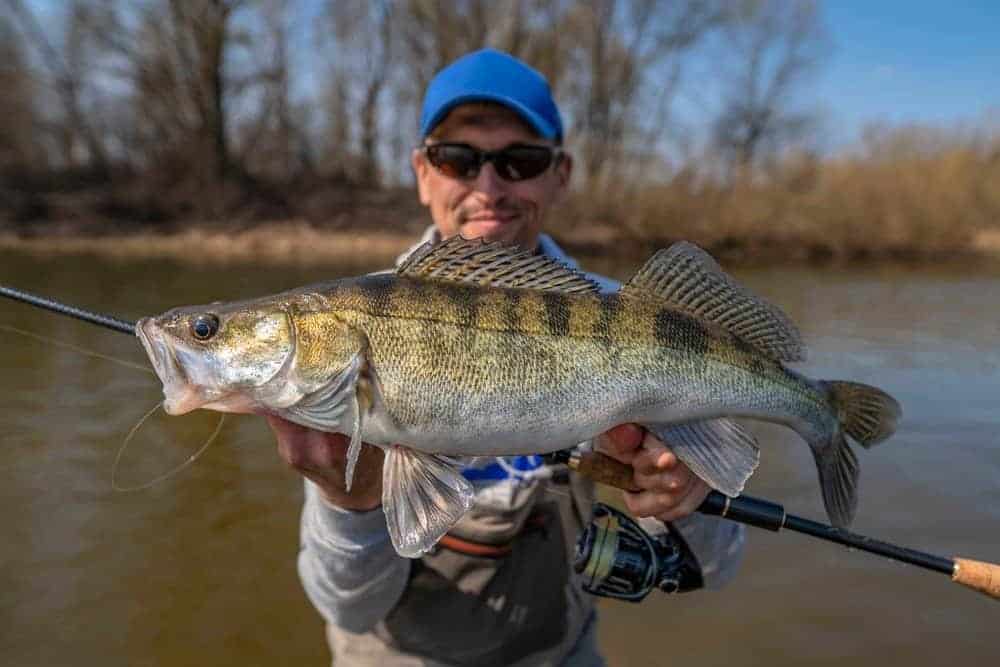
Ask Great Lakes anglers what they'd most like to catch, and walleye will come up pretty quickly. Lake Erie is famous for its walleye fishing, and Michigan's Saginaw Bay also draws plenty of attention. Most fish anglers bring home are nowhere near record size, but a big walleye is a memorable catch, especially in low light when those sensitive eyes help it hunt. Michigan's state record weighed 17.19 pounds and came from the Pine River in 1951, not directly from one of the Great Lakes. So the number is a statewide benchmark rather than a Lake Erie record. It's still proof that a familiar dinner-table favorite can grow into a genuine trophy.
10. Burbot: 18.25-Pound Michigan Record
A burbot looks a bit like a cod and an eel decided to share the same body. It's the only freshwater member of the cod family found in North America, and it prefers the colder, deeper parts of the Great Lakes system. Burbot are often more active after dark, which makes them an interesting target for night anglers and some ice fishers. Michigan's 18.25-pound state record came from Munuscong Bay on the St. Marys River in 1980, a connecting waterway between lakes Superior and Huron. They're not winning any beauty contests, but a hard-fighting burbot that size deserves some respect. They're also valued by anglers who enjoy fresh-caught fish for dinner.
9. Rainbow Trout and Steelhead: 26.5-Pound Michigan Record
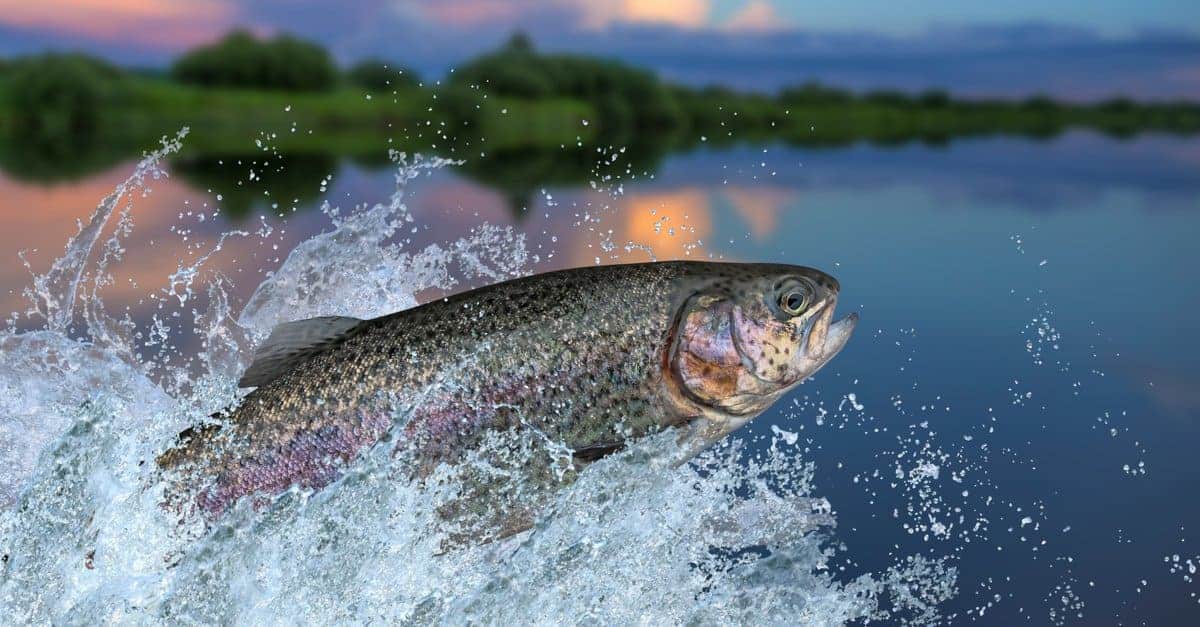
Steelhead have a reputation for giving anglers a fight, and they've earned it. They're migratory rainbow trout, spending much of their adult lives feeding in the Great Lakes before returning to rivers and streams to spawn. That lifestyle helps them grow larger than many of the rainbow trout people catch in smaller inland waters. Michigan's record for rainbow trout and steelhead is 26.5 pounds, caught in Lake Michigan in 1975. Most are considerably smaller, but even an average steelhead can make a reel sing. Anglers pursue them from boats, piers, shorelines, and tributaries, depending on the season. Few fish make a cold morning on the water feel more worthwhile.
8. Coho Salmon: 30.56-Pound Michigan Record
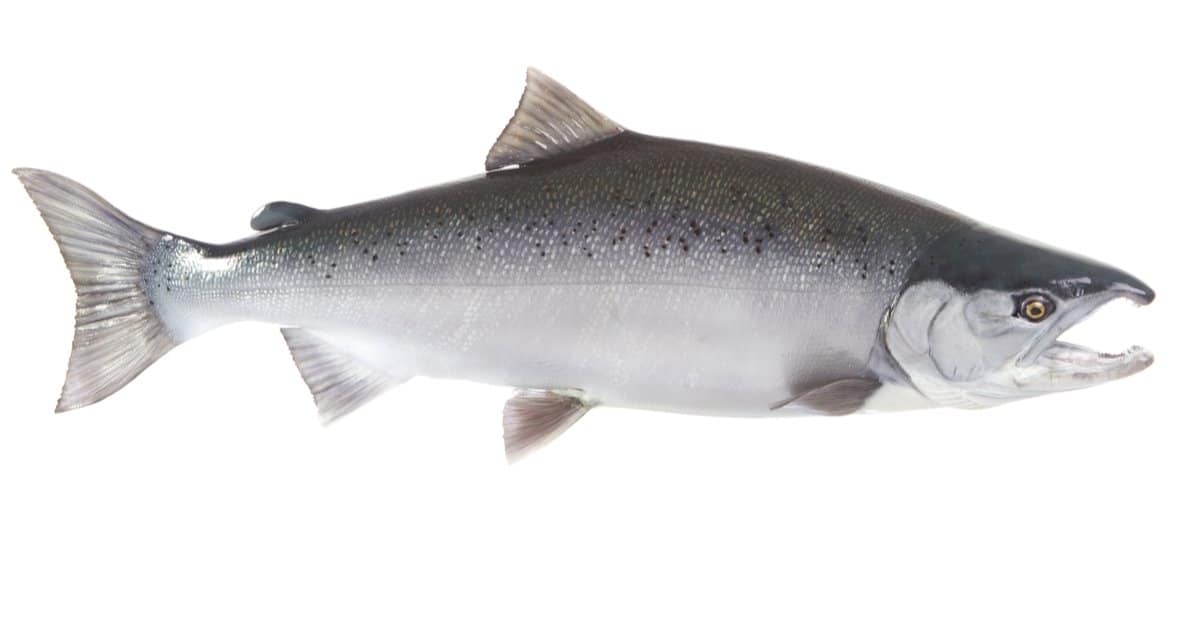
Coho salmon helped turn the Great Lakes into a major salmon-fishing destination. Michigan began successfully stocking these Pacific natives in 1966, and the fishery quickly caught anglers' attention. A typical adult Great Lakes coho weighs around 5 pounds, according to Michigan's Department of Natural Resources, so the state-record fish is in an entirely different class. That record weighed 30.56 pounds and was caught in the Platte River in 1976, during the sort of tributary run that makes autumn fishing so popular. Coho can also be caught in open water, particularly on Lake Michigan. When one of the bigger ones hits, anglers certainly know they've hooked more than an ordinary salmon.
7. Atlantic Salmon: 32.62-Pound Michigan Record
Atlantic salmon have a much more complicated Great Lakes story than their name suggests. They once lived naturally in Lake Ontario but disappeared from the region before 1900. Michigan began reestablishing them elsewhere in the Great Lakes system in the 1970s, and today anglers pursue them in places such as the St. Marys River and Lake Huron. These salmon are prized for their powerful runs and jumps. Michigan's 32.62-pound record came from Lake Michigan in 1981. Most fish caught today don't approach that weight, but the possibility of a truly exceptional Atlantic salmon still adds to the appeal of fishing these waters.
6. Channel Catfish: 40-Pound Michigan Record
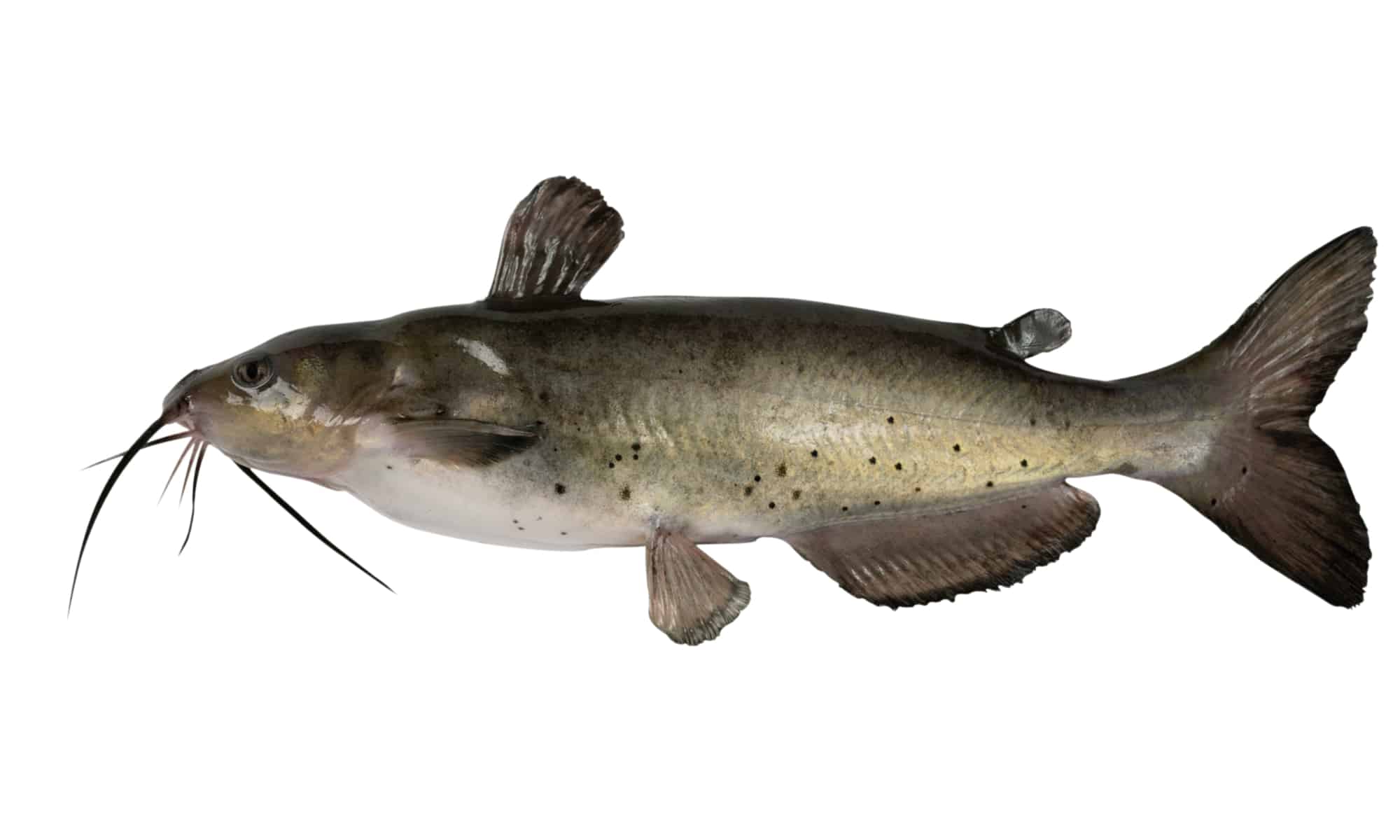
Channel catfish aren't just scavengers waiting for leftovers. They're capable predators with sensitive whiskerlike barbels that help them find food, even in muddy or low-light conditions. They live in four of the five Great Lakes, with Lake Superior the exception, and they can provide excellent fishing in connected rivers and protected bays. Plenty of channel cats weigh just a few pounds, but Michigan's record stands at 40 pounds. That fish came from inland Houghton Lake, not from one of the Great Lakes. Still, anyone who's wrestled a big catfish toward a landing net knows that a fish this heavy can turn an ordinary afternoon into a story worth repeating.
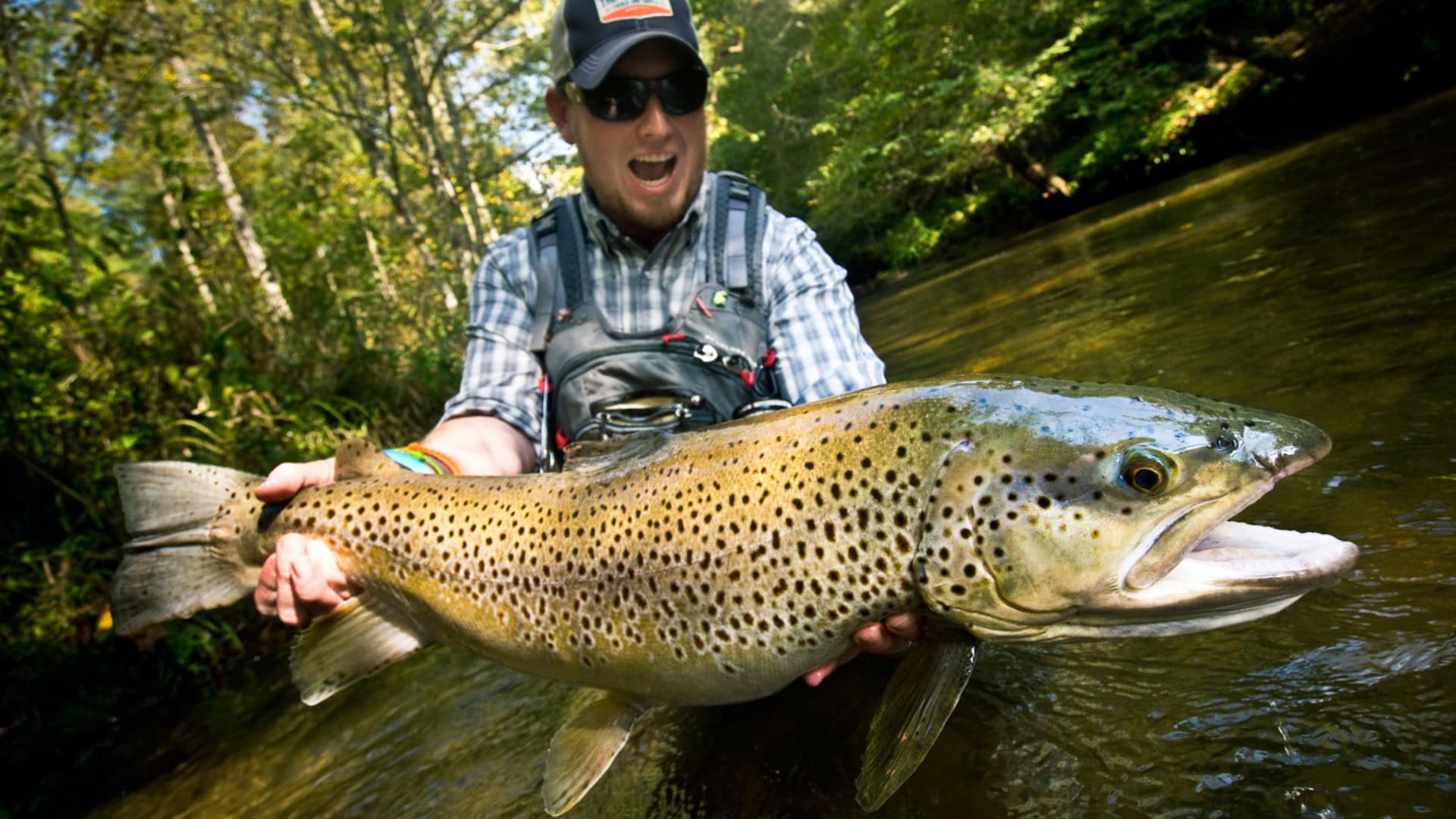
5. Brown Trout: 41.45-Pound Michigan Record
Brown trout arrived in North America from Europe, but they've become an established part of Great Lakes fishing. Big, lake-run browns often look more silvery than the smaller trout found in streams, and they can grow to impressive sizes while feeding on other fish. Michigan's state record weighed 41.45 pounds and was caught in the Manistee River in 2009. That's an important distinction: the record fish came from a river in the Great Lakes watershed, not directly from a lake. Anglers target browns in rivers and nearshore waters at different times of year, and the chance of a trophy is part of what keeps them coming back.
4. Chinook Salmon: 47.86-Pound Michigan Record
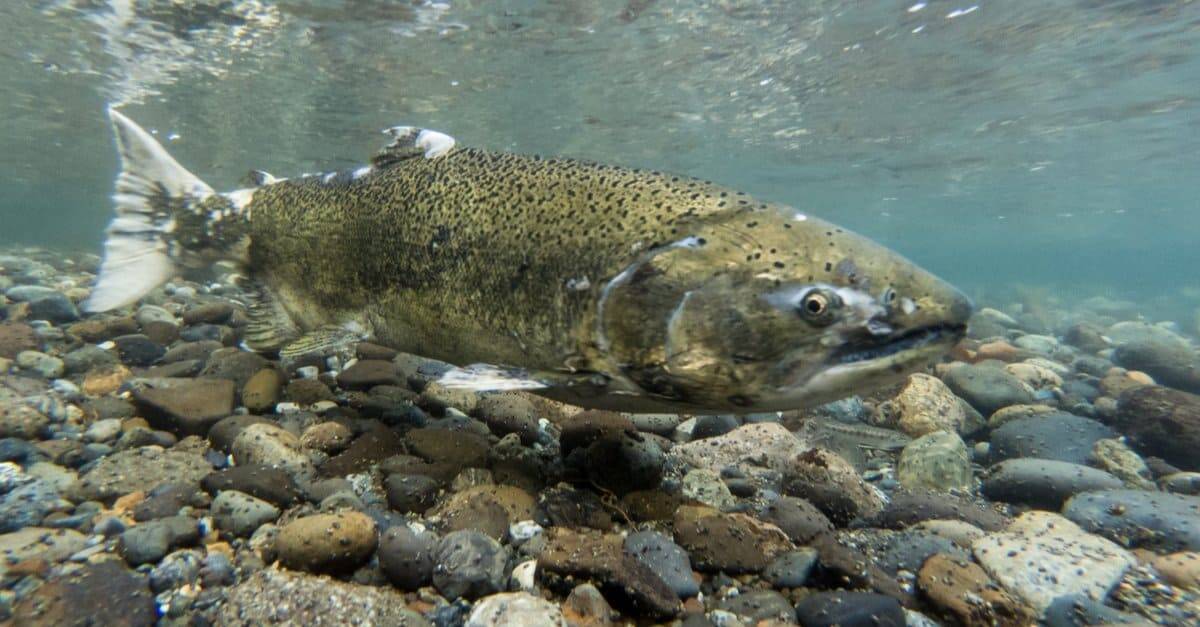
If you're planning a Great Lakes trip specifically to hook a big fish, Chinook salmon are an obvious place to start. Nicknamed kings, these powerful Pacific salmon can make long runs that put both your tackle and your patience to the test. Michigan's successful stocking program began in 1967, partly to help control invasive alewives, and Chinook became central to the region's salmon fishery. The state's 47.86-pound record was caught in Lake Michigan in 2021, making this one of the examples on the list that really did come from a Great Lake. Most anglers won't come close to that number, but even a smaller king can provide a memorable battle.
3. Muskellunge: 58-Pound Michigan Record
There are big freshwater fish, and then there are muskies. These long, toothy predators are famous for striking from cover and giving anglers very little room for error. Great Lakes-strain muskellunge occur in the lakes and connected waters, with other populations stocked in inland lakes. Michigan's record for that strain is 58 pounds, caught in Lake Bellaire in 2012. Although the record is listed under 'Great Lakes muskellunge,' Lake Bellaire is an inland lake; the term identifies the fish's strain, not the catch location. Even a muskie nowhere near 58 pounds is an impressive fish to see beside a boat, which helps explain why serious anglers devote entire seasons to pursuing them.
2. Lake Trout: 61.5-Pound Michigan Record
Lake trout are built for the cold, deep water that defines much of the Great Lakes. Anglers often target them by trolling or jigging at depth, and the fish can grow far larger than the trout most people associate with a local stream. Michigan's state record weighed 61.5 pounds and was caught in Lake Superior in 1997. That's an exceptional fish, not a typical one. Lake trout populations suffered badly during the 20th century because of overfishing and invasive sea lampreys, but management and restoration have helped them recover in many areas. For anglers who like the idea of finding a true heavyweight below the surface, they're one of the region's signature fish.
1. Lake Sturgeon: 193-Pound Michigan Record
Nothing else on this list comes close to the lake sturgeon. These ancient-looking fish have armored plates, whiskerlike barbels, and a bottom-feeding lifestyle, and some individuals can live for more than a century. Michigan's record for a legally harvested lake sturgeon is 193 pounds, caught in Mullett Lake in 1974. State biologists say fish exceeding 300 pounds have been observed elsewhere in the Great Lakes basin. But this is not a species anglers can simply target or keep wherever they choose. In most Michigan waters, sturgeon fishing is prohibited and an accidentally hooked fish must be released immediately. The biggest fish in the system is also one of the ones most worth protecting.