Andrew Clemente / Creative Commons
Scott Delony/Shutterstock.com
TripWalkers/Shutterstock.com

Shane Myers Photography/Shutterstock.com

Nature's Charm/Shutterstock.com
Morrow Long / flickr
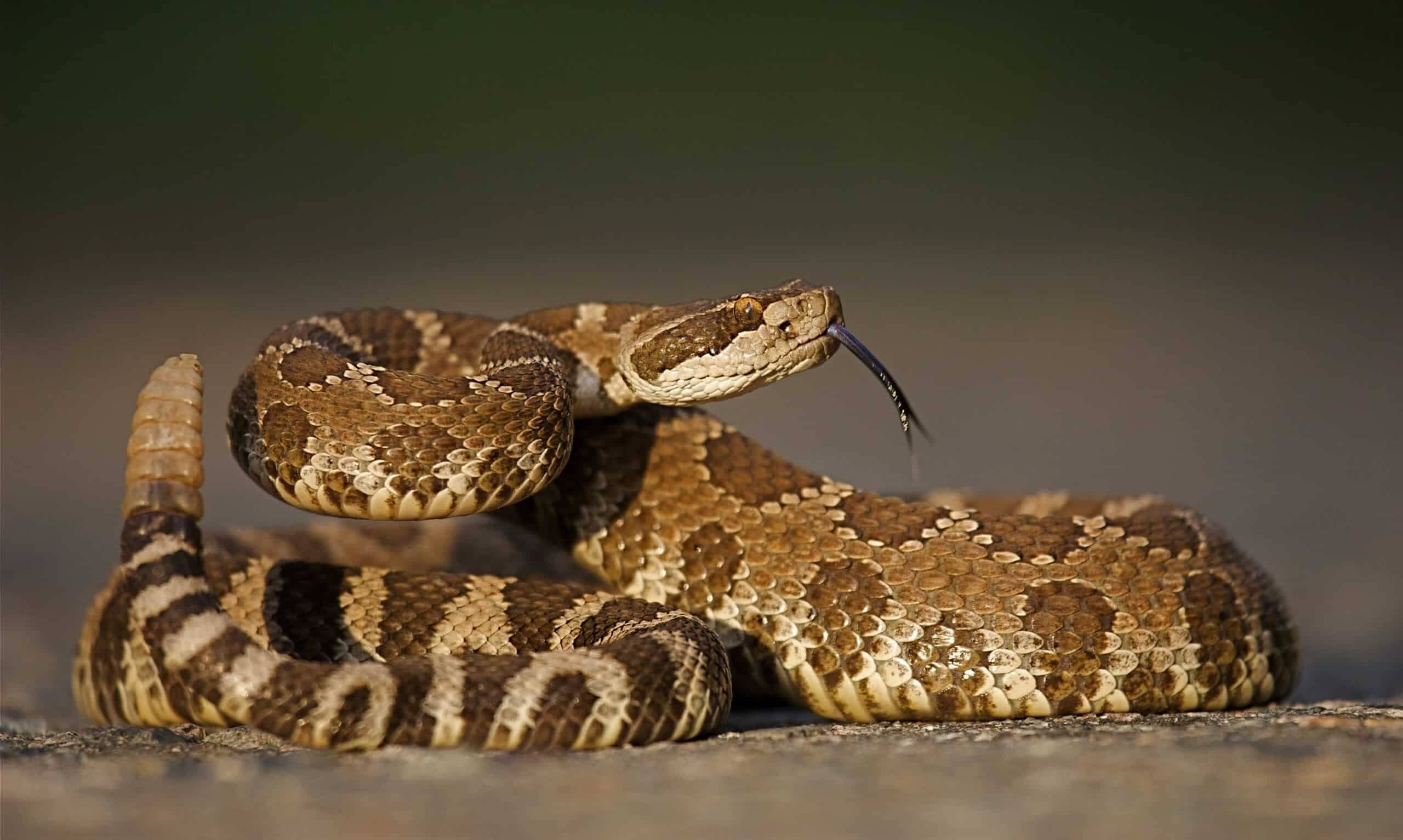
Tom Reichner/Shutterstock.com
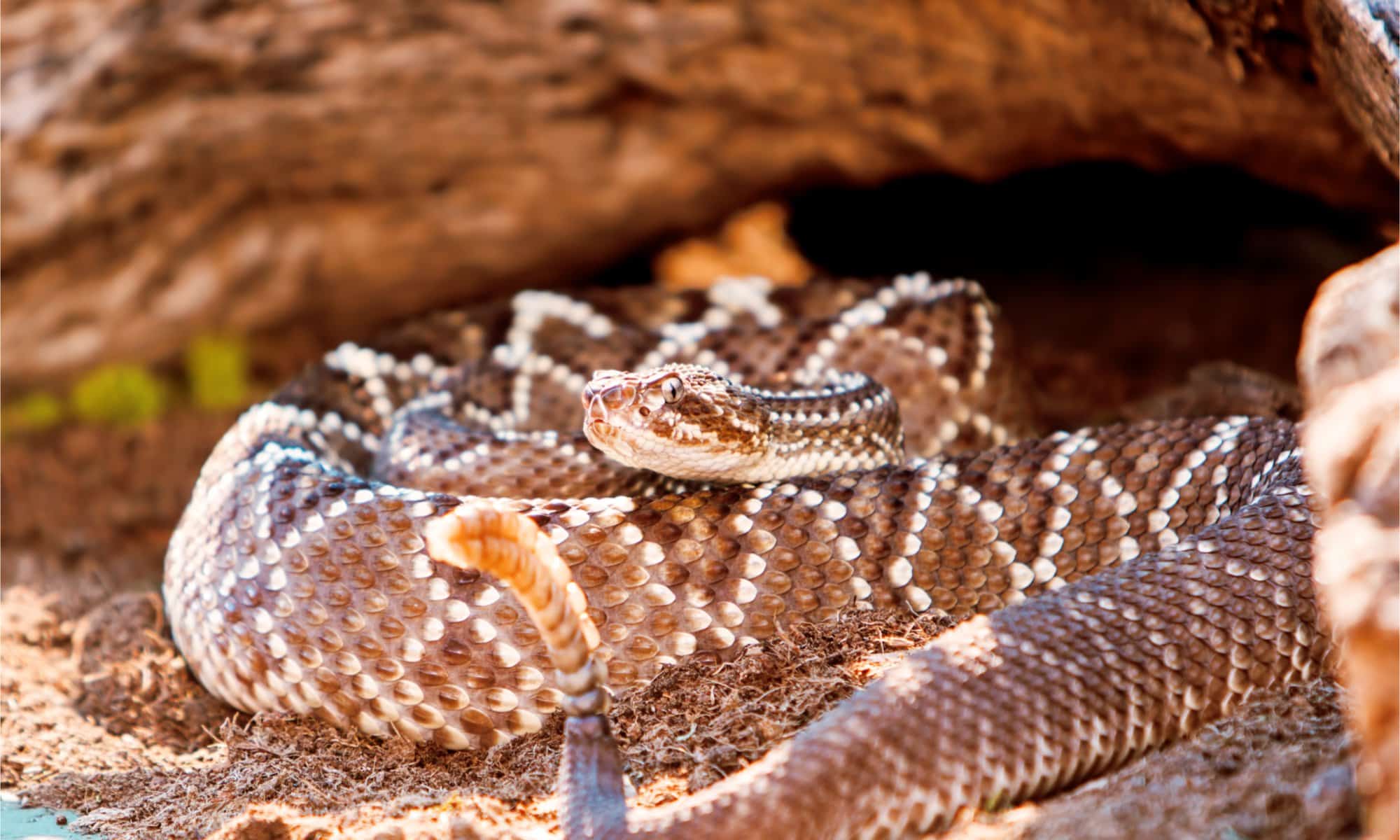
GoodFocused/Shutterstock.com
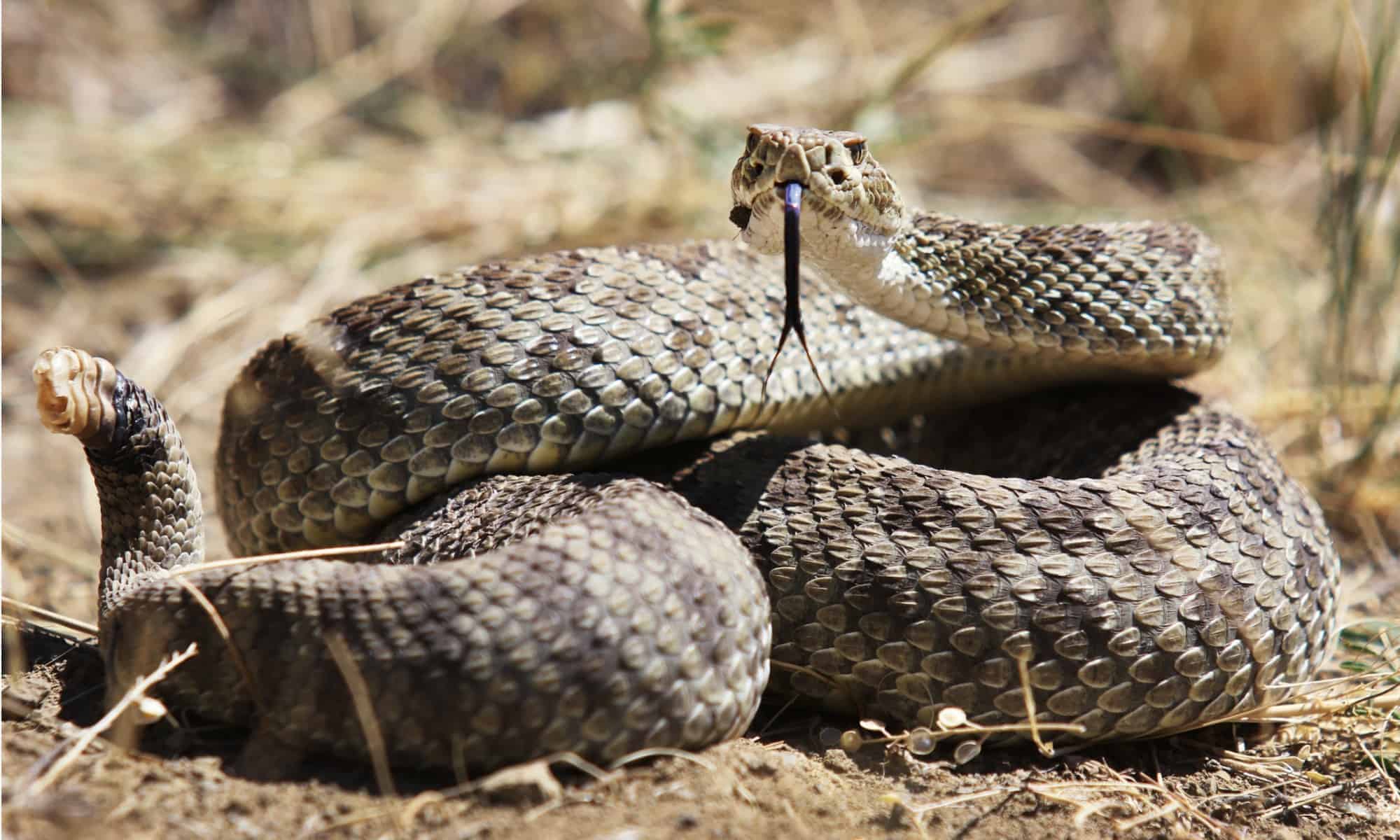
HRossD/iStock.com
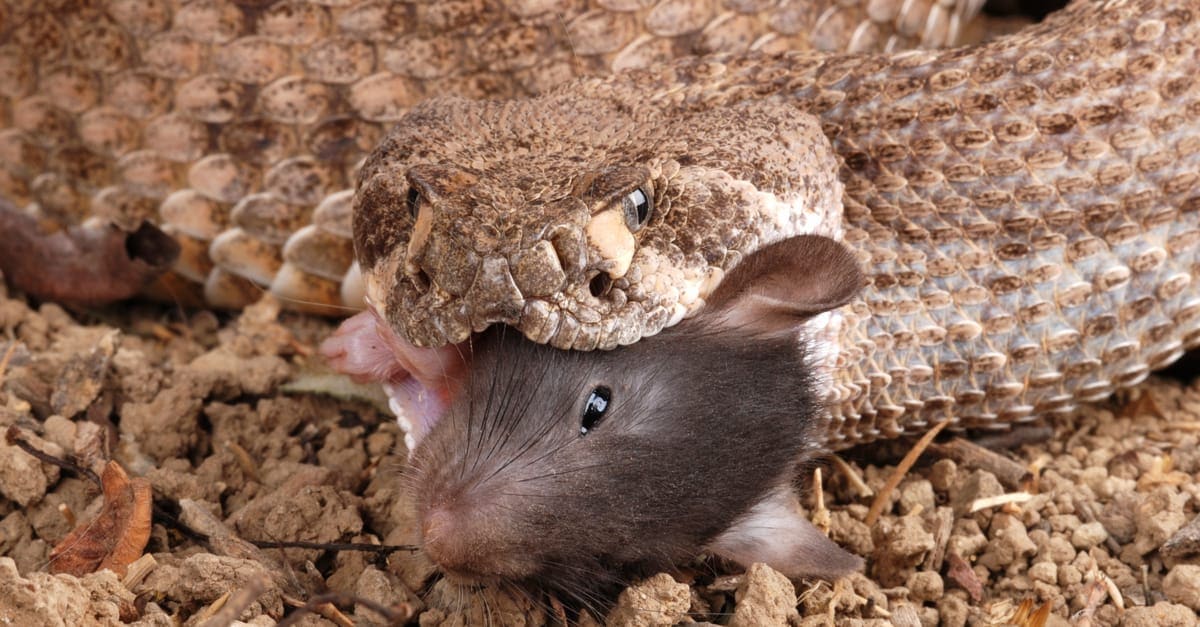
Audrey Snider-Bell/Shutterstock.com
Joe McDonald/Shutterstock.com
Jeff W. Jarrett/Shutterstock.com




Rattlesnakes Are Found Across the U.S., Except in These 4 States
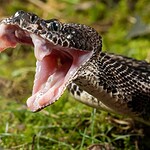
Rattlesnakes are found throughout much of the United States, especially in warmer regions like deserts, grasslands, and rocky terrain, where they can easily hunt and shelter. Known for their distinctive warning rattle and venomous bite, they are among the most recognizable reptiles in North America. Because of how widespread they are, many people assume they exist in every state.
In reality, there are a small number of states where rattlesnakes are not found at all. This slideshow takes a closer look at the four states that remain rattlesnake-free, along with the environmental and geographic factors that explain why. From colder climates to natural barriers and habitat limitations, these differences highlight how temperature, terrain, and ecosystem conditions determine where wildlife can and cannot survive.
The US States That Have No Rattlesnakes
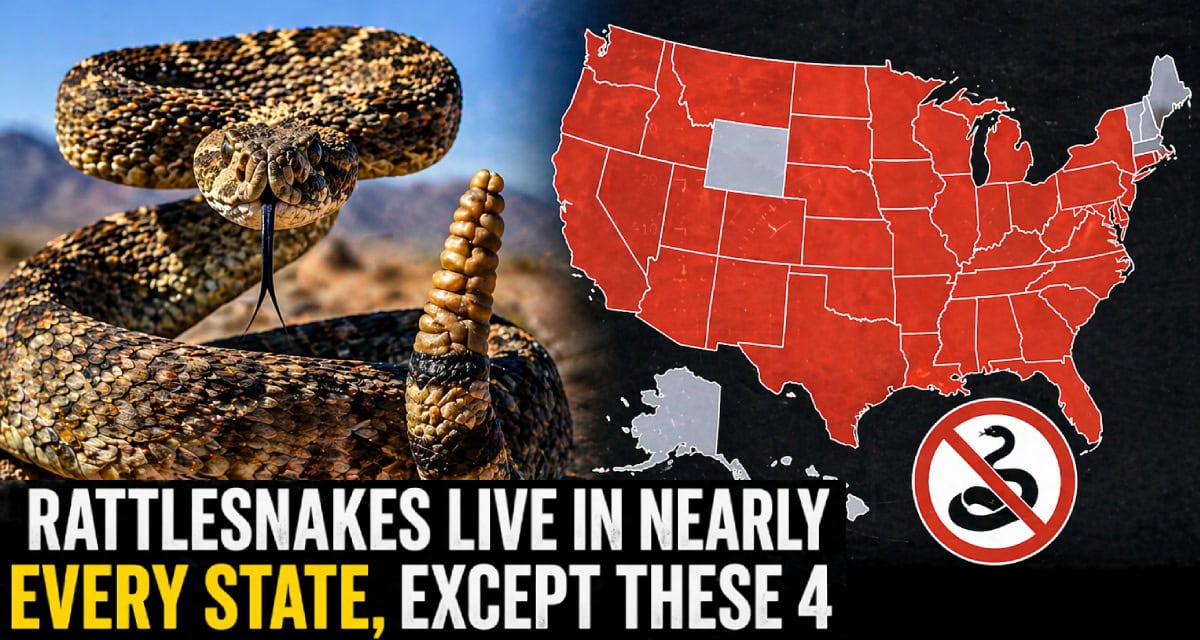
If you don’t want to be anywhere near a rattlesnake, check out this small list of states completely devoid of these notorious reptiles. Only four of the 50 states in America—Alaska, Hawaii, Maine, and Rhode Island—are completely free from rattlesnakes.
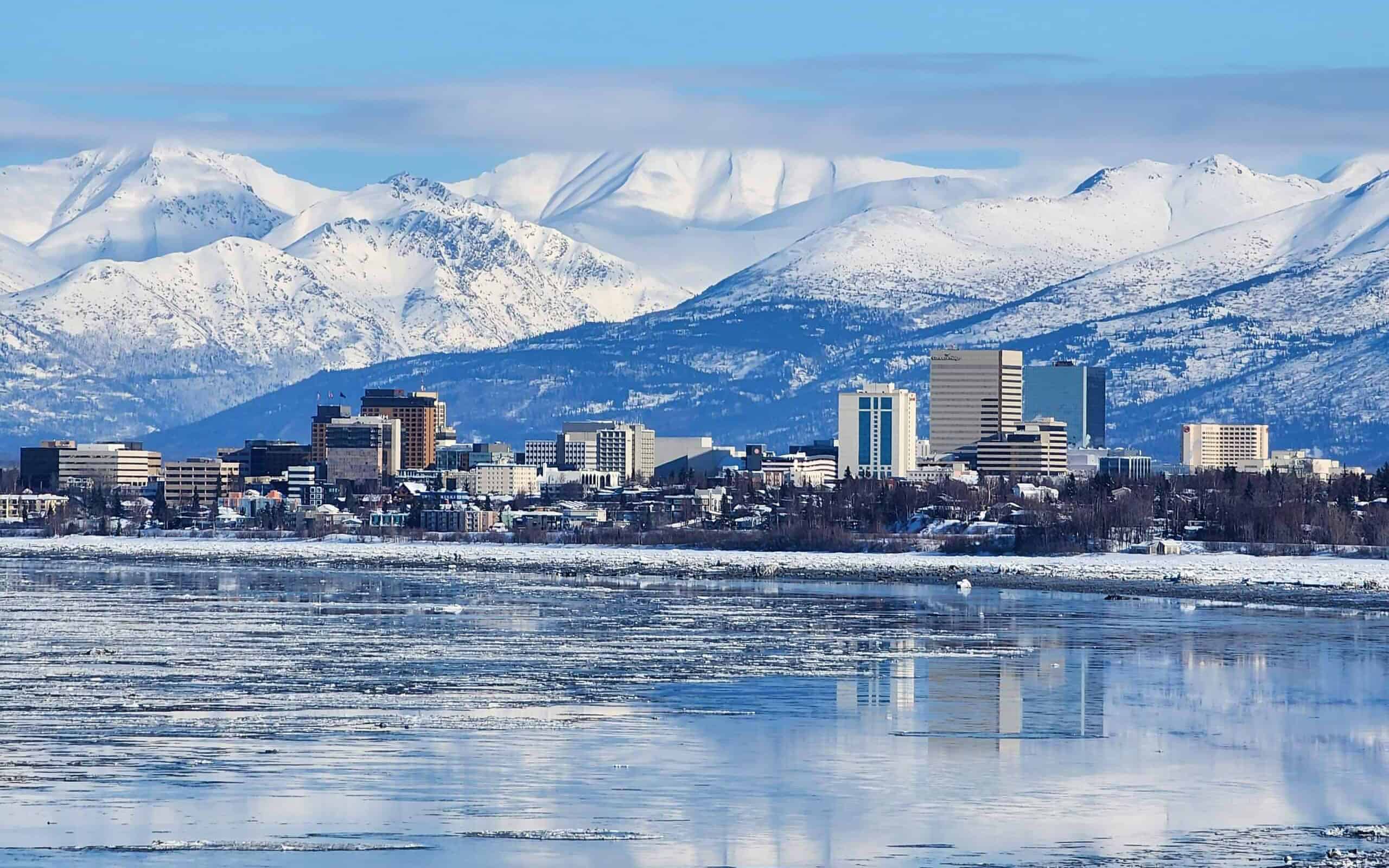
Alaska
There are no snakes in Alaska, whether they produce venom or not. The cold temperatures and lack of prey make it nearly impossible for snakes to survive there.
Hawaii
Hawaii is another state that’s free from rattlesnakes. While there are no native land-dwelling venomous snakes in Hawaii, the highly venomous yellow-bellied sea snake is occasionally found in Hawaiian waters and has been spotted on beaches in recent years.
Maine
Maine does not have any deadly snakes. The timber rattlesnake was once common but is now extirpated (locally extinct) in the state.
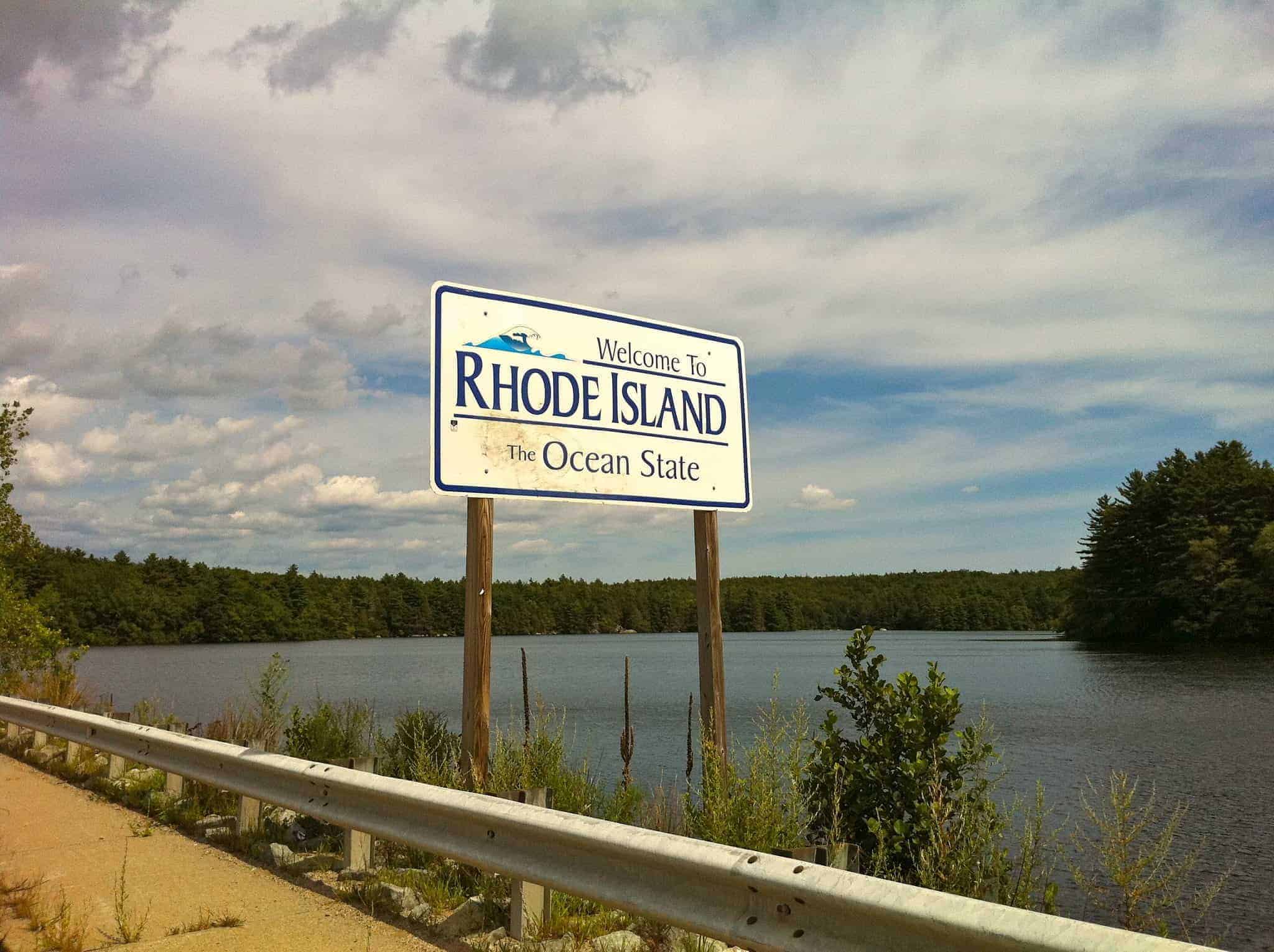
Rhode Island
Rhode Island is the last state on the list. Like the other states, there are no rattlesnakes or other venomous snakes here. Timber rattlesnakes once occupied the area but have not been spotted for 50 years and are considered extirpated from the region.
Lowdown on Rattlesnakes
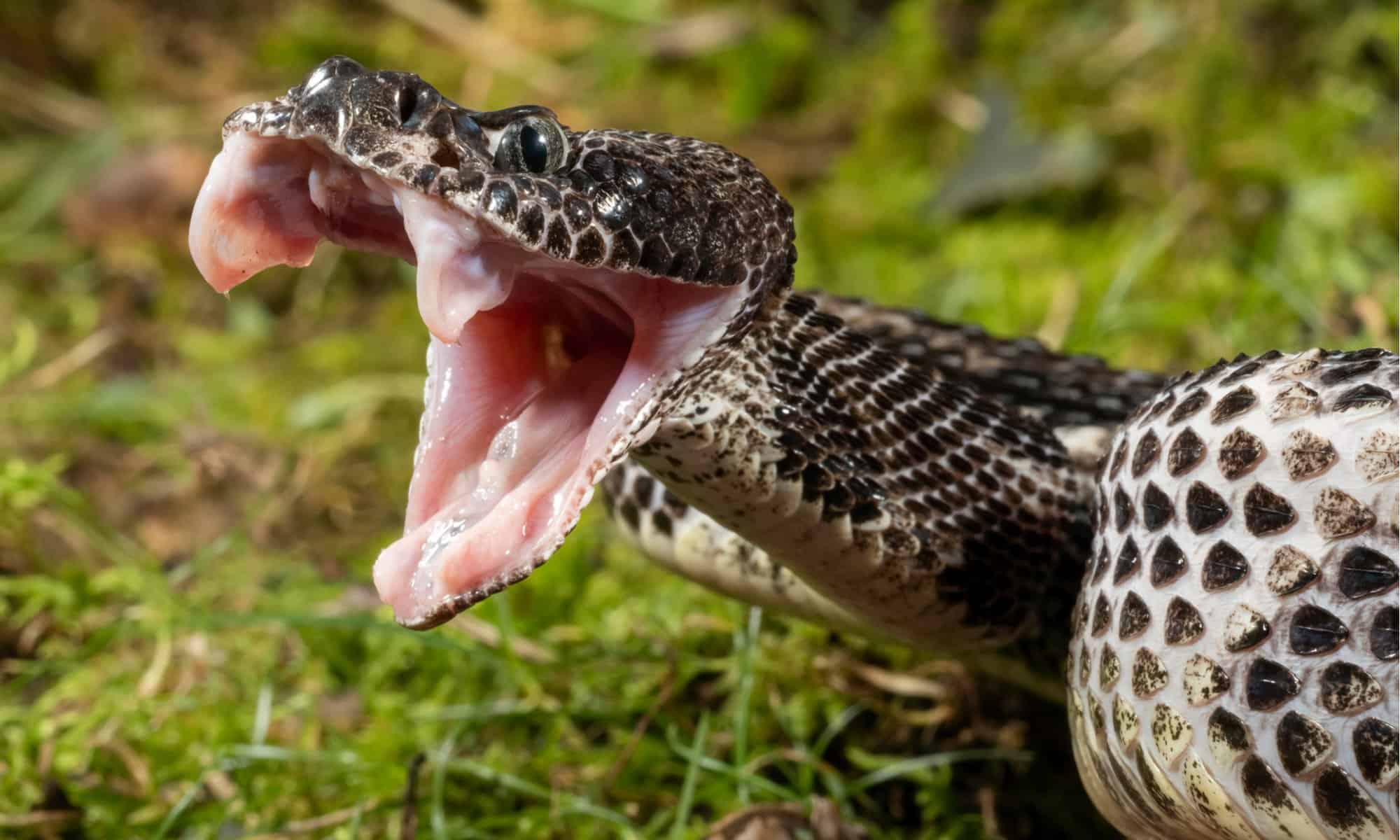
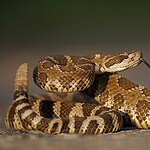
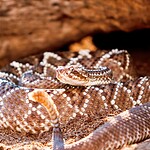
- Rattlesnakes are advanced venomous reptiles with triangular heads and large bodies. Thanks to the distinctive rattle at the tip of their tails, they are one of the most famous groups of snakes in North America. The rattle comprises several interconnecting scales, which increase every time the snake molts. The scales click together as muscle contractions occur, producing a rattling sound.
- Adults typically measure about 1.6 to 6.6 feet, but some can grow as long as 8.2 feet. Most rattlesnakes have light brown or gray backgrounds with dark spots in the shape of hexagons, rhombuses, or diamonds. Others come in shades of red, green, orange, or pink.
Where Do Rattlesnakes Normally Live?
- Rattlesnakes can be found almost anywhere in the United States, although they’re particularly prevalent in the Southwest. They are also present in Mexico, South America, and Central America.
- They can be found in practically any sort of habitat that can support terrestrial ectothermic vertebrates. However, certain species have highly specialized ecological needs and require specific plants at specified altitudes. Most species like to live in open, rocky environments that protect them from predators and provide ample prey (such as insects, rats, lizards, and other animals that live among the rocks) and open sunning grounds. They can also be found in swamps, forests, scrub brush, grasslands, and deserts, and they can also swim.
- Like other reptiles, they can’t stand excessive heat or cold and enjoy temperatures of between 80 and 90 °F. These snakes hide underground in tunnels or under rocks in the heat of the day. Ahead of the winter, they hibernate in the fall, clustering under rocks or in dens that can hold hundreds of individuals from several species. Males mate with females when they emerge in the spring and move from the shelter to spend the summer in the nearby countryside. They all return to the same den in the autumn.
How Do Rattlesnakes Normally Behave?
- Distinct species of rattlesnakes have evolved different defense mechanisms when they detect danger. Some have developed camouflage coloring to blend in with their environment, while others have mastered the art of a quiet getaway.
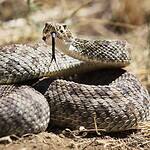
- When a rattlesnake decides to defend its territory, it assumes a defensive posture and shakes its rattle to scare away attackers. The snake may immediately strike if startled, although it can only attack from a coiled position. Rattlesnakes do not hunt humans, and most victims of rattlesnake bites have accidentally stumbled across one or tried to handle one.
Rattlesnake Diet
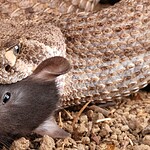
- Rattlesnakes eat rodents primarily, but they also consume insects and other reptiles. Because rattlesnakes are pit vipers, they have heat-detecting mechanisms in pits near their eyes. These pits enable them to see the prey’s heat signature.
- Rattlesnakes wait for a tiny animal to approach, then attack it with their deadly fangs. Because their prey is warmer than the surrounding environment, these snakes can strike precisely, even in total darkness.
- Because it has modified Jacobson’s organs that give it an enhanced sense of smell to identify prey, the rattlesnake knows when to keep a low profile. Many people believe snakes smell with their tongues since these organs are placed on the roof of their mouths. The snakes, however, use their tongues to gather scent particles and direct them to Jacobson’s organs. A rattlesnake’s meal sustains it for long periods of time, as an adult only needs to eat about once every two weeks.
Rattlesnake Bites
- Rattlesnakes are not violent and will not attack human beings if they are not threatened; they are shy creatures. They are, however, poisonous and can be hazardous if disturbed or mishandled. A rattlesnake bite is no longer the life-threatening hazard it once was, thanks to better treatment options. Medical attention should always be prioritized after any attack.
- The bite is excruciatingly painful and can be lethal. Shock and death are possible outcomes of an allergic response. Even in the case of a dry bite, in which no venom is released, the snake should be killed and brought in for identification. Because so many individuals react badly to the horse serum used in antivenom manufacturing, a dry bite victim should not be treated with it.
Avoiding Rattlesnake Bites
- Rattlesnakes avoid wide-open regions where they can’t hide from predators and generally try to avoid humans. They only bite when provoked or threatened. Males make up most of the casualties.
- Pestering or assaulting a rattlesnake, an act prohibited by law in certain states, puts you in significantly greater danger of being bitten. Rattlesnakes try to stay away from humans, other predators, and huge herbivores, all of which can be deadly. Dogs, frequently far more aggressive than people, are significantly more likely to be bitten by a rattlesnake and die due to the bite.
- It is important to exercise caution, even when the snake appears to be dead. Rattlesnake heads can still feel, flick their tongues, and execute deadly strikes instinctively after being detached from the body for up to one hour.