Courtesy of Twentieth Century Fox
Courtesy of Warner Bros.
Courtesy of Paramount Pictures

Courtesy of Warner Bros.
Courtesy of Metro-Goldwyn-Mayer (MGM)
Courtesy of Universal Pictures
Courtesy of Walt Disney Studios Motion Pictures
Courtesy of Metro-Goldwyn-Mayer (MGM)
Courtesy of Universal Pictures
Courtesy of Orion Pictures
Courtesy of 20th Century Fox Television
Courtesy of The CW Network
Courtesy of Warner Bros.

Courtesy of Twentieth Century Fox
Courtesy of NBC
Courtesy of Warner Bros.

Courtesy of Disney+
Courtesy of Fox Network
Courtesy of National Broadcasting Company (NBC)

Courtesy of Home Box Office (HBO)












19 Movies and TV Shows That Got the Future Eerily Right
Media has a mysterious way of functioning like an accidental crystal ball, reflecting the hopes, fears, and curiosities of the era in which it was created. Science fiction often gets credit for imagining technologies that later become real, but uncanny parallels can turn up in all kinds of genres, from sharp-edged comedies to disturbing horror films and intense dramas. Through writers’ imaginations and stories that seemed far-fetched at the time, some movies and shows have featured ideas, technologies, or events that later echoed the real world.
This list of movies and shows highlights how that kind of foresight isn’t limited to one genre. Some examples are genuine technological predictions, while others are coincidences, satire, or fictional scenarios that became unexpectedly familiar. From dark humor that anticipated cultural oddities to thrillers built around surveillance anxieties, each title found a way to resemble something that came later.
"The Matrix" (1999)
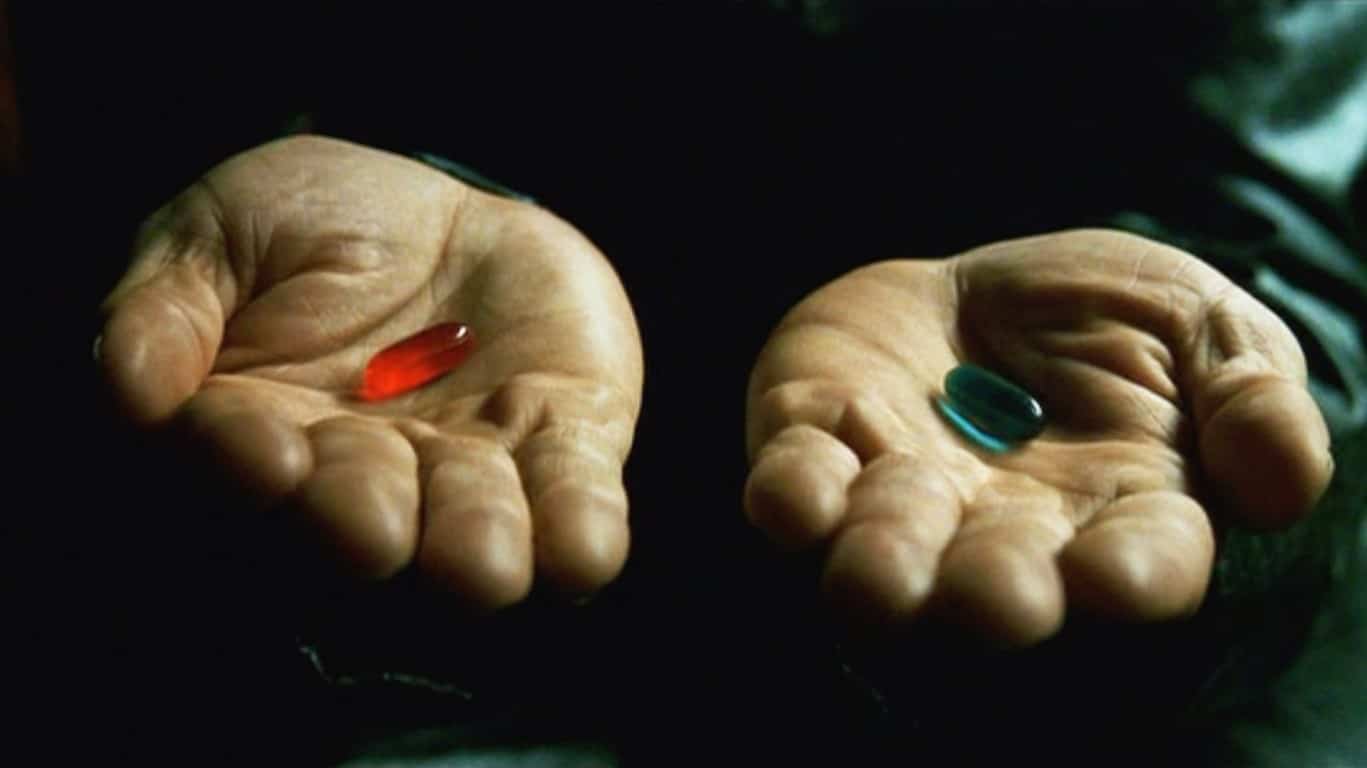
"The Matrix" did not predict today's AI systems in any specific way, but artificial intelligence is central to its 1999 premise. Neo discovers that the world he knows is a computer-generated simulation controlled by intelligent machines. Modern AI is nowhere near the film's machine-dominated future, but its questions about machine intelligence and simulated experience have become increasingly relevant.
"The Truman Show" (1998)
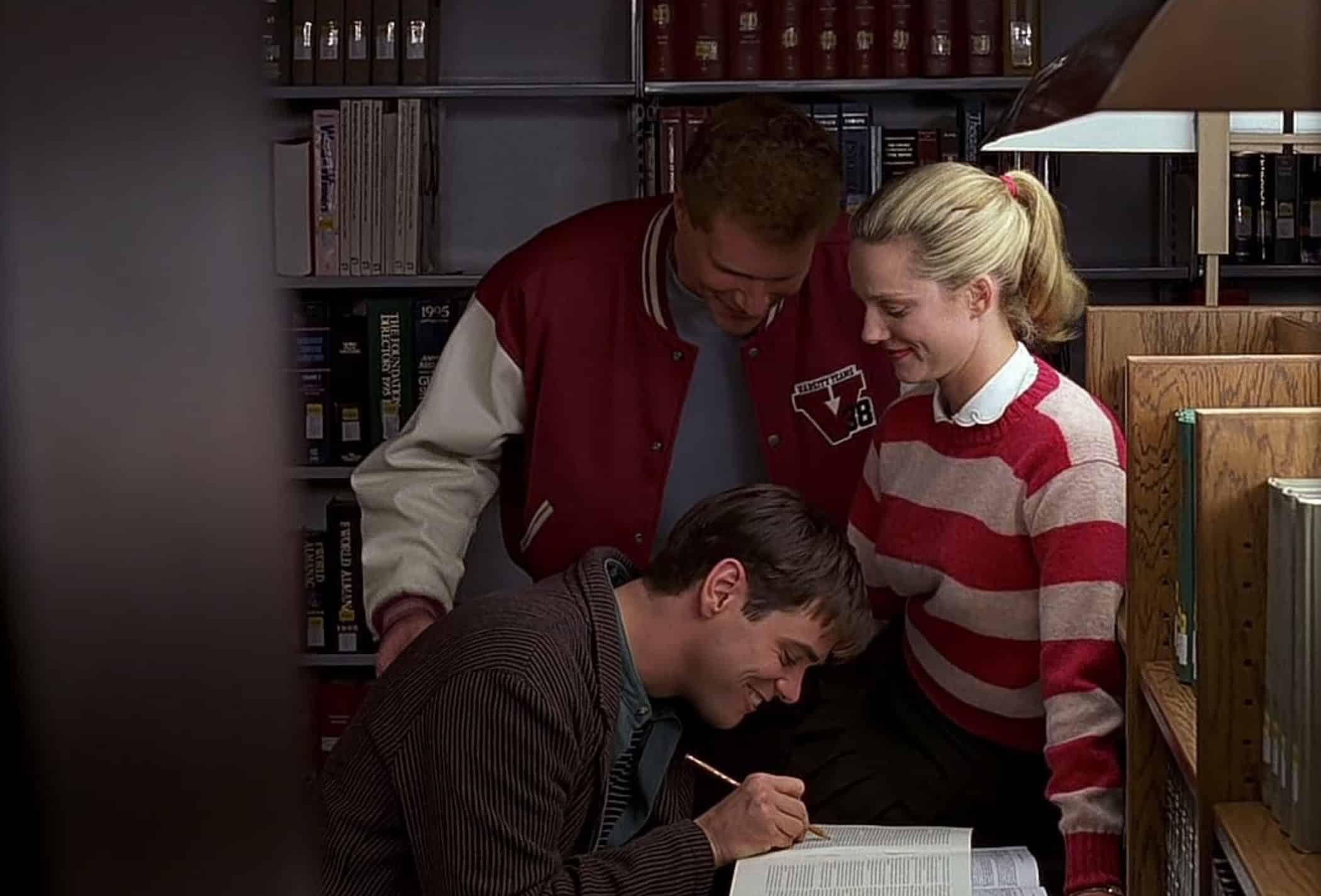
The central premise of "The Truman Show" remains fiction: Truman Burbank unknowingly spends his life inside a giant studio set while his every move is broadcast as entertainment. Still, the 1998 film arrived before the major U.S. reality-TV boom of the early 2000s. Programs such as "The Real World" were already on the air, but "Survivor" and other hits soon pushed the genre much further into the mainstream. The movie's producer-controlled environment and manufactured storylines also resemble techniques that became familiar features of reality television.
"Contagion" (2011)
"Contagion" did not predict COVID-19 specifically, but its 2011 pandemic scenario was deliberately grounded in real outbreak science. The film follows a novel virus spreading rapidly around the world while public-health officials track transmission and work toward a vaccine. CDC experts who discussed the movie when it was released said many elements were plausible, which helps explain why its scenes of fear, misinformation, and public-health response felt so familiar during the COVID-19 pandemic in 2020.
"Network" (1976)
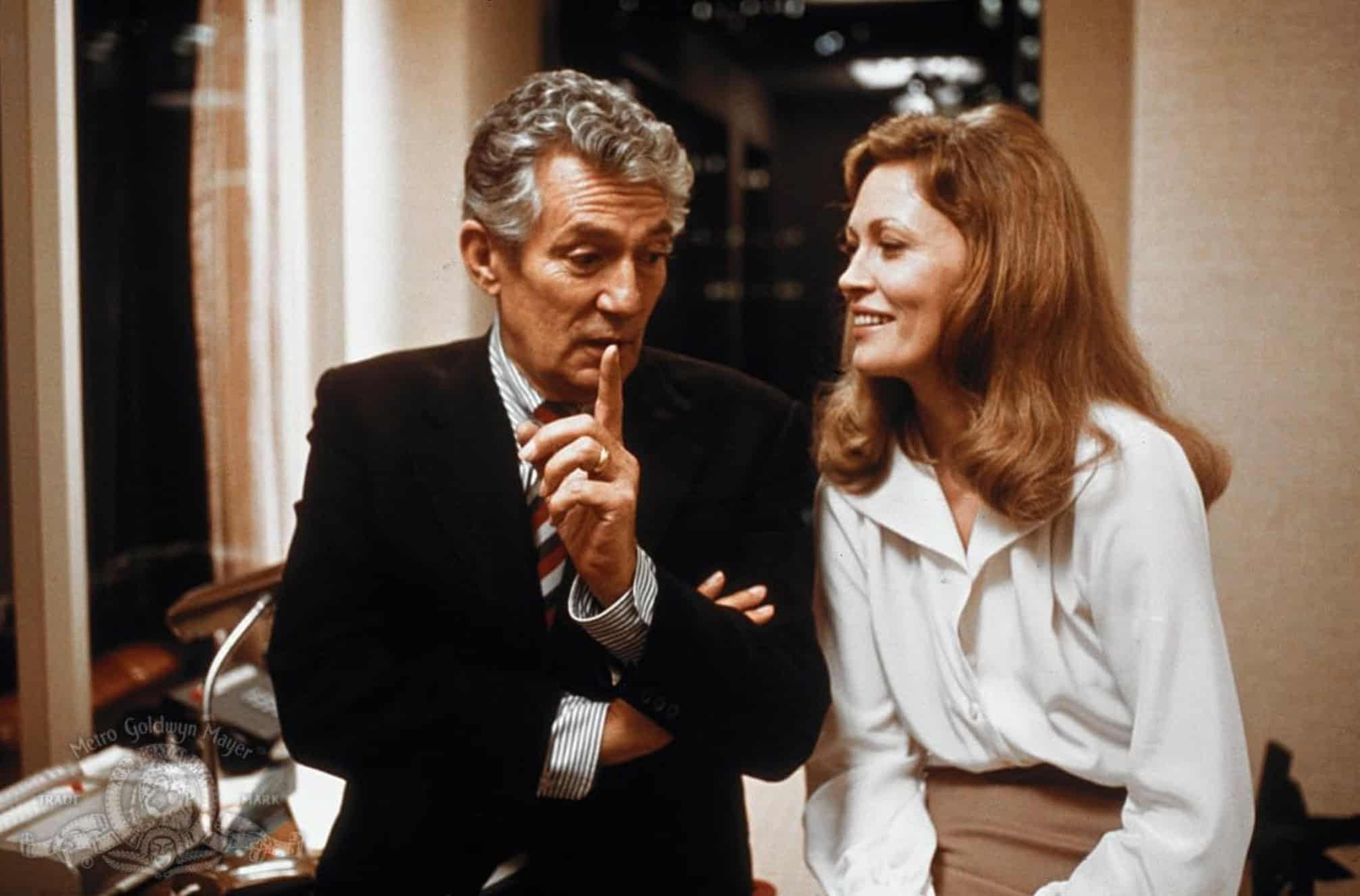
"Network" is a satirical drama released in 1976. The movie takes a scathing look at the television business, following a network that exploits news anchor Howard Beale's on-air breakdown as a ratings opportunity. It did not predict one specific later event, but its portrayal of news being shaped by corporate pressure, spectacle, and audience numbers has often been described as prophetic.
"Children of Men" (2006)
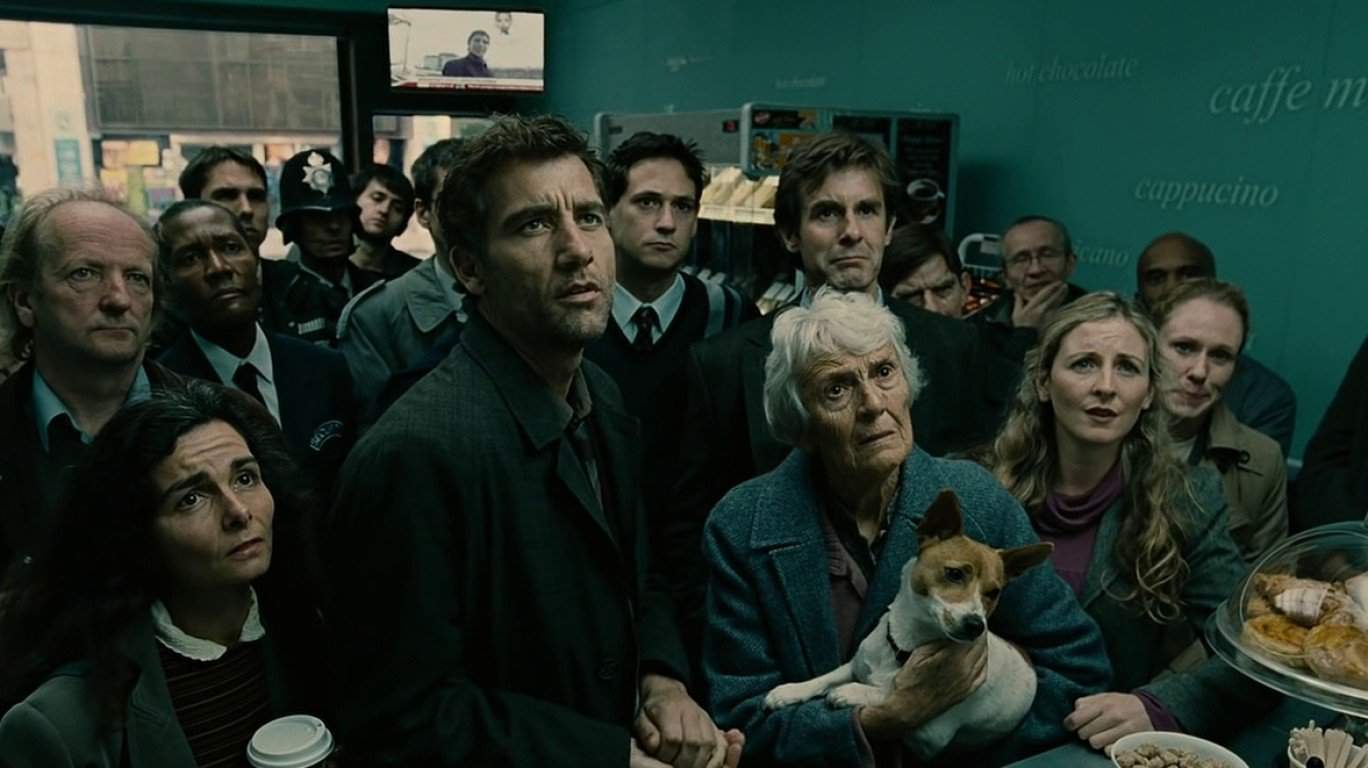
"Children of Men" is often described as eerily relevant because several of its dystopian themes still resonate. The 2006 film is set in 2027, 18 years after the last baby was born, and follows a pregnant woman whose existence could change humanity's future. Its world also includes harsh treatment of immigrants and refugees. The worldwide infertility crisis is fictional, but the film's treatment of social instability, migration, and authoritarian politics is a major reason it continues to feel contemporary.
"WALL-E" (2008)
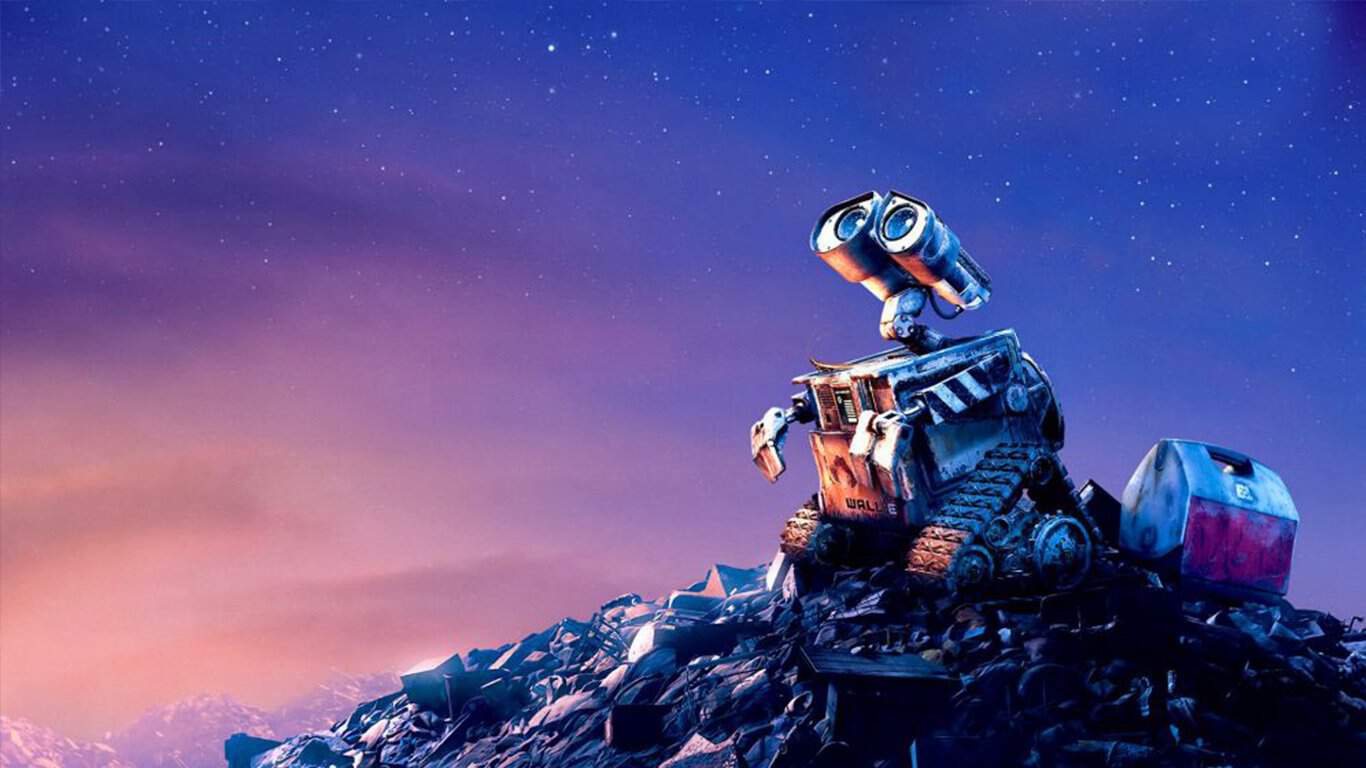
"WALL-E" is a charming animated film with a lot of heart and a deliberately exaggerated vision of technology and consumer culture. One part feels especially familiar in retrospect: the residents of the Axiom spend much of their time in hoverchairs staring at personal screens and paying little attention to the world around them. In one scene, Mary looks away from her chair's display and notices the ship's enormous pool. The humans are also portrayed as extremely sedentary and obese. That part is satire, but U.S. obesity prevalence has continued to rise in many states: before 2013, no state had an adult obesity prevalence at or above 35%, while CDC data for 2023 put 23 states at or above that threshold.
"2001: A Space Odyssey" (1968)
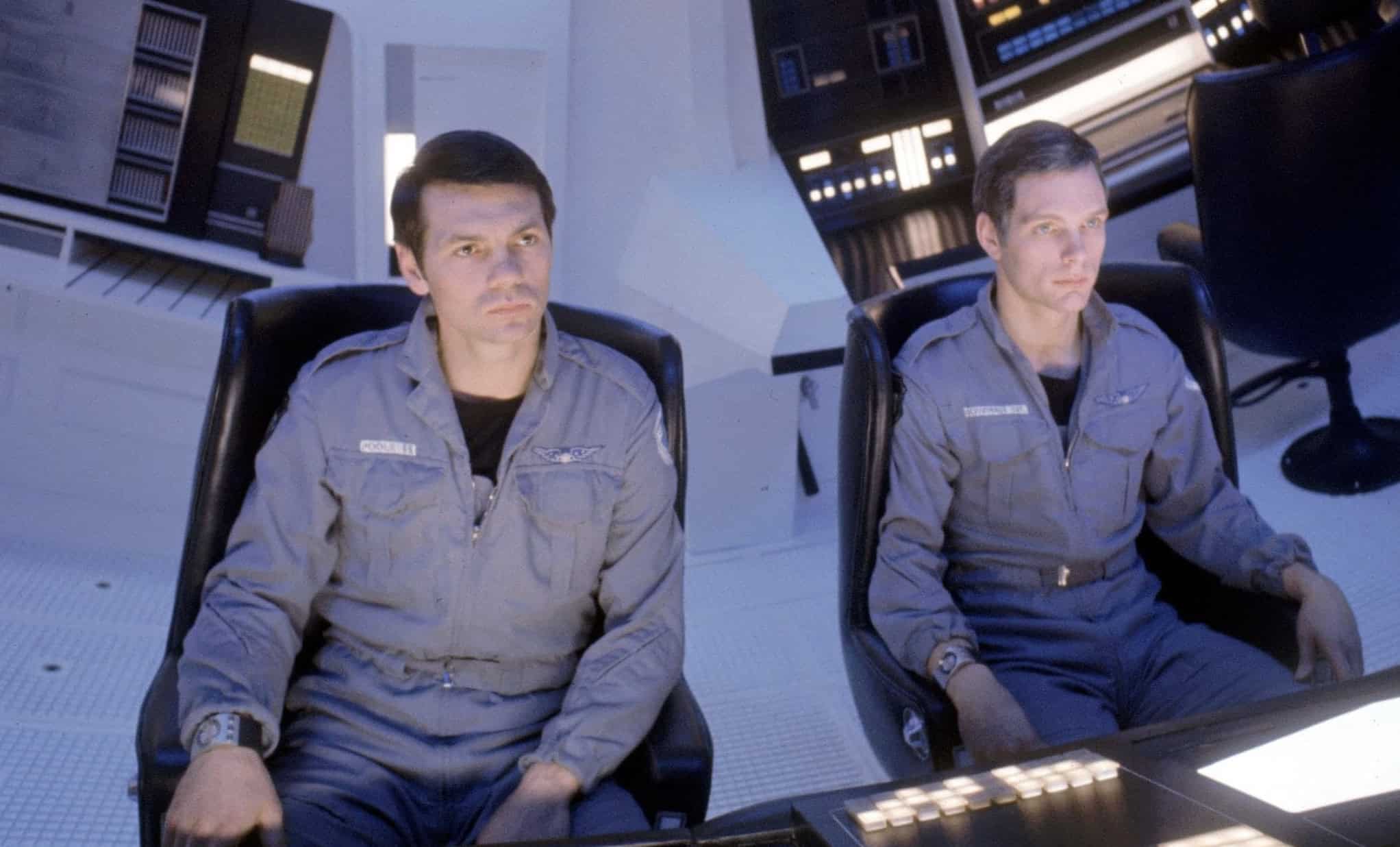
"2001: A Space Odyssey" depicted several technologies that now feel familiar, which is especially striking for a film released in 1968. Characters use flat, tablet-like screens and make videophone calls, both of which resemble technology that later became commonplace.
"Back to the Future Part II" (1989)
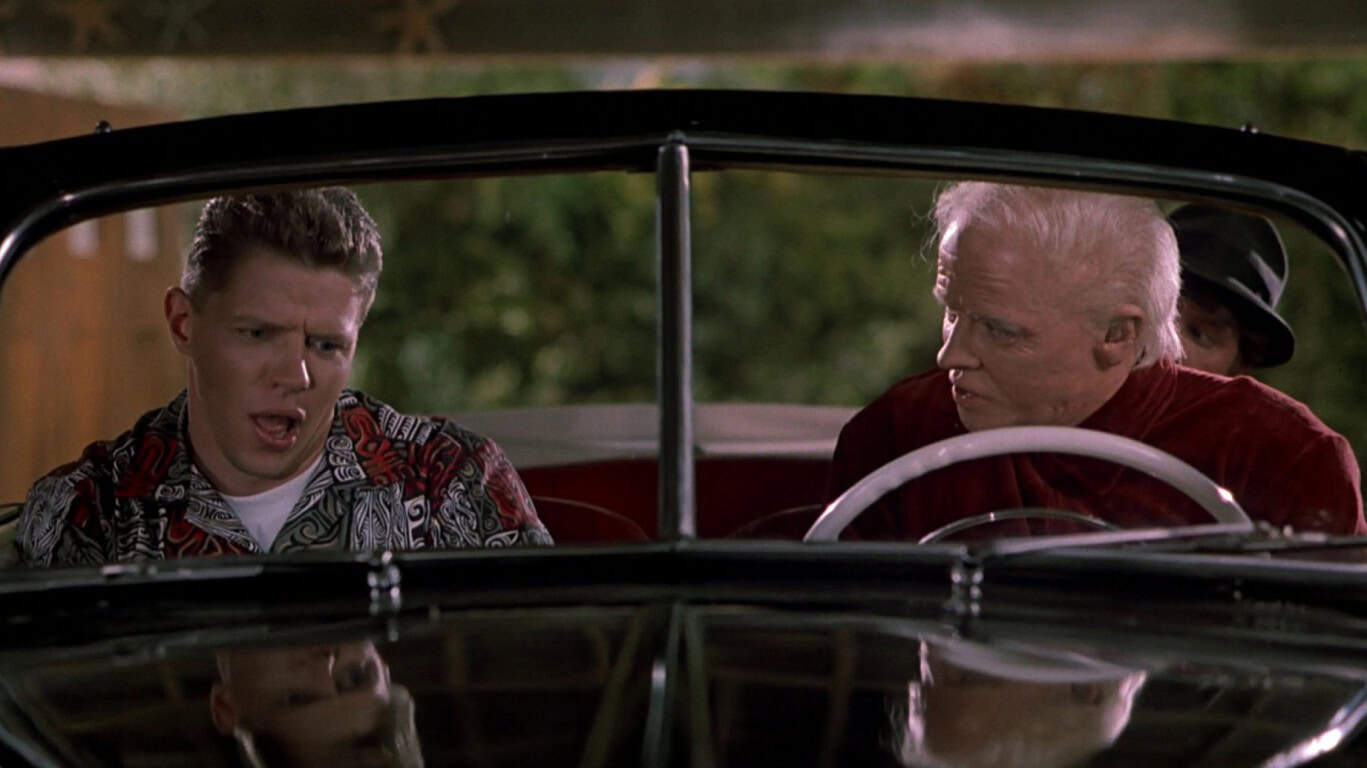
With a name like "Back to the Future Part II," it's unsurprising that viewers like to compare its imagined future with the real one. The 1989 film sends Marty McFly to 2015 and features technologies that resemble later products, including video calling, wearable video displays, and self-lacing shoes. Other ideas, such as Marty's automatically drying jacket, remain much more futuristic.
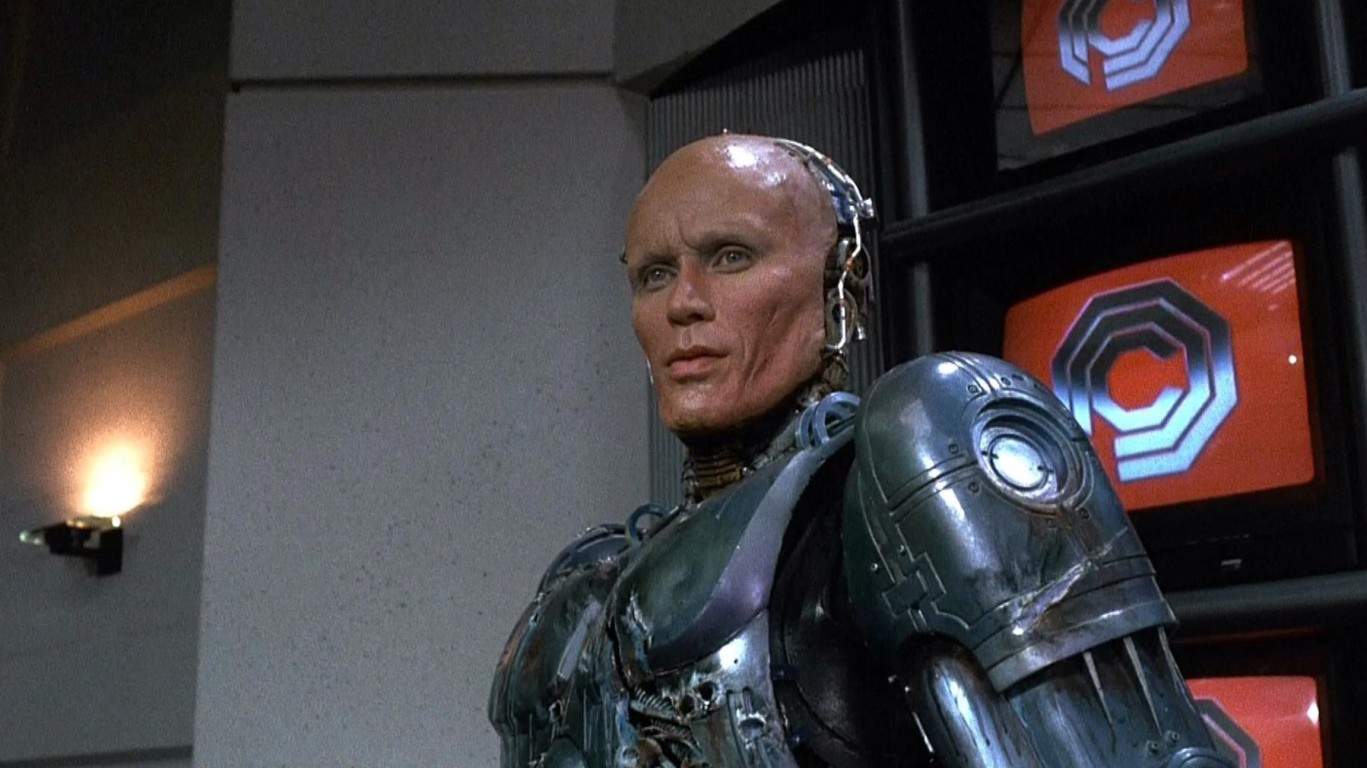
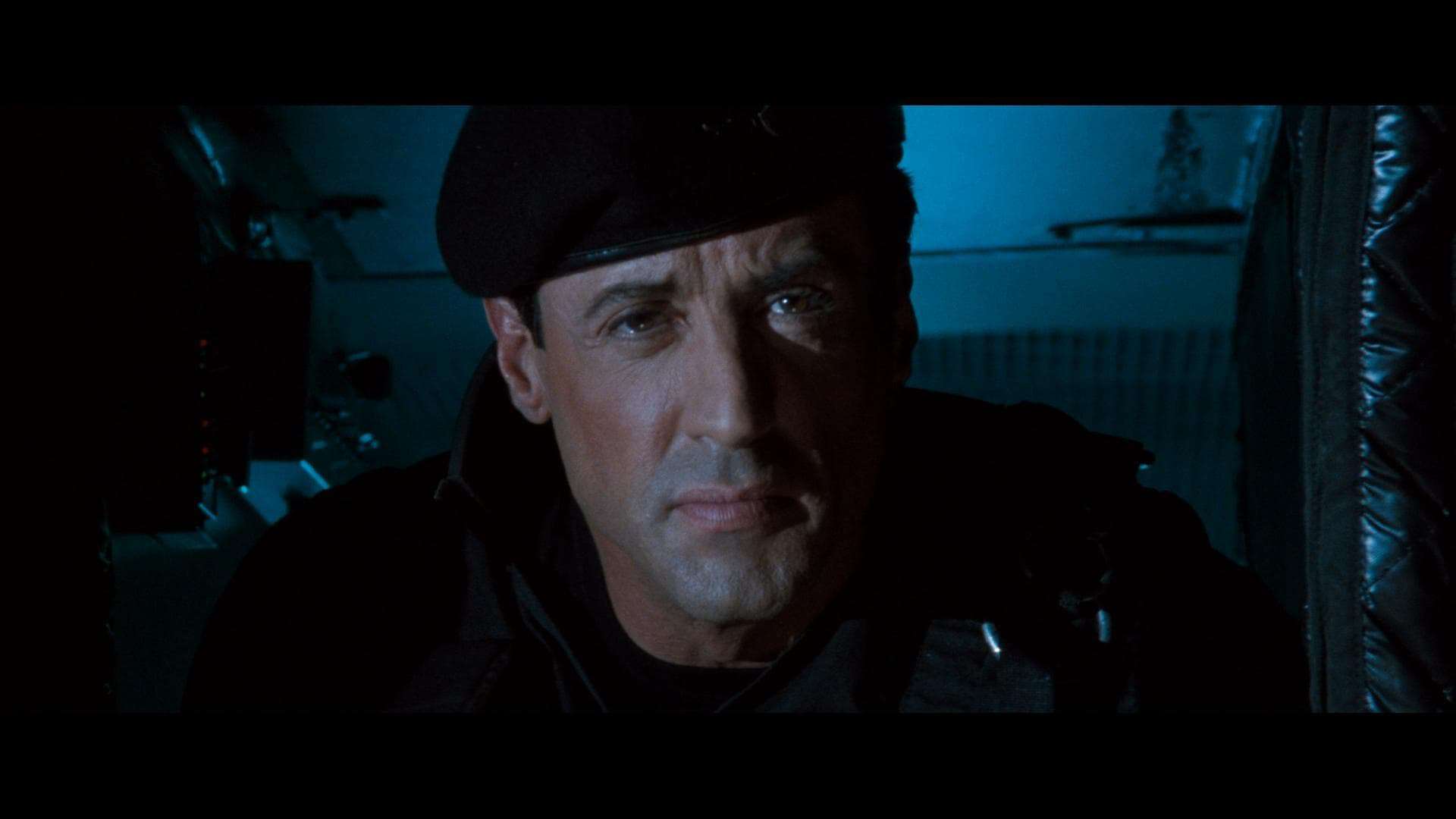
"RoboCop" (1987)
Are you surprised to see "RoboCop" here? Don't freak out just yet; robotic police officers like the movie's title character are not patrolling the streets. Still, parts of the 1987 film's futuristic policing now have real-world parallels. RoboCop uses computerized targeting and identification systems, while law-enforcement agencies today use technologies such as facial recognition to support some criminal investigations.
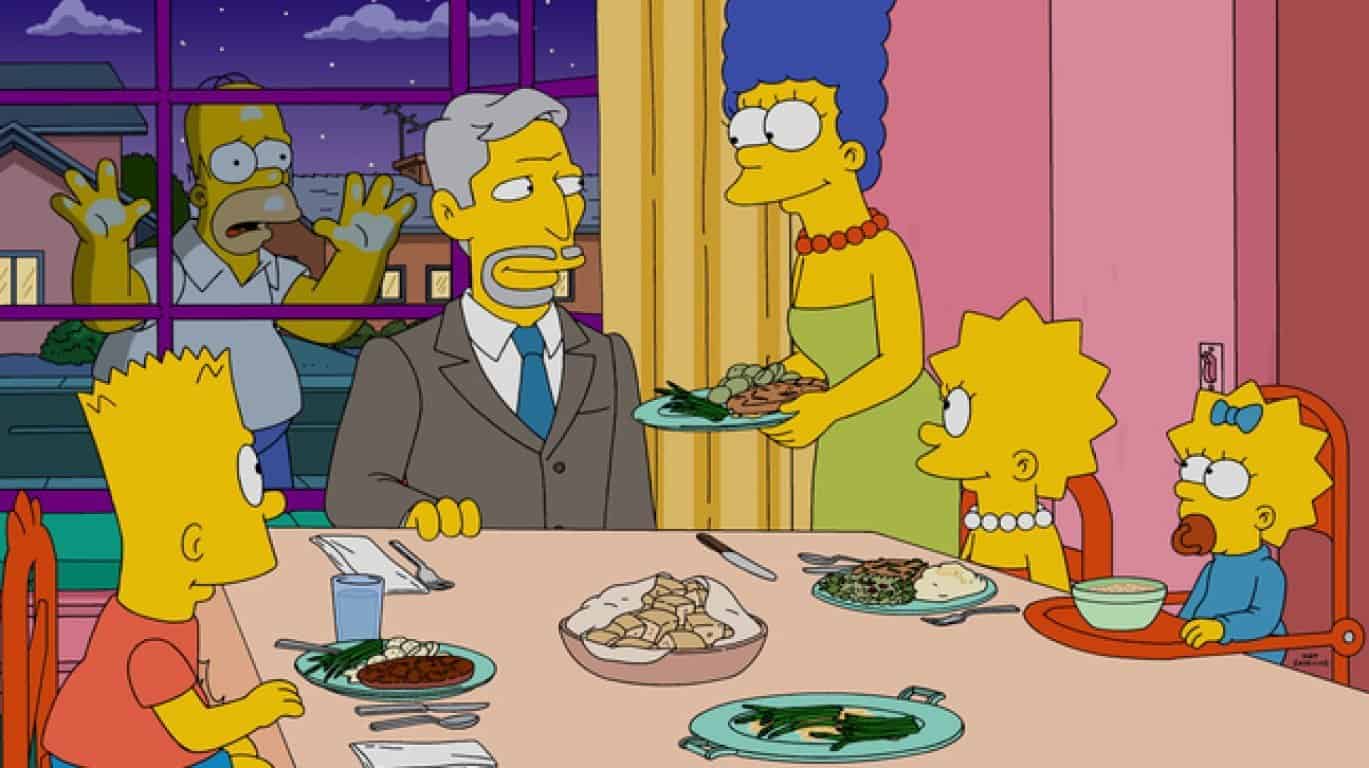
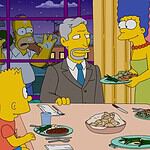
"The Simpsons" (1989 to Present)
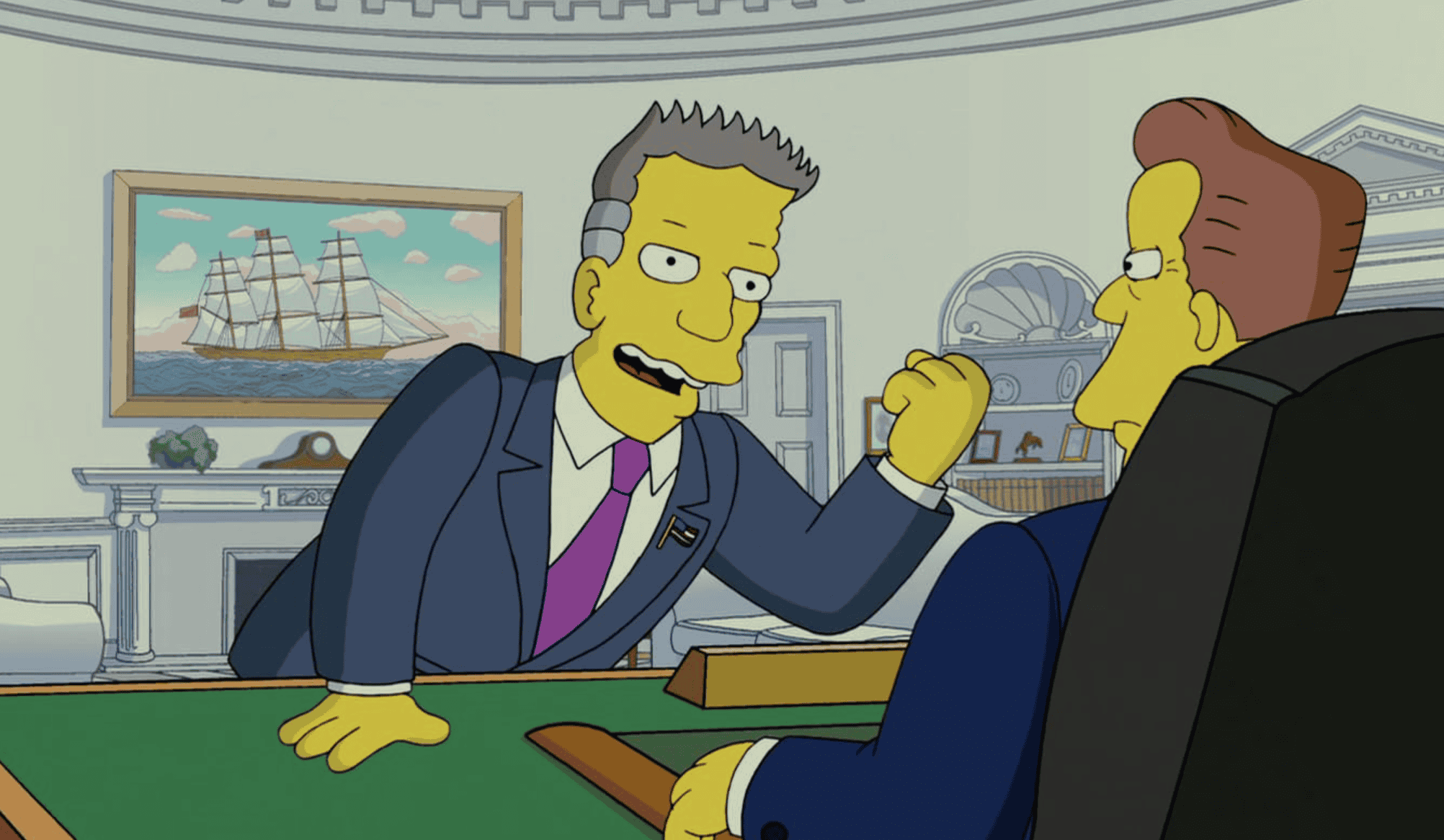
"The Simpsons" has become famous for jokes and throwaway details that later looked strangely prescient. Two of the clearest examples are the 2000 episode "Bart to the Future," which refers to a previous President Trump, and a 1998 gag showing 20th Century Fox as "A Division of Walt Disney Co." Disney completed its acquisition of 21st Century Fox in March 2019. Not every viral "Simpsons" prediction holds up, though. The show referenced Ebola in 1997, but Ebola disease had been identified in 1976, so that was not a prediction of the later outbreaks.
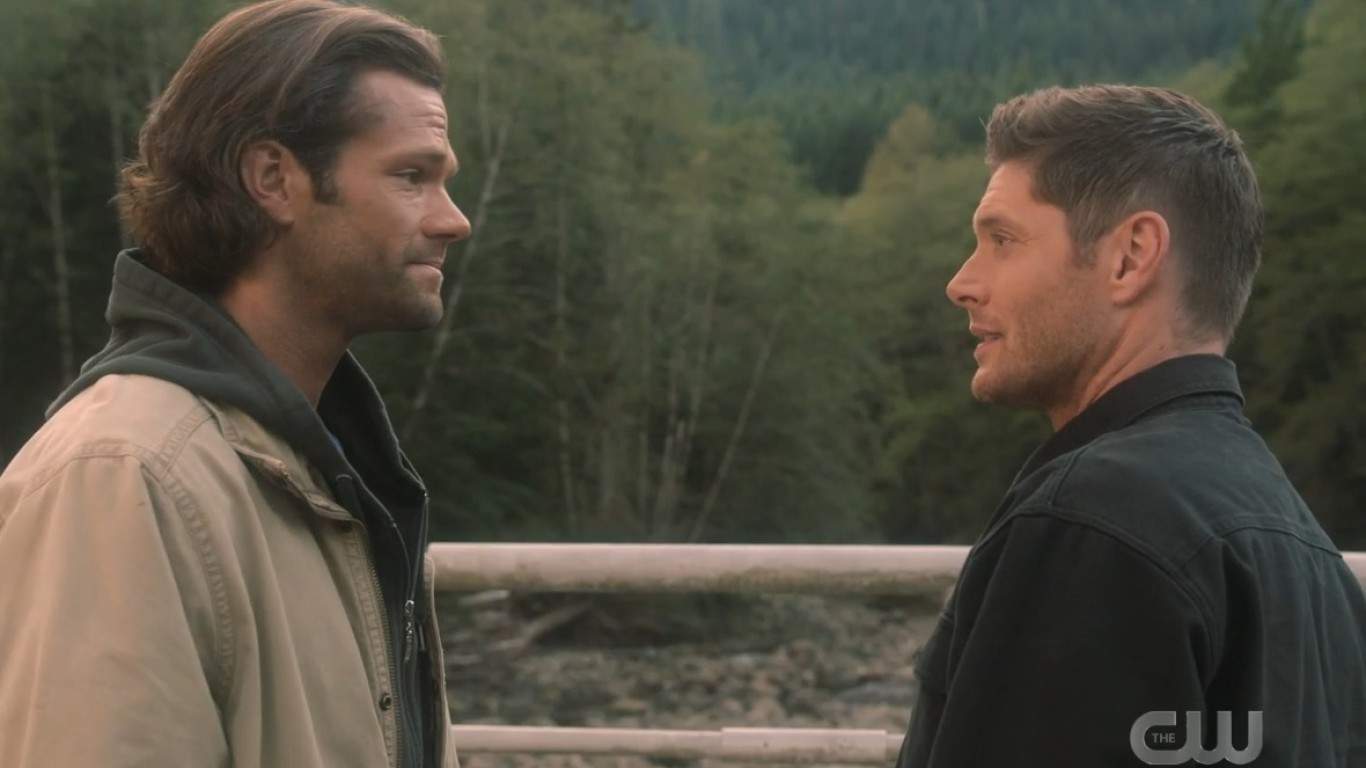
"Supernatural" (2005 to 2020)
In the season 5 episode "The End," which aired on Oct. 1, 2009, Dean awakens five years in the future and finds a world devastated by the fictional Croatoan virus. In one memorable exchange, Chuck advises the time-traveling Dean to hoard toilet paper, a line that took on a completely different resonance during the shortages of 2020.
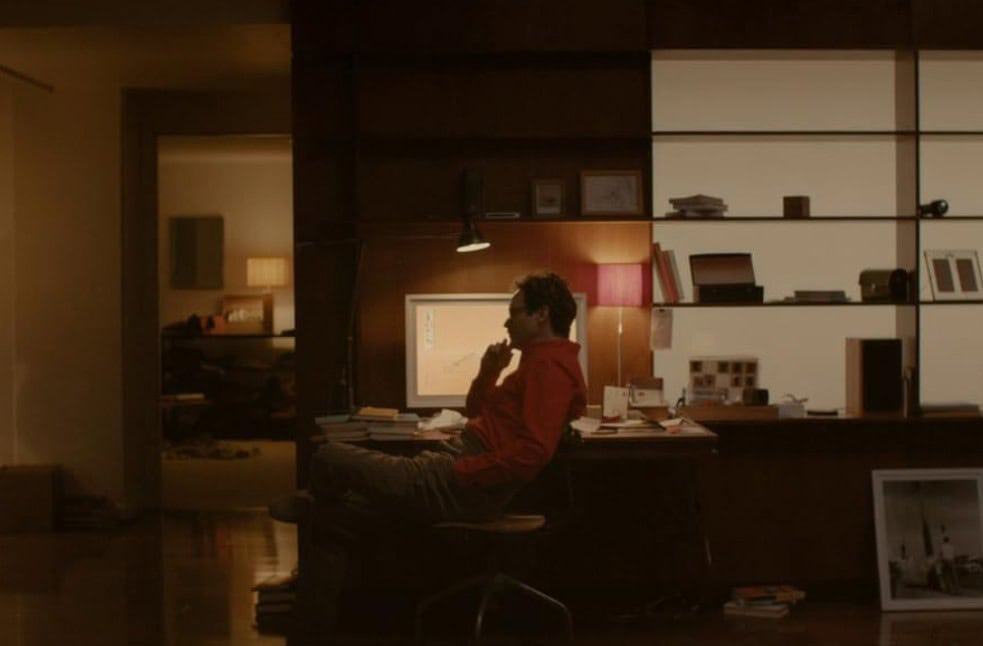
"Her" (2013)
Can you imagine falling in love with an AI? That is the central idea of "Her," released in 2013. Theodore Twombly develops a romantic relationship with Samantha, an artificially intelligent operating system rather than a physical robot. The premise feels less far-fetched now that consumer AI chatbots can be designed to simulate human-like conversation and companionship; the Federal Trade Commission has even examined how companion chatbots may encourage users to trust and form relationships with them.
"Minority Report" (2002)
Dystopian films often feel prophetic because they push existing trends to extremes, and "Minority Report" is a good example. Released in 2002 and set in 2054, the film imagines biometric identification, personalized advertisements triggered by iris scans, gesture-based computer interfaces, and a police system designed to stop murders before they happen. Some of the biometric and targeted-advertising ideas have clear modern parallels, while the film's psychic "Precrime" system remains fiction.
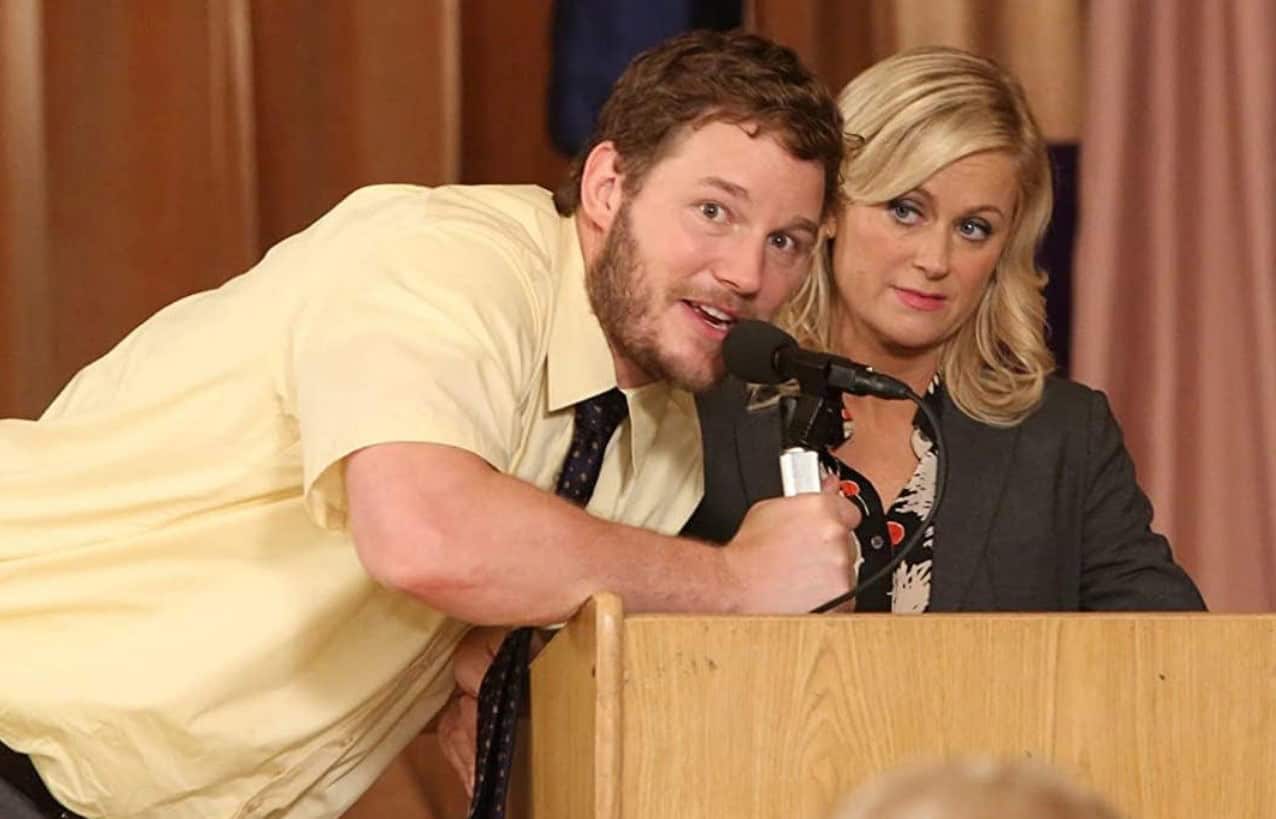
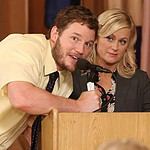
"Parks and Recreation" (2009 to 2015)
This charming and hilarious series ran for seven seasons from 2009 to 2015. In a 2015 episode set in 2017, "Parks and Recreation" has Lucy mention that Chicago is in a great mood because the Cubs won the World Series. The dialogue does not specify the championship year, but the Cubs then won the World Series in November 2016, ending a 108-year title drought and making the show's future-set joke look remarkably prescient.
"Demolition Man" (1993)
"Demolition Man" is another film set in the future. Released in 1993, much of the story takes place in 2032, where video calling is routine. The movie also makes a joke about a "Schwarzenegger Presidential Library," implying that Arnold Schwarzenegger eventually became president. That did not happen, but Schwarzenegger did enter elected office a decade after the film's release and served as governor of California from 2003 to 2011.
"The Last Man on Earth" (2015 to 2018)
"The Last Man on Earth" is a post-apocalyptic comedy built around a deadly virus that has swept the planet and wiped out nearly everyone. The series debuted in 2015, years before the COVID-19 pandemic. That broad similarity can feel eerie in retrospect, but the show's fictional outbreak is far more catastrophic and was not a forecast of COVID-19.
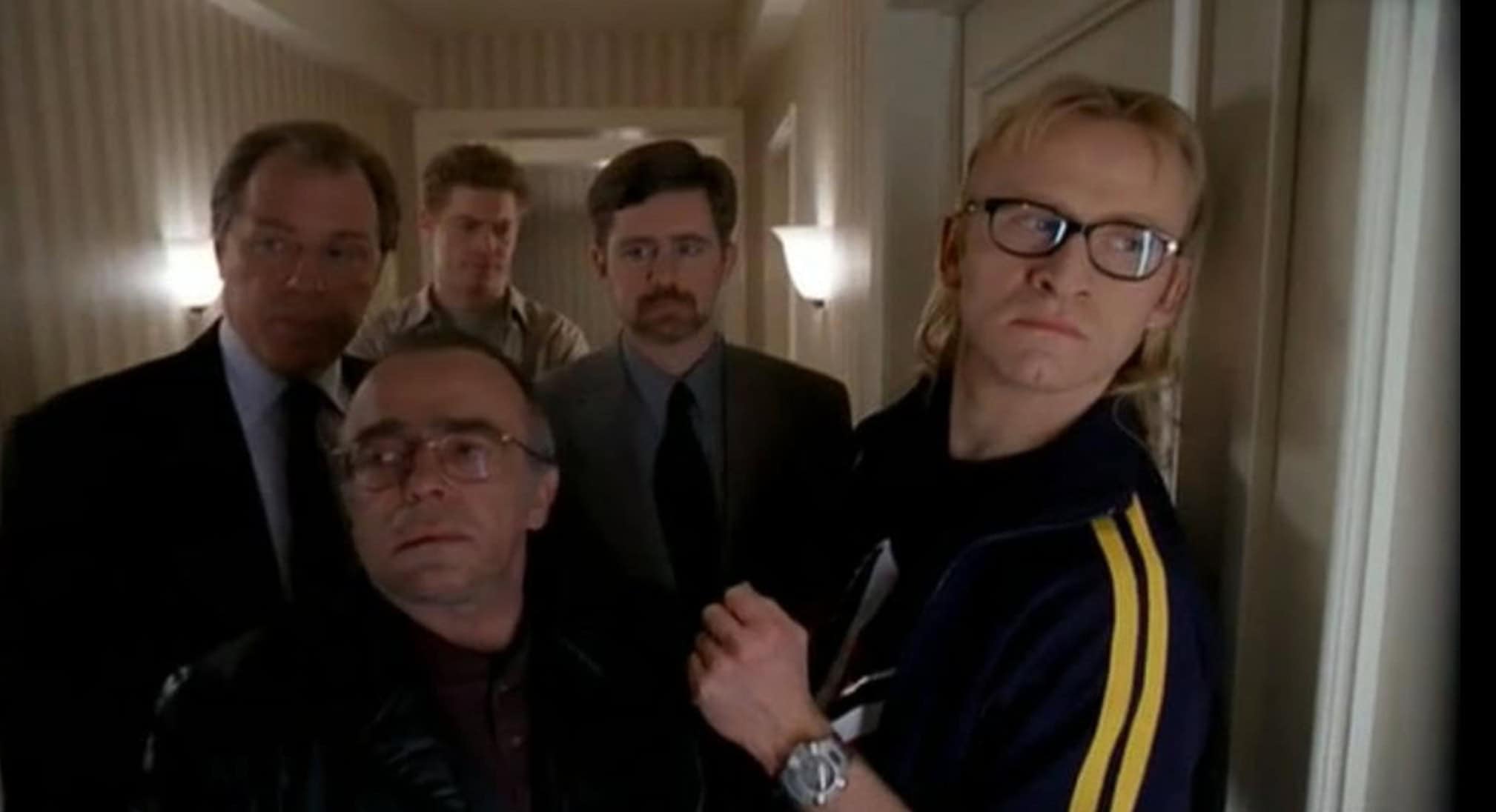
"The Lone Gunmen" (2001)
How can we not mention "The Lone Gunmen?" The series lasted only one season, but its pilot has a chillingly familiar premise. The episode aired on March 4, 2001, about six months before the September 11 attacks, and involves a rogue faction within the U.S. government trying to remotely hijack a passenger plane and send it into the World Trade Center as part of a scheme to increase defense spending. The real 9/11 attacks were carried out by 19 al-Qaeda-trained hijackers, so the fictional conspiracy was fundamentally different, but the visual similarity is still striking.
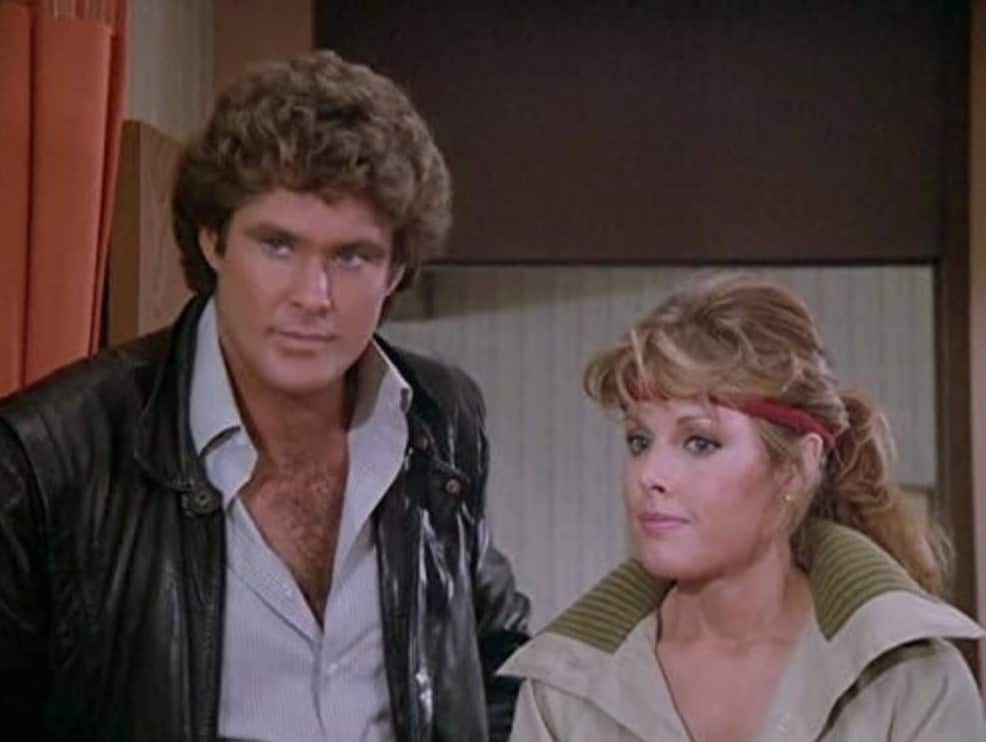
"Knight Rider" (1982 to 1986)
In 1982, TV viewers first met Michael Knight and KITT, his artificially intelligent, highly automated car. We still don't have cars quite like KITT, but fully autonomous ride-hailing services now operate commercially in several U.S. cities. Michael's wrist-mounted communicator also looks familiar today, even if a modern smartwatch is far less capable than the gadget he used to communicate with KITT.
"Watchmen" (2019)
"Watchmen" premiered on HBO in 2019 and ran for nine episodes. The series later looked visually prescient for reasons that were not actually part of its prediction: months before the COVID-19 pandemic and the 2020 protests that followed George Floyd's killing, it portrayed police officers working in masks. In the show's alternate history, however, those masks are used to conceal officers' identities after a coordinated white-supremacist attack on the Tulsa police, not to protect people from disease or civil unrest.