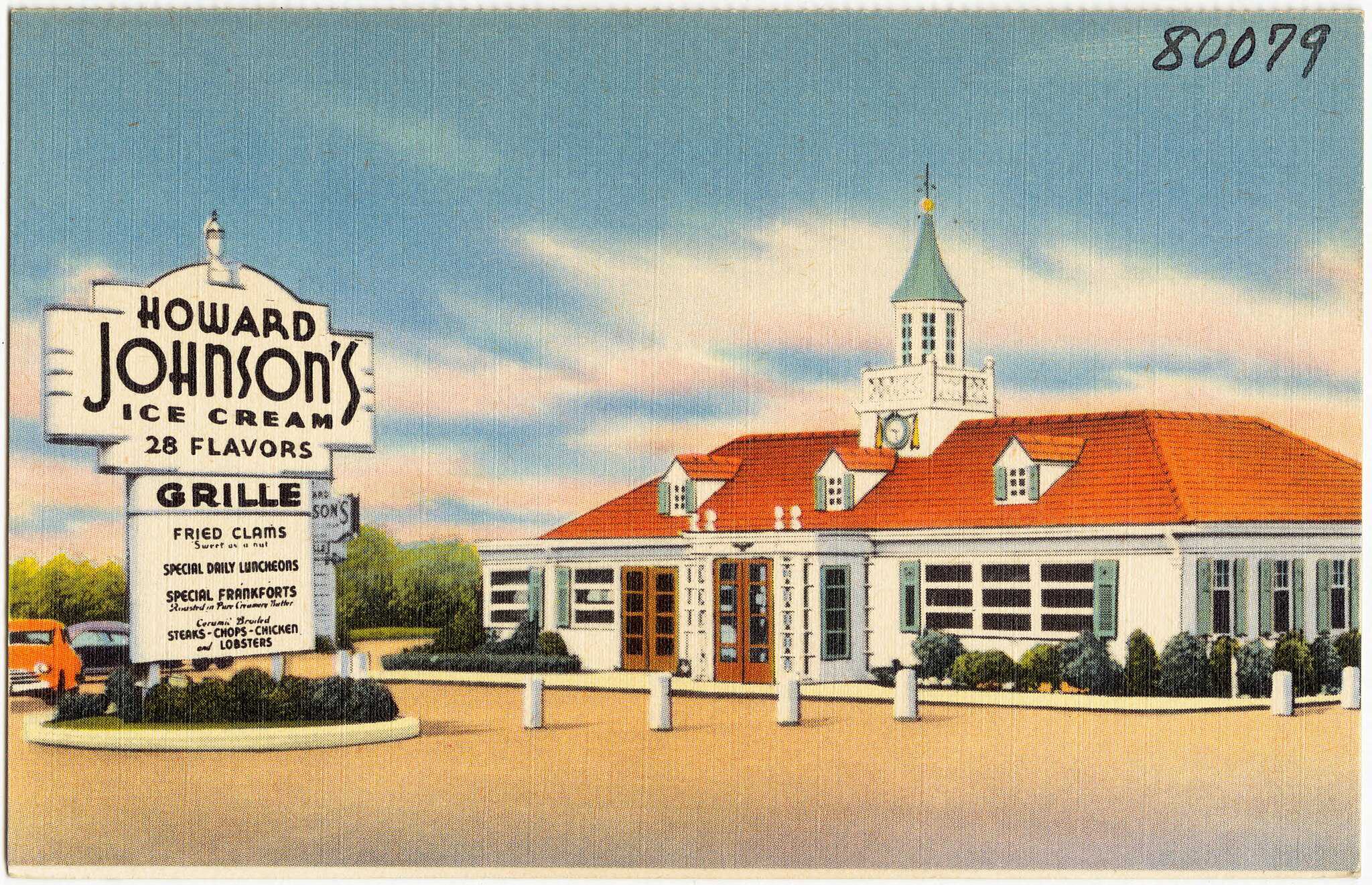
For generations, America’s biggest restaurant chains offered more than an easy meal. Their neon signs, themed dining rooms, signature dishes, and familiar booths became part of road trips, birthday celebrations, first dates, and late-night routines. Then tastes changed, competitors multiplied, and many once-beloved brands struggled to keep their magic alive. Some expanded too quickly or fell under poor ownership, while others were devastated by health scares, crushing debt, or the decline of malls and buffet dining. These 17 restaurant chains once felt impossible to escape, but each eventually lost the qualities that had made customers line up for a table.
Howard Johnson’s
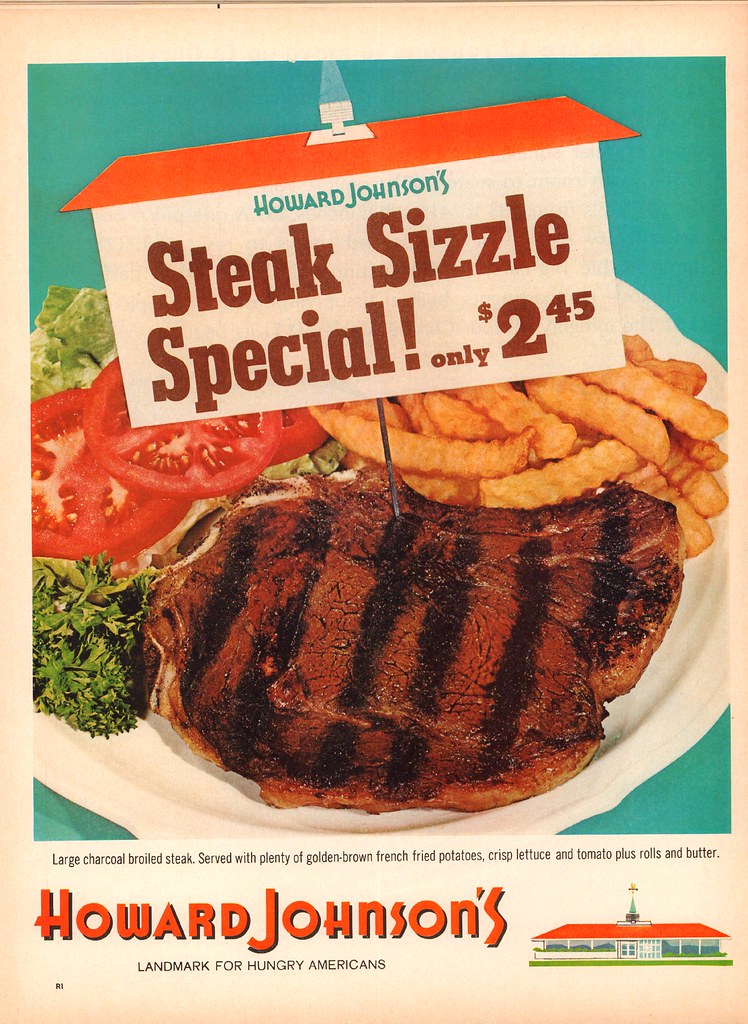
Few sights were more familiar to midcentury American travelers than the bright orange roof of a Howard Johnson’s. As the interstate highway system expanded, the chain grew alongside it, eventually operating more than 1,000 restaurants and turning its 28 ice cream flavors into a roadside institution. Families knew exactly what awaited them inside, which was a major advantage in an era before online reviews and endless highway dining options. That dependable formula later became a weakness. After multiple ownership changes, Howard Johnson’s failed to modernize while newer chains crowded interstate exits. The final restaurant in Lake George, New York, closed in 2022, ending an era that had lasted nearly a century.
Chi-Chi’s
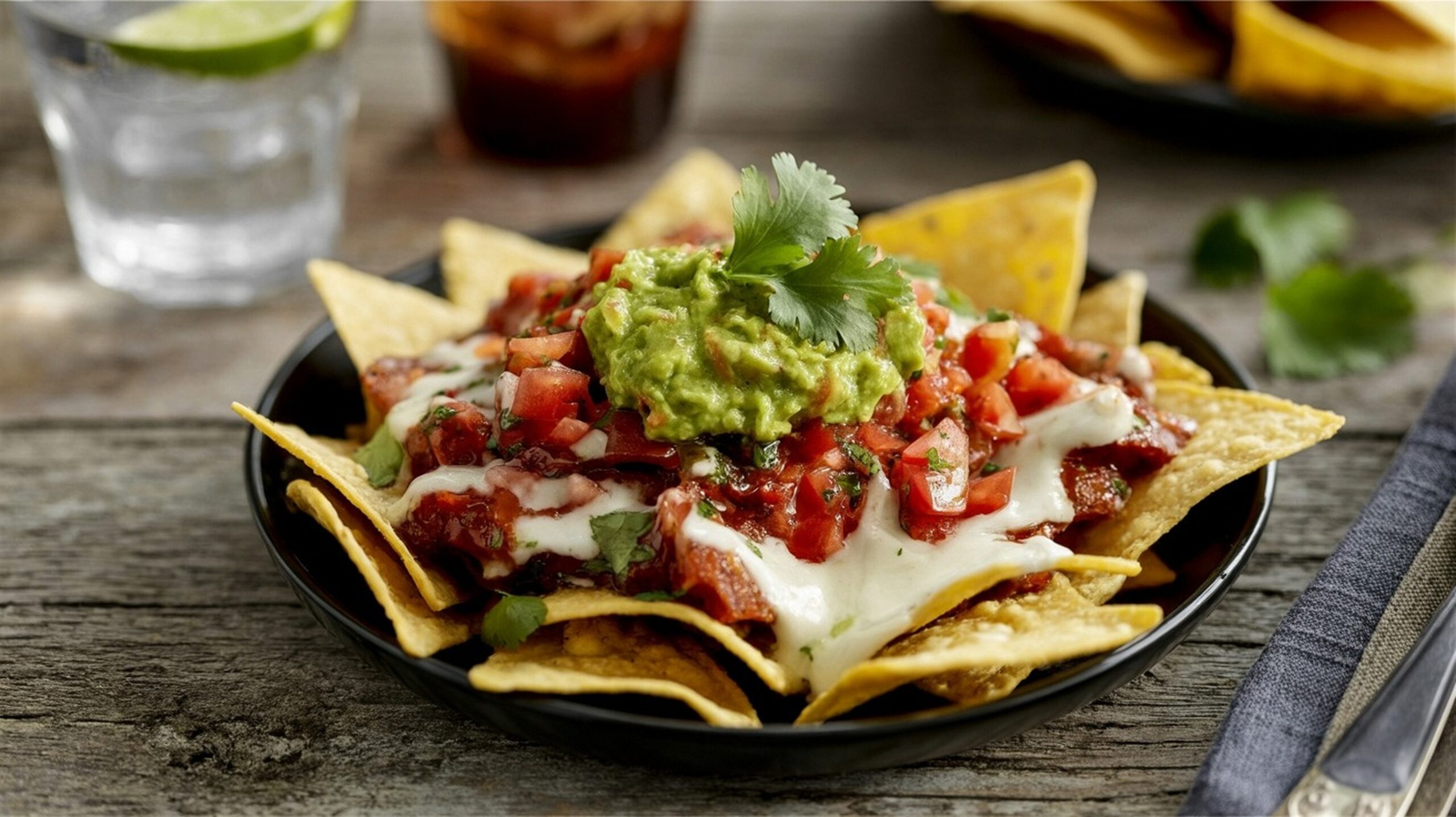
During the 1980s and 1990s, Chi-Chi’s introduced countless American families to a festive, heavily Americanized version of Mexican dining. Crowded restaurants served sizzling fajitas, overflowing combination plates, colorful drinks, and the chain’s famous fried ice cream. Aggressive expansion eventually collided with growing competition, and by 2002, only 144 North American locations remained. The decisive blow came in 2003, when contaminated green onions served at a Pennsylvania restaurant caused a massive hepatitis A outbreak. More than 650 people became ill and four died. Already financially weakened, the chain’s U.S. operations closed the following year, leaving the once-packed dining rooms behind.
Steak and Ale
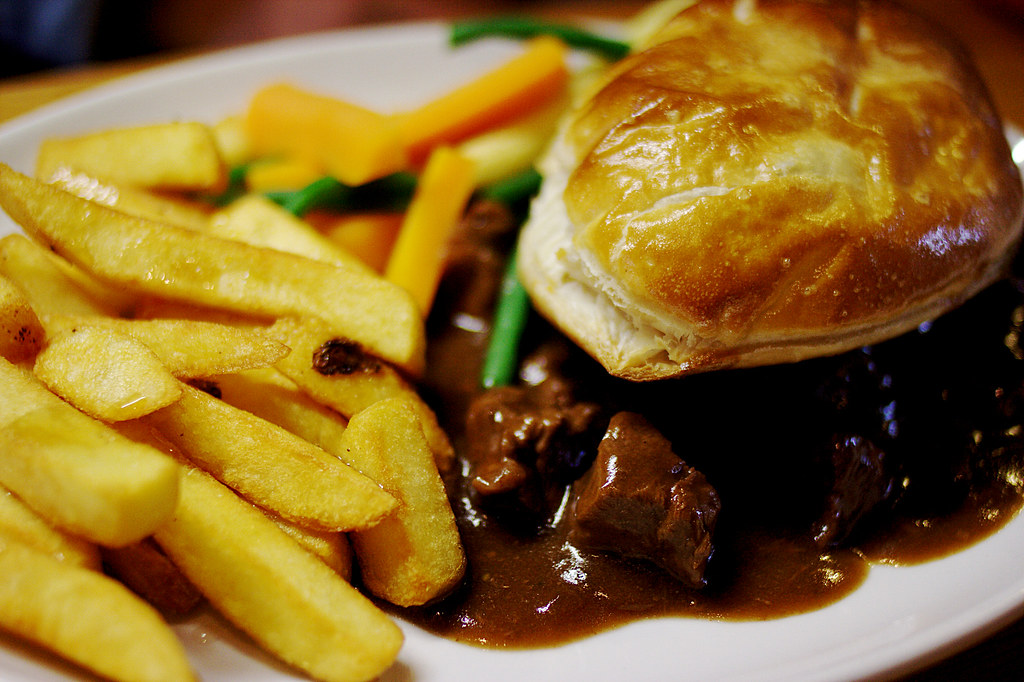
When Norman Brinker launched Steak and Ale in 1966, he helped create a new category between fast food and expensive fine dining. Customers could order an affordable steak in a dim, medieval-inspired dining room, then visit a salad bar that felt innovative at the time. The atmosphere made the chain a popular choice for family celebrations and date nights throughout the 1970s and 1980s. Brinker sold the business in 1976, and its once-distinctive formula gradually lost ground as competitors copied the casual steakhouse model. The salad bar no longer felt special, the restaurants aged, and the brand struggled to reinvent itself. Its remaining locations closed after parent company Metromedia filed for bankruptcy in 2008.
Bennigan’s
Bennigan’s made Irish-American casual dining feel fresh long before shamrock-covered pubs became a familiar chain-restaurant theme. Its dark wood interiors, overflowing drinks, lively bar atmosphere, and indulgent Monte Cristo sandwiches attracted families and after-work crowds. At its height, the brand had about 300 restaurants, but competitors such as Chili’s and Applebee’s eventually offered a similar experience with newer buildings and more frequently updated menus. Debt and management problems deepened the decline. In July 2008, Bennigan’s parent company filed for bankruptcy and abruptly closed about 150 corporate locations. Franchised restaurants survived, but the chain was never the national destination it had been during its peak.
Sizzler
Sizzler began in California in 1958 with a simple promise: families could enjoy steak, seafood, and a generous salad bar without paying upscale prices. The formula worked spectacularly, and by the late 1980s the chain had nearly 700 restaurants. Its buffet-style choices offered value and variety, but the concept began to look dated when Outback Steakhouse, Texas Roadhouse, and other newer rivals delivered larger portions and more polished service at similar prices. Sizzler filed for bankruptcy protection in 1996, recovered, and then returned to bankruptcy during the 2020 pandemic. The brand still operates in the western United States, but its much smaller footprint barely resembles the nationwide powerhouse older diners remember.
Ponderosa Steakhouse
Ponderosa Steakhouse leaned enthusiastically into its Old West identity, offering inexpensive steaks, large buffets, and soft-serve ice cream in a setting designed for families. The chain became a major casual-dining force, operating more than 700 restaurants at its height. Trouble arrived as diners became more health-conscious and newer steakhouse concepts offered better service and a more distinctive atmosphere. Ponderosa and sister brand Bonanza also suffered when parent company Metromedia Restaurant Group filed for bankruptcy in 2008. Many restaurants disappeared, and the once-ubiquitous name became a regional rarity. A small number of locations continue to operate, but the brand’s sprawling national presence belongs to another era.
Red Lobster
Red Lobster made seafood feel accessible to inland families who rarely encountered lobster tails, crab legs, or endless baskets of Cheddar Bay Biscuits. For decades, its combination of approachable prices and special-occasion atmosphere filled dining rooms across the country. The chain later struggled with rising food costs, expensive leases, shifting tastes, and controversial decisions tied to investor Thai Union. Making Ultimate Endless Shrimp a permanent promotion drew customers but also produced heavy losses because the low price could not support demand. Red Lobster filed for Chapter 11 bankruptcy in May 2024 and closed scores of restaurants. The company survived under new ownership, though on a far smaller scale than during its peak.
TGI Fridays
TGI Fridays began in Manhattan in 1965 and helped define the singles bar before evolving into one of America’s major casual restaurant chains. Striped awnings, Tiffany-style lamps, loaded potato skins, and elaborate frozen drinks made an ordinary dinner feel like a celebration. Success encouraged expansion, but the manufactured fun eventually became predictable. Restaurants looked interchangeable, menus lost their edge, and newer competitors captured younger diners. Private-equity ownership added debt while meaningful innovation lagged. After years of shrinking sales and dozens of closures, the U.S. operator filed for Chapter 11 bankruptcy protection in November 2024, a dramatic fall for a brand that once made every night feel like Friday.
Hooters
Hooters built a national business around chicken wings, cold beer, televised sports, and a provocative image that fit neatly into the 1980s. The formula attracted a loyal audience and helped the chain expand to nearly 500 restaurants at its height. Over time, however, its defining theme became harder to market as cultural attitudes changed. Wingstop, Buffalo Wild Wings, and other competitors also gave customers more convenient ways to order wings without buying into the Hooters experience. Rising costs, declining traffic, and mounting debt further weakened the company. Hooters of America filed for Chapter 11 bankruptcy protection in 2025 and closed numerous locations, though the broader brand continued operating through franchises.
Friendly’s
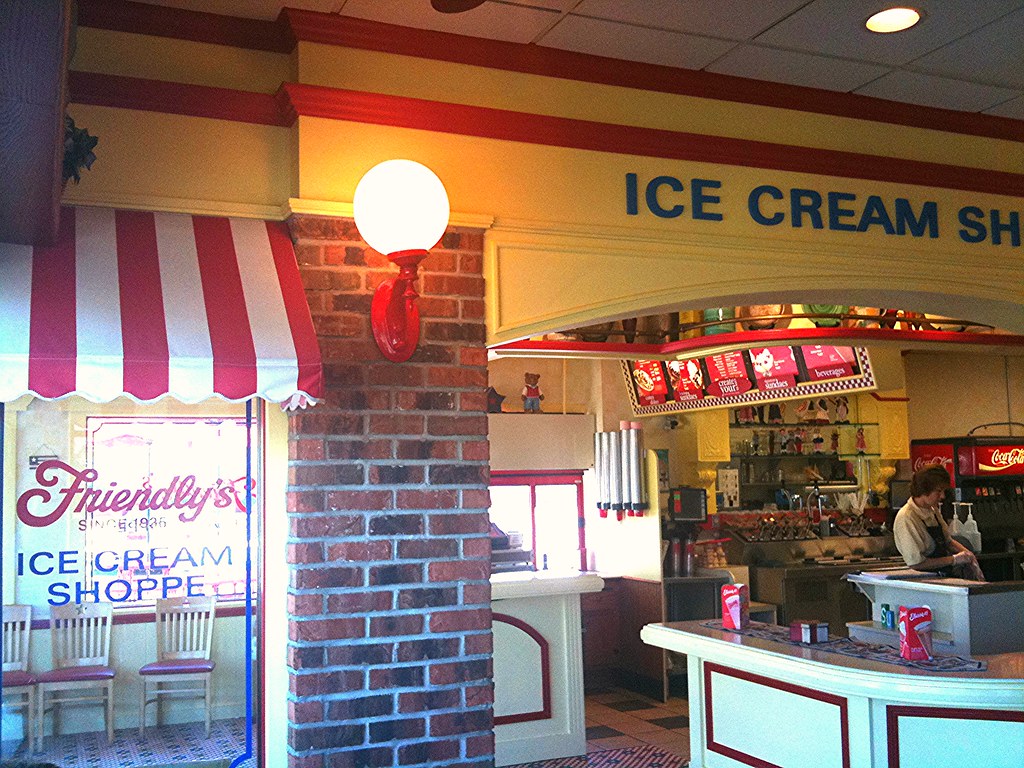
Friendly’s grew from a Massachusetts ice cream shop into a familiar family restaurant throughout the Northeast and Mid-Atlantic. Its laminated menus, approachable prices, Fribble milkshakes, and elaborate sundaes made it especially popular with parents and children. At its height, Friendly’s operated roughly 750 locations, but aging restaurants and stronger competition slowly eroded its appeal. The company entered bankruptcy in 2011 and again in 2020 as pandemic restrictions devastated its already fragile dine-in business. A buyer kept the name alive, and some restaurants remain open, but the chain no longer dominates family dining in its home region. For many former customers, Friendly’s now inspires more nostalgia than dinner plans.
Denny’s
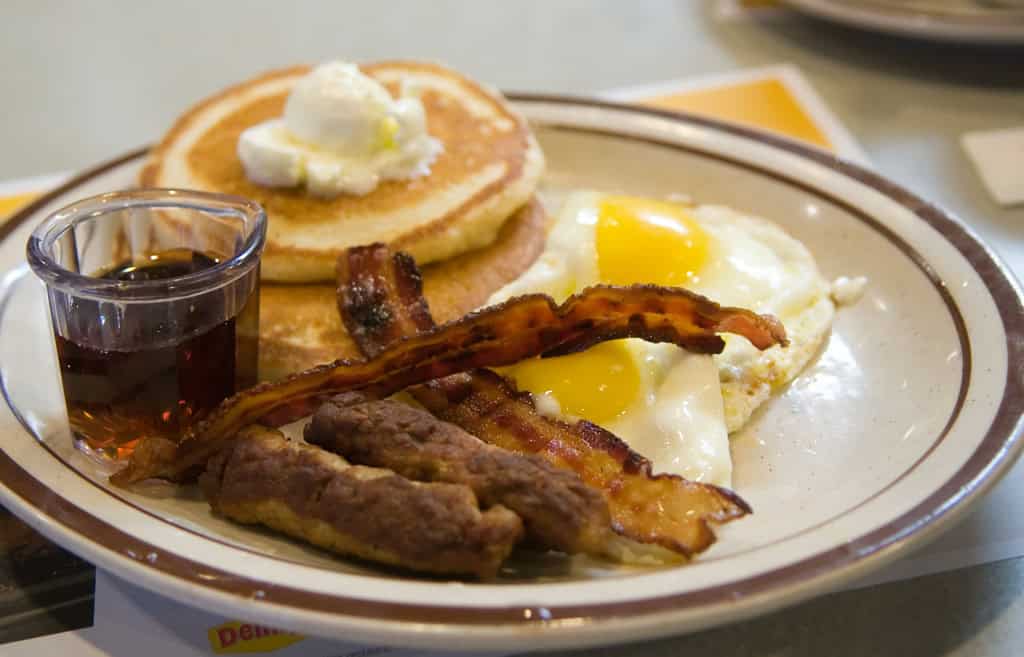
Denny’s built its identity around reliability. Travelers, night-shift workers, college students, and families knew they could order a Grand Slam breakfast at almost any hour, even when other restaurants were dark. That round-the-clock promise helped the chain grow beyond 1,600 domestic locations at its height. Yet 24-hour service became expensive as labor costs rose and customers gained more late-night options. Many restaurants also struggled with outdated buildings and inconsistent franchise performance. In 2024, the company announced plans to close approximately 150 underperforming locations by the end of 2025. Denny’s remains a major brand, but its retreat from mandatory 24-hour operations weakened the tradition that once set it apart.
Burger Chef
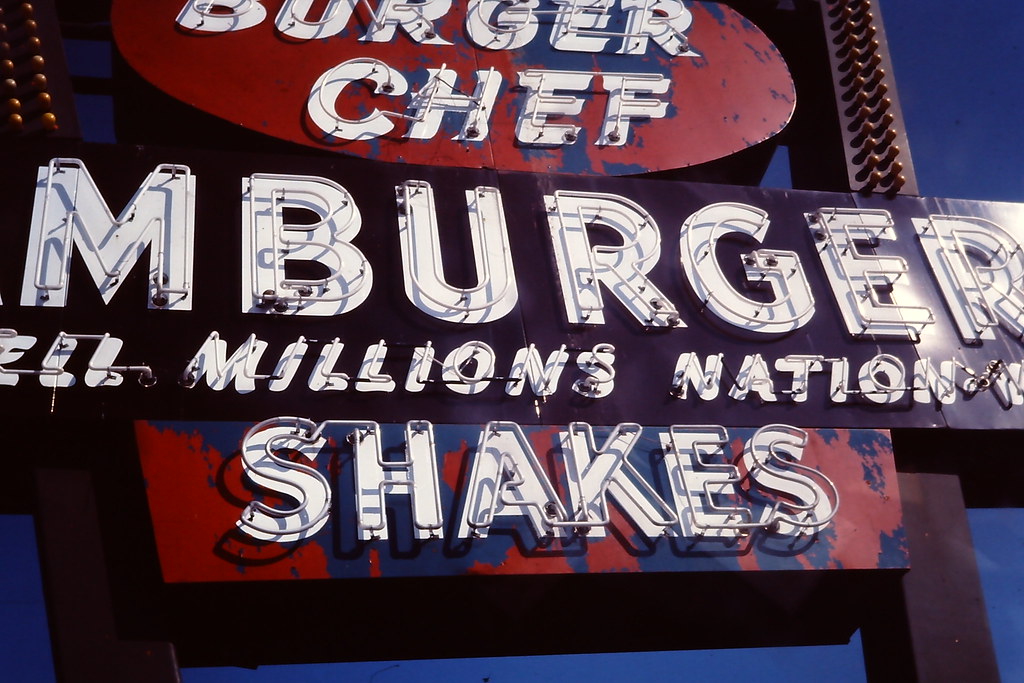
Burger Chef was once a genuine threat to McDonald’s. By the early 1970s, it ranked as America’s second-largest hamburger chain and operated more than 1,000 restaurants. The company was also ahead of its time, introducing the Funmeal in 1973 with a child-sized burger, fries, a drink, a dessert, and a toy years before the Happy Meal appeared. Yet innovation could not overcome unstable ownership and strained franchise relationships. General Foods acquired Burger Chef in 1968, and the brand later struggled with quality, marketing, and an increasingly crowded fast-food market. Hardee’s purchased most remaining restaurants in 1982 and converted many of them, while the final Burger Chef location closed in 1996.
Beefsteak Charlie’s
Beefsteak Charlie’s offered a deal that sounded almost impossible to diners in the late 1970s: unlimited shrimp, ribs, and salad, plus free-flowing beer, wine, or sangria with dinner. The extravagant formula turned the chain into a sensation, particularly around New York, and helped it grow to roughly 60 locations. It also created a costly business model that became difficult to maintain as food prices rose and the novelty of all-you-can-eat dining faded. Ownership changes and financial pressure accelerated the decline. The company filed for bankruptcy in 1989, and most restaurants disappeared soon afterward. A few locations retained the name into the 2000s, but the chain’s boisterous heyday was already a distant memory.
Old Country Buffet
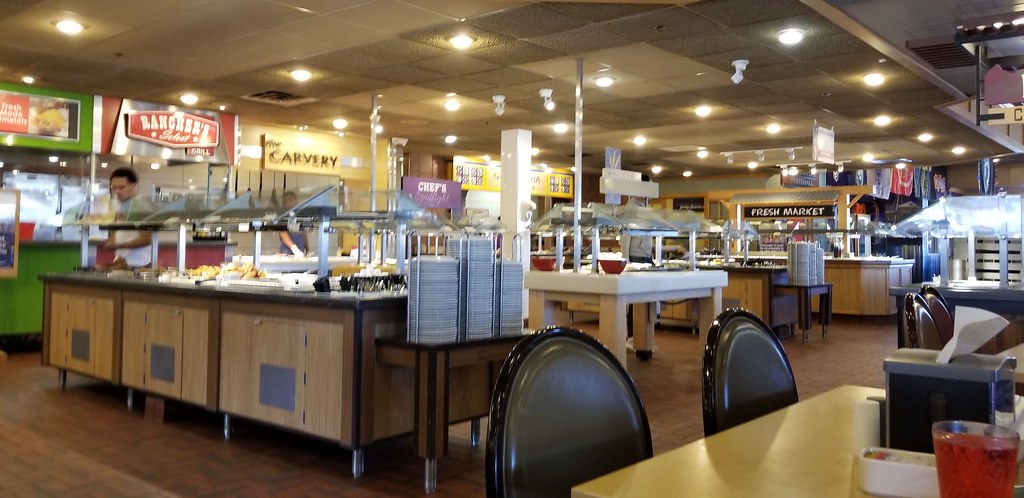
Founded in 1983, Old Country Buffet turned abundance into its biggest attraction. Families could move from carving stations and comfort-food entrées to salad bars, side dishes, and desserts while paying one predictable price. Hundreds of restaurants opened as buffet dining surged during the 1980s and 1990s. The concept later faced pressure from changing health preferences, inconsistent food quality, and the high cost of maintaining dining rooms. Its parent company went through repeated bankruptcies and waves of closures. The COVID-19 pandemic delivered the final blow by making shared utensils, crowded serving lines, and open food displays deeply unappealing. The chain that once promised endless choices ultimately ran out of chances.
The Magic Pan

The Magic Pan brought a touch of French-inspired dining to American shopping malls at a time when crepes still seemed sophisticated and unusual. Guests watched cooks prepare delicate pancakes in an open kitchen, then chose from savory fillings or elaborate dessert combinations. The distinctive concept flourished during the late 1970s and early 1980s, giving shoppers an alternative to standard burgers and cafeteria food. Its dependence on malls eventually became a liability as shopping habits changed and the novelty of crepes diminished. Corporate ownership shifts also diluted what had made the restaurants special. The chain steadily vanished through the 1980s and 1990s, with its final original-era locations closing in 1995.
Rax Roast Beef
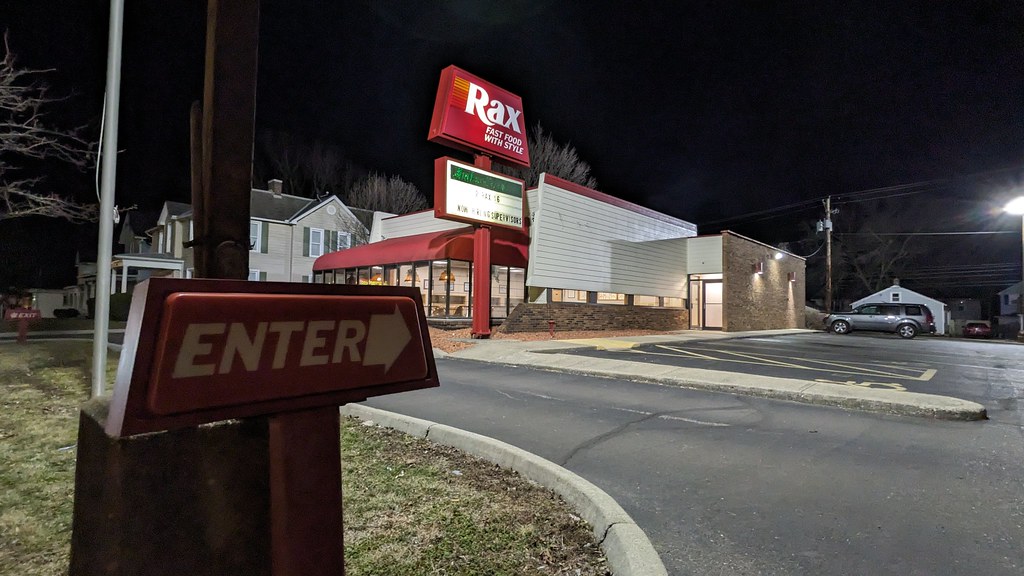
Rax Roast Beef looked capable of challenging Arby’s during the mid-1980s, when it operated more than 500 restaurants across 38 states. Roast beef sandwiches formed the foundation, but Rax kept adding salad bars, baked potatoes, pizza, tacos, and other items in an attempt to appeal to everyone. The enormous menu blurred the chain’s identity and made operations more complicated, while frequent ownership and marketing changes left customers unsure what Rax was supposed to be. A costly effort to remodel restaurants into more upscale concepts added to its problems. Bankruptcy and closures followed in the 1990s. Only a handful of locations survived, turning a former national competitor into a fast-food curiosity.
Buca di Beppo
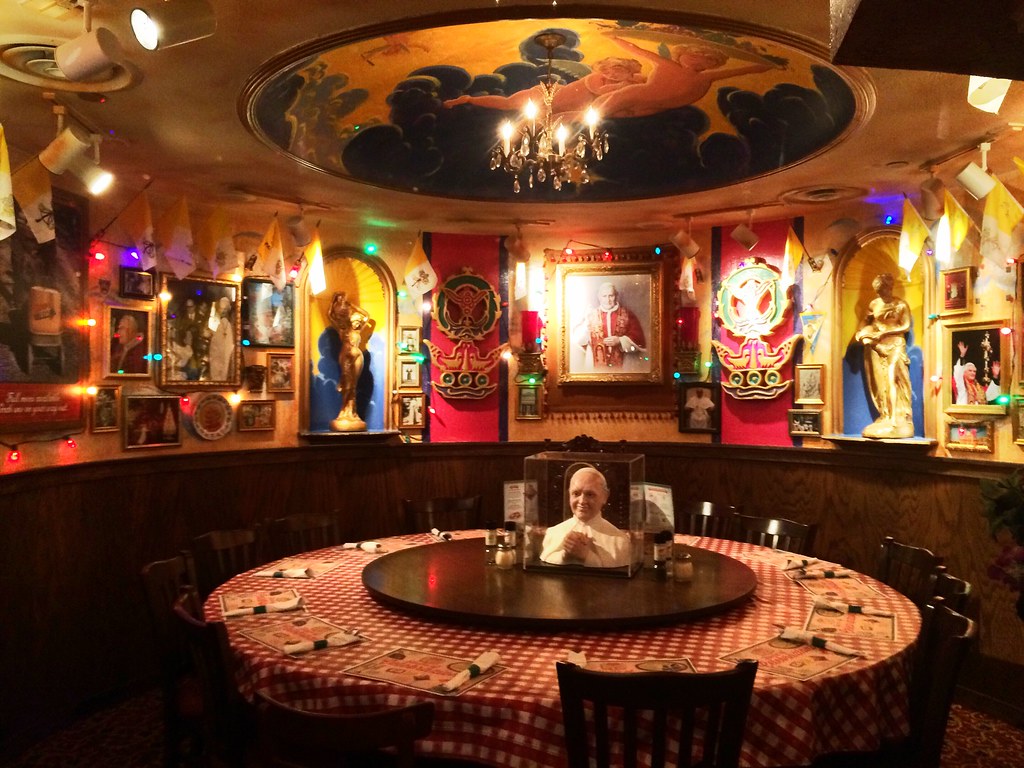
Buca di Beppo turned dinner into a loud, theatrical group event. Guests squeezed around tables loaded with enormous platters of Italian-American food while hundreds of vintage photographs covered every inch of the walls. The deliberately over-the-top experience matched the family-style dining boom of the late 1990s and early 2000s, helping the chain grow to about 90 locations. Once the novelty faded, oversized portions and chaotic rooms were not enough to keep customers returning. Expansion costs, changing dining habits, and heavy financial obligations strained the business. Buca di Beppo filed for Chapter 11 bankruptcy protection in August 2024 after closing numerous restaurants, though the brand continued operating in a reduced form.