Chaay_Tee / Getty Images
2010 Getty Images / Getty Images Entertainment via Getty Images
2015 Getty Images / Getty Images News via Getty Images
2020 Getty Images / Getty Images Entertainment via Getty Images
2008 Getty Images / Getty Images News via Getty Images
AnnaTamila / Shutterstock.com
2003 Getty Images / Getty Images News via Getty Images
2011 Getty Images / Getty Images Entertainment via Getty Images
learesphoto / Shutterstock.com
2023 Getty Images / Getty Images Entertainment via Getty Images
2017 Getty Images / Getty Images News via Getty Images
2024 Getty Images / Getty Images News via Getty Images
Mario Tama / Getty Images News via Getty Images
2024 The Recording Academy / Getty Images Entertainment via Getty Images
2007 Getty Images / Getty Images Entertainment via Getty Images











14 Best-Selling Clothing Brands That Faded from the Spotlight
The world of fashion moves quickly and the pieces that stunned on runways yesterday quickly become things of the past. While some items are timeless, brands that focus on specific styles are up against a shifting market and changing tastes. Consider American Apparel, for instance. This brand had a provocative marketing strategy and operations that centered around American manufacturing. Despite being hugely influential in the 2000s, its popularity slowly declined due to debt and controversies.
In some cases, the market dynamics were too challenging but in others, mismanagement spelled doom for the brand. Controversies about poor sustainability practices or poor behavior from the brand's higher-ups have the power to turn a loyal consumer base into a critical, unwilling-to-spend-or-support consumer base. These brands learned what it's like to experience rapid success and devastating failure. Perhaps you were once a big fan, too, only to find yourself wondering what happened to your old favorites.
To put this list together of best-selling clothing brands that faded from fashion, 247 Tempo reviewed several media and news sources, including Forbes, Business Insider, CNN, and The Guardian.
This post was updated on September 14, 2025 to clarify details surrounding the decline of American Apparel, FUBU, Nine west, and Mervyn's; Forever 21's acquisition of Gadzooks; and Abercrombie and Fitch's recent comeback.
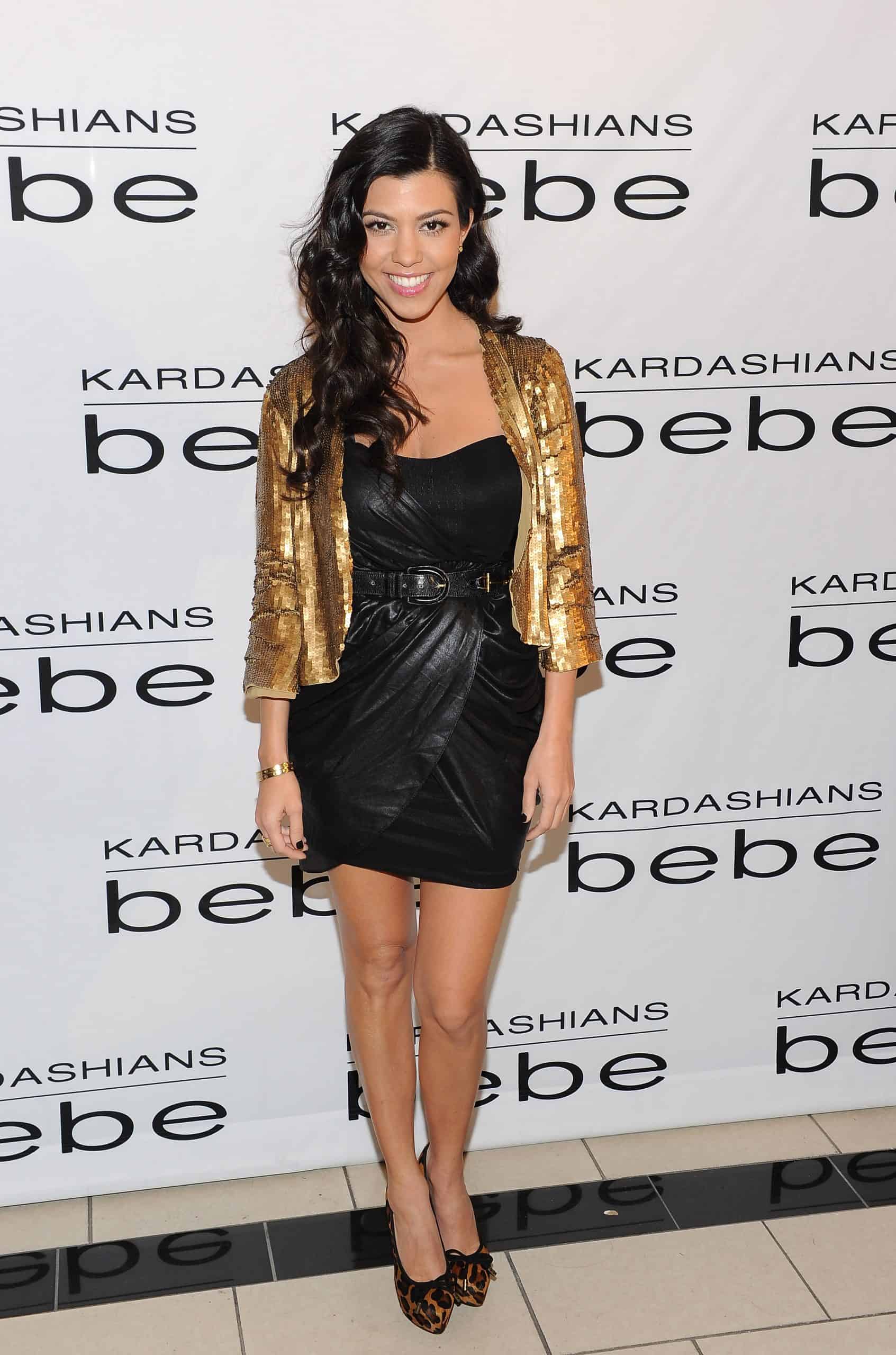
Bebe
Bebe was the ultimate brand for young, trendy women. The company created a range of fashion-forward looks from party attire to clubwear. These styles were sexy and aimed at young women who wanted to be the "it girl" wherever they went. Bebe peaked in the early 2000s. However, as competition increased and mall traffic declined, sales dwindled significantly. In 2017, the brand was forced to close all of its brick-and-mortar locations in the U.S. and transition to an online-only business model.
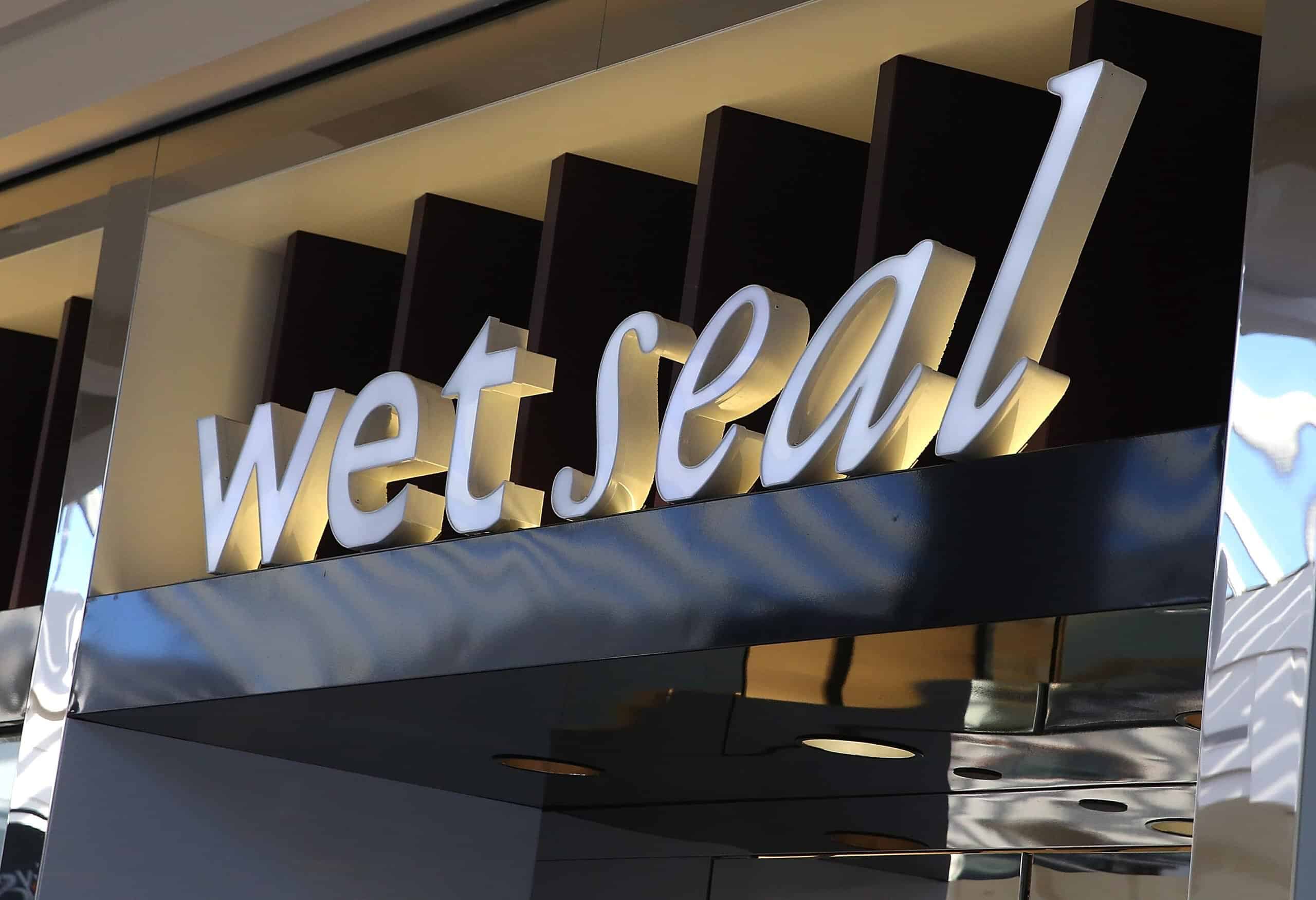
Wet Seal
Wet Seal is another brand that was marketed specifically to young females. It was founded in 1962 under the name "Lorne's" but rebranded as Wet Seal in 1990. In the early 2000s, it was all the rage. However, the company soon struggled to keep up with changing fashion trends. Without adapting to the market, shoppers turned their attention to other retailers. Wet Seal lost its appeal and by 2015, the brand had to file for bankruptcy. The decline in sales paired with high operating costs was a punch to the gut for the brand. During this time, they were forced to close many of their stores. Competition only increased over the years, which added pressure to Wet Seal. Only two years later, in 2017 they had to file for bankruptcy a second time. They let their employees go and liquidated their assets. Wet Seal failed to maintain an online model. Revival attempts online were limited, and as of the late 2010s, the brand largely disappeared from the market.
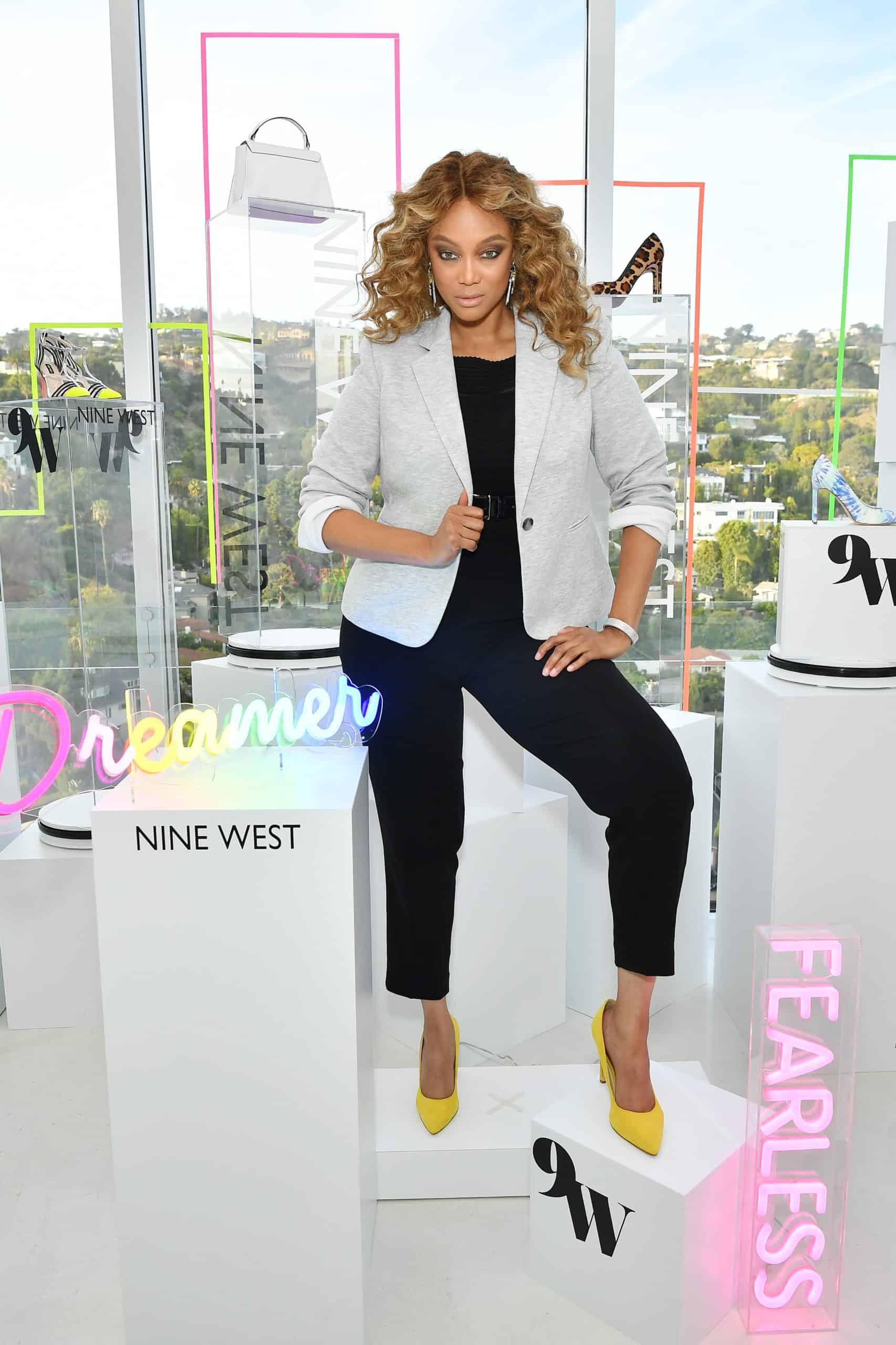
Nine West
This brand was initially all about footwear but later expanded to include legwear, outerwear, scarves, hats, and a range of accessories. But maintaining a successful brand amid a saturated retail market proved troubling for Nine West. Too much debt, competition from fast fashion, and declining department store sales left the brand in the dust, and their profits fell significantly. By 2018, the once highly successful brand was over $1.5 billion in debt, with bankruptcy being the only option. As a consequence of the bankruptcy, the brand closed all its physical stores and worked out repayment plans with its creditors. They ended up selling not just their assets but also their intellectual property rights. The company that acquired them is Authentic Brands Group (ABG) and under their ownership, the original brand shifted over to a licensing model. Nine West still appears in stores via licensing, as well as online.
Mervyn's
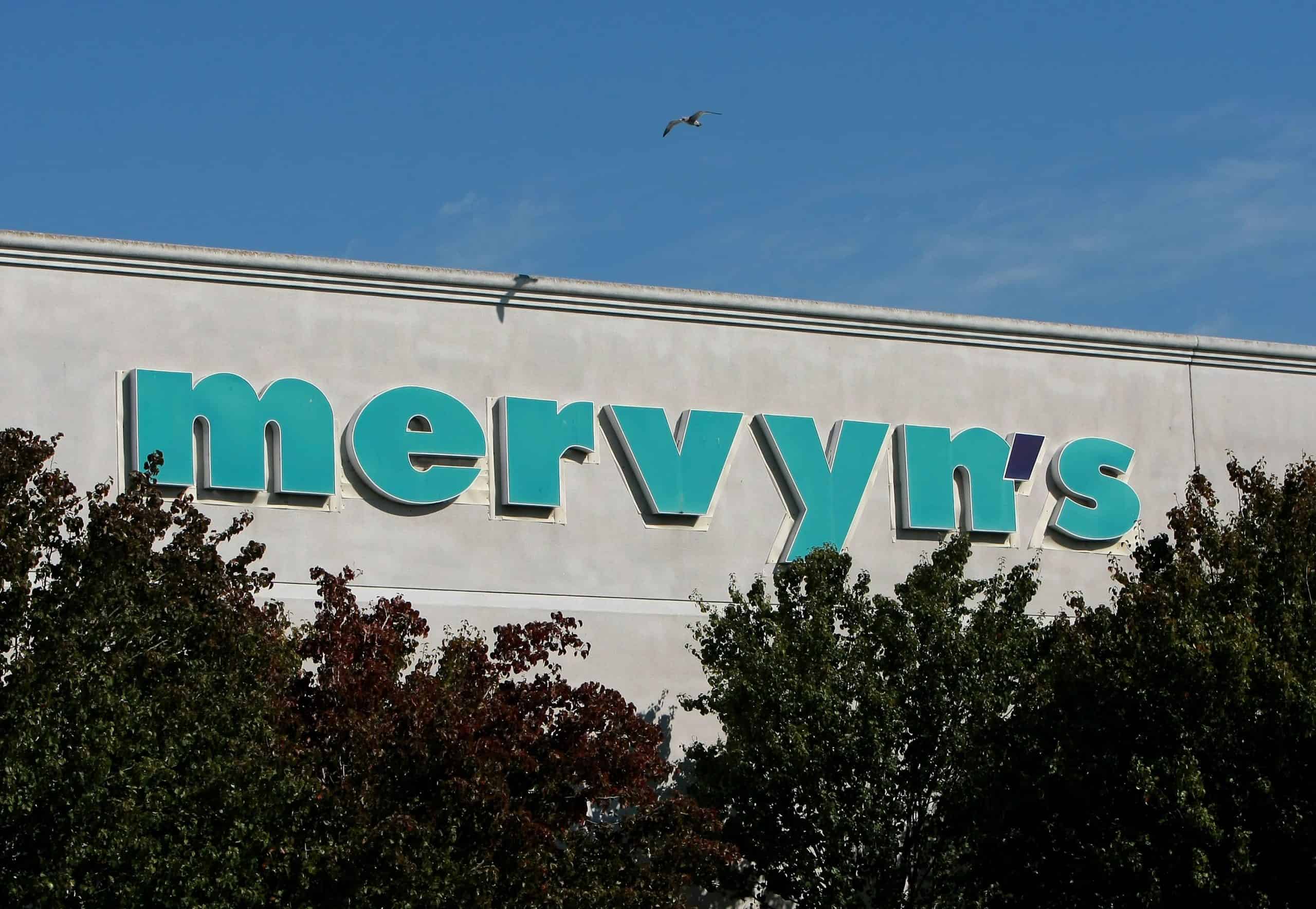
This popular department store was the ultimate go-to for budget-conscious families looking for clothing and other items. Initially, it was under the umbrella of Target but was sold to private equity companies in 2004. To generate cash flow, they sold the brand's store properties. This proved to be a mistake. Their competitors affected the brand's position and without adjusting to the changes in the preferences of their consumers, Mervyn's was not receiving the foot traffic it once did. In 2008, affected by the financial crisis, poor management, and the sale of its real estate, they filed for bankruptcy. That same year, they liquidated their assets and closed all their stores. There was no pivot to an online sales model, and the brand became a memory of what was.
Delia's
This brand was marketed specifically to teenage and tween girls, offering unique clothes and accessories. But its business model, which focused on catalog sales and brick-and-mortar store locations within malls, wasn't ideal amid a culture shifting to online shopping. Fast fashion became popular and with online sales attracting so many young people, brands like Delia's were forgotten. In 2014, the brand filed for bankruptcy. It was revived briefly online by Dollhouse/Steve Madden. However, one year later, the company announced it would be closing all of its stores and liquidating any remaining assets. Alas, its success faded into the past like embers over a dying campfire.
Gadzooks
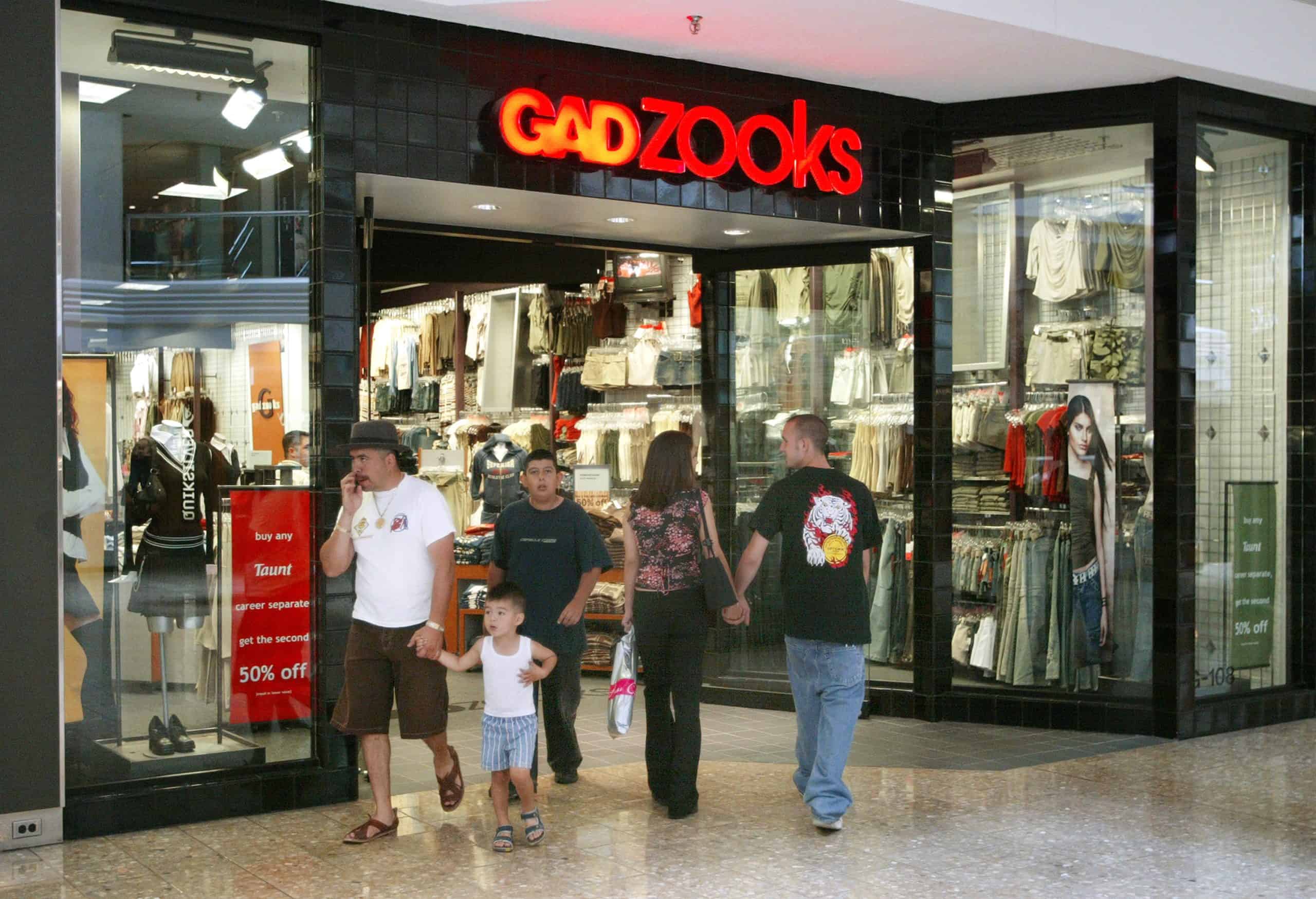
In the 1980s and 1990s, Gadzooks was the store to go to for its trendy clothing. The styles reflected the times and had a casual vibe. Although it had a loyal customer base, the emergence of competitors and the shift in fashion meant those same customers started looking elsewhere. Other youth-oriented stores were taking the market by storm, leaving Gadzooks to wonder how it could catch up. Sales declined, operating costs increased, and it was a recipe for disaster. By 2004, the brand filed for bankruptcy. Forever 21 acquired the company in 2005 but were unable to save the failing brand. Operations stopped and they liquidated their remaining assets. It had a fun run, but now the brand ceases to exist.
Bongo
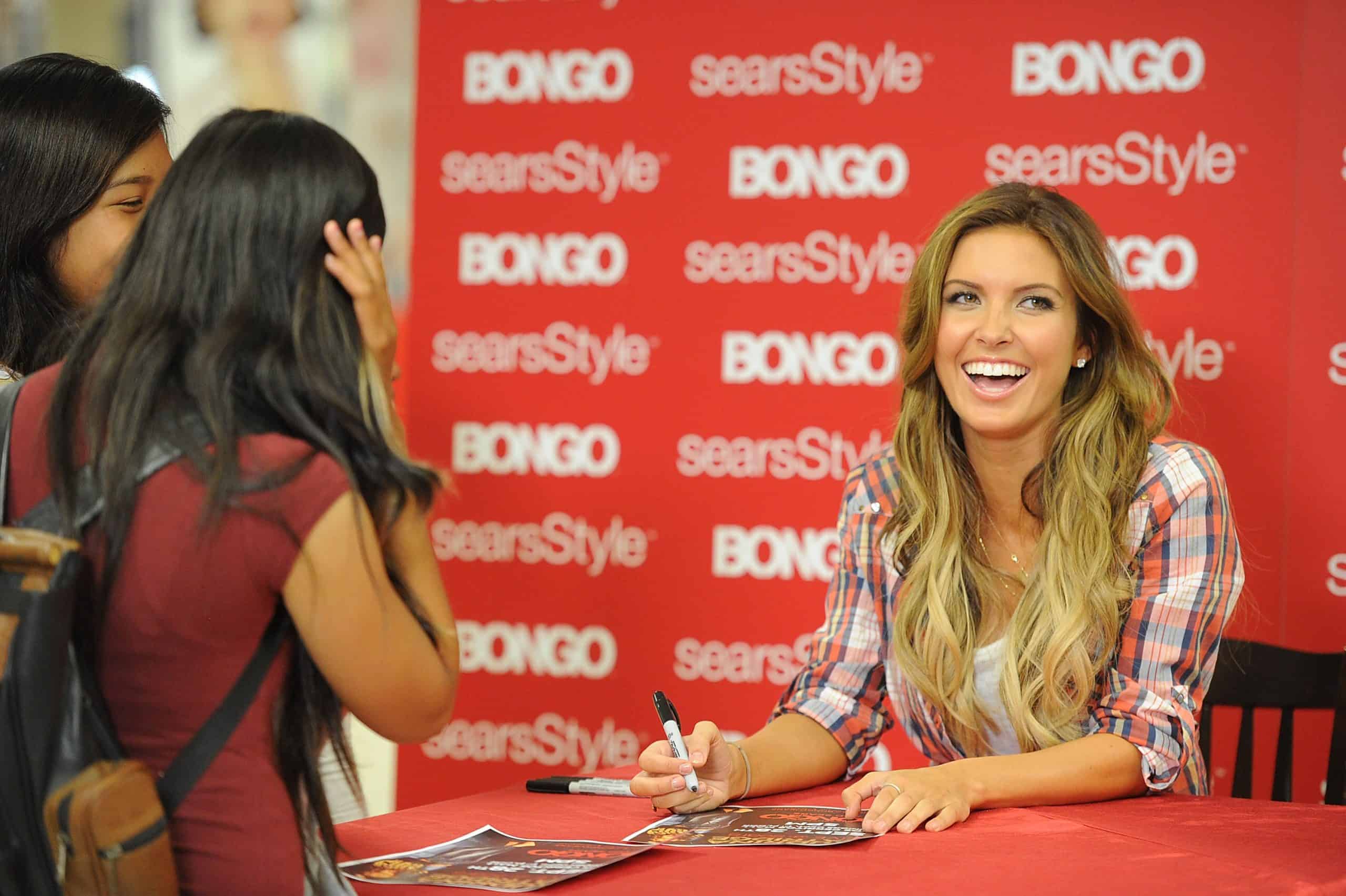
Trendy denim is what Bongo was all about. The company was established in 1982 and marketed primarily to young people. They didn't just focus on jeans, however. Their denim items also included shirts and shorts. The brand became a fast favorite for both young adults and teens and celebrities were utilized to add to its appeal. Although the brand had a good run, it was eventually acquired by Iconix Brand Group in the 2000s, and instead of being its own entity, it shifted to a licensing model. With this change, the brand lost the identity that led to its initial success and as a result, its popularity died out. The parent company has kept it active but with no real efforts toward reviving its once-coveted status, which is why you no longer hear about it.
Chic Jeans
The denim brand, Chic Jeans, was created primarily for women who were interested in wearing stylish jeans but with a reasonable price tag that fit within their budget. The brand designed several items to suit a range of styles, from fitted to high-waisted jeans that complemented different figures. As fashion trends started changing, competitors took the lead, leaving Chic Jeans without a competitive edge. The denim market only got more saturated and suddenly, the brand was unable to meet the high-quality, low-cost offerings of other, well-known and high-end brands. Chic Jeans was acquired by H.I.S. and efforts were made to restore its former glory. When the results weren't what they had anticipated, H.I.S. decided to phase out Chic Jeans altogether.
FUBU
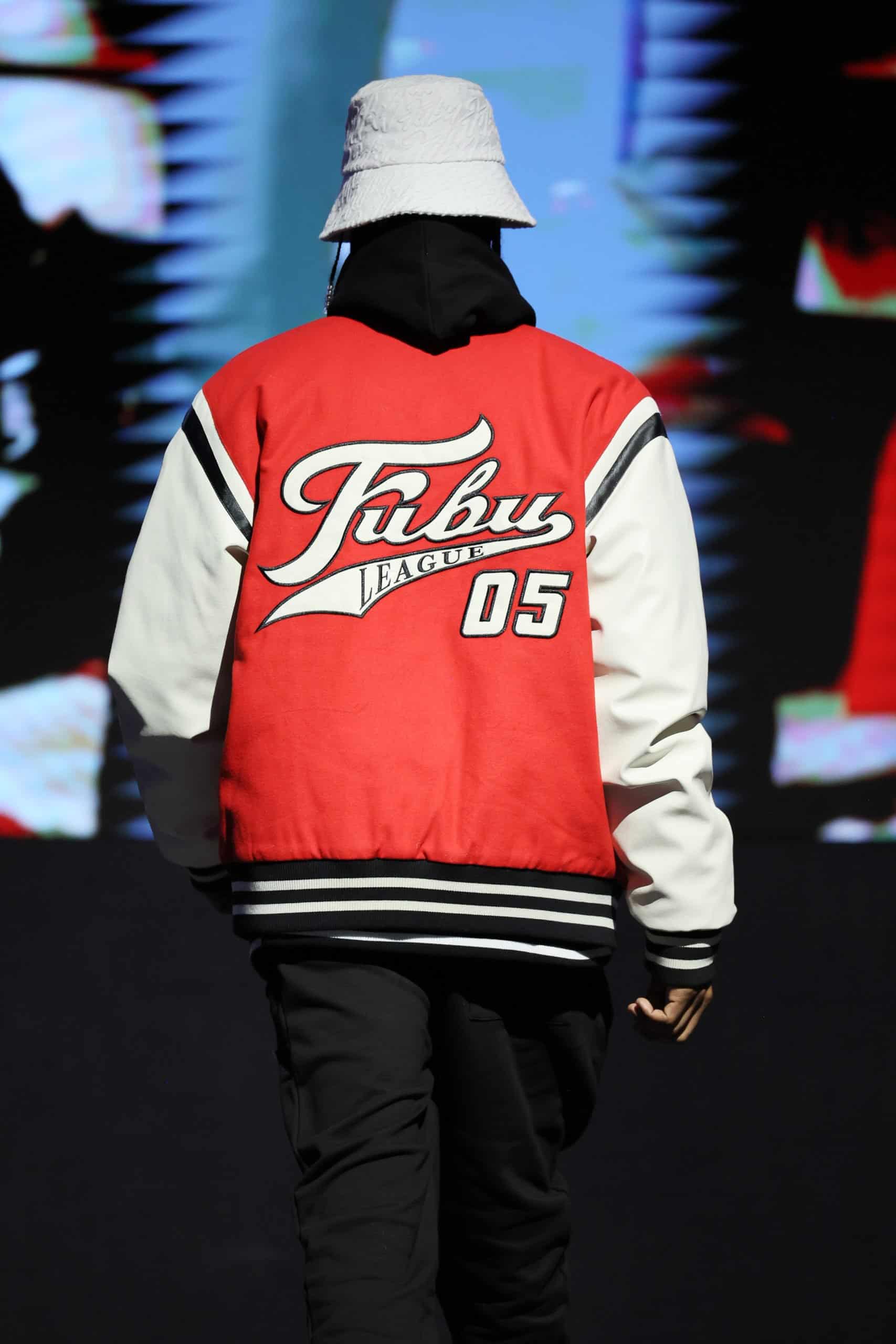
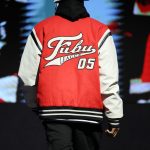
FUBU stands for "For Us, By Us." This brand took the market by storm in the 1990s and early 2000s. The streetwear designs were innovative, inspired by hip-hop culture and quickly became a top choice within the urban market. As part of their marketing efforts, FUBU partnered with celebrities like LL Cool J, further popularizing the brand. Profits exceeded $200–$350 million annually and all was well. But market overexposure is real and FUBU hit a snag. It was once exclusive, but its status was knocked down several pegs due to oversaturation and shifting trends. New brands emerged, catering to more upscale consumers; facing declining sales, FUBU had to scale back its operations. The brand is still in existence today, but the dominant position it once held is no longer. You're likely to see it only on a rare occasion.
American Apparel
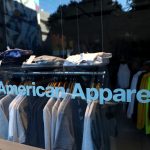
American Apparel offered clothing that was "Made in the USA," which appealed to a wide audience. It was founded in 1989 with a focus on plain t-shirts, but it quickly evolved into a retail chain. Not only did the brand expand its offerings to include more clothing items, but it also grew its consumer base through claims of ethical operations. Although rapid expansion can prove fruitful, in the case of American Apparel, it became its Achilles heel. Debt increased as the brand kept its commitment to high production costs. The founder, Dov Charney, did not do the brand any favors with his controversial behavior and was eventually pushed out of the company in 2014. Despite its "sweatshop free" image, the brand was controversial for exploitative practices allegations and sexually charged ads. American Apparel filed for bankruptcy in 2015 and then again in 2016. In 2017, the brand sold some of its assets and intellectual property, and many of its stores closed. Gildan Activewear, the company that acquired American Apparel, transitioned the brand to online-only sales in 2017.
Forever 21
This store was the ultimate fashion-forward spot where young women could find the trendiest clothes at an affordable price. Like other brands in this list, expansion was rapid for the brand and they opened hundreds of stores in the U.S. and took their styles to other countries as well. In the 2010s, there was yet another shift in consumer tastes and Forever 21 failed to meet those preferences. Their affordable fast fashion meant that behind the scenes, there were some ethical concerns. Consumers chose more sustainable brands and stopped flocking to the brand's stores. It became less competitive while it kept high operating costs. Plus, it was slow to adapt to the digital market. In 2020, a consortium acquired the brand and today, it's a shadow of what it once was. There are some stores still open but the majority of sales are online. The brand continues its recovery efforts, but only time will tell if it'll manage to peak again.
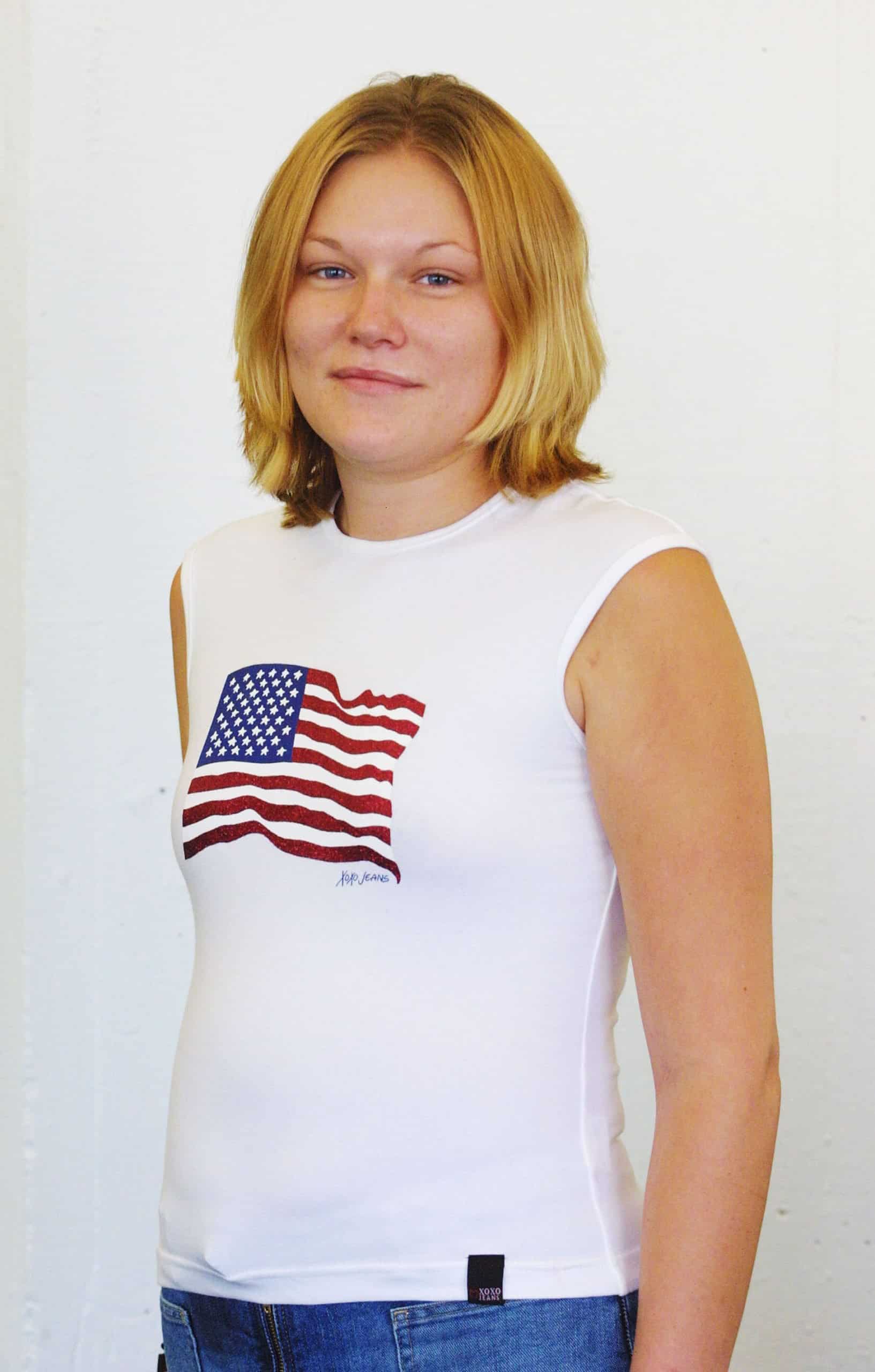
XOXO
This was an ultra-popular brand that didn't just sell clothing but also offered fragrances and accessories. The brand's target market was young women and in the 1990s and early 2000s, it was well known and celebrated. Its marketing was effective, which increased sales and allowed for expansion. XOXO did well keeping up with fashion trends while keeping prices reasonable for their target market. The rise of competitors edged XOXO out of the market and by the mid-2000s, the brand was struggling financially. When the early 2010s rolled around, the brand began its phasing-out process. Licensing agreements allowed for the continuation of some products but the presence the brand once had was a thing of the past. You might still encounter some XOXO items, but it's no longer a major player in the fashion industry.
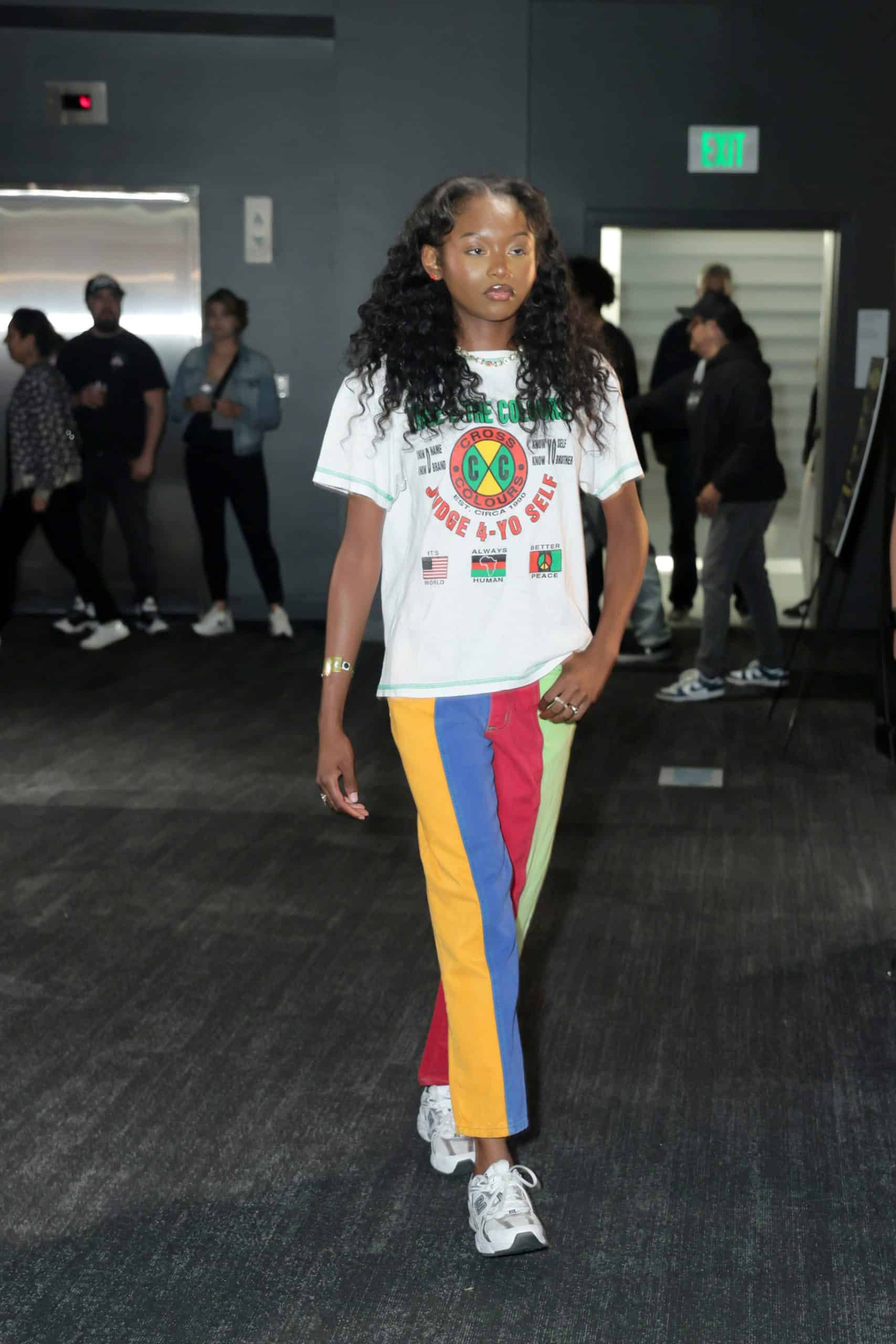
Cross Colours
Cross Colours was founded in 1989 and became a leading fashion brand that celebrated brightly colored clothing, highlighting the beauty of the African American culture. The influence of the brand was undeniable in the early part of the 1990s—not just for its aesthetic appeal but also for its messages of social justice and unity. Celebrities adopted the brand, furthering its popularity. Although its initial success was impressive, the brand struggled with the change in market conditions. By 1994, the struggle led to bankruptcy, and that resulted in the closing of a good chunk of their retail stores. Two decades later, the brand experienced a revival thanks to Carl Jones, who took a different approach and highlighted limited-edition collections and collabs. Today, it's more of a niche fashion brand instead of the giant it once was. Its socially conscious messages continue attracting a subset of consumers who are happy to shop at its boutiques and on its online store.
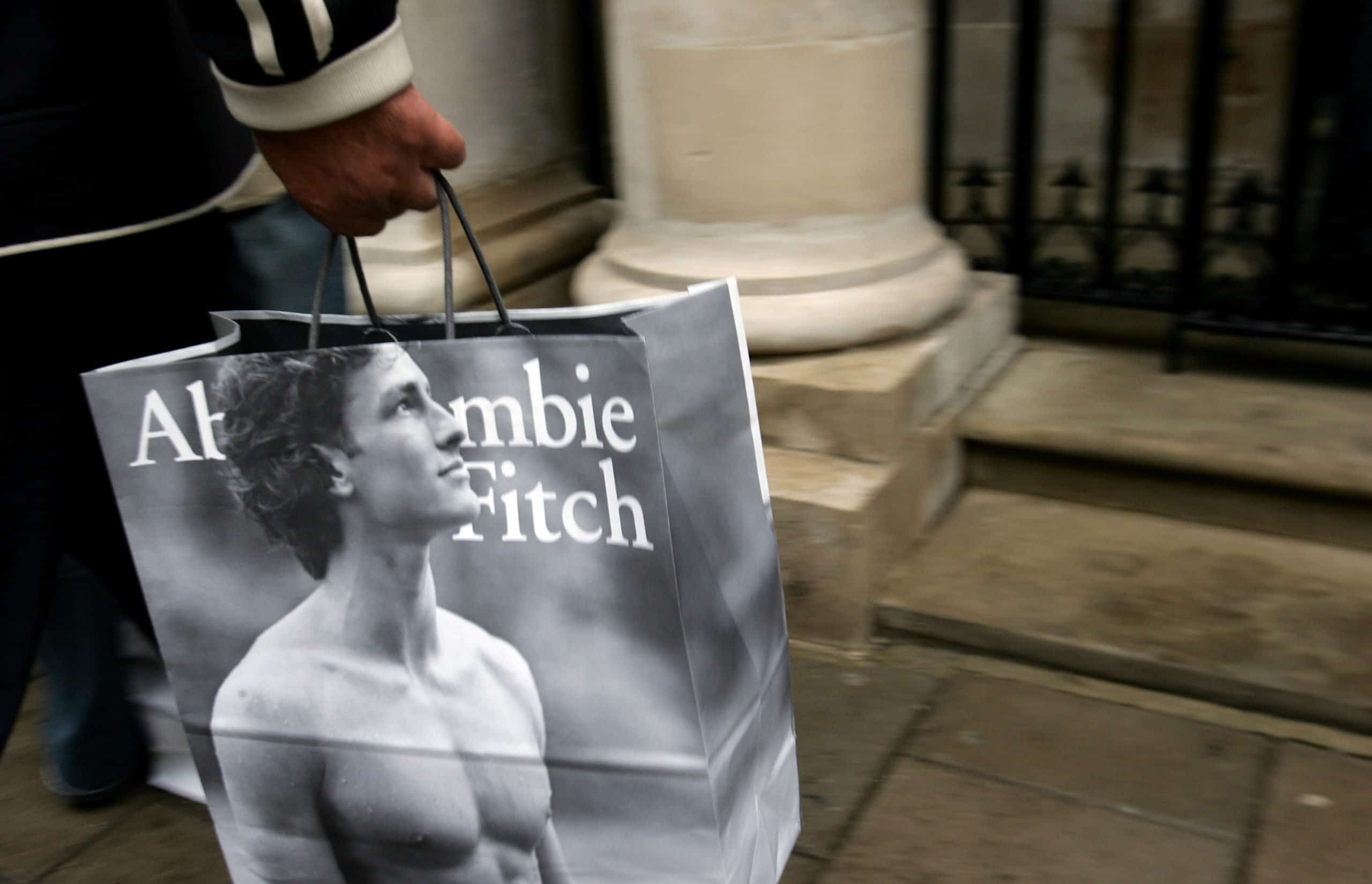
Abercrombie & Fitch
Initially, Abercrombie & Fitch was a store that sold outdoor gear but by the 2000s, it took on a different style. It was a controversial brand even during its popularity. It operated as an exclusive store that catered to only the young, fit, and exceptionally beautiful. Even if you felt too excluded to pass through its doors lined with shirtless male models, the waft of the cologne sprayed throughout the store would stick to you the way cigarette smoke does indoors. Lawsuits tainted its reputation and by 2016, it was known as America's most hated retailer. With the change in culture becoming more inclusive, Abercrombie & Fitch no longer had a celebrated brand. However, it has since experienced a bit of a comeback. Since around 2018–2019, Abercrombie has rebranded to be more inclusive and has regained popularity, especially with Gen Z.