Courtesy of Erin J. via Yelp
SenseiAlan / BY 2.0
John captures / Shutterstock.com
kadluba / BY-SA 2.0
Phillip Pessar / BY 2.0
avlxyz / BY-SA 2.0
Joe K Gage / BY-SA 2.0
Random Retail / BY 2.0
JeepersMedia / BY 2.0
JeepersMedia / BY 2.0
JeepersMedia / BY 2.0
Joits / BY 2.0
Jay Phagan / BY 2.0
Nikolaj Sribyanik / Shutterstock.com
MikeKalasnik / BY-SA 2.0

Ikhsan Muliadi / Shutterstock.com
dankeck / CC0 1.0
brownpau / BY 2.0

17 Once-Popular Restaurant Chains That Aren’t What They Used to Be
There was a time when going to some of the big-name restaurant chains was truly an experience in and of itself. The family got all dressed up, children begged to sit in the booths, and the aromas wafted into your nostrils like a fond memory before you even sat at your table.
No, these places were not merely diners. For generations, they were like rites of passage in American culture. But all good things come to an end. One after the other, our beloved diners began to fall off. Sometimes it was bad management. Other times, there was a serious food safety disaster. More often than not, the world simply moved on, and the chains stayed stuck in the past.
Here are 17 popular restaurant chains that, at some point, lost their charm.
Howard Johnson's
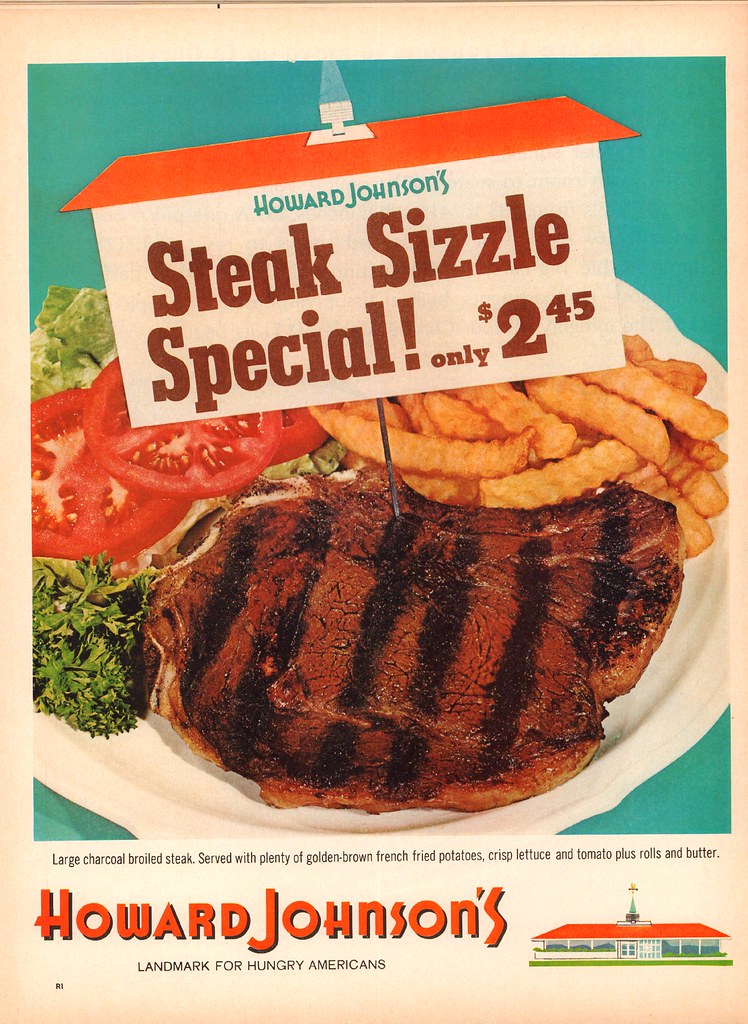
Howard Johnson's dominated the American roadside restaurant scene during its heyday in the 1960s, boasting over a thousand outlets along the country's new interstate highway system. The orange roof was iconic, and the 28 ice cream flavor selection was popular with the kids, to say the least.
But Howard Johnson's was sold twice, first in the 1970s and again in the 1980s, and both times to owners who weren’t really sure what to do with it. The reliance on the highway system, which had made it successful to begin with, turned into its downfall. As more choices became available to travelers at every highway exit, Howard Johnson's failed to keep up, and in 2022, the last surviving location, in Lake George, New York, closed shop.
Chi-Chi's
Chi-Chi's was where Americans went for Tex-Mex fare during the 1980s and for a large chunk of the 1990s. The fried ice cream alone was reason enough to visit, and when you did, you could count on a full house, especially on Fridays. The chain expanded aggressively but couldn’t quite keep up with its growing competition. By 2002, there were only 144 outlets left in North America.
In 2003, one restaurant in the Pittsburgh area served green onions carrying hepatitis A, causing what was then the biggest hepatitis A health crisis in America. At least 660 people got ill, and four of them passed away. The restaurants were shut down the following year.
Steak and Ale
Established in 1966 by Norman Brinker, who later went on to found Chili’s, Steak and Ale introduced something new to the world of casual dining: an affordable steak restaurant with a medieval-style atmosphere, and a salad bar that stole the show. For nearly two decades, Steak and Ale remained the place where families would go to celebrate a special occasion or for an intimate date night.
Norman Brinker eventually sold his steak restaurant chain in 1976, and without him at the helm, the magic slowly faded, especially as the salad bar stopped being a novelty. The chain closed in the late 2000s after Metromedia Restaurant Group declared bankruptcy.
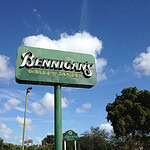
Bennigan's
The concept of Irish-American casual dining was perfected by Bennigan's before it ever became a cliché. With its dark wood interior, shamrock designs, Monte Cristo sandwiches, and endless pitchers, Bennigan's was the perfect place to gather for after-work drinks and a decent meal from the late 1970s to the 1990s.
At the peak of its popularity, there were approximately 300 Bennigan's restaurants operating across the nation. But once private equity took control, debts piled up and management issues followed. In July 2008, the company suddenly closed down all of its 150 establishments in a single day.
The magic had gone long before the company filed for bankruptcy. Other fast-casual chains like Chili's and Applebee's began offering an identical ambiance with fresher menus at lower prices. At some point, Bennigan’s stopped being the destination and became a last resort option.
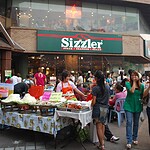
Sizzler
Sizzler opened as an affordable steak restaurant in California in 1958, and Americans loved it. The salad bar was a real hit since a family of four or more could eat there without spending too much. By the end of the 1980s, there were close to 700 restaurants spread across the country.
It wasn’t long before competition caught on. Restaurants like Outback Steakhouse, Texas Roadhouse, and Longhorn Steakhouse provided better service while charging comparable prices, making the old salad bar look archaic. Sizzler went bankrupt twice. First in 1996 and then in 2020 during the coronavirus pandemic. Presently, there are fewer than 90 Sizzlers left in the U.S.
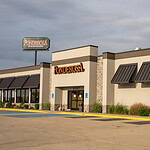
Ponderosa Steakhouse
Ponderosa took the branding approach of the Old West to heart, and for some time, it paid off. People liked the cheap steaks and the buffet, which included its famous soft serve ice cream. Families especially took to it. At their height, Ponderosa operated more than 700 locations across the country.
Ponderosa began losing popularity in the early 1990s, as consumer preference began to skew towards healthier eating habits and due to fierce competition from other steakhouses. Metromedia also owned this chain, and when they went bankrupt in 2008, the Ponderosa Steakhouse and their sister chain, Bonanza, took a real hit. There are fewer than 15 Ponderosa and Bonanza establishments left in America, a number that pales in comparison to its former glory days.
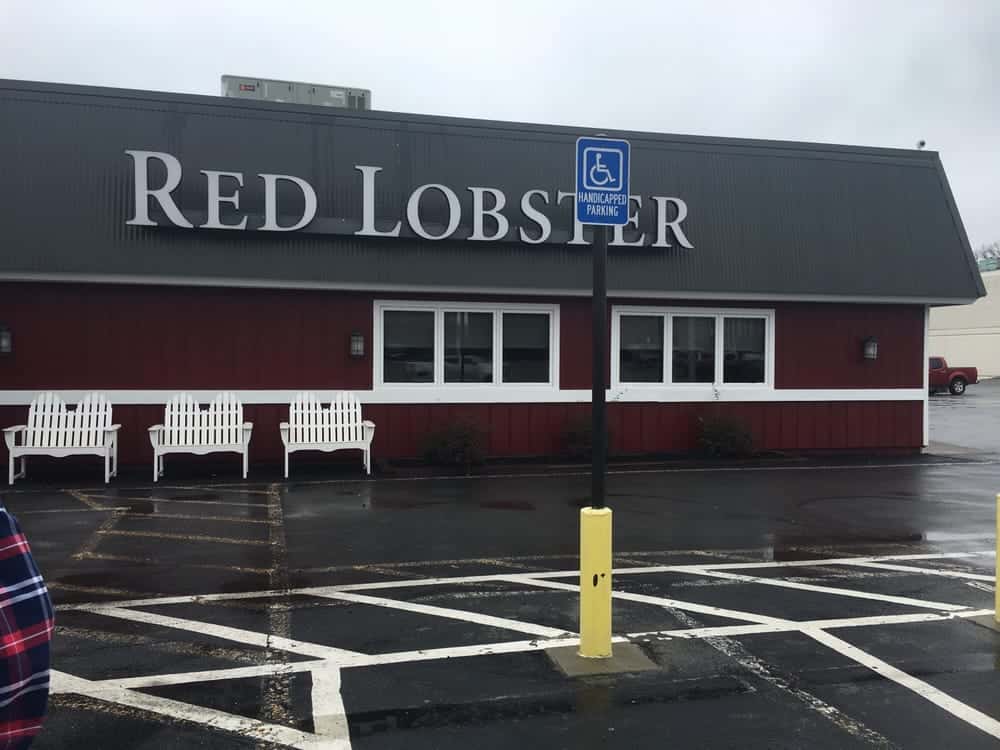
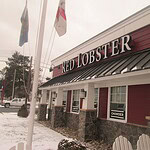
Red Lobster
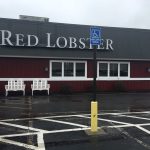
Red Lobster became America’s budget-friendly seafood restaurant during the 1970s and 1980s. Inlanders who had never eaten lobster and crab legs in their lives came to Red Lobster for the experience and were met with reasonable prices.
The trouble began when Thai Union, a global shrimp supplier, bought a controlling stake in Red Lobster and started making decisions that benefited its own supply chain over the restaurant's bottom line. Making the "Ultimate Endless Shrimp" a permanent menu item sounded like a good idea, until it wasn't. The price was simply too low to sustain, and the losses piled up fast.
Red Lobster filed for Chapter 11 bankruptcy in May 2024, closing over 120 locations. New ownership is trying to turn things around, but the chain that once packed dining rooms across America is a shadow of what it once was.
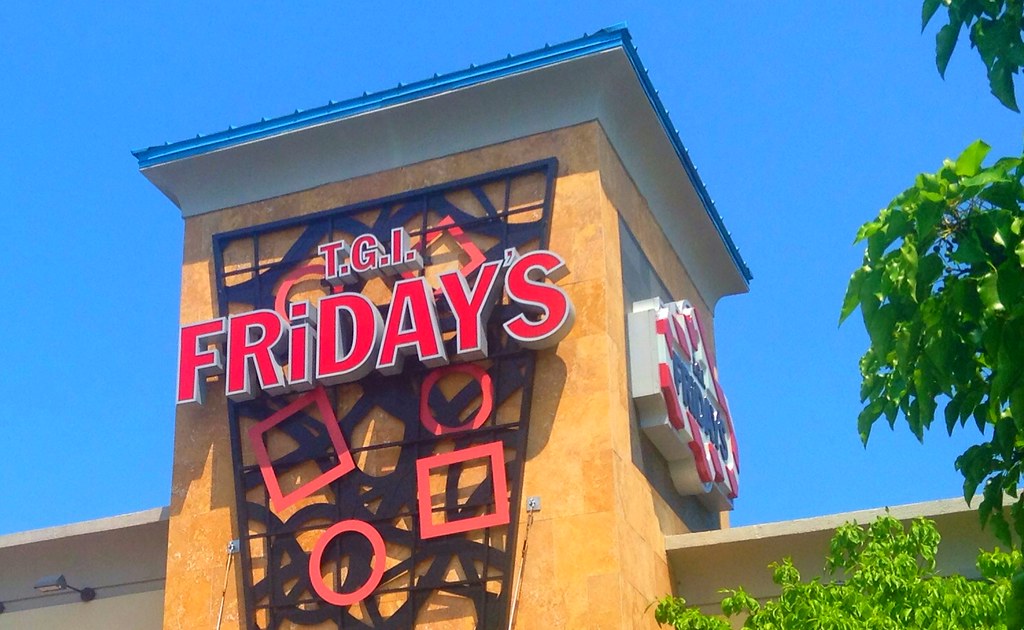
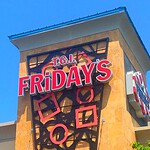
TGI Fridays
The contemporary American bar restaurant began with TGI Fridays when they opened their first location in the Upper East Side of Manhattan in 1965. The striped canopies and Tiffany lamps paired up nicely with the crispy potato skins and the frosted drinks. It was the kind of place where a normal diner felt like a celebration, even if there was nothing to celebrate.
Over time, the spot that was supposed to be the go-to for an exciting Tuesday turned into just another boring corporate replica of "fun". Every location looked the same, and the menu became stale over time.
In 2014, private equity bought the chain and loaded it with debt without investing in any meaningful innovation, accelerating a decline that was already underway. By the time the post-COVID-19 period hit, there was nothing left to save. The company shut down 86 stores prior to filing for Chapter 11 bankruptcy protection in November 2024.
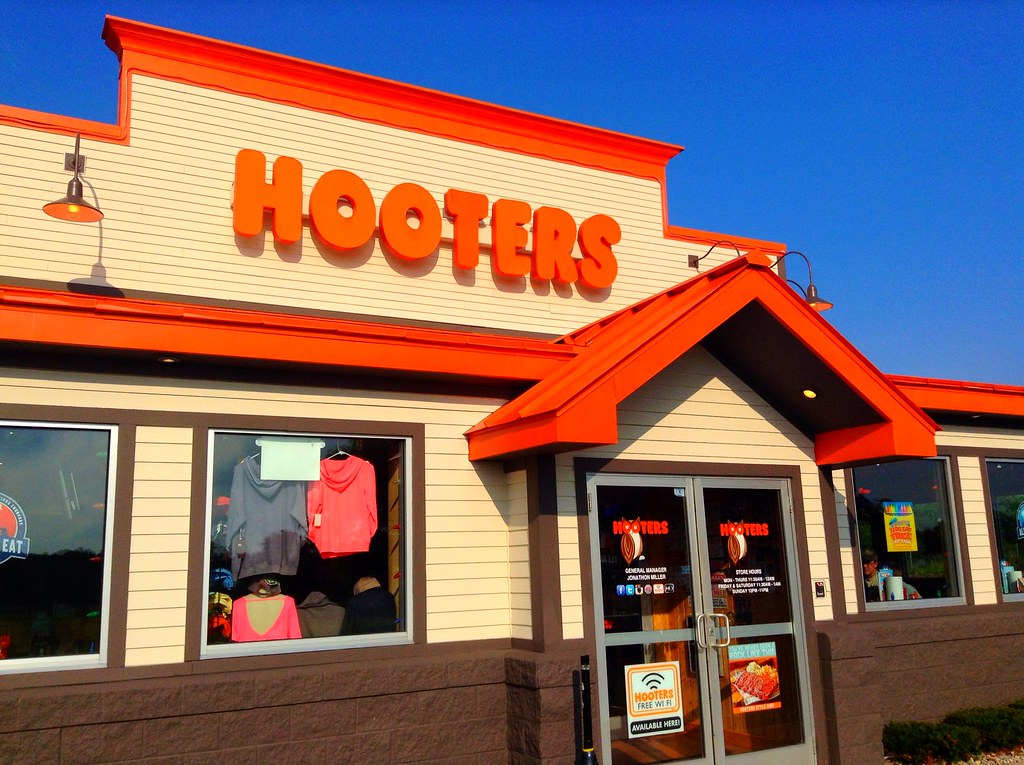
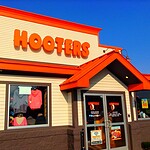
Hooters
The Hooters chain created a formula around inexpensive chicken wings, beer, and an ambiance from the 1980s. This combination characterized many of its Sun Belt restaurants and other locations around the nation. While not everyone’s cup of tea, it definitely had its loyal following.
At its peak, the chain grew to close to 500 outlets. The Hooters experience was built as much around its waitstaff as its wings, and while that felt provocative and fun in the 1980s, it became increasingly difficult to defend as cultural attitudes shifted.
As times changed, wing-focused fast-casual chains like Wingstop and Buffalo Wild Wings became fierce competitors, and Hooters steadily lost its market share. On April 30, 2025, Hooters filed for Chapter 11 and closed many of its locations around the country.
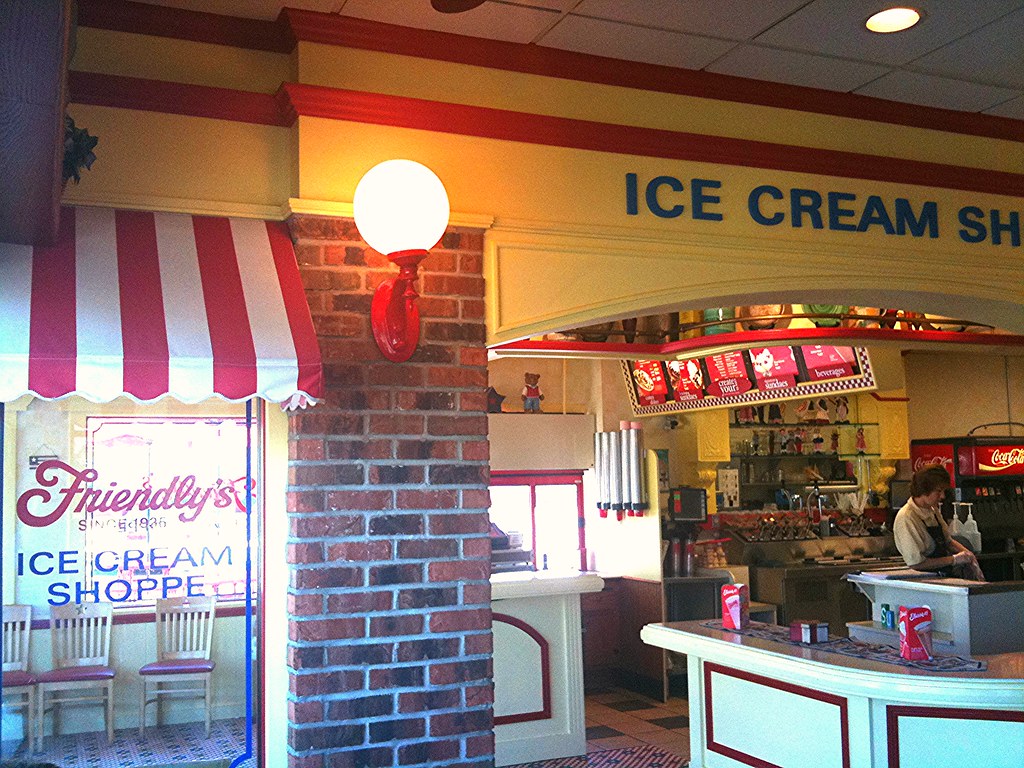
Friendly's
Friendly's was a New England chain that spread throughout the Northeast and the mid-Atlantic in the 60s and 70s. It gained notoriety for its ice cream sundaes and laminated menus that felt custom-made for families with young kids. The Fribble milkshake had a devoted fanbase of its own. In its glory days, Friendly’s had around 750 locations around the country.
Friendly's filed for bankruptcy three times: In 2011, 2020, and 2021. The 2020 filing came at the worst possible moment, just as the pandemic forced dining rooms to close across the country, something the already weakened company couldn't survive. A buyer eventually took over the brand, but the experience was never quite the same.
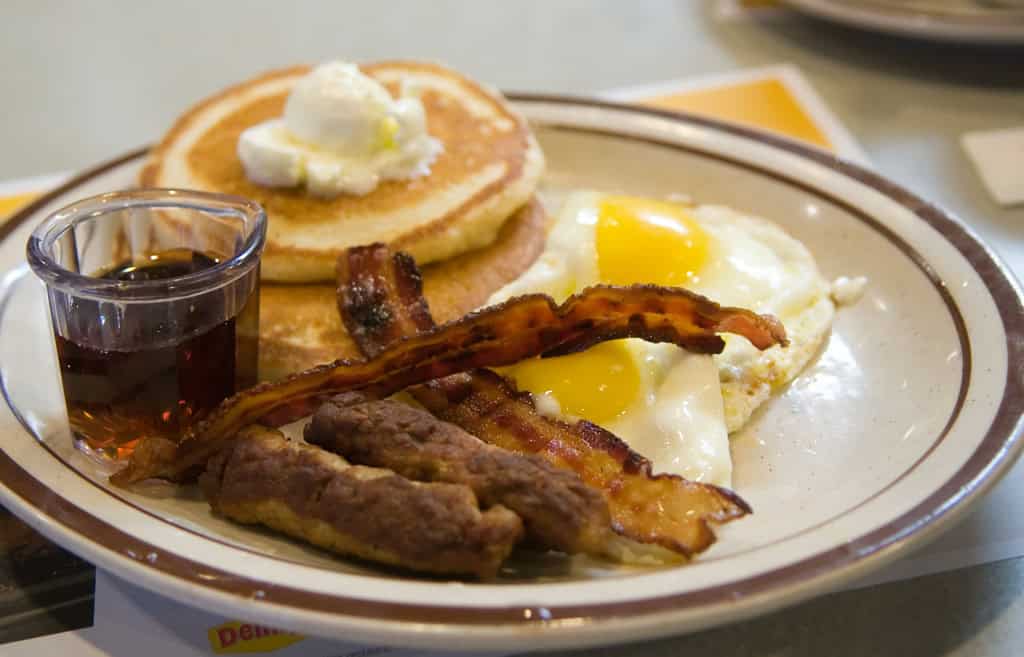
Denny's
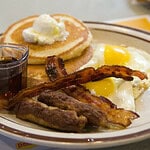
Denny's was a place you could count on to be open all the time. It is an establishment that could serve you Grand Slam breakfasts at 3 o'clock in the morning, and that was part of its magic. Decades of consistency made Denny's what it was. At the height of its success, the company had more than 1,600 domestic locations.
But being open 24 hours stopped meaning much when other fast-casual restaurants began offering better food at any hour. In 2024, the company's CEO announced that the company would shut down about 150 outlets within two years. The diner that never closed eventually stopped requiring its locations to stay 24/7, something that doesn't quite add up for a brand whose entire identity was built on being there for you at 3 a.m.
Burger Chef
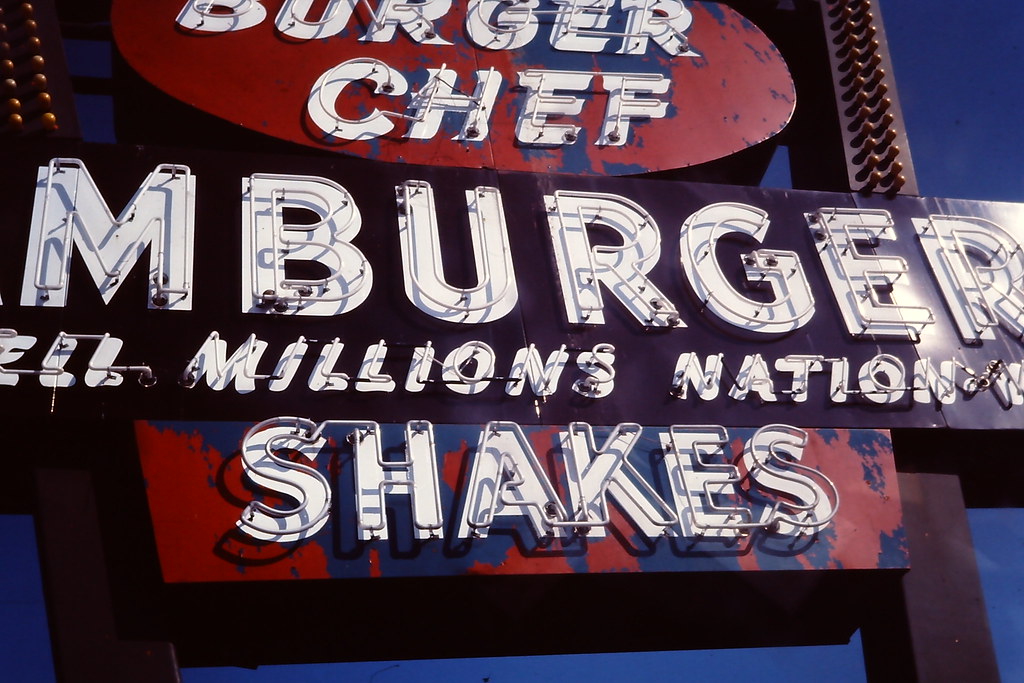
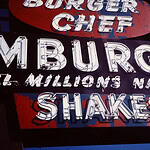
In the early '70s, Burger Chef was the second-biggest burger chain in the country, second only to McDonald's. At some point, they operated over 1,000 restaurant locations. In 1973, they created the Fun Meal, the first-ever kids' meal in fast food history. It came with child-sized burgers, fries, and a toy, six years before McDonald's introduced what is now their iconic Happy Meal.
In 1968, the chain had already been sold to General Foods, and the consequences started catching up. The food quality suffered greatly, and the franchisees were not happy with the changes. Hardee's bought up the majority of restaurants in 1982, and the last Burger Chef closed in 1996.
Beefsteak Charlie's
The promise of Beefsteak Charlie's was simple: all-you-can-eat shrimp, ribs, and salad bar, along with endless beer, wine, or sangria for every meal. That kind of deal was virtually unheard of in the late 1970s and the beginning of the '80s. The concept made all of the restaurant's 60 or so outlets busy night after night.
But the business model was not easy to sustain in the face of economic pressure. The gradual decline of the all-you-can-eat restaurant in the '80s saw most Beefsteak Charlie's locations close their doors for good. The company filed for bankruptcy in 1989, and the last remaining locations quietly disappeared by the mid-2000s.
Old Country Buffet
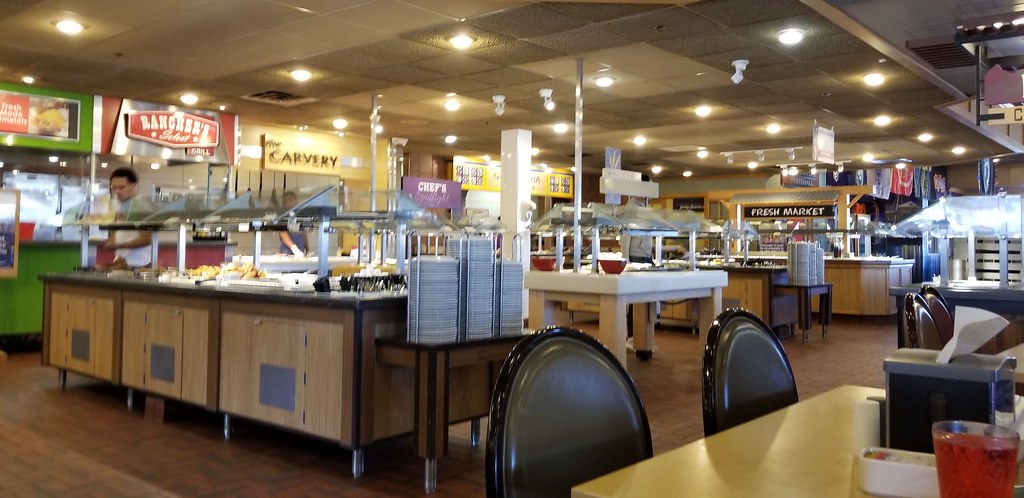
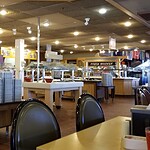
Founded in 1983, Old Country Buffet became one of the most iconic restaurant chains in the American buffet industry. Its carving stations, dessert bars, and family-friendly prices made it extremely popular. Throughout the 1980s and 1990s, they expanded quickly, with hundreds of establishments opening all across the nation.
As healthy eating habits became mainstream, the chain's unlimited buffet faced an image crisis. Its parent corporation declared bankruptcy several times throughout the 2000s and 2010s. When the coronavirus pandemic hit, shared serving stations and crowded dining rooms were the last place anyone wanted to be, and there was little hope left for revival.
The Magic Pan
The Magic Pan served crepes in suburban America during a time when the notion of French-influenced cuisine still had some sense of occasion about it. With stores located mainly inside shopping centers, it provided an option that was truly unique compared to traditional casual dining venues.
The Magic Pan reached its height in the late 1970s and early 1980s, with its open-kitchen design and dessert crepes pulling customers in. The issue was that the chain was too dependent on its locations within shopping centers, which became less appealing in the '80s and '90s, and led to the chain slowly fading away. The final Magic Pan locations closed in 1995.
Rax Roast Beef
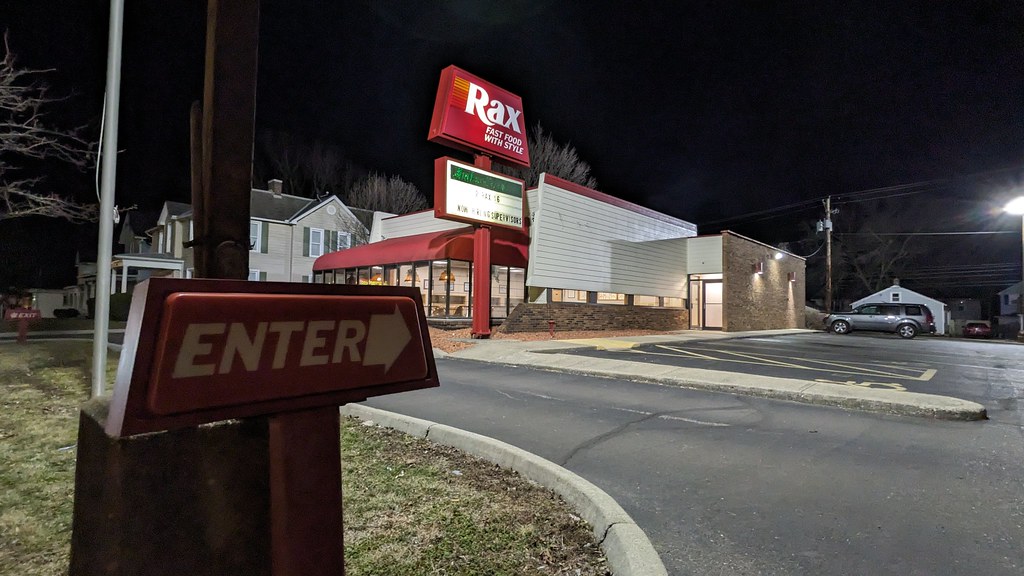
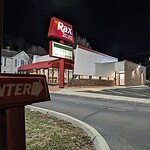
Rax Restaurants had around 504 outlets across 38 states at the height of their success in the mid-1980s, making them one of the go-to places for fast-food roast beef.
They attempted to set themselves apart by having a larger menu than their competitors, but without a clear identity, none of it stuck. Rax Roast Beef lacked a cohesive brand identity, which made it easy to skip. Ownership changes only made things worse. By 2021, a single location remained in Cuyahoga Falls, Ohio.
Buca di Beppo
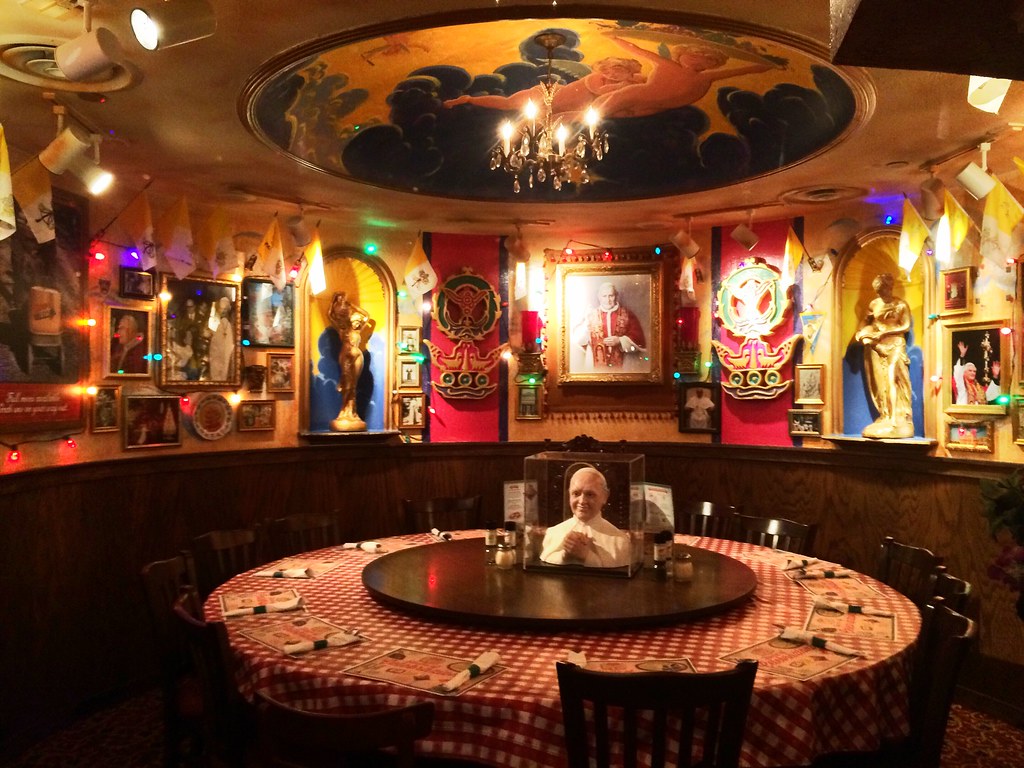
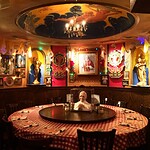
Buca di Beppo was all about huge portions of Italian-American food being shared among family or friends in noisy and chaotic dining areas full of black and white photos. This business model proved to be successful through the late 1990s and early 2000s, when family-style dining experienced its cultural heyday.
The chain expanded to about 90 stores, but maintaining that loud, chaotic energy consistently across every location proved harder than it looked. The novelty wore off faster than the debts piled up. Buca di Beppo declared Chapter 11 bankruptcy in August 2024.