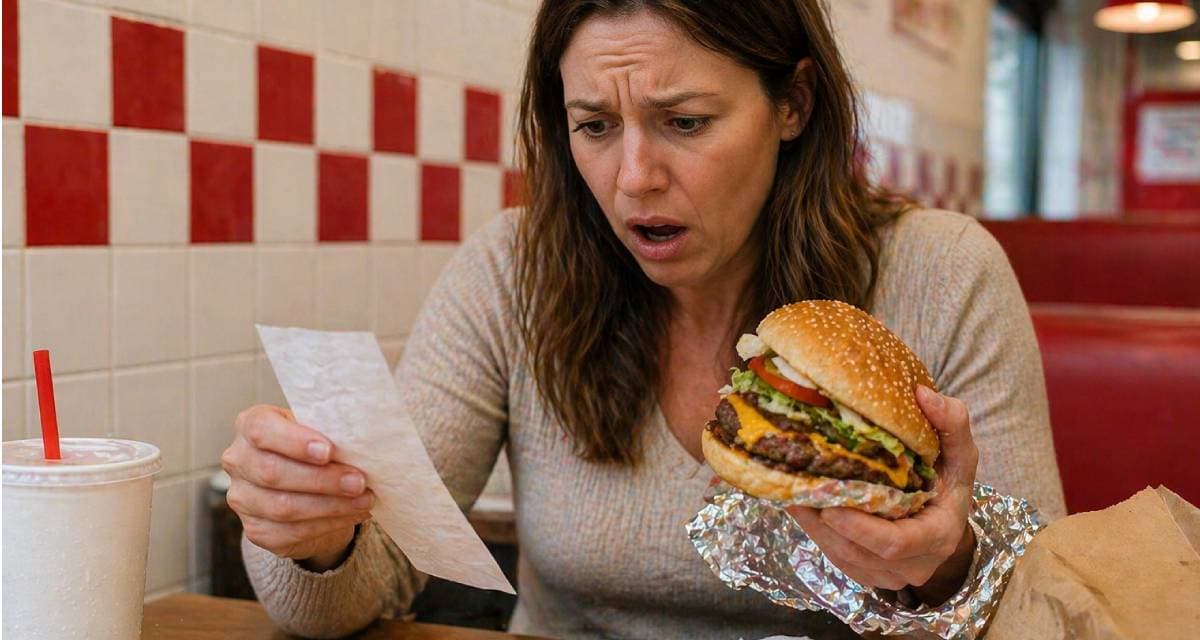
Dining out doesn’t feel quite the same as it once did. For many customers, rising prices, smaller portions, and inconsistent service have changed how they view some of the most familiar restaurant chains. What used to be reliable go-to options are now drawing more frequent complaints about quality, value, and overall experience.
In this article, we’ll take a closer look at restaurant chains that customers say have slipped in recent years, based on satisfaction data and common diner feedback. From slower service to menu changes that missed the mark, these are the issues people are noticing most, along with a few practical tips to help you still get the best possible experience if you decide to visit.
Panera
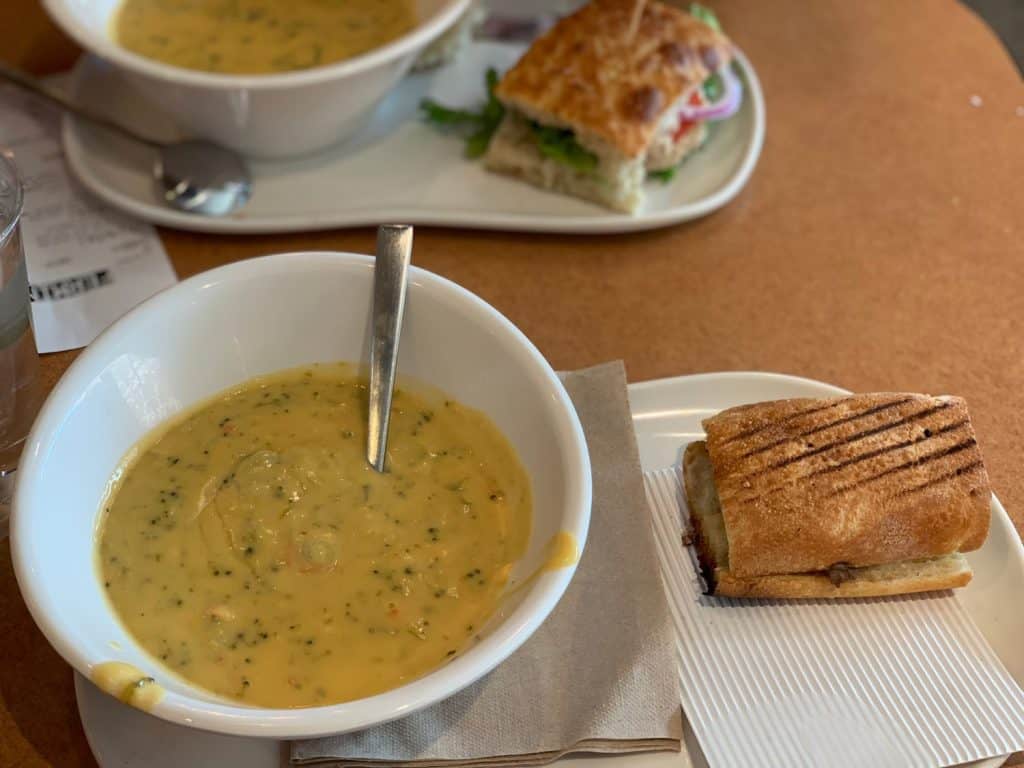
Panera has seen a 5.1% sales decline alongside a 1% dip in customer satisfaction, which helps explain why some customers say the brand feels less dependable than it once did. For a chain that built its reputation on fresh ingredients, consistency, and a slightly more elevated fast-casual experience, even small changes in quality or service tend to stand out more. When expectations are higher, any slip becomes more noticeable.
When regulars or travelers describe a disappointing Panera visit, the same themes tend to come up. Prices feel noticeably higher than they used to, especially for staple items like sandwiches, soups, and salads, while portions can feel inconsistent depending on the location or time of day. Freshness, once a major selling point, is another area where customers say the experience can vary. Items that used to feel reliably made-to-order can sometimes come across as rushed during peak hours.
That said, Panera still has a loyal base of customers who know how to navigate the experience. Those who rate the chain more positively often time their visits carefully, avoiding the midday lunch rush when stores are busiest and more prone to mistakes. Ordering ahead through the app can help streamline the process, but seasoned customers still recommend double-checking the order before leaving, especially for larger or group orders where errors are more common.
There are also small strategies that can improve the experience. Simpler sandwich builds tend to hold up better, and ordering earlier in the day increases the chances of getting fresher ingredients and fully stocked menu items. Like many fast-casual chains, Panera tends to perform best when the pace is slower and staff have more time to focus on preparation. Under those conditions, the food is more likely to match the quality and presentation customers expect.

Arby’s
Arby’s hasn’t seen the same kind of measurable decline as some other chains, but that hasn’t stopped customers from voicing concerns about consistency. Much of the feedback centers on execution rather than the core menu itself. The brand’s identity is still strong, especially with its focus on roast beef and stacked sandwiches, but customers say the experience can vary more than expected from one visit to the next. Common complaints include uneven sandwich builds, where portions feel inconsistent, and food that doesn’t arrive as hot as it should. Because many of Arby’s signature items rely on freshly sliced meat, timing plays a bigger role than people might realize.
Roast beef, in particular, tends to cool down quickly, so longer wait times can noticeably affect quality by the time the order reaches the customer. This has become more of an issue in drive-thru lanes, where delays are more common. Customers who have better experiences often time their visits strategically, with the lunch rush being a reliable window for fresher food since slicers and fry stations are in constant use. While lines may be longer during peak hours, turnover is faster, which usually means hotter fries and more freshly prepared sandwiches. As with many fast-food chains, a slightly longer wait in a busy period can actually lead to a better overall meal.
Chipolte
ACSI points to a more price-sensitive environment right now, where U.S. chain sales growth of 3.1% in 2024 is trailing menu price inflation of 4.1%. That gap tends to raise expectations, as customers become more aware of what they are paying versus what they are receiving. Chipotle is one of the clearest examples of this dynamic in action. The brand still performs well overall, but when customers say the experience has slipped, it is usually tied to value perception rather than the core concept. With prices higher than they were just a few years ago, consistency matters more, and even small differences in portion size or ingredient balance can stand out.
Most of the feedback centers on portioning, especially when it comes to rice, protein, and how evenly ingredients are distributed across the bowl or burrito. Because Chipotle builds meals in front of the customer, outcomes can vary depending on the crew member and how busy the line is at that moment. Customers who prioritize value often choose to order in person, where they can watch the build and make polite, specific requests for components. Adding sides like salsa or fajita vegetables can also help round out the meal without significantly increasing the price, making it feel more balanced and worth the cost.
Wendy’s
While not necessarily declining as sharply as some brands on this list, Wendy’s has been losing a bit of ground relative to its competitors. That shift is showing up in both customer sentiment and operational changes. Over the past year, the company has closed a number of underperforming locations as part of an effort to streamline operations and focus on higher-performing stores. While closures are a normal part of large chains optimizing their footprint, they can still shape perception, especially when paired with day-to-day experience issues. Customers who say Wendy’s has slipped most often point to longer drive-thru wait times, fries that arrive cold or soggy, missed customizations, and occasional hiccups with mobile ordering. For a brand known for fresh, made-to-order positioning, these inconsistencies tend to stand out more, particularly during peak hours when speed and accuracy are under pressure.
For customers looking to get the best experience, small adjustments can help. Ordering during off-peak times often leads to better accuracy and fresher food, and if fries are a priority, asking for them fresh and eating them first can make a noticeable difference. Like many fast-food chains, Wendy’s tends to perform better when the pace is more manageable and staff can focus on execution.
Cheesecake Factory
Customers are far less satisfied with the Cheesecake Factory’s delivery service compared to its dine-in, and big-menu restaurant chains can be hit hardest by this very thing. Guests who say the chain has slipped often mention longer waits and rushed service. Because portions are large and always have been here, the Cheesecake Factory’s perceived value is still strong, but consistency and pacing are leaving customers deflated. If you want the best experience, visiting at off-peak times can improve service attention. Plus, the cheesecake itself is typically consistent, which is why many customers just stick to dessert.
Denny’s
Sitting at the bottom alongside another restaurant we’ll address shortly, Denny’s shows that their delivery satisfaction is notably lower than dine-in, which matters for late-night and takeout-heavy brands. Customers who feel this mainstay chain has declined often cite missing sides and food temperature issues when the kitchen is understaffed. Visiting Denny’s outside of the Sunday breakfast crush usually improves speed and accuracy. If you are ordering to-go, checking for syrup, butter, and sides before leaving prevents the most common complaints made.
McDonald’s
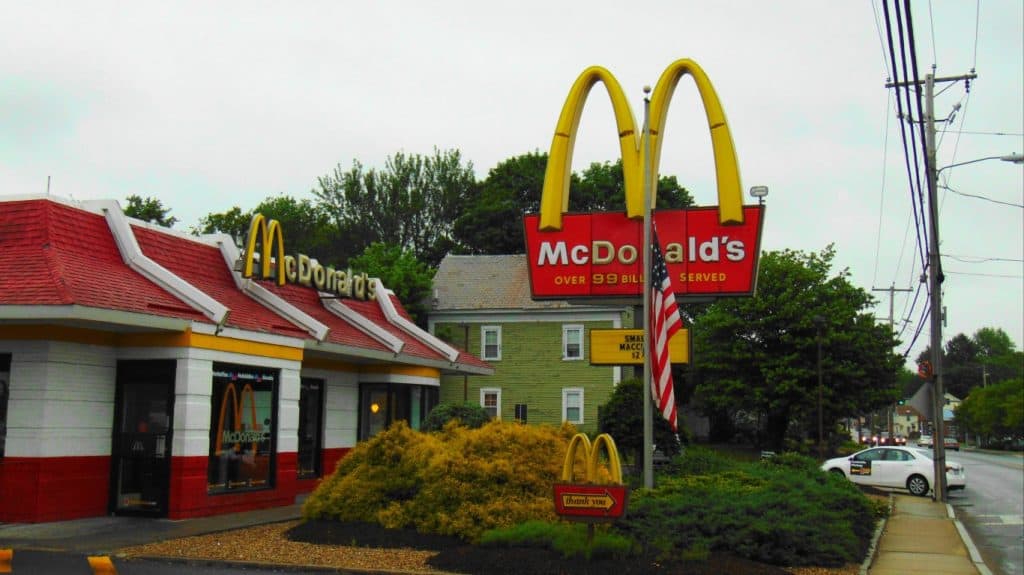
McDonald’s faces a 1% decline from their 2024 numbers, and it ranks last among the major quick-service brands listed. ACSI also cites McDonald’s U.S. comparable sales growth at 0.2%, a sign of potential momentum, but not much. Price frustration and order accuracy problems are the biggest issues facing this fast food giant, but the experience varies sharply by location, which makes it feel less dependable than it used to. If you care about crispness so much that it’ll ruin your meal if your chicken is soggy, skip delivery.
LongHorn Steakhouse
Declining from 85 in 2024 to 83 in 2025 in ACSI, this steakhouse experienced a 2% drop. However, even with this slide, it remains near the top of the full-service category in ACSI rankings. ACSI also reports LongHorn increased visits by 4.3% while full-service traffic overall declined 0.2% in 2024, so what’s with the decline? Guests tend to mention longer waits and steak doneness inconsistency at peak dinner hours, making it a deflating meal experience for this price point. Ordering a doneness you can verify easily and speaking up quickly if it is wrong is usually fine, but staff can still fall short.
Olive Garden
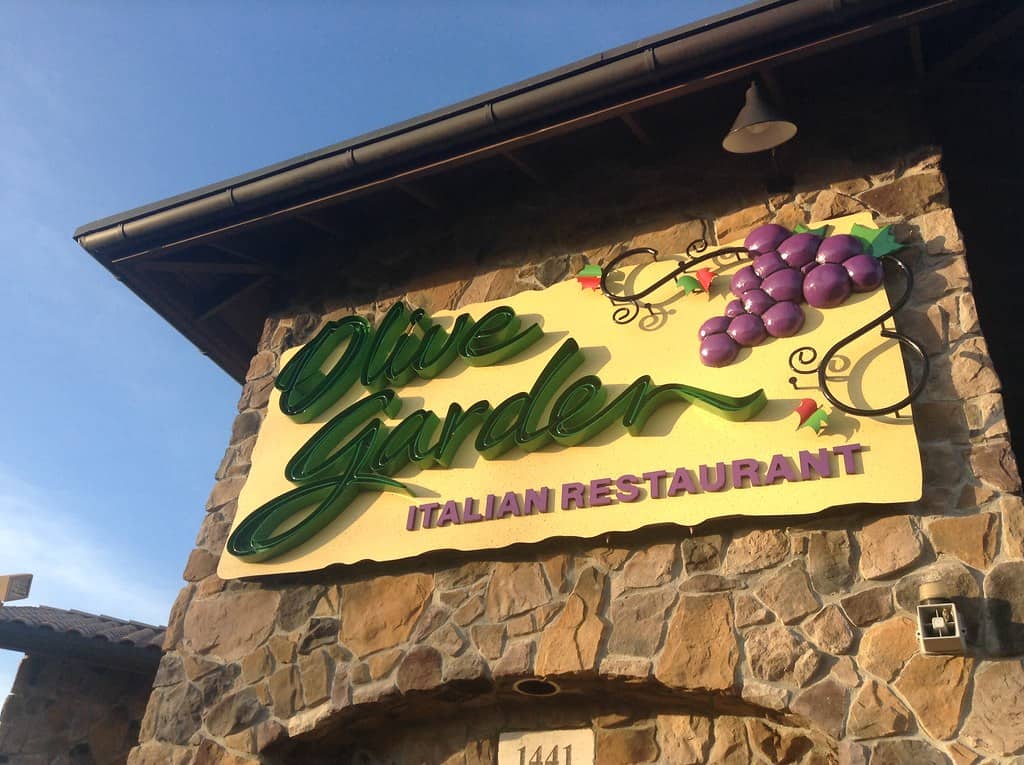
The current dining environment has shifted to where eating out feels more like a treat than a routine, which naturally raises expectations for both value and consistency. Olive Garden has struggled to meet those expectations for some customers. Common complaints include crowded dining rooms, slower service when it comes to refills, and takeout orders that occasionally miss the extras diners have come to expect. Pasta dishes, in particular, can lose their appeal if they sit too long, making timing and packaging more important than many realize.
That gap between expectation and experience becomes more noticeable during peak hours, when volume puts pressure on both kitchen and front-of-house staff. Customers who say the brand has slipped often point to longer waits between courses, less attentive service, and inconsistencies between dine-in and takeout quality. Olive Garden’s menu is built around comfort and familiarity, so when execution varies, it stands out more than it might at a quicker, lower-cost chain. For those still looking for a reliable visit, timing can make a difference. Going during off-peak hours typically leads to better service and fresher food, while ordering simpler pasta dishes can reduce the chances of a rushed or uneven plate. Taking a few extra steps to check takeout orders before leaving can also help ensure everything expected is included.
Cracker Barrel
The customers who feel that Cracker Barrel has declined blame their meals, the ones that are less hot or less accurate, especially when the dining room is packed. Because the brand is built on predictability, small misses can feel bigger than they would elsewhere. Arriving early on weekends and holidays usually improves pace and customer satisfaction, so consider it if you’re able.
Culver’s
Culver’s experienced a 3% decline from 2024, but it still remains the top-rated burger chain in the aforementioned ACSI study. However, the customers who feel a decline in Culver’s usually talk about slower lines and a busier dining room rather than a dramatic change in flavor or quality. To us, it sounds like a good problem to have, so long as Culver’s can keep up with the bustle. We’ll see how their numbers fare this year.
Dairy Queen
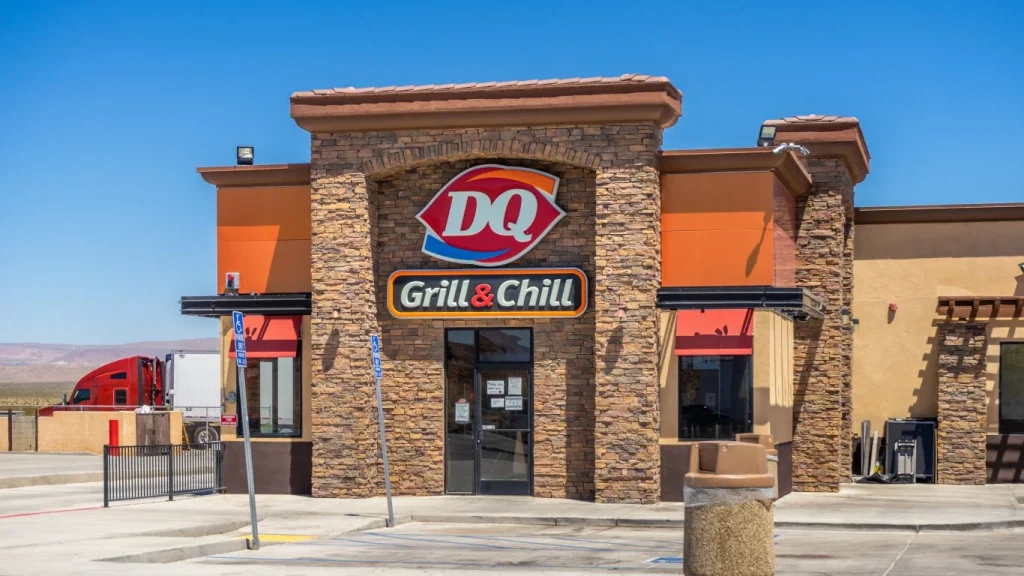
Recent Dairy Queen customers who feel the chain has declined tend to point to execution issues tied closely to timing. The menu itself has not changed dramatically, but the experience can vary depending on how quickly orders are prepared and handed off. Common complaints include order mistakes, longer-than-expected waits, and frozen treats that arrive partially melted. Because Dairy Queen’s identity is so closely tied to soft-serve and blended desserts, even small delays can have a noticeable impact on quality. What might be a minor issue at another chain becomes more obvious here, where texture and temperature are a key part of the product.
Soft-serve cones and Blizzard-style desserts are especially sensitive to time, which makes drive-thru backups more of a problem than customers might expect. When lines slow down, the quality of the final product can suffer before it even reaches the customer. Those who report better experiences often choose to order inside and enjoy their food right away, rather than taking it on the road. Like many quick-service spots, Dairy Queen performs best when orders move quickly and staff can keep up with demand. Under those conditions, the treats tend to match the consistency and presentation customers are expecting.
Chili’s
With a 3% drop, Chili’s declines despite seeing average unit volumes rise 16% in 2024. Reports also mention a 31% same-store sales growth in the fourth quarter, which can strain operations as more guests pile in. This naturally leads to longer waits, rushed table touches, carryout errors, and soggy food, something that simply can’t happen with Chili’s fries and fajitas. If you opt for pickup sometime soon, opening the bag and verifying sauces, sides, and drinks before leaving prevents most issues. If you want the best value, choosing promotions in your local market and focusing on items that travel well can keep satisfaction higher, as Chili’s can run promotions fairly regularly.
Buffalo Wild Wings
Buffalo Wild Wings felt its most recent 4% decline, mainly due to food arriving less crisp in our delivery-driven world. When any wing kitchen is backed up, sauces soak into crispy coatings, and fries steam out, which changes texture fast. Picking up with sauces on the side tends to travel better, so consider it if you’re always disappointed by BWW. Timing visits around local promos can also improve the value feeling that shapes review, and always plan on arriving early for any game night, as it’ll reduce the wait-time spiral that colors your whole visit.
Five Guys
Five Guys doesn’t fall far with a score of 78, given that the overall quick-service category remains at 79. However, it may be falling behind its competitors. Customers connect the decline to value perception, as the experience is positioned as fast casual, even while prices have risen to sit-down burger joint rates. Even when the burger quality is strong, sticker shock can drive a lower satisfaction rating; even with unlimited free toppings, Five Guys is attempting to navigate a more expensive world. If you’re trying to budget eating here, sharing fries is always a good idea; they tend to overfill!
Sonic
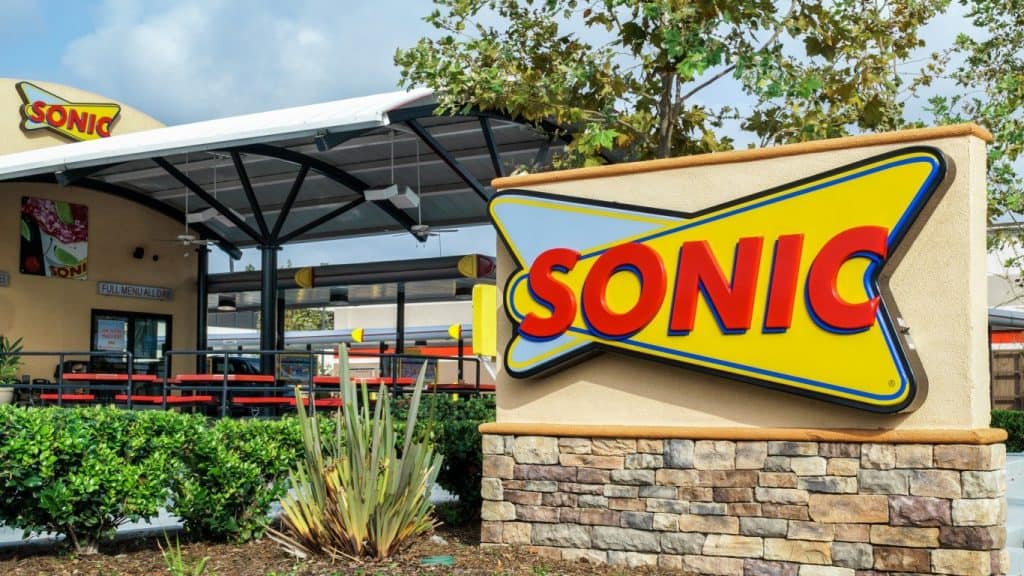
With a 4% decline, Sonic’s drop in ratings is more noticeable than many of its peers. Part of that comes down to how the brand operates. The drive-in stall model, which once felt like a novelty, can make staffing gaps more visible when they happen. Customers frequently mention longer wait times, delayed service, and missing or incorrect customizations. Because orders are often delivered to parked cars, any slowdown in the system becomes more apparent, especially during busy periods when staff are stretched thin across multiple stalls.
One area where Sonic still performs well is its drinks and snack offerings. The variety of slushes, sodas, and add-ins remains a strong draw, and many customers feel the pricing in that category is still reasonable compared to competitors. However, the food side of the menu tends to be more inconsistent. Items that sit under heat lamps while waiting to be delivered can lose quality quickly, which affects both texture and overall freshness. This gap between strong drinks and less reliable food shows up often in customer feedback.
For those looking to get the best experience, a few adjustments can help. Using the Sonic app allows customers to review and confirm customizations, which can reduce errors from misheard orders. Keeping orders simple, especially during peak hours, also tends to improve accuracy and speed. Many regulars find that sticking to drinks, snacks, or smaller items leads to a more consistent visit. Like many fast-food chains, Sonic tends to perform best when the system is moving efficiently and staff are not overwhelmed.
KFC
KFC shows the steepest decline of any restaurant in the last year in the ACSI’s quick-service table category, falling from 81 in 2024 to 77 in 2025, a 5% drop. ACSI also reports KFC U.S. sales were down 5.2% in 2024, but what do customers have to say? In a year when quick-service satisfaction is flat at 79 overall, that four-point slide signals a real brand-specific problem. Customers who say the chain has declined most often talk about its budding inconsistency, including chicken that is not as crisp, flavor differences compared to long-held recipes, longer hold times, and sides that feel hit-or-miss. With so many other popular chicken restaurants out there (Raising Cane’s, Dave’s Hot Chicken, Chick-fil-A, and Popeye’s, just to name a few), we’ll be keeping a close watch to see if KFC can recover.

Everyone has their go-to spots, and it’s always noticeable when a place you used to rely on doesn’t feel the same anymore. Whether it’s pricing, portion sizes, or consistency, small changes can add up over time. Have you noticed any of your favorite restaurants going downhill lately?
Do you agree with our picks, or would you add something else? Tell us in the comments.