frantic00/Shutterstock
JeepersMedia / BY 2.0
JHVEPhoto / Shutterstock.com
John Hanson Pye / Shutterstock.com

QualityHD / Shutterstock.com

m01229 / BY 2.0
Joits / BY 2.0

spflaum1 / iStock Editorial via Getty Images
Courtesy of Brian C. via Yelp
JeepersMedia / BY 2.0
JeepersMedia / BY 2.0
Badgergirl0613 / Wikimedia Commons

Courtesy of Dairy Queen via Yelp
JeepersMedia / BY 2.0

JeepersMedia / BY 2.0

chief_huddleston / BY 2.0
jeepersmedia / Flickr
Justin Sullivan / Getty Images News via Getty Images










17 Restaurant Chains Customers Say Have Declined the Most in Recent Years
Eating out used to feel more worth it. Once upon a time, you paid a little less for takeout, and you got speed, consistency, new menu innovations, and, most importantly, a break from cooking. However, that isn't necessarily the case these days.
Customers keep reporting the same pain points across big-name restaurant chains, including smaller portions, higher checks, slower service, and orders that are not as reliable as they used to be. As quality declines and prices increase, where can people turn for good takeout? We've all got our restaurant chain opinions, but these brands are falling behind and have consistently fallen behind in recent years.
Today, we go over the restaurant chains that have slipped, using customer-satisfaction data that reports the kinds of issues diners actually complain about when they decide a chain is no longer worth their time. We might've listed some of your faves, which is why we've included practical ways to get the best experience anyway, like when to order, what travels well, if there are any special promos to consider, and what tends to disappoint.
#17: Panera Bread
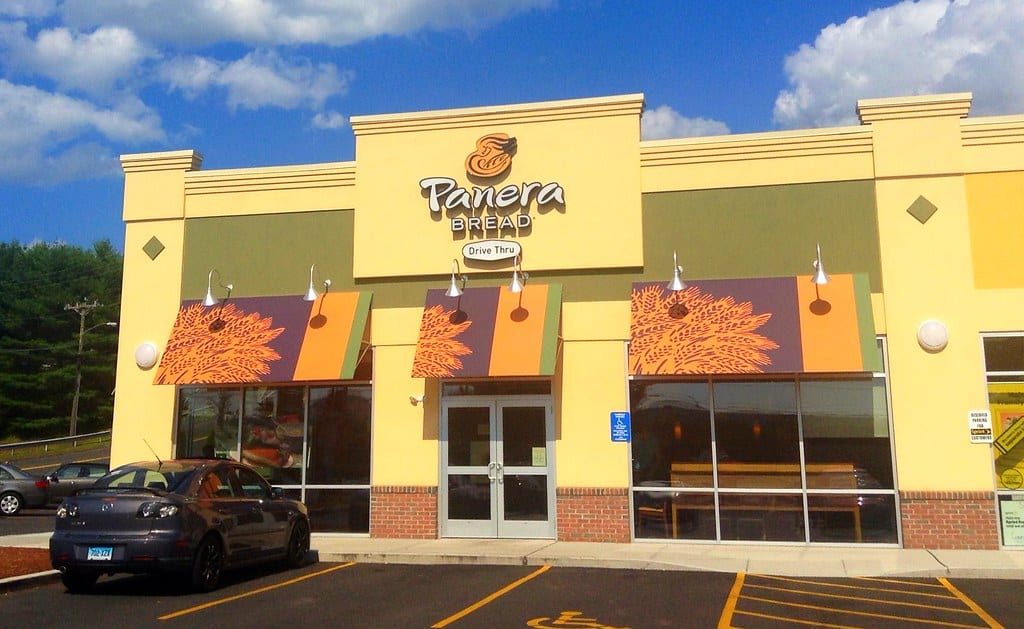
Panera has a 5.1% sales decline alongside a 1% customer satisfaction decline, which might be why some customers say the brand feels less dependable right now. When travelers or commuters describe the Panera experience as disappointing, they usually mean prices feel higher while portions and freshness feel less consistent. The people who still rate Panera highly tend to order ahead of the dreaded midday rush, keep their sandwiches simple, and always check the bag before leaving, especially if they ordered for the whole office. Like most restaurants, when the line is calmer, the food tends to look closer to the menu photos, and everything is better stocked.
#16: Arby’s
Arby’s hasn't slipped much in terms of its business, but customers have plenty to say about it regardless. Customers who say the chain has declined most often mention uneven sandwich builds and food that is not as hot as expected. Roast beef sandwiches can cool quickly, so long waits matter more than people think, which is also a growing concern in most Arby's drive-thrus. Visiting during lunch rush usually improves freshness because slicers and fry stations turn over faster, but be prepared for the line.
#15: Chipotle
ACSI describes a price-sensitive environment right now, where U.S. chain sales growth of 3.1% in 2024 trails menu price inflation of 4.1%, which can sharpen customer expectations. This is exactly what Chipotle has been dealing with. Fans who say the chain has slipped typically point to portion consistency and rice or protein distribution that varies by crew and shift. If portioning matters to you, watching the line in person and requesting specific components politely can help. Also, ordering sides like extra salsa or fajita veggies may make it feel fuller (and better worth the price).
#14: Wendy’s
While not necessarily declining as much as some brands on this list, Wendy’s is losing a little ground compared with its peers. Customers who feel the brand has declined usually cite long drive-thru waits, fries arriving cold or soggy, missed customizations, and mobile ordering troubles. Ultimately, if you want fries but are worried they're going to get cold, eating them first and requesting them fresh can make a noticeable difference.
#13: The Cheesecake Factory
Customers are far less satisfied with the Cheesecake Factory's delivery service compared to its dine-in, and big-menu restaurant chains can be hit hardest by this very thing. Guests who say the chain has slipped often mention longer waits and rushed service. Because portions are large and always have been here, the Cheesecake Factory's perceived value is still strong, but consistency and pacing are leaving customers deflated. If you want the best experience, visiting at off-peak times can improve service attention. Plus, the cheesecake itself is typically consistent, which is why many customers just stick to dessert.
#12: Denny’s
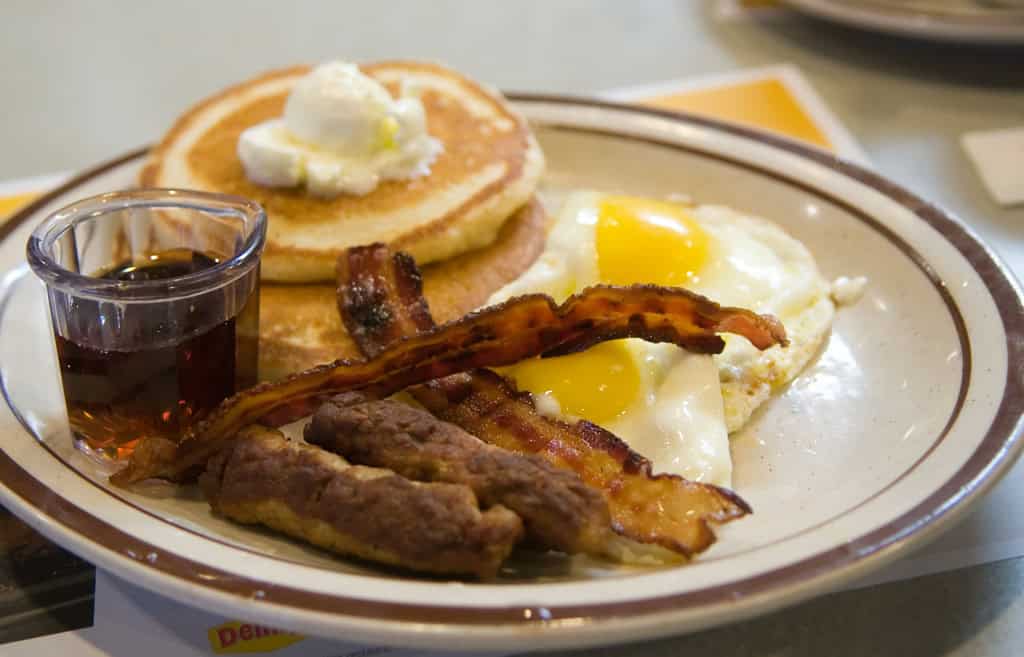
Sitting at the bottom alongside another restaurant we'll address shortly, Denny's shows that their delivery satisfaction is notably lower than dine-in, which matters for late-night and takeout-heavy brands. Customers who feel this mainstay chain has declined often cite missing sides and food temperature issues when the kitchen is understaffed. Visiting Denny's outside of the Sunday breakfast crush usually improves speed and accuracy. If you are ordering to-go, checking for syrup, butter, and sides before leaving prevents the most common complaints made.
#11: McDonald’s
McDonald’s faces a 1% decline from their 2024 numbers, and it ranks last among the major quick-service brands listed. ACSI also cites McDonald’s U.S. comparable sales growth at 0.2%, a sign of potential momentum, but not much. Price frustration and order accuracy problems are the biggest issues facing this fast food giant, but the experience varies sharply by location, which makes it feel less dependable than it used to. If you care about crispness so much that it'll ruin your meal if your chicken is soggy, skip delivery.
#10: LongHorn Steakhouse
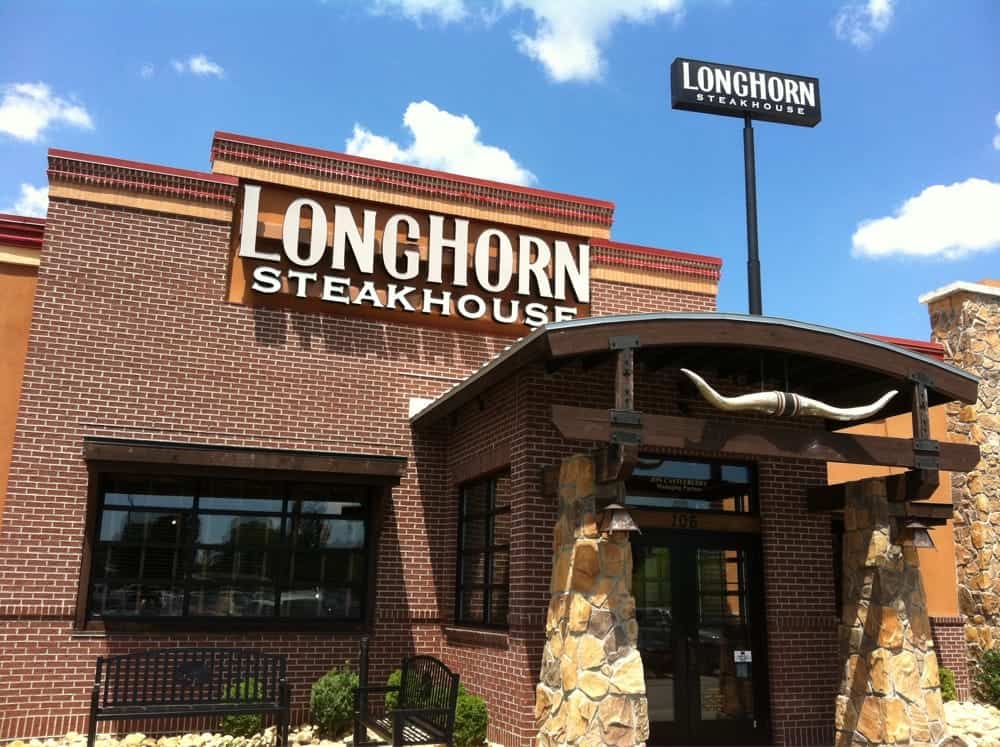
Declining from 85 in 2024 to 83 in 2025 in ACSI, this steakhouse experienced a 2% drop. However, even with this slide, it remains near the top of the full-service category in ACSI rankings. ACSI also reports LongHorn increased visits by 4.3% while full-service traffic overall declined 0.2% in 2024, so what's with the decline? Guests tend to mention longer waits and steak doneness inconsistency at peak dinner hours, making it a deflating meal experience for this price point. Ordering a doneness you can verify easily and speaking up quickly if it is wrong is usually fine, but staff can still fall short.
#9: Olive Garden
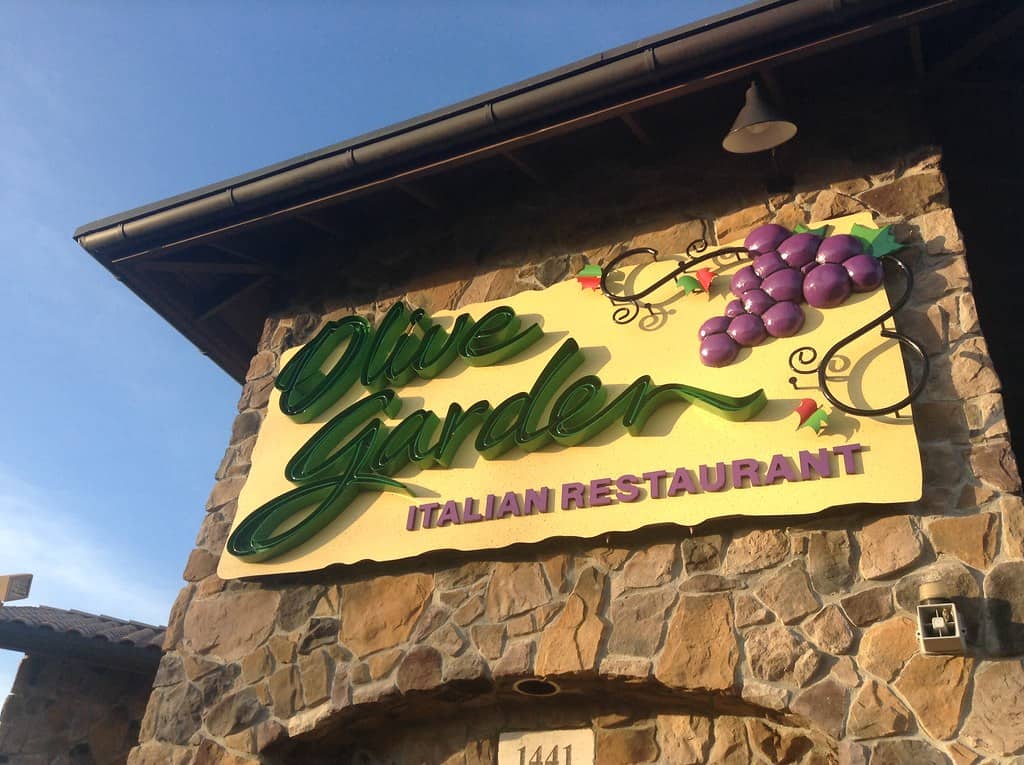
The current dining market is one where diners treat eating out like a luxury, which raises expectations for value and consistency. Olive Garden is falling short. Customers who say the chain has slipped often cite crowded dining rooms, slower refills on both drinks and food items, and takeout orders that miss extras, the extras customers expect and have paid for. Pasta also suffers when it sits too long, so delays and packaging matter more than people expect. If you are going for the classic comfort experience on your next night out, ordering simpler dishes reduces the odds of a rushed plate and keeps your wallet happier.
#8: Cracker Barrel
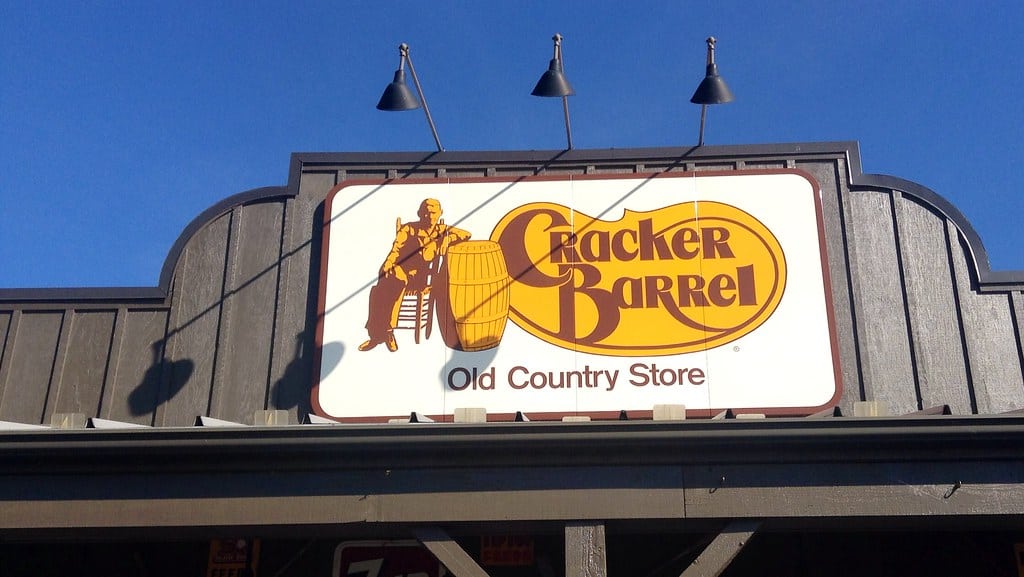
The customers who feel that Cracker Barrel has declined blame their meals, the ones that are less hot or less accurate, especially when the dining room is packed. Because the brand is built on predictability, small misses can feel bigger than they would elsewhere. Arriving early on weekends and holidays usually improves pace and customer satisfaction, so consider it if you're able.
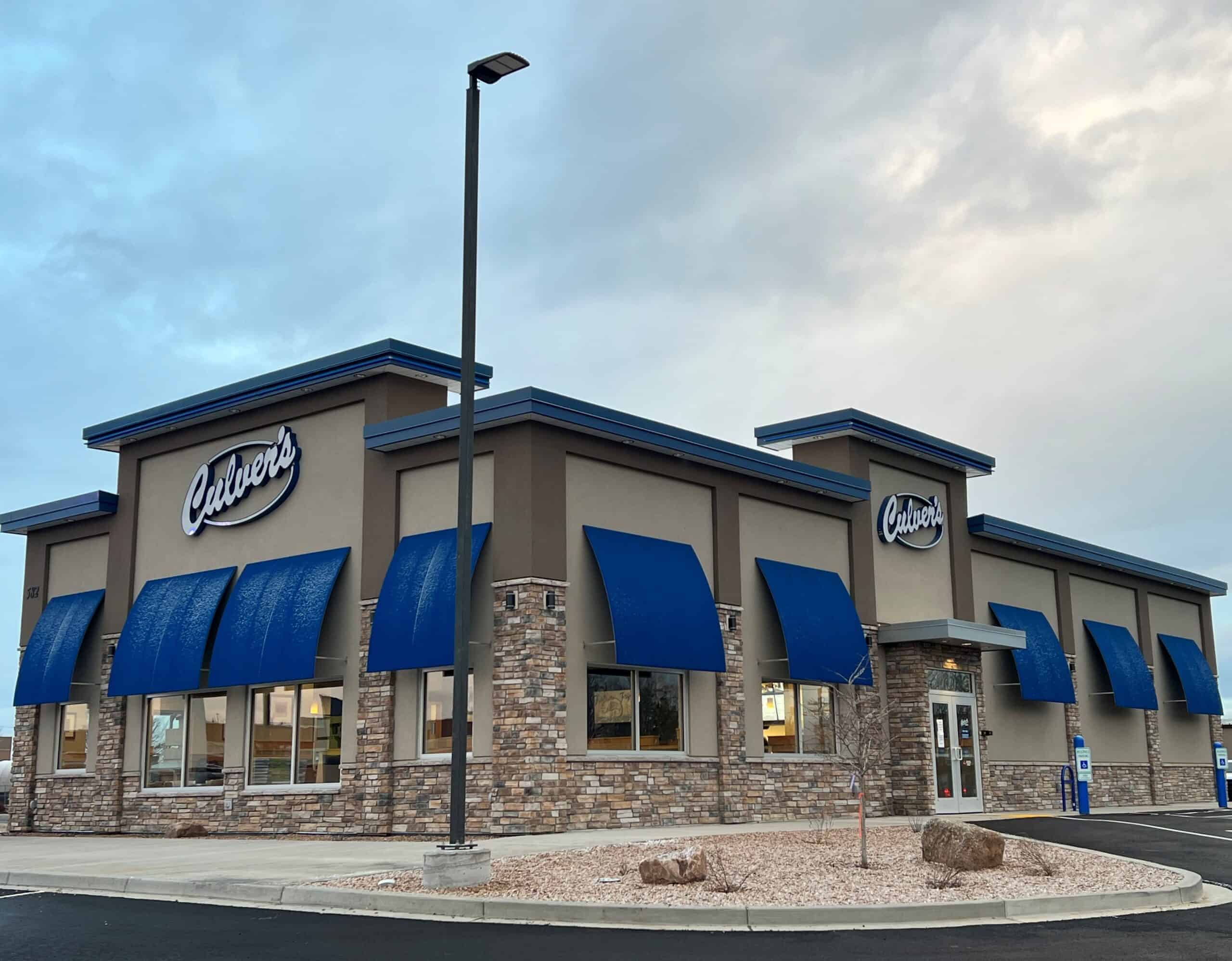
#7: Culver’s
Culver’s experienced a 3% decline from 2024, but it still remains the top-rated burger chain in the aforementioned ACSI study. However, the customers who feel a decline in Culver's usually talk about slower lines and a busier dining room rather than a dramatic change in flavor or quality. To us, it sounds like a good problem to have, so long as Culver's can keep up with the bustle. We'll see how their numbers fare this year.
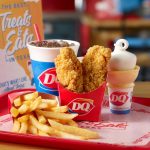
#6: Dairy Queen
Recent customers of Dairy Queen say the chain has declined, connecting it to execution and timing, including order mistakes and frozen treats that arrive too melted. Soft-serve and blended desserts are especially sensitive to delay, so drive-thru backups hit quality quickly, something that's long been considered Dairy Queen's Achilles heel. Ordering in person and eating immediately usually improves satisfaction compared with long car rides. But, then again, what else is a Blizzard for?
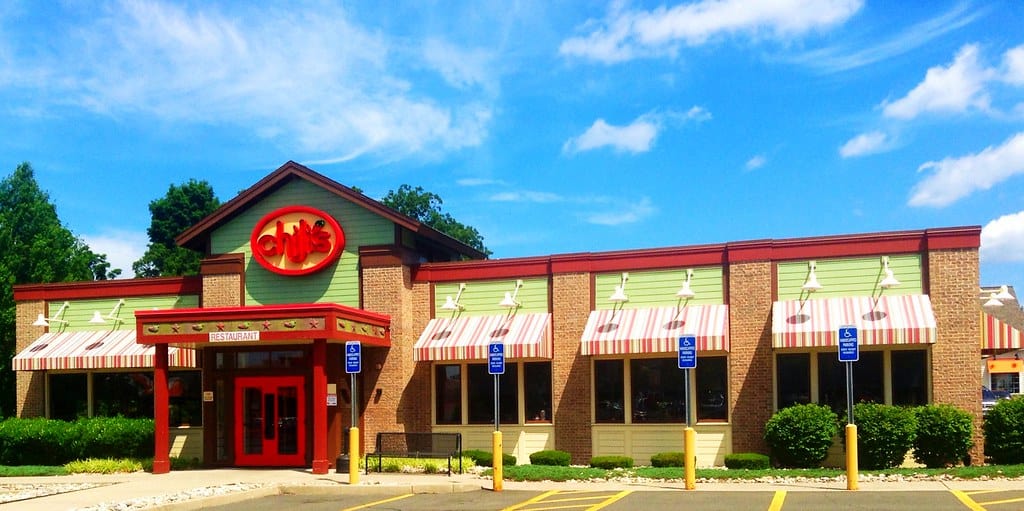
#5: Chili’s
With a 3% drop, Chili’s declines despite seeing average unit volumes rise 16% in 2024. Reports also mention a 31% same-store sales growth in the fourth quarter, which can strain operations as more guests pile in. This naturally leads to longer waits, rushed table touches, carryout errors, and soggy food, something that simply can't happen with Chili's fries and fajitas. If you opt for pickup sometime soon, opening the bag and verifying sauces, sides, and drinks before leaving prevents most issues. If you want the best value, choosing promotions in your local market and focusing on items that travel well can keep satisfaction higher, as Chili's can run promotions fairly regularly.
#4: Buffalo Wild Wings
Buffalo Wild Wings felt its most recent 4% decline, mainly due to food arriving less crisp in our delivery-driven world. When any wing kitchen is backed up, sauces soak into crispy coatings, and fries steam out, which changes texture fast. Picking up with sauces on the side tends to travel better, so consider it if you're always disappointed by BWW. Timing visits around local promos can also improve the value feeling that shapes review, and always plan on arriving early for any game night, as it'll reduce the wait-time spiral that colors your whole visit.
#3: Five Guys
Five Guys doesn't fall far with a score of 78, given that the overall quick-service category remains at 79. However, it may be falling behind its competitors. Customers connect the decline to value perception, as the experience is positioned as fast casual, even while prices have risen to sit-down burger joint rates. Even when the burger quality is strong, sticker shock can drive a lower satisfaction rating; even with unlimited free toppings, Five Guys is attempting to navigate a more expensive world. If you're trying to budget eating here, sharing fries is always a good idea; they tend to overfill!
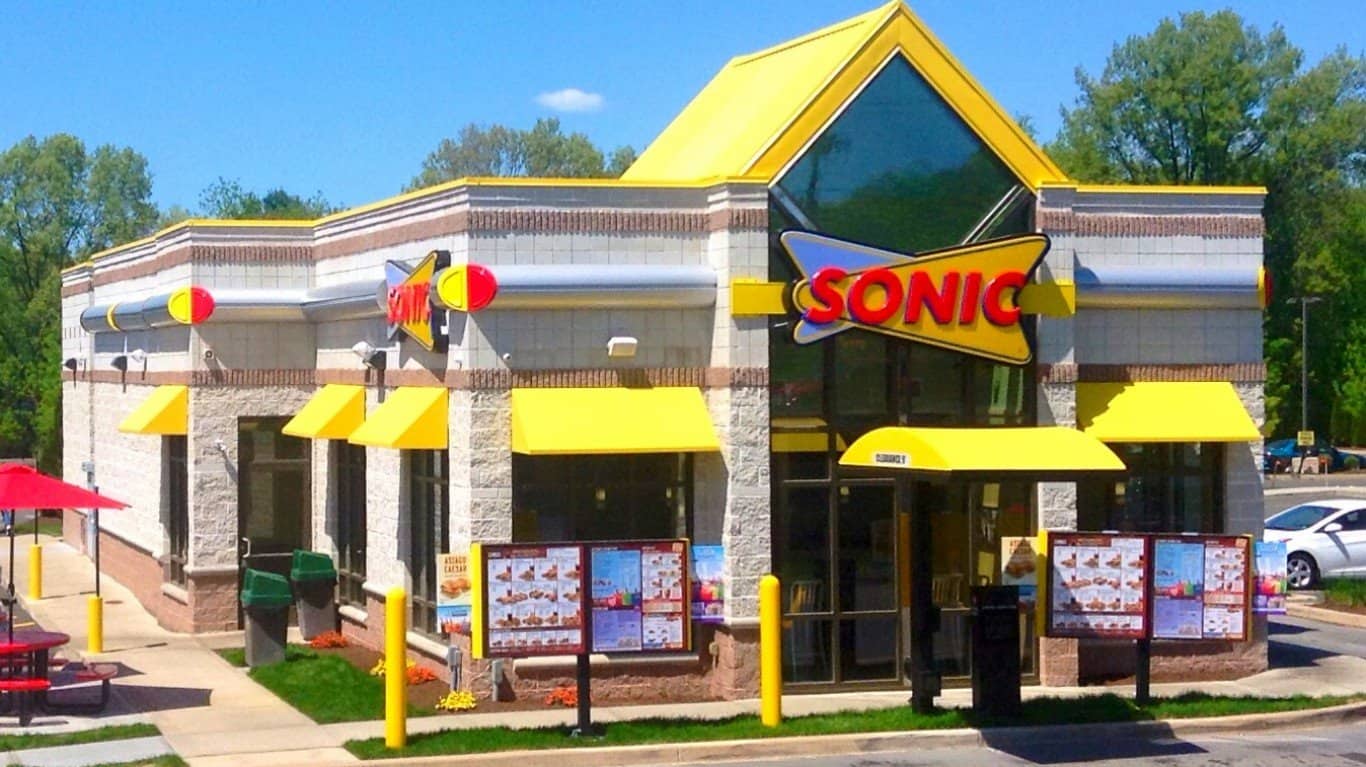
#2: Sonic
With a 4% decline, Sonic's ratings slide is significant. Their iconic stall model makes staffing gaps obvious, with long waits and missing modifications showing up more often, according to customers' complaints. Drink varieties and their fair price point can still be a bright spot, but food quality takes a hit when it sits under heat lamps. Using the app may help, as you can review customizations and reduce the potential of misheard orders. If you are just there for snacks and drinks, keeping the order simpler tends to match what the location can deliver consistently.
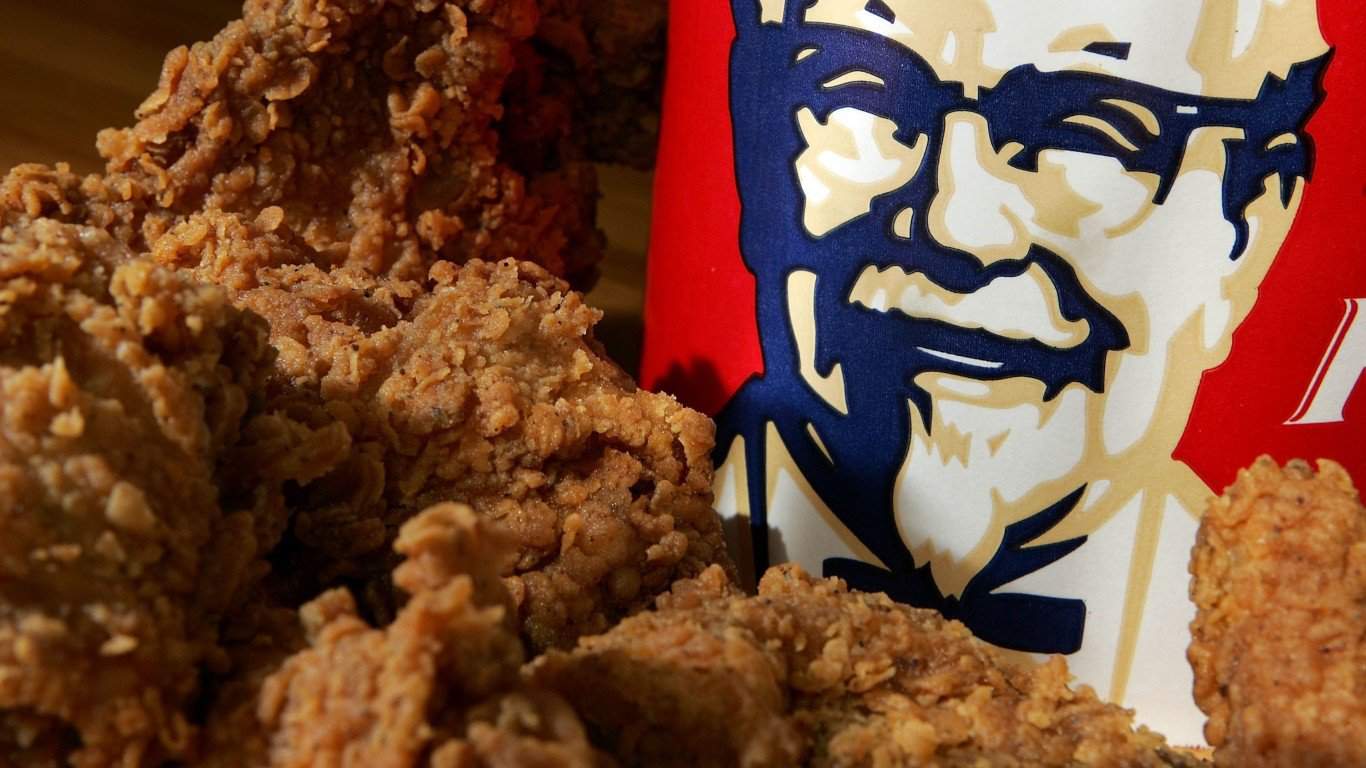
#1: KFC
KFC shows the steepest decline of any restaurant in the last year in the ACSI's quick-service table category, falling from 81 in 2024 to 77 in 2025, a 5% drop. ACSI also reports KFC U.S. sales were down 5.2% in 2024, but what do customers have to say? In a year when quick-service satisfaction is flat at 79 overall, that four-point slide signals a real brand-specific problem. Customers who say the chain has declined most often talk about its budding inconsistency, including chicken that is not as crisp, flavor differences compared to long-held recipes, longer hold times, and sides that feel hit-or-miss. With so many other popular chicken restaurants out there (Raising Cane's, Dave's Hot Chicken, Chick-fil-A, and Popeye's, just to name a few), we'll be keeping a close watch to see if KFC can recover.