Retail Photographer / Shutterstock.com
Arina P Habich / Shutterstock.com
rebeccafondren / iStock via Getty Images
KarepaStock / Shutterstock.com
nerudol / Getty Images
nelea33 / Shutterstock.com
Virtual Art Studio / Shutterstock.com
LesiaArt / Shutterstock.com
vasanty/ Shutterstock
JOKE_PHATRAPONG / Shutterstock.com
Matthiesen / Shutterstock
Topp Images/ Shutterstock
baibaz / Getty Images
Liudmyla Chuhunova / Shutterstock.com
rebeccafondren / iStock via Getty Images
Kung37 / Shutterstock.com


These Restaurant Chains Survived COVID, But They May Not Survive 2025
While the restaurant industry is doing better than it has in recent years, the effects of the pandemic have left many troubled. Many once-mighty brands struggling to stay afloat are plagued with numerous post-pandemic issues, especially in the face of inflation and other unavoidable issues.
Many brands today must contend with a combination of factors like current supply chain shortages, high inflation, and changing consumer habits. Companies are finding it difficult to hire and retain staff, especially with rising minimum wages. Global supply chain disruptions have caused ingredient shortages. Inflation has driven up operational expenses and caused consumers to cut back on restaurant spending. Prices are also up, from rent to food costs.
Add to that increased competition, a demand for healthier foods, and an increased desire for sustainable, eco-friendly options, and chain restaurants are struggling to adapt. If you're a fan of any of these struggling chains, we recommend that you dine out now before they're gone for good, because they might be around for much longer.
This post was updated on August 6th, 2025, to reflect additional information.
Boston Market
Boston Market has been having an especially rough go of it lately. Since the beginning of 2023, it's shrunk from more than 300 locations to just 27, with many being evicted because of unpaid leases. They've also been fined by the states of New Jersey and Massachusetts for unpaid wages and were fined $15 million in January by a U.S. district judge for failing to pay their food supplier.
Red Lobster
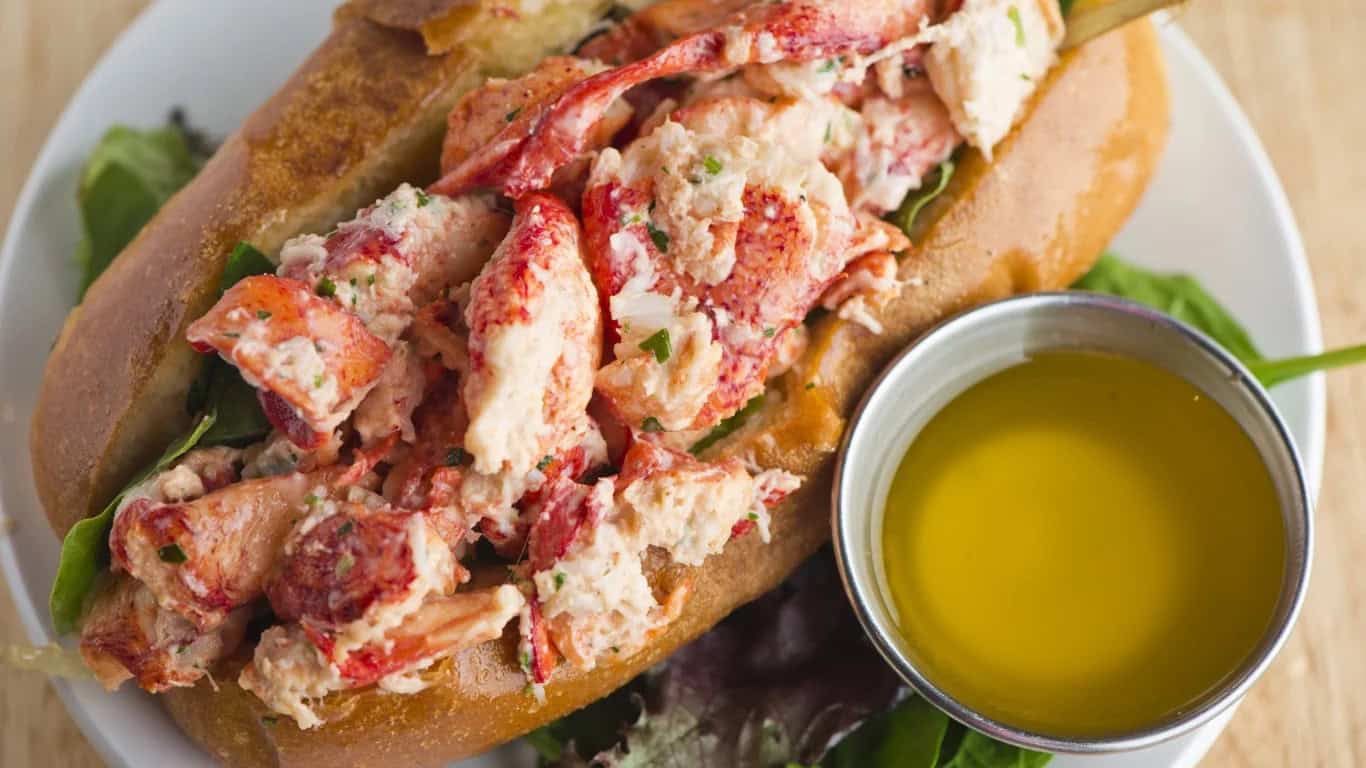
With possibly the most high-profile chain restaurant bankruptcy filing in recent memory, Red Lobster has been struggling mightily with high food and labor costs as well as high operating losses. Its ill-advised Endless Shrimp deal cost the company $11 million in operating losses, and it was also mismanaged by its private equity parent company, Golden Gate Capital, which sold the real estate Red Lobster restaurants occupied and forced each location to pay rent for the first time. More than 50 locations are expected to close.
Kona Grill
Kona Grill filed for bankruptcy in 2019, and its fortunes haven't turned around since then. According to its latest earnings report, it saw a 14% drop in customer traffic and a 9.7% drop in same-store sales in 2024's first quarter, although plans are reportedly in place to turn the company around and open additional locations.
Noodles & Company
Best known for its noodle dishes, Noodles & Co. has been hit hard by the low-carb trend. It experienced a 9% decrease in traffic at company-owned stores, an 8.9% drop in total revenue, and a 4.2% decrease in same-store sales in the fourth quarter of 2023 alone.
Hooters
The once-popular Atlanta-based sports bar Hooters abruptly closed nearly 40 underperforming restaurants in June, and over the past several years the amount of locations nationwide has dropped from 333 to 293.
Outback Steakhouse
Outback is owned by Bloomin' Brands, which also owns Carrabba's Italian Grill and Bonefish Grill. The company recently announced that several dozen locations of Outback would be closing, and that so far in 2024 it's experienced a 4.2% drop in traffic at American restaurants and a 1.2% drop in domestic same-store sales.
Denny's
Denny's closed 57 locations in 2023, a year that saw customer traffic decline by six percent. 2024 hasn't been much kinder to the brand, with an additional six percent decline this year. They did open five new locations during the first quarter of 2024—but closed 25 locations, as well.
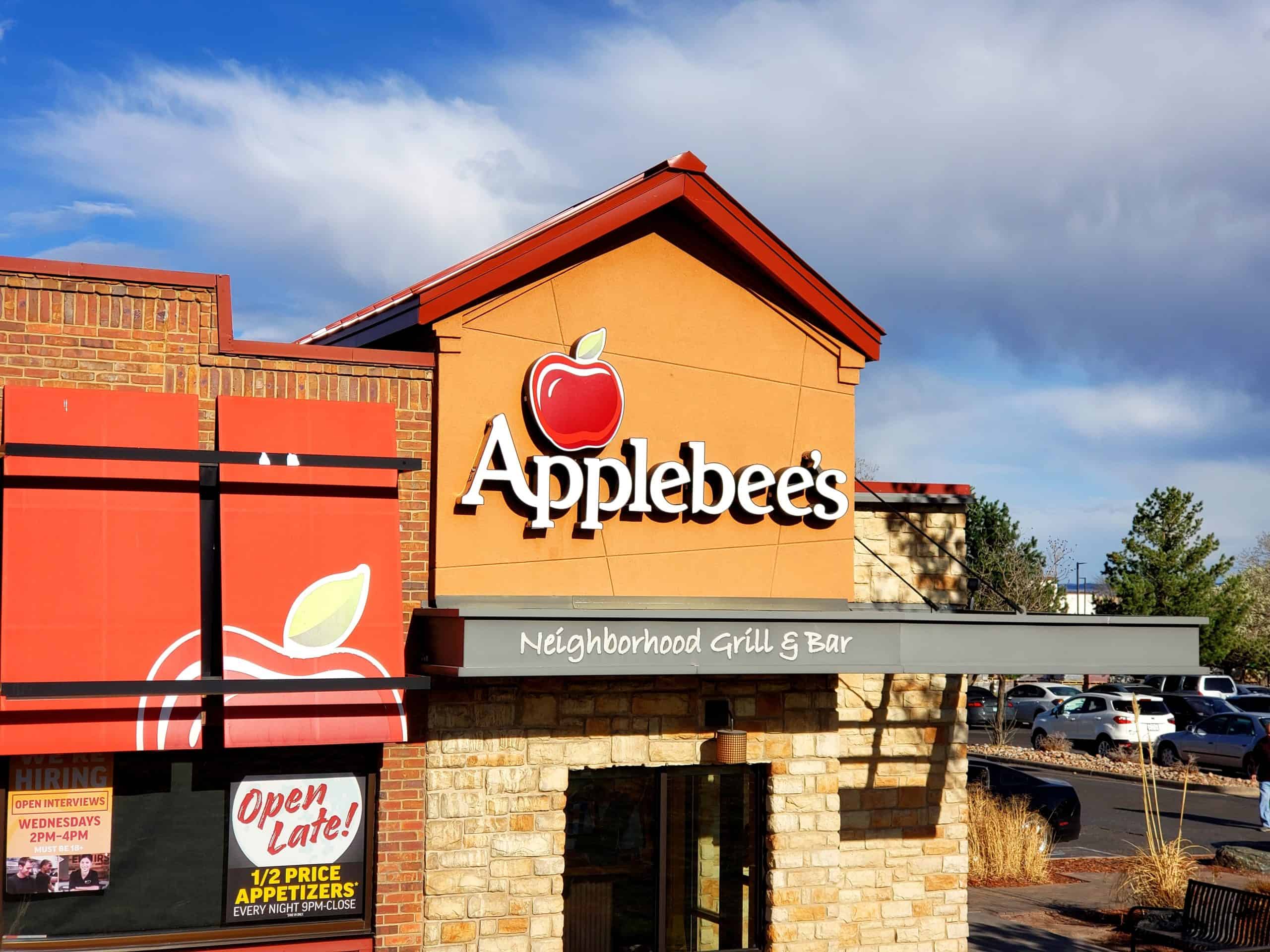
Applebee's
Once every high schooler's favorite hangout, Applebee's has unfortunately not been doing so well lately, either. More than 330 locations of the bar & grill chain have closed since 2017, with more closures planned.
Sbarro
More than half of all Sbarro locations closed between 2004 and 2016, and even more locations have closed since then. Sbarro's large footprint in mall food courts certainly hasn't served it well as shopping at malls is in serious decline, and there's plenty of competition in the fast-food pizza space. Its flagship location in the heart of Times Square closed in 2019.
Papa Murphy's
Take-and-bake pizza chain Papa Murphy's fared pretty well during the pandemic due to its concept—which allowed people to pick up ready-to-bake pizzas to take home to cook—but it hasn't fared so well since then. 2022 saw a huge dip in sales for the chain, which closed 72 locations in that year due to poor performance.
Fuddruckers
The pandemic hit already-struggling burger chain Fuddruckers hard, and in September 2020 its owner, Luby's, announced plans to liquidate all of its assets and close all locations. A company called Black Titan Franchise Systems saved the chain the following year, and in May CEO Nicholas Perkins had to state that all of its locations weren't closing after a blog stated otherwise. There are currently about 50 locations in 20 states, down from about 150 in its 1980s peak.
Quiznos
The toasted sandwich chain Quiznos hasn't had a great decade. Once North America's second-largest sandwich chain behind Subway with 4,000 locations, there are currently only about 175 locations in the U.S. and 183 more internationally. The chain's unorthodox franchise system—in which it would buy all supplies and sell them at inflated prices to franchisees—made it hard for franchisees to turn a profit. Increased competition and fewer people eating sandwiches for lunch every day have also not helped.
Tijuana Flats
Tijuana Flats, a Florida-based Tex-Mex chain founded in 1995, announced in April 2024 that it was under new ownership and that it was filing for Chapter 11 bankruptcy protection. It closed 11 of its 65 company-owned stores and released a statement stating that the chain is at a "critical juncture" and "immediate action was needed to preserve the organization."
Friendly's
Founded as an ice cream shop during the Great Depression and later transitioned into full-service restaurants (albeit ones that were still most famous for its ice cream), Friendly's hasn't fared well over the past decade and a half. It filed for Chapter 11 Bankruptcy protection, closed 63 stores in October 2011, and filed once again in November, citing the effects of the pandemic.
The chain was acquired by Amici Partners Group the following year, and while they've pledged to keep all locations open, several—including the last location in Boston—have closed since then.
Ruby Tuesday
A casual burger chain named after the Rolling Stones song, Ruby Tuesday was hit hard by the pandemic and filed for Chapter 11 Bankruptcy protection in September 2020. It went on to close more than 210 locations in the following months, and more have closed since then.