
VvoeVale / Getty Images

Oleh_Slobodeniuk / Getty Images

kali9 / Getty Images

tifonimages / Getty Images

Illustrated London News / Getty Images

http://www.fotogestoeber.de / Getty Images

artisteer / Getty Images

chee gin tan / Getty Images

PamWalker68 / Getty Images
Hulton Archive / Getty Images

CherylCasey / Getty Images

Historical / Getty Images

digitalskillet / Getty Images

fizkes / Getty Images

tttuna / Getty Images

surasaki / Getty Images

Peshkova / Getty Images
Print Collector / Getty Images

VictorHuang / Getty Images

DaniloAndjus / Getty Images

Kean Collection / Getty Images

metamorworks / Getty Images

berkay / Getty Images

ndoeljindoel / Getty Images

Sasiistock / Getty Images

RichVintage / Getty Images

dima_sidelnikov / Getty Images

fcscafeine / Getty Images

skynesher / Getty Images
krisblackphotography / Getty Images

London Express / Getty Images

Chris Ryan / OJO Images via Getty Images

JacquesPALUT / Getty Images

Purestock / Getty Images

Milkos / Getty Images

PeopleImages / Getty Images
Hulton Archive / Getty Images



































36 Common Words With Older or Lesser-Known Meanings
English has been around for centuries, and it hasn't exactly stayed the same. Words that once described something fairly specific have taken on broader meanings, while others have picked up entirely new uses. Sometimes the change makes perfect sense. Other times, it's hard to see how one meaning led to another without digging into the history.
Take "nice," for example. Today, calling someone nice is usually a compliment. Several centuries ago, you might have been insulting their intelligence. Then there's "moxie," which went from the name of a soft drink to a word describing courage and determination. English is full of these little linguistic detours, even if most of us never stop to think about them.
To explore some of these changes, 24/7 Tempo reviewed historical definitions and etymological references, including the Online Etymology Dictionary. These 36 familiar words have older, lesser-known, or additional meanings that reveal how English has developed. Not every example represents a word completely changing its definition, but each has an interesting history behind its everyday use.
Abroad
Today, going abroad usually means traveling outside your home country. But the word didn't originally have anything to do with international travel. Dating back to Middle English, it initially described being spread widely or far apart. By the late 1300s, it could mean being outdoors or away from home. The meaning we recognize today, referring to being outside one's country, appeared by the 15th century. So, several hundred years ago, someone going abroad might not have needed a passport. They might simply have been heading outside.
Audition
Ask someone about an audition, and they'll probably picture an actor reading lines or a singer trying to impress a judge. The word originally referred to hearing or the ability to hear, appearing in English during the late 1500s. It comes from the Latin "audire," meaning "to hear," which also gave us words like audio and audience. The meaning of a performance tryout appeared by 1881, and audition eventually became a verb during the 1930s. The connection makes sense when you think about it: Someone has to listen to the performance before deciding who gets the part.
Bane
When someone calls something the "bane of their existence," they're usually talking about an annoyance they'd rather live without. The word once carried a much more serious meaning. In Old English, "bana" referred to a killer or something that caused death. It later became associated with poison and destructive substances, a connection preserved in plant names like wolfsbane. By the 1500s, bane had also developed the broader meaning of something that causes misery or ruin. These days, the phrase is just as likely to describe a difficult coworker as an actual threat to someone's life.
Bedlam
Bedlam is a good word for a situation that's completely out of control, whether it's a packed shopping mall or a room full of children who've had too much sugar. Its origins are considerably less cheerful. The name comes from London's Hospital of St. Mary of Bethlehem, commonly called Bethlem or Bedlam, which became known for treating people with mental illnesses. By the 17th century, the hospital's name had developed into a general term for confusion and disorder. The expression stuck, although modern mental health care has little resemblance to the institution's historical reputation.
Blow
Blow has several meanings, from moving air to delivering a punch. An older use also referred to flowers blooming, as in Shakespeare's description of wild thyme that "blows." There's an important distinction, though. The flower-related verb developed from Old English "blowan," while the familiar verb meaning to move air came from a separate Old English form, "blawan." They're historically different words that eventually ended up with the same spelling. The English language has plenty of examples like this, where words that look identical today didn't necessarily begin with the same meaning or origin.
Bootless
At first glance, bootless sounds like an obvious way to describe someone who isn't wearing boots. And it is. But there's also a much older version of the word meaning useless, unprofitable, or without any benefit. That meaning comes from the Old English "bot," which referred to help, compensation, or advantage, rather than footwear. It's related to the expression "to boot," meaning something extra thrown into a deal. Both meanings of bootless have existed for centuries, but the older one survives mostly in literature and historical writing. Context matters quite a bit with this one.
Breech
Breech has a long history involving the lower part of the body. The related word "breeches" originally referred to garments covering the legs and hips, and the singular form eventually became associated with the rear portion of other objects. That's how the back end of a firearm came to be called the breech. The older anatomical association also survives in medicine, where a breech birth means a baby is positioned to emerge feet or buttocks first rather than headfirst. The word hasn't completely changed its meaning so much as developed several specialized uses from the same general idea.
Caboose
For generations of Americans, a caboose was the railroad car traditionally found at the end of a freight train. The word actually came from maritime life. During the 1700s, it referred to a ship's cooking area or galley, developing from Dutch and Low German terms associated with shipboard kitchens. By the 19th century, railroad workers were using caboose to describe a car that provided shelter and workspace for train crews. Modern freight trains generally no longer require traditional cabooses, although preserved examples remain popular at railroad museums. The word has also picked up an informal meaning for someone's backside.
Cadet
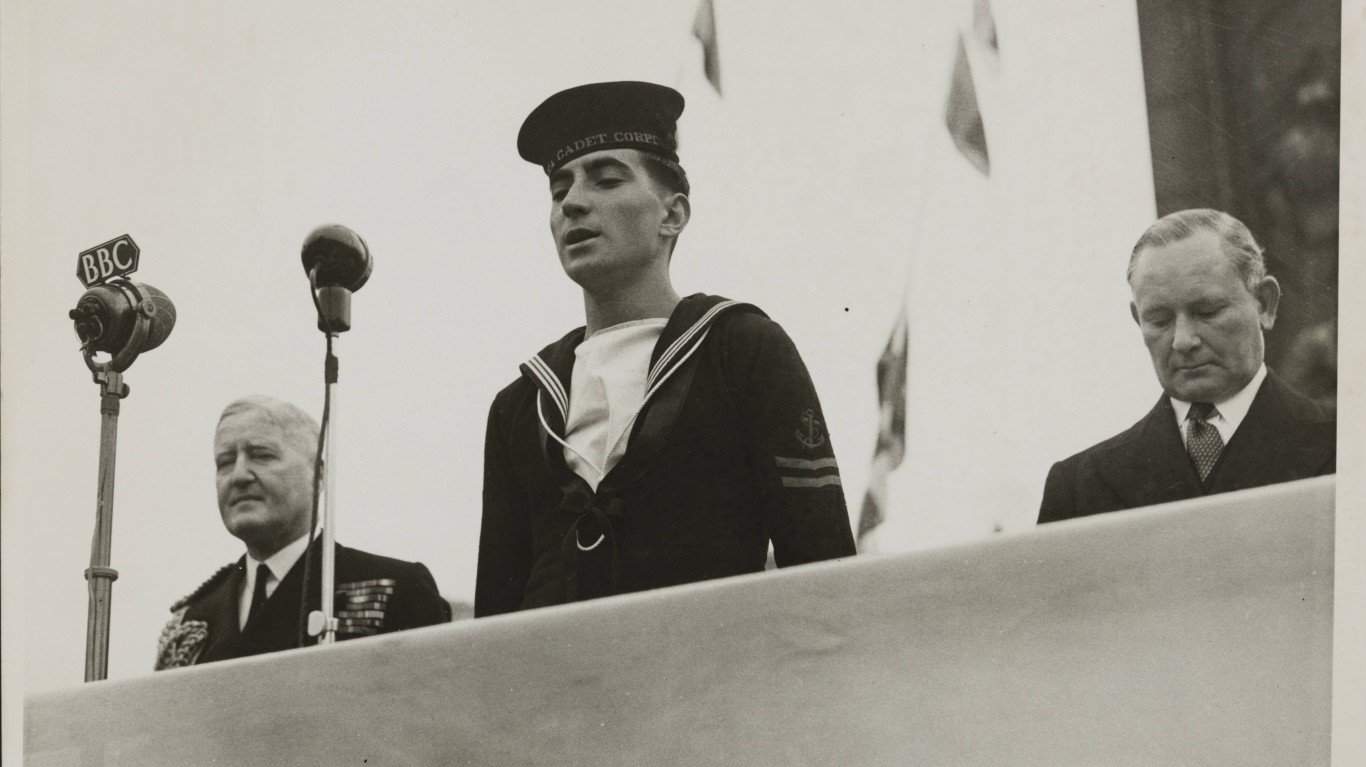
Today, a cadet is usually someone training for military or law enforcement service. Historically, the word was associated with the younger son of a family, particularly one who wasn't expected to inherit the family estate. It entered English through French during the 1600s. Younger sons from prominent families often pursued military careers, helping the word develop its familiar association with officer training. By the late 1700s, cadet could refer to a student at a military college. Interestingly, the word "caddie," meaning someone who carries a golfer's clubs, developed through a related Scottish form of cadet.
Carbon Copy
Anyone who's ever copied someone on an email has used a little piece of office history without necessarily realizing it. CC stands for carbon copy, a reference to the sheets of carbon paper once placed between pages to create duplicate documents while typing or writing. The expression dates to the late 19th century, long before computers or email existed. Carbon copy eventually became a figurative description of an exact duplicate, too. Although carbon paper is no longer part of most offices, the abbreviation survived the transition to digital communication. It's one of those outdated technical terms that managed to find a permanent home in modern technology.
Cat
The word cat has referred to the familiar feline for well over a thousand years, but its slang meanings have a history of their own. During the early 20th century, particularly in African American speech and jazz culture, cat became a casual way to refer to a fellow or guy. By the 1930s, it was also associated with jazz enthusiasts and musicians, giving rise to expressions like "hepcat" and "cool cat." Those phrases aren't as common in everyday conversation now, but they remain recognizable reminders of an era when jazz was shaping American slang as well as popular music.
Clout
Clout is usually associated with influence these days, whether someone has political connections or a large social media following. Its earlier meanings were considerably more physical. In Old English, the word referred to a lump or a patch of cloth, and by the 1300s, it could also mean a hit or blow. The slang meaning of personal influence developed much later, becoming established in American English during the 20th century. The connection isn't particularly difficult to follow: Someone with clout has the ability to make an impact, even if that impact no longer involves actually hitting anything.
Commend
To commend someone usually means to praise them for a job well done. The word comes from the Latin "commendare," which meant to entrust something to someone's care and could also express approval or recommendation. Both ideas made their way into English during the Middle Ages. The praise-related meaning was present in English by the 1300s, so it isn't exactly a modern invention. However, the older sense of entrusting something remains recognizable in expressions like "I commend this matter to your attention." It's an example of a word whose related meanings have survived alongside one another rather than one completely replacing the other.
Corrupt
Corruption usually brings to mind dishonest politicians, unethical business practices, or computer files that refuse to open. The word comes from the Latin "corrumpere," meaning to spoil, destroy, or ruin. Earlier uses could describe physical decay as well as moral wrongdoing. Over time, corruption became particularly associated with dishonesty and the abuse of power. The digital age also gave the word another familiar application: damaged or unreadable computer data. The underlying idea hasn't changed much, though. Whether you're talking about a spoiled object, a dishonest official, or a corrupted file, something has been damaged or compromised.
Degree
Degree is used for everything from measuring temperature to describing academic qualifications. Its roots go back to the Latin "gradus," meaning a step, through an Old French word that also referred to steps, rank, and position. Early English uses included a step on a staircase or a place in a social hierarchy. The idea of moving through different levels eventually contributed to meanings involving education, measurement, and the extent of something. Interestingly, the older association with rank hasn't disappeared. We still talk about different degrees of responsibility, achievement, and even family relationships.
Demoralize
These days, being demoralized usually means feeling discouraged, defeated, or completely drained of confidence. When the word entered English in the late 1700s, however, it was more closely associated with undermining someone's morals or corrupting their character. The meaning shifted during the 19th century, particularly in military contexts, where demoralizing an army meant weakening its courage or confidence. That interpretation eventually became the more familiar one. A difficult boss might demoralize an entire office today, but nobody is necessarily accusing that boss of corrupting everyone's moral character.
Dot
Most people recognize a dot as a tiny round mark, whether it's the punctuation in a web address or something drawn on paper. But English has also used "dot" as a rare legal term for a dowry or marriage portion, borrowed from French in the 19th century. That meaning comes from the Latin "dos," referring to property given in marriage. The familiar word for a small spot has much older Germanic roots. These are separate words that happen to share the same spelling, rather than one meaning gradually turning into the other. It's a useful reminder that identical spellings don't always mean identical origins.
Duds
If someone mentions their new duds, they're talking about clothes, usually without taking the subject particularly seriously. The word dates back to around the 1300s, when "dudde" referred to a cloak or mantle. Over time, the plural form became associated with clothing in general, especially worn-out or shabby garments. Eventually, it lost much of that negative association and became a casual term for whatever someone happens to be wearing. The related singular word "dud" took a different direction, developing into a description of something disappointing or useless, including an explosive that fails to go off.
Freak
The word freak has accumulated several meanings, some considerably less flattering than others. During the 1500s, it referred to a sudden whim or unpredictable change of mind. Later, it came to describe something unusual or unexpected, eventually extending to people considered outside social norms. That use could be derogatory, particularly when applied to people with physical differences. More recently, freak has also been used for someone with an intense interest in a particular subject, as in "fitness freak." The word's history reflects changing attitudes as much as changing vocabulary, and some of its older uses are best understood in their historical context.
Host
A host might be someone throwing a party, managing a television program, or welcoming guests to a hotel. But there's another longstanding meaning: a large group or army. That sense appears in older literature and religious writing, including references to heavenly hosts. The two meanings entered English through different Latin and French forms. The guest-related word comes through Latin "hospes," while the army-related word developed from a form connected to Latin "hostis," meaning an enemy. Today, "a host of problems" preserves the idea of a large number, even when there's no army involved.
Intelligence
Intelligence usually refers to someone's ability to learn, reason, and understand information. It can also describe information gathered by governments or military organizations, particularly when national security is involved. Earlier English usage included the more general meaning of news or information. That's why historical newspapers sometimes included "Intelligencer" in their names, describing publications that delivered news to readers. The information-related meaning hasn't entirely disappeared, but modern usage tends to distinguish between someone's intellectual abilities and intelligence gathered through investigation or surveillance. It's one word with several related meanings that developed alongside one another.
Jade
Jade is best known as a gemstone, but the word also has a separate history connected to horses. During the Middle Ages, a jade could mean an old, worn-out, or inferior horse. That meaning eventually gave rise to the verb "jade," meaning to exhaust or wear something down, which survives in the familiar adjective "jaded." The gemstone's name came into English through a different route, associated with Spanish and French terms for a stone once believed to relieve certain physical ailments. So, feeling jaded and wearing jade jewelry might involve the same spelling, but their histories have very little to do with one another.
Mechanical
Mechanical usually describes something involving machinery, moving parts, or actions performed in a routine, almost automatic way. Historically, the related noun "mechanic" also referred more broadly to someone who worked with their hands, particularly a skilled artisan or tradesperson. Shakespeare used the term "mechanicals" for a group of working-class characters in "A Midsummer Night's Dream." Their occupations, rather than any particular machines, explained the description. The words mechanical and mechanic still share that connection to practical work, although modern usage tends to focus more heavily on machinery and equipment.
Meet
Most people use meet to describe encountering someone or gathering together. However, an older adjective spelled the same way means appropriate, suitable, or fitting. You might come across it in historical writing or religious language, where something considered "meet and right" is proper or appropriate. The adjective comes from an Old English form related to the idea of proper measurement, while the familiar verb developed from another Germanic source. In other words, this isn't simply a case of a word changing its meaning. Two historically different words ended up sharing the same spelling, with one remaining much more common than the other.
Moxie
If someone has moxie, they've got courage, determination, or enough confidence to take a chance. Surprisingly, that meaning developed from the name of a beverage. Moxie was marketed in the 1880s as a medicinal tonic before becoming a popular soft drink, particularly in New England. Its advertising emphasized energy and nerve, and by the early 20th century, the brand name had entered American slang as a description of personal courage. The drink is still produced and has been Maine's official state soft drink since 2005. It's an unusual example of a brand name becoming an everyday expression long after the original marketing claims faded away.
Natural
Calling someone a natural is usually a compliment, suggesting they have an instinctive talent for something. But an older use of the noun carried a very different meaning. From the 1500s through the 1800s, it could be used as a derogatory label for a person with an intellectual disability. The modern positive sense, referring to someone with an inborn gift, became established in the early 20th century. Both meanings grew from the idea of characteristics someone was born with, but they reflect very different attitudes. The older label is now outdated and offensive, while the complimentary meaning remains common in everyday conversation.
Nice
Calling someone nice is generally a compliment, but that wasn't always the case. When the word entered English during the 1200s, it meant something closer to foolish, ignorant, or lacking good judgment. It came from the Latin "nescius," meaning unaware or not knowing. Over the following centuries, nice developed meanings involving timidity, fussiness, delicacy, and precision. The familiar sense of pleasant or agreeable emerged much later, becoming established during the 1700s and 1800s. It's one of the better examples of how dramatically a word's meaning can shift. A nice person today is someone you'd probably enjoy spending time with, not someone you're calling foolish.
Profess
To profess something means to declare it openly, whether you're expressing love, acknowledging a belief, or claiming expertise. That meaning goes back much further than the modern classroom. The word comes from the Latin "profiteri," meaning to declare or acknowledge publicly. In early English, it was also associated with taking religious vows. The related word "professor" developed from the idea of someone publicly claiming expertise in a field, eventually becoming a title for teachers and scholars. So, despite the similarity between the words, profess didn't begin as a verb meaning to teach. The public declaration came first.
Receipt
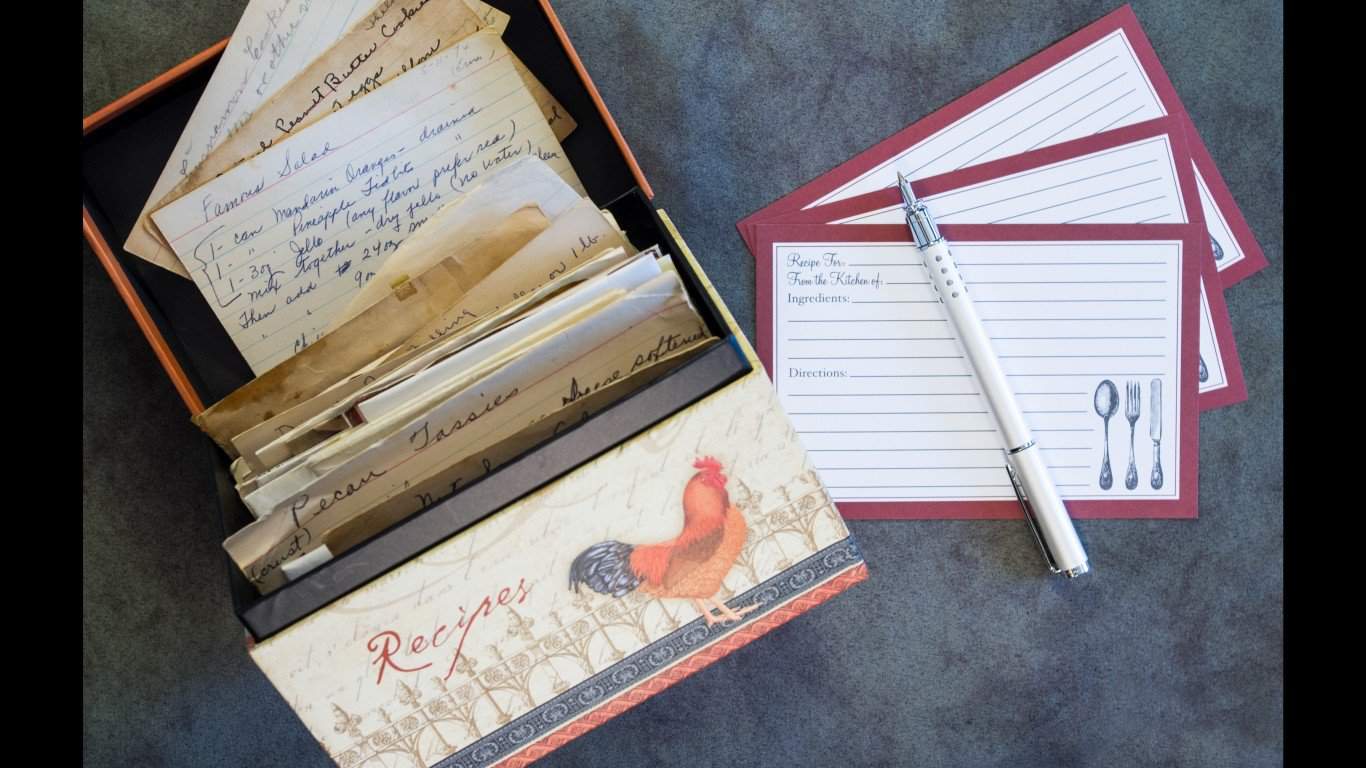
These days, most people want a receipt when they've bought something, especially if there's a chance they'll need to return it. Historically, the word had several related uses, including a formula for preparing medicine or food. Older cookbooks sometimes referred to instructions as receipts rather than recipes, and both words developed from Latin forms associated with receiving or taking something. Receipt also meant the act of receiving, while the familiar written acknowledgment of a transaction became established during the early 1600s. The cooking-related meaning gradually fell out of everyday use, leaving recipe to handle the instructions and receipt to handle proof of purchase.
Relieve
Relieve usually means to ease discomfort, remove a burden, or take over someone else's duties. Its roots come from the Latin "relevare," meaning to lift up or lighten. That makes sense considering how often the word involves making something easier to bear. Earlier English uses already included easing pain or providing help, so those meanings aren't recent developments. The related word "relief" also preserves a physical meaning in art, where a raised design projects from a background surface. Different applications of the same basic idea have survived for centuries, whether you're relieving someone's workload or admiring a relief sculpture.
Remit
Remit has several meanings, depending on whether you're dealing with money, legal proceedings, or an obligation. It comes from the Latin "remittere," meaning to send back, release, or let go. When it entered English during the late 1300s, it could mean to forgive or pardon. The legal meaning of referring a matter back for consideration developed later, as did the familiar financial meaning of sending money to someone. A court can also remit a penalty, meaning forgive or cancel it. Although the applications differ, they all connect to the underlying idea of sending something away, releasing it, or giving it back.
Repair
When something breaks, you repair it. That's the familiar meaning, but there's also an older verb meaning to go or return to a particular place. It survives in formal expressions like "repair to the drawing room," although most people wouldn't phrase it that way today. The two verbs have different origins. Repair meaning to mend comes from Latin "reparare," while the travel-related meaning traces back to a form of "repatriare," meaning to return to one's homeland. Both entered English during the Middle Ages, making this another example of words that look identical but developed from separate historical roots.
Speed
Speed is usually about how quickly something moves, whether it's a car, a runner, or an internet connection. In Old English, however, "sped" meant success, prosperity, or good fortune. That meaning survives in the expression "Godspeed," which originally conveyed a wish for someone's success rather than simply hoping they'd travel quickly. The association with rapid movement developed centuries ago and eventually became the dominant meaning. The word later picked up additional uses, including slang for stimulant drugs. Even after all those changes, the older connection to success remains tucked away in a phrase many people still recognize.
Truck
Most Americans hear truck and picture a pickup or a large vehicle hauling freight. But there's also an older word meaning to barter, exchange, or conduct business with someone. That meaning entered English through French during the Middle Ages and survives in the expression "to have no truck with," meaning to refuse involvement or dealings. The vehicle-related word has different origins, developing from a term associated with small wheels or rollers before eventually describing carts and motorized trucks. It's another example of two words with separate histories ending up with the same spelling in modern English.
Visionary
Calling someone a visionary is generally high praise. It suggests they can imagine possibilities that other people haven't considered and turn those ideas into something meaningful. Historically, the word wasn't always so complimentary. During the 1600s, visionary referred to things seen in visions or existing only in the imagination. It later developed a connection to impractical dreamers whose ideas weren't necessarily grounded in reality. The more positive meaning, emphasizing foresight and original thinking, became increasingly familiar during the 20th century. Today, the difference between a visionary and an unrealistic dreamer may depend on whether their ideas actually work.
Wife
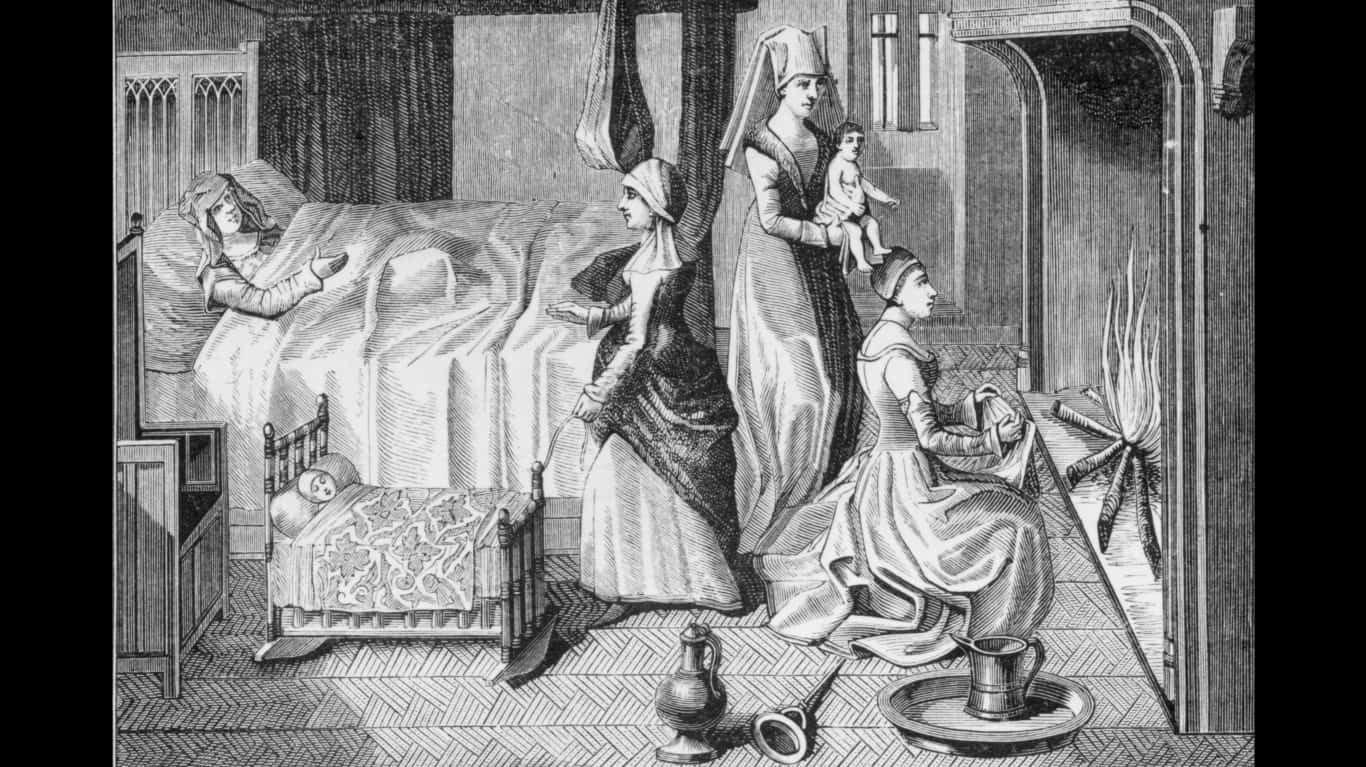
Today, wife specifically means a married woman, but the word originally had a broader meaning. In Old English, "wif" could refer to a woman generally, regardless of whether she was married. The marital meaning was also present in early English, but it eventually became the primary definition. Traces of the broader historical usage remain in words like "midwife," referring to someone trained to assist with childbirth, and "fishwife," an older term for a woman selling fish. The history is also connected to the development of the word "woman," which came from an Old English compound meaning a female human being.