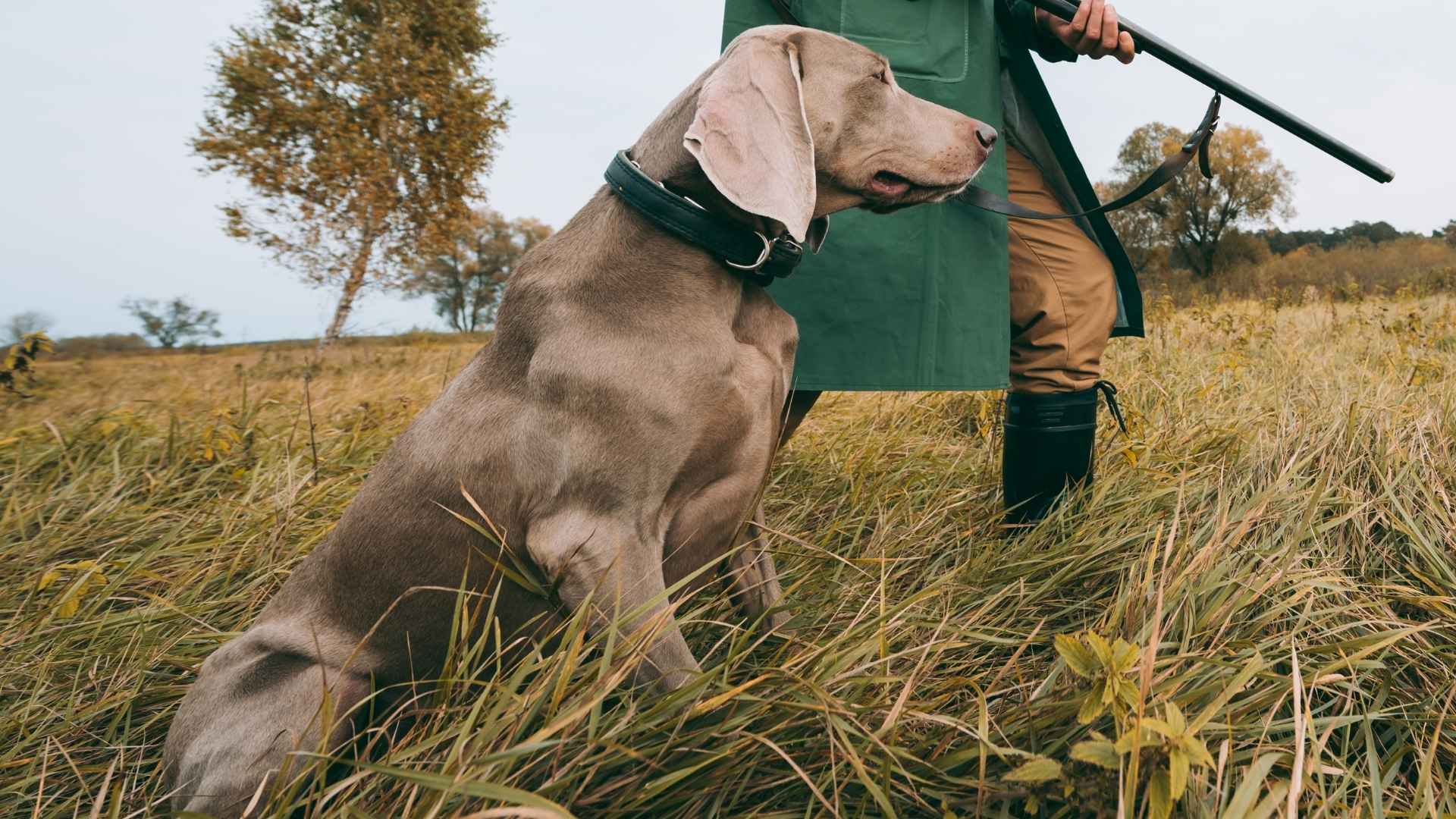
American Hunting Dogs

alexkich / iStock via Getty Images

Aaron Hawkins / iStock via Getty Images

MikeMareen / iStock via Getty Images

Candice Bell / iStock via Getty Images

i_talay / Getty Images

thegoodphoto / iStock via Getty Images

fermate / iStock via Getty Images

kellyvandellen / iStock via Getty Images

zoff-photo / iStock via Getty Images

Lisa5201 / iStock via Getty Images

anilakkus / iStock via Getty Images

Trek13 / iStock via Getty Images

FGorgun / iStock via Getty Images

Paul Bradbury / OJO Images via Getty Images

mvburling / iStock via Getty Images

bpablo / E+ via Getty Images

meanmachine77 / iStock via Getty Images

SDI Productions / E+ via Getty Images

BrianLasenby / iStock via Getty Images

nito100 / iStock via Getty Images

Michael_Conrad / iStock via Getty Images

Wirestock / iStock via Getty Images

MichaelDeLeon / E+ via Getty Images

Andrii Hibelchuk / iStock via Getty Images

dret / Flickr





25 Southern Sayings and What They Mean
There's something about Southern expressions that makes even the simplest conversation more entertaining. Someone isn't just stubborn; they'll argue with a fence post. A person who's completely exhausted looks like they've been rode hard and put away wet. And if somebody's cornbread isn't done in the middle, well, that's probably not a compliment.
Many of these sayings have been passed down through generations, often drawing on farming, animals, food, and everyday life. Some are especially associated with the South, while others have found their way into conversations across the country. And depending on where you're from, the same expression might have a slightly different meaning.
We've rounded up 25 colorful Southern sayings, from familiar favorites to expressions that might leave you scratching your head. Here's what they mean, how they're used, and why a few of them are probably best saved for someone you know pretty well.
All Hat and No Cattle
Meaning: Someone who talks a big game but has little to show for it. This expression is especially associated with Texas, where a person might dress like a successful rancher without owning a single cow. These days, it's just as likely to describe someone who brags about their money, accomplishments, or abilities but can't back up those claims. Think of the coworker who has an opinion about everything but somehow disappears whenever there's actual work to be done. Plenty of talk, not much substance.
Who Licked the Red Off Your Candy?
Meaning: What's got you so upset? This colorful expression is generally directed at someone who looks unhappy, disappointed, or irritated. The idea is that somebody has taken the best part of your treat and left you with something considerably less appealing. It's a playful way of asking why someone is in such a bad mood without directly accusing them of being grumpy. Depending on the tone, it can be a friendly attempt to cheer someone up or a gentle jab at someone who's been complaining all morning.
The Good Lord Willing and the Creek Don't Rise
Meaning: I'll be there, assuming nothing unexpected gets in the way. This familiar Southern expression combines a little faith with a practical acknowledgment that life doesn't always cooperate with our plans. In rural communities, a flooded creek could genuinely prevent someone from reaching their destination. Today, the phrase applies to just about anything beyond your control, from bad weather to car trouble. Someone might say they'll see you at church on Sunday, the good Lord willing and the creek don't rise. It's a promise with a small disclaimer attached.
Somebody's Cornbread Ain't Done in the Middle
Meaning: Someone isn't particularly bright or isn't thinking clearly. Anyone who's made cornbread knows that the outside can look perfectly done while the middle remains a little undercooked. Apply that idea to a person, and you've got a rather creative way of questioning their intelligence. It's usually meant as a humorous insult rather than a serious assessment of someone's abilities. You might hear it after someone makes an especially foolish decision or says something that makes absolutely no sense. Probably not something you'd want to hear your grandmother say about you.
Nervous as a Long-Tailed Cat in a Room Full of Rocking Chairs
Meaning: Extremely nervous, anxious, or uncomfortable. Picture a cat with a long tail surrounded by rocking chairs moving back and forth. One wrong move could make for a very unpleasant afternoon. That's the idea behind this expression, which describes someone who is constantly on edge or worried about what might happen next. It works particularly well for situations involving pressure or uncertainty, like waiting for a job interview or preparing to deliver bad news. If you're jumping at every little noise, this saying probably fits.
That Dog Don't Hunt
Meaning: That idea, excuse, or explanation simply isn't going to work. The expression draws on the practical idea that a hunting dog needs to be capable of doing its job. If it won't hunt, it isn't much use for the task at hand. In everyday conversation, the saying is often used to reject a bad argument or an excuse nobody believes. Tell your boss you were three hours late because your alarm clock stopped working, and you might get this response. In other words, nice try, but nobody's buying it.
Spread Out Like a Hot Lunch
Meaning: Someone has made themselves a little too comfortable and is taking up more room than they should. Imagine a person arriving for a short visit and immediately spreading their belongings across every available chair, table, and countertop. That's the sort of behavior this expression describes. The comparison is meant to be amusing rather than literal, suggesting that someone's possessions are scattered all over the place. It can be a gentle complaint about a messy houseguest or someone who seems determined to occupy every inch of available space.
Could Argue With a Fence Post
Meaning: Someone who argues about absolutely everything, whether there's a good reason or not. We've all met someone who can turn the most ordinary conversation into a disagreement. Tell them the sky is blue, and they'll probably spend ten minutes explaining why you're wrong. This expression takes that argumentative personality to its logical extreme. A fence post can't speak, let alone disagree, but this person would somehow find a way to start a debate with it. It's a particularly good description of someone who seems to enjoy arguing more than actually being right.
Hotter Than a Two-Dollar Pistol
Meaning: Extremely hot, although the expression can also describe someone or something exciting, popular, or particularly intense. It's commonly associated with scorching temperatures, making it especially appropriate for a miserable summer afternoon. The comparison refers to an inexpensive pistol that could become dangerously hot during use. Depending on the context, someone might also use the phrase to describe an attractive person or somebody with a fiery temper. As with quite a few Southern expressions, the meaning depends on who's talking and what they're talking about.
He's a Ring-Tailed Tooter
Meaning: Someone who is especially spirited, remarkable, or full of personality. In Southern speech, the expression is often used affectionately to describe a mischievous child who always seems to be getting into something. But it isn't limited to children. A particularly lively adult or someone with an unforgettable personality might earn the description, too. It's not necessarily an insult, either. Depending on the speaker's tone, calling someone a ring-tailed tooter can be a compliment, a warning that they're a handful, or a little bit of both.
Doesn't Amount to a Hill of Beans
Meaning: Something has very little value, importance, or significance. Beans have long been an inexpensive food, and even an entire hill of them wouldn't necessarily represent a great fortune. That's the general idea behind this expression, which is used to dismiss something as practically worthless. It might refer to a bad business proposal, an empty promise, or an argument that doesn't hold much weight. If somebody tells you that your opinion doesn't amount to a hill of beans, they're making it pretty clear they don't consider it especially important.
I Could Eat the North End of a South-Bound Goat
Meaning: I'm absolutely starving. This is one of those Southern expressions that becomes considerably funnier once you stop and think about what it's actually describing. The north end of a south-bound goat would, of course, be its backside. Saying you're hungry enough to eat that particular part of the animal is an exaggerated way of explaining just how desperate you are for a meal. It's not meant literally, thankfully. Someone might use it after a long day without eating, usually right before asking what's for dinner.
That Just Flew All Over Me
Meaning: Something someone said or did really irritated you. This expression is a colorful way of describing an immediate negative reaction to something that rubs you the wrong way. Maybe somebody made an unnecessarily rude comment, interrupted a conversation, or behaved in a way you found particularly disrespectful. Whatever happened, it got under your skin almost immediately. The phrase doesn't necessarily mean you're furious, although you certainly could be. It's often used for those smaller moments of frustration that make you stop and wonder what on earth somebody was thinking.
Thinks the Sun Comes Up Just to Hear Him Crow
Meaning: Someone has an inflated opinion of their own importance. Roosters are famous for crowing around sunrise, but the world obviously doesn't revolve around their morning announcements. The same is true of the person being described by this saying. They seem to believe everyone is interested in their accomplishments, opinions, and every little thing they have to say. It's a particularly colorful way of describing someone who is arrogant or excessively self-important. If every conversation somehow turns back to them, this expression might be appropriate.
Rode Hard and Put Away Wet
Meaning: Someone looks completely exhausted, worn down, or worse for wear. The expression comes from horseback riding, where a horse should be allowed to cool down and receive proper care after strenuous exercise. Putting an exhausted, sweaty horse straight into its stall without that attention would be poor treatment. When applied to a person, the saying suggests they've had a rough time and it shows. It might describe someone after an exhausting workweek, a sleepless night, or a particularly unpleasant experience. And yes, sometimes it's used for somebody dealing with a nasty hangover.
Sharp as a Bowling Ball
Meaning: Someone isn't particularly intelligent or has just done something remarkably foolish. This expression relies entirely on sarcasm. Bowling balls are heavy, round, and about as far from sharp as you can get. Comparing someone's intelligence to one is therefore anything but a compliment. It's usually delivered with a healthy dose of dry humor, often after somebody makes an obvious mistake or fails to understand something fairly simple. You probably wouldn't want to use it during a serious conversation, but among friends, it can be a memorable little insult.
Katy, Bar the Door
Meaning: Watch out, because trouble is coming. This old American expression, historically associated with the South, is a warning that a situation is about to become difficult, chaotic, or completely out of control. It can describe anything from an approaching argument to an event that's about to take a dramatic turn. Imagine somebody discovering that a family member has told an embarrassing secret at Thanksgiving dinner. Katy, bar the door, because things are probably about to get interesting. The expression's precise origin is uncertain, despite several competing historical explanations.
Would Rather Climb a Tree and Tell a Lie Than Stand on the Ground and Tell the Truth
Meaning: Someone who lies so frequently that telling the truth apparently isn't even worth considering. The humor comes from the ridiculous amount of extra effort involved. Why climb a tree to tell a lie when you could simply stand where you are and tell the truth? It's used to describe someone who seems determined to be dishonest, even when being honest would be easier and more sensible. This isn't just about a harmless exaggeration or an occasional fib. It's a criticism of someone whose credibility has pretty much disappeared.
Finer Than a Frog's Hair Split in Half
Meaning: Doing extremely well or feeling perfectly fine. It's often used as a cheerful response when somebody asks how you're doing. Of course, frogs don't actually have hair, which is what makes the expression amusing in the first place. Imagining that nonexistent hair split into even smaller pieces adds another layer of absurdity. Variations of the saying are particularly familiar in parts of Appalachia, where you might hear someone describe themselves as finer than a frog's hair split three ways. Either version generally communicates that things are going just fine.
Pitching a Hissy Fit With a Tail on It
Meaning: Someone is having an especially dramatic temper tantrum. Most people are familiar with the idea of throwing a hissy fit, but adding a tail suggests the situation has reached an entirely different level. We're not talking about somebody being mildly annoyed or expressing a reasonable complaint. This is the person who's yelling, stomping around, and making sure everyone within earshot knows they're upset. It's commonly associated with childish behavior, although plenty of adults are perfectly capable of pitching one. Sometimes a little frustration turns into a full-blown performance.
Even a Blind Squirrel Gets a Nut Every Now and Again
Meaning: Even someone who usually gets things wrong can occasionally succeed through sheer luck. Squirrels are remarkably good at finding food, but a blind squirrel would obviously have a much harder time locating nuts. Still, it might stumble across one by chance. That's the point of the saying. Someone who isn't particularly skilled at something can occasionally get the right answer, make a good decision, or achieve an unexpected success. It's often delivered as a playful jab when somebody accomplishes something they weren't expected to pull off. Not exactly the most enthusiastic compliment you'll ever receive.
Could Wear the Horns Off a Billy Goat
Meaning: Someone is so irritating or persistent that they could wear down just about anybody's patience. Billy goats are known for their horns and their stubborn behavior, making them a fitting comparison for someone who's especially difficult to deal with. The expression is often aimed at people who complain constantly, talk endlessly, or simply refuse to give anyone a moment's peace. Imagine somebody who can turn a five-minute conversation into an hour-long lecture about everything that's wrong with the world. That's the sort of person who might earn this particular description.
Wouldn't Pay a Nickel to See Jesus on a Bicycle
Meaning: Someone is exceptionally cheap or unwilling to part with even the smallest amount of money. The expression uses an intentionally ridiculous image to make its point. Seeing Jesus riding a bicycle would certainly be an extraordinary sight, yet the person being described supposedly wouldn't spend five cents to witness it. That's taking frugality to an impressive extreme. While saving money is generally a good habit, this saying is aimed at someone whose reluctance to spend has become almost comical. It's more of a criticism of stinginess than a compliment about responsible budgeting.
Stuck Up Higher Than a Light Pole
Meaning: Someone is arrogant, conceited, or convinced they're better than everyone else. Being stuck-up already suggests a person looks down on others, but comparing them to a light pole takes that attitude to a more ridiculous height. The expression is usually directed at somebody who acts superior, refuses to associate with certain people, or seems overly impressed with their own status. It might describe a neighbor who suddenly thinks they're too important to speak to old friends after getting a promotion. A little confidence is one thing. Looking down on everybody else is another.
Lower Than a Snake in a Wagon Rut
Meaning: Someone has extremely questionable morals or has behaved in a particularly dishonest or underhanded way. Snakes already travel close to the ground, so imagining one sitting in the deep rut left by a wagon wheel makes it seem even lower. That's the comparison behind this expression, which is reserved for behavior considered especially shameful. It might describe someone who cheats a friend, betrays a person's trust, or deliberately takes advantage of someone else. This isn't a playful insult about somebody being foolish or annoying. It's a judgment about their character, and not a flattering one.