Missing attribution
Courtesy of CBS
Courtesy of CBS

Courtesy of CBS
Courtesy of CBS
Courtesy of CBS
Courtesy of CBS
Courtesy of ABC
Courtesy of ABC
Courtesy of CBS
Courtesy of CBS
Courtesy of CBS/Fox
Courtesy of ABC
Courtesy of ABC
Courtesy of NBC
Courtesy of CBS
Courtesy of CBS
Courtesy of NBC
Courtesy of ABC
Courtesy of CBS
Courtesy of CBS


20 of the Least Likeable Characters From 1970s-Era TV
Television in the 1970s didn't require every memorable character to be pleasant. Some were genuine villains. Others were hotheaded parents, overbearing bosses, or relatives who could turn an ordinary conversation into a shouting match. And sometimes the characters who were hardest to get along with were the ones who made a show worth watching.
That's an important distinction here. Archie Bunker's prejudices were part of the social satire in All in the Family, not an invitation to agree with him. J.R. Ewing was supposed to be a schemer. Meanwhile, characters such as Florida Evans and Henry Blake have plenty of admirable qualities, even if their stubbornness or decisions could frustrate viewers. Being difficult to like in a particular moment isn't the same as being a bad person.
These 20 characters come from television series that helped define the 1970s, from family sitcoms to crime dramas and prime-time soaps. The list is an editorial look at their behavior, not a scientific ranking or a claim that audiences universally disliked them. One guest character actually appeared in 1981 on a show that began in the '70s, so we're treating this as a look at the broader era rather than a strict list of characters seen only between 1970 and 1979.
Mel Sharples
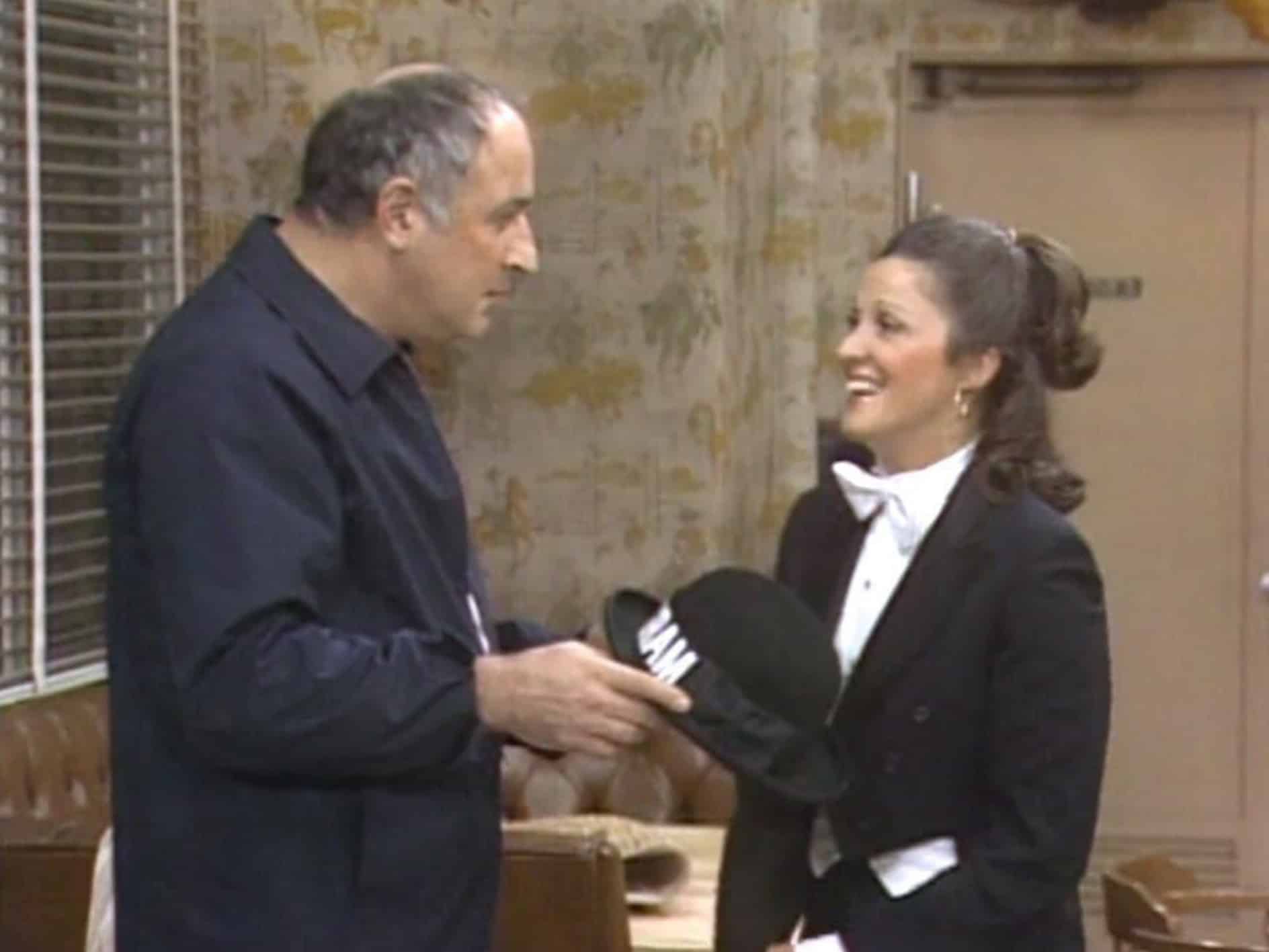
Played by Vic Tayback on Alice, which debuted in 1976, Mel Sharples owns the diner where Alice Hyatt and her fellow waitresses work. He's loud, tightfisted, and rarely misses a chance to criticize his employees or their customers. His cooking gets plenty of grief, too. Mel's bad temper makes him the kind of boss you'd dread seeing on the schedule, although the show occasionally reveals a softer side beneath all that shouting. He's funny to watch, but working for him would be another story.
Sue Ann Nivens
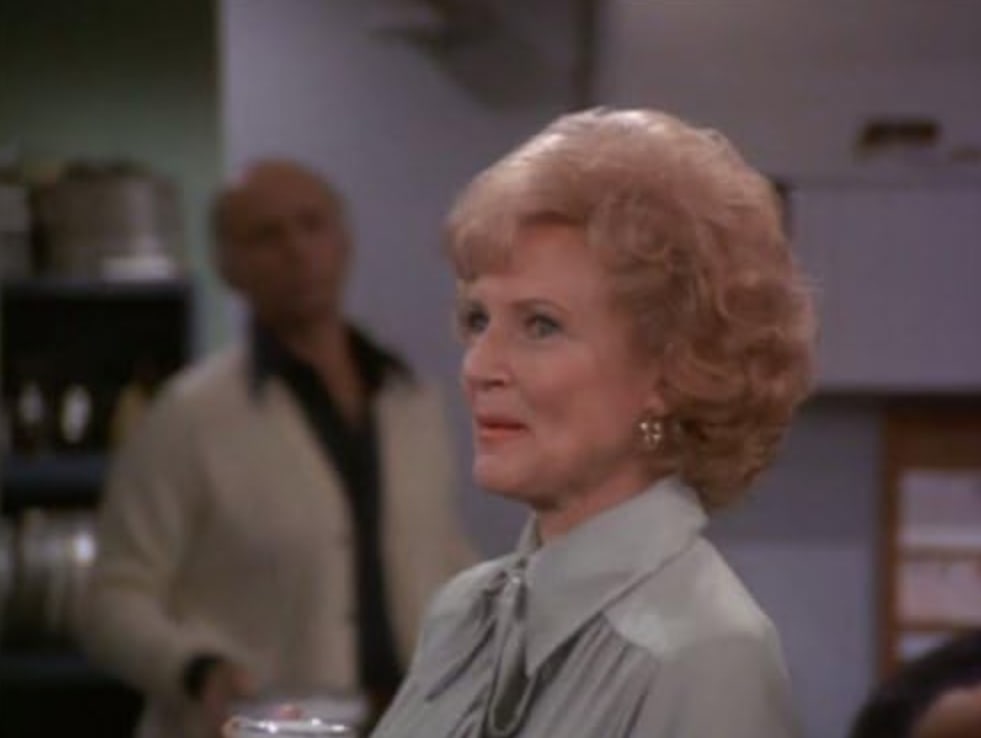
Betty White joined The Mary Tyler Moore Show as Sue Ann Nivens in 1973, playing the relentlessly cheerful host of a fictional homemaking program. On camera, she's all smiles and household tips. Away from the lights, she can be competitive, calculating, and spectacularly sharp-tongued. That's the fun of the character: Sue Ann can make a compliment sound sweet while quietly plotting her next move. You might enjoy watching her, but trusting her is another matter.
Archie Bunker
Carroll O'Connor's Archie Bunker was the opinionated center of All in the Family, which premiered in 1971. Archie is stubborn, quick to judge, and openly prejudiced, particularly when his liberal son-in-law Mike challenges his worldview. The series wasn't asking viewers to endorse those attitudes; it used Archie's arguments to confront them. He also has occasional moments of affection and vulnerability, which keep him from being a one-note caricature. Memorable? Absolutely. Easy to get along with? Not a chance.
George Jefferson
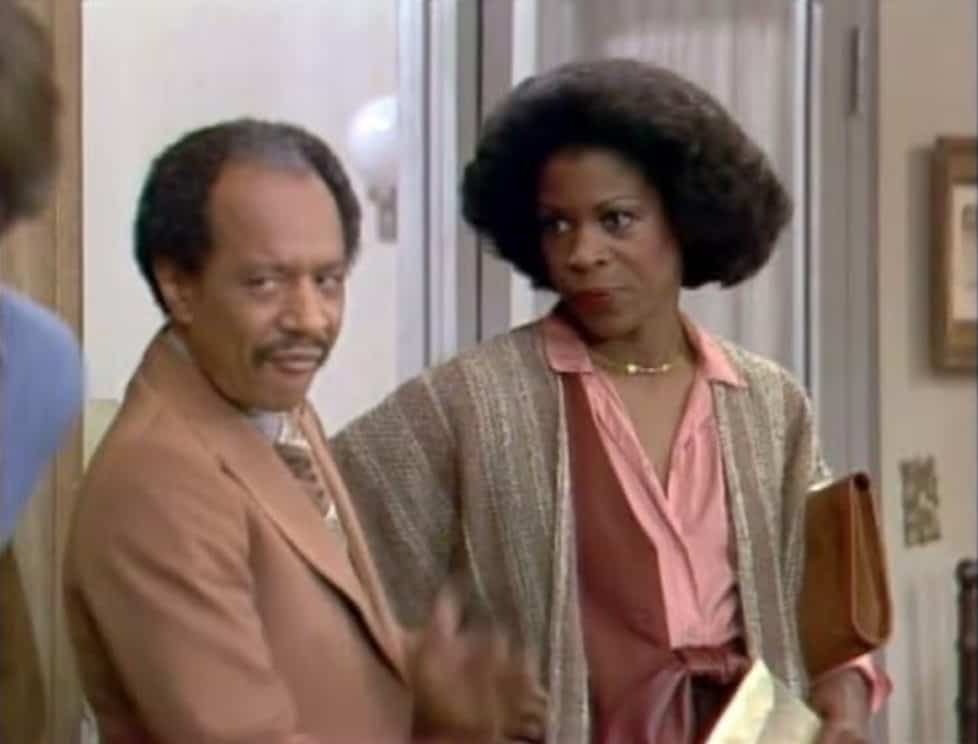
Before Sherman Hemsley starred in The Jeffersons in 1975, George Jefferson had already been clashing with Archie Bunker on All in the Family. George built a successful dry-cleaning business and takes understandable pride in what he's achieved. Unfortunately, he also has a short fuse, a considerable ego, and prejudices of his own. His arguments with Louise, Florence, and just about anybody who challenges him make great television. They wouldn't necessarily make for a peaceful afternoon in the same room.
Cousin Oliver Tyler
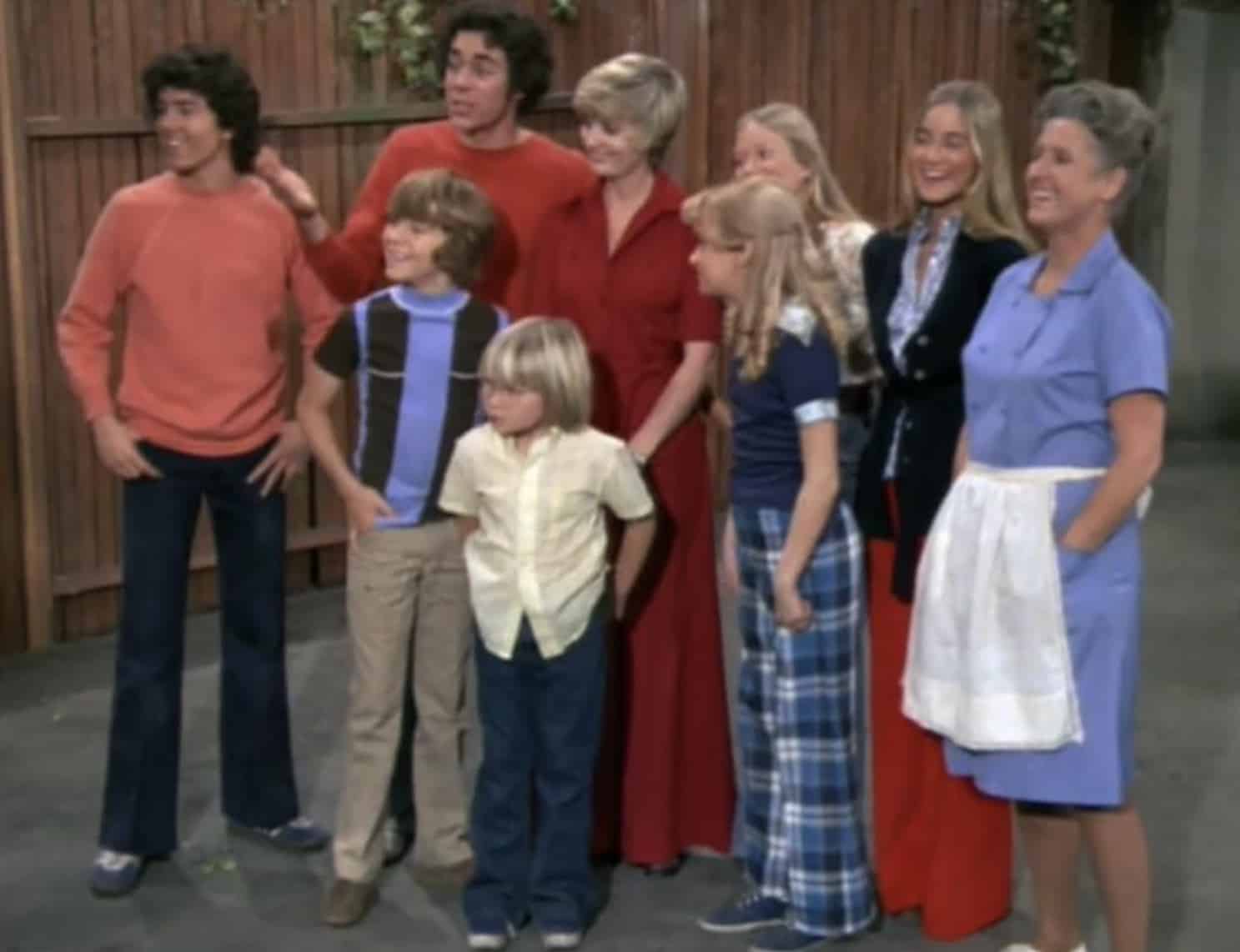
Robbie Rist's Cousin Oliver arrived during the final six episodes of The Brady Bunch in 1974. The original show had premiered in 1969, and by its last season the younger Brady kids were growing up. Oliver was introduced as a fresh child character, but his sudden arrival struck some viewers as an awkward attempt to shake up the formula. He became shorthand for a late-series addition that didn't quite work. That's a criticism of the writing and timing, though, not the young actor who played him.
Lt. Colonel Henry Blake
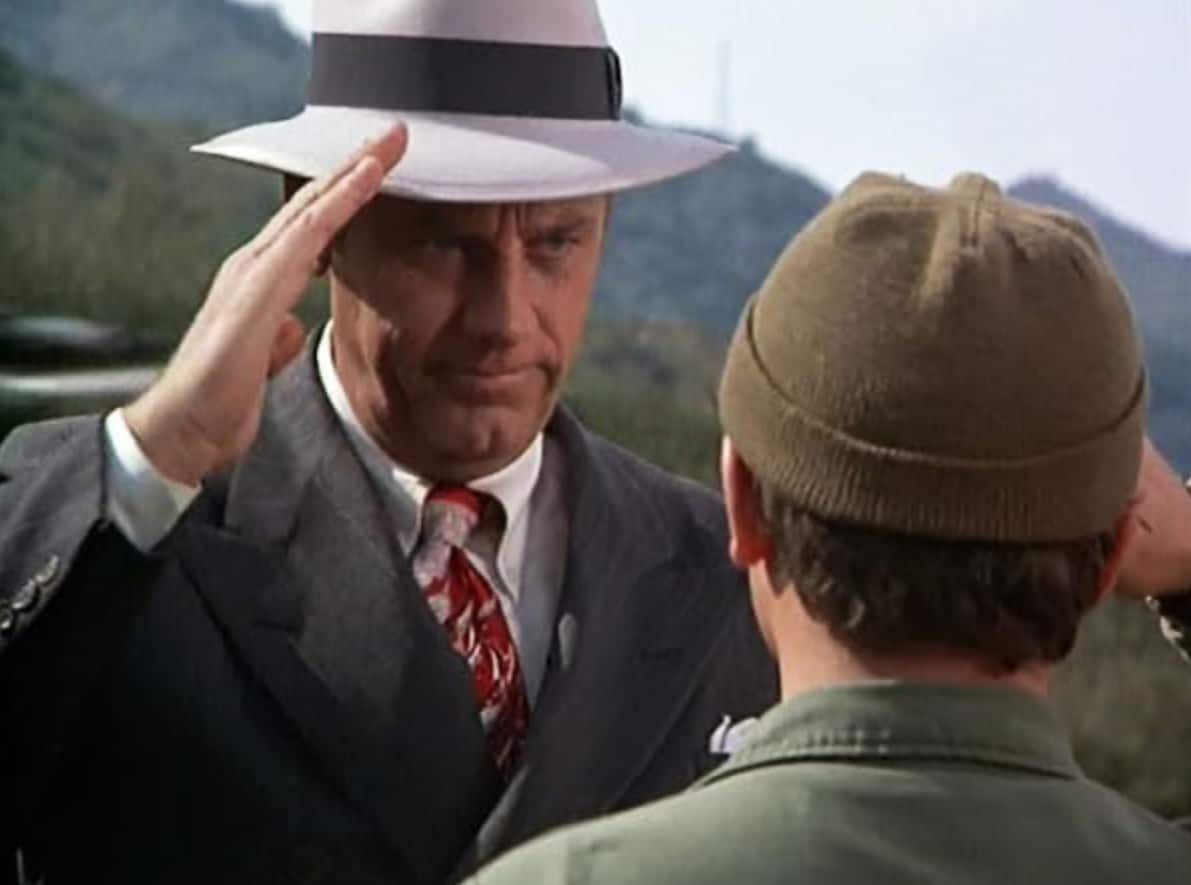
McLean Stevenson played Lt. Col. Henry Blake on M*A*S*H, which debuted in 1972. Henry is a compassionate, capable surgeon, but running the 4077th with discipline isn't exactly his specialty. His relaxed leadership style gives Hawkeye and Trapper room to maneuver, while making more regulation-minded officers climb the walls. He's not a villain, and many viewers remember him fondly. Still, if you were looking for someone to enforce the rules in a wartime hospital, Henry might test your patience.
Karen Shields
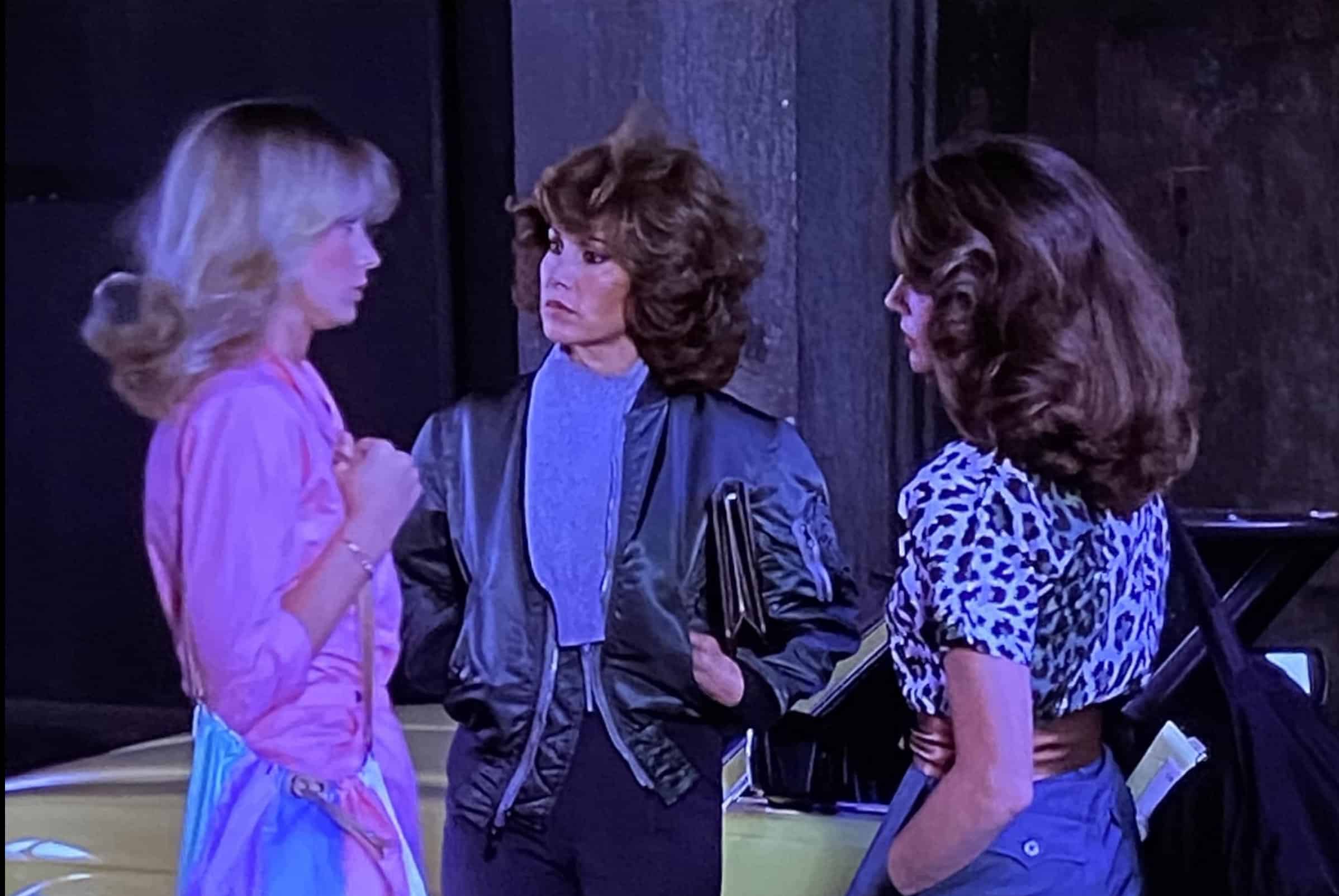
Karen Austin played Karen Shields in the 1979 Hart to Hart episode "A New Kind of High." Karen is a chemist involved in developing a powerful new drug, and the operation quickly turns deadly. Jonathan and Jennifer Hart uncover a scheme in which scientific talent is being put to thoroughly ugly use. Unlike some of the loudmouthed sitcom personalities on this list, Karen is meant to be a genuine antagonist. Her willingness to put other people at risk makes her difficult to sympathize with.
Chachi Arcola
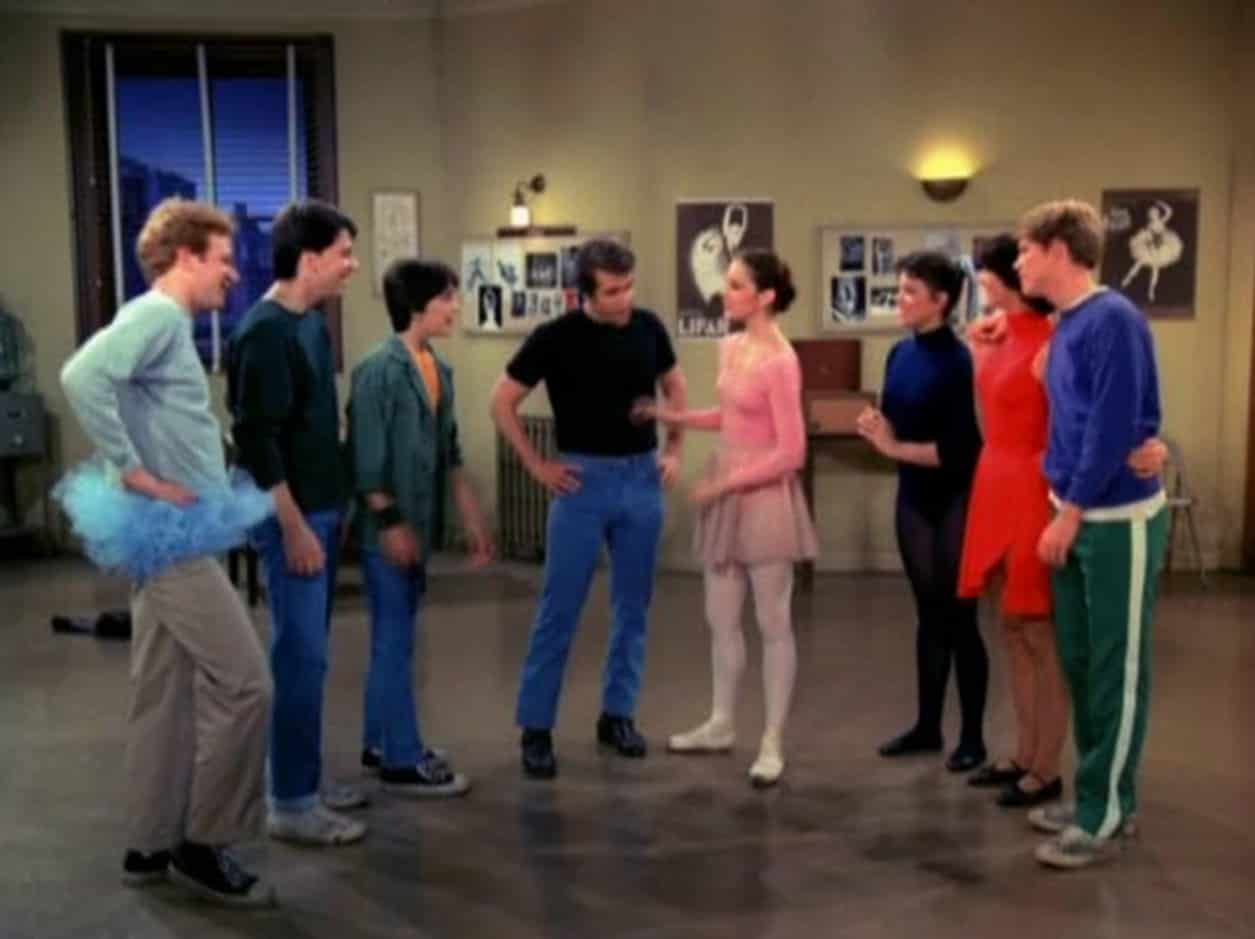
Scott Baio introduced Chachi Arcola on Happy Days in 1977 as Fonzie's younger cousin. Chachi wants to copy the Fonz's effortless cool, but the imitation doesn't always land. His pursuit of Joanie and his "wah, wah, wah" routine could seem charming to some viewers and exhausting to others. He's hardly the show's villain; he's a teenage character written with plenty of attitude and a very obvious crush. Whether he's endearing or irritating probably depends on your tolerance for both.
Walter Findlay
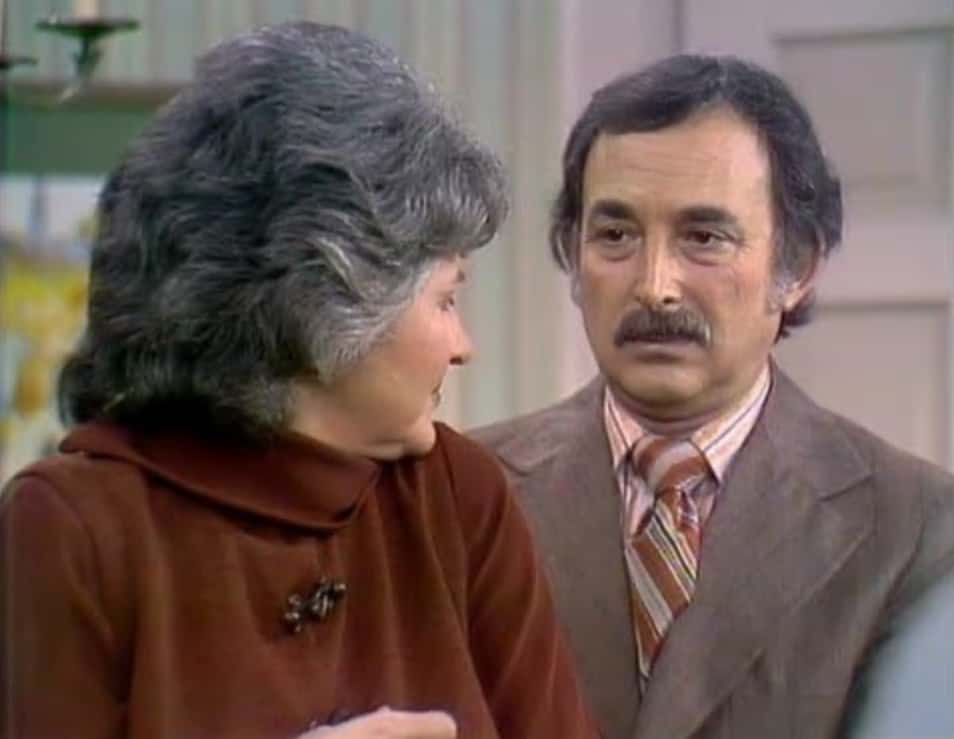
Bill Macy played Walter Findlay, Maude's husband, on Maude, which premiered in 1972. Walter can be affectionate and supportive, but he's also insecure, stubborn, and prone to letting his pride take over. Living with a woman as outspoken as Maude means his old-fashioned assumptions don't go unchallenged, and the results can be spectacularly uncomfortable. The marriage has genuine affection underneath the arguments. That doesn't mean Walter's double standards and occasional tantrums are easy to watch.
Florida Evans
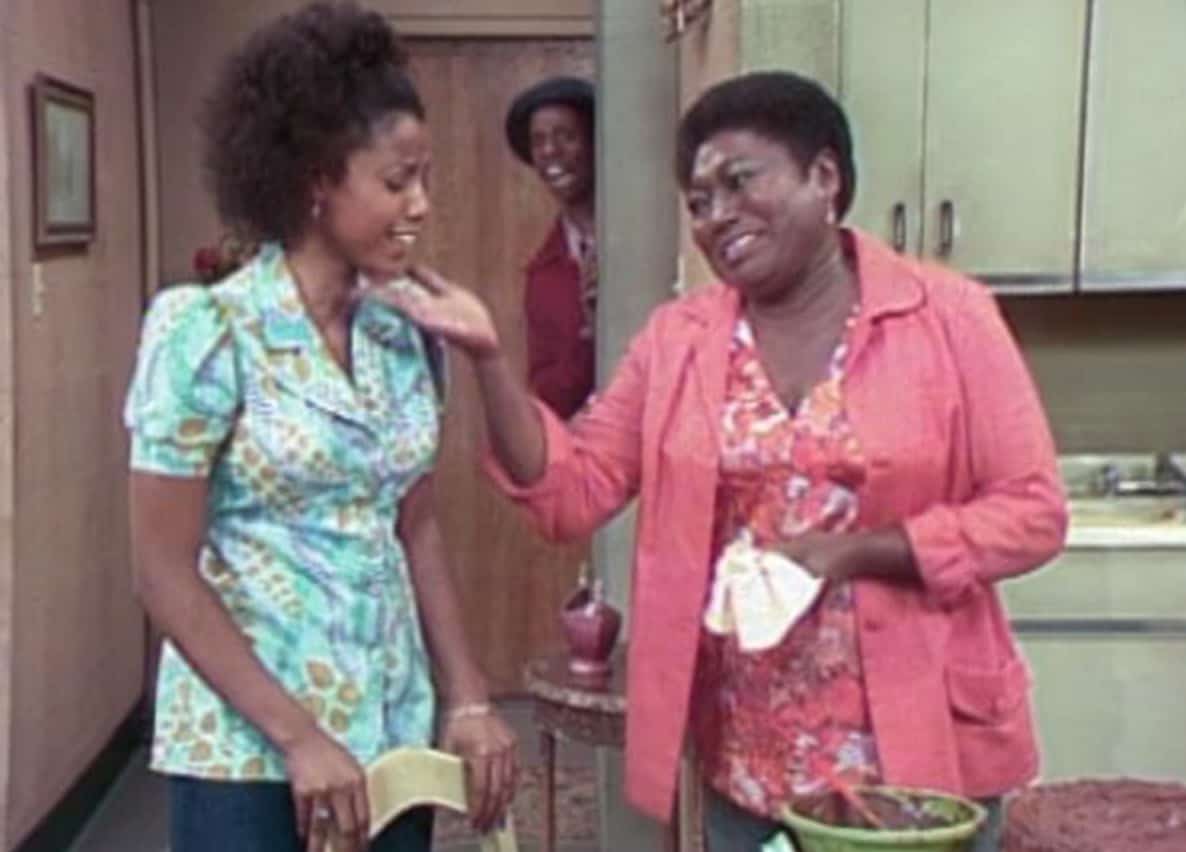
Esther Rolle first played Florida Evans on Maude before becoming the family matriarch on Good Times in 1974. Florida is determined to raise her children with honesty and dignity despite serious financial pressures. Her strict principles and reluctance to compromise can occasionally frustrate those around her, but it's misleading to portray her as someone deliberately sabotaging her family's chances to get ahead. She's more often the steady center of the household. If she tests a viewer's patience, it's usually through stubbornness, not cruelty.
Basil Fawlty
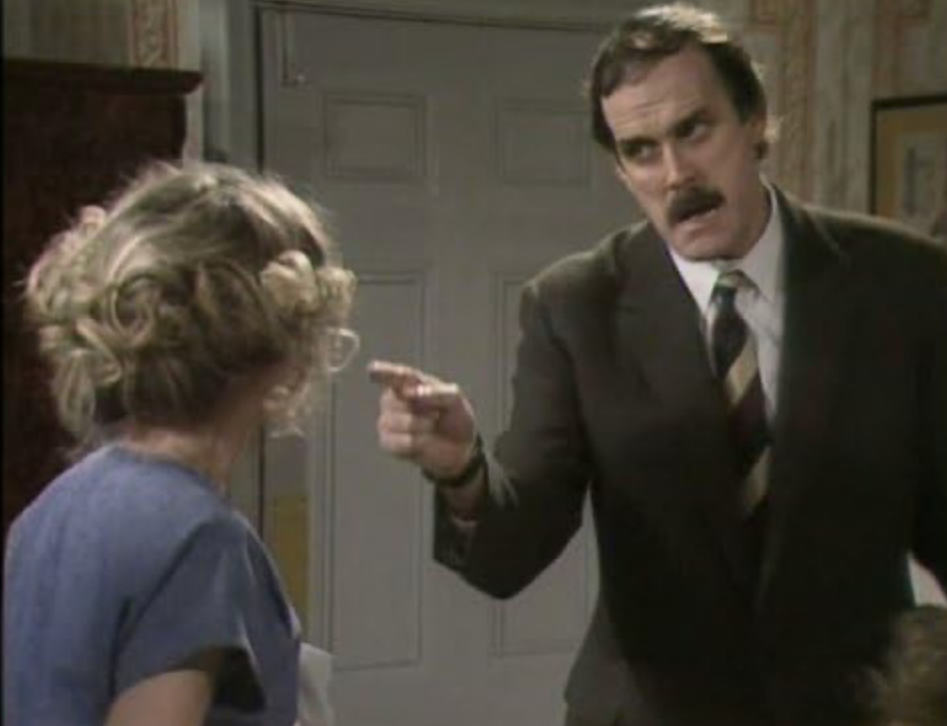
John Cleese played Basil Fawlty, the perpetually aggrieved hotel owner at the center of Britain's Fawlty Towers, which debuted in 1975. Basil desperately wants respectable, high-class guests, yet his own snobbery, dishonesty, and explosive temper turn ordinary problems into disasters. He's especially unpleasant to his staff, including the long-suffering Manuel. Few television characters are so consistently responsible for their own misery. You wouldn't want to check into his hotel, but watching him lose control is a large part of the joke.
Captain Nirvana of the Necrotons
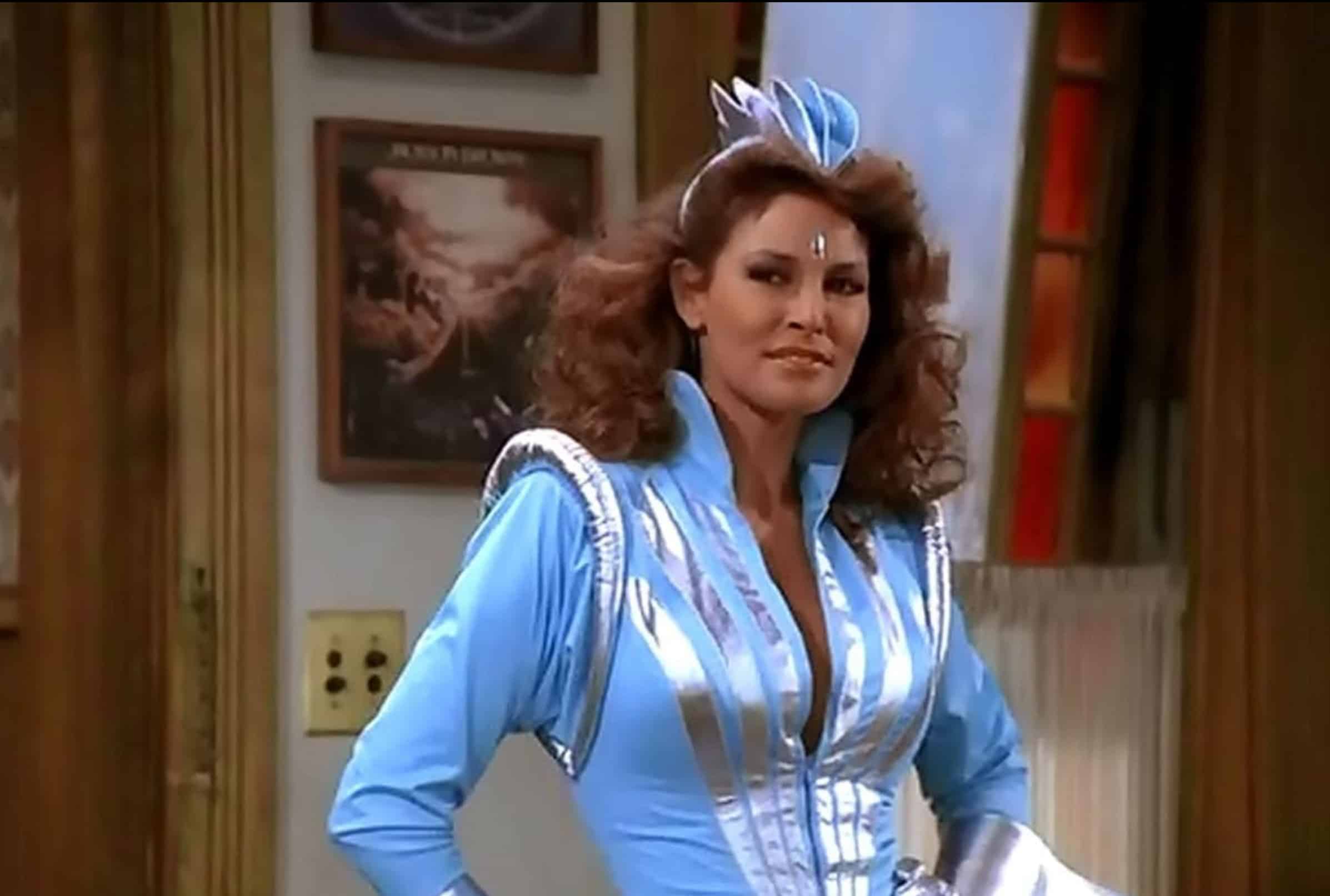
Raquel Welch guest-starred as Captain Nirvana in a two-part 1979 story on Mork & Mindy, a series that began in 1978. Nirvana leads a group of hostile aliens seeking information from Mork that could help them decide Earth's fate. She's intimidating, ruthless, and fully prepared to make Mork miserable to get what she wants. The character is a broad science-fiction villain played for comedy, so her behavior belongs to the story, not to speculation about the actress who portrayed her.
Bart Furley
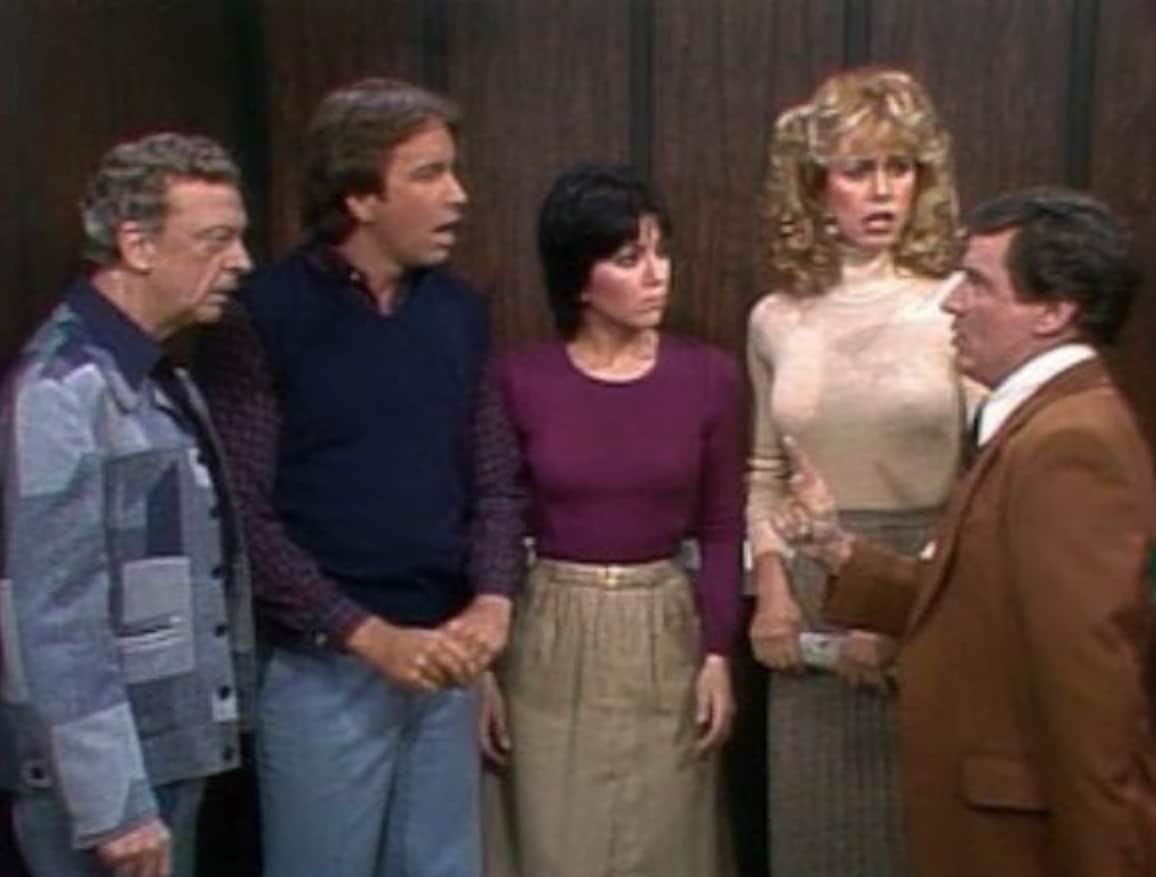
Hamilton Camp played Bart Furley, Ralph Furley's hardhearted brother and the apartment building's owner, in "Furley vs. Furley" on Three's Company. When Jack complains about needed repairs, Bart responds by firing Ralph rather than fixing the problem. His attitude changes considerably once the threat of housing-code trouble becomes real. One important date: although Three's Company debuted in 1977, Bart's only on-screen appearance aired in February 1981. He's a classic bully who backs down when the pressure lands on him.
Fred Sanford
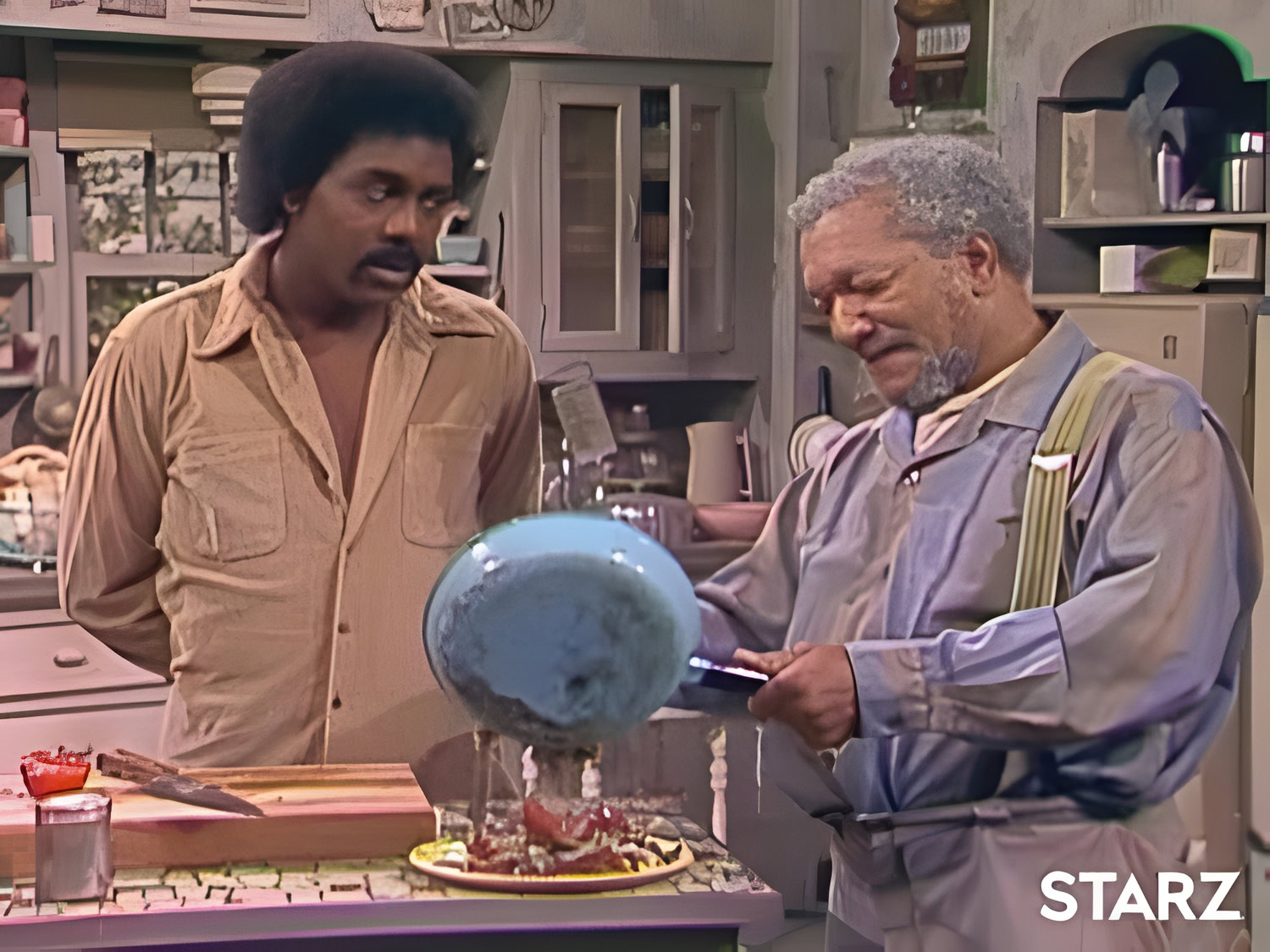
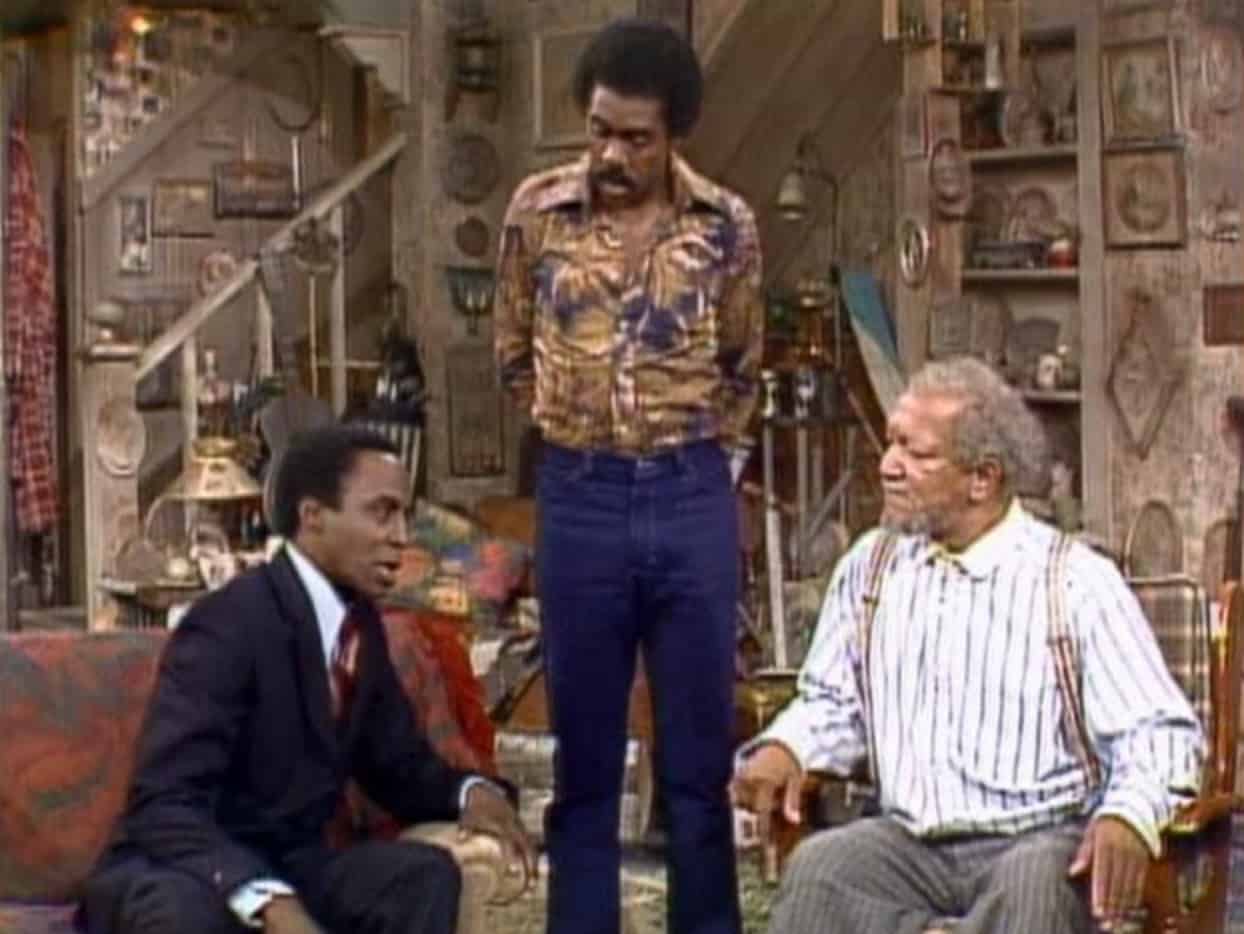
Redd Foxx's Fred Sanford was the argumentative junk dealer at the center of Sanford and Son, which premiered in 1972. Fred has an insult for nearly everyone, picks fights with his son Lamont, and isn't above faking a heart attack when it suits him. His prejudices and schemes can make him infuriating, even when the jokes land. Yet the bond between Fred and Lamont gives the character a little more heart than his latest rant might suggest. He's a sitcom favorite you probably wouldn't want as a roommate.
Mary Ellen Walton
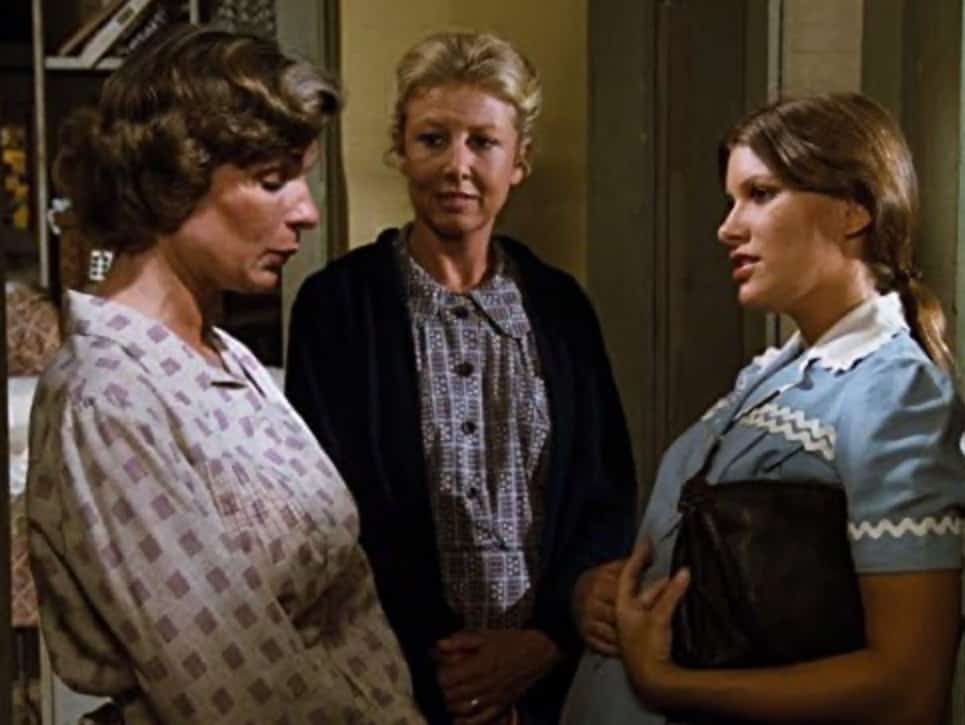
Judy Norton played Mary Ellen Walton, one of the older children on The Waltons, beginning in 1972. In the early seasons, Mary Ellen is headstrong, competitive, and sometimes quick to lose her temper with her brothers and sisters. Her determination can come across as self-centered, especially when she digs in her heels. But the character grows considerably, eventually pursuing a career in medicine. Calling her entirely unlikeable ignores that development; she's better described as someone who could be difficult before finding her direction.
Grandma Esther Walton
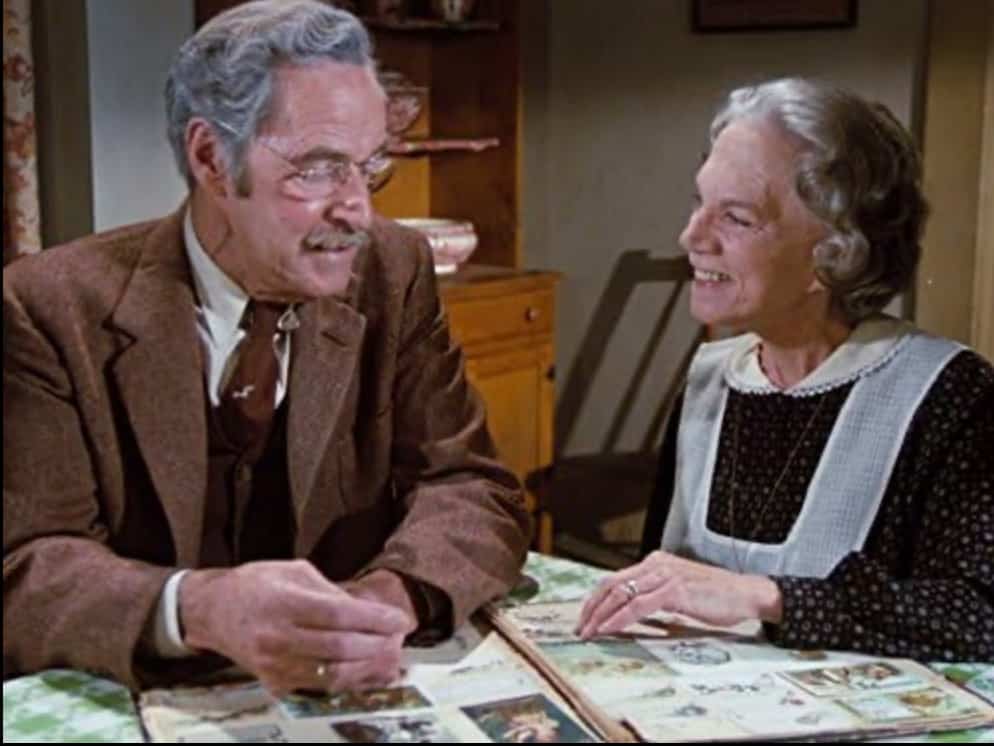
Ellen Corby's Esther Walton, better known as Grandma, is the tough-minded family elder on The Waltons, which premiered in 1972. She's proud, deeply traditional, and rarely short of an opinion about what everyone else should be doing. Her stubborn streak and occasional jealousy can make life awkward for Grandpa and the rest of the family. Still, her devotion is never really in doubt. Grandma can be difficult to please, but she's a long way from an actual villain.
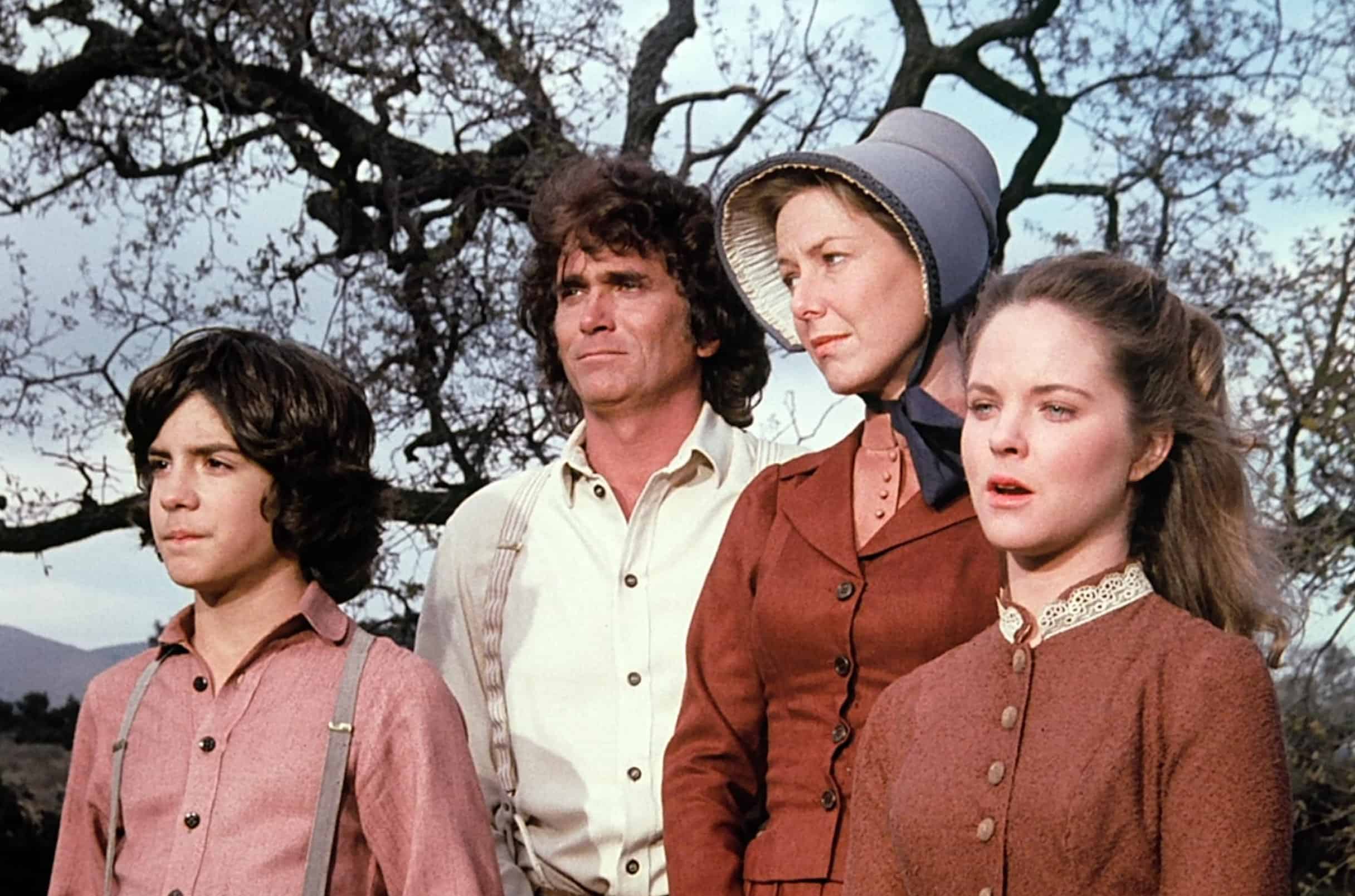
John Stewart
Harris Yulin played John Stewart in the 1975 Little House on the Prairie episode "Child of Pain." John is an alcoholic father who physically abuses his young son, Graham, making him one of the genuinely disturbing figures on this list. The townspeople eventually confront the situation and try to help the family, but the harm to Graham isn't brushed aside. Unlike a cranky sitcom father whose worst offense is yelling, John's actions have serious consequences. That's what makes this performance so difficult to watch.
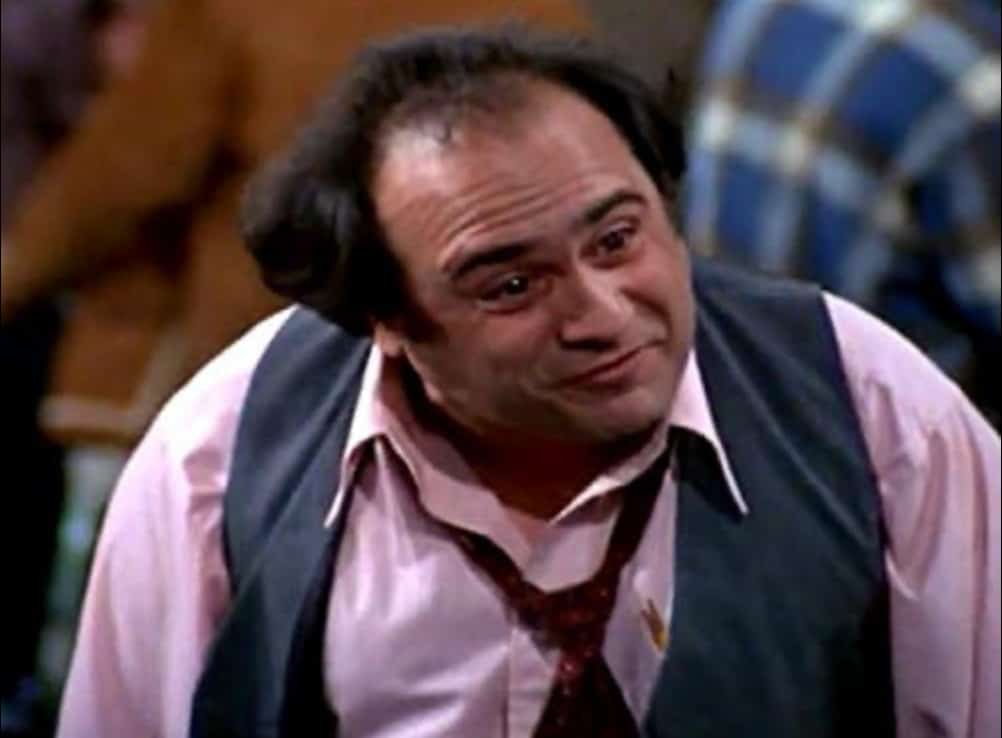
Louie De Palma
Danny DeVito's Louie De Palma started bossing around the drivers of Taxi when the series premiered in 1978. From the dispatcher's cage, Louie insults employees, manipulates situations for his own benefit, and frequently behaves as though the normal rules of decency are for other people. His sleazy schemes and workplace harassment can be hard to stomach, even when they're played for laughs. DeVito makes Louie unforgettable, but you would probably rather hail a different cab than report to him.
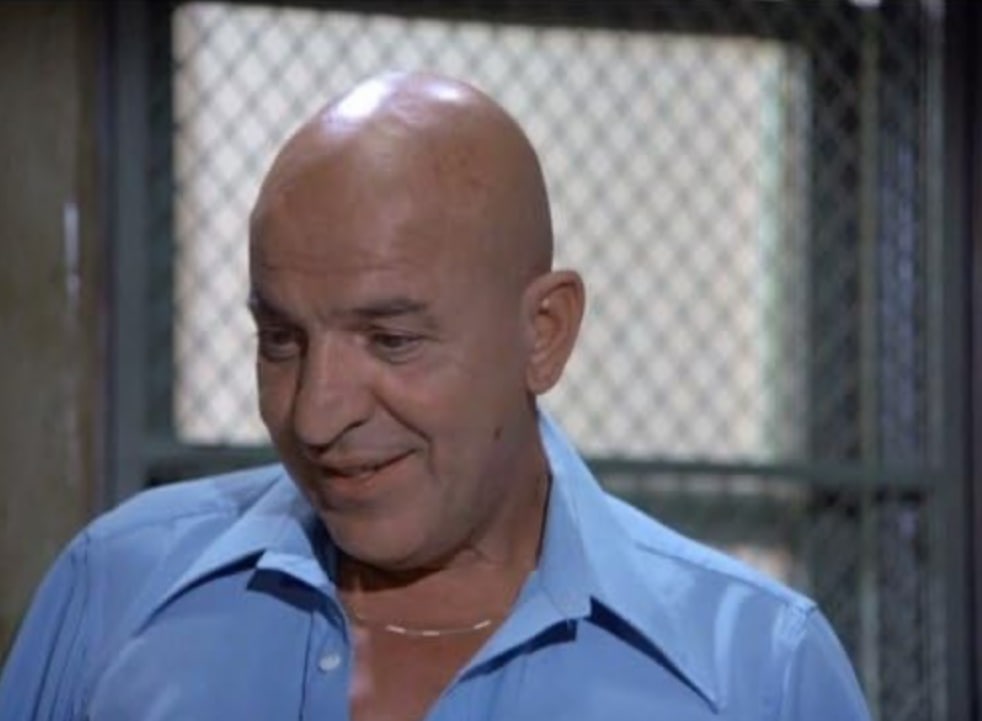
Peter Ibbotson
John P. Ryan played Peter Ibbotson in "Cop in a Cage," a 1974 episode of Kojak, which debuted in 1973. Ibbotson has just been released from prison after a conviction tied to an extortion scheme, and he wastes little time targeting the detective who put him there. His threats grow especially sinister as the wedding of Kojak's niece approaches. He's calculating, vindictive, and determined to make the whole family afraid. There's not much ambiguity about why viewers are meant to distrust him.
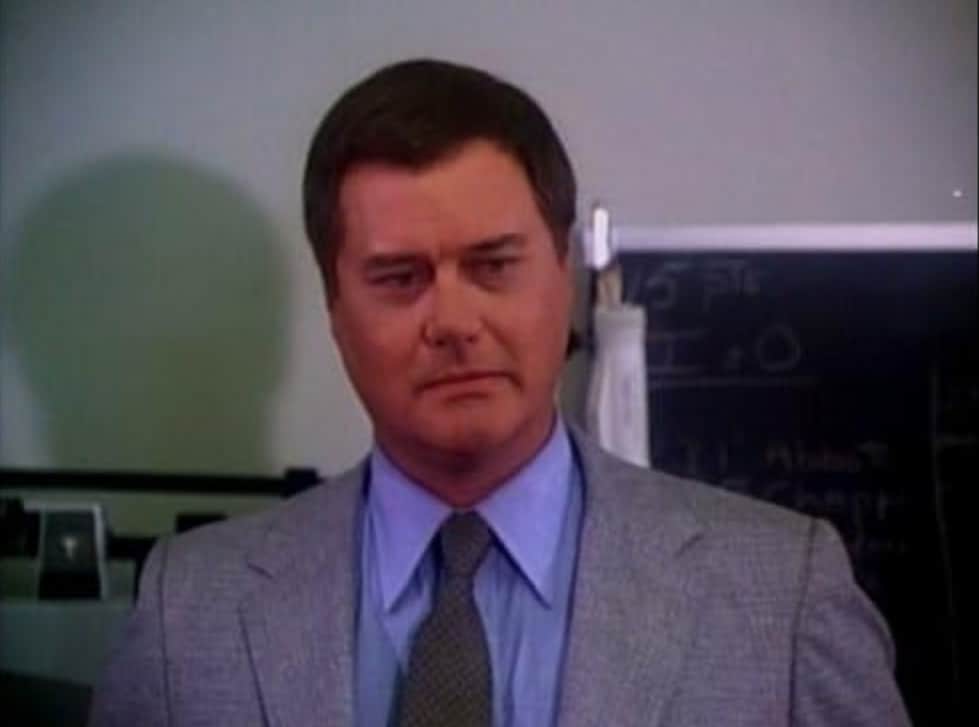
J.R. Ewing
Larry Hagman made J.R. Ewing the smiling, scheming center of Dallas after the series premiered in 1978. The wealthy oil executive treats business deals and family relationships like pieces on the same chessboard, and he's not especially worried about whom he hurts along the way. Manipulation, betrayal, and a well-timed grin are practically his trademarks. J.R. isn't always pleasant, but that's the point: he helped prove a television villain could be the most compelling person in the room.