Courtesy of CBS

Courtesy of CBS
Courtesy of CBS
Courtesy of CBS
Courtesy of ABC
Courtesy of CBS
Courtesy of CBS
Courtesy of CBS
Courtesy of CBS
Courtesy of CBS
Courtesy of CBS/Fox
Source: Courtesy of CBS
Source: Courtesy of ABC
Source: Courtesy of NBC
Source: Courtesy of ABC
Source: Courtesy of ABC
Source: Courtesy of CBS
Source: Courtesy of ABC
Source: Courtesy of CBS
Source: Courtesy of NBC
Source: Courtesy of CBS


TV characters can be very polarizing, dividing audiences on who is great and who is horrible. There are thousands of programs that have graced the small screen, giving viewers ample choice for what show is their favorite and which characters score well in the popularity department. At the same time, it also gives people numerous entries for who is the worst, that one character despised by nearly everyone who watches.
Many of the earlier television programs, especially those during the 1970s, were very family-oriented, highlighting traditional family values. But at the same time, several of them touched upon social issues that reflected the times, often with a sprinkling of comedy to lessen the blow of harsh topics. Each show also had a protagonist who faced off against the antagonist, or in many of these cases, the villain. Some characters were easy to hate, like J.R. Ewing (Larry Hagman) in "Dallas" or John Stewart (Harris Yulin) in "Little House on the Prairie."
Character personalities are at times brutish, lacking any appeal but sometimes, a character is so charming, you think of them as one of the good ones, perhaps a bit like Archie Bunker (Carroll O'Connor) in "All in the Family," who was notorious for his often ignorant and bigoted ways. He frequently spewed insane rhetoric but was thought of as a decent and loving man who provided for his family, which has always been a core concept – taking care of your family.
It was only later you realized you were rooting for someone worth hating instead, much like a Joro spider, who at first glance doesn't seem that awful but when you watch it fly across your yard, you realize how much you not only hate arachnids but are horrified by large ones that can "fly".
To compile a list of TV characters from the 70s that everyone hated, 247 Tempo reviewed TV plot lines on IMDb as well as opinions on online forums like Reddit to acquire a nuanced perspective on each of the characters. (On the other hand, these are some of the most likable characters of the 1970s.)
Archie Bunker
- TV Show: "All in the Family" (1971)
- Portrayed by: Carroll O'Connor
Patriarch Archie Bunker is always finding something to complain about, particularly because of his rigid perspectives, or in simple terms, a bigot. He clashes with every person he comes into contact with, though he's especially irked by his liberal son-in-law, who is an embodiment of everything Bunker detests.
Mel Sharples
- TV Show: "Alice" (1976)
- Portrayed by: Vic Tayback
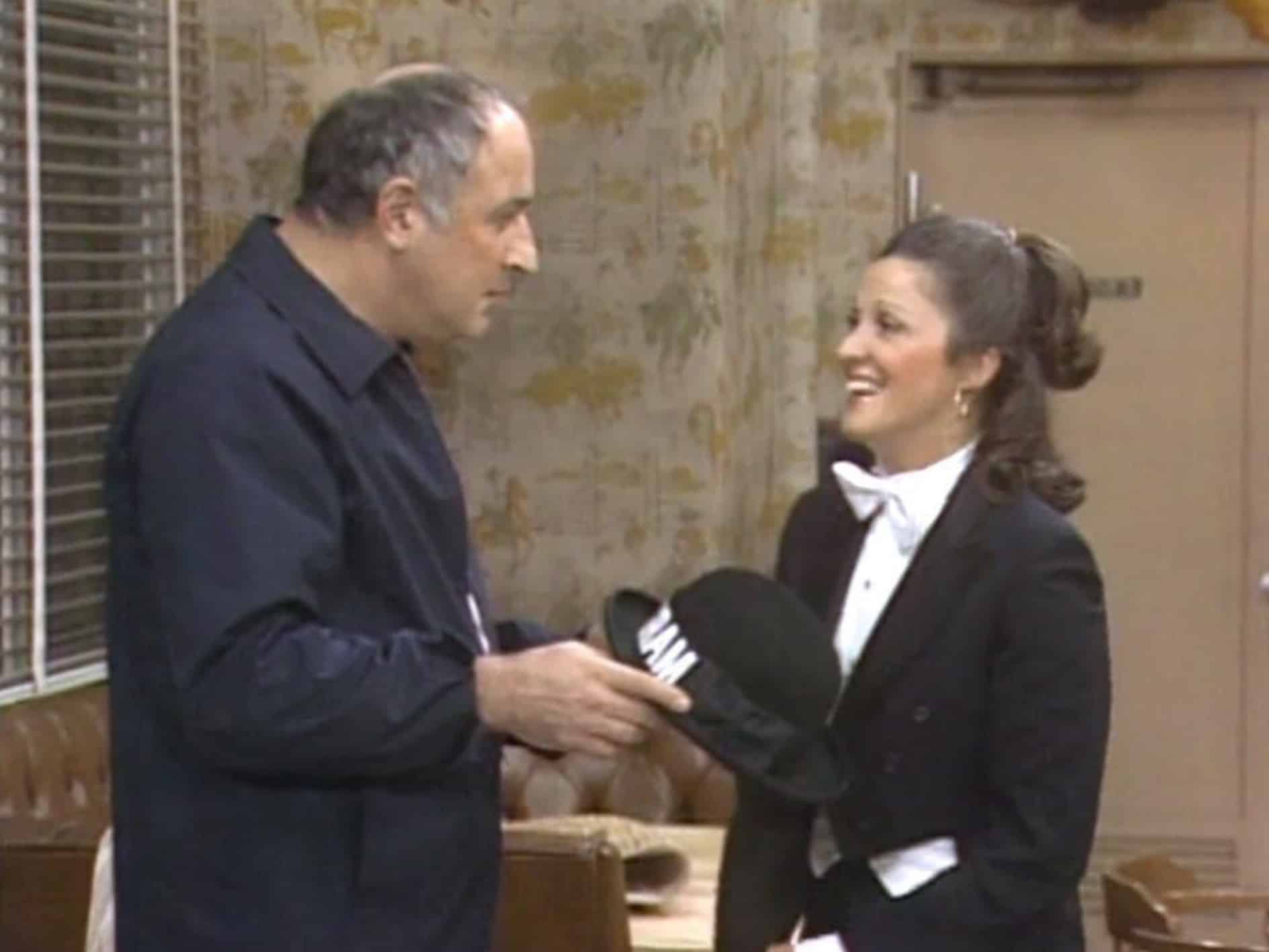
Mel Sharples, the owner (and cook) of the diner that employs the title character, Alice Hyatt, is a male chauvinist from Brooklyn, NY, who doesn't hold back his ignorance (and at times, rabid stupidity). Hyatt works as a waitress, one of several who work for him, and Sharples is dismissive of them all, both in the way he speaks to them and in how he pays them. His hard-to-deal-with personality makes it hard to appreciate him.
Lt. Colonel Henry Blake
- TV Show: "M*A*S*H" (1972)
- Portrayed by: McLean Stevenson
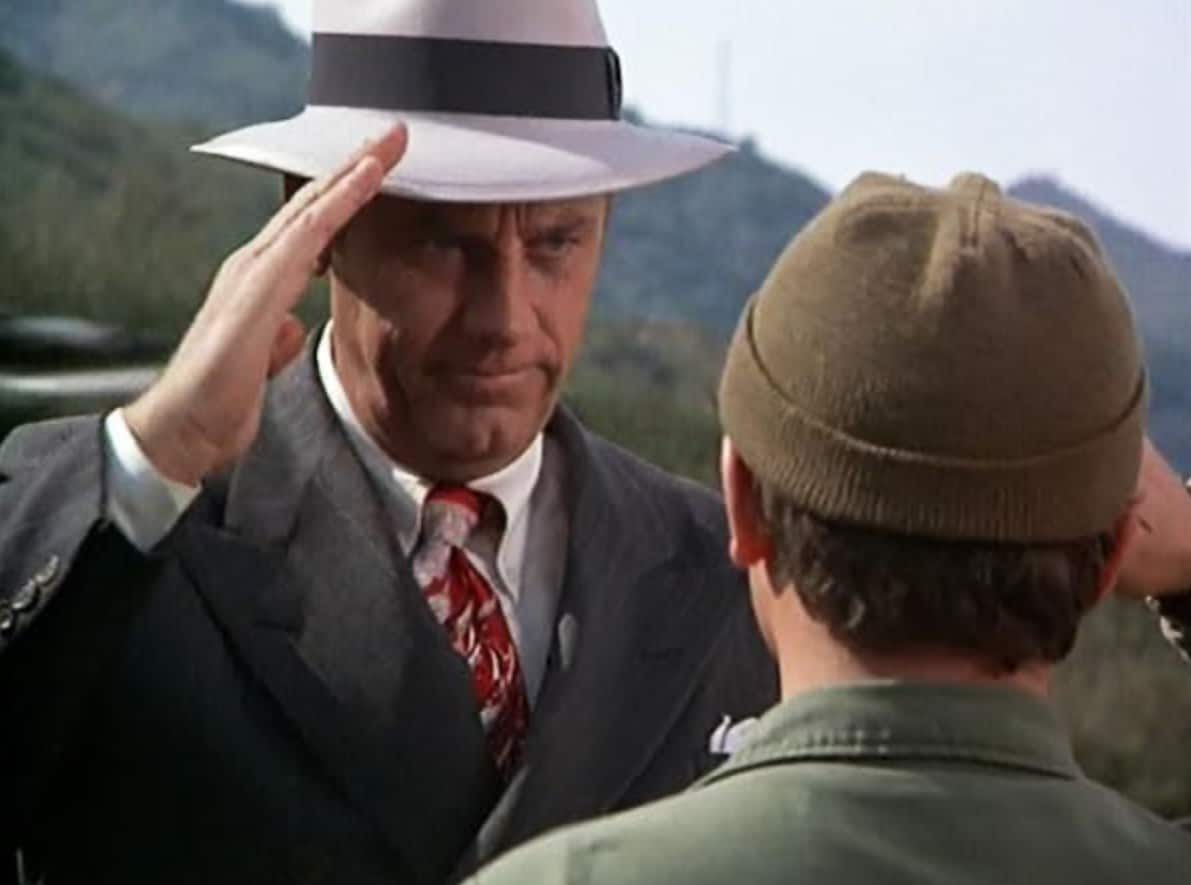
This show follows an Army hospital staff that uses laughter as medicine as they face the reality of working through the Korean War. Blake is infuriating because he is incompetent as a leader, which is fine for some characters as they like to let loose but bothersome for others who see how ineffectual he is in an important position of authority.
Bart Furley
- TV Show: "Three's Company" (1977)
- Portrayed by: Hamilton Camp
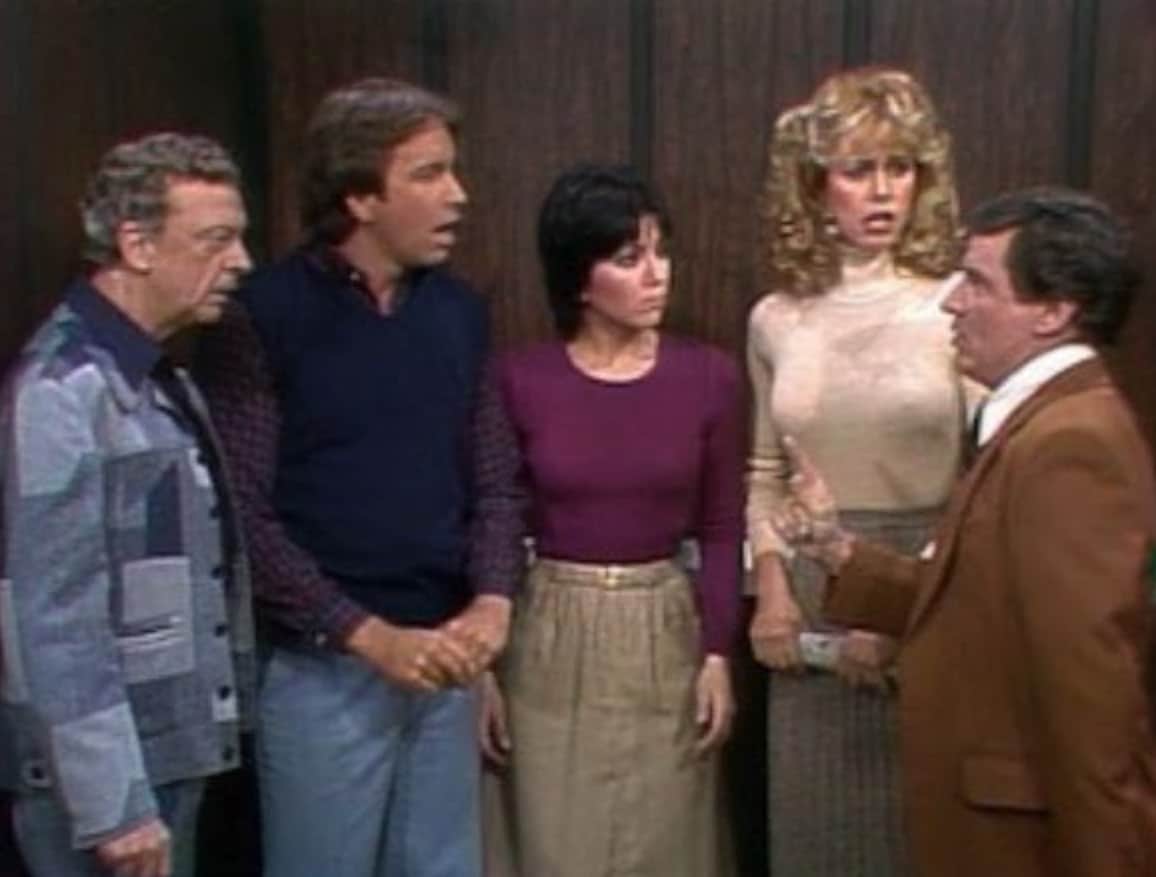
Bart Furley, owner of the apartment complex where the main characters live, only appears in a single episode but the way his brother, Ralph Furley, talks about him lets you know that he's a back-stabbing jerk. His character is constantly ruthless and intimidating but when he's about to face financial and legal trouble, he drops to his knees and changes his tune, which still doesn't earn the pity of viewers.
Walter Findlay
- TV Show: "Maude" (1972)
- Portrayed by: Bill Macy
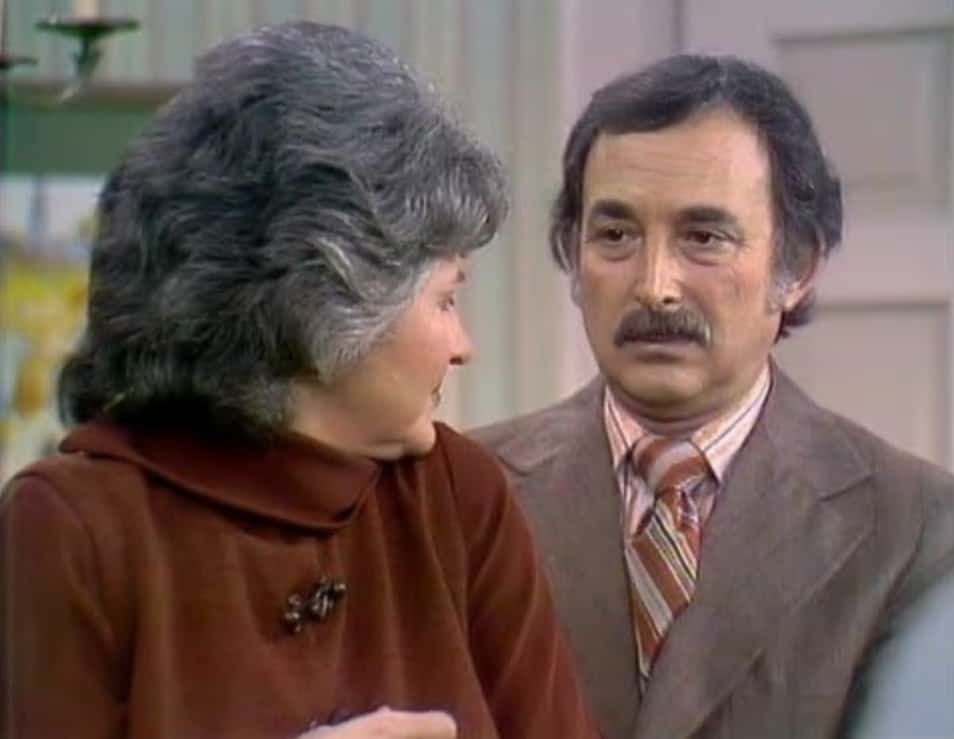
Walter Findlay is the more reserved husband to the more liberal Maude Findlay in this spin-off series. Despite this, he manages to emotionally blackmail his wife so she can cater to his chauvinistic ideals. He behaves immaturely, throwing tantrums when his wife wants to rise. The only reason he isn't completely insufferable is because she is so headstrong and always gives him a piece of her mind.
Mary Ellen Walton
- TV Show: "The Waltons" (1972)
- Portrayed by: Judy Norton
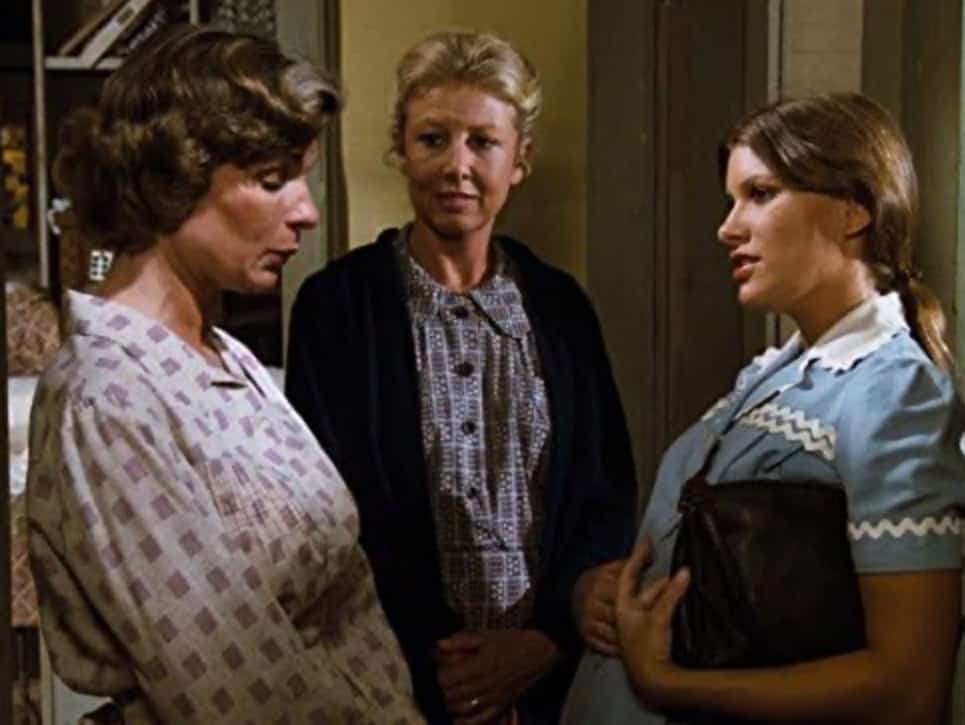
Mary Ellen Walton comes off as self-serving and dramatic, displaying bursts of anger with her tomboyish personality. It's easy to see how annoying she is, especially since she's great at throwing tantrums. But, unlike others in this list, she does redeem herself in later seasons, becoming a much more mature version of herself.
Cousin Oliver Tyler
- TV Show: "The Brady Bunch" (1969)
- Portrayed by: Robbie Rist
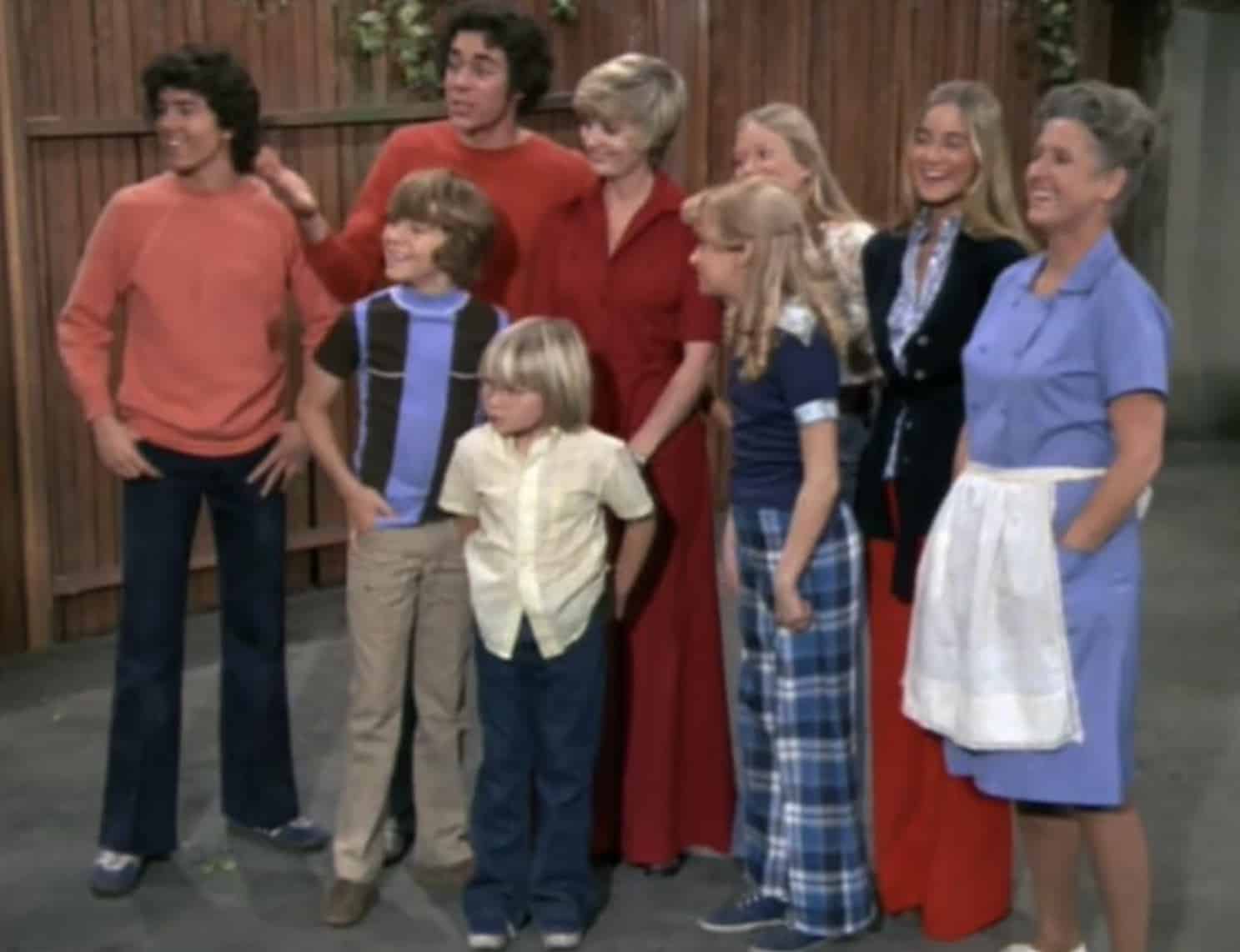
Cousin Oliver Tyler appeared in the show seemingly out of nowhere and like many other 70s shows, when a young character would be introduced to a storyline, ratings started to dip. Some viewers feel strongly that his sudden appearance on the show eventually caused it to fail. He appeared in only five episodes at the tail end of the fifth and final season.
Sue Ann Nivens
- TV Show: "The Mary Tyler Moore TV Show" (1970)
- Portrayed by: Betty White
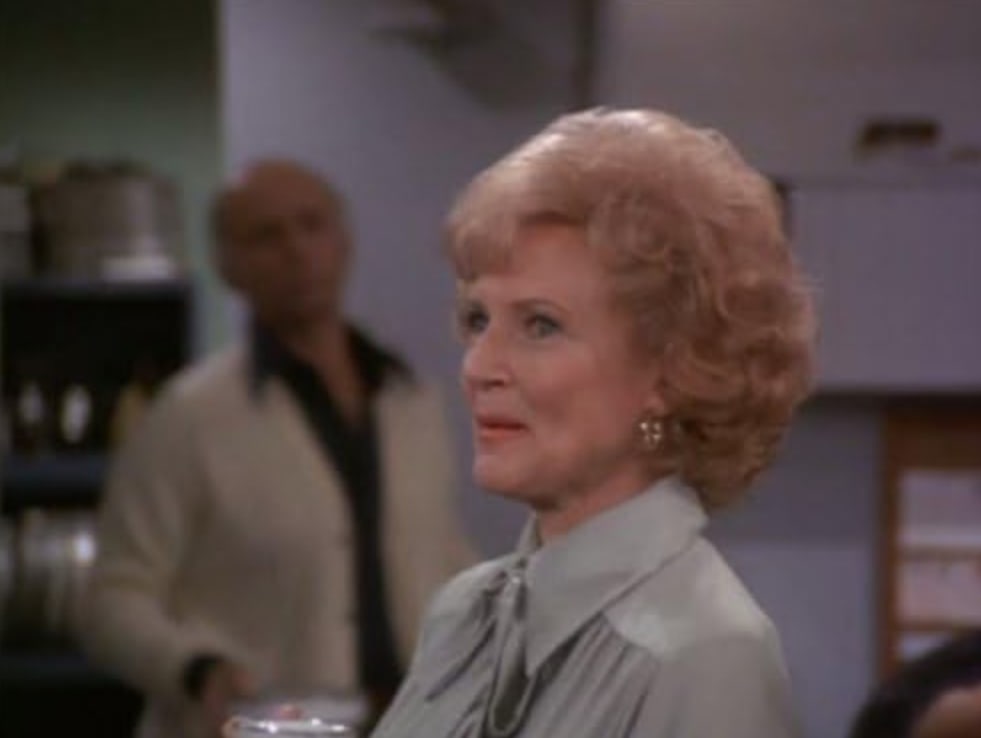
Sue Ann Nivens is picture-perfect on screen, appearing sweet as pie. But behind the scenes, she is quite snarky and displays a competitive streak. It is this contrast between her on-screen personality and her true self that makes her untrustworthy and unlikable. Betty White, who played her character, was once quoted as saying, "She was so rotten. You can't get much more rotten than the neighborhood nymphomaniac."
George Jefferson
- TV Show: "The Jeffersons" (1975)
- Portrayed by: Sherman Hemsley
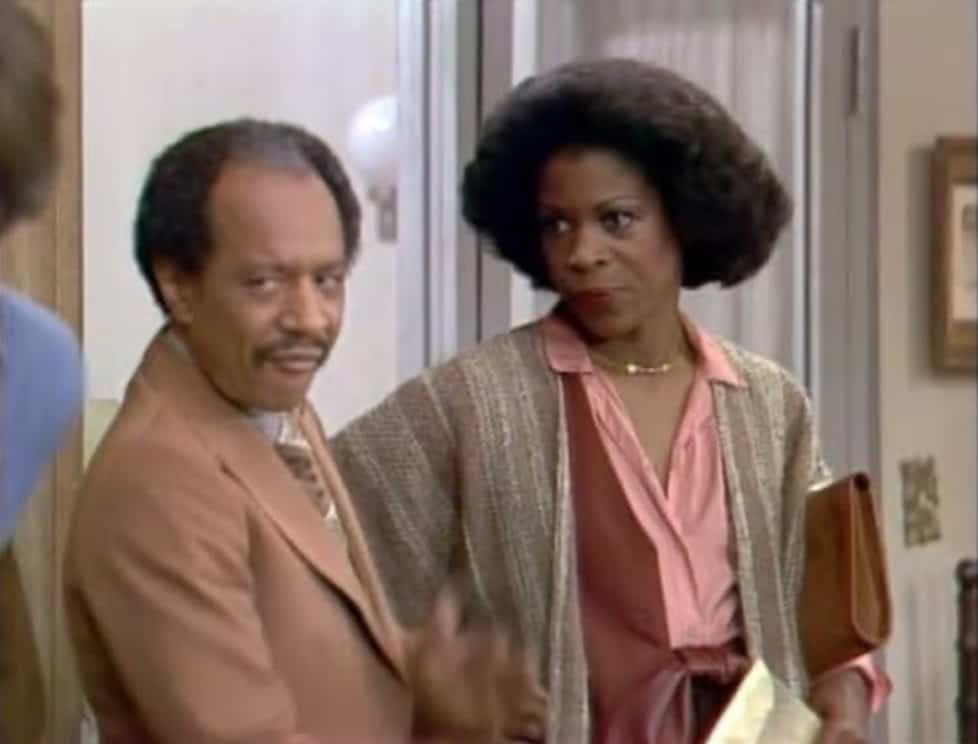
Fictional character George Jefferson has done well for himself and his family, earning "a deluxe apartment in the sky," and while ambition is usually admirable, Jefferson is arrogant and obsessed with acquiring more money in whatever way possible. He is loud, rude, and bigoted, spouting off without a filter when referring to other races.
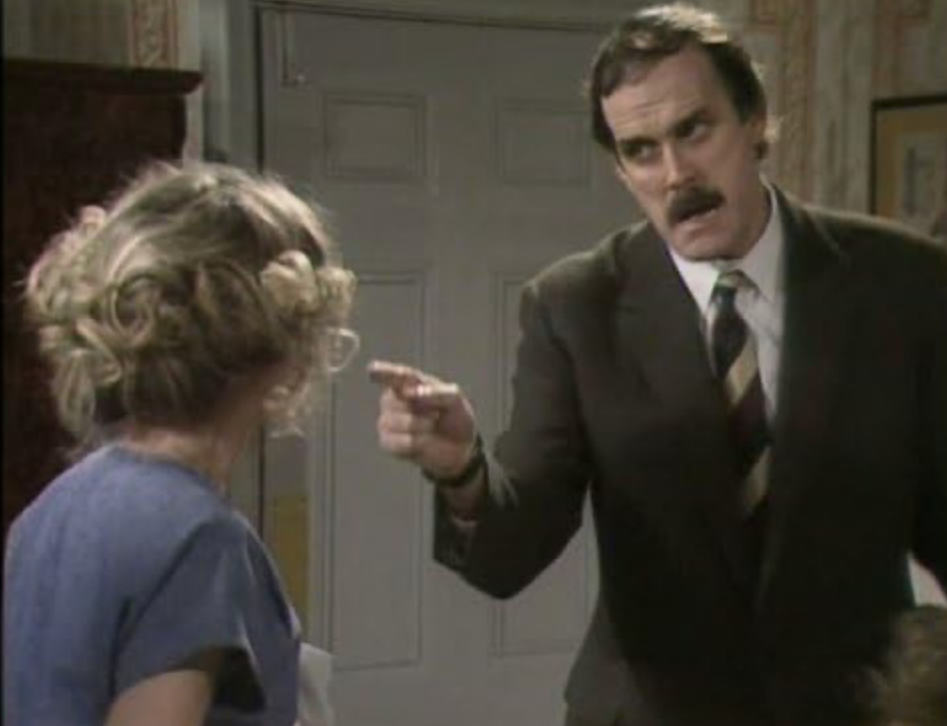
Basil Fawlty
- TV Show: "Fawlty Towers" (1975)
- Portrayed by: John Cleese
The owner of Fawlty Towers Hotel, Basil Fawlty, dreams of serving a more high-end clientele. He's a snob who wants to be a part of the upper class but who behaves in ways that cause the rug to be pulled out from under him constantly. He is a cheap man, incompetent, and has a short fuse but believes himself to be better than he is.
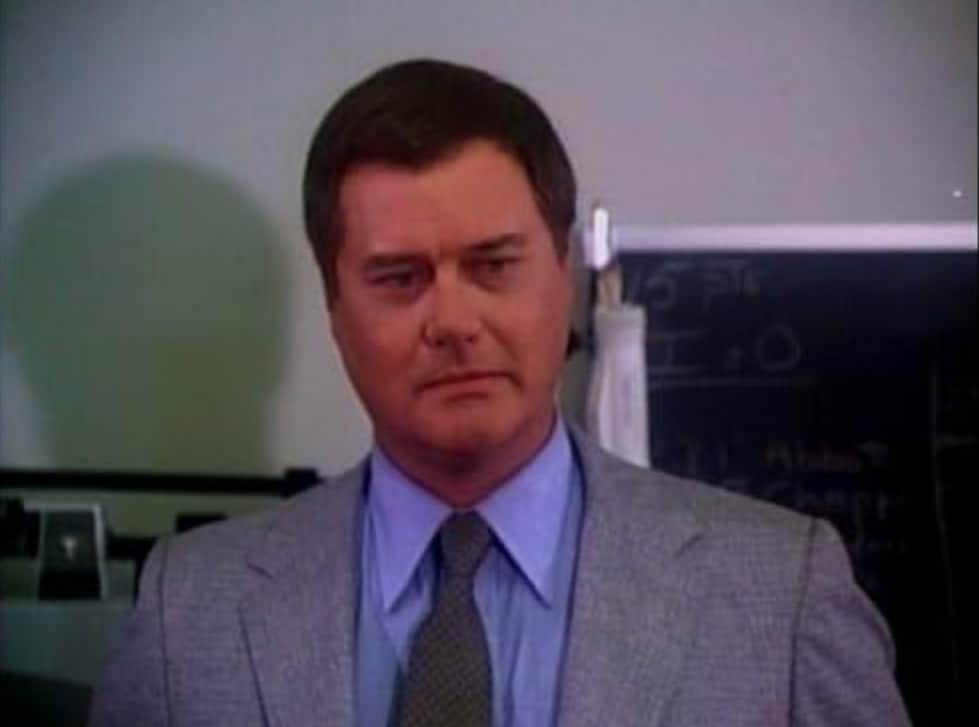
J.R. Ewing
- TV Show: "Dallas" (1978)
- Portrayed by: Larry Hagman
One of the most infamous characters in television history was J.R. Ewing, whose most well-known quote is, "Revenge is the single most satisfying feeling in the world." That says a lot about his character, an oil tycoon antagonist in the show who is shockingly ruthless as a businessman.
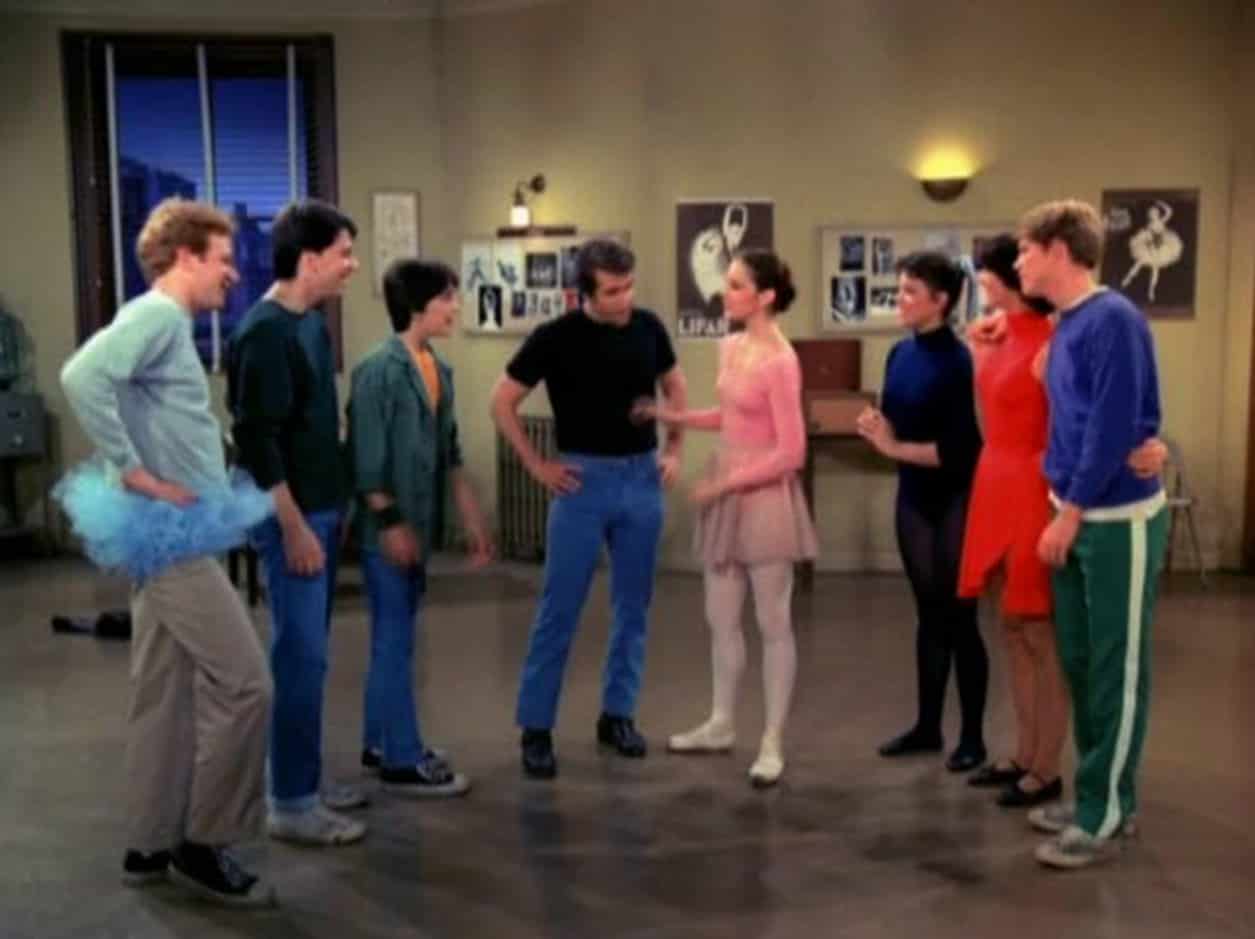
Chachi Arcola
- TV Show: "Happy Days" (1974)
- Portrayed by: Scott Baio
Chachi in the show isn't exactly a villain, but a young kid who looks up to The Fonz, the older, cooler, and more rebellious character in the show and tries to emulate him. Viewers found him annoying, especially since his catchphrase was an awkward, "wah, wah, wah" that only appealed to teenage girls.
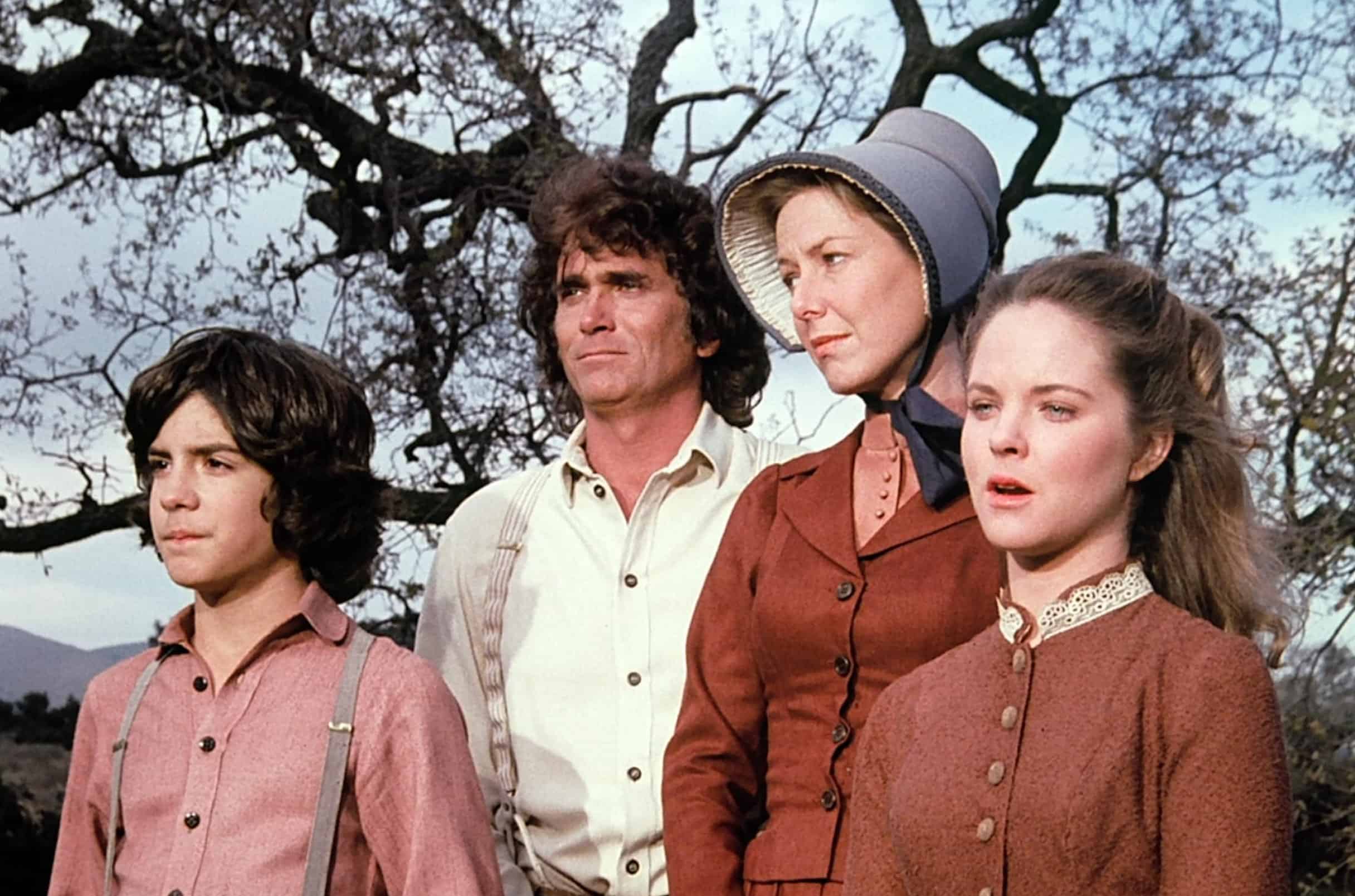
John Stewart
- TV Show: "Little House on the Prairie" (1974)
- Portrayed by: Harris Yulin
John Stewart is a tortured man, an alcoholic who mishandles the grief of losing his wife. She died when giving birth to their son, and he often takes his grief out on the boy during beatings, blaming him for his mother's death.
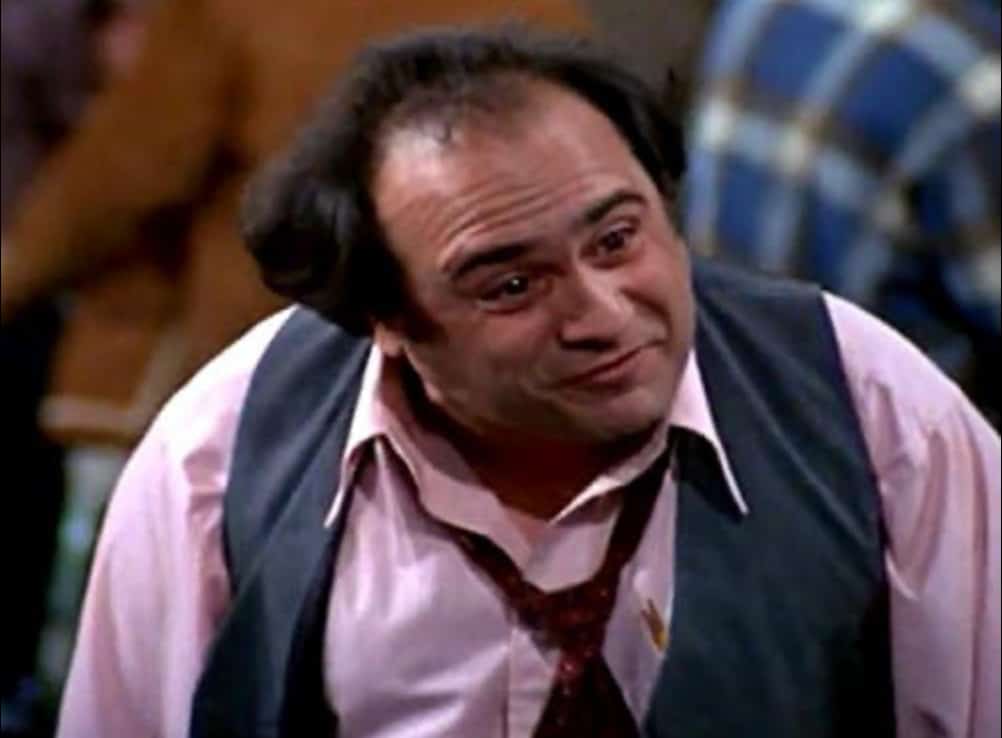
Louie De Palma
- TV Show: "Taxi" (1978)
- Portrayed by: Danny Devito
Louie De Palma is a dispatcher who is mean-spirited and frequently offensive, constantly unkind to the other cabbies, and engages in sexual harassment at work, which gets him into trouble. It's one thing to be unpleasant but quite another to be abusive.
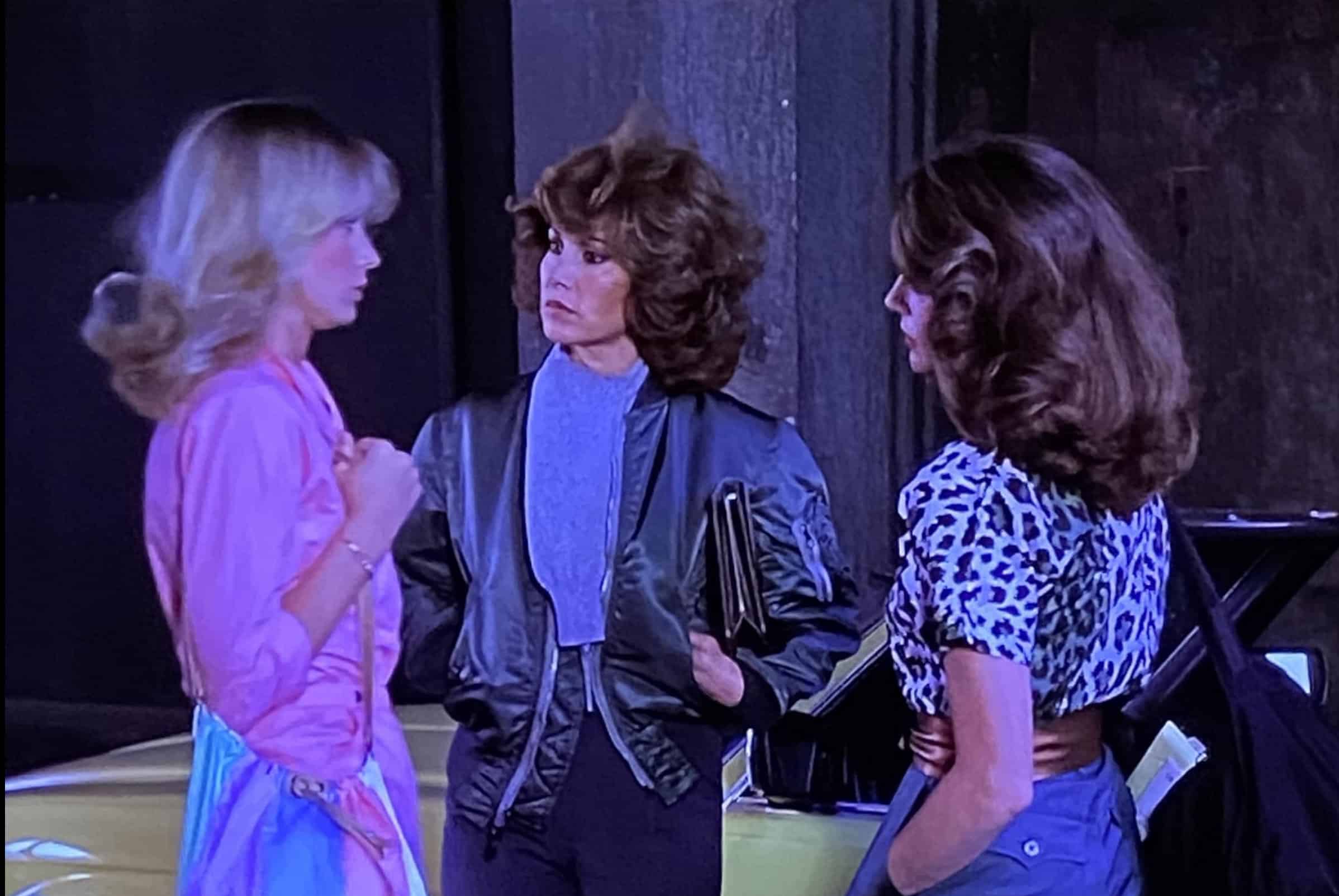
Karen Shields
- TV Show: "Hart to Hart" (1979)
- Portrayed by: Karen Austin
Karen Shields, a villainous character who appears in episode nine of season one of the show, is a chemist who has her mind set on selling an ultra-powerful narcotic for the sole purpose of acquiring wealth. She is undeterred in her quest and capable of murder, even taunting her victims in their final moments. In one scene, she takes her time tormenting her trapped victims with a big smile plastered across her face. Then she ends their lives. She isn't just a ruthless character, she is the definition of evil.
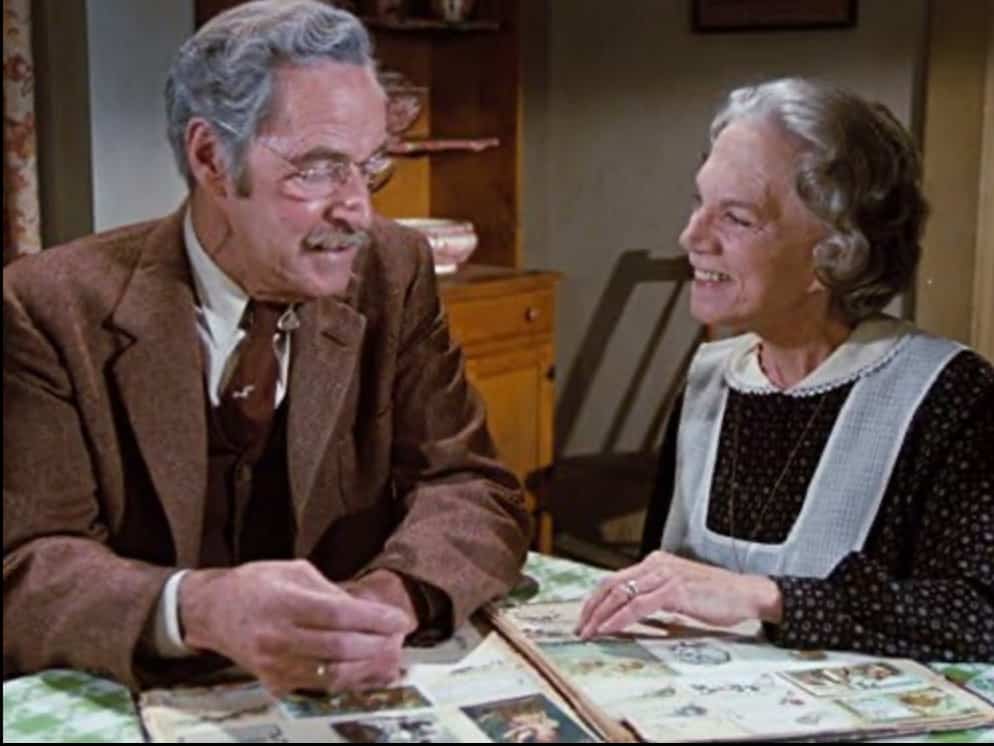
Grandma Esther Walton
- TV Show: "The Waltons" (1972)
- Portrayed by: Ellen Corby
The stern character of Grandma Walton works as an organist at the local church. She's full of pride and stubborn to boot, always expressing her jealousy any time her husband speaks to another woman. You can tell she has deep love for her family but she's so brusque and rigid, it's hard to like her at all.
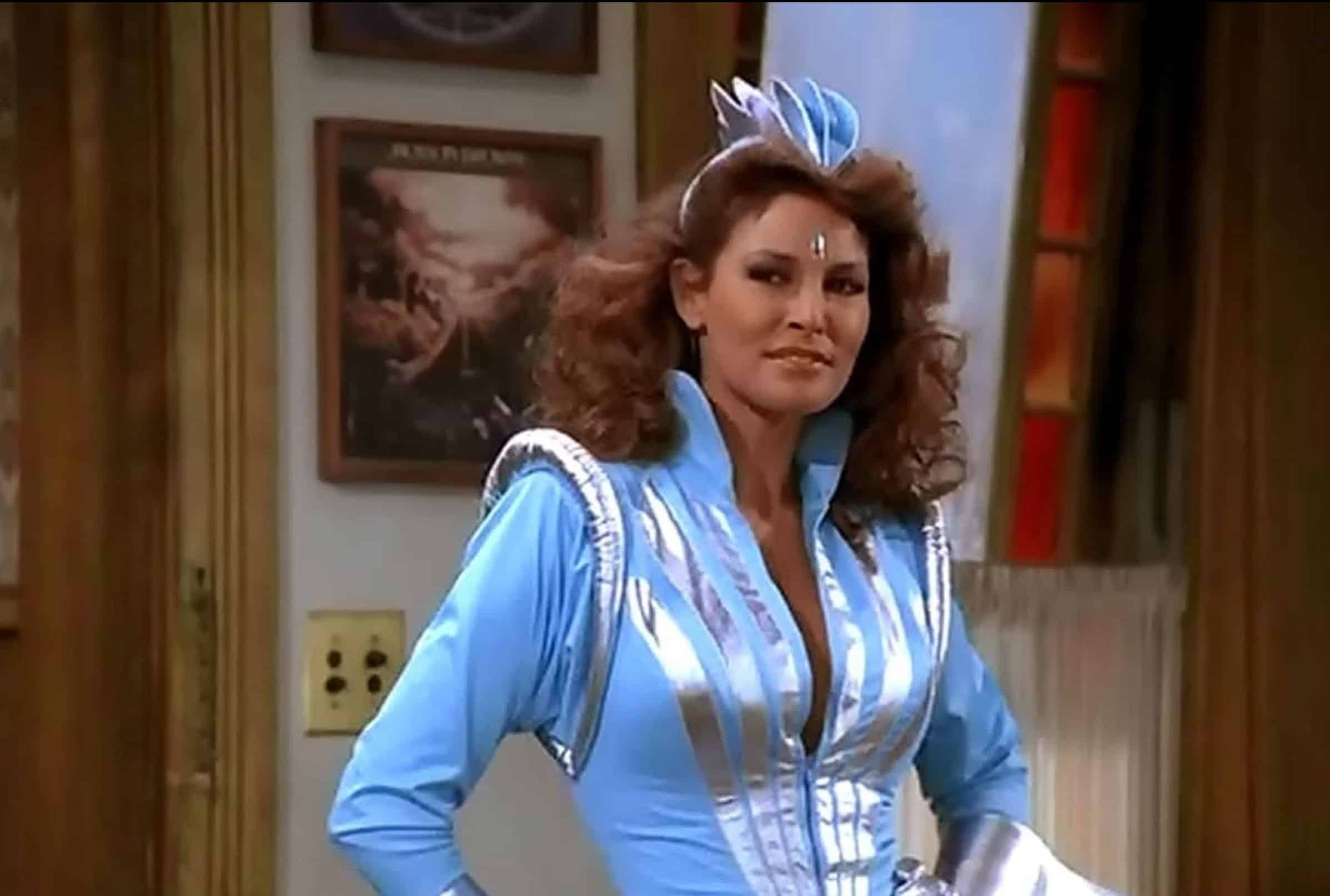
Captain Nirvana of the Necrotons
- TV Show: "Mork & Mindy" (1978)
- Portrayed by: Raquel Welch
Captain Nirvana of the Necrotons is part of the Black Army and she has a mission to find the Orkan Observer, Mork, to acquire all the information he knows and decide whether earth is worth invading or better off destroying. She may not be competent for the job but she's vicious in her ways, taking on the task as if she was the first one appointed.
Peter Ibbotson
- TV Show: "Kojak" (1973)
- Portrayed by: John P. Ryan
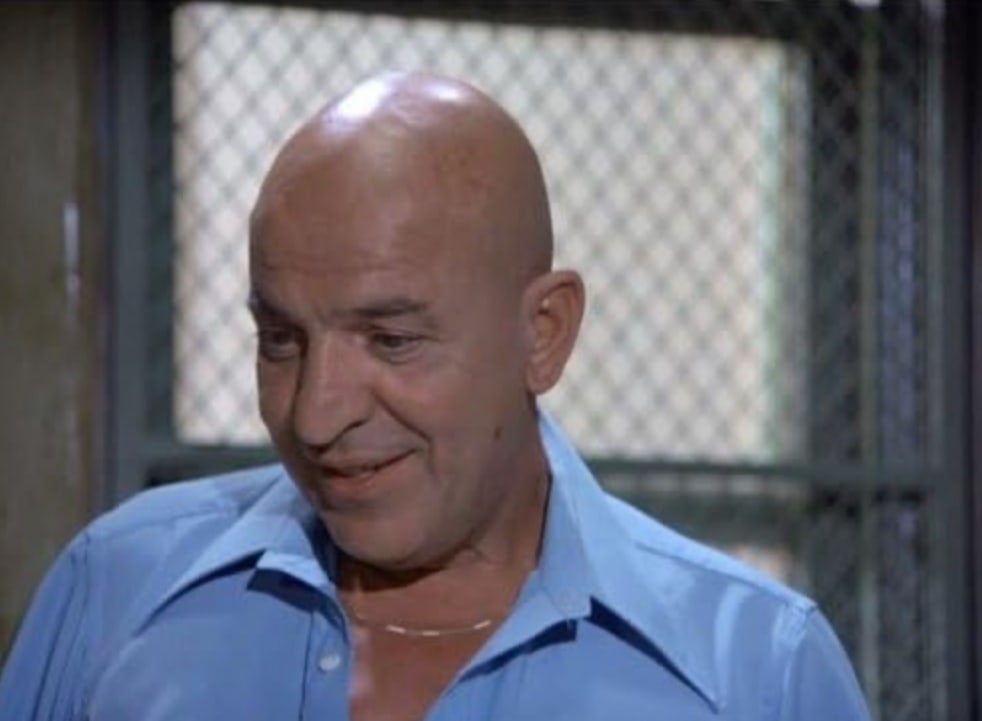
Cold and calculating criminal Peter Ibbotson has spent time in prison but instead of emerging reformed, he's dead set on revenge on the man who sent him to prison – Lt. Theo Kojak. He sends him death threats and then sets out to target Kojak's niece on one of the most important days of her life.
Fred Sanford
- TV Show: "Sanford and Son" (1974)
- Portrayed by: Redd Foxx
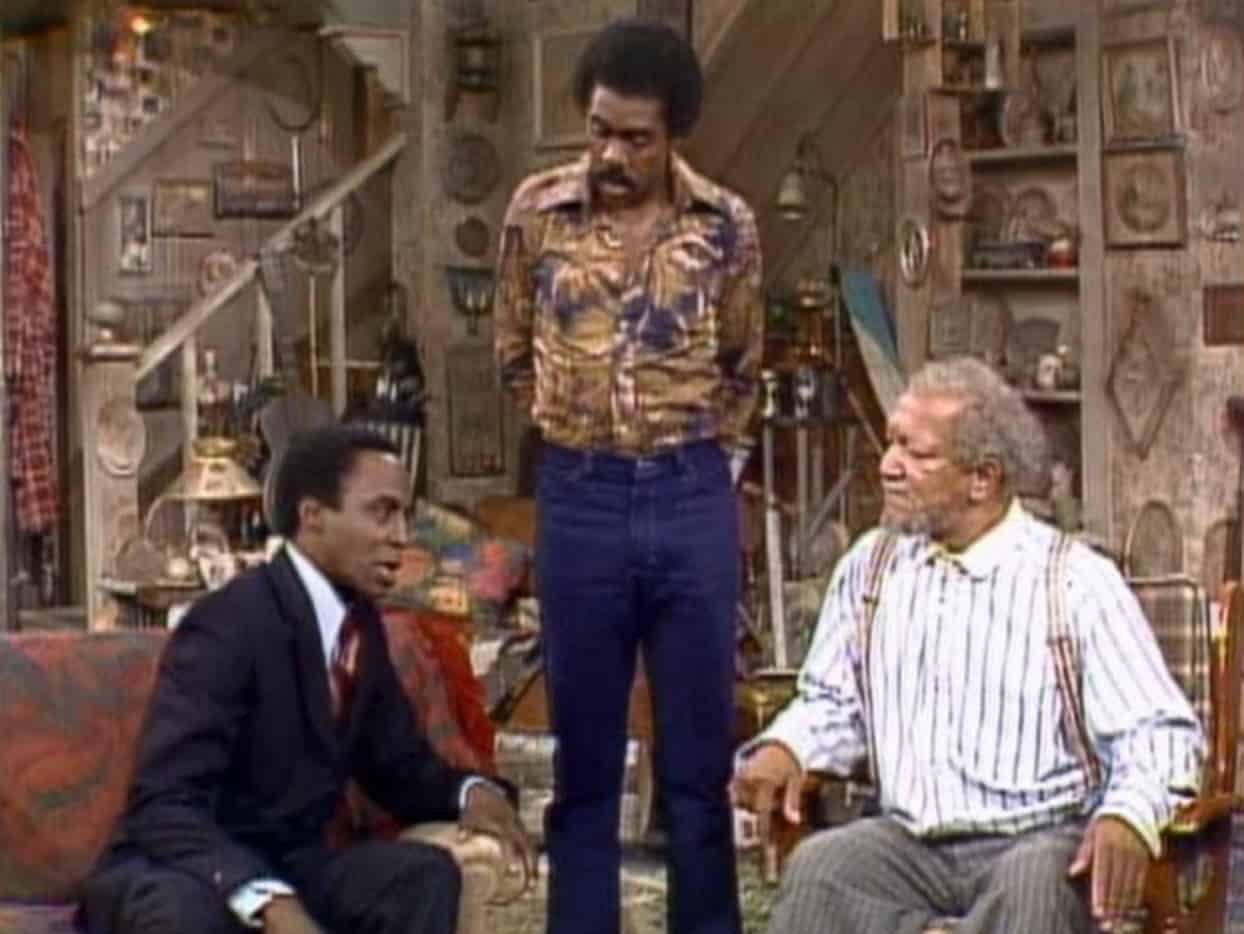
Junk dealer Fred Sanford is a bad-tempered, bigoted man who always has something to say about his son's friends, particularly those of other races. He's manipulative, capable of faking heart attacks to keep his 34-year-old son from leaving to find work better suited for him. He struggles to be nice and when he manages to say the right thing, he quickly turns it around with his grumpy attitude.
Florida Evans
- TV Show: "Good Times" (1974)
- Portrayed by: Esther Rolle
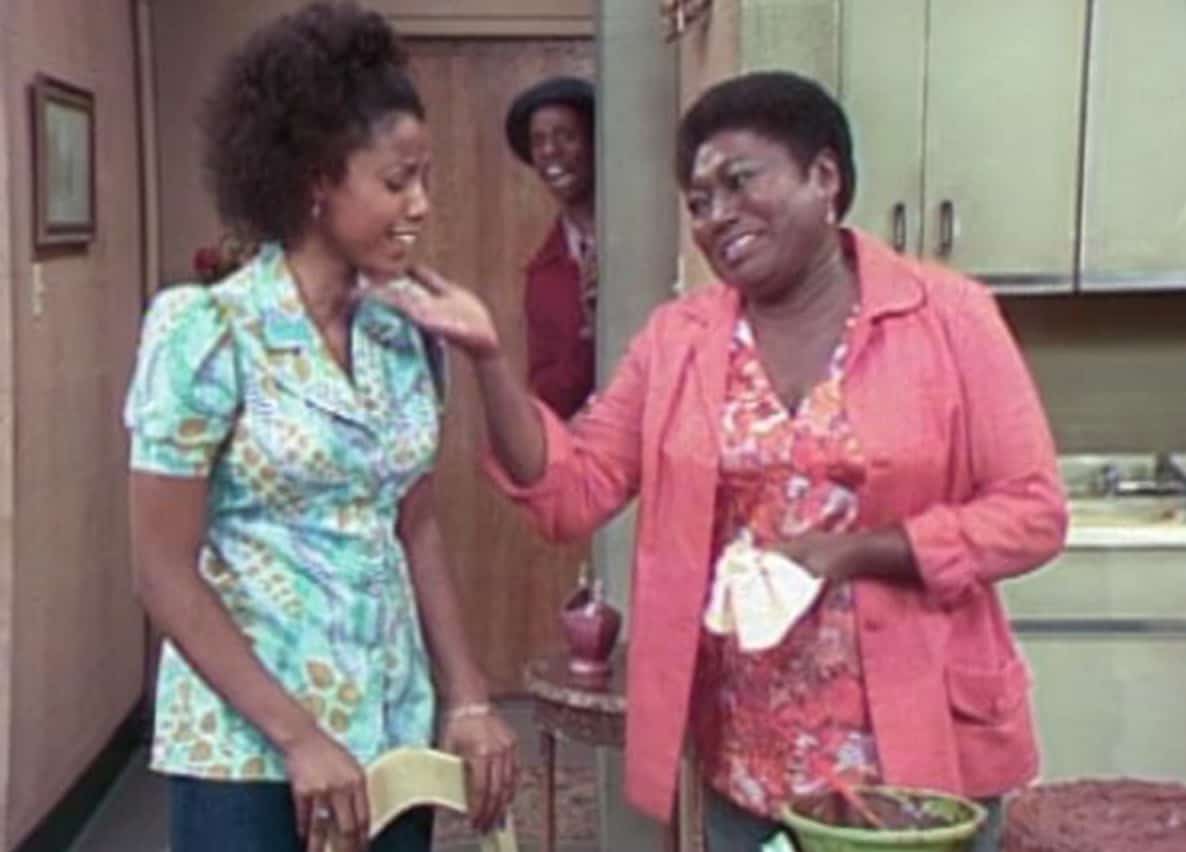
It's not obvious to audiences that Florida Evans is conniving at first. As a stay-at-home mom who supports her family, she comes off as a superwoman who handles everything life throws their way with a good attitude. But when you see how she behaves when the family receives opportunities to get out of the ghetto, you realize she intentionally thwarts their attempts at acquiring a better life.