
- Certain classic sitcoms are decidedly all-American, with viewers returning to them again and again.
- Their values, storylines, and main characters resonate with audiences throughout the country and across generations.
- The humor in these shows comes primarily from highly relatable moments.
American sitcoms have long sought to be relatable to mainstream audiences, reflecting common everyday life around the country. The most All-American shows capture the values, struggles, humor, and relationships that define the nation. The most memorable series go beyond entertainment; they reflect an ultimate identify, who we are and how we see ourselves. Over the decades, certain sitcoms have stood out for their ability to resonate with viewers from all walks of life and even across multiple generations. Ultimately, the shows give us stories that are universally relatable.
Whether centered on family life, marriage, or friendship, these shows have helped shape what it means to be American, using the screen to build a strong cultural identity. They’ve opened conversations, pushed boundaries, and defined television at its very best. These are the top all-American classic TV sitcoms ever made.
This post was updated April 20, 2026.
The Andy Griffith Show
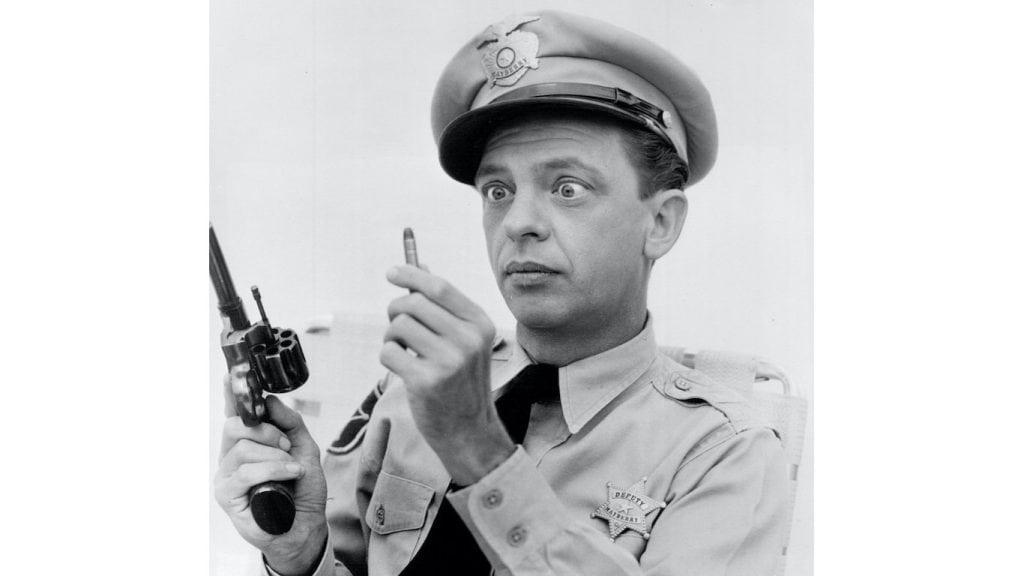
Set in the small town of Mayberry, “The Andy Griffith Show” centers on Sheriff Andy Taylor, his adorable young son Opie, and his well-meaning but not-so-bright deputy Barney Fife. The show focuses on the simple, everyday lives of the town’s residents. Andy approaches problems with calm consideration, while Barney provides plenty of slapstick comedic relief. Episodes emphasize moral lessons and community values, with storylines typically revolving around minor conflicts that are resolved with heart.
Sanford and Son

- Television debut: January 14, 1972
- Number of Seasons: 6
“Sanford and Son” revolves around Fred Sanford, a junk dealer in 1970’s Los Angeles, and his son Lamont, who generally feels caught between helping his father and making a better life. The father-son duo operates the family salvage business filled with eccentric customers, which inevitably leads to humorous adventures. Fred’s inability to filter his thoughts results in an abundance of witty dialogue, while his frequent feigned heart attacks became a running gag throughout the series. Though Lamont is mainly the voice of reason, he’s inadvertently pulled into father’s schemes anyway. The show mixes slapstick humor with a fun parent-son dynamic.
Family Ties

- Television debut: September 22, 1982
- Number of Seasons: 7
“Family Ties” centers on the Keaton family, where former hippie parents Steven and Elyse raise their conservative, business-minded son Alex and his siblings. Much of the show’s humor comes from the opposing perspectives of type-A Alex and his liberal parents. Episodes often explore generational differences, school life, and family relationships. Alex’s ambition and confidence frequently put him at odds with the rest of the family, but despite disagreements, the Keatons remain a close-knit unit.
Everybody Loves Raymond

- Television debut: September 13, 1996
- Number of Seasons: 9
“Everybody Loves Raymond” follows oblivious sportswriter Ray Barone, his wife Debra, and their children, along with Ray’s intrusive parents and brother who live across the street. As a perpetual “mama’s boy,” Ray is deeply enmeshed with his parents, which results in daily frustrations and funny marriage dynamics. Ray often tries to avoid conflict, while Debra confronts it head-on. His parents’ constant involvement creates extreme (and highly comedic) tension and awkward situations. Viewers found the Barone’s ongoing domestic issues quite relatable.
The Jeffersons

- Television debut: January 18, 1975
- Number of Seasons: 11
“The Jeffersons” follows George and Louise Jefferson, an African American couple who turn to a more luxurious life on the heels of George’s business success. The newly wealthy couple move from Queens to a high-end apartment in Manhattan. The show explores their transition to a new life among wealthy neighbors, including the (taboo for the time) interracial couple Tom and Helen Willis. George’s outspoken personality leads to contentious, though humorous, situations. The series offers social commentary on race and class in comedic packaging.
The Diсk Van Dyke Show

- Television debut: October 3, 1961
- Number of Seasons: 5
“The Dick Van Dyke Show” follows Rob Petrie, a television writer balancing his work on a comedy show with life at home with his wife Laura and their son. The series takes place in mid-century America, alternating between Rob’s workplace, chock full of eccentric showbiz types, and his conventional, suburban domestic life. Much of the humor comes from the contrast between these two opposing worlds. Mary Tyler Moore’s charm and Dick Van Dyke’s physical comedy lead to laugh-out-loud moments throughout the show. The hit show is a nice blend of clever writing and situational humor.
All In the Family

- Television debut: January 12, 1971
- Number of Seasons: 9
“All in the Family” features lead character Archie Bunker, a working-class man in Queens, New York, whose loudmouth and prejudiced views clash with the more progressive perspectives of his family and neighbors. The series follows outspoken Archie, his patient wife Edith, their daughter Gloria, and her liberal husband Mike as they navigate everyday life through heated debates. Episodes often revolve around social issues like race, politics, and gender roles, making it quite groundbreaking for its time. Because the humor comes from both the ridiculousness of Archie’s views and the humanity beneath them, audiences love him, even while they disagree with his absurd views.
The Simpsons

- Television debut: December 17, 1989
- Number of Seasons: 35
“The Simpsons” follows the lives of the Simpson family: Homer, Marge, Bart, Lisa, and Maggie. The family lives in the fictional town of Springfield. The show blends normal family situations with absurd, satirical storylines that make fun of politics, religion, and pop culture. Homer’s incompetence, Bart’s mischief, Lisa’s intellect, and Marge’s grounding presence create an entertaining, though chaotic, household dynamic. The show’s animated format allows for limitless storytelling possibilities, alongside a cast essentially frozen in time.
I Love Lucy

- Television debut: October 15, 1951
- Number of Seasons: 6
“I Love Lucy” follows Lucy Ricardo, a quirky and slightly conniving housewife who constantly schemes for a variety of purposes, whether to get herself out of trouble or break into show business. As she attempts to hide her bad behavior from her husband Ricky, she employees the aid of her best friend and landlord, Ethel. Lucy’s antics spiral into chaotic and hilarious situations. Though Ricky is often exasperated by Lucy’s exploits, his love for her enables him to overcome her ridiculousness and ultimate support her. Each episode showcases Lucy Ricardo’s relentless personality and Lucille Ball’s impeccable comedic timing.