
Courtesy of Home Box Office (HBO)
spatuletail / Shutterstock.com

Tommaso Boddi/Getty Images
Vicki L. Miller / Shutterstock.com

Everett Collection / Shutterstock.com
Kathy Hutchins / Shutterstock.com

DFree / Shutterstock.com
Vinnie Zuffante / Getty Images
Rich Fury / Getty Images

DFree / Shutterstock.com
Tinseltown / Shutterstock.com

Denis Makarenko / Shutterstock
Denis Makarenko / Shutterstock.com

DFree / Shutterstock.com

Denis Makarenko / Shutterstock.com
Debby Wong / Shutterstock.com


15 Iconic TV Characters Who Changed Pop Culture
A truly iconic television character does more than carry a plot. The character escapes the show. People copy the haircut, repeat the catchphrases, argue about the choices, and recognize the silhouette decades later. Sometimes the influence is obvious. Sometimes it quietly changes what networks believe a sitcom hero, action lead, workplace boss, or prestige-drama protagonist is allowed to be.
The 15 characters below span more than five decades of television, from an animated vision of the future to figures who helped define the streaming era. This is not a ranking of the “best” performances, because comparing George Jetson with Walter White would be a strange use of everyone's afternoon. Instead, the list moves chronologically and looks at the specific mark each character left on television and the culture surrounding it.
Some entries became fashion templates. Others helped audiences discuss race, gender, class, sex, work, or morality in ways prime-time television had previously avoided. A few are deeply flawed people we were never supposed to imitate. Cultural impact is not an award for good behavior; Archie Bunker and Al Bundy would have made this a considerably shorter article if it were.
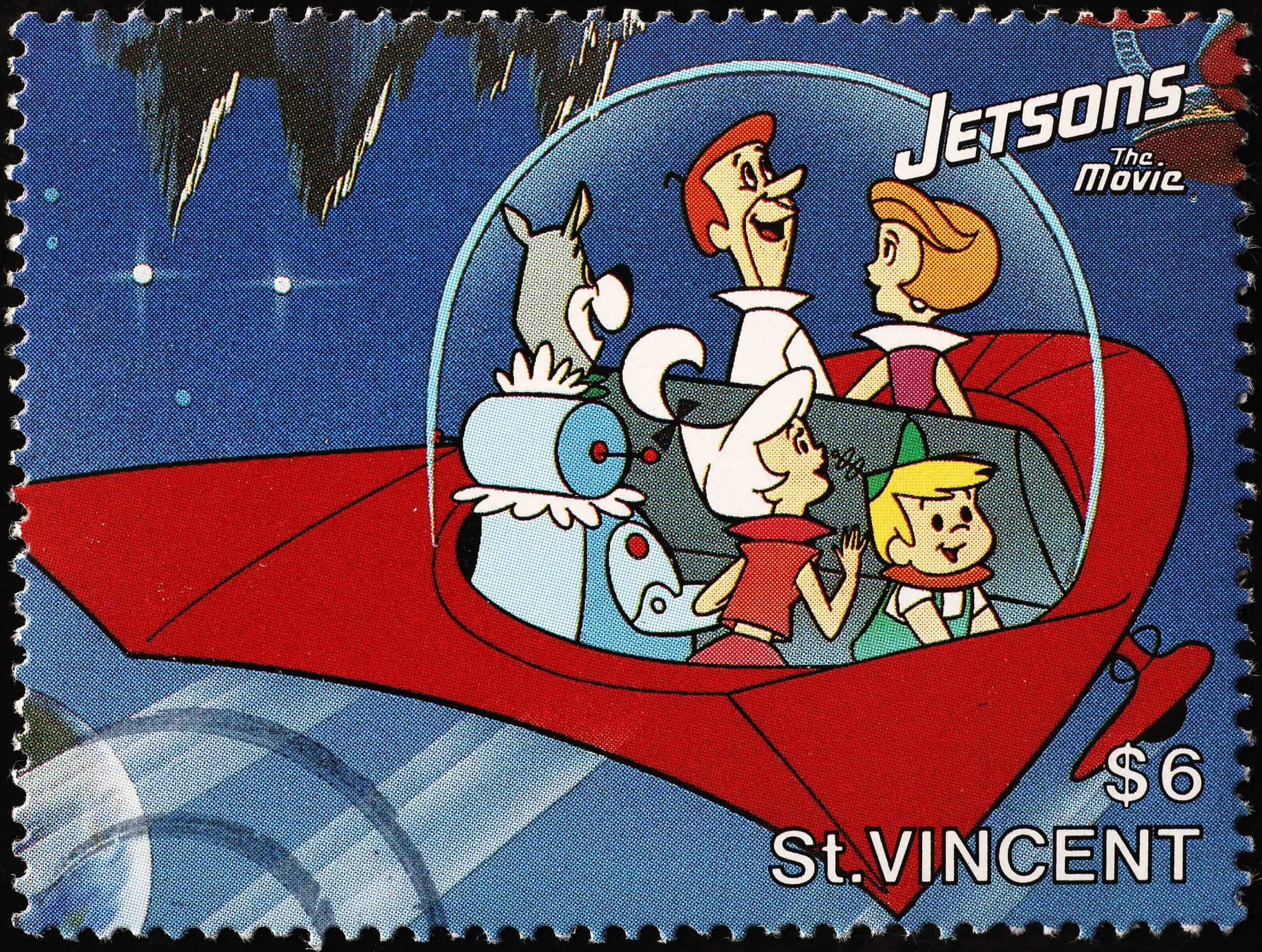
George Jetson — “The Jetsons”
George Jetson helped give the Space Age a domestic address. The original ABC run produced only 24 episodes in 1962 and 1963, followed by new syndicated seasons in the 1980s, yet endless reruns made its push-button future feel permanent. George was an ordinary employee surrounded by video calls, robot helpers, moving walkways, and flying cars. That contrast became the joke: technology could change everything except bosses, bills, family chaos, and the human ability to complain about a short workday.
- Voiced by: George O'Hanlon
- Series premiere: September 23, 1962
- Cultural imprint: Turned midcentury futurism into a family-sitcom vocabulary
Captain James T. Kirk — “Star Trek”
William Shatner's Captain Kirk became the template for the charismatic starship commander: decisive, curious, occasionally reckless, and forever willing to deliver a speech with room between every important word. More importantly, Kirk led a diverse crew in a future built around exploration rather than conquest. The original series lasted three seasons, but the character's movies, references, impersonations, and later franchise appearances helped turn Star Trek from a canceled NBC drama into a multigenerational cultural institution.
- Played by: William Shatner
- Series premiere: September 8, 1966
- Cultural imprint: Defined the adventurous sci-fi captain for generations
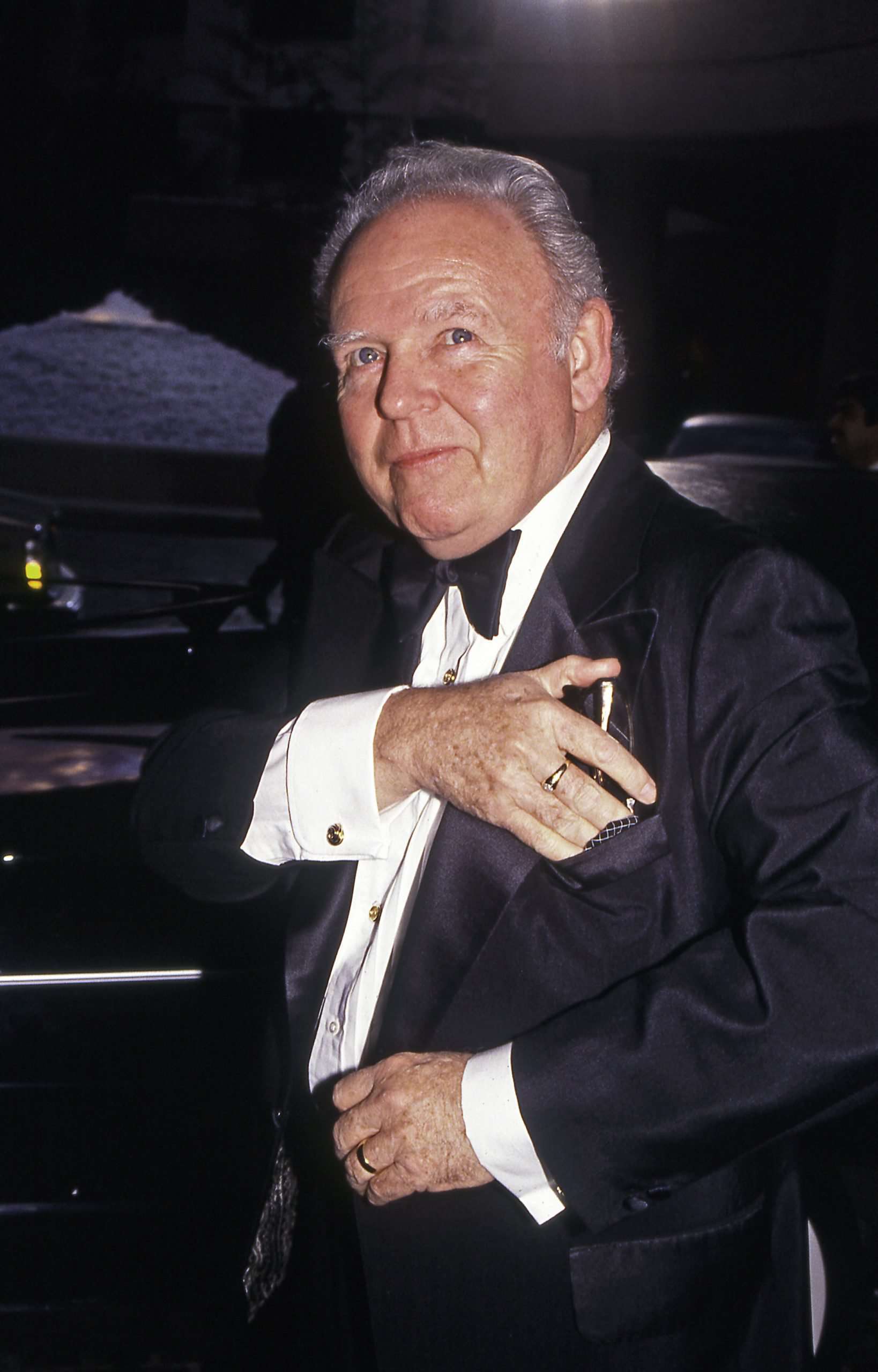
Archie Bunker — “All in the Family”
Archie Bunker was not written as an uncomplicated lovable grouch. He was bigoted, defensive, frequently ignorant, and recognizable enough to make millions of households uncomfortable. That was the point. Norman Lear used Archie's arguments with his family and neighbors to bring racism, war, politics, sexuality, and social change into a hit network sitcom. Carroll O'Connor gave him enough humanity to remain a person rather than a lecture, but the jokes repeatedly exposed his prejudice instead of turning it into wisdom.
- Played by: Carroll O'Connor
- Series premiere: January 12, 1971
- Cultural imprint: Made political and social conflict central to the family sitcom
Jack Tripper — “Three's Company”
Jack Tripper—not Jack Ripper or Jack Ritter—was a culinary student who pretended to be gay so a conservative landlord would allow him to share an apartment with two women. That premise has aged unevenly, but John Ritter's gift for physical comedy remains the show's durable achievement. Jack could turn a misunderstanding, doorway, couch, or badly timed entrance into a complete routine. He eventually worked at Angelino's restaurant and opened Jack's Bistro, but his real cultural legacy is making full-body comic panic look effortless.
- Played by: John Ritter
- Series premiere: March 15, 1977
- Cultural imprint: Made Ritter one of television's defining physical comedians
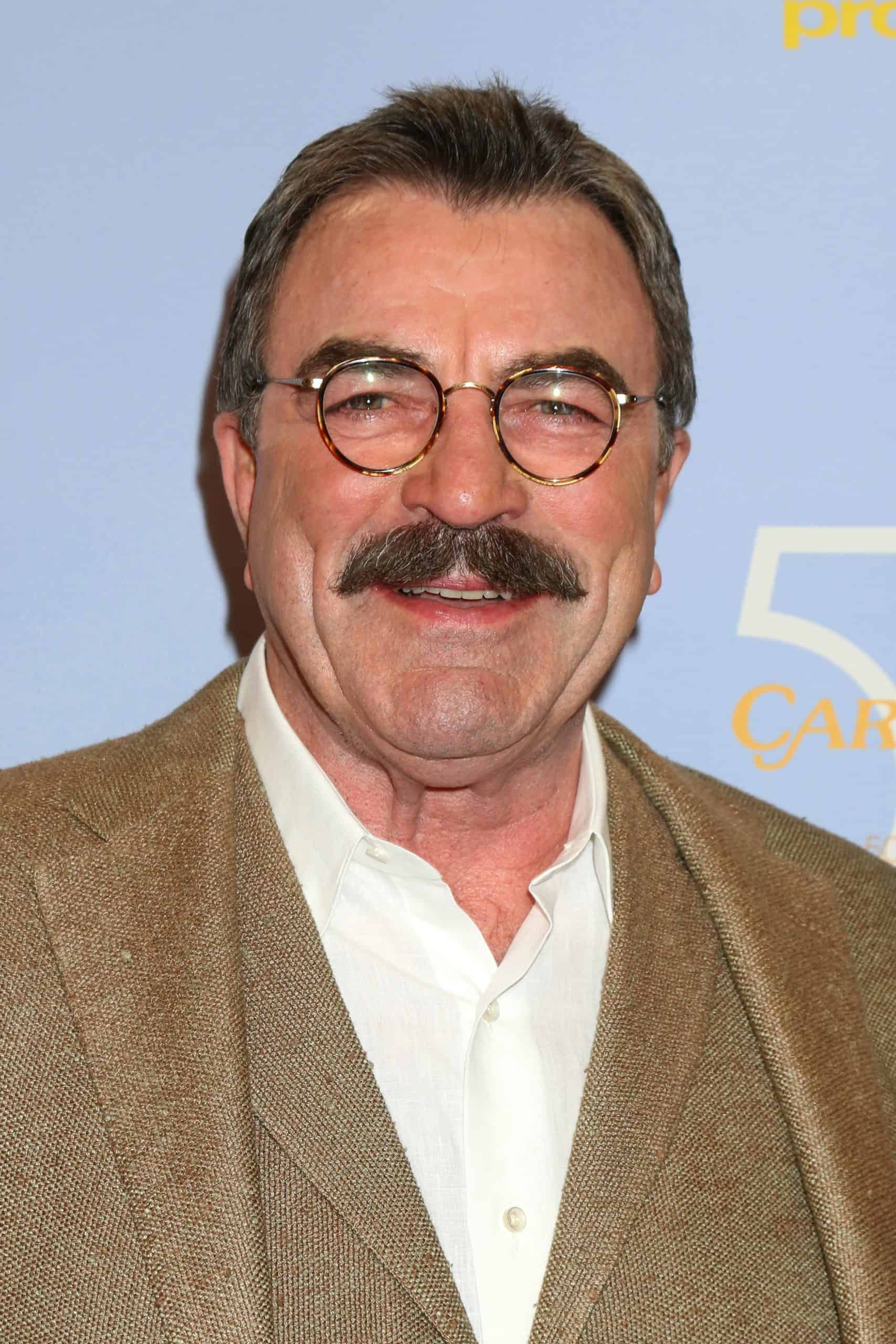
Thomas Magnum — “Magnum, P.I.”
Thomas Magnum loosened up the television private investigator. He was a decorated Navy veteran and capable detective, but he also lived on a Hawaiian estate, drove a borrowed Ferrari, argued with Higgins, broke the fourth wall, and approached adulthood with the occasional enthusiasm of a teenager left home alone. Tom Selleck's relaxed charm made the aloha shirt, Detroit Tigers cap, and mustache part of the character's instantly recognizable uniform. Selleck won the lead-actor Emmy in 1984, not 1985.
- Played by: Tom Selleck
- Series premiere: December 11, 1980
- Cultural imprint: Recast the TV detective as playful, vulnerable, and effortlessly cool
Al Bundy — “Married... with Children”
Al Bundy was the anti-sitcom dad: bitter, crude, broke, and permanently reliving the glory of four touchdowns in one high-school football game. The character was not a parenting guide, as the original article somehow suggested. He was a deliberate rejection of television's prosperous, reassuring fathers. Married... with Children became Fox's first prime-time series and helped establish the young network as the unruly alternative to its older competitors. Al's endless defeat was meaner than the standard family comedy—and central to the show's appeal.
- Played by: Ed O'Neill
- Series premiere: April 5, 1987
- Cultural imprint: Helped define Fox through a deliberately dysfunctional TV father
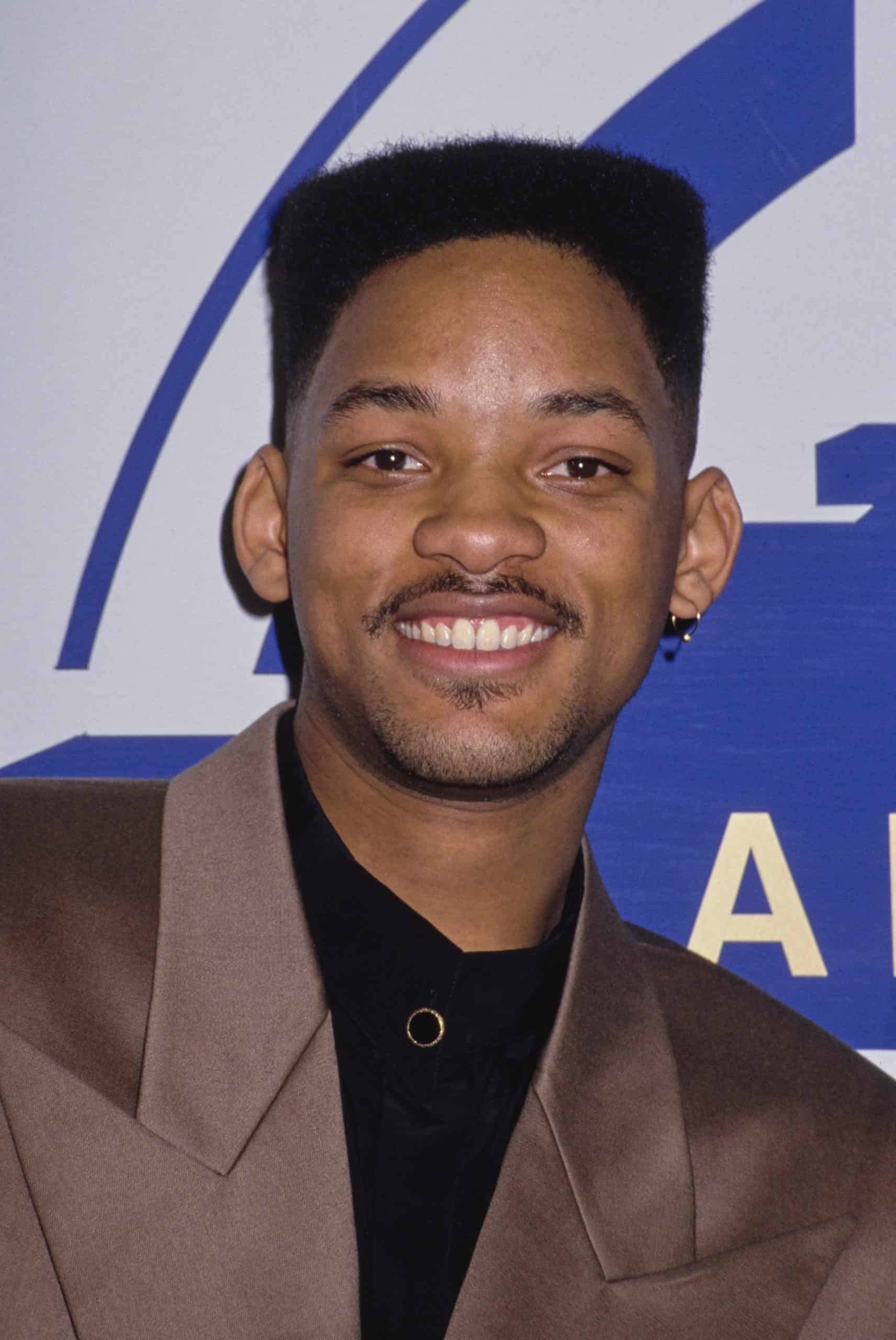
Will — “The Fresh Prince of Bel-Air”
Will Smith played a heightened version of himself: a quick-witted Philadelphia teenager sent to live with wealthy relatives in Bel-Air. The setup let the show collide hip-hop culture with an affluent Black household rarely depicted in a network sitcom. Will could be the class clown and still carry episodes about racial profiling, absent parents, class differences, and gun violence. The role launched Smith's acting career, but its bigger contribution was refusing to make comedy and serious conversations about Black American life mutually exclusive.
- Played by: Will Smith
- Series premiere: September 10, 1990
- Cultural imprint: Brought hip-hop energy and Black class differences into a mainstream family sitcom
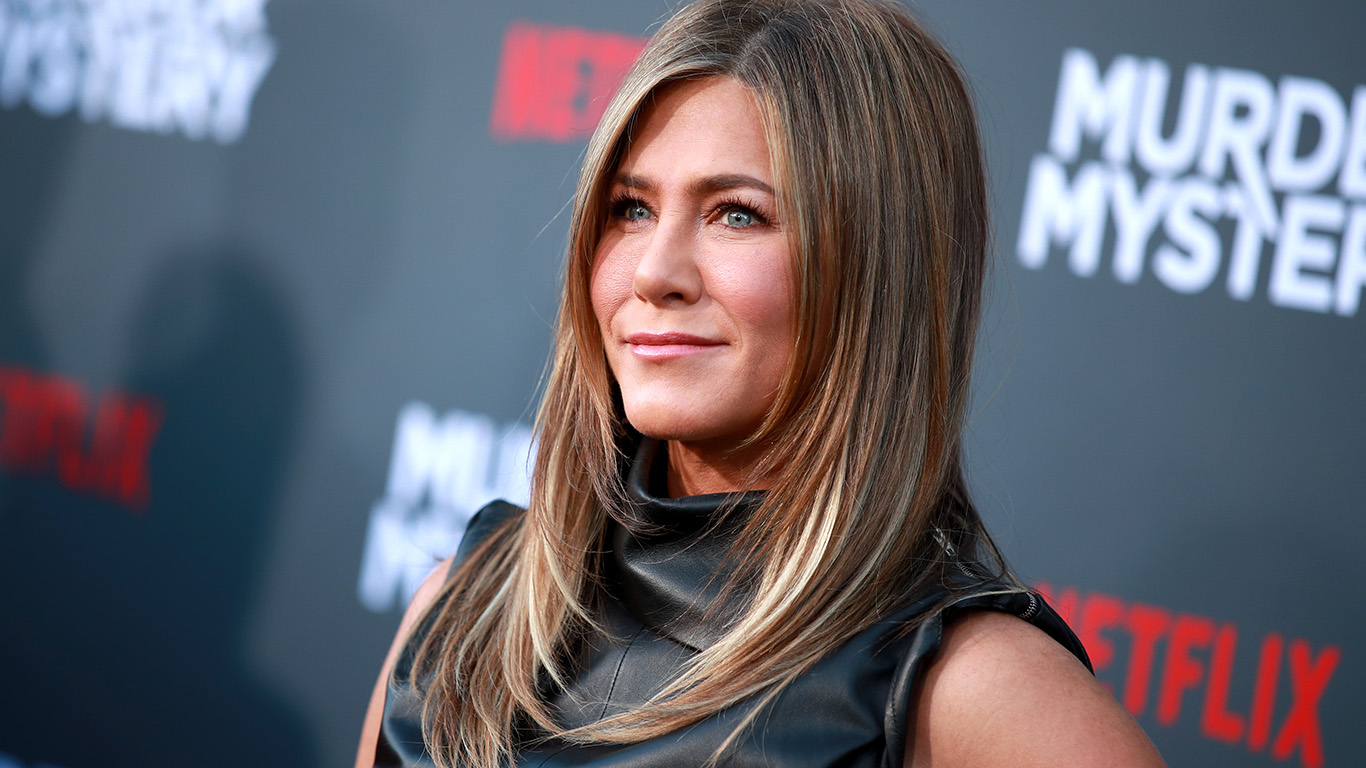
Rachel Green — “Friends”
Rachel entered Central Perk in a wedding dress and spent 10 seasons building a life beyond her wealthy family and abandoned marriage. Her career path from coffee-shop waitress to fashion executive gave Friends one of its clearest long-term character arcs. Then there was the hair. Chris McMillan's layered cut became “The Rachel,” one of the most copied hairstyles of the 1990s, even though Jennifer Aniston later admitted it was difficult to style. Few characters have influenced salons and sitcom syndication with equal efficiency.
- Played by: Jennifer Aniston
- Series premiere: September 22, 1994
- Cultural imprint: Turned a sitcom character into a global fashion and beauty reference
Buffy Summers — “Buffy the Vampire Slayer”
Buffy Summers reversed a familiar horror setup: the seemingly vulnerable blonde teenager was the person monsters needed to fear. Sarah Michelle Gellar balanced physical authority with humor, loneliness, romance, and the ordinary misery of growing up. The series helped normalize a female action lead while combining monster-of-the-week episodes with long seasonal arcs that influenced later genre television. Buffy's impact is bigger and more defensible than claiming she directly created every vampire franchise that followed. Bella Swan was doing something very different.
- Played by: Sarah Michelle Gellar
- Series premiere: March 10, 1997
- Cultural imprint: Made the teenage girl the action hero instead of the victim
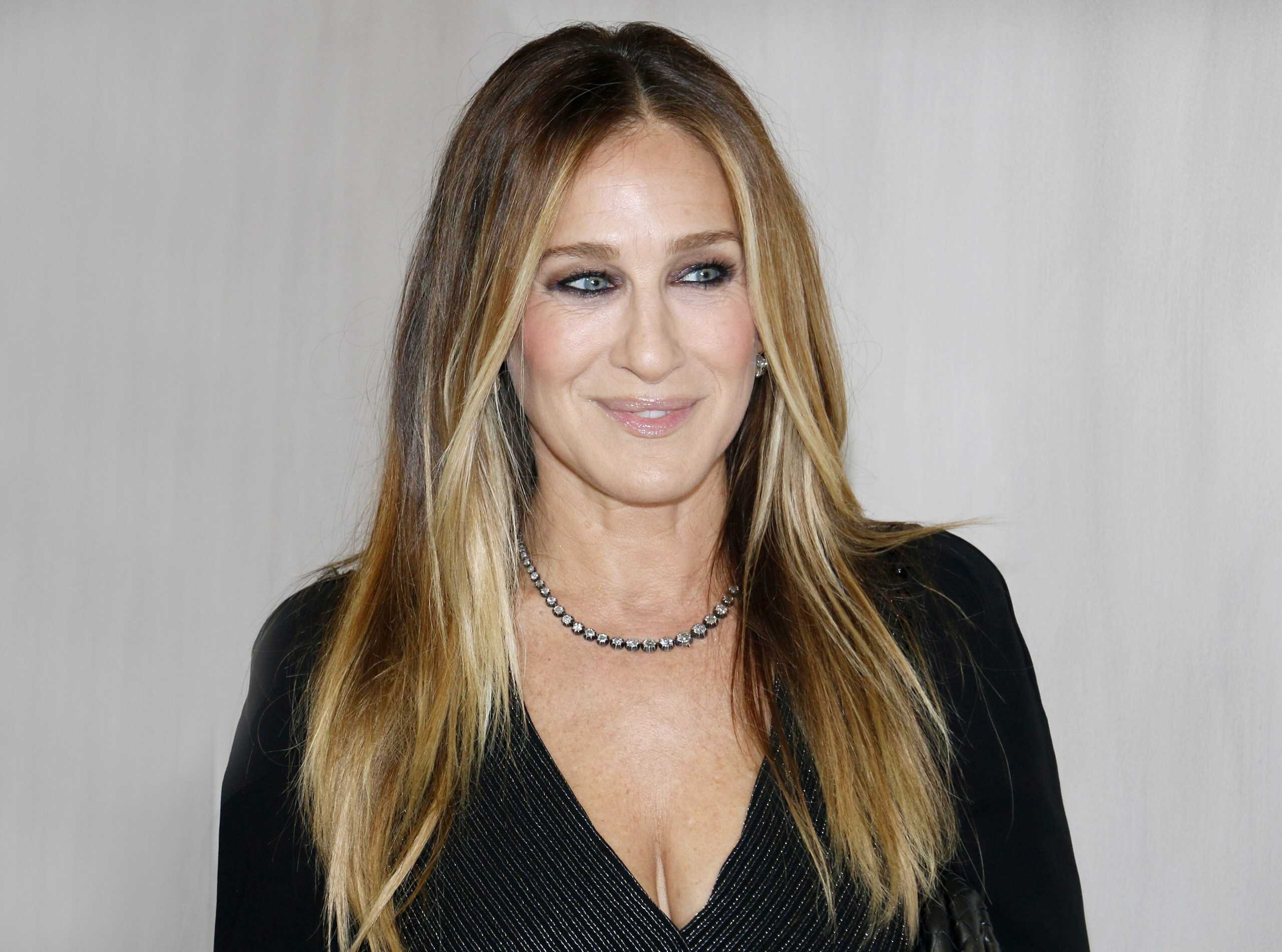
Carrie Bradshaw — “Sex and the City”
Carrie Bradshaw made a weekly television ritual out of discussing sex, dating, friendship, fashion, and the emotional logic people invent after making a terrible romantic decision. She was stylish, self-absorbed, funny, frustrating, and allowed to remain all four. The series helped move frank conversations about women's desire into mainstream television while turning Carrie's wardrobe into its own cultural industry. Her suspiciously luxurious Manhattan lifestyle also launched a completely separate tradition: calculating how many columns one would need to buy that many shoes.
- Played by: Sarah Jessica Parker
- Series premiere: June 6, 1998
- Cultural imprint: Made women's sex lives, friendships, and fashion central premium-TV subjects
Michael Scott — “The Office”
Michael Scott desperately wanted to be the world's best boss and regularly demonstrated why the mug was not an independently verified credential. Steve Carell transformed him from the harsher figure in the British original into a uniquely American mixture of vanity, loneliness, incompetence, and occasional decency. Michael helped define cringe comedy for a huge audience. Streaming later gave him a second cultural life as a nearly inexhaustible source of reaction GIFs, memes, quotes, and examples for human-resources training that should never be attempted.
- Played by: Steve Carell
- Series premiere: March 24, 2005
- Cultural imprint: Became the face of workplace cringe comedy and internet reaction culture
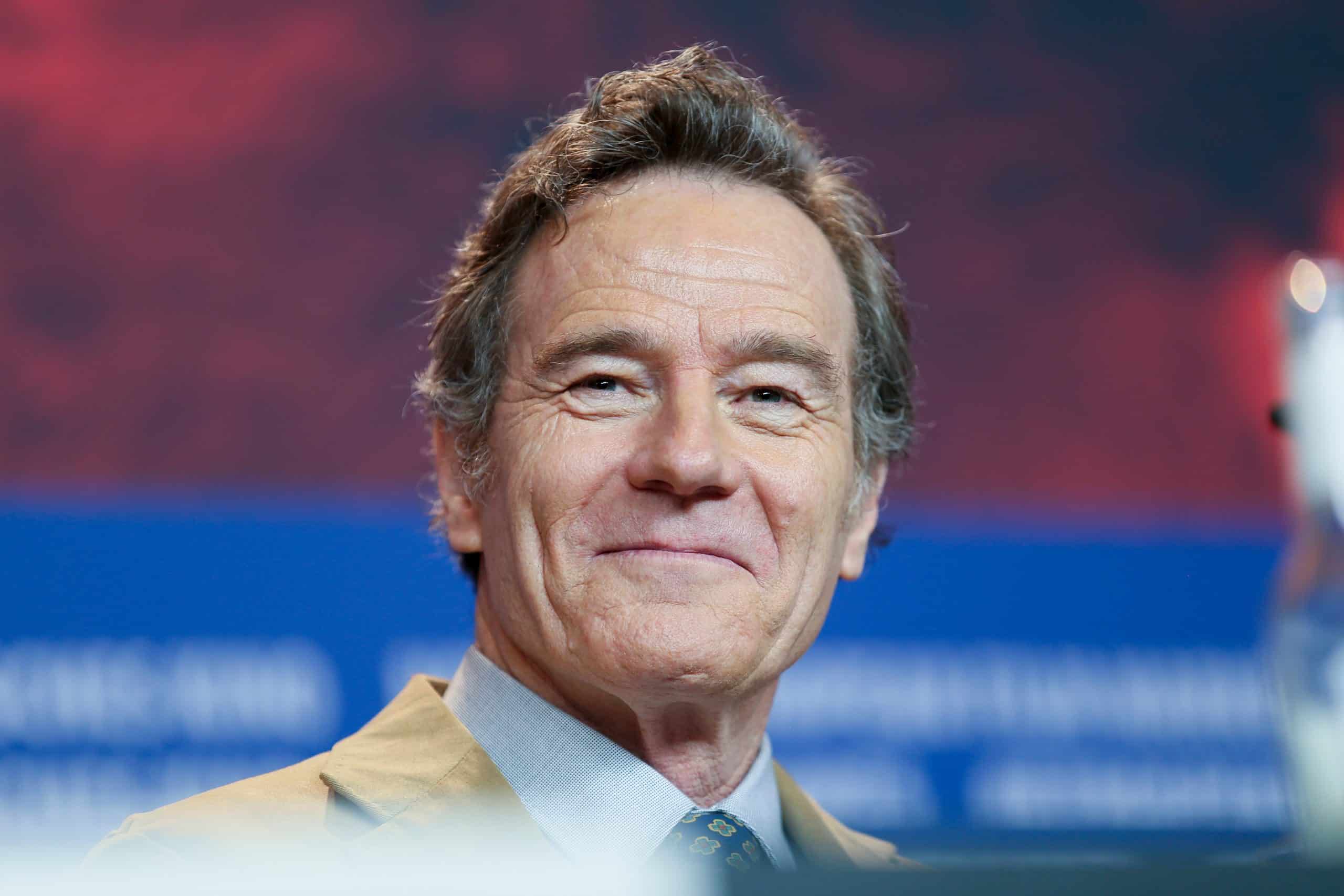
Walter White — “Breaking Bad”
Walter White initially began manufacturing methamphetamine after a lung-cancer diagnosis because he wanted to leave money for his family. Paying for treatment became part of the financial pressure, but the show repeatedly gave him alternatives that his pride rejected. That distinction is the character. Bryan Cranston took Walter from resentful chemistry teacher to violent drug kingpin while preserving the ego that connected both men. His transformation became one of prestige television's defining antihero arcs—and inspired years of viewers insisting they knew exactly when Walt became irredeemable.
- Played by: Bryan Cranston
- Series premiere: January 20, 2008
- Cultural imprint: Perfected the long-form transformation of a television antihero
Fiona Gallagher — “Shameless”
Fiona Gallagher was the oldest sister forced into the role of parent while the actual adults failed around her. Emmy Rossum played her as loving, resourceful, reckless, resentful, and exhausted—sometimes within the same episode. Fiona gave Shameless its emotional center for nine seasons before Rossum left and the series continued for two more. Her impact came from portraying poverty and parentification without turning either into a tidy inspirational lesson. Survival kept the family moving, but it also left damage that competence alone could not repair.
- Played by: Emmy Rossum
- Series premiere: January 9, 2011
- Cultural imprint: Put the emotional cost of poverty and parentification at the center of a family drama
Daenerys Targaryen — “Game of Thrones”
Daenerys Targaryen grew from a powerless exile into a dragon-riding ruler whose liberation campaign and claim to the Iron Throne made her one of television's defining fantasy figures. Her final turn remains fiercely disputed, but cultural impact is not in doubt. “Khaleesi” was one of her titles—not a nickname meaning Mother of Dragons—and viewers adopted it as a real-world baby name. Few character arcs have generated the same mixture of devotion, iconography, naming decisions, and post-finale arguments conducted as if national borders were at stake.
- Played by: Emilia Clarke
- Series premiere: April 17, 2011
- Cultural imprint: Turned a fantasy queen and her titles into mainstream iconography
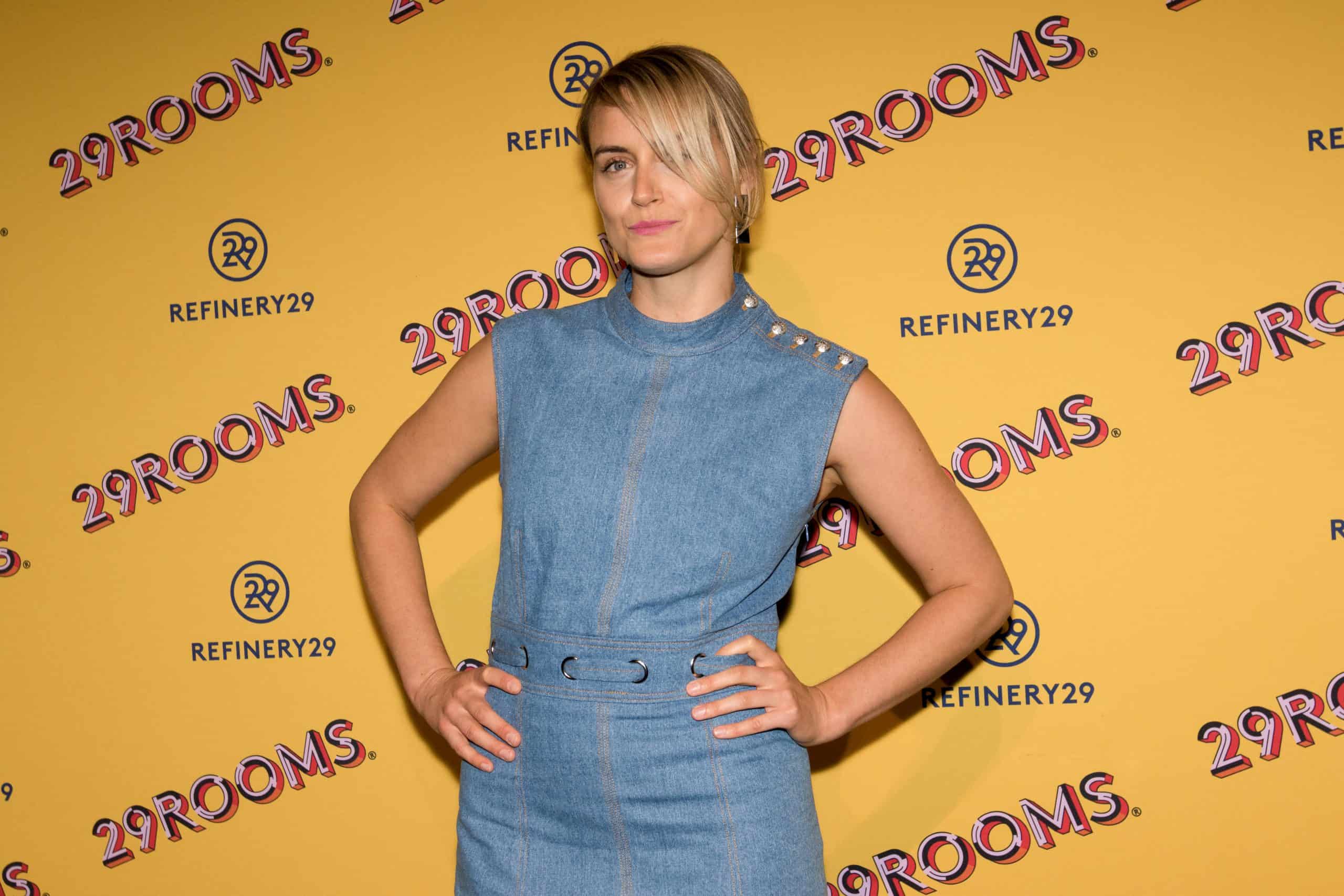
Piper Chapman — “Orange Is the New Black”
Piper Chapman was loosely based on memoirist Piper Kerman, but the Netflix character became a fictional gateway into a much larger ensemble. Piper's privileged confusion introduced viewers to Litchfield; then the series steadily expanded beyond her to center incarcerated women whom mainstream television had rarely treated with comparable depth. That evolution was the point, not evidence that Taylor Schilling failed to carry the show. Piper helped open the door for a diverse cast while Orange Is the New Black helped prove streaming dramas could become shared cultural events.
- Played by: Taylor Schilling
- Series premiere: July 11, 2013
- Cultural imprint: Served as the entry point to a landmark ensemble and an early streaming phenomenon