
Courtesy of Netflix

Courtesy of National Broadcasting Company

Courtesy of National Broadcasting Company (NBC)
Courtesy of National Broadcasting Company
Courtesy of 20th Century Fox Television
Courtesy of Fox Network

Courtesy of National Broadcasting Company (NBC)
Courtesy of 20th Television
Courtesy of Cartoon Network
alacoolb / BY-ND 2.0
Courtesy of CBS
Courtesy of ABC

courtesy of Paramount Network Television
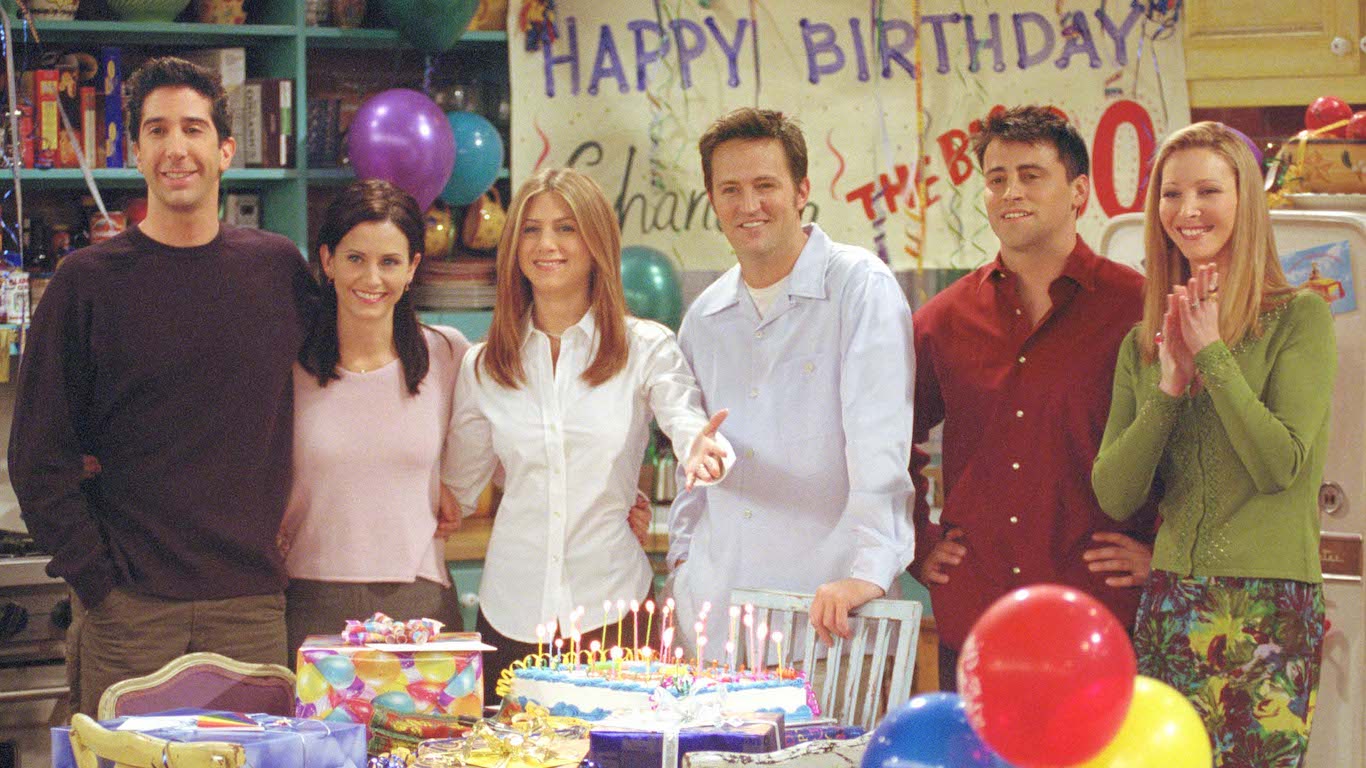
Photo by Warner Bros. Television

Courtesy of National Broadcasting Company (NBC)

Michael Ochs Archives / Michael Ochs Archives via Getty Images

Courtesy of Warner Bros.

Courtesy of CBS
Courtesy of NBC

Courtesy of Fox Network
Courtesy of FX Network












20 Sitcom Moments That Hit Very Differently on a Rewatch
Comedy changes with the times. Rewatch a sitcom from 10, 20, or 40 years ago and some jokes land very differently than they did when they first aired. Language shifts, stereotypes become harder to ignore, and in a few cases networks or streaming services have even removed or edited the material.
This gallery looks back at 20 sitcom moments, characters, and running jokes that have drawn criticism or simply feel different with hindsight. That doesn't mean every example was malicious or could never be made today. Some, including episodes of "Seinfeld," "The Fresh Prince of Bel-Air," and "All in the Family," were deliberately confronting prejudice in the first place.
Others, like scenes from "30 Rock" and "Scrubs," were later reconsidered by their own creators. Context matters, but so does the fact that comedy, audiences, and what gets a laugh have changed quite a bit.
Friends – 'The One with the Rumor' (2001)
Brad Pitt guest stars as Will Colbert, one of Monica and Ross's old high-school classmates, in this 2001 Thanksgiving episode. Will reveals that he and Ross once created the "I Hate Rachel Green Club" and spread a rumor that Rachel had both male and female reproductive anatomy. The episode repeatedly uses the word "hermaphrodite," a term now considered outdated and inappropriate when describing people with intersex traits. The storyline is really about Ross and Will behaving like spiteful teenagers, but several jokes depend on the other characters treating Rachel's supposed sex characteristics as something shocking, embarrassing, or worthy of scrutiny. That part of the episode reads much differently today.
The Office – 'Diversity Day' (2005)
"Diversity Day," the second episode of the American version of "The Office," aired on March 29, 2005. Corporate brings in diversity consultant Mr. Brown after Michael Scott performs an inappropriate imitation of a Chris Rock routine. Michael then decides he can teach diversity better himself, leading to an exercise in which employees are assigned racial and ethnic identities and encouraged to interact through stereotypes. Michael supplies plenty of offensive remarks and accents along the way. The important distinction is that the episode isn't really mocking workplace diversity. Michael's desperate belief that he understands race better than everyone else is the joke. That satirical target remains pretty clear, even if the language used to get there is deliberately uncomfortable.
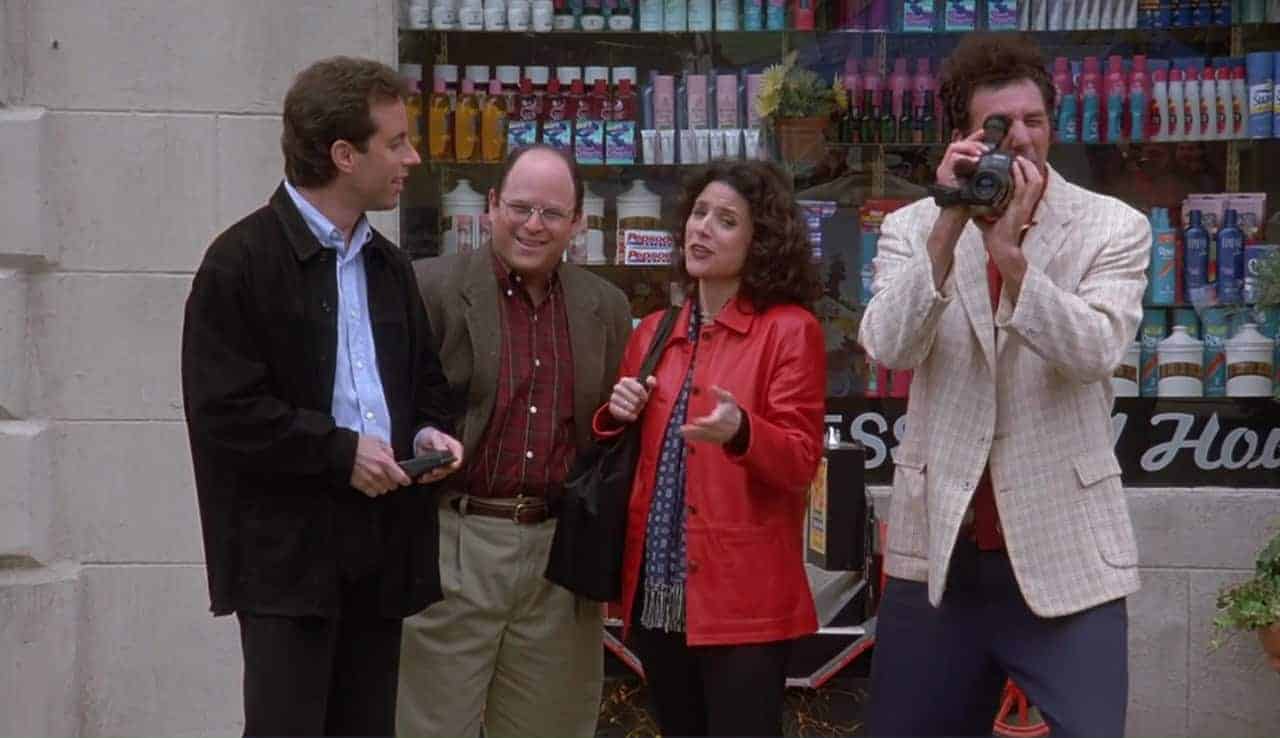
Seinfeld – 'The Outing' (1993)
A college reporter mistakenly concludes that Jerry and George are a couple after overhearing Elaine joking about them. Jerry and George spend much of the episode insisting they are straight while immediately adding the now-famous disclaimer, "Not that there's anything wrong with that." There is certainly humor built around their panic over being perceived as gay, which can feel dated. But the episode's history is more complicated than that. The writers were concerned that the premise could come across as homophobic, and the repeated disclaimer was added partly to address that problem. "The Outing," which aired in February 1993, ultimately won a GLAAD Media Award. It can look awkward through a modern lens while still being relatively forward-thinking for network television in 1993.
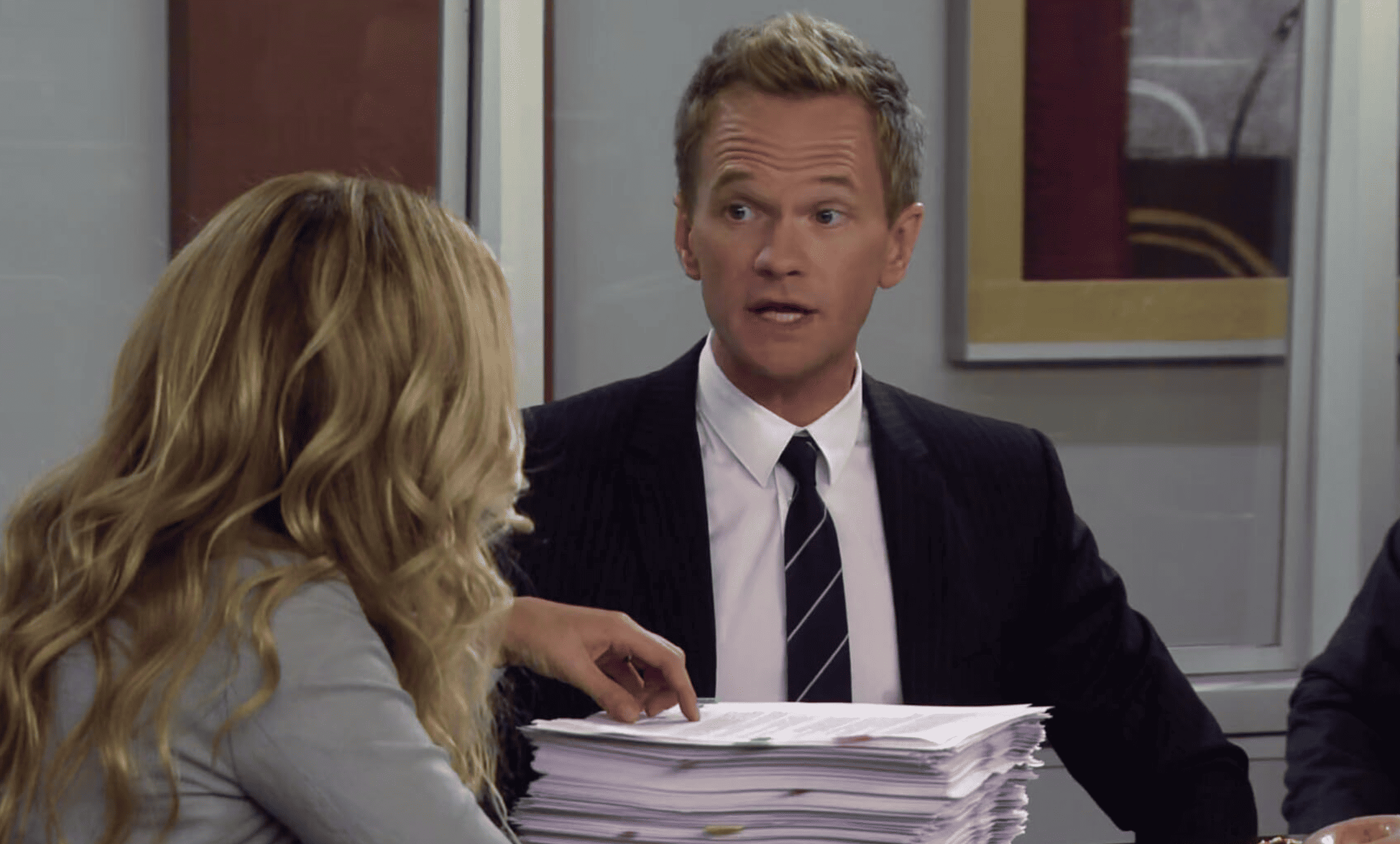
How I Met Your Mother – 'Slapsgiving 3: Slappointment in Slapmarra' (2014)
This one generated backlash almost immediately rather than waiting years to age poorly. In the January 2014 episode, Marshall tells a wildly elaborate story about learning the perfect slap from martial-arts masters. Several of the show's white actors appear in costumes, makeup, accents, and settings built from exaggerated East Asian stereotypes. Viewers responded with the hashtag #HowIMetYourRacism, criticizing the episode's use of yellowface imagery and kung-fu clichés. Co-creator Carter Bays publicly apologized a few days later, saying the writers had intended an affectionate tribute to kung-fu movies but had "fell short" and offended viewers. Unlike many entries here, the cultural criticism arrived while the episode was still brand new.
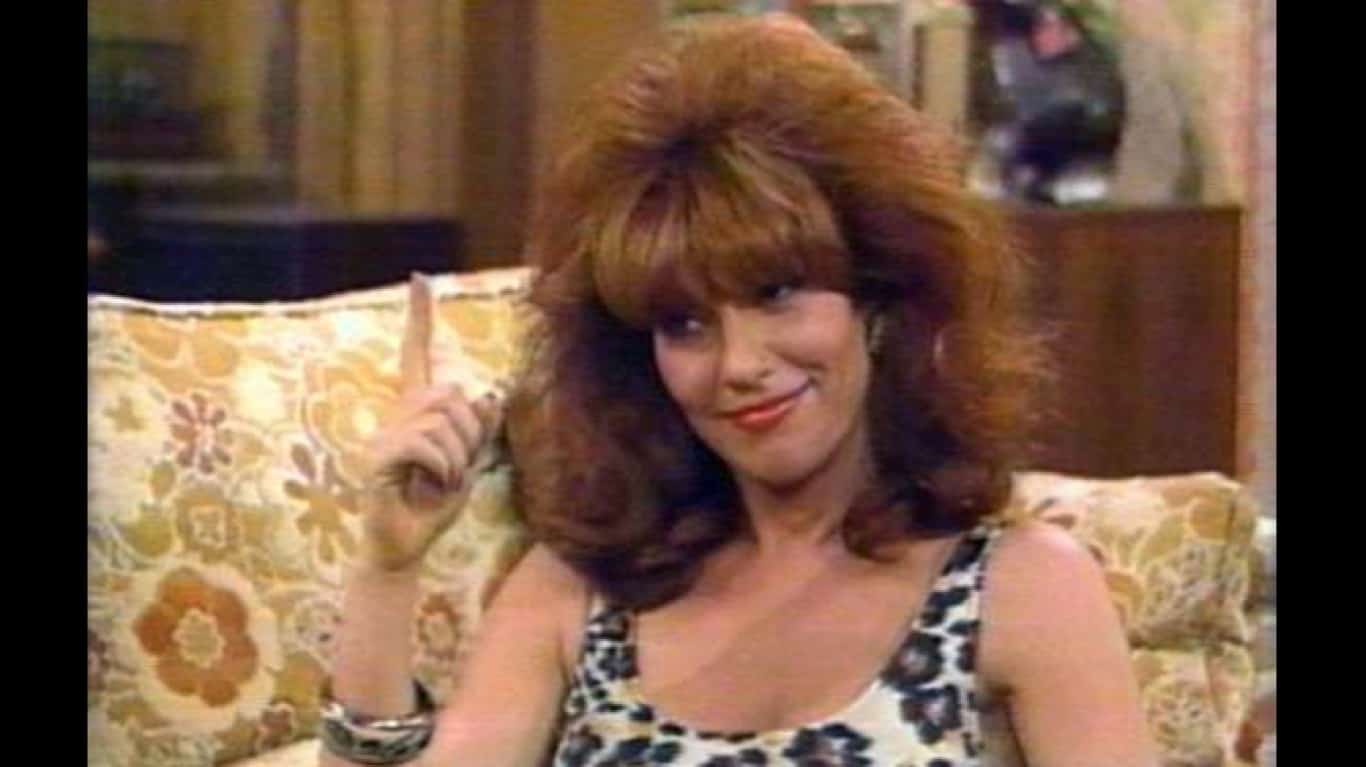
Married… with Children – 'Her Cups Runneth Over' (1989)
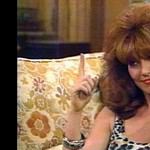
In "Her Cups Runneth Over," which aired January 15, 1989, Al and Steve travel to a lingerie store in Wisconsin in search of a discontinued bra that Peggy loves. What follows is exactly the sort of raunchy lingerie-store material "Married... with Children" built its reputation on, complete with sexualized women, crude comments, and Al Bundy's reliably juvenile view of the opposite sex. It is worth remembering that the show wasn't accidentally sexist. Al was intentionally written as a crude, frustrated, frequently unpleasant husband whose worldview fueled the comedy. Even so, a lot of the ogling and objectification that barely raised an eyebrow in late-1980s sitcom comedy stands out much more on a modern rewatch.
30 Rock – 'Believe in the Stars' (2008)
"Believe in the Stars" has Tracy and Jenna arguing over whether life is more difficult for a Black man or a white woman. Their solution is a ridiculous social experiment in which Jenna wears blackface and Tracy appears in white makeup while dressed as a woman. The show clearly intends the entire exercise to expose how absurd both characters are, but creator Tina Fey later concluded that satirical intent wasn't enough. In 2020, Fey, executive producer Robert Carlock, and NBCUniversal requested that this episode and three other "30 Rock" installments involving blackface be removed from streaming, digital sales, and television syndication. Fey also apologized for the pain caused by the material.
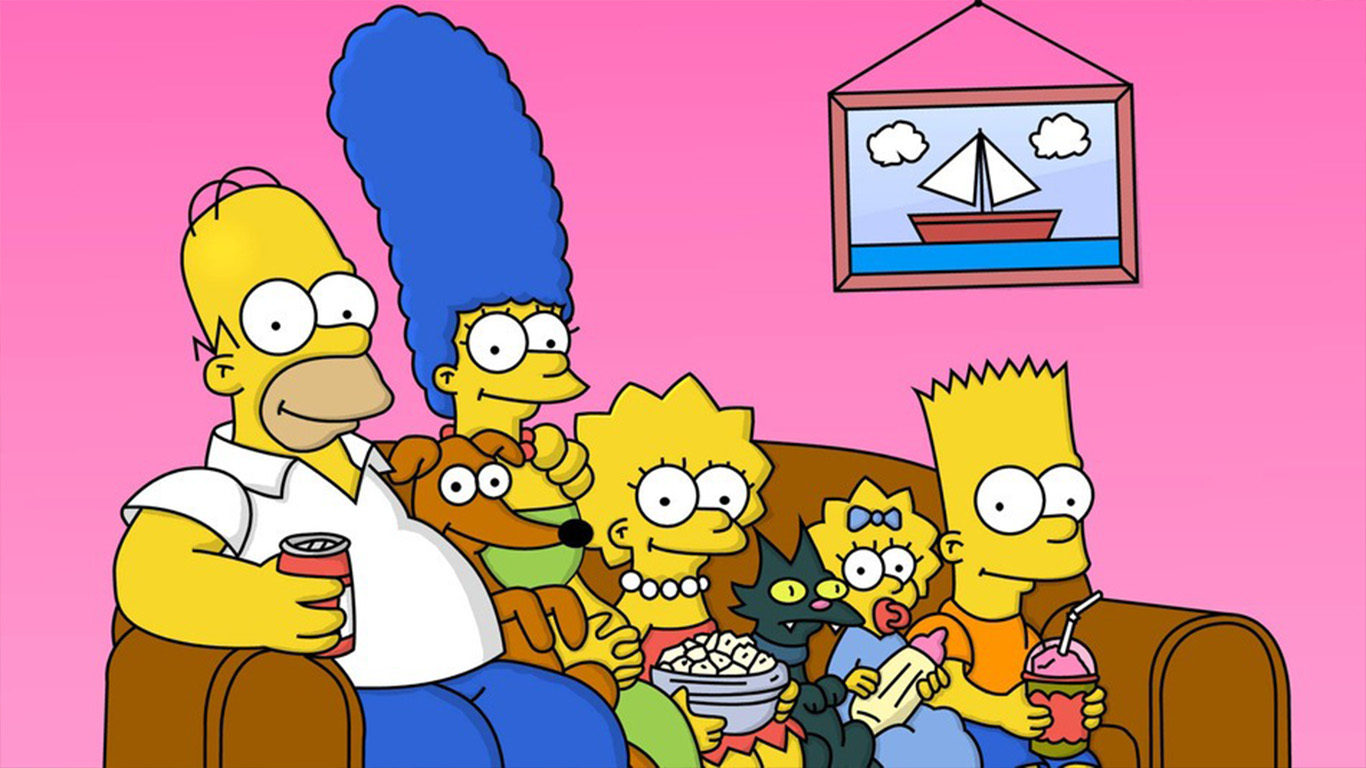
The Simpsons – Various episodes (1990s–2010s)
Apu Nahasapeemapetilon was a major Springfield supporting character for decades, voiced by Hank Azaria, a white actor. Criticism of the character grew considerably after comedian Hari Kondabolu examined Apu and the effect of South Asian stereotypes in the 2017 documentary "The Problem with Apu." The criticism focused not simply on Apu having an accent, but on how one of American television's most visible Indian characters was built around familiar jokes involving convenience stores, pronunciation, and immigrant stereotypes. Azaria announced in 2020 that he would no longer voice Apu and later publicly apologized for his role in the portrayal. The controversy became part of a much broader shift in animation away from white performers voicing characters of color.
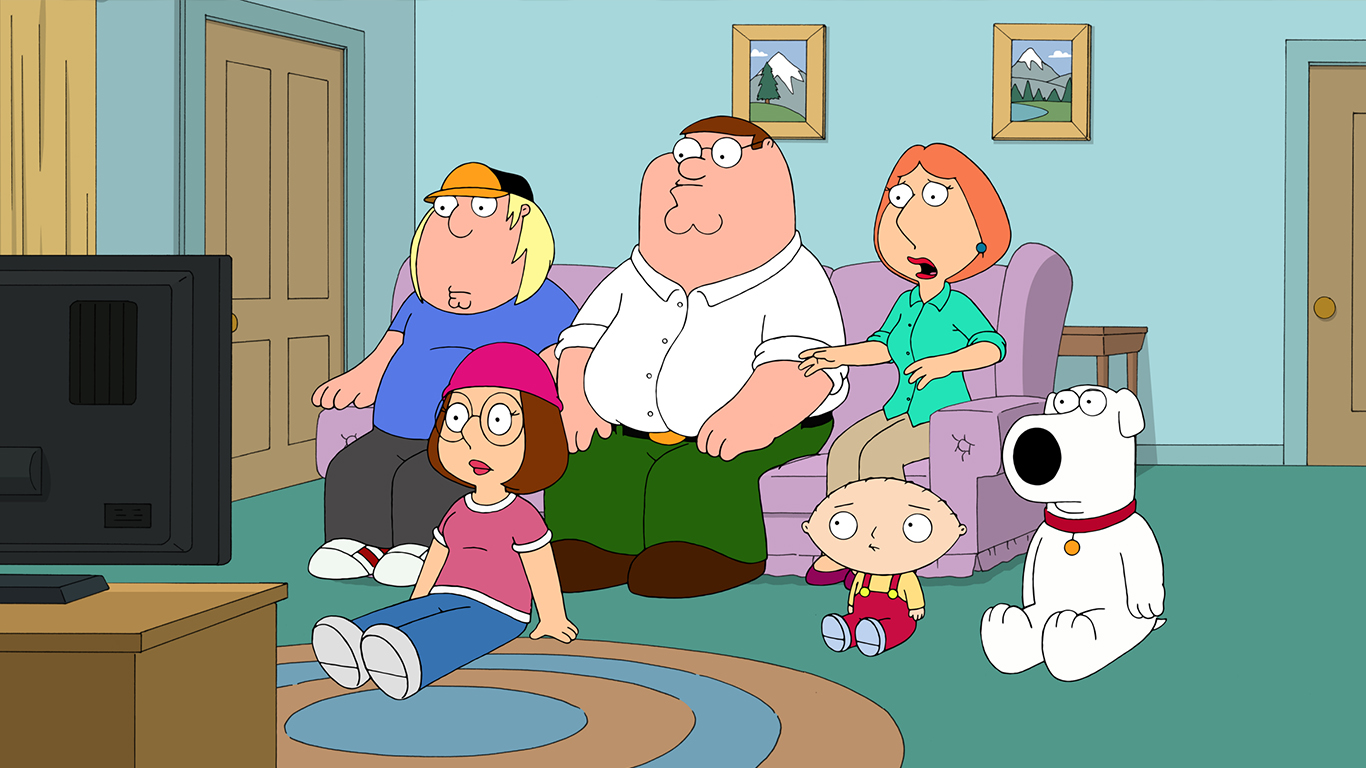
Family Guy – Various episodes (2000s)
"Family Guy" is a useful reminder of why saying certain comedy simply "couldn't air today" is usually too broad. The series premiered in 1999 and is still producing new episodes decades later. Shock humor has always been part of its identity, with storylines and cutaway gags touching race, religion, disability, sexuality, violence, and almost every other sensitive subject available. Plenty of individual jokes have been criticized over the years, but controversy is not something the show accidentally stumbled into. It is part of the format. Some older material unquestionably reads differently now, yet the continued existence of "Family Guy" shows that deliberately offensive comedy has not disappeared. The arguments around what counts as satire have simply become louder.
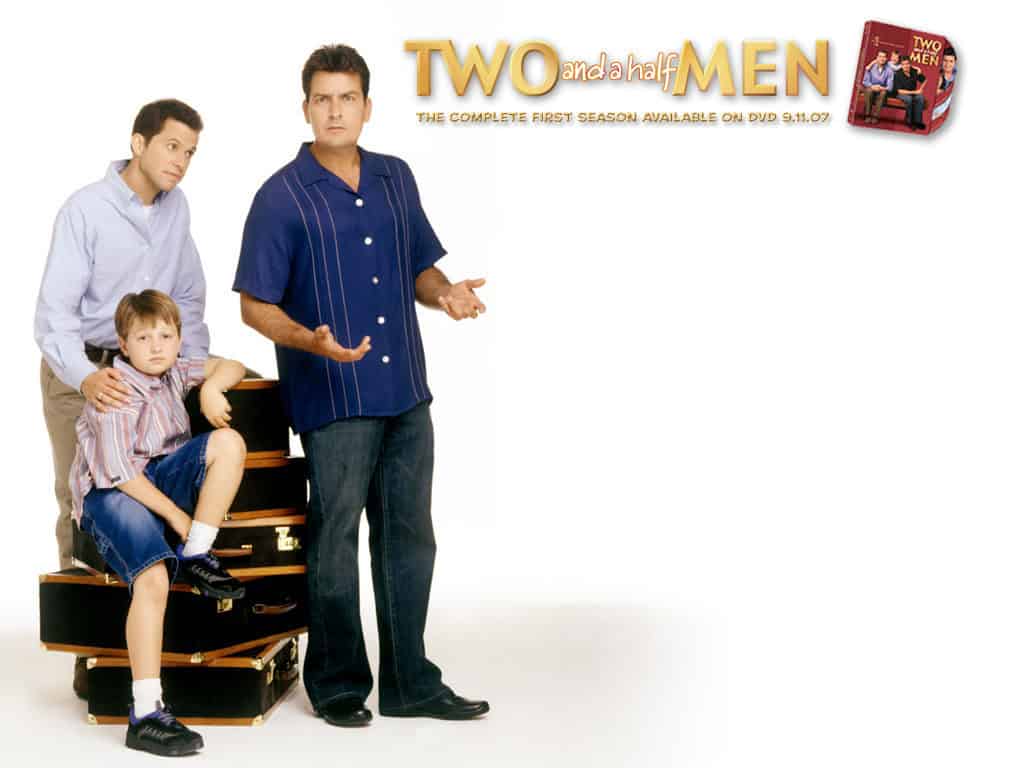
Two and a Half Men – Various episodes (2003–2011)
Charlie Harper was never subtle. CBS itself described Charlie Sheen's character as a womanizing bachelor with an "easy way with women," and his endless dating life supplied a huge portion of the show's early comedy. Women routinely came and went from Charlie's Malibu home, with his one-night stands, lies, drinking, and resistance to commitment treated as recurring punchlines. The show wasn't exactly presenting Charlie as a model boyfriend, and his brother Alan frequently served as a contrast to his lifestyle. Still, binge several early episodes today and the sheer number of jokes that treat women as interchangeable conquests becomes hard to miss. Charlie remained the show's central character until Sheen left the series in 2011.
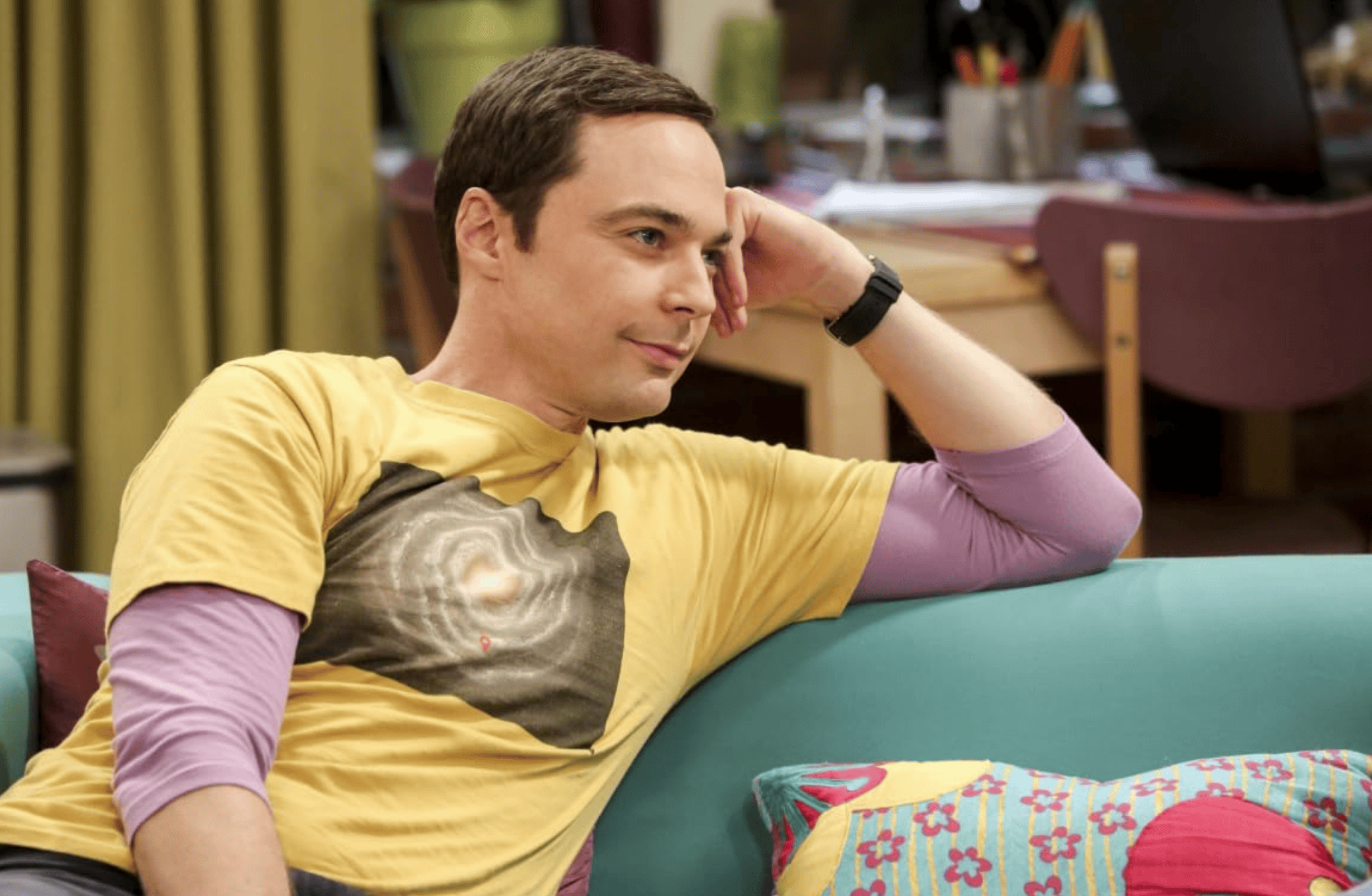
The Big Bang Theory – Various episodes (2007–2019)
One of the clearest examples from the early seasons involves Raj Koothrappali. Raj is unable to speak around women outside his family, a condition the series eventually identifies as selective mutism. The running gag is that alcohol temporarily removes the problem, meaning Raj repeatedly drinks, or sometimes merely believes he has been drinking, so he can talk to women. The storyline lasted through much of the first six seasons before Raj discovered he could speak to women without alcohol after a painful breakup. "The Big Bang Theory" was hardly endorsing alcoholism as treatment, but using a real anxiety-related condition and drinking as a recurring romantic punchline is the sort of setup that can feel considerably stranger on a modern binge-watch.
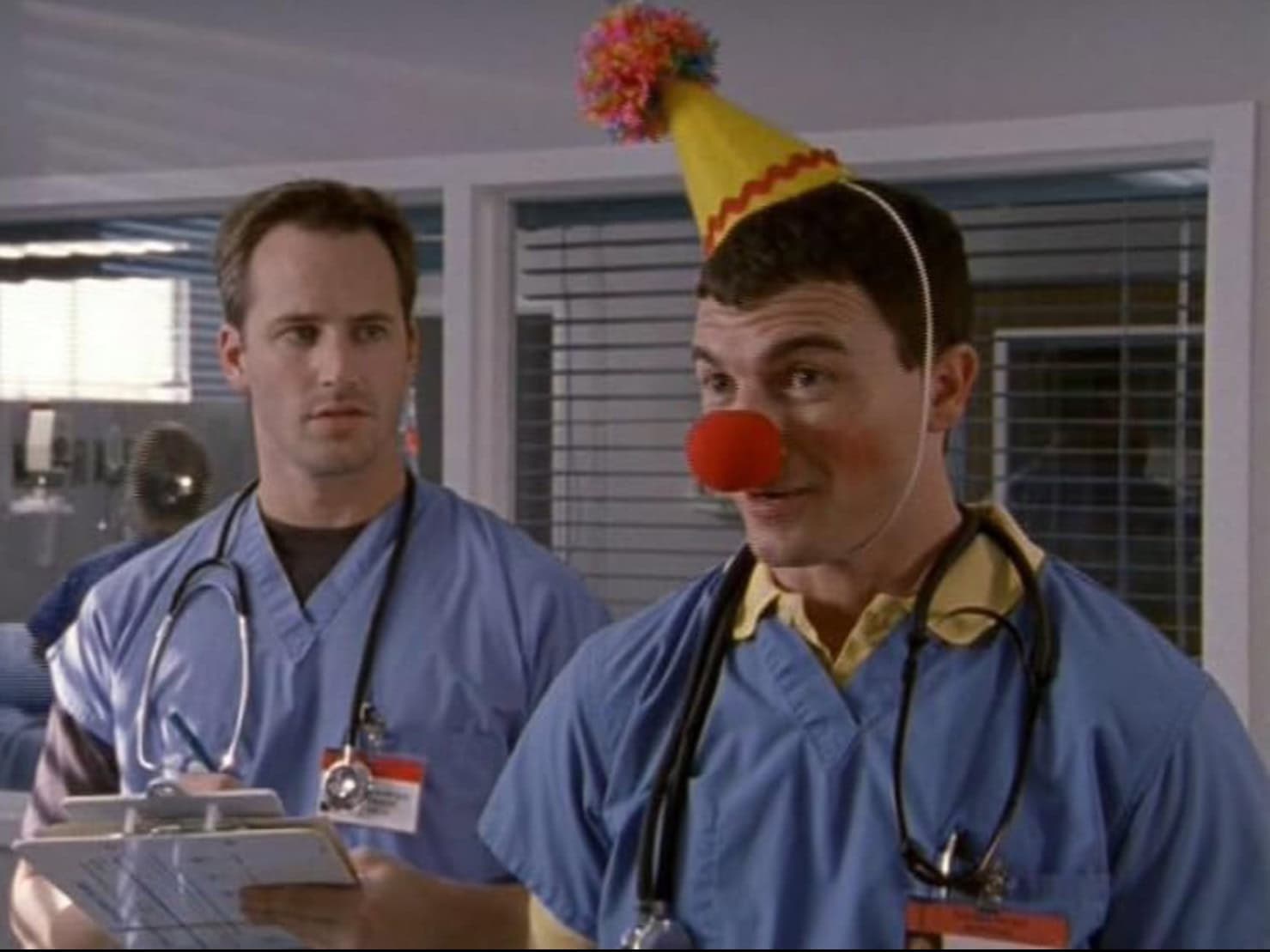
Scrubs – 'My Friend the Doctor' (2003)
In "My Friend the Doctor," which aired in December 2003, J.D. tries to imagine his best friend Turk in a romantic situation with Elliot. His fantasy instead substitutes J.D. for Turk, with Zach Braff appearing in blackface. It is a short fantasy gag, not the musical sequence sometimes attributed to the episode, but it was enough to prompt action years later. In June 2020, Hulu removed "My Friend the Doctor" along with "My Jiggly Ball" and "My Chopped Liver," two other episodes containing blackface scenes, at the request of series creator Bill Lawrence and ABC Studios. Later versions have circulated with the offending material cut rather than requiring the entire episode to disappear.
Cheers – Various episodes (1980s)
Sam Malone enters "Cheers" as a recovering alcoholic, former baseball player, bar owner, and unapologetic womanizer. His dating life is built into the character from the 1982 premiere onward, and much of his early chemistry with Diane comes from her openly mocking his habit of pursuing attractive women. The show is more self-aware about Sam than a simple "workplace harassment was funny then" description suggests. Diane, Rebecca, and other characters frequently call him out, reject him, or turn his confidence against him. Even so, the amount of flirting between a bar owner and his employees or customers, along with the way women are sometimes treated as a scorecard for Sam's ego, can land differently four decades later.
Friends – 'The One with Chandler’s Dad' (2001)
Kathleen Turner plays Chandler's estranged parent, a Las Vegas performer who appears onstage as Helena Handbasket. The series itself was never especially clear about the character's gender identity, repeatedly referring to Helena as Chandler's father and using male pronouns while building jokes around gender presentation and Chandler's embarrassment. That ambiguity is part of why retrospective descriptions of the character have varied. In 2022, "Friends" co-creator Marta Kauffman explicitly described the character as transgender and said it had been a mistake to use the wrong pronouns. Turner's performance has its warm moments, especially when Chandler finally reconnects with his parent, but much of the surrounding humor reflects how mainstream television handled transgender and gender-nonconforming characters at the time.
Will & Grace – Various episodes (1998–2006)
"Will & Grace" deserves a little more credit than simply calling its characters outdated stereotypes. When it premiered in 1998, having two gay male leads on a successful network sitcom was a major step for LGBTQ representation, and GLAAD has repeatedly recognized the show's importance. At the same time, Jack McFarland was intentionally written as extremely flamboyant, theatrical, promiscuous, and obsessed with gay pop culture, traits that have also made him a frequent example in discussions of gay stereotypes on television. Those two things can be true at once. Jack could be broad and exaggerated while the show itself helped normalize gay characters for millions of viewers who had rarely, if ever, seen openly gay leads in a mainstream sitcom.
The Fresh Prince of Bel-Air – 'Mistaken Identity' (1990)
This one doesn't really belong in the "they didn't know better back then" category. "Mistaken Identity," which aired October 15, 1990, deliberately confronts racial profiling. Will and Carlton are driving a Mercedes belonging to a family acquaintance when police stop them, assume the car is stolen, and arrest them. Carlton initially insists the officers were simply doing their jobs, while Will argues that they were stopped because they were two Black teenagers in an expensive car. The final exchange drives the point home when Uncle Phil reveals that he, too, has been stopped by police. The episode uses comedy around a serious subject, but it does not dismiss racial profiling. If anything, its message has remained uncomfortably relevant.
Entourage – Various episodes (2004–2011)
"Entourage" was criticized for its treatment of women and gay characters even while it was still on the air, and those arguments have only grown louder with time. Vincent Chase and his friends move through a version of Hollywood where beautiful women often appear briefly as dates or sexual conquests, while agent Ari Gold regularly directs homophobic insults at his gay assistant, Lloyd. The show does give Lloyd more agency as it progresses, and its defenders have long argued that the characters' behavior is part of a satire of Hollywood excess. Critics have been less convinced, particularly about the way women are treated as scenery. The series remains a very specific snapshot of mid-2000s bro culture, for better and for worse.
All in the Family – Various episodes (1970s)
Archie Bunker says things throughout "All in the Family" that would be startling on network television in any era, including racist, sexist, xenophobic, and homophobic slurs. But Archie was not created as the show's moral authority. Norman Lear built the series around a bigoted working-class patriarch struggling with a changing America, and Archie was repeatedly challenged by his family and neighbors. The very first episode in 1971 even carried a disclaimer explaining that the series hoped to expose the absurdity of prejudice through humor. That approach was controversial then and remains complicated now, particularly because some viewers embraced Archie instead of recognizing the satire. The language has aged harshly, but describing the show as simply endorsing Archie's views misses what Lear was trying to do.
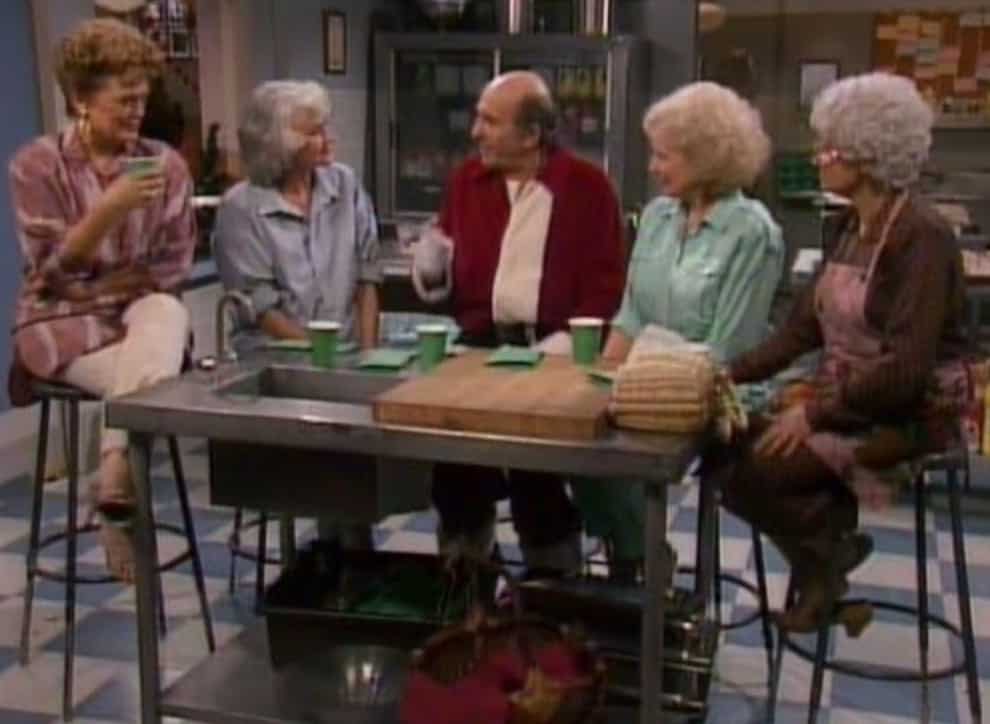
The Golden Girls – 'Mixed Blessings' (1988)
"Mixed Blessings" is more complicated than an episode that simply avoids talking about race. Dorothy's 23-year-old son Michael plans to marry Lorraine, a 44-year-old Black woman. Dorothy objects to their age difference, while Lorraine's mother and aunts object because Michael is white. The families eventually come around after learning that Michael and Lorraine have eloped and that Lorraine is pregnant. The part that caused trouble decades later comes from a separate subplot. Rose and Blanche walk into the room wearing dark mud facial masks and immediately explain that they are not in blackface. Hulu removed the 1988 episode in 2020 amid a broader wave of blackface-related removals, although the episode was later restored to the service.
Arrested Development – Various episodes (2003–2019)
"Arrested Development" was designed to make its characters spectacularly inappropriate, so uncomfortable subjects show up constantly. One of the longest-running jokes is George Michael's attraction to his cousin Maeby, a gag that begins in the pilot and continues across multiple seasons. NPR's detailed guide to the series tracked variations on the incest joke through 19 episodes during the first four seasons alone. Another storyline that lands differently today involves Charlize Theron's Rita in Season 3. Her intellectual disability becomes the punchline of an extended reveal, complete with language about disability that was already crude and has aged even worse. The show's absurdity gives these plots context, but context doesn't make every joke timeless.
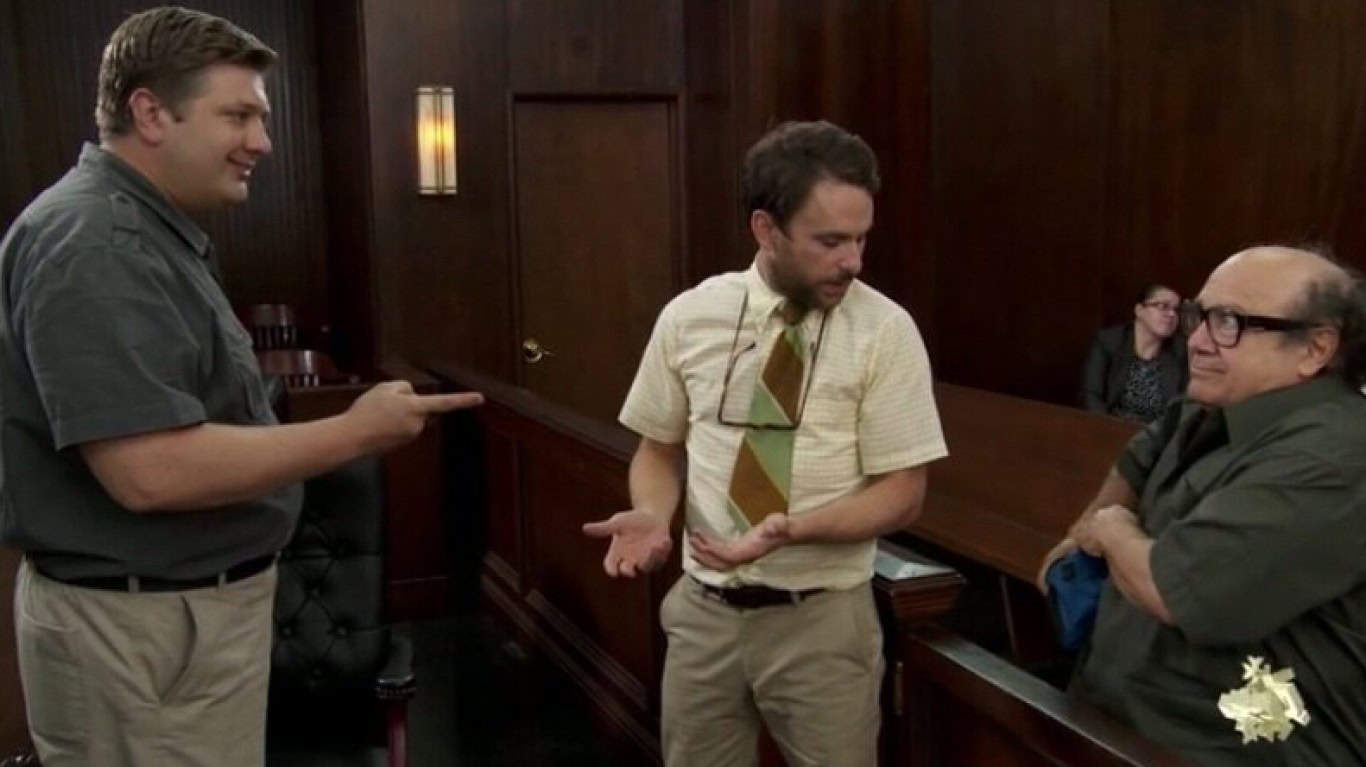
It’s Always Sunny in Philadelphia – 'Dee Reynolds: Shaping America’s Youth' (2010)
This episode actually aired in 2010, not 2008, and the blackface sequence is part of the gang's homemade action movie "Lethal Weapon 5." Mac plays Roger Murtaugh while wearing blackface, and Dee later screens the movie for high-school students while working as a substitute teacher. As with most of "It's Always Sunny," the characters are intentionally terrible people, and the show's satire depends on the audience understanding that their behavior is wrong. Streaming companies still drew a line here. In 2020, this episode and several other installments involving blackface were removed from major streaming libraries. The series itself continued, proving once again that edgy comedy did not disappear, even if particular jokes became harder for distributors to defend.