Artistic Rendition by Andrew Clemente

Getty Images / Hulton Archive via Getty Images

Courtesy of New Line Cinema
Courtesy of American Broadcasting Company (ABC)
Courtesy of Warner Bros.
Artistic Rendition by Andrew Clemente
Courtesy of Home Box Office (HBO)

TristanReville / BY-ND 2.0
Courtesy of ABC

Courtesy of Disney Channel
Amanda Edwards / Stringer / Getty Images
Courtesy of Hanna-Barbera Productions

Courtesy of National Educational Television (NET)

American Broadcasting Company (ABC)
Courtesy of CBS
Hulton Archive / Getty Images
Courtesy of CBS

Courtesy of Paramount Television
Courtesy of 20th Television

Courtesy of Carsey-Werner Distribution

Courtesy of American Broadcasting Company (ABC)
Courtesy of Nickelodeon Network








17 TV Theme Songs You’d Never Hit “Skip Intro” On
Streaming isn't just an alternative to traditional TV anymore. In May 2025, it accounted for 44.8% of all television usage measured by Nielsen, edging past broadcast and cable combined for the first time. Nielsen also reported that streaming usage had increased 71% compared with May 2021.
That shift has changed more than where we watch TV. It has also changed how we watch it. When you're binging a series, moving from one episode to the next takes seconds, and most major streaming services make it easy to skip the opening credits altogether. Convenient? Absolutely. Great news for the art of the TV theme song? Not exactly.
Shorter intros aren't unique to television. A 2017 analysis cited by Hypebot found that instrumental introductions in popular songs had fallen to about 5 seconds, compared with more than 20 seconds in the mid-1980s. That research looked at popular music rather than TV themes, but the trend is familiar. Modern audiences have gotten very good at getting to the good part quickly.
Still, some television themes are basically inseparable from the shows they introduced. Hear the first few notes and you already know what's coming, whether it's six friends dancing around a fountain, a suburban family packed into a station wagon, or a certain yellow sponge living under the sea. These are the TV theme songs that remain instantly recognizable even in the age of the "Skip Intro" button.
For these theme songs, 24/7 Tempo reviewed music credits, television references, official artist and show materials, and entertainment sources to identify memorable TV themes spanning several generations.
"I’ll Be There for You"
- TV Show: "Friends"
- Performer: The Rembrandts
It takes about two seconds and a few handclaps to know exactly where this one is going. "I'll Be There for You" arrived with "Friends" when the sitcom premiered in 1994 and quickly became as recognizable as Ross, Rachel, Monica, Chandler, Joey, and Phoebe themselves. Michael Skloff and Allee Willis helped develop the original theme with series creators David Crane and Marta Kauffman, while Rembrandts members Danny Wilde and Phil Solem also received writing credits on the full recording. The TV theme eventually became a full-length song and a hit for The Rembrandts, proving that sometimes the intro is too catchy to stay inside the opening credits.
"Sex and the City Theme"
- TV Show: "Sex and the City"
- Composer: Douglas J. Cuomo
"Sex and the City" didn't need lyrics to announce that Carrie Bradshaw and company had arrived. Composer Douglas J. Cuomo created the instrumental main-title theme for the HBO series, which ran from 1998 to 2004. The playful, percussion-heavy music accompanied one of the era's most recognizable opening sequences, with Sarah Jessica Parker's Carrie strutting through Manhattan before getting splashed by a passing bus carrying an advertisement featuring her own face. It was stylish, slightly ridiculous, and completely in step with the show. More than two decades later, that opening music can still bring New York in the late 1990s rushing back in a hurry.
"Meet the Flintstones"
- TV Show: "The Flintstones"
- Writers: Hoyt Curtin, Joseph Barbera and William Hanna
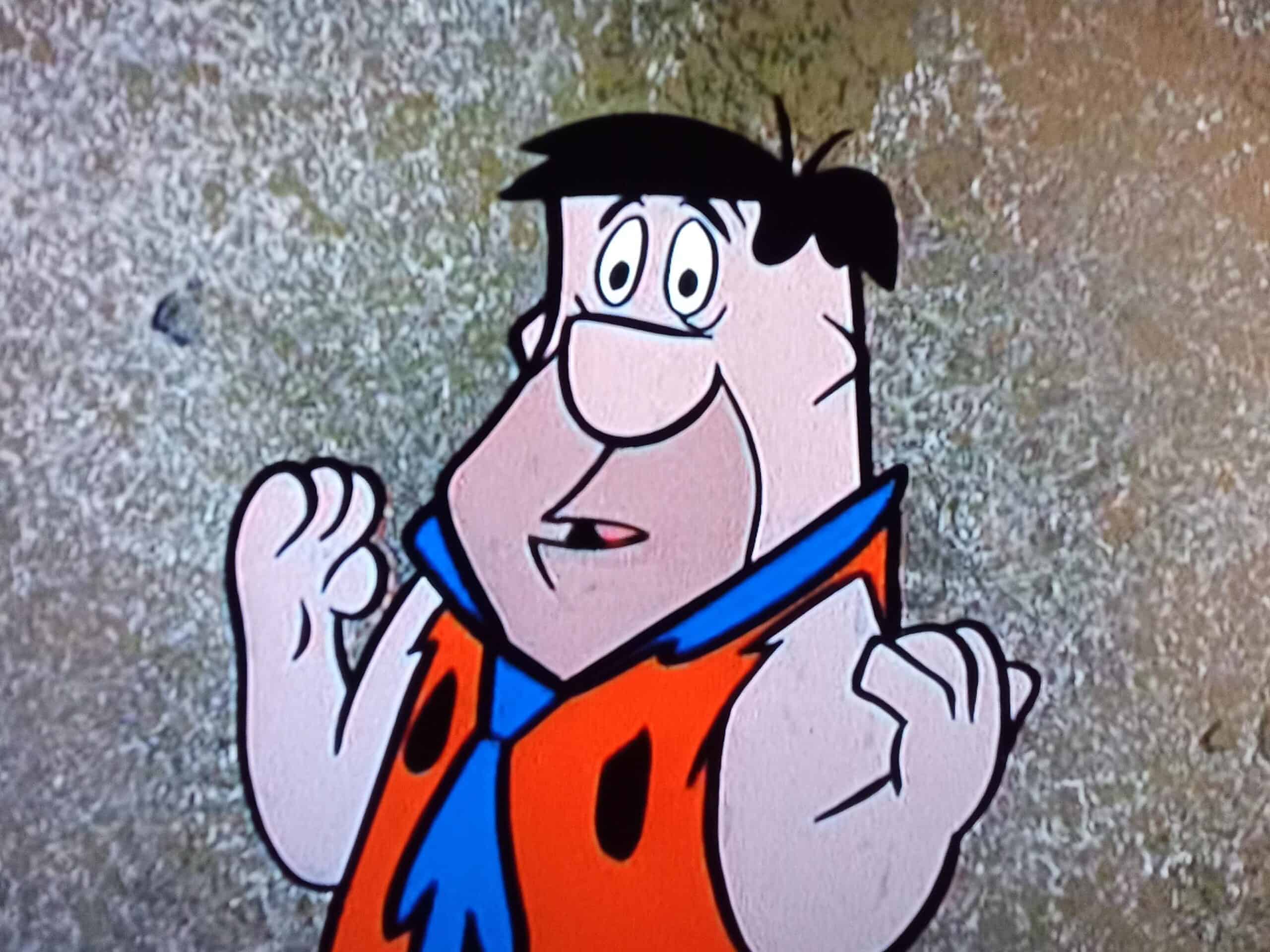
Here's a fun wrinkle: "Meet the Flintstones" wasn't actually the show's original opening theme. During the first two seasons of "The Flintstones," viewers heard an instrumental called "Rise and Shine." The song everyone now associates with Fred, Wilma, Barney, and Betty became the opening and closing theme during Season 3. The familiar version was recorded with a 22-piece big band conducted by Hoyt Curtin and vocals from the Randy Van Horne Singers. Syndication helped cement it as the definitive "Flintstones" theme by pairing it with episodes from the earlier seasons as well. Eventually, the newer theme basically rewrote our memory of how the series had always sounded.
"It's Cartoon Gold"
- TV Show: "The Bugs Bunny/Road Runner Show"
- Music and lyrics: Steve Zuckerman and John Klawitter
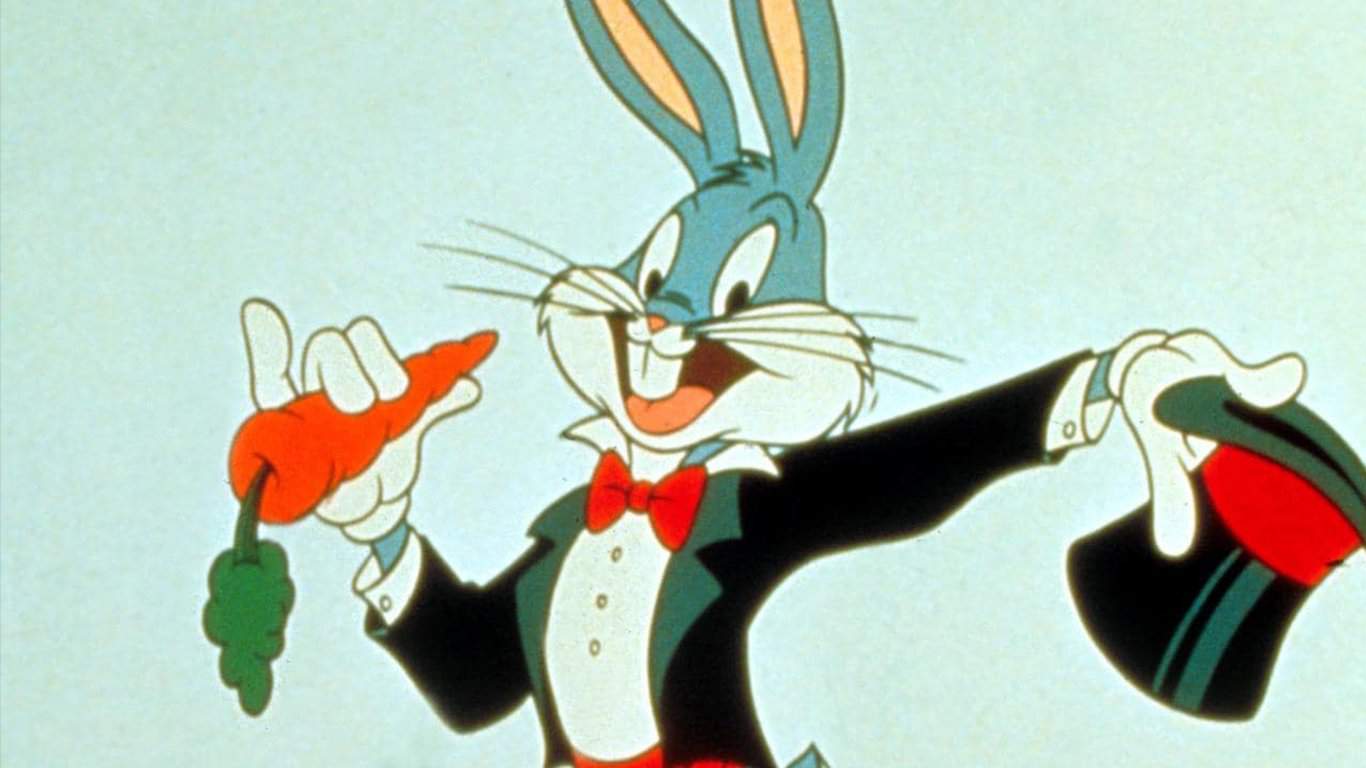
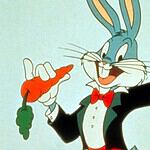
"It's Cartoon Gold" had a surprisingly short run for a theme remembered by so many Saturday-morning cartoon fans. Steve Zuckerman composed the music and John Klawitter wrote the lyrics for the revamped opening used during the 1984-85 season of "The Bugs Bunny/Road Runner Show" on CBS. It replaced the long-running "This Is It" opening and raced through a roll call of familiar Looney Tunes characters, including Bugs, Daffy, Porky, Tweety, Sylvester, and the Road Runner. The experiment lasted only one season before the franchise changed networks and formats again. Apparently one season was enough to lodge the thing permanently in a lot of people's heads.
"Woke Up This Morning"
- TV Show: "The Sopranos"
- Performer: Alabama 3
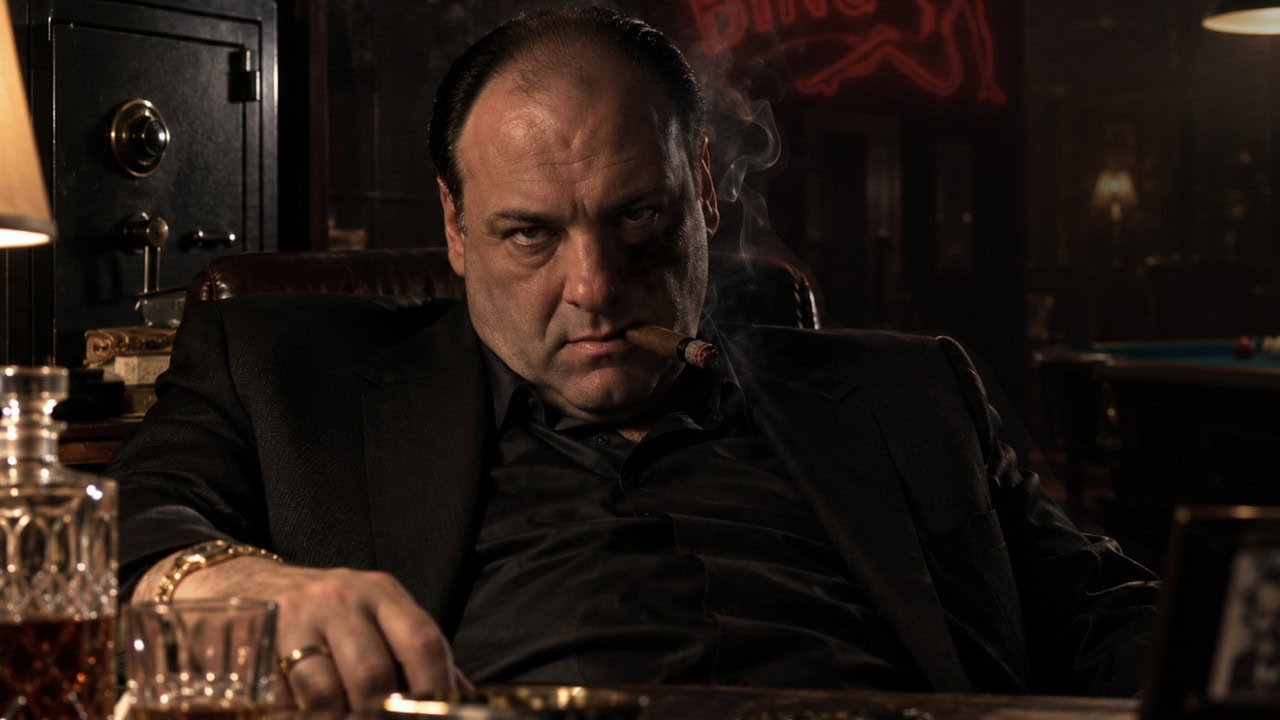
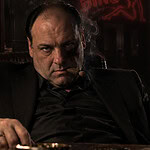
Few opening songs establish a show's entire attitude as quickly as "Woke Up This Morning." HBO's "The Sopranos" used the Chosen One Mix of the Alabama 3 song while Tony Soprano drove through New Jersey on his way home, turning a track released before the series into one of television's most recognizable themes. Creator David Chase later recalled hearing the song on Los Angeles radio station KCRW and keeping it in mind. When the opening sequence was being finalized, several songs were tested against it, but Alabama 3's recording won out. After six seasons of Tony's commute, that opening bass line became almost impossible to separate from the show itself.
"Game of Thrones Main Title"
- TV Show: "Game of Thrones"
- Composer: Ramin Djawadi
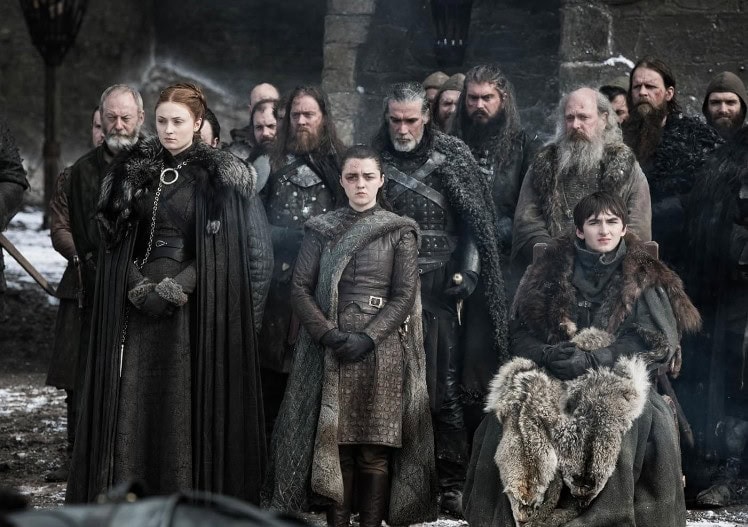
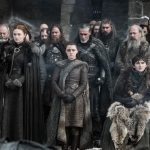
Ramin Djawadi's "Game of Thrones" theme somehow made watching a map for nearly two minutes feel like an event. Djawadi composed the piece after seeing an early version of the show's elaborate title sequence, which travels across a mechanical map of Westeros and changes depending on the locations featured in an episode. He later told the Television Academy that the producers wanted the music to convey a sense of journey as characters traveled, separated, and crossed paths. The cello became the theme's defining voice, giving it a heavier sound than the flutes and other instruments often associated with fantasy. By the end of the show's run, those opening notes were recognizable long before the Iron Throne ever appeared onscreen.
"Knight Rider Theme"
- TV Show: "Knight Rider"
- Composers: Stu Phillips and Glen A. Larson
That pulsing electronic beat and KITT's red scanner are basically joined at the hip. Stu Phillips and "Knight Rider" creator Glen A. Larson composed the theme for the NBC series, which debuted in 1982 with David Hasselhoff as Michael Knight and a heavily modified Pontiac Trans Am as his artificially intelligent partner, KITT. Phillips later described the theme as an early experiment in building a television main title largely around multiple synthesizers, with drums, Fender bass, and guitar added to the mix. Larson also said part of the melody drew inspiration from Léo Delibes' ballet "Sylvia." The result sounded futuristic in 1982 and, somehow, still makes you want to stare dramatically at a black Trans Am today.
“With a Little Help From My Friends”
- TV Show: "The Wonder Years"
- Performer: Joe Cocker
"The Wonder Years" didn't commission a brand-new song for its opening. Instead, it borrowed Joe Cocker's unmistakable cover of the Beatles' "With a Little Help From My Friends," written by John Lennon and Paul McCartney. Cocker had already transformed the song into something very different from the Beatles recording, and his version became even more famous after his performance at Woodstock in 1969. When "The Wonder Years" debuted in 1988, the recording fit perfectly with a series looking back at adolescence in the late 1960s and early 1970s. The grainy home-movie-style opening and Cocker's voice made nostalgia part of the show before an episode even started.
"Today Is Gonna Be a Great Day"
- TV Show: "Phineas and Ferb"
- Performer: Bowling for Soup
"Phineas and Ferb" wastes no time explaining its entire premise. Bowling for Soup performs the fast-moving theme, which lays out the brothers' determination to squeeze as much absurd adventure as possible into summer vacation. Creators Dan Povenmire and Jeff "Swampy" Marsh were among the writers behind the song, along with Bowling for Soup frontman Jaret Reddick and others. The theme earned an Emmy nomination for Outstanding Original Main Title Theme Music in 2008. Its shelf life has been unusually long, too. When Disney revived "Phineas and Ferb" in 2025, Bowling for Soup was still part of the show's musical identity, recording a new version of the theme for the return.
"Think!"
- TV Show: "Jeopardy!"
- Composer: Merv Griffin
You don't even need to watch "Jeopardy!" to know what this music means. "Think!" was composed by series creator Merv Griffin and originally began as a lullaby for his son Tony. On "Jeopardy!," the tune became the soundtrack to the 30-second period when contestants write their Final Jeopardy responses. When the syndicated version of the game show debuted in 1984, an arrangement of "Think!" also became the basis for the show's main theme. It has since escaped television entirely. Play it while somebody is struggling to answer a question, finish a task, or remember where they left their keys, and almost everyone understands the joke immediately.
"Scooby-Doo, Where Are You?"
- TV Show: "Scooby-Doo, Where Are You?"
- Writers: David Mook and Ben Raleigh
The original "Scooby-Doo, Where Are You?" theme was written by David Mook and Ben Raleigh for the Hanna-Barbera series that debuted in 1969. Larry Marks performed the opening during the first season, while George A. Robertson Jr. sang a rerecorded version during the second. That distinction gets lost surprisingly often because the song has been covered, reused, and reworked throughout the franchise's long life. The formula itself was perfect from the start: creepy atmosphere, an instantly memorable title, and just enough urgency to make you feel like Fred, Daphne, Velma, Shaggy, and Scooby already had another mystery waiting around the corner.
"Can You Tell Me How to Get to Sesame Street?"
- TV Show: "Sesame Street"
- Music and lyrics: Joe Raposo, Jon Stone, and Bruce Hart
Few TV themes have been heard by as many generations of children as the opening to "Sesame Street." Composer Joe Raposo wrote the music, while Raposo, Jon Stone, and Bruce Hart are credited with the lyrics. The theme has been rearranged and rerecorded many times since "Sesame Street" debuted in 1969, reflecting different eras without abandoning the melody at its core. That longevity matters. Parents and even grandparents who watched Big Bird, Oscar, Bert, Ernie, and the rest of the neighborhood as children can still recognize the song almost immediately when a new generation hears it. More than half a century later, the route to Sesame Street remains pretty hard to forget.
"The Addams Family Theme"
- TV Show: "The Addams Family"
- Writer: Vic Mizzy
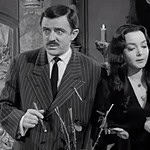
Vic Mizzy wrote and arranged the theme for the original "Addams Family" television series, which debuted in 1964. The harpsichord, bass clarinet, and perfectly timed finger snaps gave the opening a sound unlike just about anything else on television. Mizzy also performed the main vocal, while Ted Cassidy contributed brief responses in the unmistakable voice of Lurch. The snapping became so central to the song that you hardly need the rest of the arrangement to identify it. Plenty of television themes are memorable. Far fewer can get an entire room of people to start snapping their fingers on cue nearly 60 years after the original show left the air.
"The Twilight Zone Theme"
- TV Show: "The Twilight Zone"
- Composer: Marius Constant
Here's another famous theme that wasn't there from the beginning. "The Twilight Zone" premiered in 1959 with opening music composed by Bernard Herrmann. The eerie theme most people know today arrived with the second season in 1960 and came from music by French composer Marius Constant. CBS combined portions of two Constant pieces to create the now-famous opening. Paired with Rod Serling's narration and the surreal title sequence, those strange repeating notes became musical shorthand for anything unsettling, unexplained, or slightly outside reality. You can parody the sound for only a few seconds and everyone understands exactly what you're suggesting. That's a pretty impressive afterlife for a television cue.
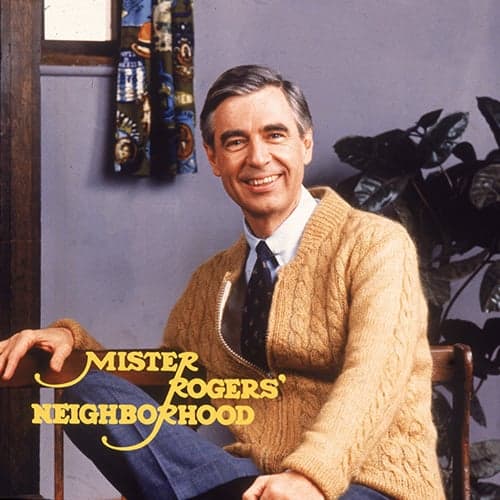
"Won't You Be My Neighbor?"
- TV Show: "Mister Rogers' Neighborhood"
- Writer and performer: Fred Rogers
Fred Rogers didn't simply host "Mister Rogers' Neighborhood." He was also its creator, head writer, lead musical composer, puppeteer, and the man singing the theme that welcomed viewers into his television home. Episodes traditionally opened with Rogers performing "Won't You Be My Neighbor?" while changing into one of his cardigans and swapping his dress shoes for sneakers. The show's music was performed with live musicians led by pianist and musical director Johnny Costa. The theme remained remarkably consistent across decades of television, which was probably the point. The neighborhood was supposed to feel familiar, safe, and welcoming, and the song made sure you knew where you were from the moment Fred walked through the door.
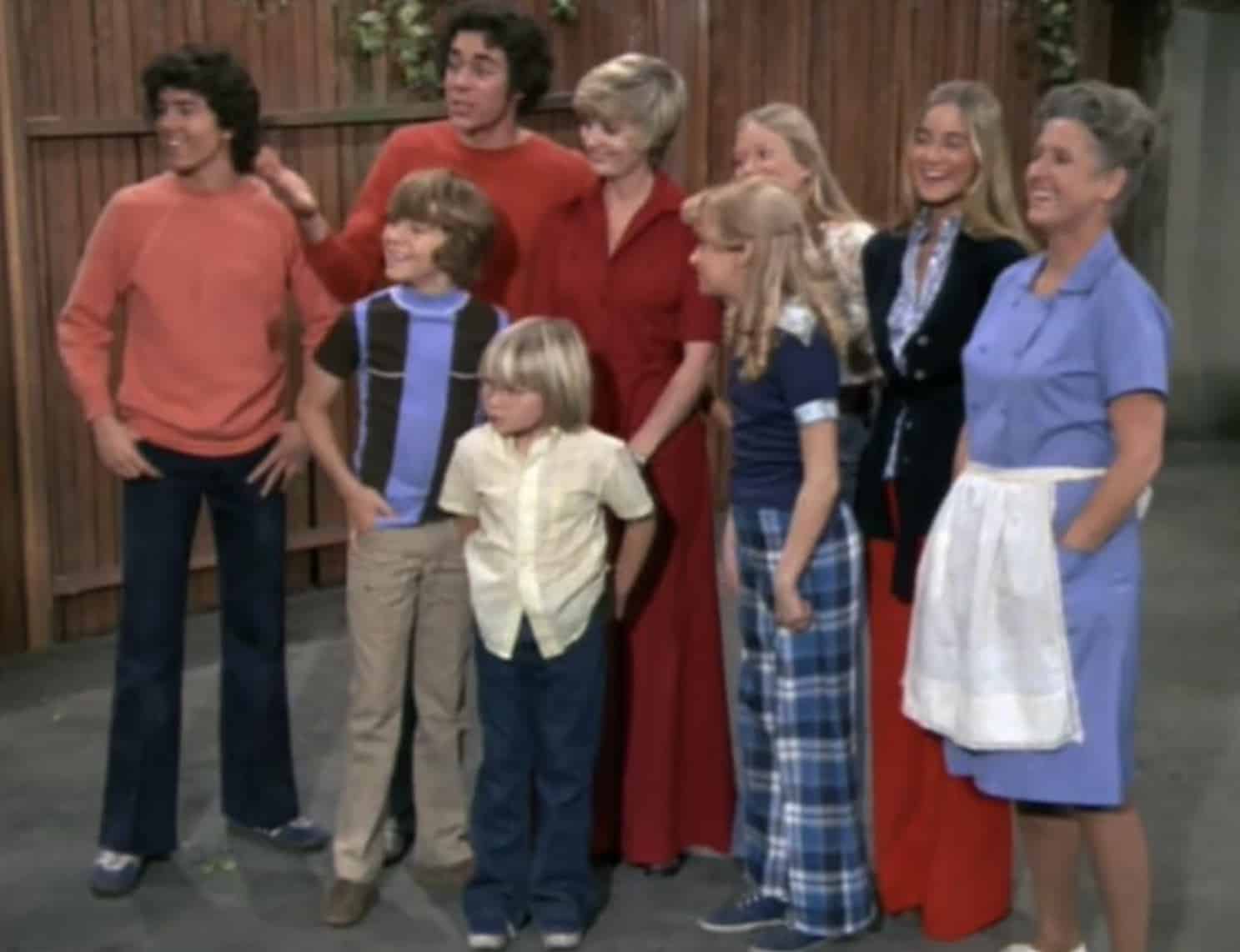
"The Brady Bunch"
- TV Show: "The Brady Bunch"
- Writers: Frank De Vol and Sherwood Schwartz
If you somehow missed the premise of "The Brady Bunch," the theme song was happy to explain the whole thing before the episode started. Series creator Sherwood Schwartz and composer Frank De Vol wrote the theme for the sitcom, which premiered in 1969. The Peppermint Trolley Company performed a version for the pilot, but they weren't the voices viewers heard throughout the entire series. Studio singers handled the first season, and the actors playing the Brady children performed the theme beginning with Season 2. Combined with the famous nine-box opening grid, the song became one of television's great examples of an intro doing nearly all the exposition before the story even begins.
"Theme from Mission: Impossible"
- TV Show: "Mission: Impossible"
- Composer: Lalo Schifrin
Lalo Schifrin's "Mission: Impossible" theme has outlived the original television series and become the musical signature of an entire franchise. Schifrin wrote the theme for the spy series that debuted in 1966, building it around the unusual 5/4 time signature that gives the music its slightly off-balance momentum. The original recording became a hit in its own right, reaching No. 41 on the Billboard Hot 100. Decades later, composers working on the Tom Cruise films continue to incorporate Schifrin's theme into their scores. Add a burning fuse to the opening and there isn't much explanation required. The music has already told you that a very complicated plan is about to begin.
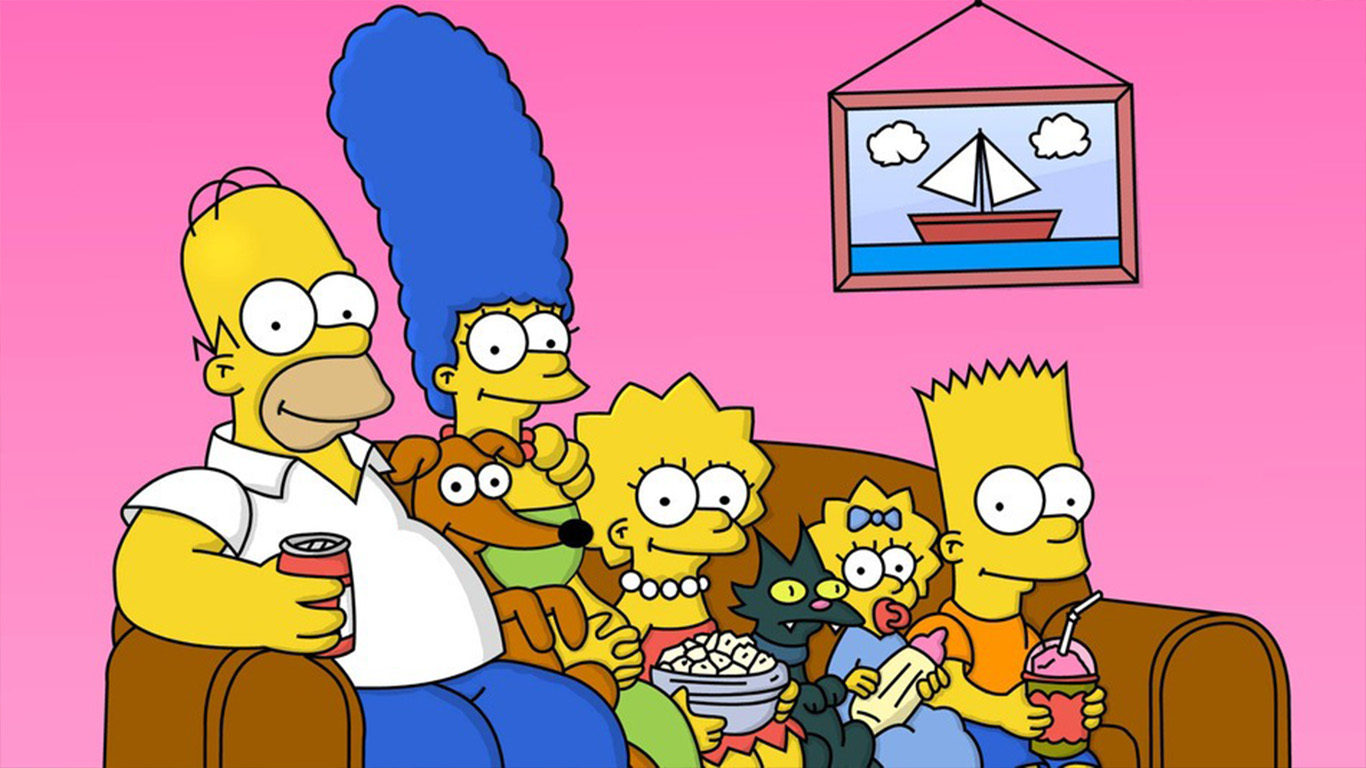
"The Simpsons Theme"
- TV Show: "The Simpsons"
- Composer: Danny Elfman
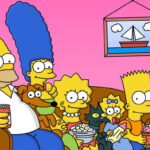
Danny Elfman's main-title music has been introducing "The Simpsons" since the show's earliest days as a half-hour series. The bright brass, frantic pace, and slightly strange carnival feel fit Springfield before viewers even reach the family's couch. The opening itself became part of the joke, with changing chalkboard messages, Lisa's saxophone solos, and an endless supply of couch gags giving viewers a reason to watch instead of treating the intro as dead time. Other composers, most notably longtime series composer Alf Clausen, built an enormous musical world around the show, but Elfman's theme remained its front door. After decades on television, those opening notes still require almost no introduction.
"That '70s Song (In the Street)"
- TV Show: "That '70s Show"
- Performers: Todd Griffin (Season 1) and Cheap Trick (Seasons 2 through 8)
The theme to "That '70s Show" has roots in an actual 1970s power-pop record. Alex Chilton and Chris Bell of Big Star wrote "In the Street," which appeared on the band's 1972 debut album, "#1 Record." The sitcom didn't use Big Star's original recording. Todd Griffin performed the version heard during Season 1, and Cheap Trick took over beginning with Season 2, turning it into "That '70s Song (In the Street)." The cast cruising around in the Vista Cruiser made the song feel custom-built for Point Place, Wisconsin, even though its musical DNA was already more than 25 years old when the show premiered in 1998.
"Low Rider"
- TV Show: "George Lopez"
- Artist: War
Unlike many songs on this list, "Low Rider" was already a classic long before television came calling. War released the funk hit in 1975 on the album "Why Can't We Be Friends?" The song grew out of Southern California's lowrider culture and became one of the band's signature recordings. Nearly three decades later, George Lopez chose it as the opening theme for his ABC sitcom. War says the song was used across all six seasons of "George Lopez," which aired from 2002 to 2007. The match worked so naturally that younger viewers who discovered the song through the sitcom may still picture Lopez bouncing around the opening credits whenever that saxophone riff starts.
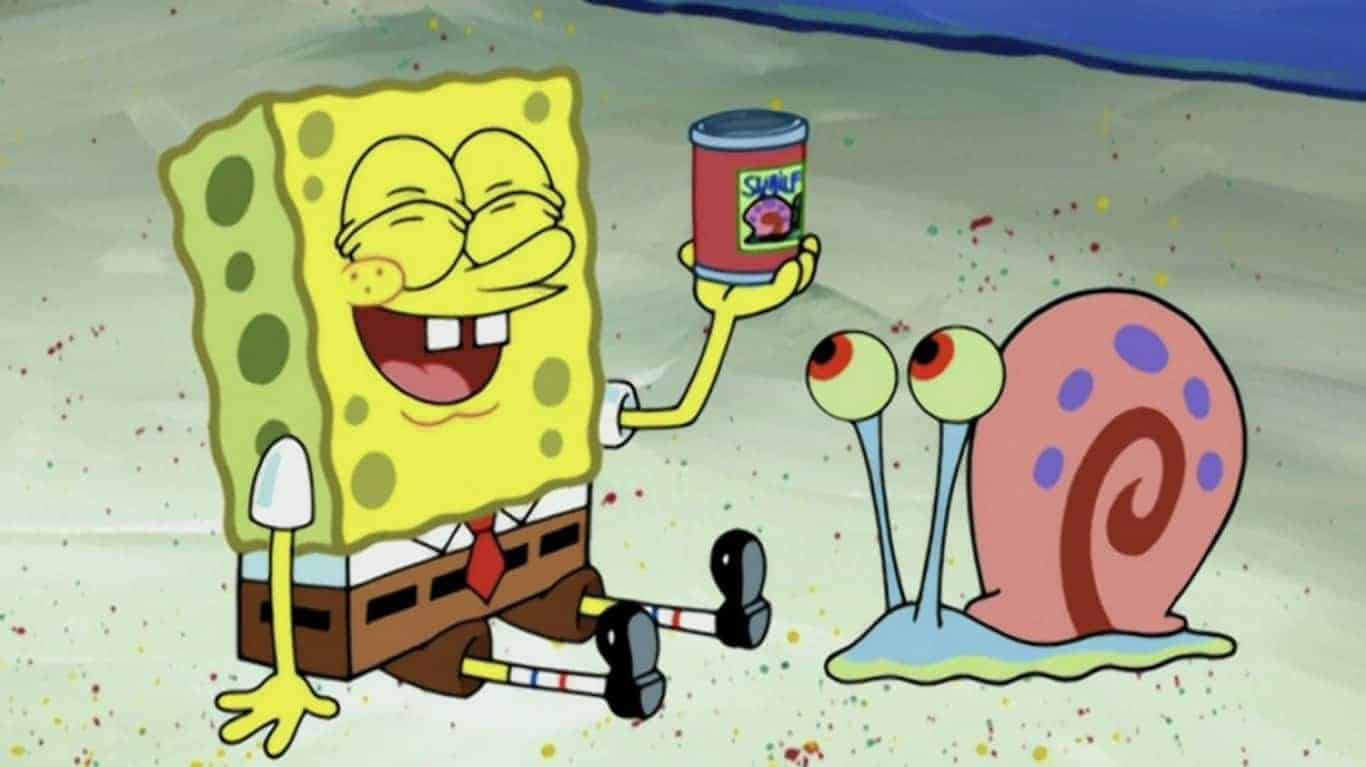
"SpongeBob SquarePants Theme"
- TV Show: "SpongeBob SquarePants"
- Writers: Blaise Smith, Mark Harrison, Derek Drymon, and Stephen Hillenburg
"SpongeBob SquarePants" has one of those openings that practically demands audience participation. Mark Harrison and Blaise Smith composed the music, while series creator Stephen Hillenburg and Derek Drymon wrote the lyrics. The tune draws on the tradition of sea shanties and uses a call-and-response structure between Painty the Pirate and a chorus of children. Patrick Pinney provides Painty's booming voice. The result fit Hillenburg's bizarre underwater world almost too well: nautical, loud, deliberately silly, and immediately recognizable. Since the Nickelodeon series debuted in 1999, the theme has become familiar to multiple generations of viewers. At this point, you don't even need to see the pineapple to know where you're headed.