Smartphones have become such a huge part of daily life, it’s almost difficult to remember a time without them. This is true even among those of us who lived multiple decades without the all-in-one devices; the idea of life without smartphones is especially mind-blowing for younger generations who never lived a day without one glued to their hands.
Before smartphones took over the world, everyday tasks required a lot more effort, time, and patience. There was no instant access to information, no constant entertainment, and definitely no primary device that did everything. Tasks that now take seconds once required real, time-consuming planning. And while they seem inconvenient now, these small routines once made life familiar and meaningful (and sometimes frustrating). Here are 10 things you had to do before smartphones changed everything.
1. Print Directions from MapQuest

Getting somewhere new meant printing out directions like you were preparing for a mission. Once you were in the car, one wrong turn and suddenly you were completely off course with no way to recover. Sometimes, you didn’t even realize you’d made a wrong move until it was far too late. There was no robot voice to calmly say, “rerouting”; just rising panic and a sense you’d never get out alive. And if things weren’t stressful enough, every printer always seemed to be low on ink at all times, so your all-important directions weren’t readable unless you held the paper two inches from your face.
2. Memorize Phone Numbers

Before contact lists, your brain was your contact list, albeit a much less reliable one. You knew your best friend’s number, your house number, and probably a few random ones from childhood you never forgot. If you didn’t remember Joe’s number, you likely had to call Emma and ask her to get it from Susan. Unless, of course, Joe was listed, or “in the book.” In that case, you could grab your convenient 56-pound phone book and look it up. But if you ran out of options, your social life hit a temporary dead end.
3. Call People
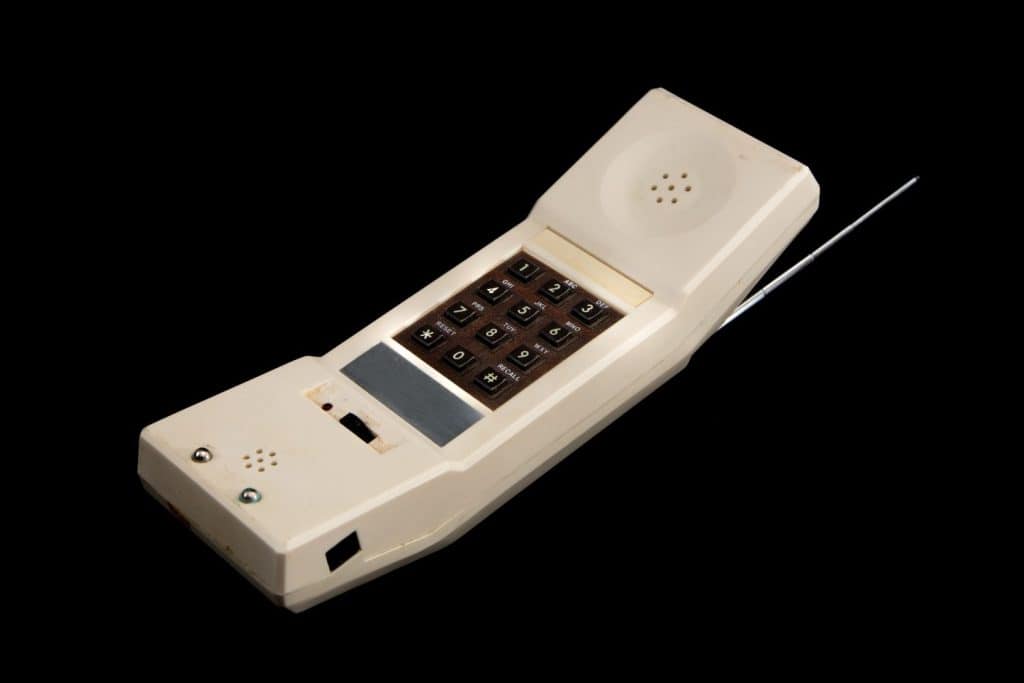
Texting wasn’t a possibility, so you had to make a phone call for all communication purposes, even if you just needed to confirm one tiny detail. And if the person you wanted to reach lived in a large household, you had to call the house phone and just hope the right person picked up. If their parent or sister answered, you were forced to make polite chit-chat before asking to please speak to Sara. If she wasn’t home, you’d have to leave a message with her mom. If no one was home, you had to leave a recorded message. With your voice.
4. Carry a Separate Camera

Taking pictures meant bringing a bulky camera. Before digital cameras, you couldn’t check the photo afterward, so every shot was a leap of faith. All you had to do to get the full photo in hand was wait until you finished the roll of film, drop it at the developer, and pick it up a couple days later. If your photo was excellent, you were shocked to your core. More than likely, your thumb was blocking half the shot. Oh well, I’m sure you’ll go back to the Grand Canyon one day.
5. Set an Actual Alarm Clock

Waking up depended entirely on one very loud device sitting on your nightstand. Setting it felt like a nightly ordeal, especially if it had tiny buttons and confusing settings. If the power went out overnight, you were in serious trouble, as anyone who’s ever seen “Home Alone” can attest to. If you set it wrong, you would oversleep. But when it worked according to plan, it woke the entire household and started your day in full panic mode.
6. Wait to Use the Internet
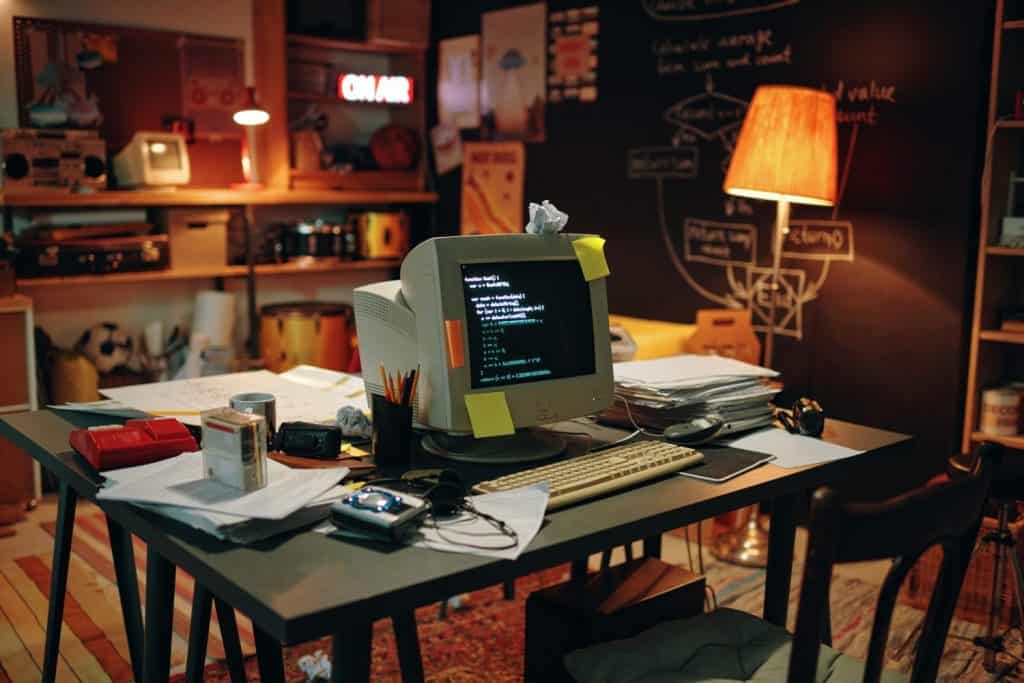
Pre-smartphones, the internet wasn’t the always accessible tool it is today. If you didn’t have a laptop, it existed only on one main computer; a device that was likely shared by the whole family. If your brother was typing his science report, you had to wait patiently or beg him to give you a turn. And in the days of dial-up, if someone picked up the phone, your connection was instantly gone.
7. Make Plans with Little Flexibility

Plans had to be set in stone because there was no easy way to update them. If you said 7:00, you couldn’t wait to 6:45 and shoot a quick text pushing to 7:30. If you didn’t show up at the specified time, your friend would be standing at the restaurant solo like a weirdo. Running late required copious apologies. Social engagements required a lot of trust and a bit of chaos.
8. Write Things Down….On Paper

If something was important, you wrote it down with a pen and paper. If you didn’t have paper, you’d write find a napkin or write directly on your hand. If you were really responsible, you pulled out your planner and wrote it there. It was not uncommon to see random scraps of paper peeking out of pockets. And if the information was important, like the number of that cute guy down the street, you’d guard that paper with your life. Lose it, and there’s no getting it back.
9. Carry a Trendy Music Playing Device
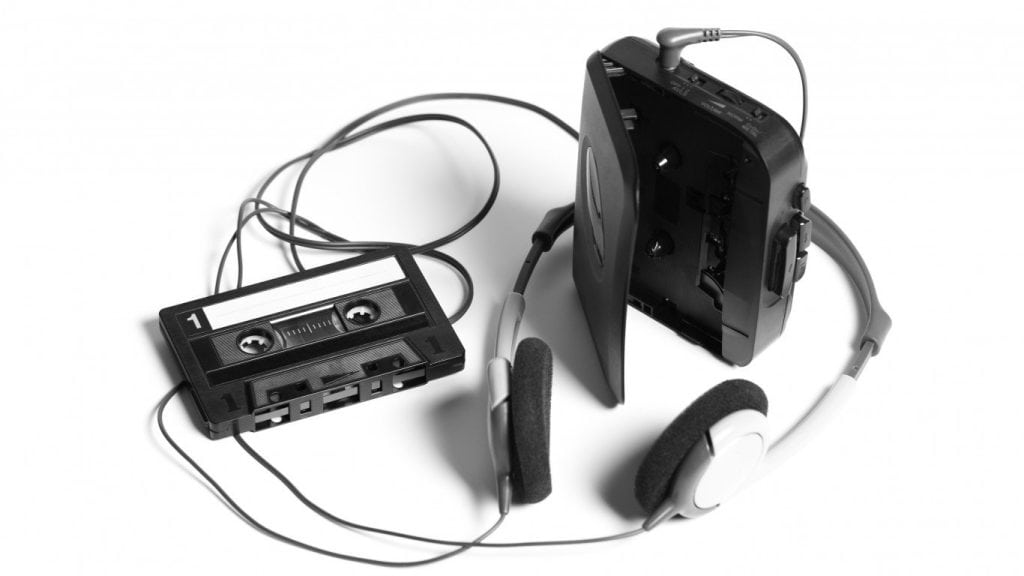
Listening to music on the go meant physically carrying a separate device. It may have been a large cassette player, a Walkman (alongside a bulky CD case), or an iPod. You had to choose wisely because you didn’t have unlimited access to every track ever created. Skipping songs required effort, and if you were using CDs, one scratch could ruin your future jam sessions.
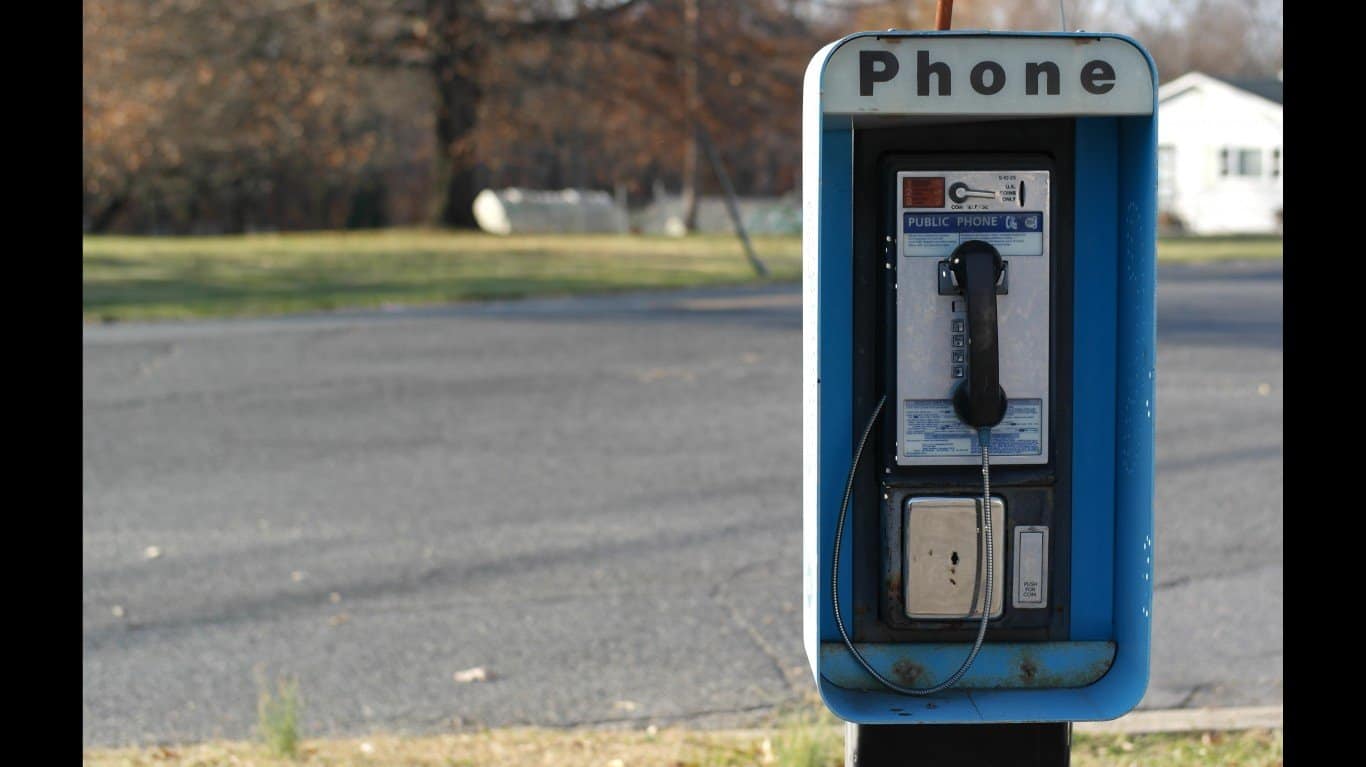
10. Use a Pay Phone
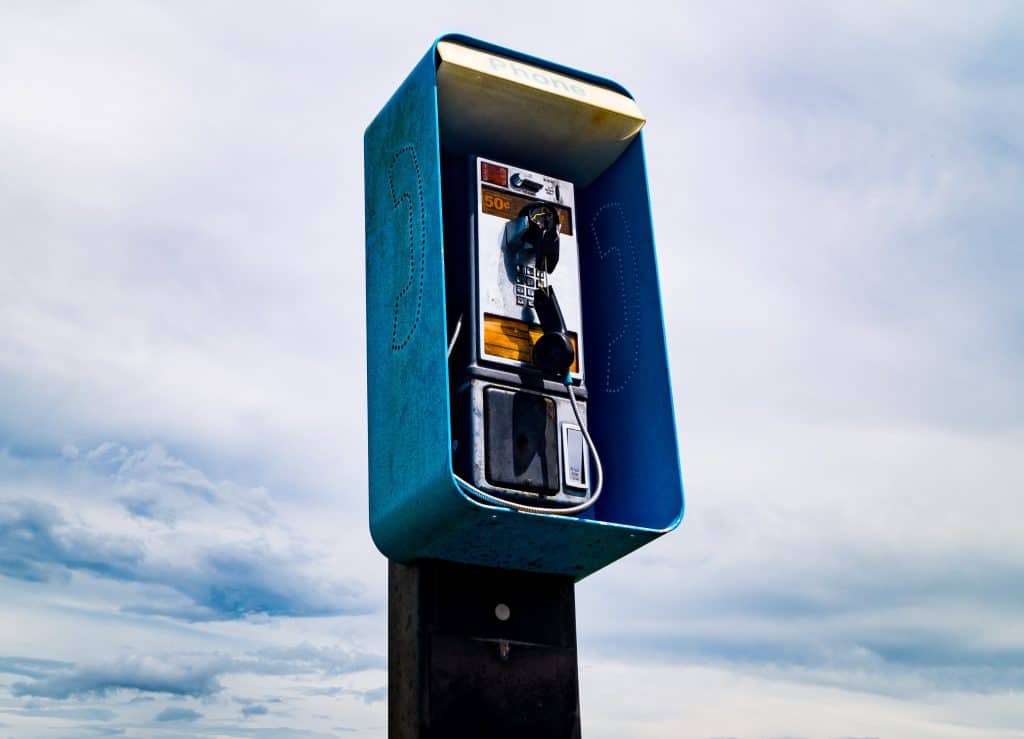
If you were out and needed to make a call, you had to find a payphone, which may have been coated in some sort of unknown sticky substance. Or maybe you had to stand in line while the current user finished arguing with her sister. If you didn’t have coins, you’d have to make change at the nearest register. Worst case scenario, you’d have to call collect like some sort of caveman. You’d better hope the call wasn’t important because privacy wasn’t really a thing when you were standing on a sidewalk making a call.