
Photo by Brian Duff/Daily Express/Express/Getty Images

paurian / BY 2.0

Joanna Dorota/ Shutterstock

yavyav/ Shutterstock
Quang Ho/. Shutterstock

Kzenon / Shutterstock
mtrummel/ Shutterstock

Dragon Images/ Shutterstock

chayanuphol/Shutterstock.com

ElenaR/ Shutterstock

nechaev-kon / Getty Images

GaudiLab / iStock via Getty Images

Ollyy/ Shutterstock

nensuria / Getty Images

Nicoleta Ionescu/ Shutterstock
Instragram

rangizzz/ Shutterstock

Roman Samborskyi/ Shutterstock

LightField Studios/Shutterstock.com

lassedesignen/ Shutterstock

Jacob Lund / Shutterstock.com
















20 Vintage Slang Expressions and What They Mean
Every generation has its own way of talking, and some of that slang doesn't age particularly well. Words that once sounded clever, fashionable, or downright hilarious eventually fall out of favor. A few stick around for decades, while others disappear so completely that hearing them today feels like stumbling across a forgotten language.
Take the 1920s, when people had colorful names for drinking, dating, and practically everything in between. By the 1950s and 1960s, teenagers were developing their own expressions for cars, relationships, and people who got on their nerves. Then came the 1980s and 1990s, when youth culture, television, and hip-hop helped introduce another collection of memorable terms.
Some of these expressions are still familiar. Others are obscure enough that even people who lived through the era might need an explanation. And while slang isn't always exclusive to one decade or region, these 20 expressions offer an entertaining look at how Americans talked throughout the 20th century. A few might even deserve a comeback.
1. Hawkshaw
Long before television detectives were solving murders in an hour, people occasionally referred to investigators as "hawkshaws." The expression simply meant a detective or someone particularly skilled at uncovering information. If a suspicious character started asking too many questions, somebody might accuse him of playing hawkshaw.
Interestingly, the term is older than the 20th century. It originated with Hawkshaw, a detective character in Tom Taylor's 1863 stage play "The Ticket-of-Leave Man." The name became slang during the 1860s and later received another boost from the comic strip "Hawkshaw the Detective," which ran during the first half of the 20th century. The expression eventually faded, but it remains a wonderfully old-fashioned alternative to calling someone a sleuth. And frankly, it sounds considerably more entertaining than private investigator.
2. Date
These days, calling someone your date usually means you're going out together. But during the 1910s, the word had another, considerably less flattering meaning. In some American slang, a "date" was a foolish or unintelligent person. Basically, it was a way of calling someone a dummy without actually using the word.
Imagine telling somebody they're a real date after watching them make an obviously terrible decision. Today, that would probably produce more confusion than embarrassment. The insult appears in historical slang dictionaries, although it never became as enduring as words such as fool, nitwit, or knucklehead. That's one of the amusing things about old slang: a perfectly ordinary word can have a completely different meaning depending on when and where somebody uses it. Fortunately, getting called a date isn't usually an insult anymore.
3. Bank's Closed
Romance during the Roaring Twenties came with its own collection of colorful expressions. One of the more amusing was "bank's closed," which meant there would be no kissing or other romantic affection on offer. Think of it as a playful way of telling an overly enthusiastic admirer that tonight's business had officially concluded.
The expression appears in collections of 1920s slang, an era when dating customs and public attitudes toward romance were changing rapidly. Instead of delivering a lengthy explanation, somebody could simply announce that the bank was closed. The message was pretty clear, assuming the other person understood the slang. Of course, most people hearing it today would probably assume you were talking about an actual financial institution. Either way, it's a rather creative way of telling somebody that they're not getting a kiss.
4. Dead Soldier
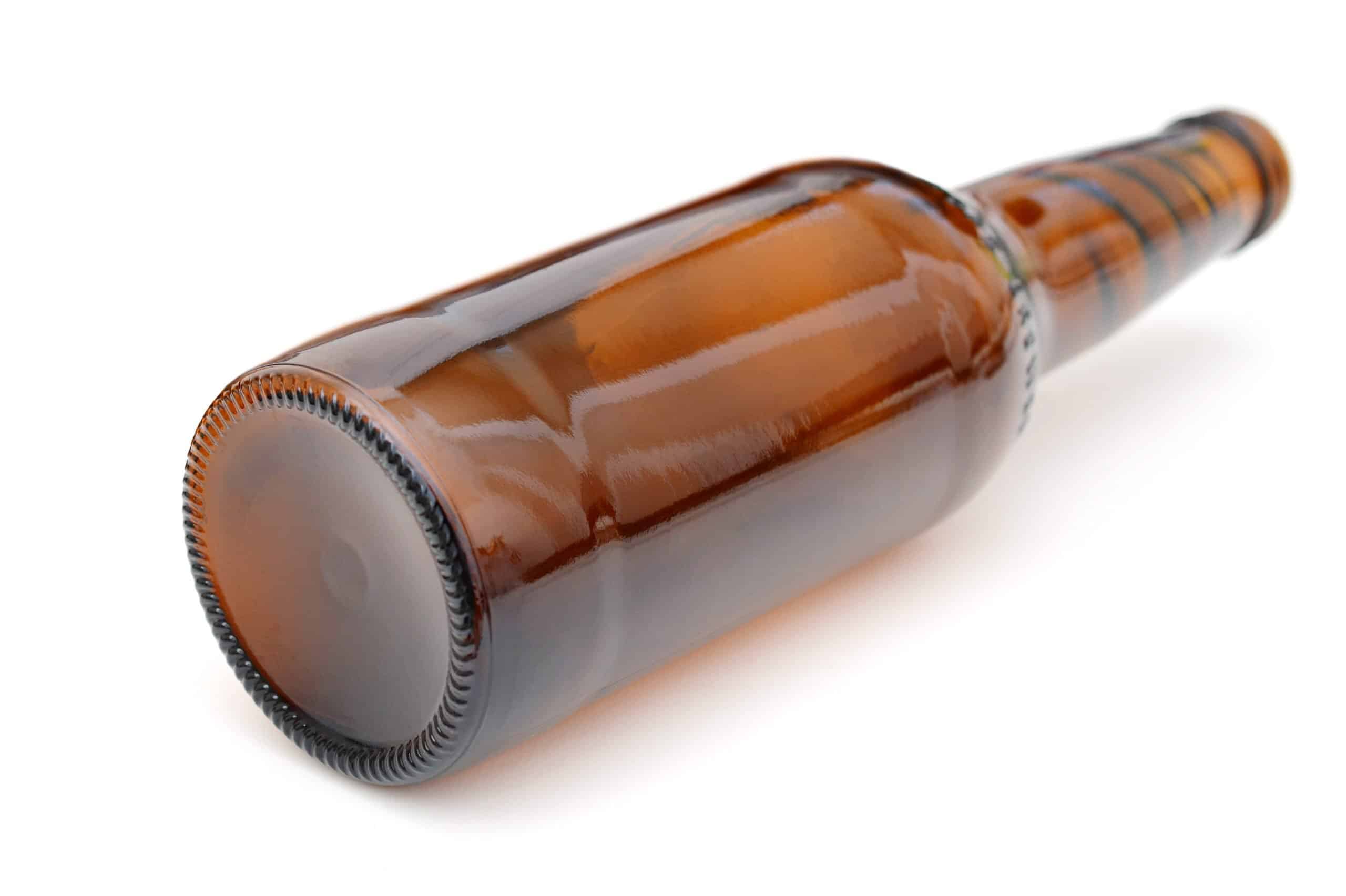
If you walked into an old-fashioned bar and heard somebody talking about dead soldiers scattered across a table, don't assume something terrible had happened. In drinking slang, a "dead soldier" was simply an empty bottle of beer, wine, or liquor. The expression could also refer to an empty beer can.
The term became associated with American drinking culture during the early 20th century, although related expressions involving empty bottles are considerably older. It's easy to see why the phrase caught on. A row of empty bottles after a long evening could be described as an assortment of fallen soldiers, although the comparison might sound a little strange today. Unlike some expressions on this list, "dead soldier" hasn't completely disappeared. It still occasionally turns up in conversations about empty bottles and cans, particularly among people with a taste for old-fashioned slang.
5. Giggle Juice
People during the 1920s apparently had an endless supply of creative names for alcoholic drinks. One of the more entertaining was "giggle juice," a playful expression for liquor or booze. A closely related term, "giggle water," carried essentially the same meaning. Both fit comfortably into the colorful vocabulary associated with Prohibition-era nightlife.
Of course, alcohol didn't suddenly become popular during the 1920s. But national Prohibition, which lasted from 1920 until 1933, helped create an entire culture of secret drinking establishments and clever expressions for alcohol. Words such as hooch, bathtub gin, and giggle juice became part of the era's popular vocabulary. The name makes a drink sound considerably more innocent than it actually is. After all, consuming too much giggle juice could leave someone with a lot less to laugh about the following morning.
6. Juice Joint
If somebody invited you to a juice joint during the 1920s, they probably weren't suggesting a place to order a healthy fruit smoothie. The expression referred to a drinking establishment, particularly a speakeasy operating during Prohibition. These establishments sold alcohol despite the nationwide ban on its production, transportation, and sale for beverage purposes.
Speakeasies ranged from elaborate nightclubs to rather ordinary back rooms where customers could find an illegal drink. Some attracted musicians, entertainers, and wealthy patrons, while others were considerably less glamorous. The phrase "juice joint" was one of several slang expressions associated with the drinking culture of the period. Today, the term sounds like the name of a neighborhood smoothie shop, which makes it especially amusing. Just imagine telling somebody you were heading to a juice joint and showing up with something considerably stronger than orange juice.
7. Zozzled
Apparently, people in the 1920s couldn't agree on just one word for being drunk. They had blotto, ossified, splifficated, and a whole collection of other expressions. One of the more memorable was "zozzled," which meant intoxicated. It wasn't necessarily a description of somebody who had enjoyed a single glass of wine with dinner, either. The word could suggest a person who had consumed considerably more than intended.
Like much of the slang associated with the Roaring Twenties, zozzled has a wonderfully exaggerated sound. You can almost imagine someone stumbling out of a speakeasy and announcing that their companion was completely zozzled. The term appears in historical lists of 1920s vocabulary, although it never achieved the lasting popularity of words such as wasted or hammered. That's probably a shame. If nothing else, it would make for a memorable explanation of why somebody needed a ride home.
8. Snipe
The word "snipe" has several meanings, including the name of a bird and a verb describing certain types of shooting or criticism. But in older American slang, it also referred to a discarded cigarette or cigar butt, particularly one that still contained enough tobacco to smoke. That meaning dates back to the late 19th century and continued into the 20th.
People who collected discarded cigarette or cigar ends were sometimes called snipe hunters, a phrase that had absolutely nothing to do with tracking birds through a marsh. Historical dictionaries also record the term being used among people living on the streets and in prison slang. The original article described a snipe as simply another word for a cigarette, but that's a little too broad. Its more specific historical meaning involved the discarded end of one, which gives the expression considerably more context.
9. Pennies From Heaven
Everybody enjoys receiving money they weren't expecting. Maybe you discover an old account with a forgotten balance, receive a surprise refund, or find out that an expense has already been paid. Those little financial victories are the kinds of situations people might describe as "pennies from heaven."
The expression refers to an unexpected financial benefit or stroke of good fortune, rather than money earned through particularly easy work. It became especially familiar through the 1936 song and film "Pennies from Heaven," associated with Bing Crosby. Unlike many of the stranger expressions on this list, the phrase survived well beyond the middle of the 20th century. You might still hear somebody use it today, particularly when a little unexpected money arrives at just the right time. Whether it's a few dollars or something considerably more substantial, a surprise windfall is usually welcome.
10. Motorized Freckles
Of all the expressions on this list, "motorized freckles" might be one of the most ridiculous. The phrase appears in collections of 1940s slang as a humorous way to describe insects. Exactly why somebody decided bugs should be compared to freckles with engines is another question entirely.
Imagine looking down at a tiny insect crawling across your arm and announcing that you've discovered a motorized freckle. It's a wonderfully strange description, even if it isn't particularly useful. The expression appears in historical slang material, including a 1940s vocabulary collection from the Smoky Hill Museum. That doesn't mean everybody in America was using it, and its wider popularity is difficult to establish. Still, it's a perfect example of how creative and peculiar informal language can become. Sometimes people invent expressions simply because they're amusing, and this one certainly qualifies.
11. Cooking With Gas
Ever heard somebody announce, "Now we're cooking with gas!" after finally getting something right? The expression became popular during the middle of the 20th century and has nothing to do with preparing dinner, at least not when it's being used figuratively. It means that someone is making real progress, working effectively, or finally getting the results they wanted.
The phrase has an interesting connection to the gas appliance industry. As gas stoves became more common, companies promoted them as modern improvements over older cooking methods. The expression appeared in radio comedy and popular entertainment during the late 1930s and early 1940s, with the industry embracing its promotional value. Over time, it became an everyday way to celebrate things finally going according to plan. Unlike some of the obscure terms on this list, this one has aged rather well. You can still use it today without everybody looking at you like you've stepped out of a 1940s radio program.
12. Frosted
Today, describing somebody as frosted might bring to mind an expensive hairstyle, a sugary breakfast cereal, or the frosting on a birthday cake. But in mid-20th-century American slang, the word could also mean angry or irritated. If somebody was completely fed up with another person's behavior, they might say they were frosted.
Historical slang dictionaries record the adjective in this sense by the 1950s, although related uses of "frost" to mean anger are older. It's an expression that sounds surprisingly mild for the emotion it's describing. Imagine being furious with a coworker and telling your friends that you're feeling a little frosted about the situation. It gets the point across without requiring much explanation, provided your audience knows what you mean. The expression may not be particularly fashionable now, but the emotion behind it certainly hasn't gone anywhere.
13. Fine as Wine
Compliments have changed a little over the years, but telling someone they're "fine as wine" has generally been a way of saying they're particularly attractive. The expression was familiar in 1960s slang collections and continued appearing in popular culture well beyond that decade.
It's the kind of compliment that sounds more playful than formal, suggesting someone looks especially good. The comparison to wine also makes sense because fine wine is commonly associated with quality, although the expression doesn't necessarily mean the person becomes more attractive with age. That would be closer to the separate idea of aging like fine wine. Either way, describing somebody as fine as wine is considerably more colorful than simply calling them good-looking. It might sound a little dated in some conversations, but the meaning isn't especially difficult to figure out.
14. All Show and No Go
We've all encountered something that looks considerably more impressive than it actually is. Maybe it's an expensive gadget that barely works or a flashy car that struggles to keep up with traffic. That's the idea behind "all show and no go," an expression used to describe something that looks good but fails to deliver the expected performance.
The phrase was especially familiar in automotive circles during the 1950s and 1960s. Hot-rod enthusiasts sometimes used it to criticize customized cars that looked spectacular but lacked the mechanical performance to match. Eventually, the expression expanded beyond automobiles to describe people, products, and other situations where appearances exceeded actual ability. The meaning remains easy to understand today. A shiny exterior is nice, but sometimes you want something that can actually do what it's supposed to do.
15. Brick House
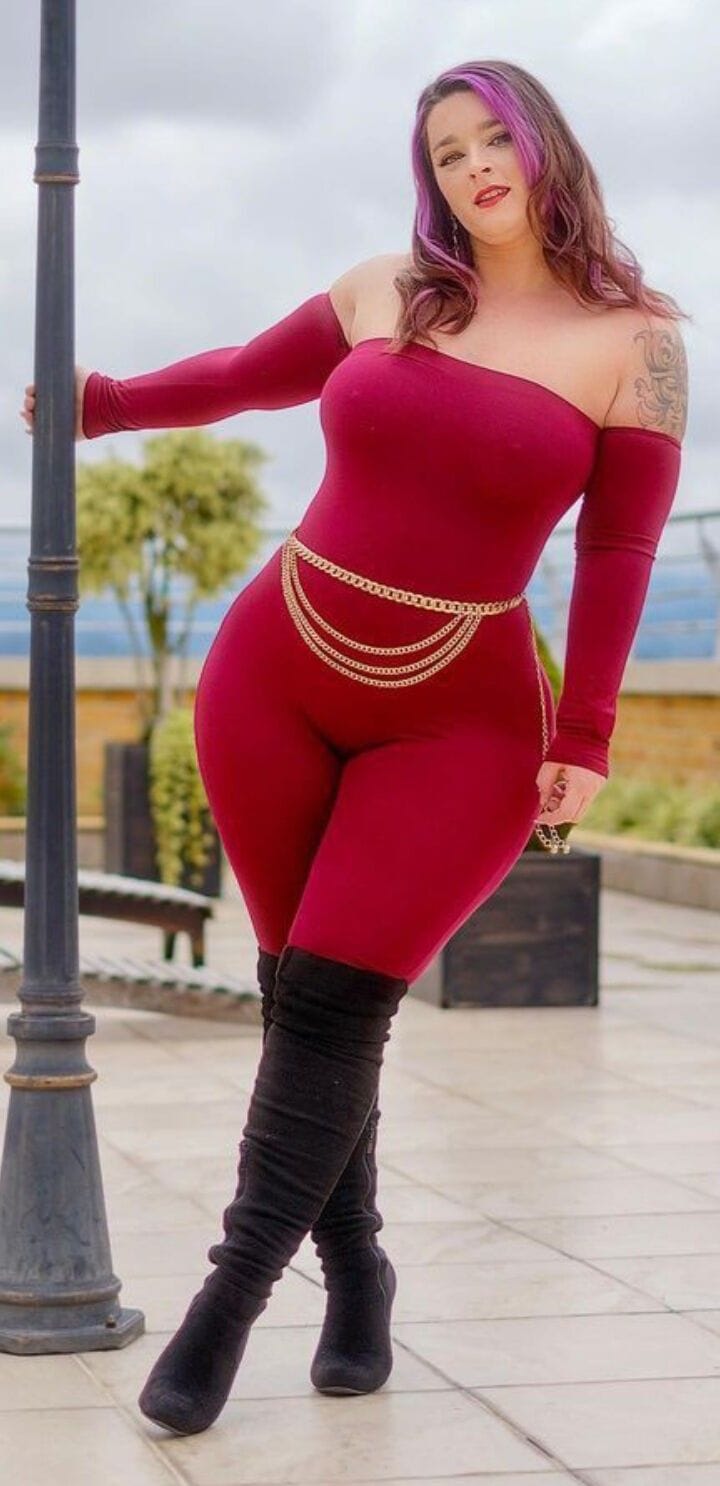
Anyone familiar with 1970s funk music has probably heard the expression "brick house." In American slang, it describes a woman with a curvy, full-figured physique, generally intended as a compliment about her appearance. It's a rather unusual comparison, but one that became closely associated with an enormously successful song.
The Commodores released "Brick House" in 1977, helping popularize the expression well beyond its original cultural setting. The song became one of the group's signature hits and remains familiar decades later. Of course, describing someone's body in those terms can come across differently depending on the person and circumstances. What sounded complimentary in one setting might not be particularly welcome in another. Regardless, the phrase remains a recognizable piece of 1970s popular culture, especially for anyone who grew up listening to funk, soul, and R&B.
16. Zeek
Remember when calling somebody a geek or nerd was almost guaranteed to sound like an insult? Some retrospective lists of 1980s slang include an even stranger variation: "zeek." In those collections, it refers to someone considered an extreme geek or an especially awkward, socially unconventional person.
Unlike familiar expressions such as nerd, dweeb, or dork, however, zeek has a much thinner historical paper trail. It's difficult to establish how widespread this particular usage actually was, and the word has carried other meanings in different settings. That makes it better described as an obscure piece of reported slang than a phrase every teenager in the 1980s would have recognized. Still, it's an interesting reminder that language can develop countless variations on the same basic insult. Some survive for generations, while others disappear almost as quickly as they arrive.
17. Cheeuh!
The 1980s gave us some unforgettable expressions, and not all of them were actual words in the traditional sense. Take "cheeuh!" for example. Usually pronounced something like "chee-uh," this enthusiastic response could mean yes, definitely, of course, or even something closer to "well, obviously."
The expression appears in collections of 1980s slang alongside other colorful ways young people expressed agreement or excitement. Imagine somebody asking whether you're going to a party that weekend and getting an enthusiastic "Cheeuh!" in response. Depending on the delivery, it could also sound a little sarcastic, much like saying "duh" today. The exact spelling varied because the expression was essentially a sound rather than a formally established word. It's a particularly entertaining example of how spoken slang doesn't always translate neatly onto the printed page.
18. Decent
Most people still use the word "decent" to describe something that's reasonably good, respectable, or satisfactory. But in some American slang, particularly expressions associated with the 1970s, the word could be a much stronger compliment. Calling something decent could mean it was genuinely cool or impressive.
The difference comes down to context. Saying a concert was decent today might suggest you enjoyed it but weren't particularly blown away. In older slang, that same word could carry more enthusiasm. It's a subtle change compared with some of the bizarre expressions on this list, but that's what makes slang interesting. Sometimes an entirely ordinary word develops an additional meaning without changing its spelling or pronunciation. And because decent has remained part of everyday English, its informal meaning can be easy to overlook.
19. Scrub
If you grew up listening to late-1990s R&B, there's a pretty good chance you remember the word "scrub." The expression describes someone considered unsuccessful, unreliable, or lacking ambition, particularly a man who expects attention or support from others without putting in much effort himself.
The word existed in various insulting senses long before the 1990s, but TLC helped make this particular meaning enormously familiar with the group's 1999 hit "No Scrubs." The song became one of the defining R&B singles of the decade and helped introduce the expression to a much wider audience. Importantly, being a scrub wasn't simply a matter of having little money. The insult also involved a person's behavior, attitude, and unwillingness to take responsibility. While the word has developed other meanings over time, its association with late-1990s music remains especially recognizable.
20. Props
Few expressions capture the casual language of the 1990s quite like giving somebody "props." It means offering praise, credit, or respect for something they've accomplished. If a friend delivered an impressive performance, helped you through a difficult situation, or simply did something worth recognizing, you might give them props.
The expression developed from "propers," referring to proper respect or recognition, and became particularly familiar through Black American speech and hip-hop culture during the late 20th century. By the 1990s, it had spread widely enough to appear in everyday conversations, music, and popular entertainment. Unlike some expressions that disappeared as quickly as they became fashionable, props has remained relatively easy to understand. And considering how many strange slang terms came and went during the century, perhaps this one deserves a little recognition for sticking around. You might even say it deserves some props of its own.