
Furryscaly / BY-SA 2.0

Ian Sane / BY 2.0

hxdbzxy / Shutterstock.com
stocksnapper / iStock via Getty Images

Alessiocoser / BY 4.0

Luz Adriana Villa A. / BY 2.0

Furryscaly / BY-SA 2.0

The Law of Adventures / Shutterstock.com

jinterwas / BY 2.0

engel.ac / Shutterstock.com

Cavan-Images / Shutterstock.com

Ibrahim Achiri / BY-SA 4.0

rayand / BY 2.0

pirhan / BY-SA 2.0

Guwashi999 / BY 2.0

zsispeo / BY-SA 2.0
Medical Invention Library
Medical Invention Library
Medical Invention Library
Medical Invention Library
Medical Invention Library





20 Genius Designs Humans Borrowed From Nature
Nature has been solving engineering problems a lot longer than we have.
Scientists and designers regularly study animals, plants, and biological systems for ideas that can be adapted into human technology, a practice known as biomimicry or biomimetics. Sometimes the connection is direct, like the burrs that inspired hook-and-loop fasteners. Other examples begin as laboratory research and take years to become practical products. From high-speed trains and self-cleaning surfaces to quieter fans and unusual new adhesives, some remarkably useful ideas started with somebody looking at nature and asking a pretty simple question: How does that work?
Bird-Friendly Glass Inspired by Spider Webs
The clever part of this glass is not that it resists shattering. It helps birds recognize a window before flying into it. German manufacturer Arnold Glas developed ORNILUX bird-protection glass with a patterned coating that reflects ultraviolet light. Birds can perceive the pattern while it remains far less noticeable to human eyes. The company says the design was inspired by the web-like structures found in nature, including spider webs that can contain UV-reflective silk. ORNILUX is now available for windows, façades, roof glazing, and other architectural uses, turning one of nature's most delicate structures into an idea for making modern buildings safer for birds.
Bullet Train Nose Inspired by a Kingfisher
When JR-West was developing Japan's 500 Series Shinkansen, one major problem was the pressure wave created when a high-speed train entered a tunnel. Engineer Eiji Nakatsu, an avid birdwatcher, saw a useful comparison in the kingfisher, which moves from air into much denser water with remarkably little splash. Tests eventually produced a long, tapered train nose similar to the bird's beak. Nakatsu later reported that the design reduced air-pressure effects by about 30% and electricity use by roughly 15% while allowing higher speeds than the previous generation. The 500 Series entered regular service in 1997 and became the first Japanese train to operate commercially at 300 kilometers per hour.
Velcro
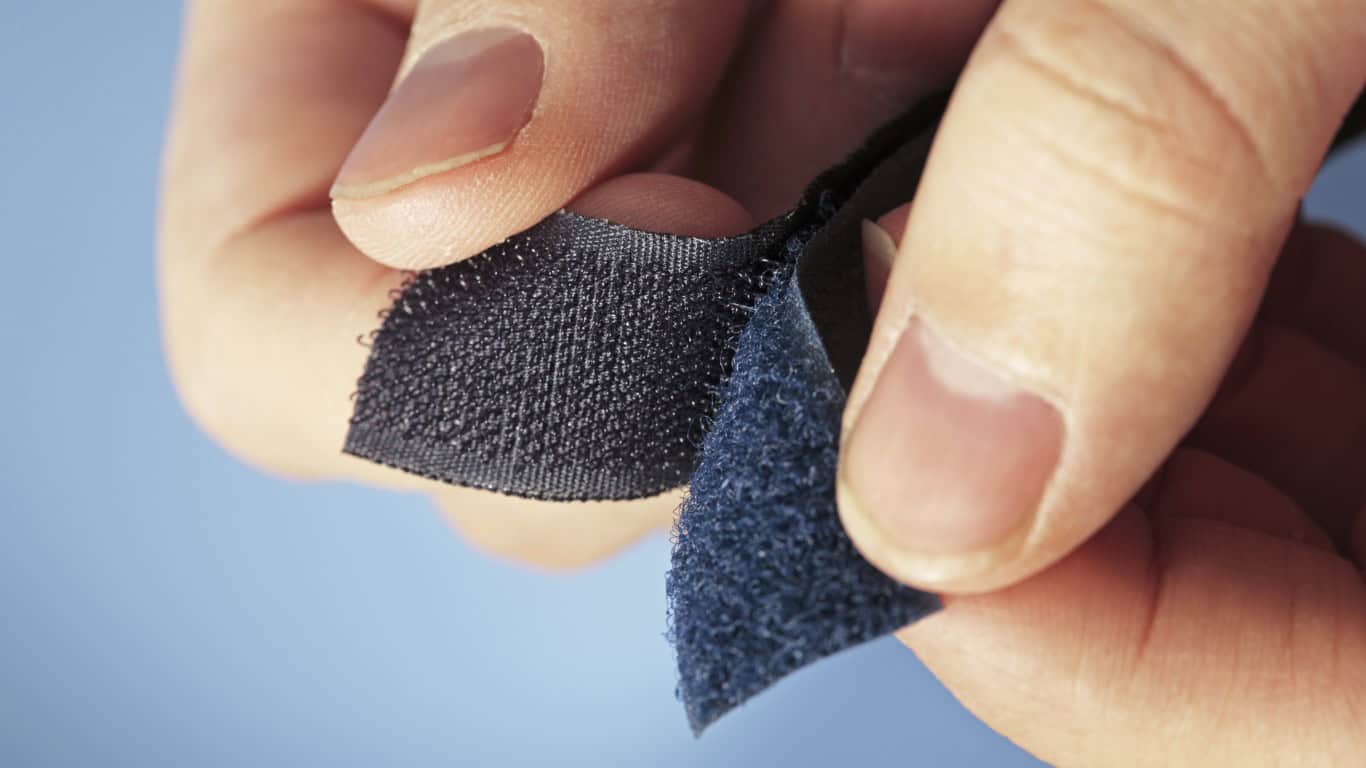
Swiss engineer George de Mestral got the idea behind the VELCRO Brand fastener in 1941 after burrs became stuck to his clothing and his dog's fur. Instead of simply pulling them off and moving on, he examined the burrs under a microscope and found tiny hooks grabbing onto loops in fabric and fur. De Mestral spent years figuring out how to reproduce that mechanism with manufactured materials. His hook-and-loop fastening system eventually became useful in everything from clothing and shoes to industrial equipment. NASA did not invent Velcro, as the old myth sometimes claims, but hook-and-loop fasteners did find plenty of uses during the space program, including the Apollo missions.
Spider Silk-Inspired High-Performance Fibers
Spider silk gets plenty of attention because it combines impressive tensile strength with elasticity and toughness at very little weight. That combination has pushed researchers to study both natural silk and synthetic versions of spider-silk proteins. Potential applications range from sutures and wound-healing materials to lightweight composites, sensors, textiles, and protective gear. The important catch is that many of the splashiest uses are still in research or development rather than sitting on store shelves. Producing spider silk at industrial scale is difficult, so scientists have experimented with genetically engineered microbes and other methods of making silk proteins without needing a warehouse full of extremely uncooperative spiders.
Self-Cleaning Surfaces Inspired by Lotus Leaves
Lotus leaves are famously difficult to get wet or dirty. Their surfaces combine microscopic and nanoscale structures with a waxy coating, causing water to form rounded droplets instead of spreading across the leaf. As those droplets roll away, they can pick up dirt particles with them. Researchers studying what became known as the "Lotus Effect" helped turn that trick into a model for engineered superhydrophobic surfaces. Lotus-inspired designs have been explored and commercialized in products including exterior paints, glass, textiles, roof tiles, and other materials where water repellency or easier cleaning is useful. In this case, the plant isn't providing a chemical cleaner. The surface geometry is doing much of the work.
Gecko-Inspired Dry Adhesives
A gecko does not need sticky glue on its feet to walk across walls and ceilings. Its toes are covered with enormous numbers of microscopic hair-like structures that create intimate contact with a surface and generate adhesive forces. Engineers have spent years trying to reproduce that ability with patterned synthetic materials. Stanford's Biomimetics and Dextrous Manipulation Lab, for example, has developed controllable gecko-inspired dry adhesives for climbing robots, robotic gripping, drone perching, and even concepts for handling debris in space. The technology is promising precisely because it can grip strongly and release on command without conventional glue, although many of its more dramatic applications are still specialized research rather than everyday consumer products.
Shark Skin-Inspired Antibacterial Surfaces
Shark skin has inspired a more convincing technology than the famous "sharkskin" swimsuit story. The Sharklet micropattern was developed from research into the texture of shark skin and uses microscopic geometric features to make it more difficult for bacteria and other organisms to establish themselves on a surface. Unlike an antimicrobial coating that kills microbes with chemicals, the pattern is designed to reduce attachment through its physical structure. Researchers have studied Sharklet-style surfaces for medical devices and high-touch areas, including their ability to reduce colonization by organisms such as Staphylococcus aureus and E. coli. It is a good example of engineers borrowing the layout of a biological surface rather than trying to reproduce the animal itself.
Beetle-Inspired Water Harvesting
Desert beetles have inspired an entire field of water-harvesting research, although the biology is a little messier than the popular version of the story suggests. A highly influential 2001 study described a Namib Desert beetle surface with water-attracting areas surrounded by water-repelling regions, allowing fog droplets to collect, grow, and eventually move across the surface. Engineers have since built materials using similar combinations of hydrophilic and hydrophobic areas to capture water from fog. Later biological studies questioned whether the original beetle species and surface chemistry had been described perfectly. The engineering idea survived anyway, and researchers continue developing beetle-inspired surfaces for collecting atmospheric water in dry environments.
Humpback Whale-Inspired Turbine and Fan Blades
Humpback whale flippers look strange for a reason. Instead of having perfectly smooth leading edges, they carry rounded bumps called tubercles. Researchers found that similar bumps can alter the flow of water or air around a blade, in some conditions delaying flow separation and improving performance when the blade approaches a stall. That discovery inspired experiments with wind turbines, industrial fans, aircraft components, and other rotating blades. Canadian company WhalePower was formed specifically to commercialize tubercle-based designs and has licensed the technology for large industrial fans. The effect is not automatically better in every blade or operating condition, but it overturned the intuitive assumption that the most efficient leading edge must always be perfectly smooth.
Firefly-Inspired LED Lenses
Researchers looking at fireflies found something useful beyond the chemical reaction that makes the insects glow. The outer surface of a firefly's light-producing organ contains nanoscale structures that help light escape the body efficiently instead of being reflected back inside. In a 2012 study published in the Proceedings of the National Academy of Sciences, researchers recreated similar structures on polymer LED lenses. The bio-inspired lenses transmitted more visible light than smooth lenses and reduced reflection at the surface. It was a laboratory demonstration rather than the sudden reinvention of every LED on Earth, but it showed that the tiny structures surrounding a firefly's lantern could offer engineers another way to squeeze more usable light from artificial sources.
Termite-Inspired Building Cooling
Termite colonies survive in hot environments partly by managing airflow and temperature through the structure of their nests. Architect Mick Pearce looked to termite mounds and other natural ventilation systems while designing the Eastgate Centre in Harare, Zimbabwe, which was completed in 1996. Instead of depending on a conventional air-conditioning system, the building uses thermal mass, carefully managed airflow, shading, and nighttime cooling to control indoor temperatures. Pearce says the roughly 55,000-square-meter office and retail complex uses about one-tenth the energy of comparable conventionally cooled buildings. The comparison between Eastgate and termite mounds sometimes gets oversimplified, but the biological inspiration was real and remains one of architecture's best-known examples of biomimetic design.
Owl-Inspired Quieter Fans and Blades
Owls are remarkably quiet in flight, an advantage when sneaking up on prey. Researchers have studied several features of their wings, including comb-like structures along the leading edge and fringed or serrated features toward the trailing edge, to understand how the birds reduce aerodynamic noise. Engineers have used those ideas when experimenting with quieter airfoils, fans, and wind-turbine blades. The results depend heavily on the exact blade shape and operating conditions, so there is no universal "owl wing" that can simply be bolted onto any fan. Still, the principle has become a serious area of aeroacoustic research, including modern projects that combine owl-inspired edges with other biological designs to reduce turbine noise.
Butterfly-Inspired Display Technology
Some of the brilliant colors on butterfly wings are structural rather than simply painted on with pigment. Microscopic structures interact with incoming light so that particular wavelengths are reflected back to the viewer. Qualcomm used the same basic phenomenon, called optical interference, when developing its mirasol display technology. Instead of lighting every pixel from behind, tiny movable structures reflected ambient light to create color, helping the screens remain visible in bright sunlight while using relatively little power. Qualcomm demonstrated the technology in products including an MP3 player and, in 2011, the Kyobo eReader. Mirasol never replaced LCD and OLED screens, but it remains a particularly literal example of an electronic display borrowing an optical trick from butterfly wings.
Penguin-Inspired Drag-Reducing Surfaces
Penguin feathers have inspired experiments in reducing drag, but claims that swimsuit companies simply copied penguin plumage are a stretch. Researchers have studied the tiny grooves formed by aligned feather barbs on penguins and created artificial surfaces with similar dimensions. In laboratory water-tunnel experiments, some of those microgrooved surfaces produced small but measurable reductions in drag. Other researchers have investigated how air trapped within penguin plumage or released as bubbles may help the birds move rapidly through water. The work could eventually inform engineered surfaces used in marine or fluid-flow applications. For now, though, this is better described as active biomimicry research than a technology already hiding in the swimsuit aisle.
Boxfish-Inspired Car Design
Mercedes-Benz unveiled its Bionic concept car in 2005 after studying the yellow boxfish, a reef fish with an angular body enclosed by a rigid bony shell. Engineers believed the fish offered a useful combination of interior volume, structural strength, stability, and aerodynamic efficiency. The resulting four-seat concept achieved a reported drag coefficient of 0.19, remarkably low for a vehicle with such a roomy, upright shape. Later biological research complicated the original assumption that a boxfish's shape is exceptionally low-drag, suggesting its unusual body may be particularly useful for maneuverability and stability instead. That does not erase the biomimicry story. Mercedes really did use the boxfish as a design model, and the project later fed into the company's broader work with bionic lightweight structures.
Moth-Eye Anti-Reflective Coatings
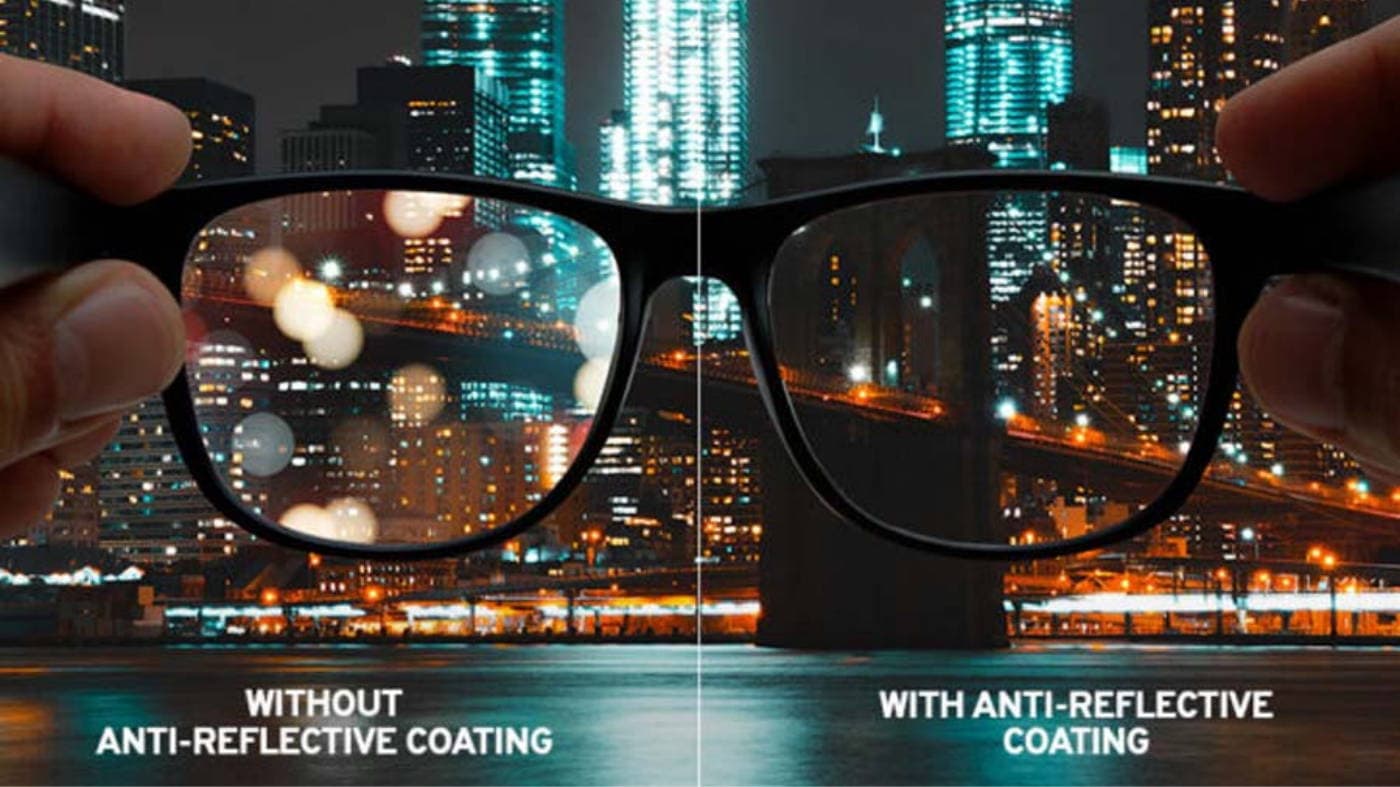
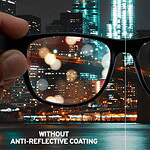
Moths have a problem most of us never think about: reflections from their eyes could make nocturnal insects more visible while also wasting precious light. Their eyes use arrays of tiny surface structures that gradually change how light moves between air and the eye, reducing reflection. Engineers have copied that basic geometry to create "moth-eye" anti-reflective surfaces. Researchers at the University of Florida, for example, developed nanoscale coatings modeled on moth eyes for silicon solar cells, where reducing reflected light allows more incoming energy to reach the cell. Similar structures have been studied for glass, displays, LEDs, and optical equipment. Sometimes the difference between seeing light and losing it comes down to structures far too small for us to see.
Pitcher Plant-Inspired Slippery Surfaces
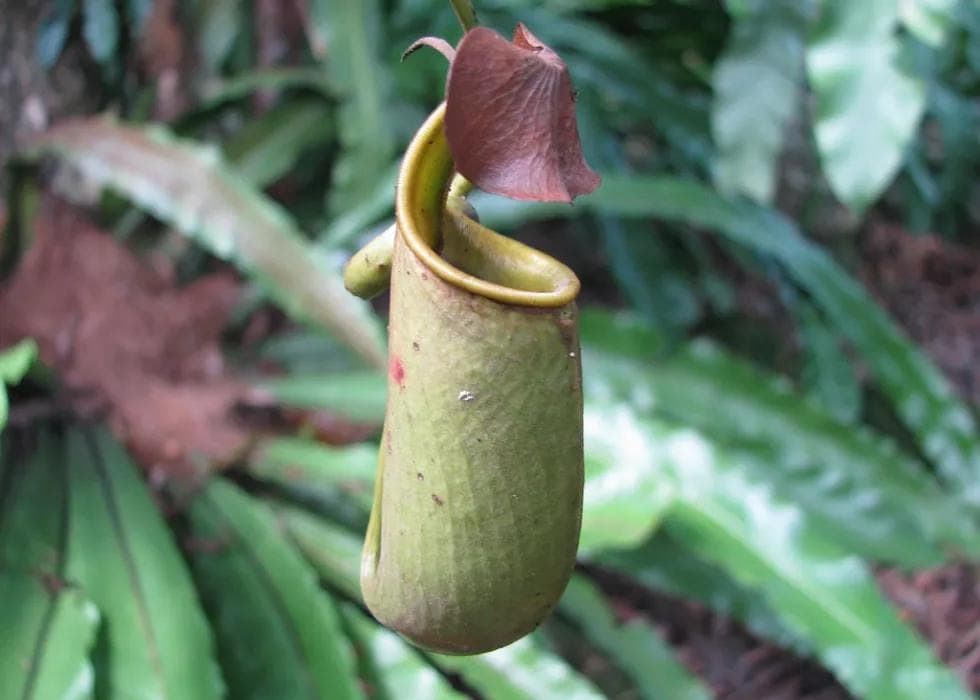
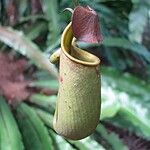
Carnivorous pitcher plants do not need glue to trap an insect. Their inner surfaces become so slippery that unlucky visitors lose their footing and slide into the plant. Researchers at Harvard's Wyss Institute used that idea to develop Slippery Liquid-Infused Porous Surfaces, better known as SLIPS. Instead of merely repelling water, SLIPS can be engineered to repel a much wider range of liquids and resist problems such as ice, fouling, and contamination. Harvard licensed the technology for commercial development, and researchers have also explored versions for medical equipment. The inspiration is wonderfully simple: rather than trying to make unwanted material release after it sticks, design the surface so it has trouble sticking in the first place.
Mussel-Inspired Medical Adhesives
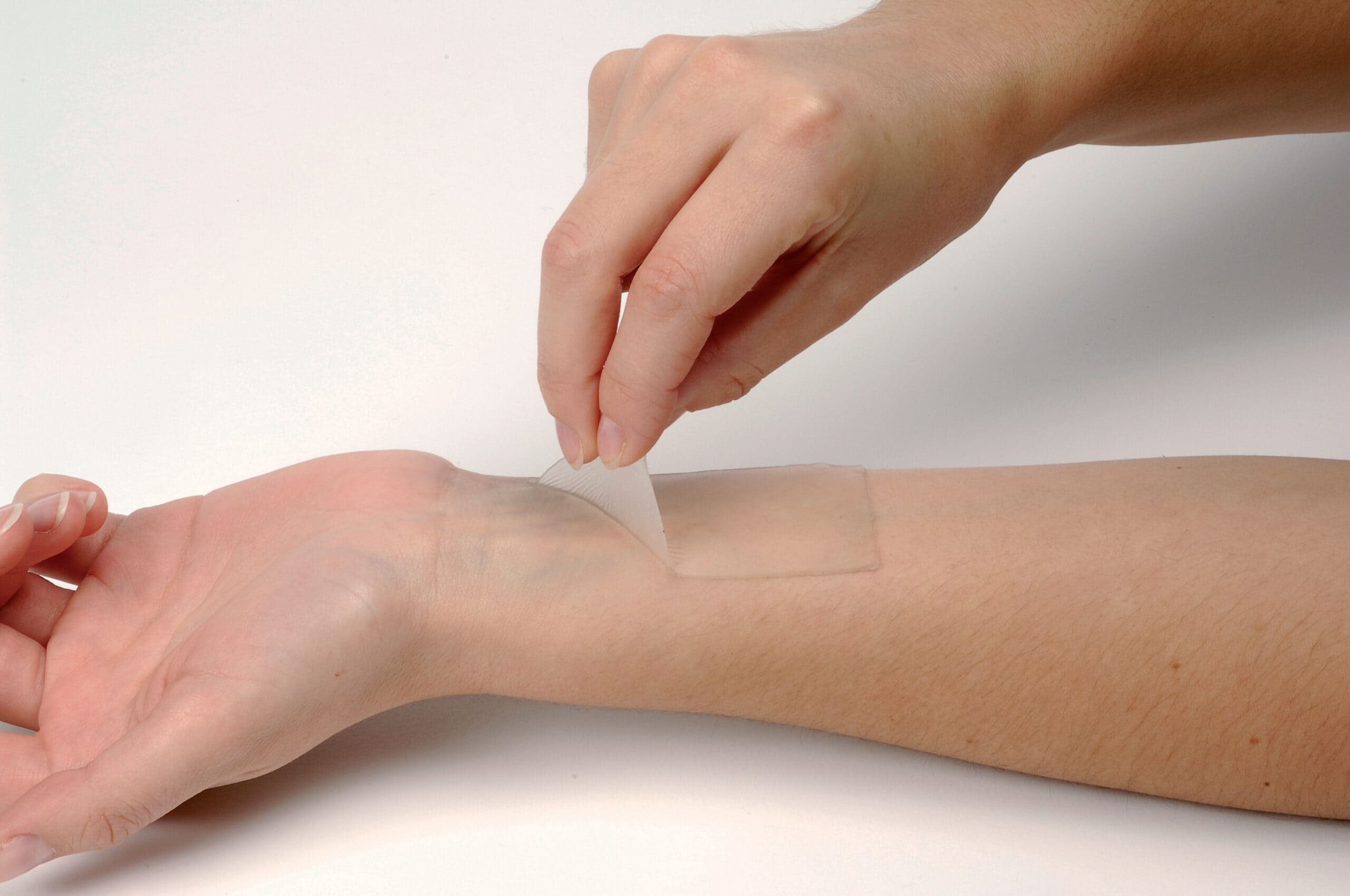
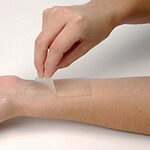
Try gluing something underwater and you'll quickly appreciate what mussels do for a living. The shellfish attach themselves to wet rocks and other surfaces using specialized proteins containing adhesive chemistry that works in conditions where ordinary glues struggle. Scientists have spent years borrowing that chemistry, particularly compounds related to the amino acid DOPA, to develop materials that can bond to wet biological tissue. Researchers have tested mussel-inspired hydrogels and surgical adhesives for wound closure, drug delivery, tissue repair, and medical-device coatings. Many remain in development, but the potential is obvious. A glue that remains strong around blood or other body fluids could eventually reduce the need for sutures or staples in some procedures.
Mosquito-Inspired Medical Needles
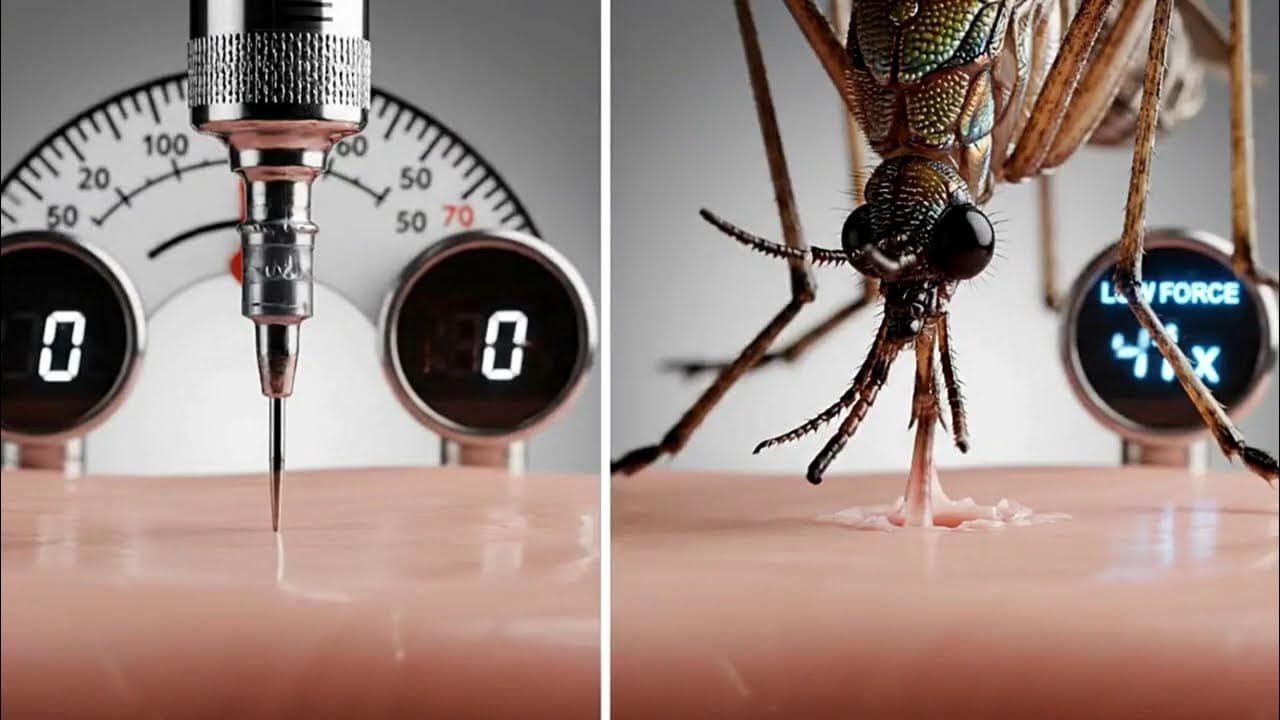
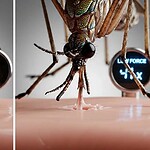
Nobody enjoys being bitten by a mosquito, but the insect's piercing equipment is an impressive piece of engineering. A mosquito does not simply ram one miniature needle through the skin. Its mouthparts include several extremely fine structures that move together, with serrated components helping the bundle penetrate using very little force. Engineers have studied that mechanism while designing experimental medical needles and microneedles. University of Michigan researchers, for example, tested a mosquito-inspired biopsy-needle technique using notched tips and reciprocating motion to reduce tissue deformation and movement during insertion. These devices are still an active research area rather than a replacement for the hypodermic needle, but the goal is appealing: more precise needle procedures using less force.
Ant-Inspired Computer Algorithms
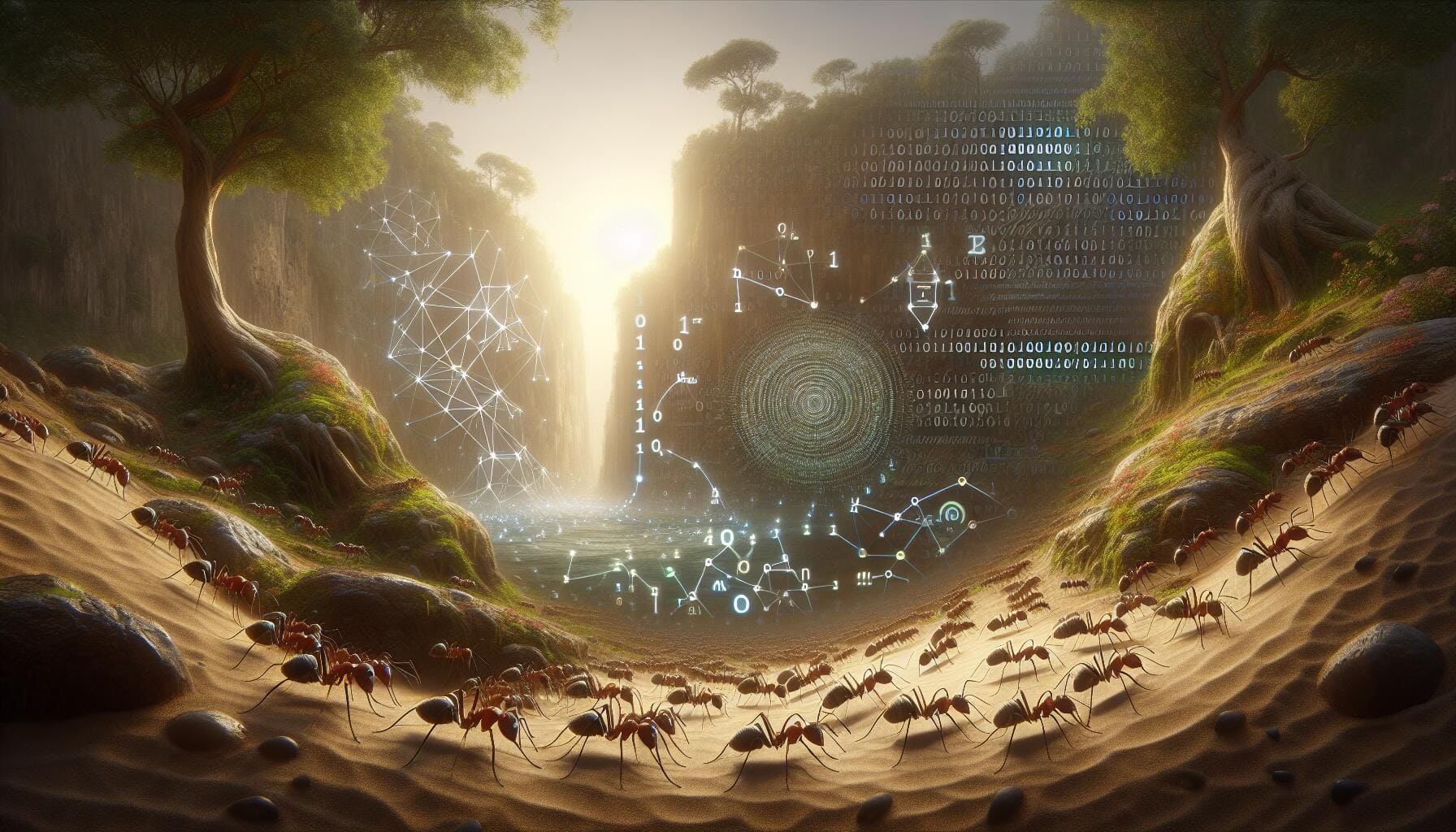
Not every useful idea from nature has to become a physical object. Ant colony optimization was developed by computer scientist Marco Dorigo and other researchers after studying how ants collectively find efficient routes without any individual ant understanding the entire problem. Real ants leave chemical pheromone trails, and successful routes can become increasingly attractive as more ants follow and reinforce them. Ant colony optimization replaces the insects with virtual "ants" that explore possible solutions while leaving numerical equivalents of pheromone behind. The technique has been applied to difficult optimization problems involving routes, scheduling, telecommunications networks, and other systems with huge numbers of possible solutions. Sometimes copying nature means borrowing the decision-making process rather than the body.