Voronin76 / Shutterstock.com

Mohammed_Al_Ali / Shutterstock.com

MangoStar_Studio / iStock via Getty Images

Tharakorn / Getty Images

proxyminder / E+ via Getty Images

studio kacha / Shutterstock.com

Suzi Media Production / iStock via Getty Images

hallohuahua / iStock via Getty Images

Happy cake Happy cafe / Shutterstock.com

fizkes / Getty Images

Bogdan Kurylo / Getty Images

Da Antipina / Shutterstock.com

TheDman / E+ via Getty Images

phive2015 / Getty Images

PeopleImages / Getty Images
NTshutterth / Shutterstock.com

PeopleImages / Getty Images
imaginima / E+ via Getty Images

Antonio Guillem / Shutterstock.com

gorodenkoff / iStock via Getty Images

PeopleImages / iStock via Getty Images

Pixel-Shot / Shutterstock.com

franz12 / iStock via Getty Images
Voronin76 / Shutterstock.com

fizkes / Shutterstock.com

Andrey_Popov / Shutterstock.com

Garna Zarina / Shutterstock.com

Wanmunzir Lehduwee / Shutterstock.com

magicmine / Getty Images

monkeybusinessimages / iStock via Getty Images

SolStock / E+ via Getty Images

RuslanDashinsky / Getty Images

Deagreez / iStock via Getty Images

CGN089 / Shutterstock.com

dragana991 / Getty Images

whitehoune / iStock via Getty Images










35 Facts About the Human Body and How It Works
You don't need a science degree to appreciate how strange the human body can be. It can make your fingers wrinkle in water, convince you that you have butterflies in your stomach, and keep your brain working even when you're fast asleep. Some of those everyday quirks have perfectly sensible explanations. Others are still giving researchers plenty to think about.
There's also a lot of misinformation mixed in with the good stuff. You've probably heard that we use only 10% of our brains, that our eyes have to close when we sneeze, or that every inch of skin contains an exact number of microscopic structures. Some popular claims are flat-out wrong, while others are more complicated than a catchy factoid makes them sound.
Here are 35 surprising facts about the human body, from the science behind yawning and goosebumps to the tiny creatures that can live on your face. A few might sound familiar, but the details are worth a second look.
Tiny Mites May Be Living on Your Face
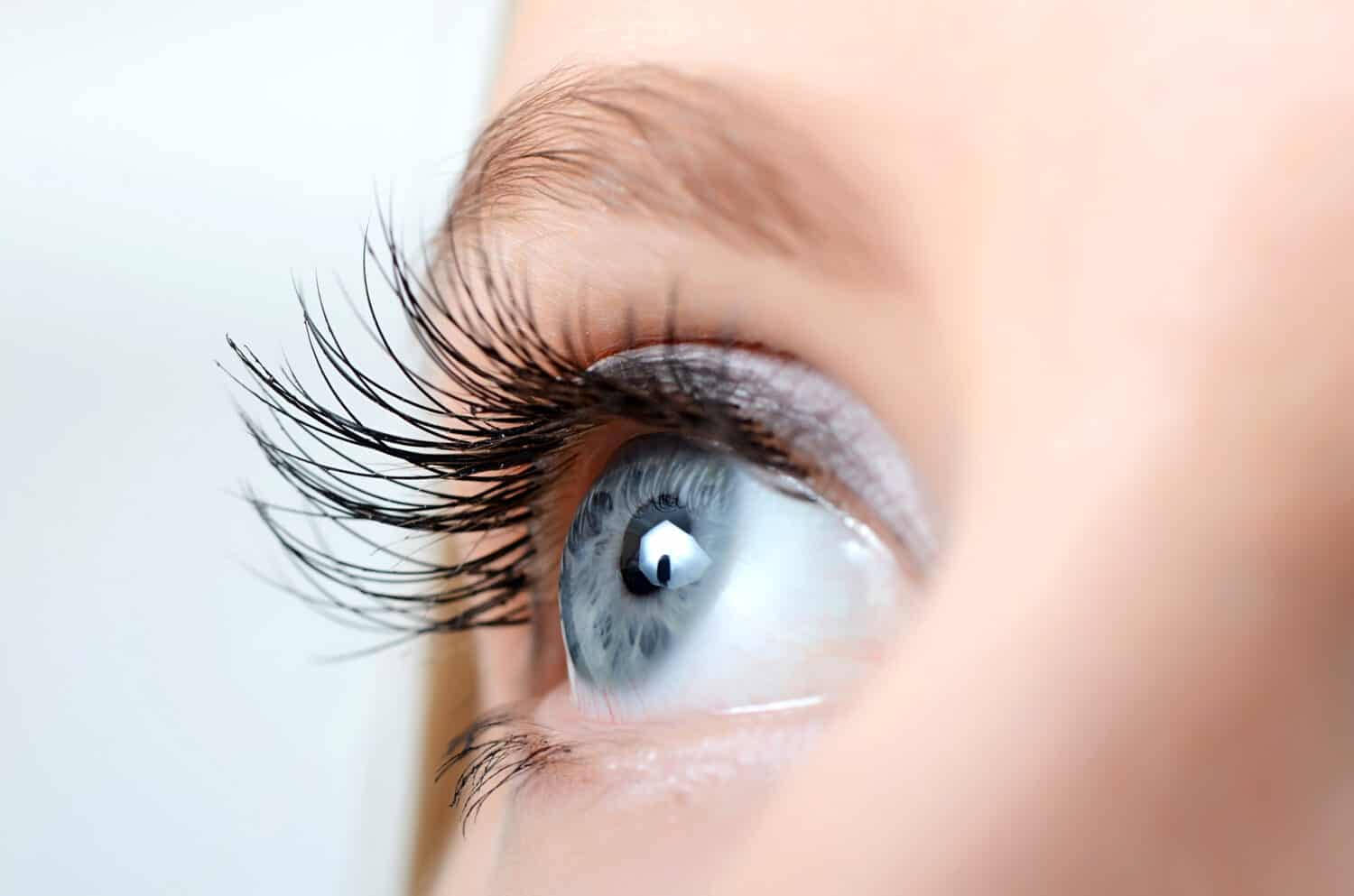
This one might make you want to reach for a mirror, but don't panic. Microscopic Demodex mites commonly live in the hair follicles and oil glands of human skin, especially around the face and eyelashes. They're more common as people get older, and most cause no symptoms at all. Problems can arise when their numbers become unusually high or the skin reacts to them, but for most people they're simply part of the tiny ecosystem sharing our skin.
The '10% of Your Brain' Claim Is a Myth
The idea that humans use only 10% of their brains sounds like the setup for a science-fiction movie. Unfortunately for aspiring superheroes, it's false. Brain imaging shows that different regions become active for different jobs, from recognizing a face to remembering where you put your keys. That doesn't mean every neuron is firing at once, but it does mean there's no unused 90% sitting around waiting to be unlocked.
Stomach Acid Is Powerful, but Your Stomach Has Protection
Your stomach contains hydrochloric acid, which helps break down food and makes the digestive environment hostile to many microbes. It's strong enough to react with certain metals under the right conditions, although that doesn't mean a swallowed object will simply dissolve. A protective mucus-and-bicarbonate barrier, along with the stomach lining's ability to repair itself, helps keep that acid from damaging healthy tissue. The balance is impressive, and it isn't something to test with spare change.
Those 'Butterflies' in Your Stomach Are Real
That fluttery feeling before a first date, a big presentation, or an important game isn't just a figure of speech. Stress and excitement activate the body's fight-or-flight response, releasing hormones such as adrenaline and changing how the digestive system behaves. The gut and brain communicate constantly through nerves and chemical signals. No actual butterflies are involved, of course, but the feeling is your body reacting to anticipation in a very physical way.
About 1 in 10 People Are Left-Handed
The world is largely designed around right-handed people, from scissors to school desks, but left-handedness is hardly unusual. Roughly one in ten people prefer their left hand for tasks such as writing. Hand preference reflects a complicated mix of biology and development rather than one simple gene. People who use both hands equally well for most tasks are less common, and most of us have a preferred hand even if we can use the other when necessary.
You're Constantly Shedding Skin Cells
Your skin doesn't simply stay in place until it gets damaged. Cells are continually produced in deeper layers, move toward the surface, and eventually flake away. You can lose millions of skin cells in a day without noticing a thing. Some of those cells end up in household dust, but dust also contains fibers, soil, pollen, and plenty of other material. So the idea that everything on your bookshelf is basically you is a little exaggerated.
The Muscles That Move Your Fingers Are Mostly Elsewhere
Here's a fun thing to consider next time you're typing or playing piano: most of the muscles responsible for bending your fingers aren't inside the fingers themselves. Powerful muscles in your forearm pull on tendons that run into the hand, while smaller muscles in the palm help control precise movements. The combination lets you grip a heavy object one moment and handle something tiny the next. Fingers get a lot of credit for work their neighbors are doing.
Brain Freeze Has a Ridiculously Long Medical Name
Take one enormous bite of ice cream and you might immediately regret it. Brain freeze, sometimes called sphenopalatine ganglioneuralgia, is a brief headache triggered by sudden cold in the mouth or throat. Researchers think changes in blood flow and signals carried by the trigeminal nerve help explain why the pain seems to shoot into your forehead. Your brain isn't actually freezing. Slowing down and warming the roof of your mouth usually helps.
Yawning Really Can Be Contagious
You might yawn just from reading the word 'yawn.' Seeing or hearing someone else do it can set off the same response, a phenomenon known as contagious yawning. Scientists have explored explanations involving social attention, imitation, and brain activity, but there's no single settled answer for why it happens. The funny part is that contagious yawning doesn't require you to be especially tired. Sometimes all it takes is seeing another person's mouth open.
Your Skin Is the Body's Largest Organ
Skin is more than the covering that keeps everything in place. It's your body's largest organ by surface area, helping regulate temperature, limit water loss, and protect against the outside world. Its weight depends on how researchers define and measure the layers, especially whether deeper tissue is included. However you count it, a whole-body suit of living, repairing tissue is doing an enormous amount of work every day.
Why Your Fingers Wrinkle After a Long Swim
Spend enough time in a pool or bathtub and your fingertips start looking like little raisins. The wrinkles aren't simply caused by skin soaking up water. The nervous system triggers changes in the blood vessels underneath the skin, creating that familiar pattern. Some research suggests the wrinkles may help us handle wet objects, almost like tread on a tire, although studies haven't all found the same benefit. The exact evolutionary advantage is still being investigated.
Your Kidneys Produce Around a Liter or Two of Urine a Day
Most healthy adults produce roughly 800 milliliters to 2 liters of urine in a day under typical conditions, although the amount can change considerably with fluids, weather, activity, and health. The bladder stores that urine until it's time for a bathroom break, usually holding several hundred milliliters comfortably. So there isn't one magical daily number that applies to everybody. If you've ever spent a hot afternoon outdoors, you already know the amount can vary.
Your Brain Uses About as Much Energy as a Light Bulb
Even when you're sitting still, your brain is busy consuming energy to keep billions of nerve cells working. A commonly cited estimate puts its power use at around 20 watts, roughly comparable to a small light bulb. That's a comparison of energy consumption, though, not a claim that your head could be plugged into a lamp. Your brain runs on chemical energy supplied by your body, with electrical signaling happening between its cells.
You Really Can Sneeze With Your Eyes Open
Most people instinctively close their eyes when they sneeze, but doing so isn't strictly required. The eyelid movement is part of an automatic reflex, and some people can override it. Contrary to an old schoolyard warning, sneezing with your eyes open won't make your eyeballs pop out. The sneeze itself is a defense mechanism that helps clear irritants from the nose, whether your eyes are open or shut.
Your Body Has a Distinctive Scent
Even without perfume or deodorant, people can have their own recognizable body odor. Genetics plays a role, but so do the communities of microbes living on skin, the foods we eat, hygiene, and other factors. Close relatives, including identical twins, may have especially similar scent profiles. That doesn't mean every person has an absolutely unique, permanent smell like a fingerprint, but it does mean your body's chemical signature is more personal than you might expect.
The 100-MPH Sneeze Claim Is Misleading
Sneezes can feel explosive, which may explain the familiar claim that they blast out at more than 100 miles per hour. But direct studies of sneeze airflow and droplets have found a wide range of speeds, often far below that figure. The number depends in part on exactly what researchers measure. What matters more is that a sneeze can release droplets and aerosols into the surrounding air, which is a pretty good reason to cover your mouth and nose.
Your Brain Doesn't Finish Developing on Your 25th Birthday
You've probably heard that the brain is fully developed at exactly 25. It's not quite that simple. Important changes in brain wiring and efficiency continue through adolescence and into the 20s, and the prefrontal cortex, which helps with planning and decision-making, is among the last regions to mature. But there's no universal birthday when development suddenly stops. The brain continues learning and adapting throughout life, which is good news for the rest of us.
Sweat Itself Is Usually Almost Odorless
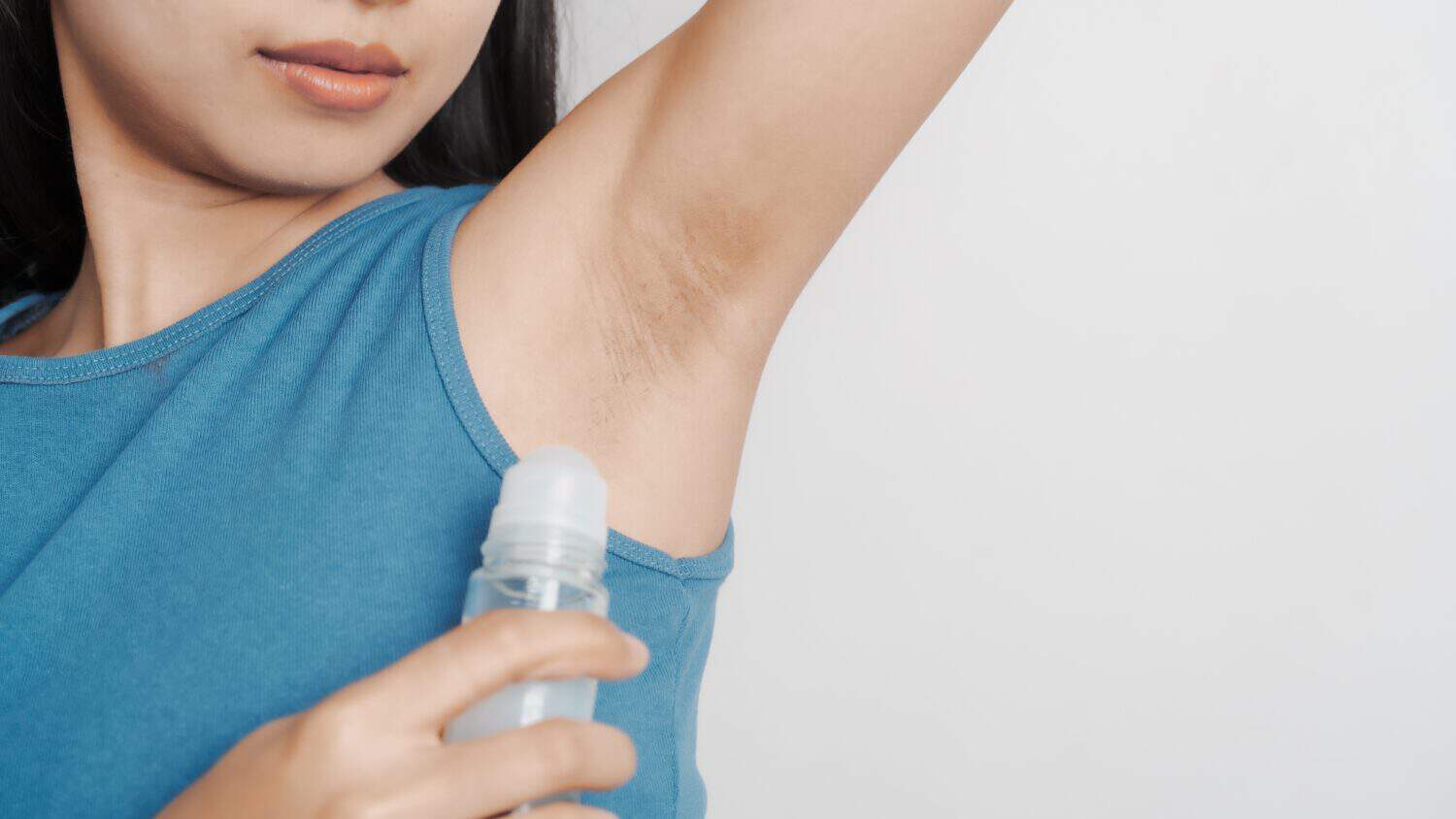
That post-workout smell isn't simply sweat announcing its arrival. The watery sweat that cools your body usually has little odor on its own. Body odor often develops when skin bacteria break down secretions, especially those from apocrine glands around the armpits and groin. Genetics, hygiene, clothing, and skin microbes all affect the result. So it's not the act of sweating alone that creates the smell; it's what happens afterward.
One Square Inch of Skin Contains Millions of Cells
That little patch of skin on the back of your hand is more complicated than it looks. A commonly cited estimate puts roughly 19 million skin cells in a square inch, although the exact number depends on where the skin is and how it's measured. That same small area can contain sweat glands, nerve endings, blood vessels, and hair follicles. It's a lot of machinery packed into something we tend to take for granted.
Beard Growth Has Its Own Set of Rules
Facial hair responds strongly to hormones, particularly androgens, which is one reason beards tend to develop during and after puberty. Growth rates vary by person and by body area, and individual beard hairs also have growth and resting cycles. That means the old claim that an untrimmed beard will automatically stretch 30 feet over a lifetime doesn't hold up. Some people grow spectacular beards, but biology doesn't guarantee a floor-length one.
Sleepwalking Happens During Partial Arousal
Sleepwalking looks like someone is awake and going about their business, but the brain hasn't fully switched into wakefulness. Episodes usually arise from deep non-REM sleep, often early in the night. A person may sit up, walk, or carry out familiar actions while showing limited awareness and later remembering little or nothing. It's not quite the brain being 'half awake' in a literal sense; different systems are simply in different states.
Earwax Is Actually Protecting Your Ears
Earwax isn't just something to clean away. Also called cerumen, it helps trap dust and debris, protects the delicate skin of the ear canal, and makes life harder for some microbes. Usually, the ear gradually moves old wax outward on its own. Digging around with cotton swabs can push wax deeper instead of removing it. So while a buildup can cause problems, a normal amount of earwax is doing a useful job.
Your Eyes Can Look Like They're Changing Color
Lighting, clothing, and pupil size can make the same eyes look surprisingly different from one photo to the next. That's usually an optical effect rather than an actual change in iris pigment. Eye color may shift during early childhood as pigment develops, but significant new changes in an adult are uncommon. If one or both eyes genuinely change color, an eye doctor should check it out rather than assuming it's just a trick of the light.
Why You Usually Can't Tickle Yourself
Try tickling your own ribs and you'll probably be disappointed. The brain can predict the sensory consequences of movements you make yourself, so it tends to turn down the response to that familiar touch. An unexpected tickle from someone else is harder to predict and often gets a much bigger reaction. It's a reminder that your sense of touch isn't just about what contacts your skin; your brain also considers who caused it.
Hair Growth Doesn't Follow a Perfect Schedule
If it seems as though your hair sometimes grows faster than usual, you may not be imagining it. Hair follicles move through growth, transition, and resting phases, and small seasonal changes have been observed in some research. But the speed varies with genetics, age, hormones, health, and the part of the body. It's not as simple as saying summer hair grows faster for everyone, or that hair grows at one fixed rate during the day and another at night.
The Tongue 'Taste Map' Is a Myth
Remember those diagrams showing separate zones for sweet, salty, sour, and bitter tastes? They made their way into plenty of classrooms, but the neat little map isn't how your tongue works. Taste receptors for the basic qualities are distributed across the tongue rather than locked into exclusive sections. There's also a fifth basic taste, umami, associated with savory foods. Different areas can vary in sensitivity, but you don't need the tip of your tongue just to taste something sweet.
Goosebumps Are Leftovers From Our Furrier Past
That sudden chill that makes the hairs on your arms stand up is a reminder of our evolutionary history. Tiny muscles attached to hair follicles contract when you're cold or experiencing strong emotions. On a furrier animal, raised hairs can trap insulating air or make the animal appear bigger. On humans, the effect is mostly a leftover feature, though the sensation still shows up during a great song, a scary movie, or an unexpected cold breeze.
People Can Live Without a Stomach
It sounds impossible, but some people have their entire stomach removed in a surgery called a total gastrectomy, often as part of cancer treatment. Surgeons reconnect the digestive tract so food can pass into the small intestine. Life afterward requires major adjustments, including smaller, more frequent meals and attention to vitamin and nutrient absorption. The stomach does much more than hold food, but the rest of the digestive system can adapt with proper medical care.
Blinking Gives Your Eyes a Mini Refresh
Your eyelids do a lot more work than you probably notice. Many adults blink roughly 15 to 20 times a minute at rest, although the rate changes with what they're doing. Reading or staring at a screen, for example, can reduce how often you blink. Each blink spreads a thin layer of tears across the eye's surface, helping keep it moist and clear away tiny particles. It's basically routine maintenance that your body handles without asking.
Hair Grows From Living Follicles, Not the Strand
Hair looks alive when it grows longer, but the part you see above the skin is made mostly of dead, hardened cells containing keratin. The real work happens down inside living hair follicles, where cells divide and build new hair. That explains why a haircut doesn't hurt and why trimming the ends doesn't make the roots grow faster. Hair follicles also cycle between growth and rest, so there's no limitless, uninterrupted production line.
Your Nose Can Tune Out a Familiar Smell
Walk into a room with a strong scent and you'll notice it immediately. Stay there for a while and the odor may seem to fade, even though it's still present. That's olfactory adaptation: your sensory system becomes less responsive to an unchanging smell so it can pay attention to something new. It's also why visitors may notice an odor in your home that you've long since stopped registering. The smell didn't necessarily disappear; your awareness of it did.
Your Tongue Is a Team of Muscles, Not One
Your tongue is often described as the strongest muscle in the body, but there's a problem with that claim: it isn't one muscle. Several paired muscles work together to move and reshape it, helping you speak, swallow, and move food around your mouth. Some of those muscles attach to bones such as the hyoid and jaw; others run within the tongue itself. That flexibility is impressive enough without giving it a made-up anatomical record.
Losing 50 to 100 Hairs a Day Can Be Normal
Finding hair in the shower drain can be unsettling, but some daily shedding is part of the normal hair-growth cycle. Dermatologists generally consider losing about 50 to 100 scalp hairs a day typical. New hairs often grow from the same follicles as older ones shed. A noticeable increase, thinning patches, or sudden changes may be worth discussing with a professional, but a few loose strands on your brush aren't automatically a warning sign.
Your Nostrils Take Turns Handling Airflow
Ever notice that one nostril seems clearer than the other, especially when you have a cold? Your nose has a built-in rhythm called the nasal cycle. Over several hours, tissues inside one nasal passage swell slightly while those in the other side shrink, then the pattern gradually switches. It helps regulate airflow and moisture. Most of the time, the changes are so subtle you don't even notice them until congestion makes the difference obvious.
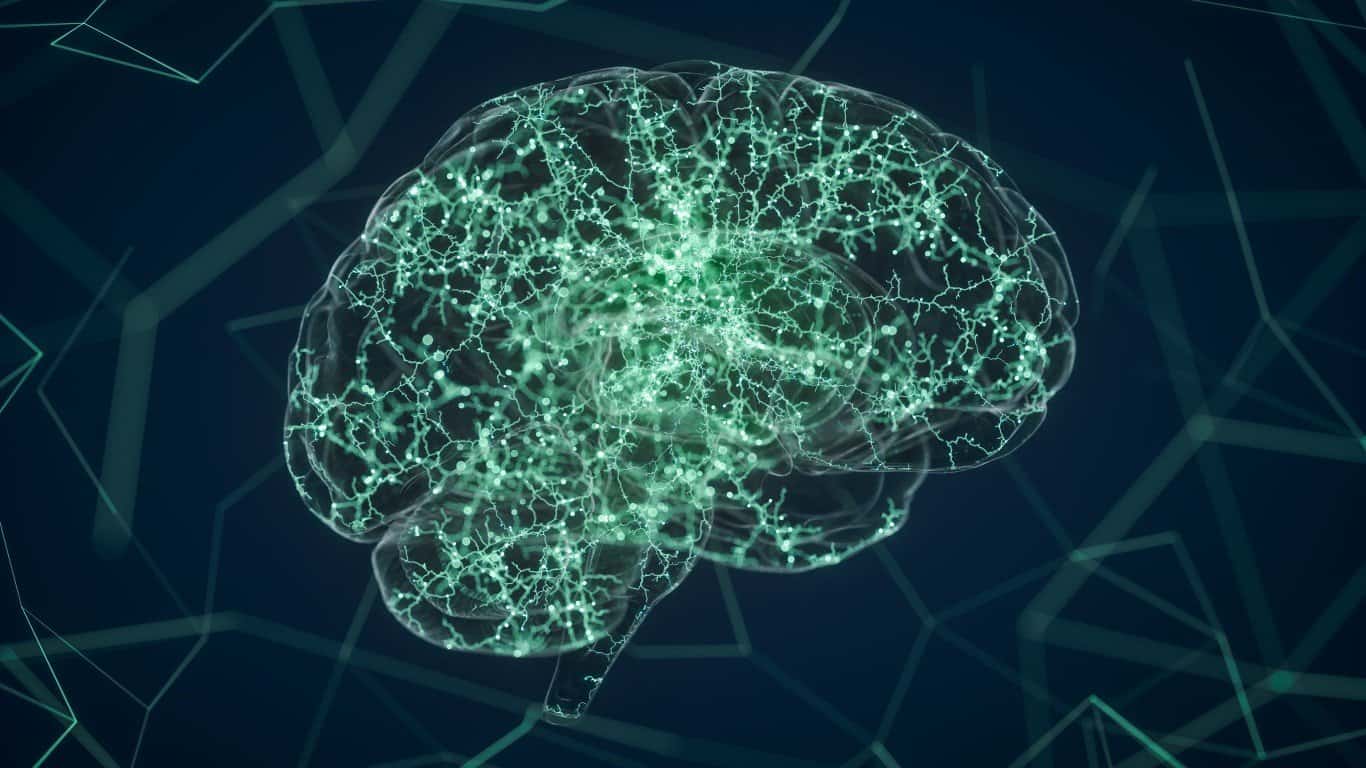
A Tiny Piece of Brain Tissue Contains Millions of Connections
Scientists don't need an entire brain to uncover astonishing complexity. In a 2024 study, researchers mapped a single cubic millimeter of human cerebral cortex and identified about 57,000 cells and roughly 150 million synapses, the contact points where nerve cells communicate. Not all those cells were neurons; many were support cells called glia. It's an almost absurd amount of detail in a sample smaller than a pinhead, and researchers are still learning what those connections mean.