Luisa Trescher Photos/iStock via Getty Images
Cavan Images/iStock.com

Phil Walter / Getty Images
Jolanta Wojcicka/Shutterstock.com
Luisa Trescher Photos/iStock via Getty Images
vojce/iStock via Getty Images
Greg Sullavan/iStock.com
Cigdem Cooper/Shutterstock.com
Tunatura/iStock via Getty Images
Jag_cz / iStock
Sabangvideo/Shutterstock.com

Liquid_Light / iStock

8 Facts About Australia's Great Barrier Reef
The Great Barrier Reef is often described as one giant coral formation. It isn't. Stretching along Australia's northeastern coast, it's a vast network of reefs, islands, seagrass beds, and open water. The coral itself is made by tiny animals, and the ecosystem they help build is big enough to show up in images taken from space. That's impressive without pretending the whole thing is one enormous creature.
There's plenty more happening beneath the surface. Thousands of species use the region for food and shelter, while many corals depend on microscopic algae to survive. The reef is also Sea Country for more than 70 Aboriginal and Torres Strait Islander Traditional Owner groups, whose connections to the area reach back tens of thousands of years.
Its future is a more complicated story than a simple 'healthy' or 'dying' headline. Repeated marine heatwaves have damaged parts of the reef, yet scientists also document recovery when conditions improve. These eight facts explain what the Great Barrier Reef is, why it matters, and what the latest research tells us.
The Great Barrier Reef Is the World's Largest Reef System
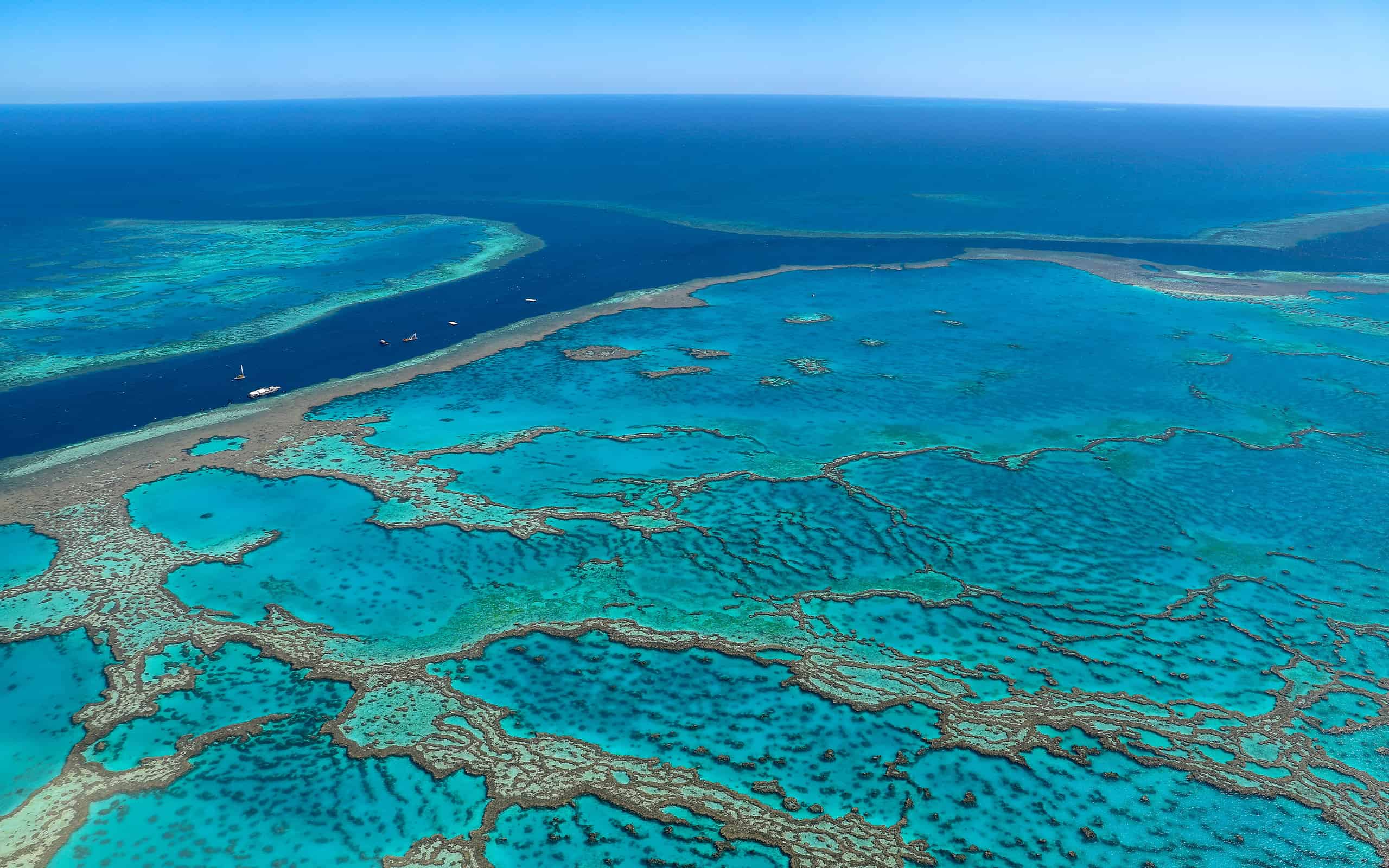
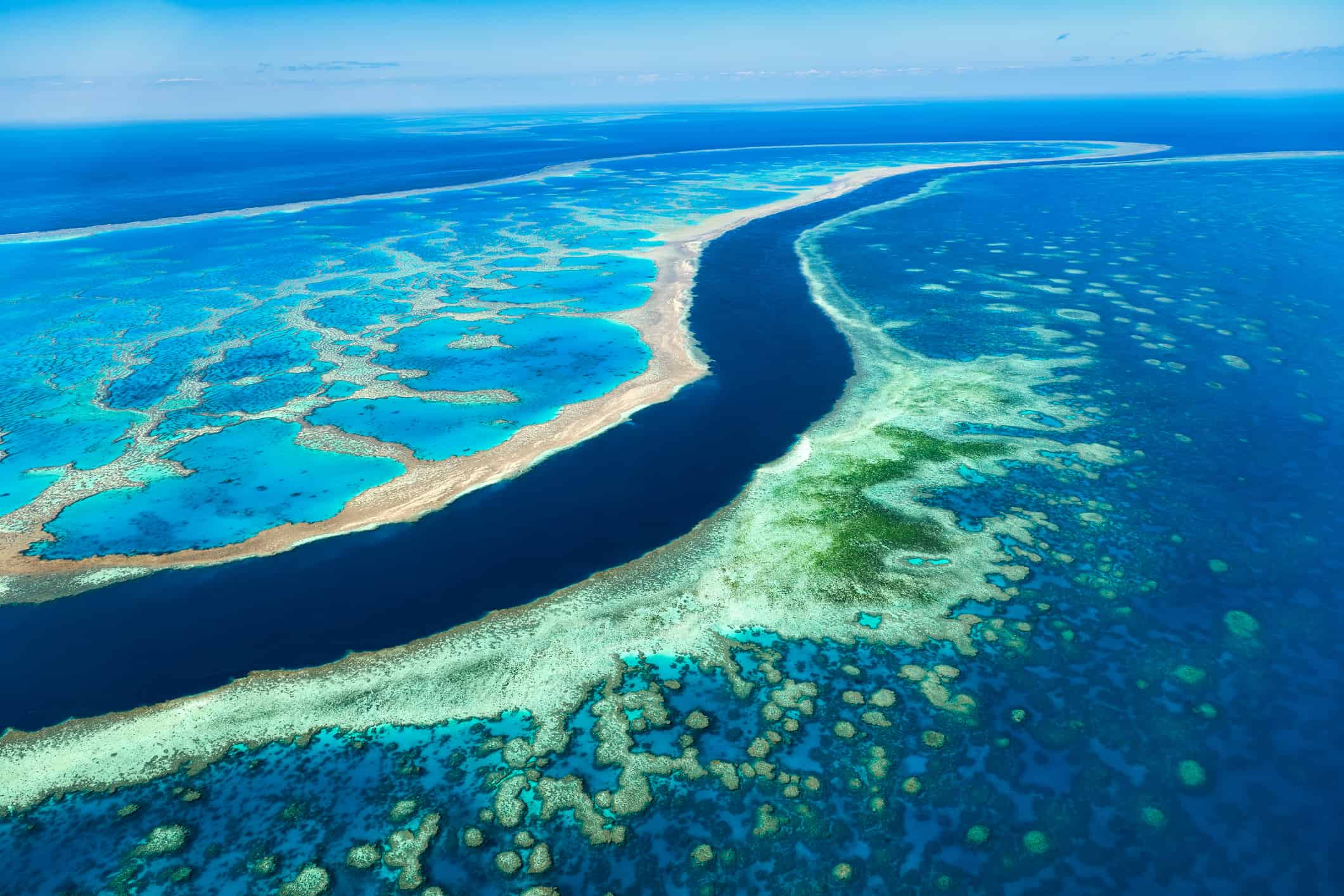
No, it isn't one enormous creature sitting off Australia's coast. The Great Barrier Reef is a vast ecosystem built over time by colonies of coral animals. It stretches for about 1,400 miles (2,300 kilometers) along Queensland's coast. The Great Barrier Reef Marine Park covers roughly 133,000 square miles (344,400 square kilometers)—an area comparable to Japan or Italy.
The Great Barrier Reef (continued)
Those figures describe the whole marine park, not a solid sheet of living coral. The area also includes open water, seagrass beds, islands, and mangroves. Reef-building coral polyps produce hard calcium carbonate skeletons that accumulate over generations. That's how enormous reef structures form, even though the individual animals responsible are tiny. According to Australia's Reef Authority, coral reefs make up only about 7% of the marine park and World Heritage Area.
The Present-Day Reef Is About 6,000 to 8,000 Years Old
The Great Barrier Reef's geological history is much older than the coral formations visible today. Reefs have developed in this region at different times, but the modern system took shape after the last ice age, as melting ice sheets raised sea levels and flooded parts of the continental shelf.
The reef system we recognize today is generally estimated to be about 6,000 to 8,000 years old. That's old by human standards, but relatively young geologically. And it isn't frozen in time. Living coral colonies grow, die, and recover, while storms and changing ocean conditions reshape individual reefs. The Reef Authority uses that 6,000-to-8,000-year estimate for the modern reef ecosystem.
It Contains Around 3,000 Individual Reefs
The singular name is misleading. The Great Barrier Reef is actually a collection of roughly 3,000 individual coral reefs, with different shapes, depths, and habitats. Some form narrow ribbons, while others spread into broad platforms or surround sheltered lagoons. It's less like one underwater wall and more like a sprawling neighborhood with thousands of very different addresses.
There are islands, too: the Reef Authority lists about 600 continental islands, 300 coral cays, and 150 inshore mangrove islands within the marine park. And much of the surrounding area is seagrass, sand, mangroves, or deeper water. Those less-photographed parts of the ecosystem are important feeding grounds and migration routes for the animals that depend on the region.
Coral Is an Animal, Not a Plant
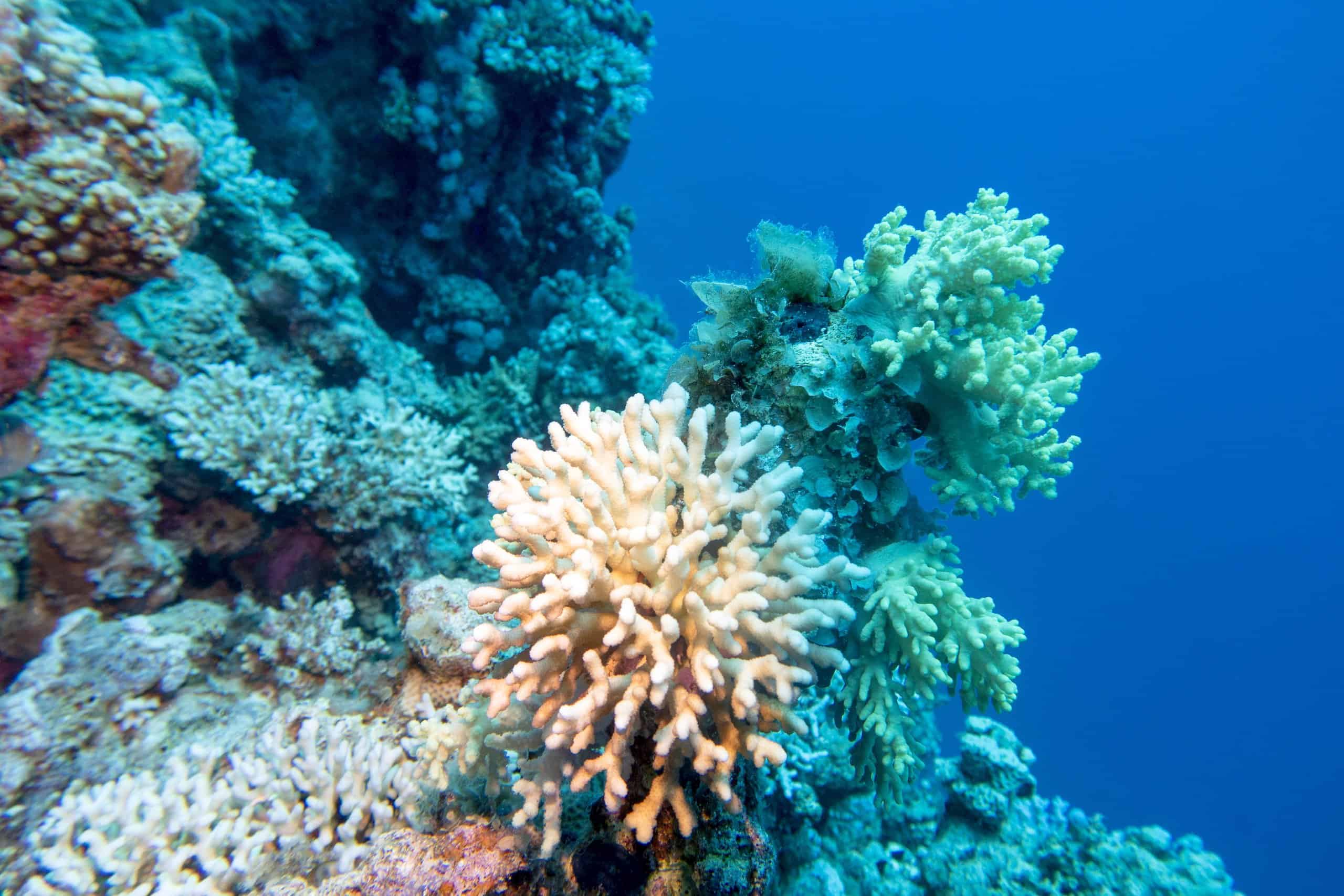
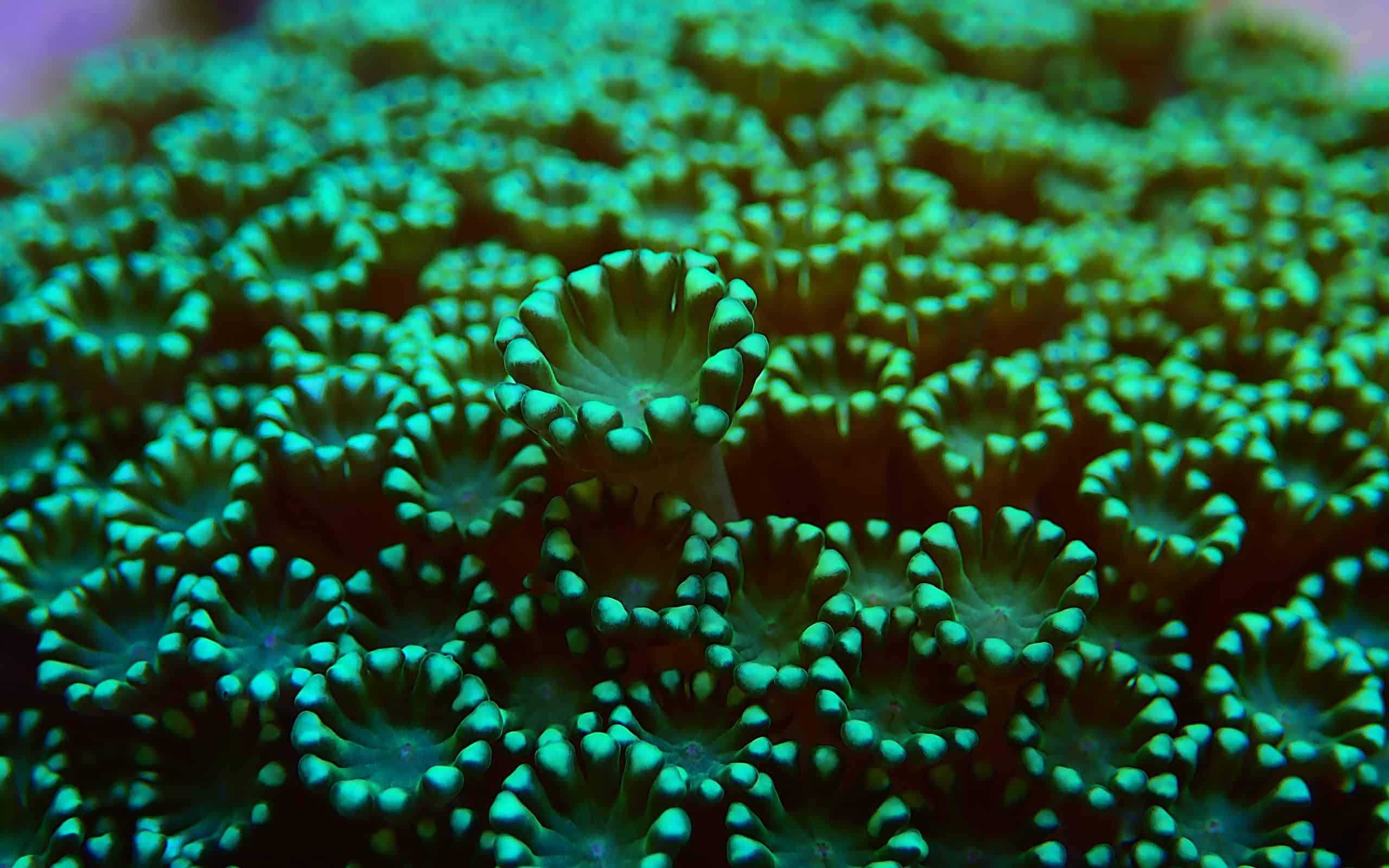
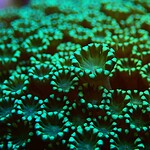
Coral can look like a plant, a rock, or something a scuba diver found in an aquarium store. But coral polyps are animals related to jellyfish and sea anemones. Many have tentacles to catch tiny prey, and reef-building species produce mineral skeletons that help form the reef's familiar shapes.
The Great Barrier Reef supports more than 450 known species of hard coral, along with many soft corals and sea pens. Some form branching colonies, others resemble plates or rounded boulders, and many rely heavily on microscopic algae living inside their tissues for energy. That last detail becomes especially important when the water gets too warm.
More Than 1,600 Fish Species Live in the Region
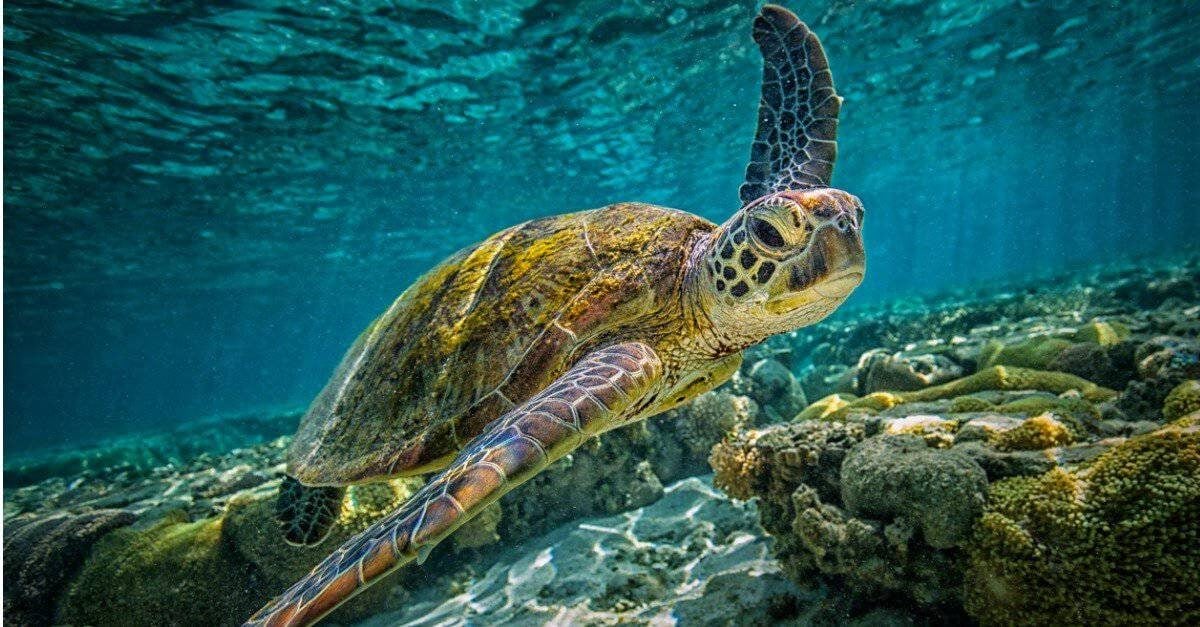
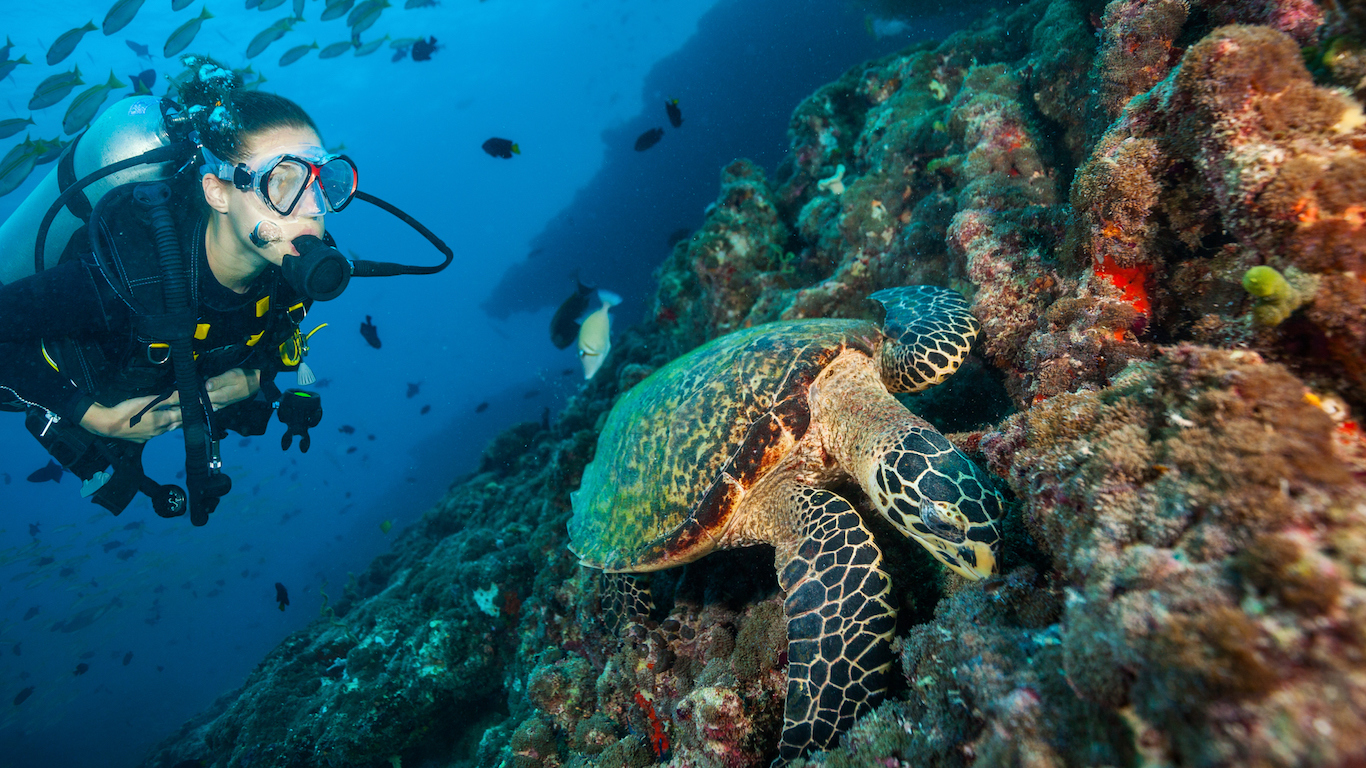
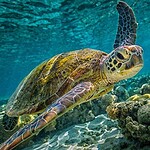
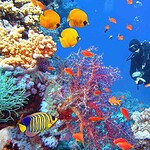
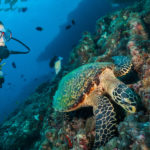
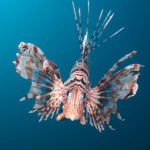
The wildlife numbers are impressive without any creative exaggeration. The Reef Authority records about 1,625 species of fish and more than 130 kinds of sharks and rays in the Great Barrier Reef region. Six of the world's seven marine turtle species occur here, along with more than 30 species of whales and dolphins. Dugongs feed in seagrass meadows, while sea snakes, mollusks, and countless smaller animals fill out the picture.
That diversity has a lot to do with the variety of habitats. A fish might shelter among coral as a juvenile and spend part of its adult life elsewhere. Turtles travel between feeding areas and nesting beaches. The reef isn't just one spectacular snorkeling spot; it's a connected network that supports wildlife at different stages of life.
Corals Depend on Microscopic Algae
Many reef-building corals don't get most of their energy by catching food. Instead, they host microscopic algae, commonly called zooxanthellae, inside their tissues. The algae use sunlight to make food through photosynthesis and share much of that energy with their coral hosts. In return, the coral provide shelter and nutrients. It's a practical arrangement for both partners.
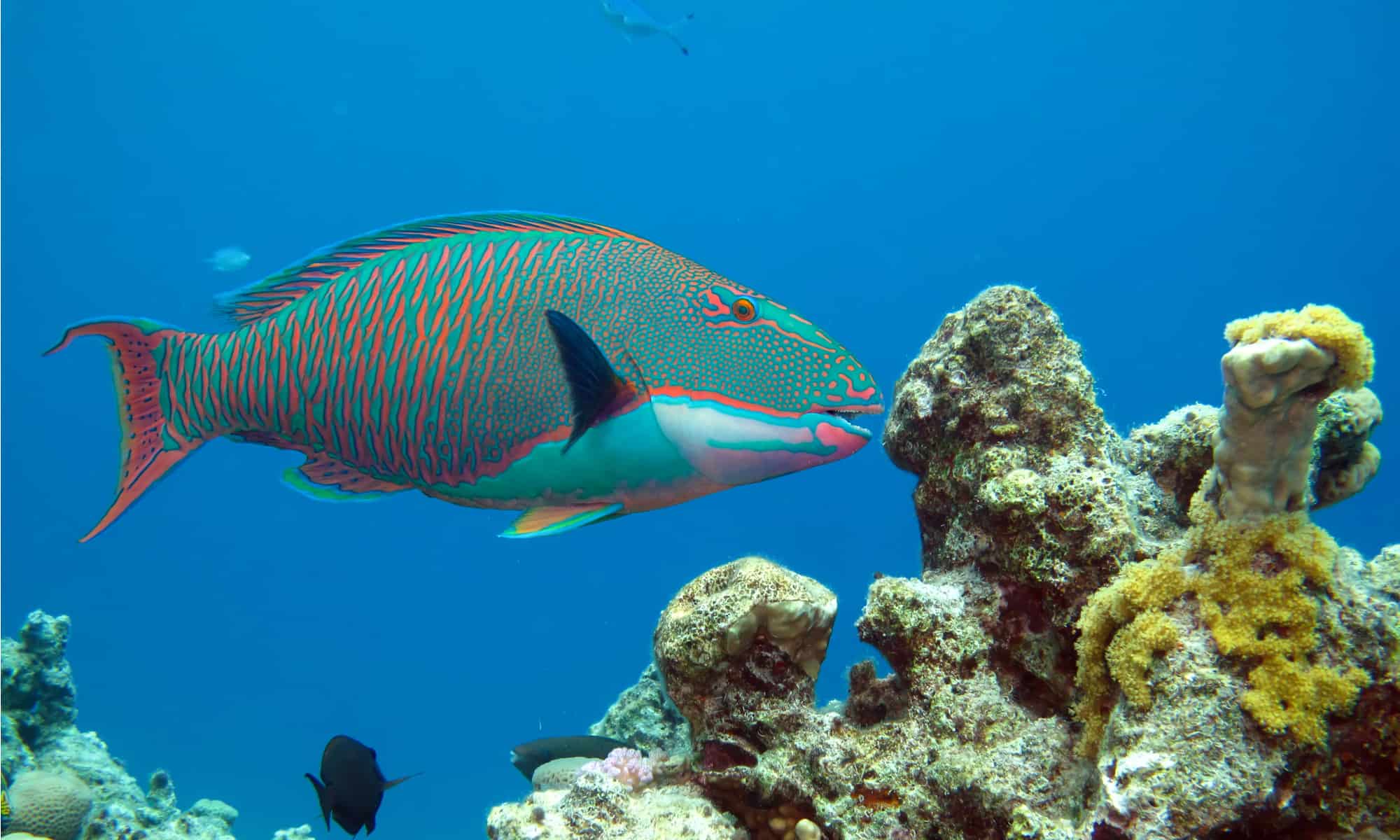
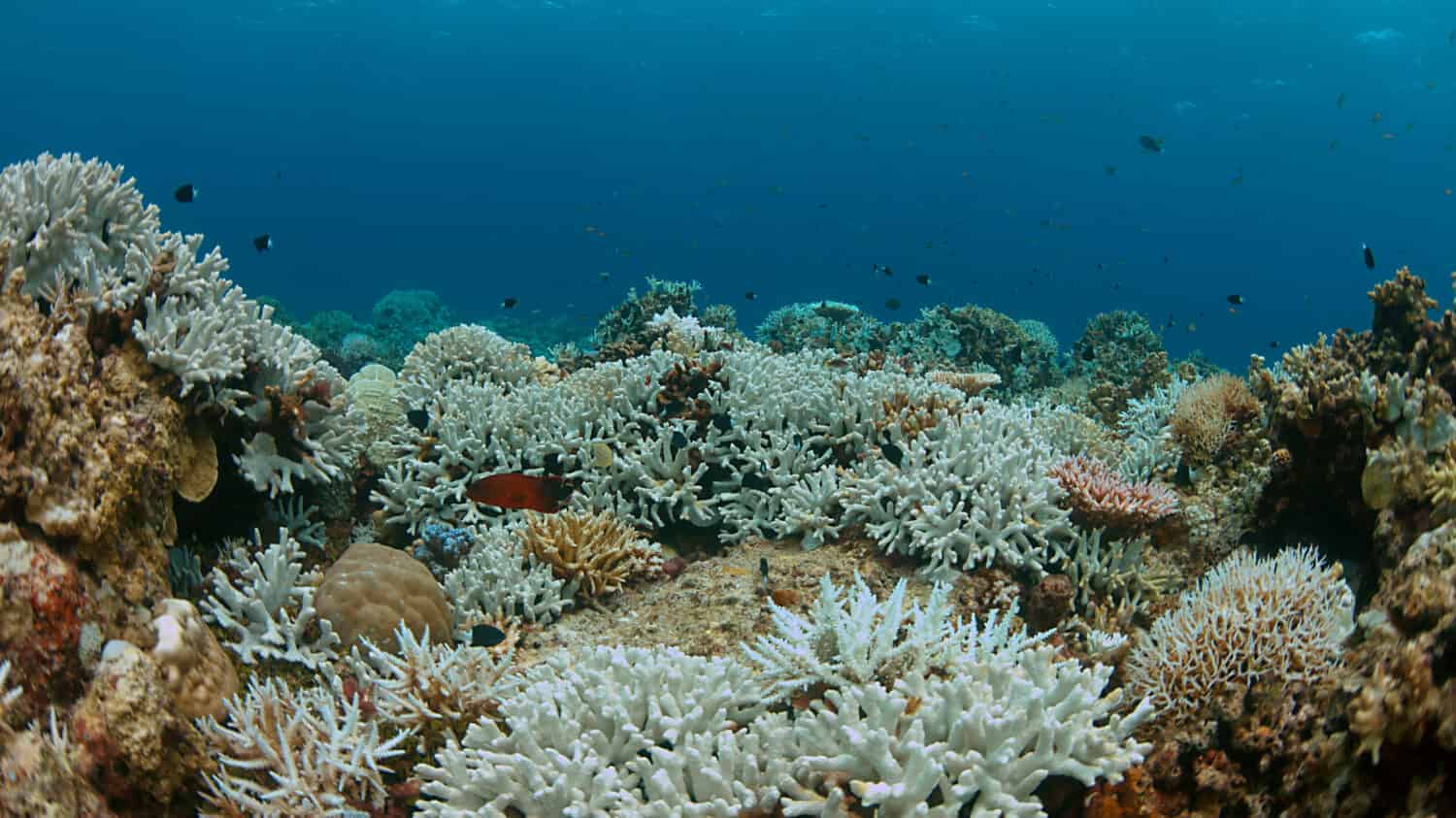
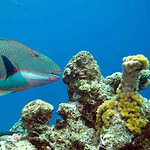
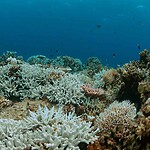
The trouble starts when conditions become too stressful. Prolonged unusually warm water can disrupt that partnership, and corals may lose their algae and turn pale or white—a process called bleaching. Other reef animals interact with algae in different ways. Parrotfish, for example, graze on algae growing on reef surfaces, helping keep parts of the reef from becoming overgrown.
The Reef Protects Coastlines and Supports Communities
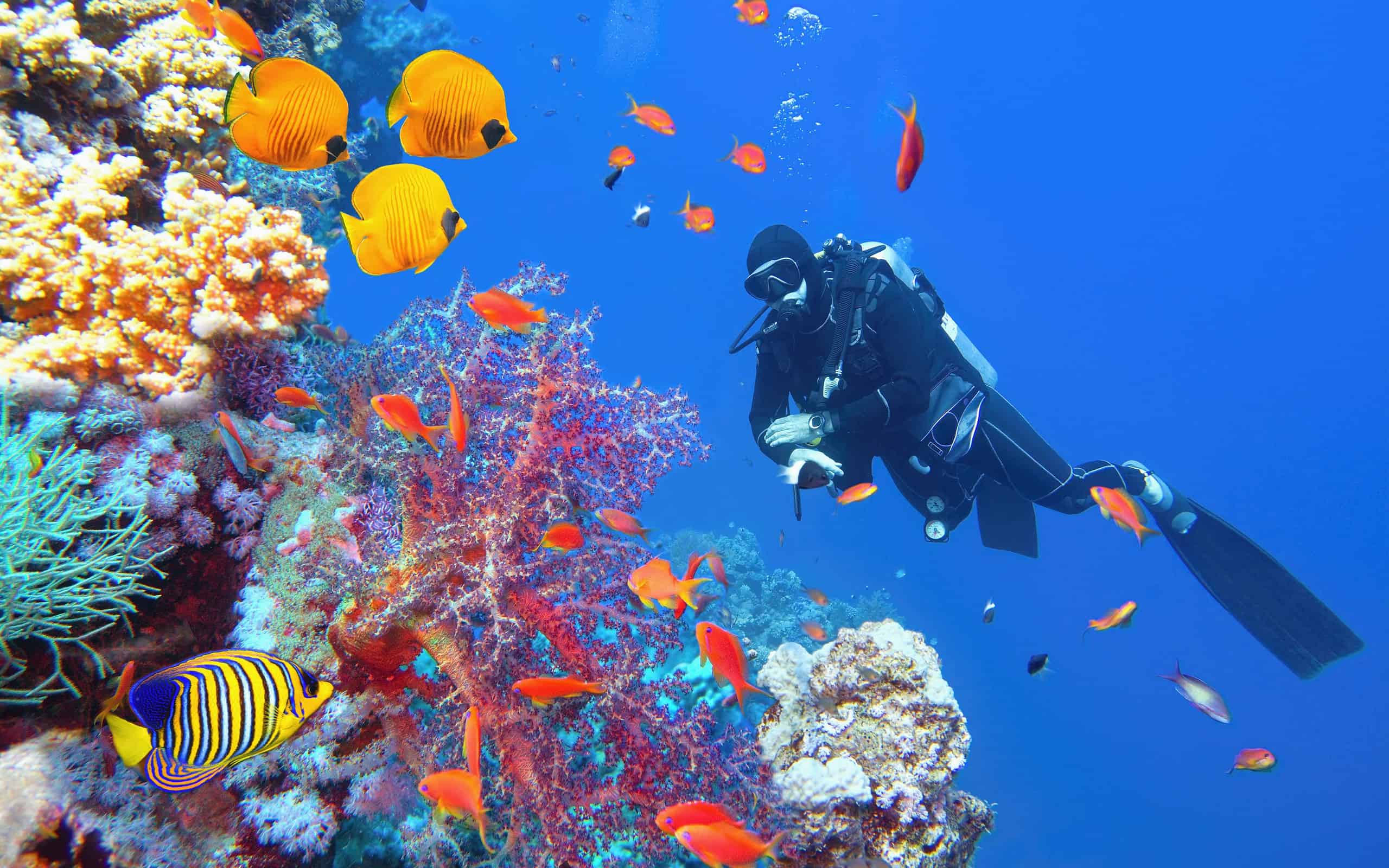
Healthy coral reefs do more than provide good scenery for vacation photos. Their physical structures help absorb wave energy and protect parts of the coast from erosion and storm damage. They also provide habitat for fish and other marine life that support fisheries, while snorkeling, diving, and tourism help sustain coastal businesses and jobs in Queensland.
The Reef Provides
One statistic needs a little context: estimates that roughly a quarter of marine species depend on coral reefs refer to coral reefs worldwide, not the Great Barrier Reef by itself. The region also has deep cultural importance. More than 70 Aboriginal and Torres Strait Islander Traditional Owner groups maintain enduring connections to this Sea Country and take part in caring for it. The reef is a living place, not just a landmark.
Bleaching Remains a Threat, Even as Some Reefs Recover
The Great Barrier Reef has faced repeated marine heatwaves and mass bleaching events, particularly since 2016. When coral loses the algae it depends on, it becomes stressed and can die if conditions don't improve. Bleaching isn't automatically a death sentence, but prolonged heat is a serious threat. Cyclones, flood runoff, coastal pressures, and outbreaks of coral-eating crown-of-thorns starfish add to the damage.
Reefs Recovering
There's an important update. In its August 2026 assessment of 121 reefs, the Australian Institute of Marine Science found that average hard coral cover in the northern region rose from 30.0% in 2025 to 35.1% in 2026; the central region rose from 28.6% to 31.6%. The southern region remained roughly stable at 26.4%, with a slight decline within the margin of error. Scientists describe these results as early signs of recovery from recent bleaching, not proof that the entire reef is out of danger.