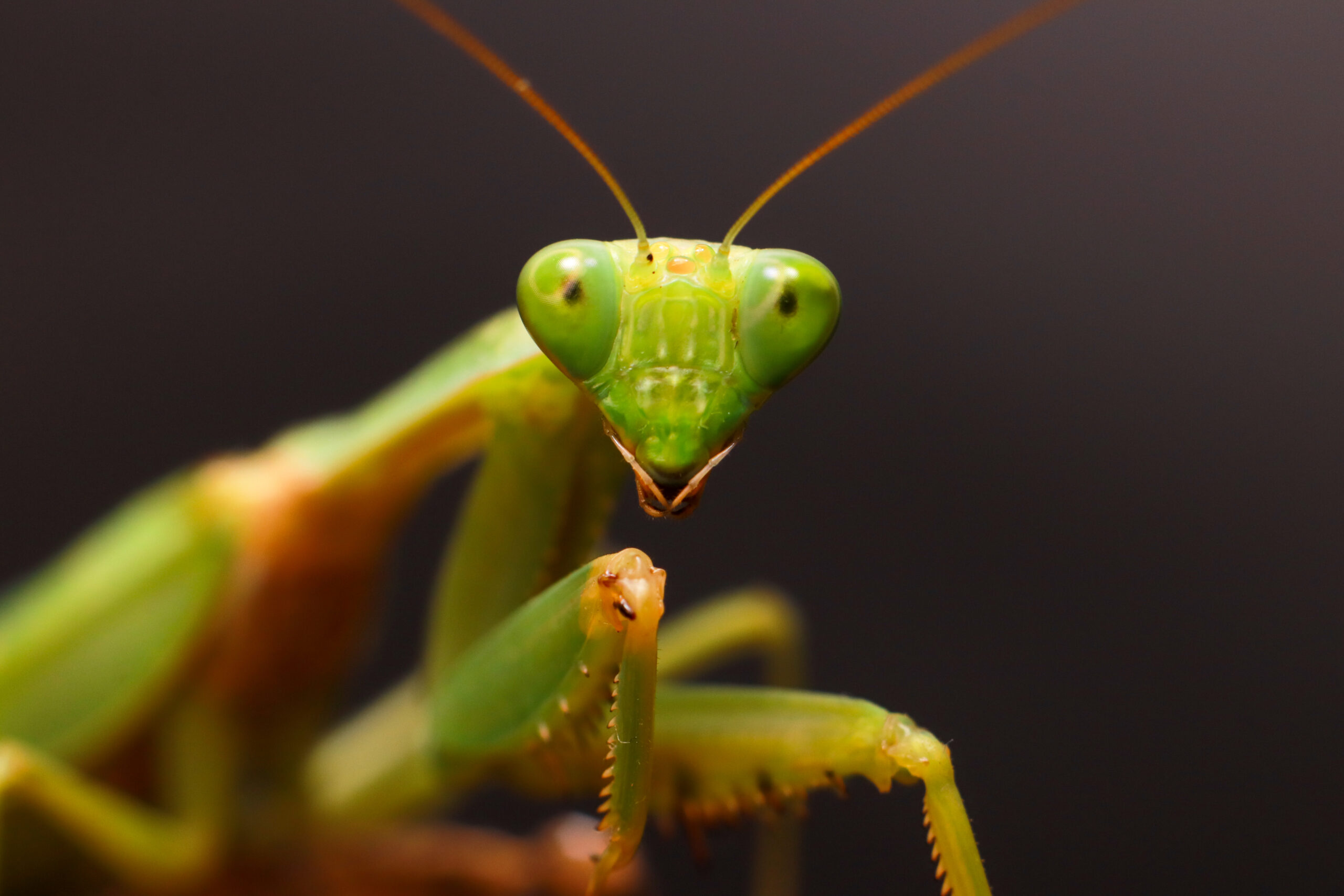
Some of the most unforgettable monsters in movie history weren’t dreamed up from scratch. Filmmakers have used inspiration from real animals, taking their appearance, behavior, hunting techniques, and survival instincts to form some truly disturbing creatures. From parasitic insects to ocean predators, nature has set the blueprint for a handful of the most terrifying creatures in film. Sometimes, you need reality to inspire great (and scary) fiction.
1. Xenomorph from Alien (Parasitic Wasps)
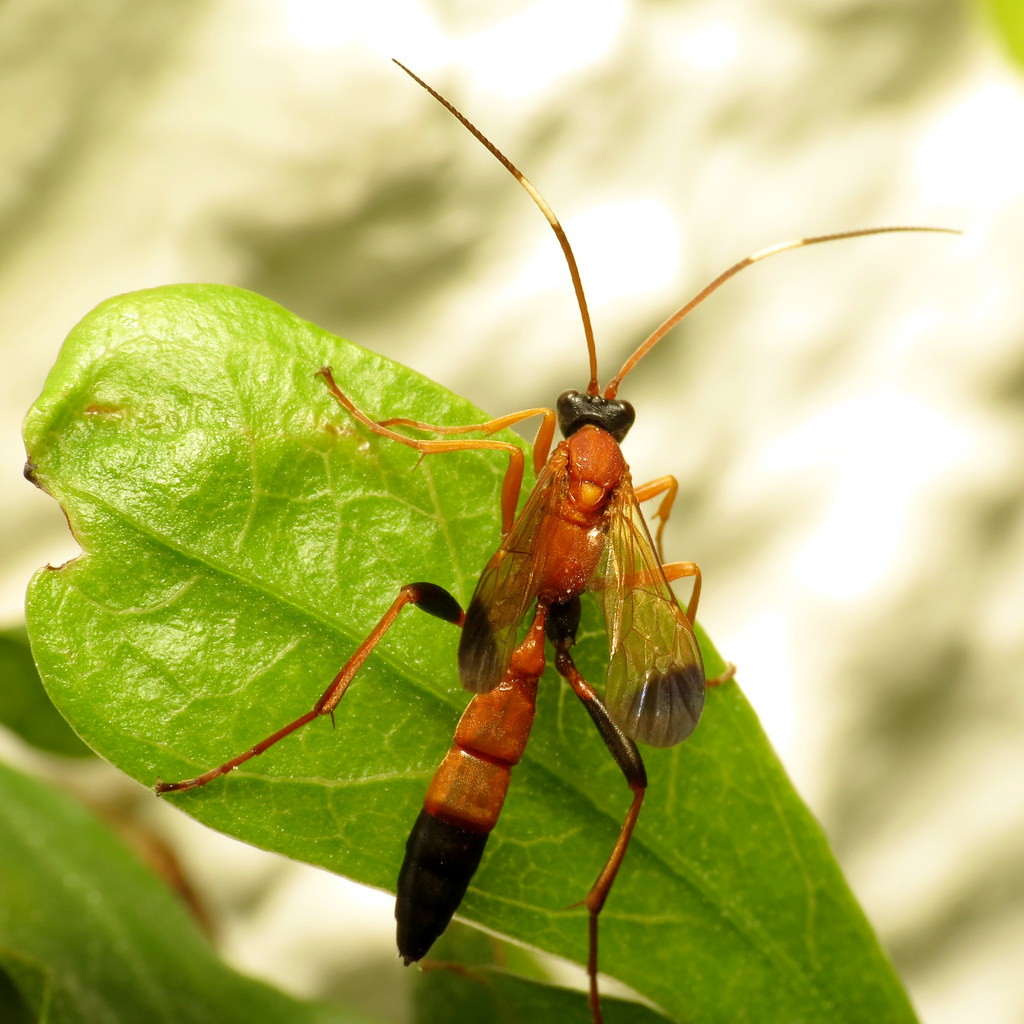
The Xenomorph’s life cycle closely resembles that of parasitic wasps. These insects lay their eggs inside living hosts, where the larvae hatch and consume the host from the inside out before emerging into the world. The Facehugger and Chestburster stages reflect this gruesome technique almost exactly. By borrowing from one of nature’s most disturbing methods of reproduction, filmmakers created one of the most unsettling creatures in movie history. The Xenomorph can only exist by using other organisms to reproduce, making it feel less like a traditional movie monster and more like a very real biological nightmare.
2. The Graboid from Tremors (Trapdoor Spiders)
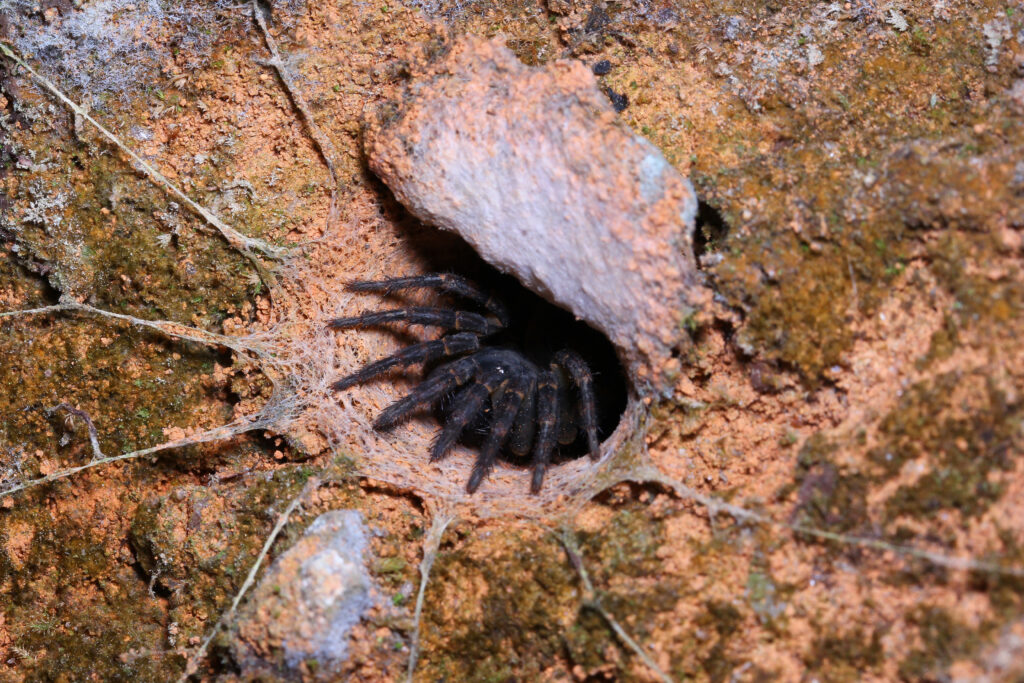
Although Graboids look like giant underground worms, their ambush skills are similar to trapdoor spiders. These spiders wait inside hidden burrows until prey passes over them. Then, with incredible speed, they strike, dragging their prey underground. Graboids detect vibrations in the soil to find victims in much the same way trapdoor spiders do. This monster turns an ordinary stroll into a terrifying experience.
3. The Rancor from Return of the Jedi (Komodo Dragons)
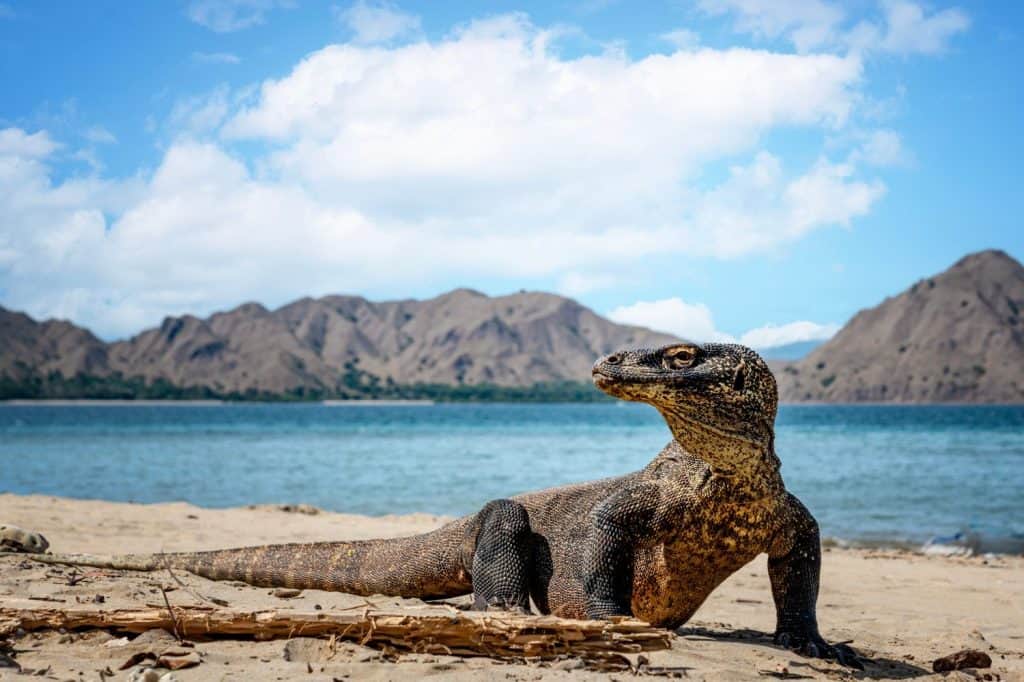
The Rancor shares several characteristics with Komodo dragons, including its thick, armored appearance, muscular build, and powerful jaws. Like the giant lizards, it uses physical strength instead of speed or stealth to overwhelm victims. Both predators overpower prey with forceful bites. The similarities make the Rancor feel somewhat believable despite its unbelievable size.
4. The Monster from Cloverfield (Deep-Sea Creatures)
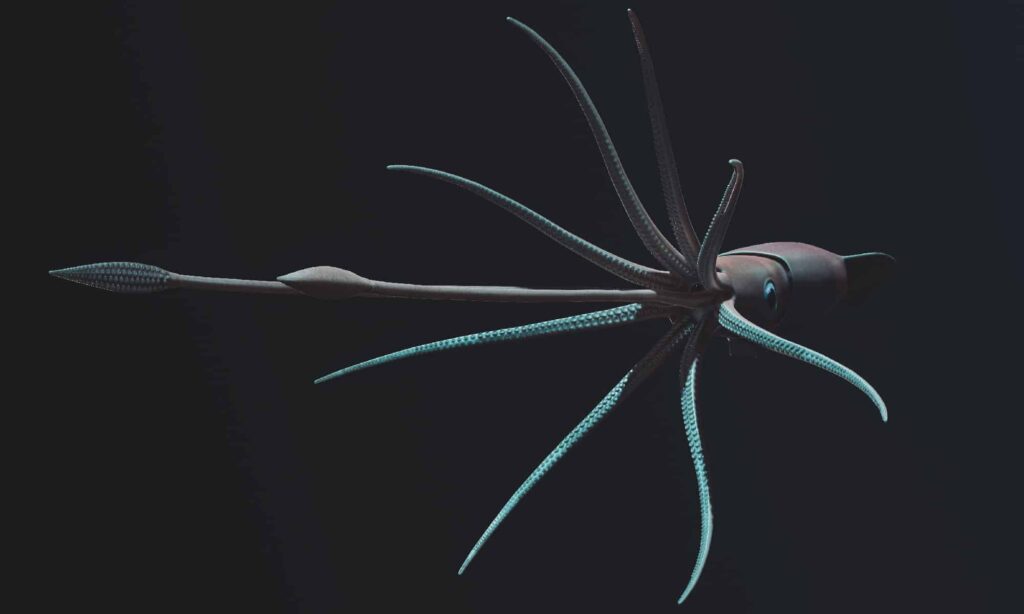
The monster in Cloverfield was partially inspired by bizarre deep-sea animals, including mysterious species like the giant squid. Its odd proportions and elongated limbs make it seem as though it evolved in an environment far from the eyes of humans. The deep ocean might be the best place to turn to for movie monster inspiration, as many of the Earth’s most bizarre and little understood life forms reside there.
5. The Death Angels from A Quiet Place (Bats)
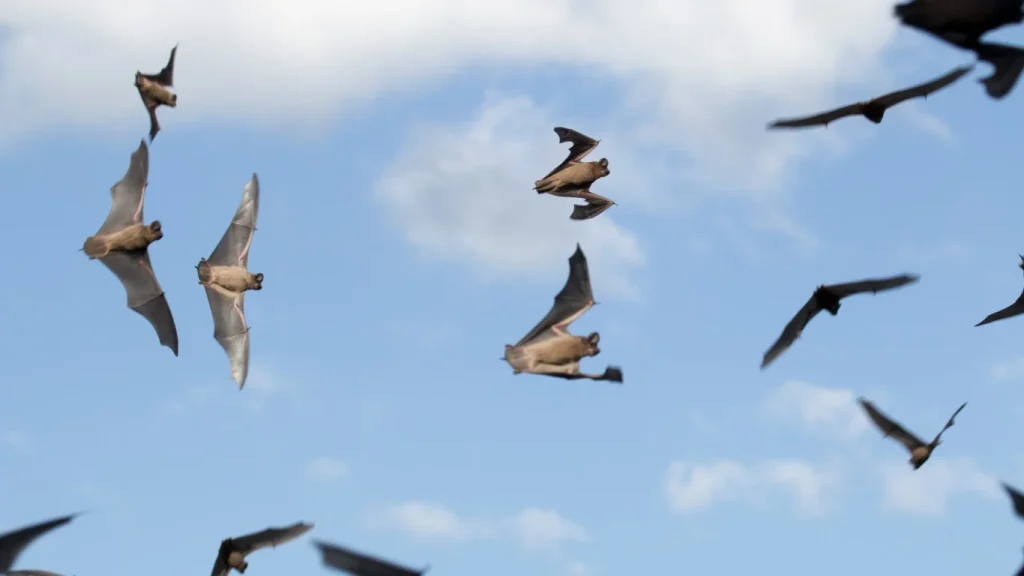
The Death Angels hunt almost entirely through sound, much like bats use echolocation. Although they don’t emit sonar the way bats do, their heightened hearing allows them to detect even the subtlest noises from far away. The only true defense against these bat-based monsters is silence.
6. The Demogorgon from Stranger Things (Flowering Plants and Predatory Insects)
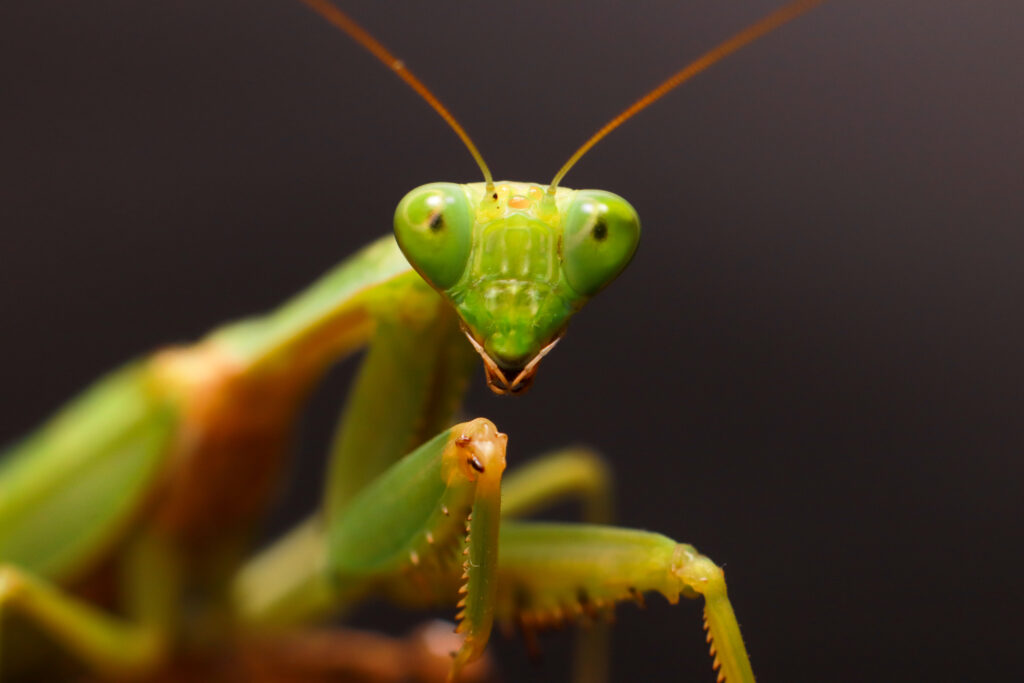
The Demogorgon’s incredibly creepy, alienlike face looks like a blooming flower. The “petal” structures open to reveal a hideous mouth. However, its feeding behavior is more like carnivorous insects. Its mouth opens into multiple sections before striking prey with great speed. This combination of flower-like appearance and insect-like hunting gives the creature a uniquely bizarre design. Blending plant and insect characteristics helped the designers create one of modern horror’s most horrendous monsters. It feels somewhat believable because every feature has a real-world example somewhere in the natural world.
7. The Arachnids from Starship Troopers (Ants)
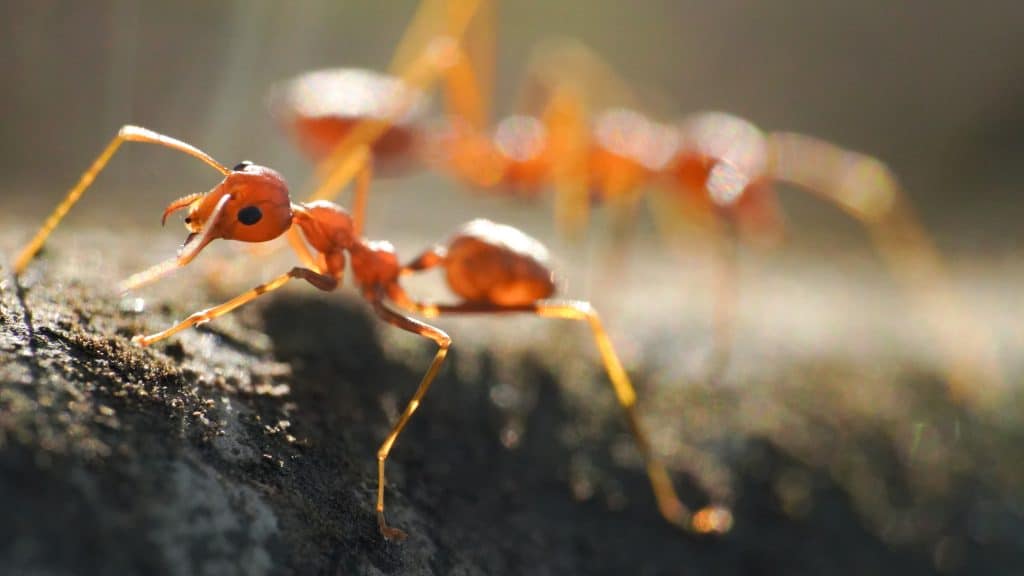
The giant bugs of Starship Troopers borrow heavily from army ants and other highly organized insects. They attack in large numbers, communicate with each other, and work together with incredible efficiency. Specialized groups perform different jobs, exactly like ant colonies. They operate with a hive mind, regularly sacrificing individuals for the survival of the colony, making them way more dangerous than any single creature. Ants can easily overwhelm prey through sheer numbers and coordination, and the movie turns that strategy into a military force that challenges humanity itself.
8. The Pale Man from Pan’s Labyrinth (Starfish)
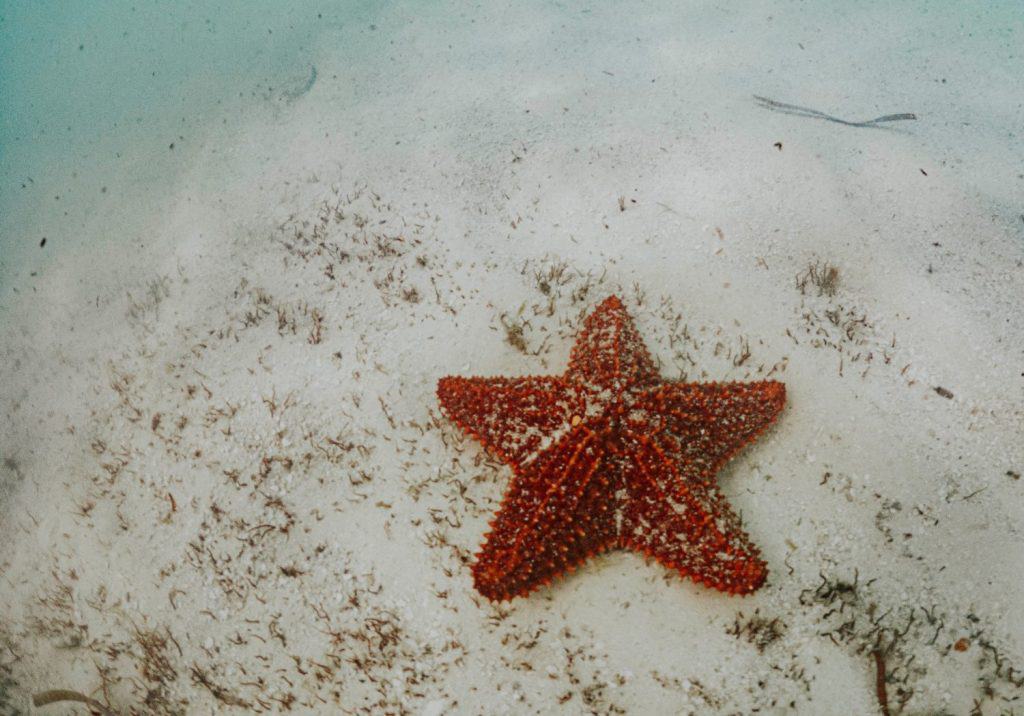
The Pale Man’s unsettling ability to place his eyes into his palms has been compared to unusual marine life such as starfish, whose sensory structures are distributed throughout the body in unexpected ways. Director Guillermo del Toro has stated he draws inspiration from real biology when designing creatures. He prefers to give them features that feel both imaginative and actually plausible. His end products feel scarier because they could easily be real.