
SeventyFour / iStock via Getty Images

Getty Images / Getty Images Entertainment via Getty Images

Getty Images / Getty Images Entertainment via Getty Images

Sasha / Hulton Archive via Getty Images

Hulton Archive / Hulton Archive via Getty Images

Hulton Archive / Hulton Archive via Getty Images

Public domain / MSU Libraries Digital Collections

Getty Images / Getty Images Entertainment via Getty Images

Evening Standard / Hulton Archive via Getty Images

Public domain / National Portrait Gallery via Wikimedia Commons

Everett Collection / Shutterstock.com

Public domain / Maine State Library

Evening Standard / Hulton Archive via Getty Images
Jeong-Seon / Shutterstock.com

Getty Images / Hulton Archive via Getty Images

Fox Photos / Getty Images

Getty Images / Getty Images Entertainment via Getty Images

Public domain / Wikimedia Commons

a katz / Shutterstock.com

Getty Images / Getty Images Entertainment via Getty Images

Michael Ochs Archives / Michael Ochs Archives via Getty Images

Getty Images / Moviepix via Getty Images

Redferns / Redferns via Getty Images

Getty Images / Getty Images Entertainment via Getty Images

Hulton Archive / Archive Photos via Getty Images

Oleksandr Yakoniuk / Getty Images

Public domain / University of Virginia Library via Wikimedia Commons

Med Photo Studio / Shutterstock.com
Arina P Habich / Shutterstock.com

Anna_Om / Getty Images

Prachaya Roekdeethaweesab / Shutterstock.com

Public domain / Wikimedia Commons

freeskyline / Shutterstock.com

Vinnie Zuffante / Archive Photos via Getty Images

Getty Images / Getty Images Entertainment via Getty Images

Public Domain / Wikimedia Commons

Evening Standard / Hulton Archive via Getty Images

Getty Images / Getty Images Entertainment via Getty Images

Getty Images / Getty Images Entertainment via Getty Images

Chay_Tee / Shutterstock.com

GoodLifeStudio / Getty Images
Yuri A / Shutterstock.com

Public Domain / Wikimedia Commons

Hulton Archive / Hulton Archive via Getty Images

Hulton Archive / Hulton Archive via Getty Images

Nadar / Hulton Archive via Getty Images

Hulton Archive / Hulton Archive via Getty Images

Hulton Archive / Archive Photos via Getty Images

Getty Images / Moviepix via Getty Images

Angyalosi Beata / Shutterstock.com


Funny Food Quotes From Chefs, Writers, and Celebrities
People have been arguing about food for centuries. What tastes good, what we should eat, who makes the best dinner, and whether vegetables deserve a spot on the plate have all inspired some pretty memorable observations.
Chefs, comedians, writers, actors, and even a few philosophers have weighed in. Some offered genuinely useful advice. Others simply found creative ways to explain why they would rather eat pasta than lettuce.
From Julia Child's enthusiasm for cooking to Mark Twain's opinion of cauliflower, these food quotes cover everything from kitchen disasters and questionable vegetables to the simple pleasures of a good meal. Some are funny, some are surprisingly thoughtful, and a few prove that people have been complaining about dinner for a very long time.
"Never eat more than you can lift."
- Who said it: Miss Piggy
- Where: Widely attributed to the Muppets character
Leave it to Miss Piggy to come up with a dietary guideline that has absolutely nothing to do with nutrition. The famously glamorous Muppet has never been particularly interested in moderation, and this frequently quoted bit of advice fits her personality perfectly. Thanksgiving dinner suddenly sounds like an Olympic weightlifting event.
"Learn how to cook!"
- Who said it: Julia Child
- Where: Julia Child's Kitchen (1975)
Julia Child wasn't interested in excuses about cooking being too complicated or expensive. She believed learning basic techniques could help people prepare better meals while saving money. Her advice emphasized buying fresh, seasonal ingredients and doing the work yourself instead of relying entirely on prepared foods. Hard to argue with that.
"A good cook is like a sorceress who dispenses happiness."
- Who said it: Elsa Schiaparelli
- Where: Shocking Life (1954)
Italian fashion designer Elsa Schiaparelli understood that creativity wasn't limited to clothing. She compared a talented cook to someone practicing magic, turning ordinary ingredients into something capable of making people happy. Anyone who has watched a family member transform a nearly empty refrigerator into an incredible dinner probably knows exactly what she meant.
"Heaven sends us good meat, but the devil sends us cooks."
- Who said it: David Garrick, using an older proverb
- Where: Epigram on Goldsmith's Retaliation
Apparently, complaints about terrible cooks are nothing new. The saying appeared in print long before Garrick's version, including a 17th-century work by John Taylor. Its message is straightforward: Even wonderful ingredients can't save a meal from someone who has absolutely no idea what they're doing.
"'Tis an ill cook that cannot lick his own fingers."
- Who said it: William Shakespeare, through a servingman
- Where: Romeo and Juliet, Act IV, Scene II
Even Shakespeare had opinions about the people working in the kitchen. In this scene, a servant jokes that a cook who can't lick his own fingers probably isn't worth hiring. The underlying idea is that someone preparing food should appreciate what they're making. Modern food-safety inspectors might have a few objections to the test.
"Gar-licks, though used by the French, are better adapted to medicine than cookery."
- Who said it: Lucy Emerson's New England Cookery
- Where: New England Cookery (1808)
Early American cooking advice could be downright suspicious of ingredients we now consider essential. Garlic, apparently, was better suited for the medicine cabinet than the dinner table. Anyone who has ever added several extra cloves to a recipe would probably disagree. Thankfully, American kitchens have become considerably more welcoming to garlic.
"Garlic is divine."
- Who said it: Anthony Bourdain
- Where: Kitchen Confidential (2000)
Anthony Bourdain had a much more enthusiastic opinion of garlic than some earlier American cookbook writers. The chef and travel personality loved bold flavors and rarely showed much patience for bland cooking. His declaration probably speaks for anyone who believes a recipe's suggested garlic quantity should be treated as a starting point.
"Lettuce is divine, although I'm not sure it's really food."
- Who said it: Diana Vreeland
- Where: D.V. (1984)
Legendary fashion editor Diana Vreeland wasn't entirely convinced that lettuce deserved to be considered a meal. Her observation captures the frustration of anyone who has ordered a salad and spent the next hour wondering when dinner is supposed to arrive. Of course, lettuce has its place. It just doesn't always feel particularly satisfying on its own.
"A cucumber should be well-sliced, and dressed with pepper and vinegar, and then thrown out, as good for nothing."
- Who said it: Samuel Johnson, as recorded by James Boswell
- Where: The Journal of a Tour to the Hebrides (1785)
Samuel Johnson apparently had no use for cucumbers. His suggested preparation involved slicing them, seasoning them, and then throwing the whole thing away. That's an impressive amount of work to avoid eating a vegetable. Boswell preserved the remark, giving Johnson's dislike of cucumbers a place in literary history.
"Cauliflower is nothing but cabbage with a college education."
- Who said it: Mark Twain
- Where: Pudd'nhead Wilson (1894)
Mark Twain could turn almost anything into a joke, including vegetables. His comparison suggests cauliflower is basically cabbage with better credentials and a more impressive resume. Considering how much cauliflower has been promoted as a substitute for rice, potatoes, and pizza crust in recent years, Twain's observation still feels surprisingly relevant.
"The first zucchini I ever saw I killed it with a hoe."
- Who said it: John Gould
- Where: Monstrous Depravity (1963)
Before zucchini became a regular ingredient in countless kitchens, writer John Gould apparently found the vegetable a little intimidating. His exaggerated response makes it sound more like an unwelcome garden pest than something destined for dinner. Anyone who has grown zucchini and discovered how quickly the plants produce enormous vegetables might appreciate the sentiment.
"Parsley is gharsley."
- Who said it: Ogden Nash
- Where: Food
Ogden Nash was famous for playful rhymes, and he didn't need many words to express his opinion of parsley. The joke depends on a deliberately mangled word, but the message is clear enough. Apparently, not everyone appreciates the little green garnish restaurants insist on putting beside perfectly good food.
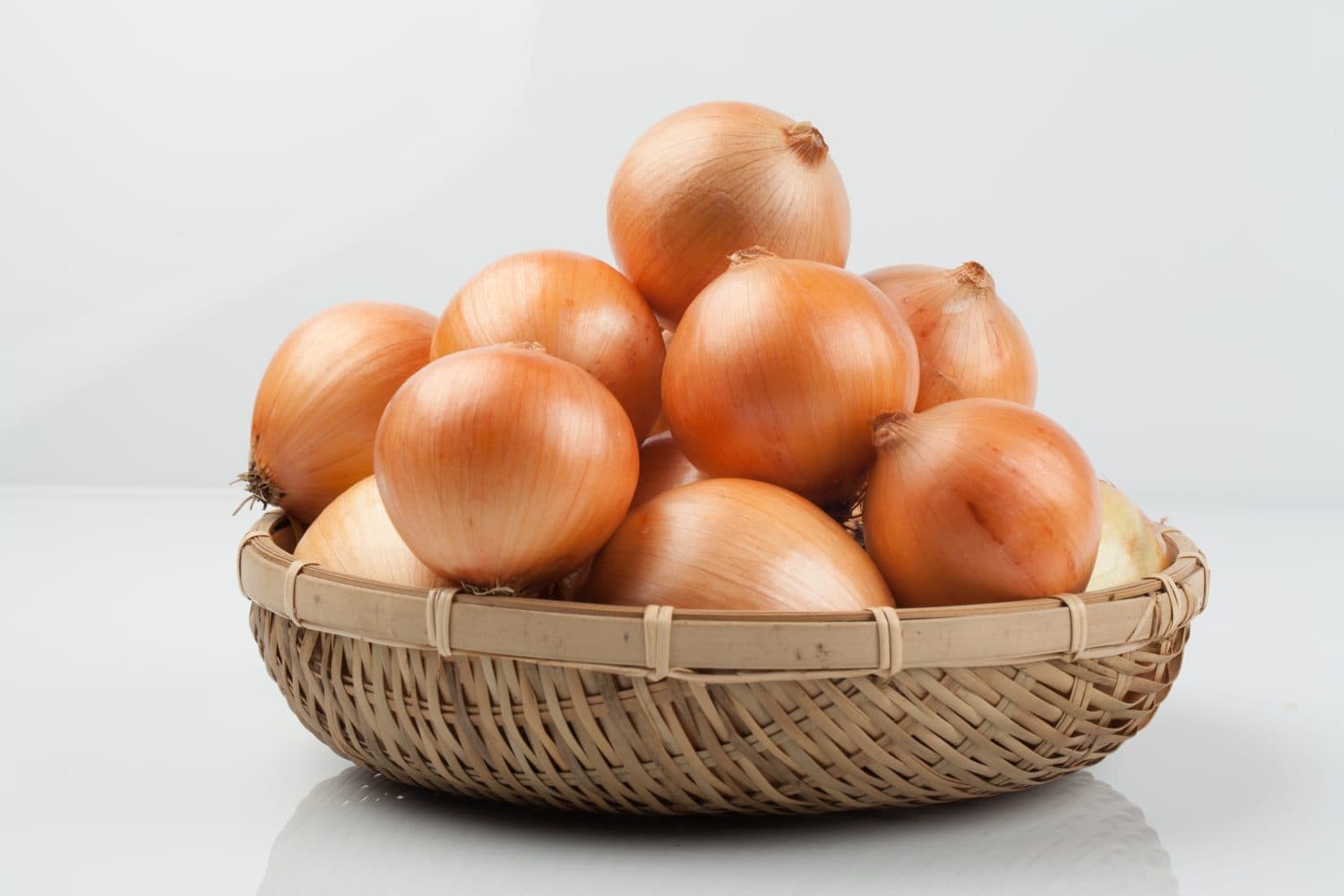
"Onions are excellent company."
- Who said it: Robert Farrar Capon
- Where: The Supper of the Lamb (1969)
Writer and Episcopal priest Robert Farrar Capon devoted considerable attention to the humble onion in his unusual culinary book. Rather than rushing through food preparation, he encouraged readers to slow down and appreciate ordinary ingredients. Anyone who has spent an evening chopping onions might agree they're memorable company, even if they occasionally bring you to tears.
"Tell me what you eat, and I will tell you who you are."
- Who said it: Jean Anthelme Brillat-Savarin
- Where: The Physiology of Taste (1825)
French gastronome Brillat-Savarin believed our eating habits revealed something about our personalities and lifestyles. His observation helped popularize an idea that remains familiar today: Food choices can reflect culture, upbringing, and personal preferences. Whether someone's favorite dinner reveals their entire character is another matter, but it certainly gives people something to argue about.
"There is no love sincerer than the love of food."
- Who said it: George Bernard Shaw
- Where: Man and Superman, Act I (1903)
George Bernard Shaw understood that people could develop some pretty strong feelings about dinner. This line comes from his play Man and Superman, where the character Jack Tanner uses food to make a sarcastic point about love and human nature. It's also the sort of quote that belongs on the wall of a good restaurant.
"You are what what you eat eats, too."
- Who said it: Michael Pollan
- Where: In Defense of Food (2008)
Food writer Michael Pollan took the familiar saying about being what you eat and added another layer. His point is that the diets of animals raised for food can influence the nutritional characteristics of meat, milk, and eggs. It's less of a punchline than a reminder that the food chain doesn't begin at the supermarket.
"You are what you think you eat."
- Who said it: Tom Robbins
- Where: Attributed in Esquire, December 1993
Novelist Tom Robbins put a psychological twist on the old food-and-identity saying. His version suggests that our beliefs about what we're eating can matter almost as much as the food itself. Anyone who has convinced themselves that a questionable-looking dinner was actually delicious might recognize the idea.
"I have long held the notion that you can't name a food that I can't improve by adding either bacon or chocolate."
- Who said it: Attributed to Aaron Blaylock
- Where: It's Called Helping...You're Welcome
Bacon and chocolate have both developed reputations as ingredients capable of making almost anything more appealing. Combining them is another story. The sentiment is funny because it takes two popular food obsessions to their logical extreme. Whether chocolate-covered bacon belongs on anyone's dinner plate is entirely a matter of personal taste.
"If you can't eat chocolate cake for breakfast, what is the point of being alive?"
- Who said it: Alice Hoffman
- Where: The Book of Magic (2021)
Novelist Alice Hoffman makes a persuasive case for occasionally ignoring the usual breakfast rules. Eggs, oatmeal, and toast are perfectly reasonable choices, but sometimes a slice of chocolate cake sounds considerably more appealing. It's a playful reminder that life doesn't always have to follow the same predictable routine.
"If breakfast is such an important meal, why don't people dress up for it?"
- Who said it: Lily Tomlin
- Where: Omnibus (July 19, 1981)
Comedian Lily Tomlin noticed something peculiar about the meal we're constantly told is the most important of the day. If breakfast matters so much, why do so many people eat it in pajamas while staring at their phones? It's the kind of perfectly reasonable question that becomes ridiculous the longer you think about it.
"Give them carbohydrates and pecan pie. Don't try to be smart."
- Who said it: Patrick O'Neal
- Where: Quoted in the Los Angeles Times (September 11, 1983)
Actor and restaurateur Patrick O'Neal apparently understood that customers don't always want complicated food. Sometimes they just want something comforting, filling, and familiar. His advice to aspiring restaurant owners was to stop overthinking the menu and give people what they actually enjoy eating. Pecan pie certainly isn't a bad place to start.
"True love and homegrown tomatoes."
- Who said it: Guy Clark
- Where: Homegrown Tomatoes (1983), lyric excerpt
Country songwriter Guy Clark understood that a good homegrown tomato could inspire genuine affection. His playful song celebrates the kind of fresh produce that makes supermarket alternatives seem disappointing. Anyone who has eaten a perfectly ripe tomato straight from the garden probably understands why Clark considered it something money couldn't truly buy.
"Everything you see, I owe to spaghetti."
- Who said it: Sophia Loren
- Where: Commonly traced to a 1961 interview with Life magazine
Sophia Loren wasn't exactly known for following restrictive diet trends. The Italian actress famously embraced her country's food culture, and this widely repeated remark celebrates her affection for spaghetti. Whether or not pasta deserves all the credit, it's a considerably more appealing explanation than another celebrity discussing an exhausting diet regimen.
"Cheese is milk's leap toward immortality."
- Who said it: John Updike
- Where: Rabbit, Run (1960)
Novelist John Updike managed to make cheese production sound like a philosophical achievement. Milk has a relatively short shelf life, but turning it into cheese can preserve it and produce something entirely different. Some aged cheeses can last for years under proper conditions, although immortality might be pushing it a bit.
"If God didn't want us to eat cheese, would he have let man invent it?"
- Who said it: A character created by Lisa Samson
- Where: Hollywood Nobody (2007)
Lisa Samson's novel offers a delightfully enthusiastic defense of cheese. The argument isn't exactly a serious theological position, but that doesn't make it any less entertaining. From grilled cheese sandwiches to pizza and macaroni and cheese, humanity has certainly found plenty of reasons to appreciate the invention.
"Mayonnaise, n. One of the sauces which serve the French in place of a state religion."
- Who said it: Ambrose Bierce
- Where: The Devil's Dictionary (1911)
Ambrose Bierce's satirical dictionary specialized in definitions nobody would ever find in a school textbook. His description of mayonnaise pokes fun at France's culinary traditions and the seriousness with which people can approach food. Considering how passionately some people defend their favorite sauces, the joke still has plenty of life left in it.
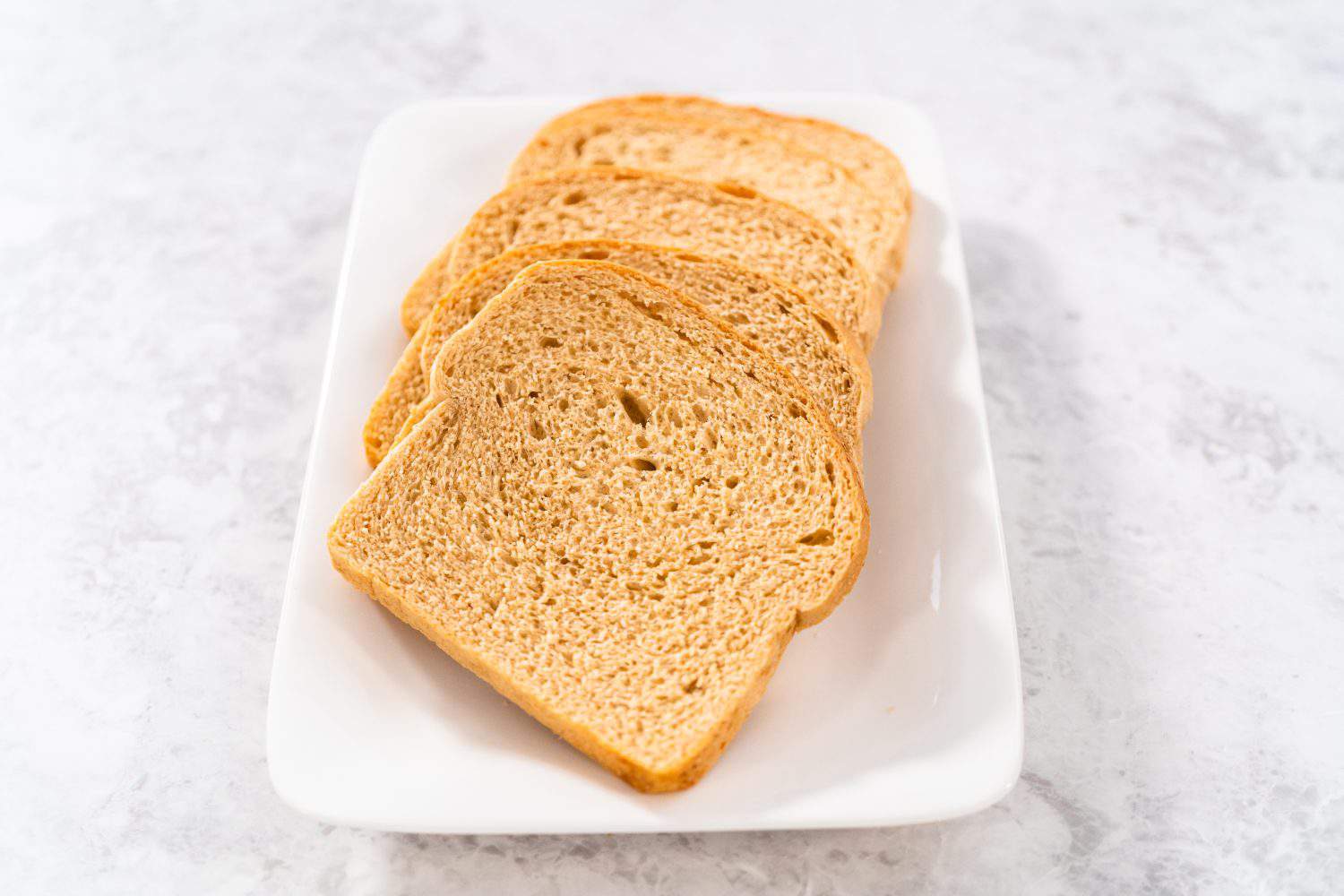
"The smell of good bread baking ... is indescribable in its evocation of innocence and delight."
- Who said it: M.F.K. Fisher
- Where: Collected in The Art of Eating
Food writer M.F.K. Fisher understood that food could evoke emotions long before anyone took a bite. Few smells are as comforting as fresh bread coming out of the oven, particularly when it reminds us of home, family, or childhood. Unlike some of the more sarcastic remarks on this list, Fisher's observation is simply a lovely appreciation of everyday cooking.
"Stale bread is better than none."
- Who said it: Spanish proverb
- Where: Traditional saying
This old proverb is a reminder that something imperfect can still be better than having nothing at all. It's also practical kitchen advice. Stale bread can become croutons, breadcrumbs, stuffing, or French toast. Before tossing yesterday's loaf into the trash, it might be worth remembering how many good meals begin with leftover bread.
"Grilling is like sunbathing. Everyone knows it is bad for you but no one ever stops doing it."
- Who said it: Laurie Colwin
- Where: Home Cooking (1988)
Writer Laurie Colwin had a complicated relationship with outdoor grilling. Her comparison to sunbathing is deliberately exaggerated, but it captures the way people sometimes continue doing things they enjoy despite knowing there may be downsides. Of course, grilling isn't inherently unhealthy; cooking methods, temperatures, and food choices all matter.
"He was a bold man, that first ate an oyster."
- Who said it: Jonathan Swift
- Where: A Complete Collection of Genteel and Ingenious Conversation (1738)
Jonathan Swift had a point. Imagine being the first person to look at a strange shellfish, pry it open, and decide the slippery contents looked delicious. Oysters have since become a delicacy around the world, but it's not difficult to understand why the original decision might have required a little courage.
"Shellfish are the prime cause of the decline of morals and the adoption of an extravagant lifestyle."
- Who said it: Attributed to Pliny the Elder
- Where: Natural History, Book IX
Ancient Roman writer Pliny the Elder was concerned about luxury, excess, and the expensive tastes of his fellow citizens. Shellfish were among the foods associated with extravagant dining. His criticism sounds rather dramatic today, but apparently people were worrying about overpriced seafood and declining morals nearly two thousand years ago.
"Fish and guests in three days are stale."
- Who said it: John Lyly, using an older proverb
- Where: Euphues and His England (1580)
Apparently, overstaying your welcome was a problem long before hotels and vacation rentals became common. English writer John Lyly used this old proverb to compare houseguests with fish that has been sitting around too long. The message is simple: Enjoy your visit, but know when it's time to pack your bags.
"If God did not intend for us to eat animals, then why did he make them out of meat?"
- Who said it: Commonly attributed to John Cleese; original source unconfirmed
- Where: Quoted in H. M. Leathem's W.T.F.? (2006)
This deliberately absurd argument has circulated for years under John Cleese's name. The humor comes from treating a complicated ethical question as though it had an outrageously simple answer. However, a published performance or firsthand statement establishing Cleese as the original speaker has not been confirmed, so the attribution deserves caution.
"You know people, they don't want to see the cow killed, they just want their steak on a plate."
- Who said it: Michael Jai White, as Black Dynamite
- Where: Black Dynamite (2009)
This line from the action-comedy Black Dynamite is less about ordering dinner than about human nature. The character points out how people often enjoy the benefits of something without wanting to confront the unpleasant details behind it. Food makes the comparison especially effective because most people would rather see dinner prepared than witness where it came from.
"If you eat too much bleeding beef, you become eventually ashamed of yourself."
- Who said it: Ford Madox Ford
- Where: Provence
English novelist Ford Madox Ford had strong opinions about food and the effect it could have on a person's outlook. His remark about eating too much beef reflects a personal and cultural judgment rather than established nutritional science. It also proves that arguments about meat consumption have been around much longer than modern dietary trends.
"More die in the United States of too much food than of too little."
- Who said it: John Kenneth Galbraith
- Where: The Affluent Society (1958)
Economist John Kenneth Galbraith used this observation to criticize the problems accompanying material abundance in wealthy societies. Rather than celebrating endless consumption, he questioned whether Americans were always better off simply because more products were available. The line reflects his mid-20th-century argument, not a verified comparison of current causes of death.
"Flour never killed anybody. Sugar does not hurt. A chef is not a doctor."
- Who said it: Paul Bocuse
- Where: Wine Spectator (August 31, 1991)
Legendary French chef Paul Bocuse was famously enthusiastic about traditional cooking and wasn't interested in turning every meal into a medical consultation. His statement reflects that culinary philosophy, although the nutritional claims shouldn't be taken literally. Excessive sugar consumption and certain dietary patterns can have real health consequences, regardless of how delicious the dessert might be.
"Health food may be good for the conscience but Oreos taste a hell of a lot better."
- Who said it: Robert Redford
- Where: Quoted in The Junk Food Companion
Robert Redford's observation gets at a familiar dilemma: The food we know is good for us isn't always the food we crave. He's hardly suggesting that cookies should replace vegetables, but he does acknowledge that eating involves pleasure as well as nutrition. Sometimes a chocolate sandwich cookie is simply more appealing than another plate of greens.
"Laughter is brightest where food is best."
- Who said it: Traditional Irish proverb
- Where: Folk saying
There's something about sharing a good meal that makes conversation flow a little easier. This proverb celebrates food as more than a basic necessity, recognizing its ability to bring friends and family together. The quality of the meal certainly helps, although good company can sometimes make even a mediocre dinner memorable.
"At the table, no one gets old."
- Who said it: Italian proverb
- Where: Traditional saying
This Italian saying captures the idea that sharing food can make people feel young again, at least for a little while. A long dinner with family or friends has a way of making ordinary worries seem less important. Time may still pass, but nobody needs to spend the entire meal watching the clock.
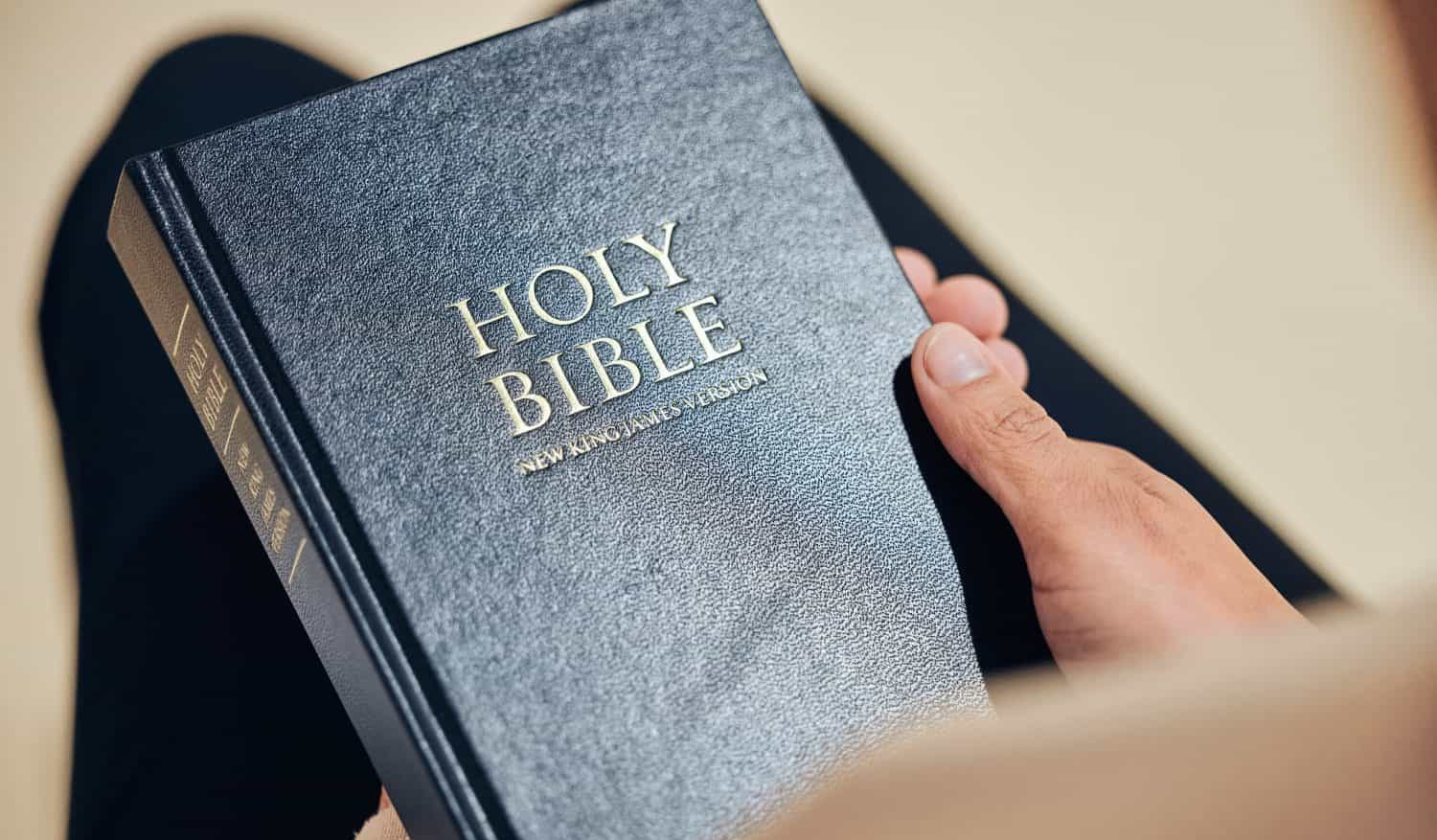
"A man hath no better thing under the sun than to eat, and to drink, and to be merry."
- Who said it: Biblical text
- Where: Ecclesiastes 8:15, King James Version
Long before modern food writers started celebrating simple pleasures, the Book of Ecclesiastes recognized the value of enjoying a meal and appreciating life's everyday blessings. The passage comes from a broader reflection on work, happiness, and the limits of human understanding. It's a reminder that not every good meal needs a special occasion.
"Fools make feasts, and wise men eat them."
- Who said it: Benjamin Franklin, repeating an older proverb
- Where: The Way to Wealth (1758)
Benjamin Franklin was famous for dispensing practical advice, often through sayings that had already been circulating for generations. This one suggests the cleverest dinner guest might be the person enjoying the feast rather than paying for it. Anyone who has hosted a large holiday gathering knows which side of that arrangement is easier.
"One cannot think well, love well, sleep well, if one has not dined well."
- Who said it: Virginia Woolf
- Where: A Room of One's Own (1929)
Virginia Woolf understood that an unsatisfying meal could affect the rest of your day. In A Room of One's Own, she contrasts the dining experiences available in different educational institutions while exploring women's opportunities and independence. The line has become a popular food quotation, but it also carries a larger argument about comfort, resources, and intellectual life.
"After a good dinner one can forgive anybody, even one's own relations."
- Who said it: Oscar Wilde, through the character Lady Caroline
- Where: A Woman of No Importance, Act II (1893)
Oscar Wilde knew how to turn an ordinary social observation into a memorable insult. Spoken by Lady Caroline in his play, this line suggests that a satisfying dinner can make even the most irritating relatives a little more tolerable. Anyone who has survived a tense family gathering thanks to excellent food can probably relate.
"No one was irritable; we have never known anyone to remain unhappy while digesting a good meal."
- Who said it: Honoré de Balzac
- Where: The Red Inn, collected in The Human Comedy
French novelist Honoré de Balzac believed that a good meal could work wonders for a person's mood. In The Red Inn, he describes the comfortable, almost sleepy satisfaction that follows an enjoyable dinner. The observation isn't exactly a scientific guarantee, but it's difficult to argue that a good meal can't improve a rough day.
"Since Eve ate apples, much depends on dinner."
- Who said it: Lord Byron
- Where: Don Juan, Canto XIII, Stanza 99
Lord Byron managed to connect the biblical story of Eden with humanity's enduring obsession with food. His playful observation appears in Don Juan, where the poet spends considerable time describing society, appetite, and human behavior. Apparently, what we're having for dinner has been an important question for a very long time.
"Though their life was modest, they believed in eating well."
- Who said it: James Joyce, as narrator
- Where: The Dead, from Dubliners (1914)
James Joyce's description of the Morkan sisters in The Dead captures a familiar priority: You don't have to be wealthy to appreciate good food. The women live relatively modestly but take their meals seriously, especially when entertaining guests. It's a wonderfully understated observation about hospitality, comfort, and knowing where you want to spend your money.
"Remind me to tell you about the time I looked into the heart of an artichoke."
- Who said it: Bette Davis, as Margo Channing
- Where: All About Eve (1950)
Bette Davis delivers this wonderfully sarcastic remark while interrupting a conversation in All About Eve. Her character, Margo Channing, uses the absurd artichoke reference to mock an uninteresting story. It's funny precisely because it sounds like it should mean something profound while deliberately meaning almost nothing at all.
"The most dangerous food is wedding cake."
- Who said it: Often attributed to James Thurber; attribution uncertain
- Where: Widely circulated marriage joke
The joke has nothing to do with food poisoning or the questionable decision to save wedding cake in the freezer for a year. Instead, it treats marriage itself as the real hazard. The line frequently appears under humorist James Thurber's name, although a definitive original source remains difficult to establish. Either way, the joke has survived countless wedding receptions.