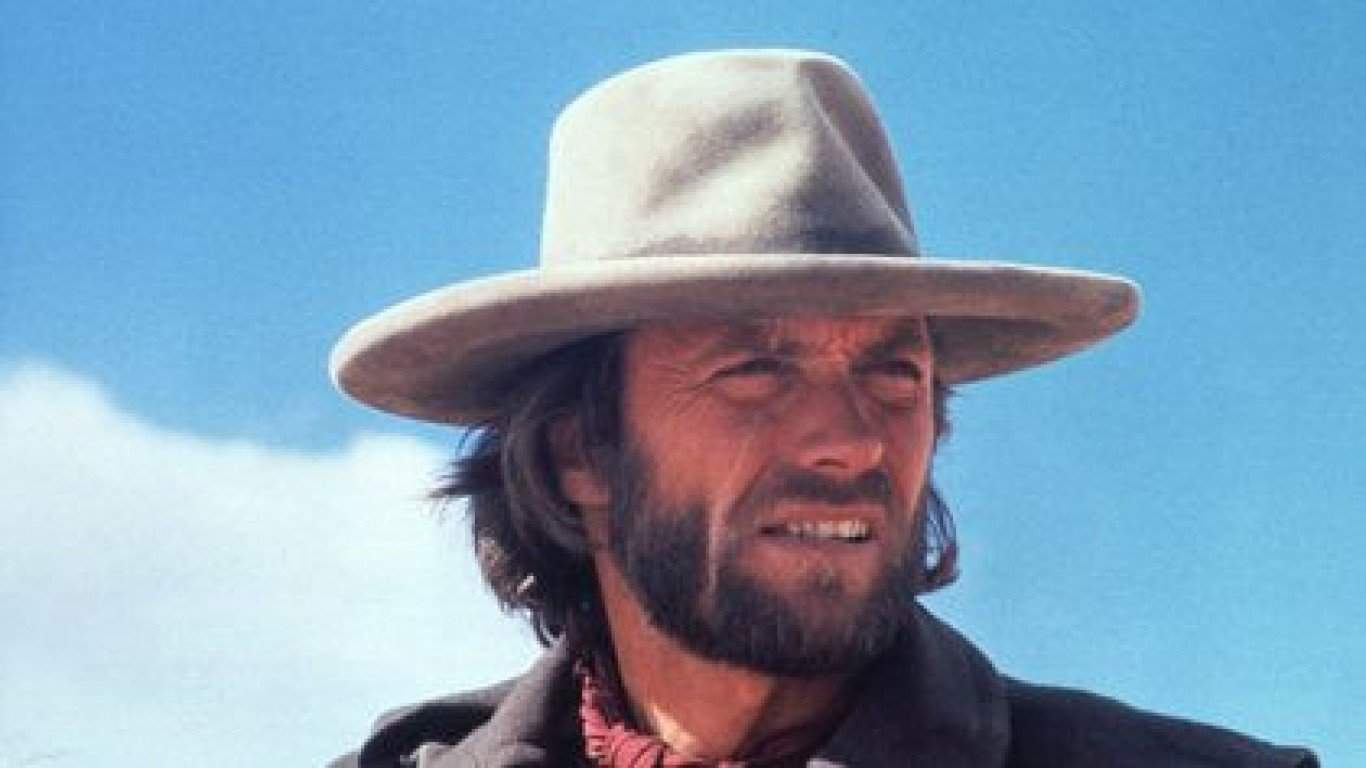
Courtesy of Warner Bros.
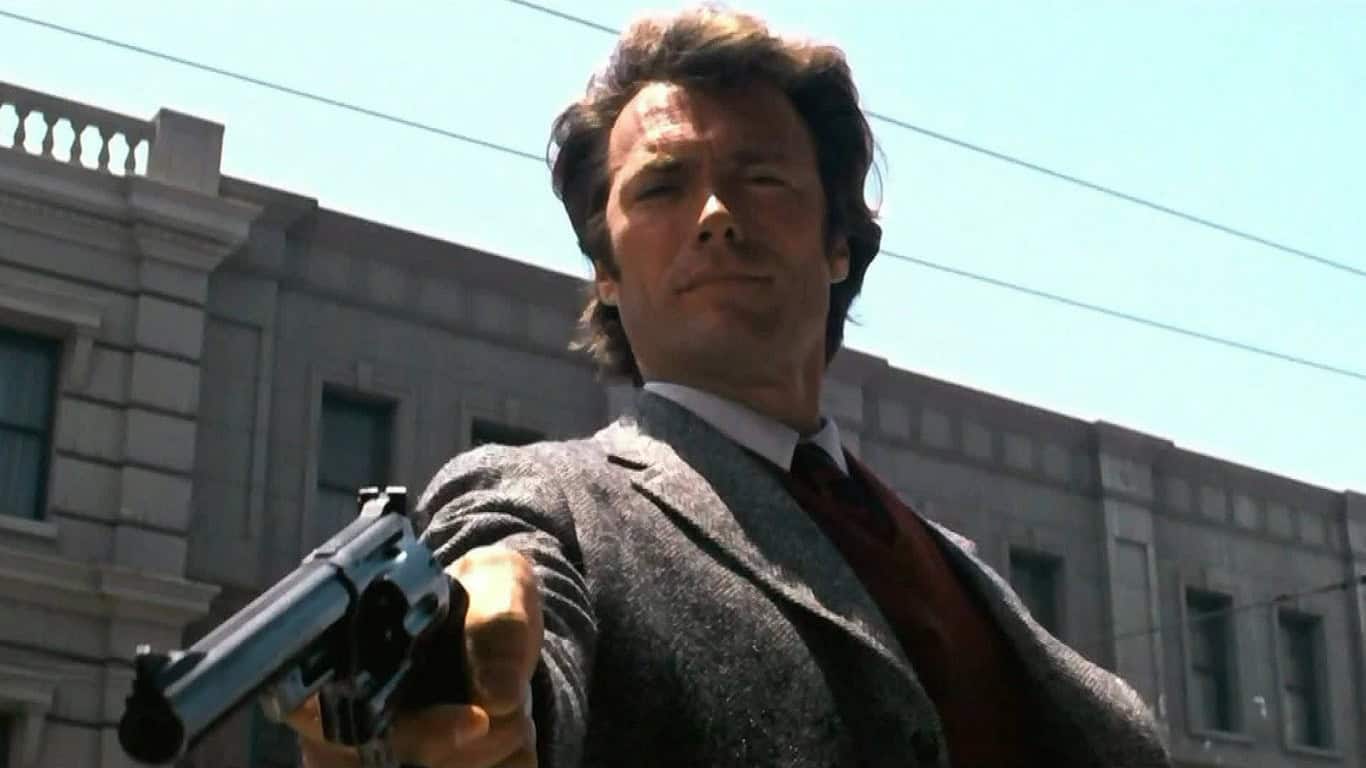
Courtesy of Warner Bros.
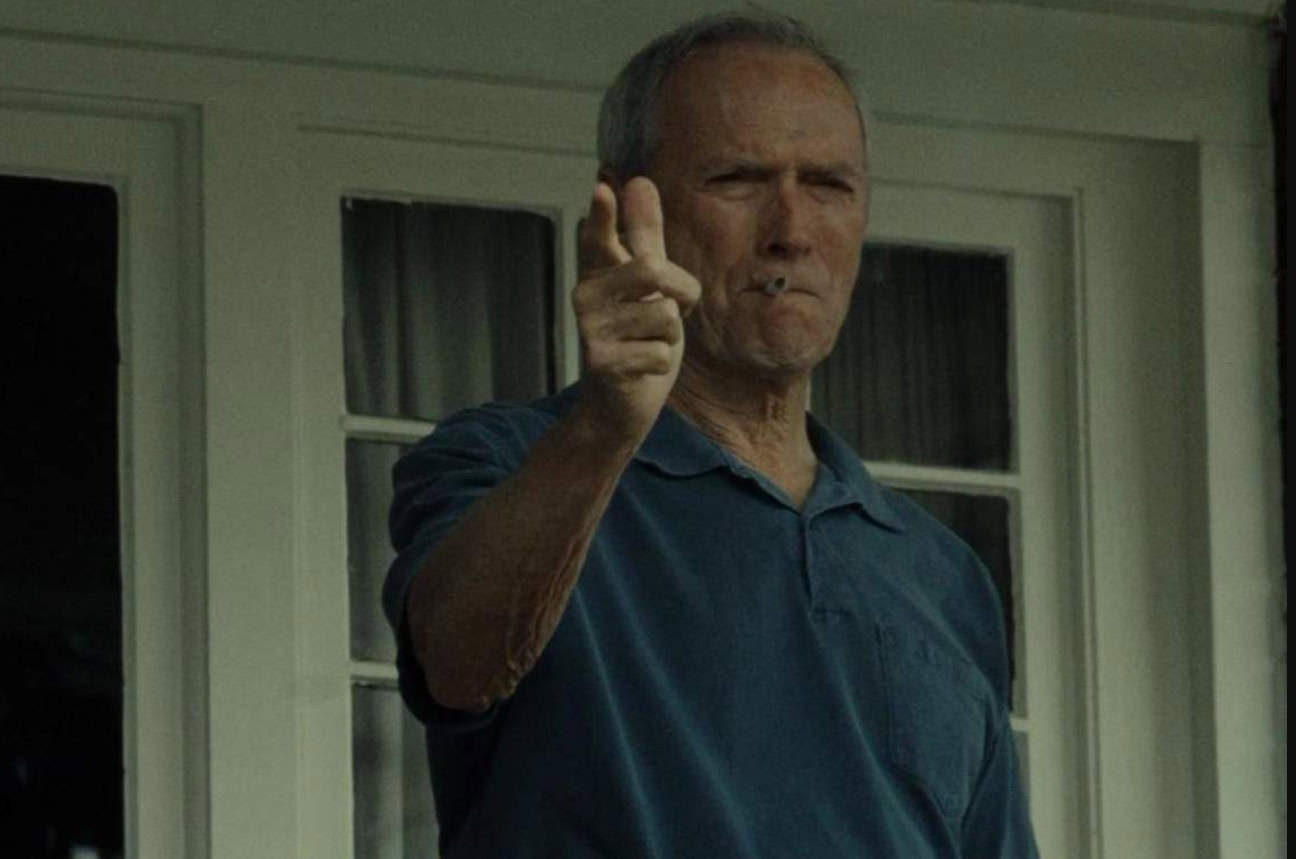
Courtesy of Warner Bros.
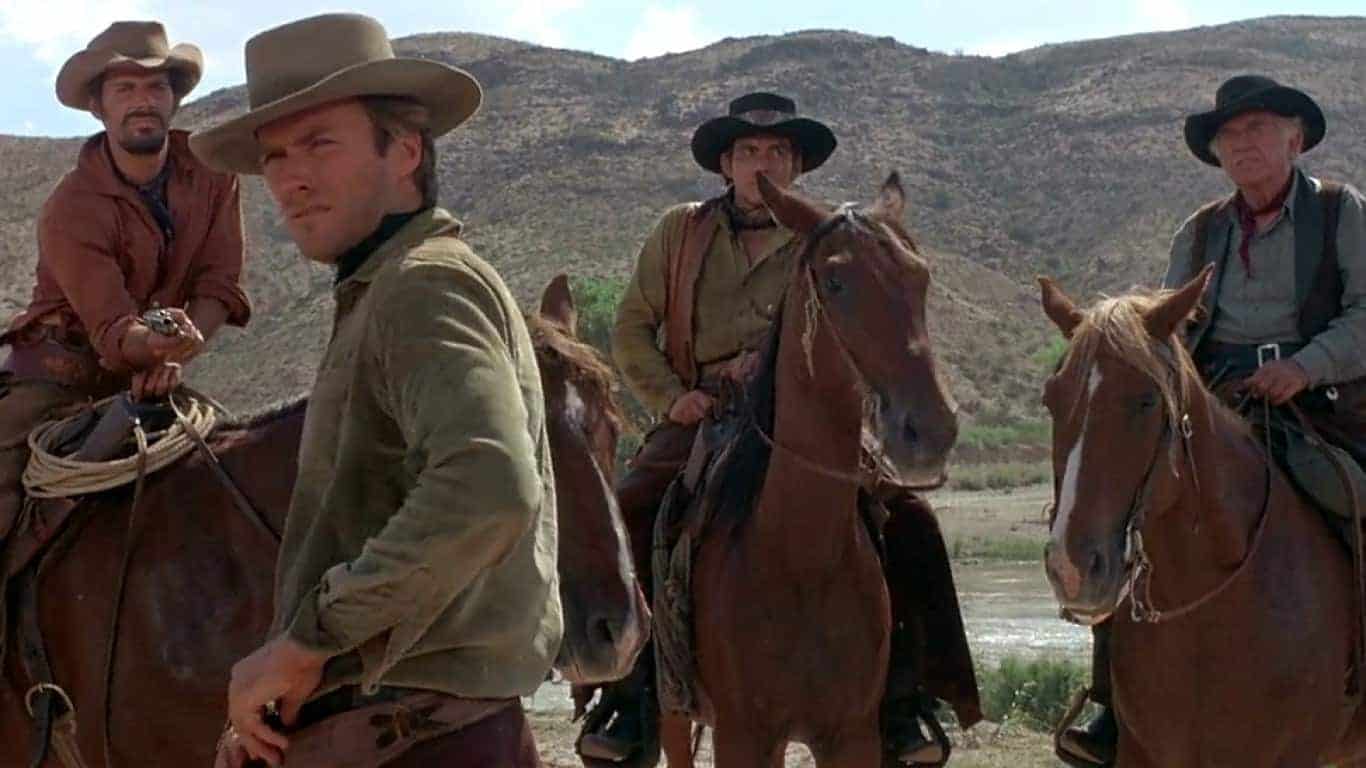
Courtesy of United Artists
movie studio, Public domain, via Wikimedia Commons
Courtesy of United Artists
Amy Sussman/Getty Images

gorodenkoff / iStock via Getty Images
Public domain, via Wikimedia Commons

SPDP / BY 2.0
urban_data / BY 2.0
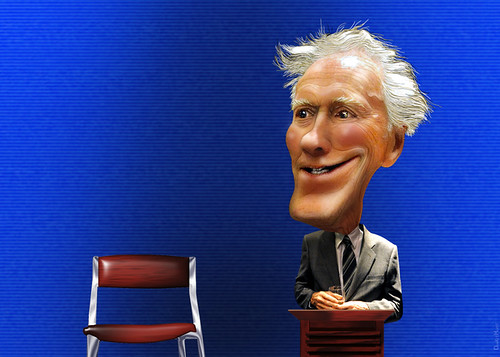
DonkeyHotey / BY 2.0
armi1961 / Shutterstock.com





How Clint Eastwood Went From Army Soldier to Hollywood Icon
Clint Eastwood’s path to Hollywood royalty was anything but predictable. Born Clinton Eastwood Jr. in San Francisco during the Great Depression, he moved several times with his family, worked a string of ordinary jobs, and served stateside in the U.S. Army during the Korean War. After his honorable discharge in 1953, Eastwood pursued acting, signed a contract with Universal, and appeared in several minor film roles. His breakthrough arrived when he was cast as Rowdy Yates on the television Western Rawhide.
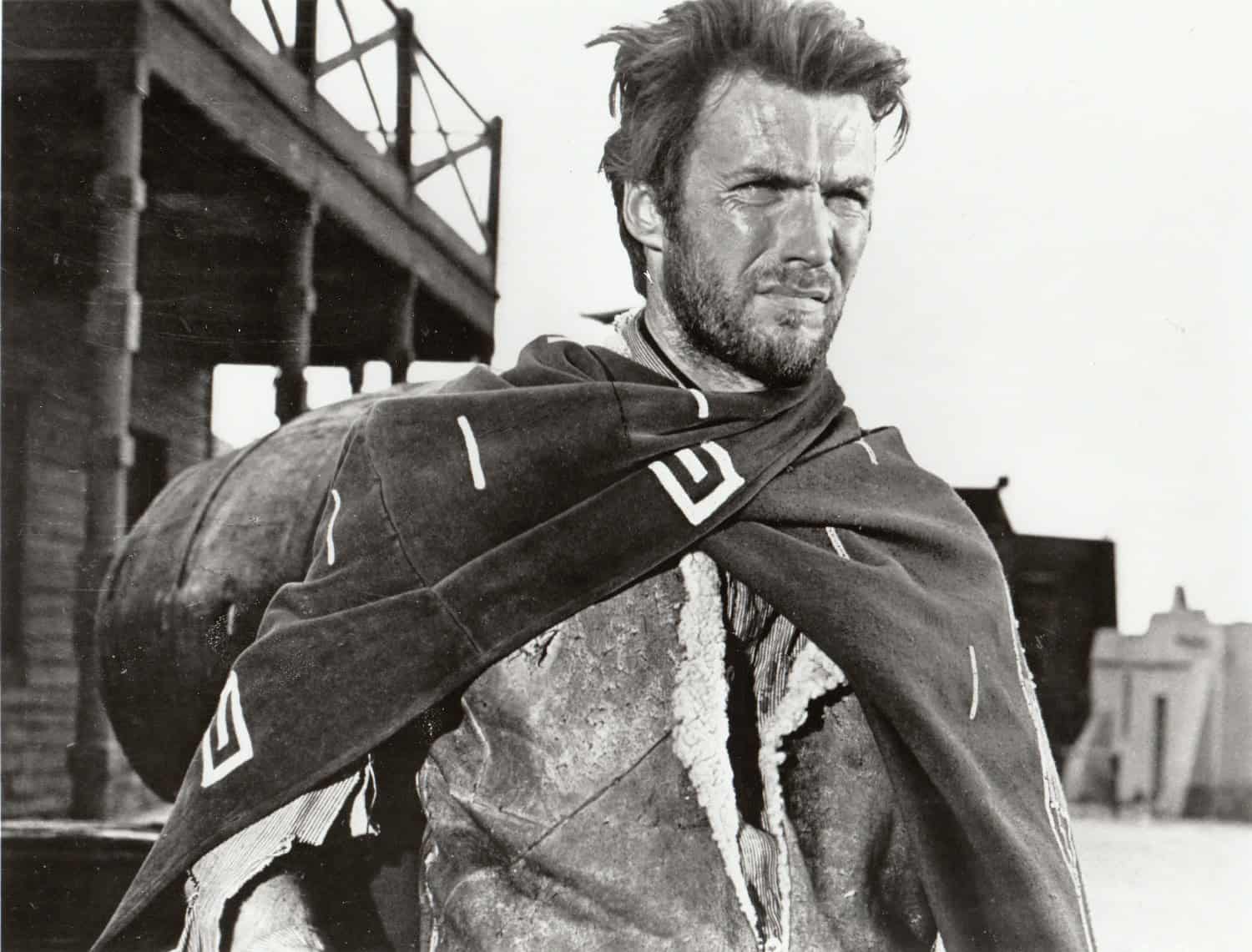
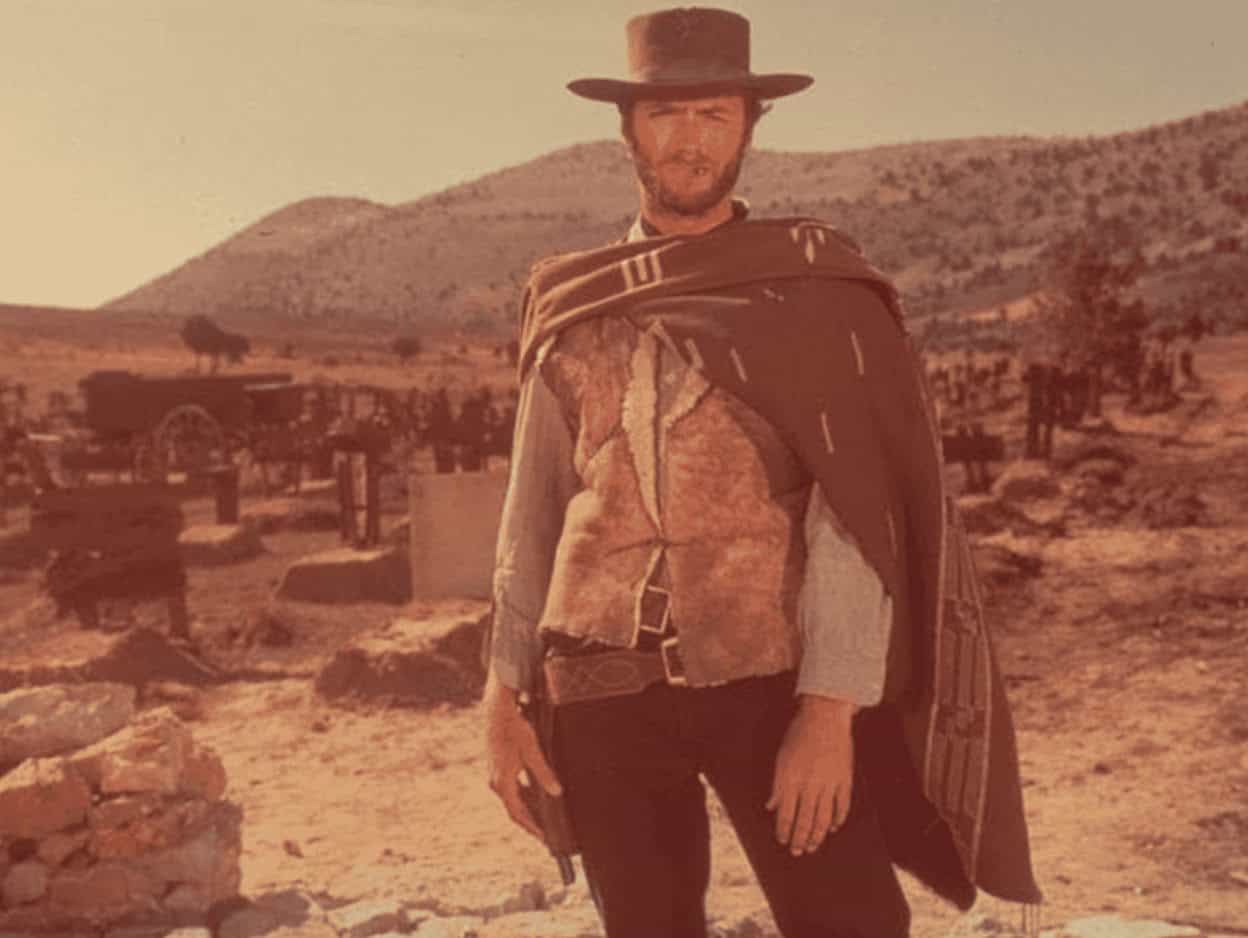
International fame followed when Eastwood starred as the mysterious “Man with No Name” in Sergio Leone’s influential Dollars Trilogy. He later reinvented himself as hard-edged detective Harry Callahan before moving behind the camera and becoming one of Hollywood’s most respected directors. His films Unforgiven and Million Dollar Baby both earned Eastwood Academy Awards for Best Picture, as a producer, and Best Director.
Eastwood’s story also extends beyond filmmaking. He served one term as mayor of Carmel-by-the-Sea, California, from 1986 to 1988 and continued directing well into his 90s. His 2024 courtroom drama Juror #2 became his 40th feature film as a director. Eastwood turned 96 on May 31, 2026, marking more than seven decades since he first signed with Universal and began one of Hollywood’s most enduring careers.
About Clint Eastwood
Clinton Eastwood Jr. was born on May 31, 1930, in San Francisco, California, to Ruth and Clinton Eastwood Sr. His family moved several times during his early childhood before settling in the San Francisco Bay Area. Eastwood attended Piedmont schools before transferring to Oakland Technical High School, where he is commonly identified as a member of the class of 1949. His academic record was uneven, and he was held back during junior high school, but his path after school ultimately took him far beyond the conventional classroom.
Life Before Acting
Before becoming an actor, Eastwood worked a variety of jobs, including stints as a golf caddy, lifeguard, logger, truck driver, steelworker, and gas station attendant. He was drafted into the U.S. Army during the Korean War and stationed at Fort Ord in California, where he worked as a swimming instructor and lifeguard. Although his service coincided with the war, Eastwood remained stateside and did not serve in combat in Korea. He received an honorable discharge in 1953 and later used benefits from the GI Bill to take acting classes.
His Introduction to Acting
After leaving the Army, Eastwood moved to the Los Angeles area, took acting classes, and secured a contract with Universal in 1954. His height, appearance, and screen presence helped him receive an opportunity, although he still had limited acting experience and needed additional training. One of his earliest screen appearances was an uncredited role as a laboratory technician in Revenge of the Creature, released in 1955. Other minor and frequently uncredited parts followed before television finally provided his first major opportunity.
His Breakthrough on Rawhide
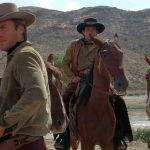
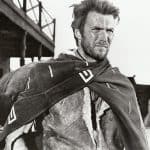
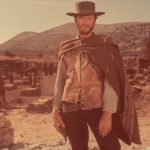
Eastwood’s first major breakthrough came as cattle drover Rowdy Yates on the CBS Western Rawhide. The series premiered in January 1959 and ran for eight seasons, ending in January 1966. While still associated with the show, Eastwood traveled to Europe to star in Sergio Leone’s A Fistful of Dollars, which was first released in Italy in 1964 and reached the United States in 1967. The film and its two sequels helped popularize Spaghetti Westerns internationally and transformed Eastwood from a television star into a global film icon.
Landmark Films as an Actor and Director
- A Fistful of Dollars (1964)
- For a Few Dollars More (1965)
- The Good, the Bad and the Ugly (1966)
- Dirty Harry (1971)
- Play Misty for Me (1971)
- The Outlaw Josey Wales (1976)
- Escape from Alcatraz (1979)
- Unforgiven (1992)
- The Bridges of Madison County (1995)
- Mystic River (2003)
- Million Dollar Baby (2004)
- Letters from Iwo Jima (2006)
- Gran Torino (2008)
- American Sniper (2014)
- Sully (2016)
- Juror #2 (2024)
Major Awards and Honors
Eastwood has never won a competitive Academy Award for acting, although he received Best Actor nominations for Unforgiven and Million Dollar Baby. His four competitive Oscars came as a director and producer. He has also received major lifetime-achievement honors from the American Film Institute, Directors Guild of America, Venice Film Festival, Cannes Film Festival, and Golden Globes.
- 1988 Cecil B. DeMille Award from the Golden Globes
- 1993 Academy Awards for Best Picture and Best Director for Unforgiven
- 1993 Directors Guild of America Award for Unforgiven
- 1994 Irving G. Thalberg Memorial Award from the Academy, presented at the 1995 ceremony
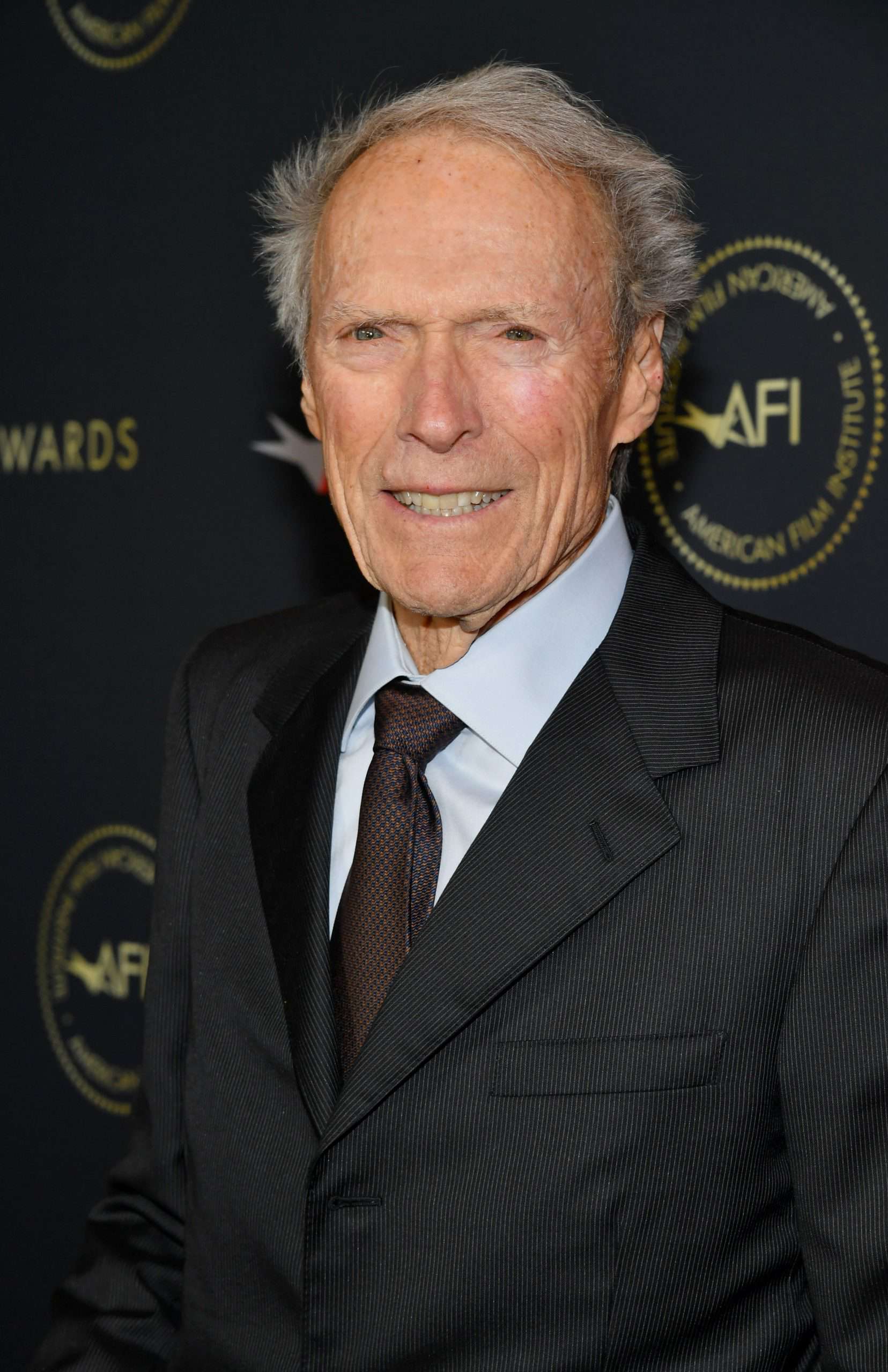
- 1996 AFI Life Achievement Award
- 2000 Golden Lion for Lifetime Achievement at the Venice Film Festival
- 2005 Academy Awards for Best Picture and Best Director for Million Dollar Baby
- 2005 Directors Guild of America Award for Million Dollar Baby
- 2006 Directors Guild of America Lifetime Achievement Award
- 2009 Honorary Palme d’Or from the Cannes Film Festival
His Directorial Debut
Eastwood made his feature-film directorial debut with the 1971 psychological thriller Play Misty for Me, in which he also starred opposite Jessica Walter. The film established that his ambitions extended well beyond acting and began a directing career that eventually encompassed 40 features. His work behind the camera crossed numerous genres, including Westerns, romances, war films, crime dramas, historical biographies, and musicals. Notable examples include High Plains Drifter, Bird, Space Cowboys, and Letters from Iwo Jima.
Elected Mayor of Carmel-by-the-Sea
Eastwood entered public office when he won the nonpartisan mayoral election in Carmel-by-the-Sea, California, on April 8, 1986. He received more than 72% of the vote and defeated incumbent mayor Charlotte Townsend. During his single two-year term, Eastwood supported changes to restrictive local business ordinances and oversaw projects that included a library annex and public restrooms near Carmel Beach. He declined to seek a second term and left office in April 1988, returning his attention to filmmaking.
Malpaso Productions Gave Him Creative Control
In 1967, Eastwood and financial adviser Irving Leonard established the Malpaso Company, later known as Malpaso Productions. Its first feature was the 1968 Western Hang ’Em High, produced after the international success of the Dollars Trilogy. Malpaso gave Eastwood greater control over the films he selected, produced, starred in, and eventually directed. The company also developed a remarkably long association with Warner Bros., which distributed many of Eastwood’s films across more than five decades.
Dirty Harry Became a Five-Film Franchise
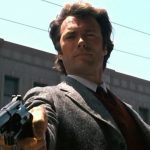
Eastwood first played San Francisco police inspector Harry Callahan in Don Siegel’s Dirty Harry in 1971. The controversial but enormously influential role reinforced his reputation for playing uncompromising characters. Eastwood returned in Magnum Force in 1973, The Enforcer in 1976, Sudden Impact in 1983, and The Dead Pool in 1988. He also directed Sudden Impact, which produced the famous line, “Go ahead, make my day.”
Unforgiven Redefined His Legacy
By the early 1990s, Eastwood was already an established star and filmmaker, but Unforgiven elevated his reputation to another level. Eastwood directed, produced, and starred as aging outlaw William Munny in the revisionist Western. The film received nine Academy Award nominations and won four Oscars, including Best Picture, Best Director, Best Supporting Actor for Gene Hackman, and Best Film Editing. Eastwood also received his first Best Actor nomination for the performance.
An Extraordinary Late-Career Run
Eastwood remained remarkably productive long after many filmmakers would have retired. He directed the acclaimed dramas Mystic River and Million Dollar Baby, the Japanese-language war film Letters from Iwo Jima, and later successes including Gran Torino, American Sniper, Sully, and Richard Jewell. At 74, he became the oldest Best Director winner to that point for Million Dollar Baby. His most recent confirmed film is the 2024 legal drama Juror #2