
1990 Getty Images / Getty Images Sport via Getty Images
RichLegg / Getty Images

diego_cervo / iStock via Getty Images
ivanastar / Getty Images
robtek / Getty Images

cyano66 / Getty Images
sshaw75 / Getty Images
jonathanmcintosh / Flickr

dragana991 / Getty Images

Ezra Shaw / Getty Images

TheCrimsonRibbon / Getty Images
LPETTET / Getty Images
tommich / Getty Images

jaker5000 / Getty Images











13 Bizarre Legal Battles That Sound Completely Made Up
Some lawsuits sound ridiculous only because the headline leaves out half the story. Once you learn that someone was seriously injured, that a company really did make a questionable claim, or that the internet simply made the whole thing up, the joke disappears pretty quickly.
So we went back through the court records and contemporary reporting and threw out the stories that didn't hold up. What remains is a collection of legal battles where the weirdness survives the fact-check. From a man who wanted a court to make him 20 years younger to a prisoner who literally sued himself, these cases really happened.
1. He Asked a Court to Make Him 20 Years Younger
Year: 2018
Result: Request denied
Dutch motivational speaker Emile Ratelband was 69 when he asked a court in the Netherlands to change his official birth date from March 11, 1949, to March 11, 1969. He argued that being legally 49 would improve his employment prospects and dating life, including his results on Tinder. The court wasn't buying it. Judges said people are free to feel younger than their chronological age, but age determines numerous legal rights and obligations and there was no legal basis for rewriting his birth record by two decades.
2. He Sued His Date Over a $17.31 Movie Ticket
Year: 2017
Result: Lawsuit withdrawn
Plenty of people have suffered through a lousy first date. Austin resident Brandon Vezmar took his to small-claims court. He sought $17.31 after saying his date repeatedly texted during a showing of "Guardians of the Galaxy Vol. 2." His filing went so far as to call the behavior a threat to civilized society. The dispute eventually ended without a judge having to settle the future of movie etiquette: the woman reimbursed him for the ticket and Vezmar agreed to withdraw the case.
3. An 11-Inch "Footlong" Sparked a Class Action
Year: 2013
Result: Proposed settlement overturned in 2017
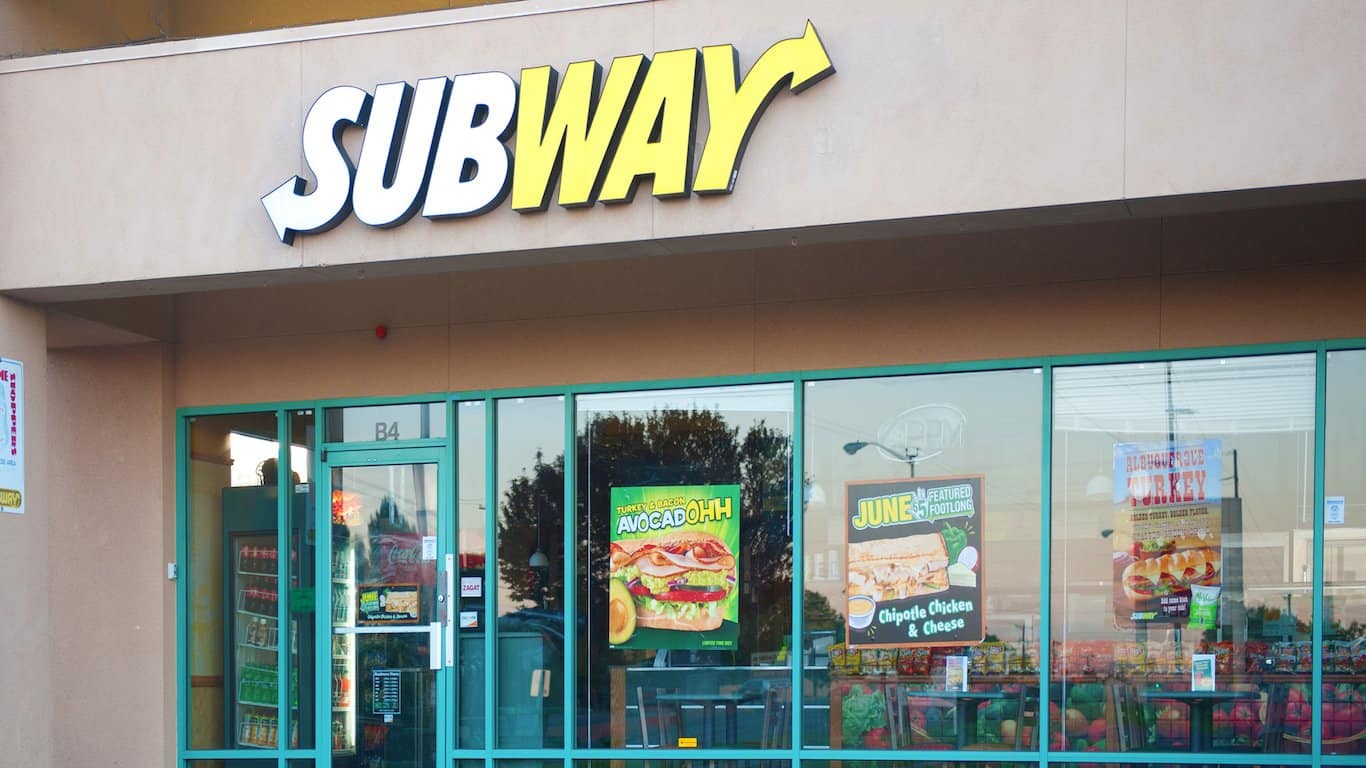
The trouble started after Australian teenager Matt Corby measured a Subway Footlong and discovered it was about 11 inches long. His photo went viral, American class actions followed, and the lawsuits were eventually consolidated in federal court. The problem was that Subway used standardized amounts of dough and sandwich ingredients, while normal variation during baking could make a loaf slightly shorter without giving customers less food. A proposed settlement offered no money to customers but allowed up to $525,000 in attorneys' fees. The Seventh Circuit threw it out, concluding that the settlement provided the class no meaningful benefit and that the action should be dismissed.
4. The Junior Mints Box Had Too Much Empty Space
Year: 2017
Result: Case dismissed in 2018
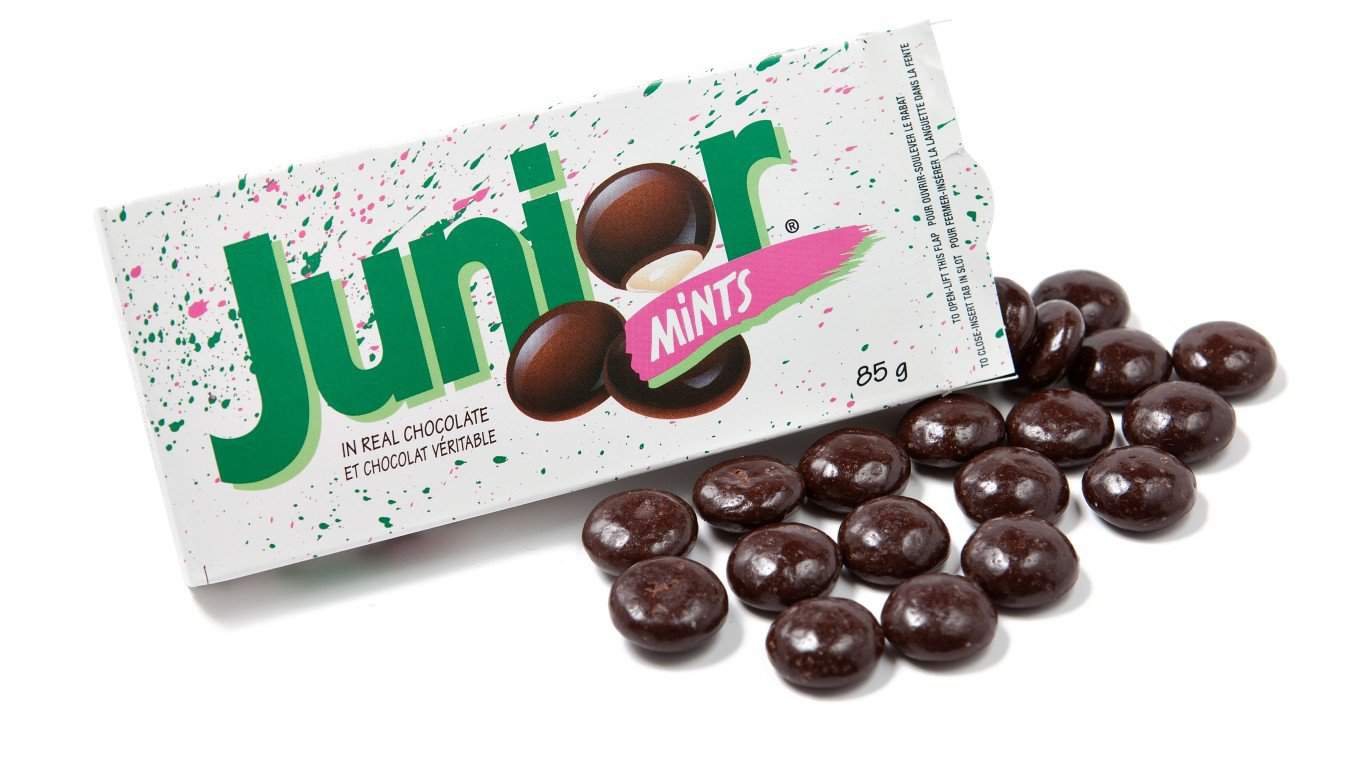
Three consumers accused Tootsie Roll Industries of misleading buyers because opaque Junior Mints boxes contained a substantial amount of empty space, known in packaging law as "slack-fill." A federal judge dismissed the case. Among other problems, the boxes disclosed their net weight and serving information, allowing consumers to determine roughly how much candy they were buying, and the plaintiffs had not plausibly shown that the empty space amounted to an actionable deception.
5. A Kidnapper Sued His Own Hostages
Year: 2011
Result: Dismissed in 2012
Jesse Dimmick forced his way into the Kansas home of Jared and Lindsay Rowley while fleeing police in 2009 and held the couple at knifepoint. They eventually escaped after he fell asleep. When the Rowleys later sued Dimmick for more than $75,000, he responded with one of the stranger countersuits on record. Dimmick claimed the couple had entered into an oral contract to hide him from police in exchange for money, and sought $160,000 in hospital bills plus $75,000 for pain and suffering after police shot him during his arrest. A judge dismissed the claim in January 2012.
6. No Cheese, Same Price, $5 Million Lawsuit
Year: 2018
Result: Dismissed with prejudice
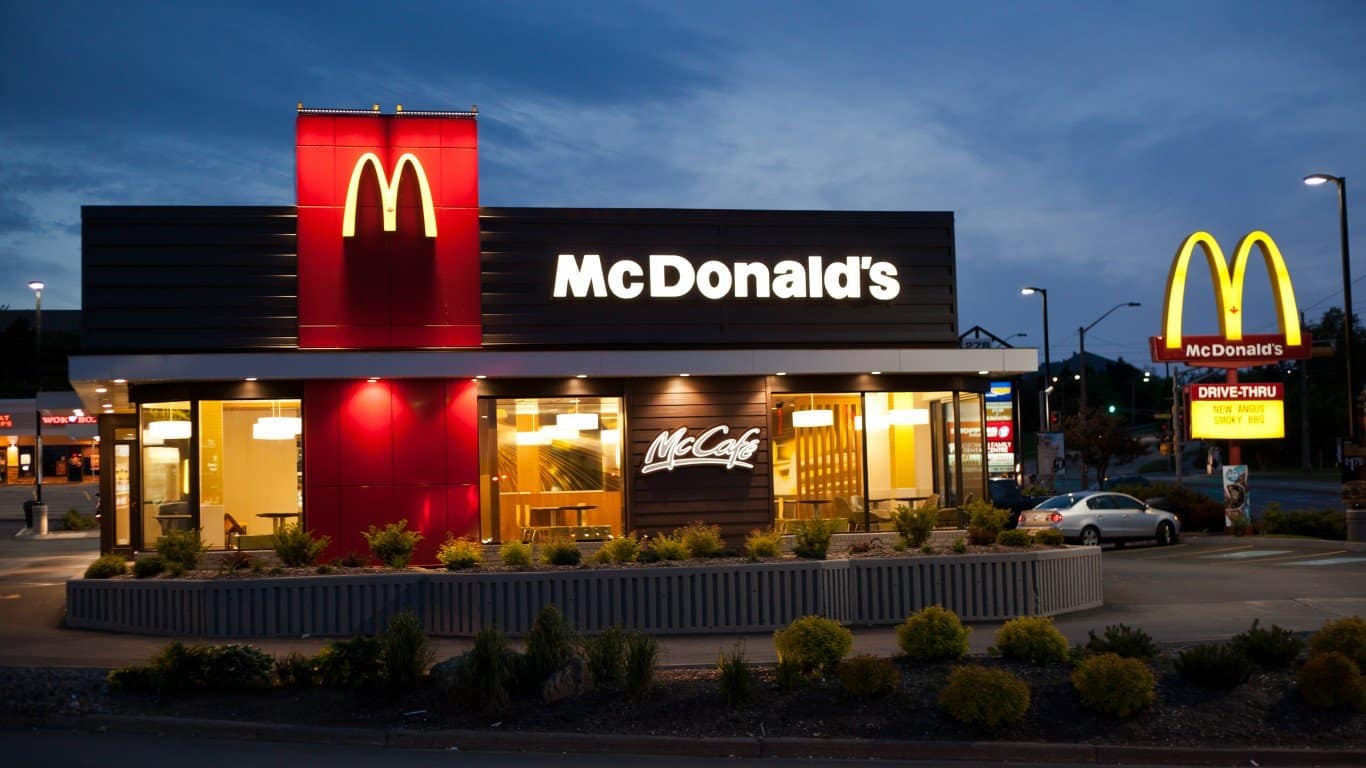
Two South Florida McDonald's customers filed a proposed $5 million class action because restaurants charged them the full price of a Quarter Pounder with Cheese even when they asked for the cheese to be removed. They argued that some McDonald's ordering options had previously offered cheeseless versions for less. A federal judge dismissed the amended complaint with prejudice, finding that the plaintiffs had failed to establish a viable injury or antitrust claim after multiple attempts.
7. Beer Ads Didn't Deliver the Fantasy
Year: 1991
Result: Dismissal affirmed in 1994
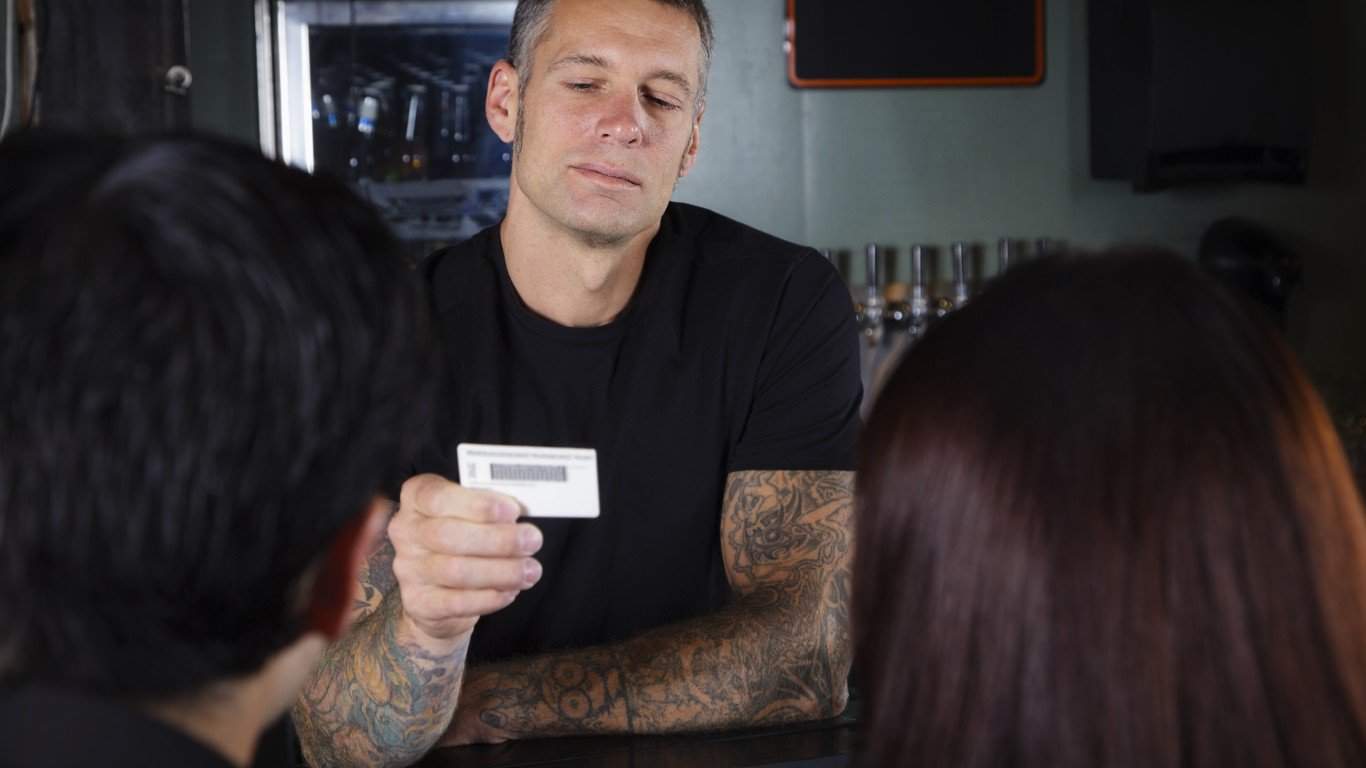
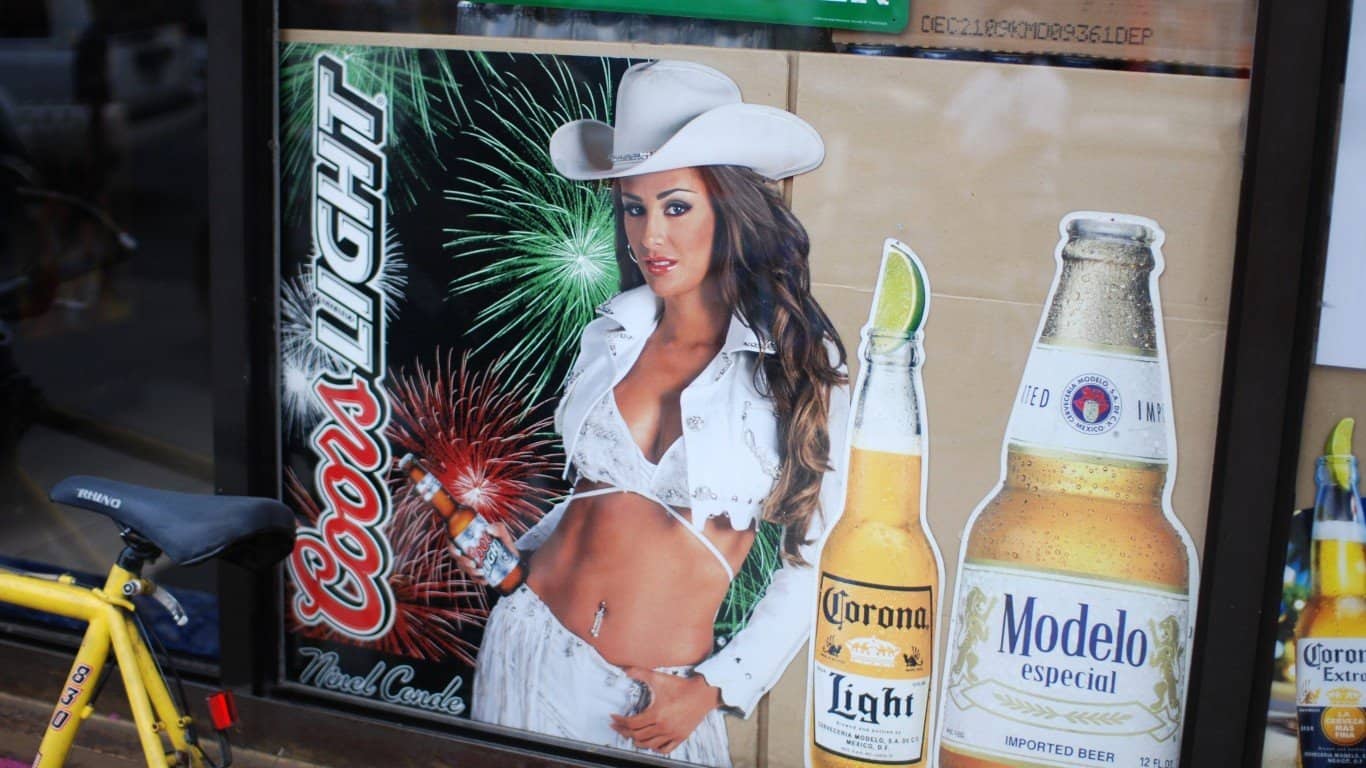
Richard Overton sued Anheuser-Busch over Bud Light advertising that depicted attractive people enjoying tropical settings and carefree fun. He argued that the commercials deceptively suggested drinking the beer could help bring those fantasies to life. Michigan courts were considerably less romantic about the proposition. The Court of Appeals concluded that the grandiose scenes were ordinary advertising puffery, not factual promises a reasonable consumer could enforce in court, and upheld dismissal of the case.
8. She Couldn't Reach the Bottom of the Lip Balm
Year: 2013 to 2016
Result: Case dismissed, dismissal affirmed on appeal
Angela Ebner sued cosmetics company Fresh over its Sugar Lip Treatment tubes. The product contained the amount of lip balm stated on the package, but the screw mechanism only pushed about 75% of it above the opening, leaving the rest down inside the tube unless the customer dug it out. Ebner argued that the design and packaging were deceptive. The Ninth Circuit disagreed in 2016, finding that the net weight was accurately disclosed and that the packaging was not likely to mislead a reasonable consumer.
9. He Sued Michael Jordan for Looking Like Him
Year: 2006
Result: Lawsuit dropped
Portland resident Allen Heckard said strangers had mistaken him for Michael Jordan for roughly 15 years, and he apparently decided Jordan should pay for the inconvenience. Heckard sued the basketball legend for $416 million and Nike co-founder Phil Knight for another $416 million, alleging emotional distress, defamation and other injuries tied to Jordan's fame and their supposed resemblance. Contemporary reports noted that Heckard was several inches shorter than Jordan. He eventually dropped the $832 million suit.
10. A Prisoner Sued Himself for $5 Million
Year: 1995
Result: Dismissed as frivolous
Virginia inmate Robert Lee Brock came up with an unusually efficient way to find both a plaintiff and a defendant: himself. Brock argued that by getting drunk, committing crimes and landing in prison, he had violated his own religious beliefs and civil rights. He wanted $5 million in damages. There was one obvious problem with winning money from himself, so Brock asked Virginia to pay the judgment because he was incarcerated, unable to work and a ward of the state. U.S. District Judge Rebecca Beach Smith dismissed the filing as frivolous.
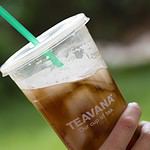
11. Starbucks Put Too Much Ice in the Iced Drinks
Year: 2016
Result: Dismissed with prejudice
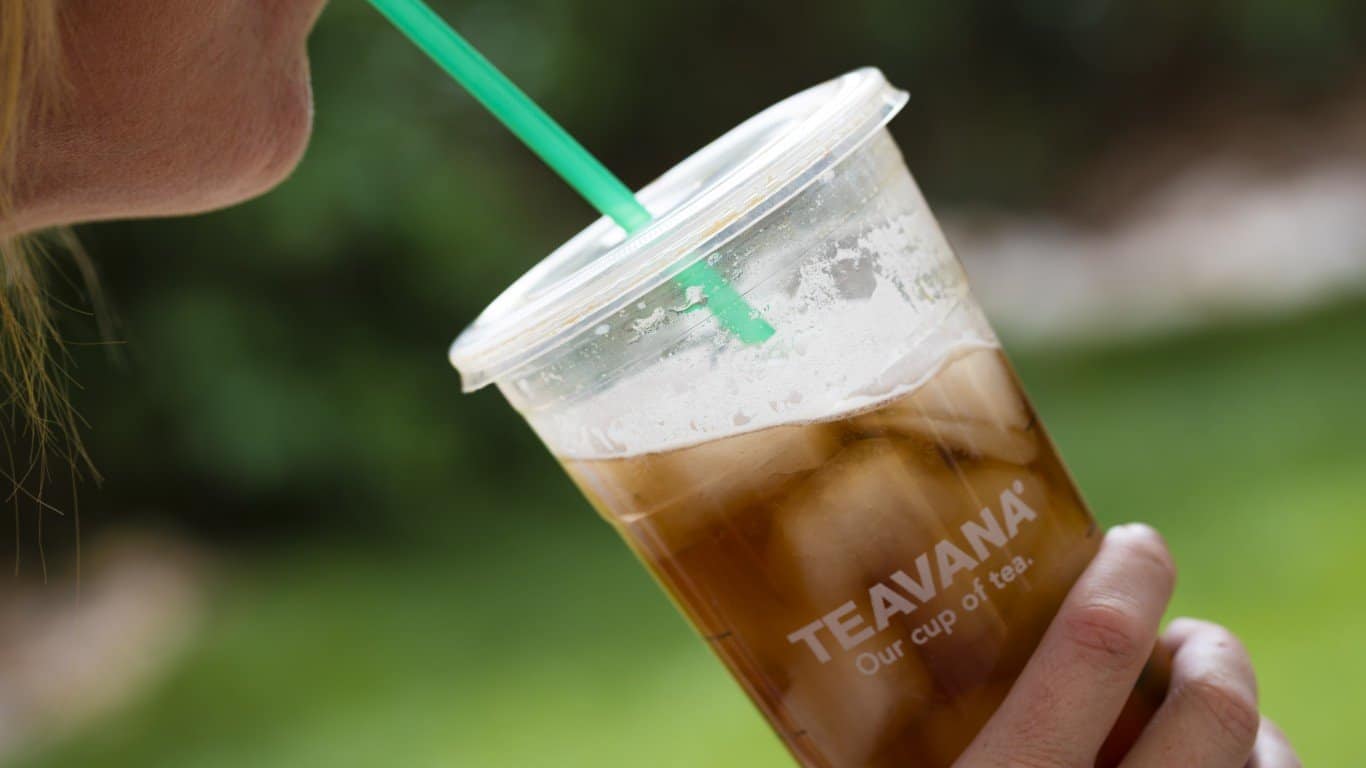
Alexander Forouzesh accused Starbucks of misleading customers by advertising cold beverages in fluid ounces even though part of the cup's volume was occupied by ice. In other words, a 24-ounce iced drink did not contain 24 ounces of liquid plus ice. U.S. District Judge Percy Anderson dismissed the case with prejudice, reasoning that reasonable consumers understand an iced beverage contains both liquid and ice, especially when it arrives in a clear cup. Customers could also ask for less or no ice.
12. The $54 Million Pair of Pants
Year: 2005 to 2007
Result: Plaintiff lost
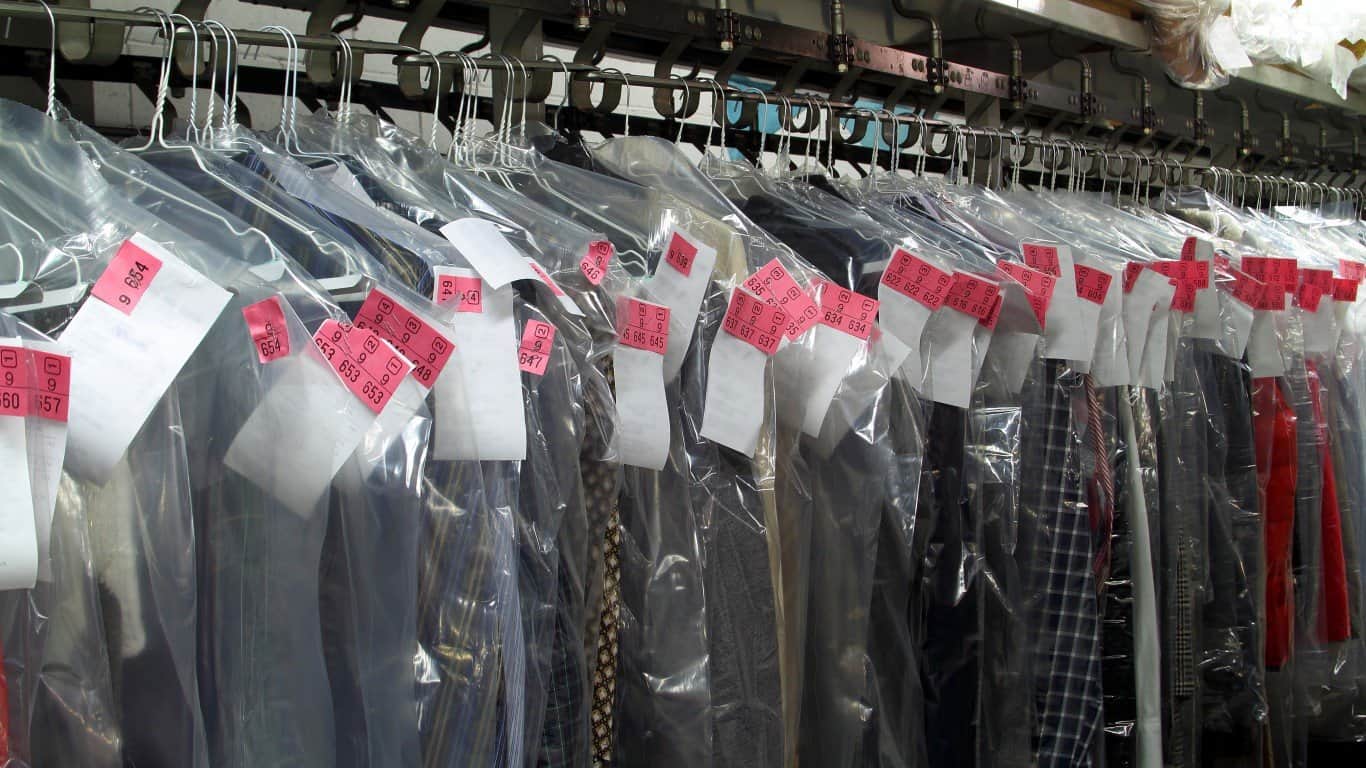
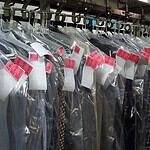
D.C. administrative law judge Roy Pearson claimed Custom Cleaners lost a pair of suit pants he had dropped off for alterations. What began as a dispute over trousers and roughly $10 worth of alteration work eventually became a consumer-protection lawsuit seeking as much as $67 million, later reduced to $54 million. Pearson based much of the extraordinary figure on the shop's "Satisfaction Guaranteed" sign. The court ruled that no reasonable customer would interpret the sign as requiring a business to satisfy every demand, found that Pearson had not proven the pants offered back to him were the wrong pair, and awarded him nothing. He was ordered to pay a little over $1,000 in court costs.
13. An A Wasn't Good Enough
Year: 2003
Result: School prevailed, appellate ruling affirmed in 2004
Michigan high school student Brian Delekta was competing for valedictorian when an A in a work-study course threatened his class ranking. He wanted an A+. There was another wrinkle: the course involved working as a paralegal at his mother's law office, and his mother had evaluated his work as deserving an A+. The outside program's grading scale, however, topped out at an A, which is what his high school recorded. Litigation followed, including an attempt to stop publication of class rankings. Michigan's Court of Appeals ultimately affirmed judgment for the school district.