Handout / Getty Images Entertainment via Getty Images
Harris & Ewing, Public domain, via Wikimedia Commons

Sebastien Burel / Shutterstock.com
Alan Light / BY 2.0

nan palmero / BY 2.0

hernanpba / BY-SA 2.0
Courtesy of RKO Radio Pictures
hyku / BY-SA 2.0

OlegRi / Shutterstock.com
Castles, Capes & Clones / BY-ND 2.0

Shutterstock ID: 681809980, Photographer: Brian Goodman
Courtesy of Buena Vista Pictures
Coolcaesar / BY-SA 4.0

JZ85 / BY-SA 3.0

RFondren Photography / Shutterstock.com
michellegibson / Getty Images
SolarSurfer, Public domain, via Wikimedia Commons
Joe Raedle / Getty Images News via Getty Images

Gorodenkoff / Shutterstock.com













A List of Disney's Biggest, Most Embarrassing Lawsuits Since the 1950s
With how large and old the Walt Disney Company is, it's not surprising that it's been involved in shocking scandals and lawsuits. Considering this company not only creates movies and shows, but also operates theme parks globally, things are bound to happen.
Can you think of some large or embarrassing Disney lawsuits at the top of your head? If not, it's okay. We've done the work for you.
For this slideshow, 24/7 Tempo consulted various entertainment, law, and news sources looking for information on some shocking Disney lawsuits. They range from former employees to feuds with state governors.
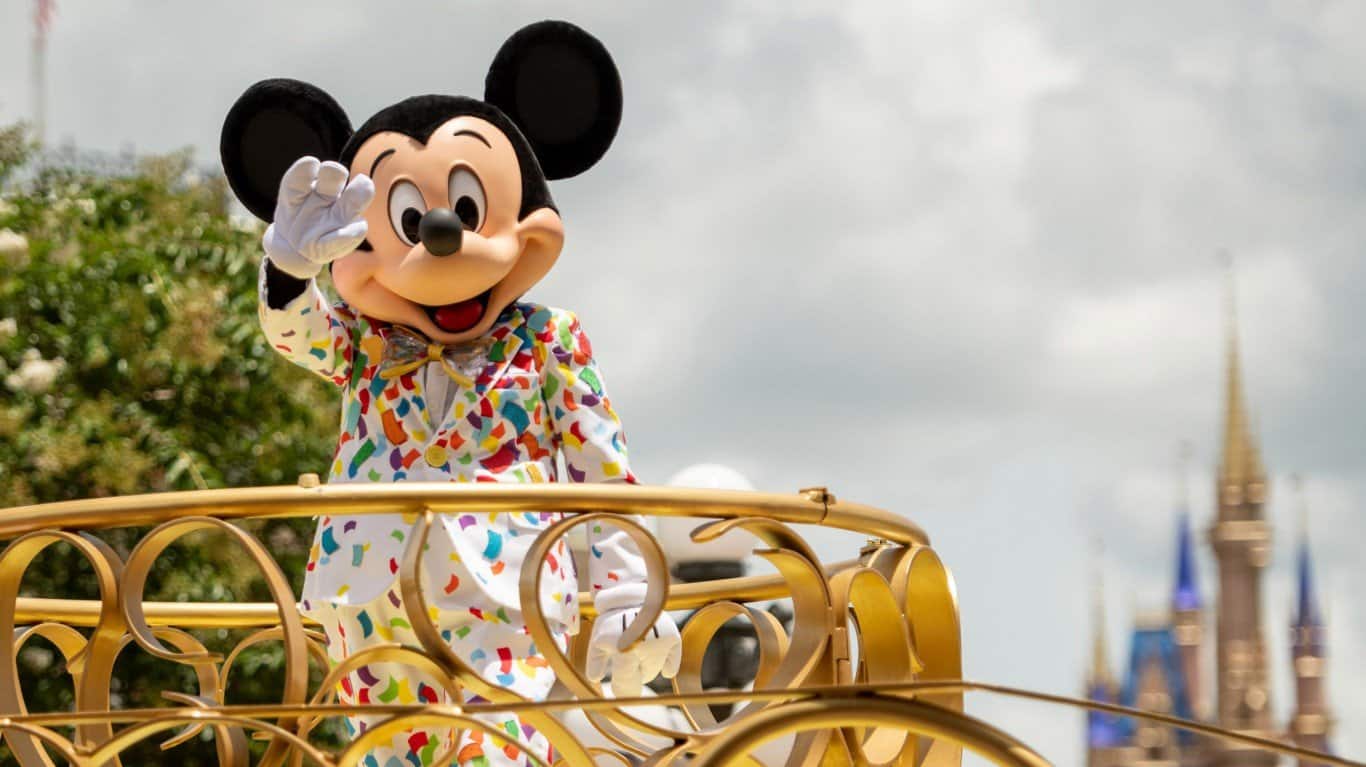
The Mickey Mouse Club Lawsuit
Disney and ABC fought during the 1950s when ABC canceled "Mickey Mouse Club." Disney then sued ABC and won damages in a settlement. However, part of the settlement was that no major network could air "Mickey Mouse Club" or "Zorro."
Sierra Club v. Morton
One of the largest Disney lawsuits was Sierra Club v. Morton. Technically, Disney wasn't sued, but they played a huge role in this case. Disney, during the late 1960s, attempted to start a ski resort on public lands, which would result in creating a highway through Sequoia National Park. In this case, the Sierra Club sued the U.S. Forest Service to halt permits that would allow Disney's ski resort in the national park because of potential environmental effects. The Supreme Court ruled in favor of Morton (4-3) as the Sierra Club did not have standing. However, they may have won in the end as Disney's ski resort in Mineral King Valley never came to be.
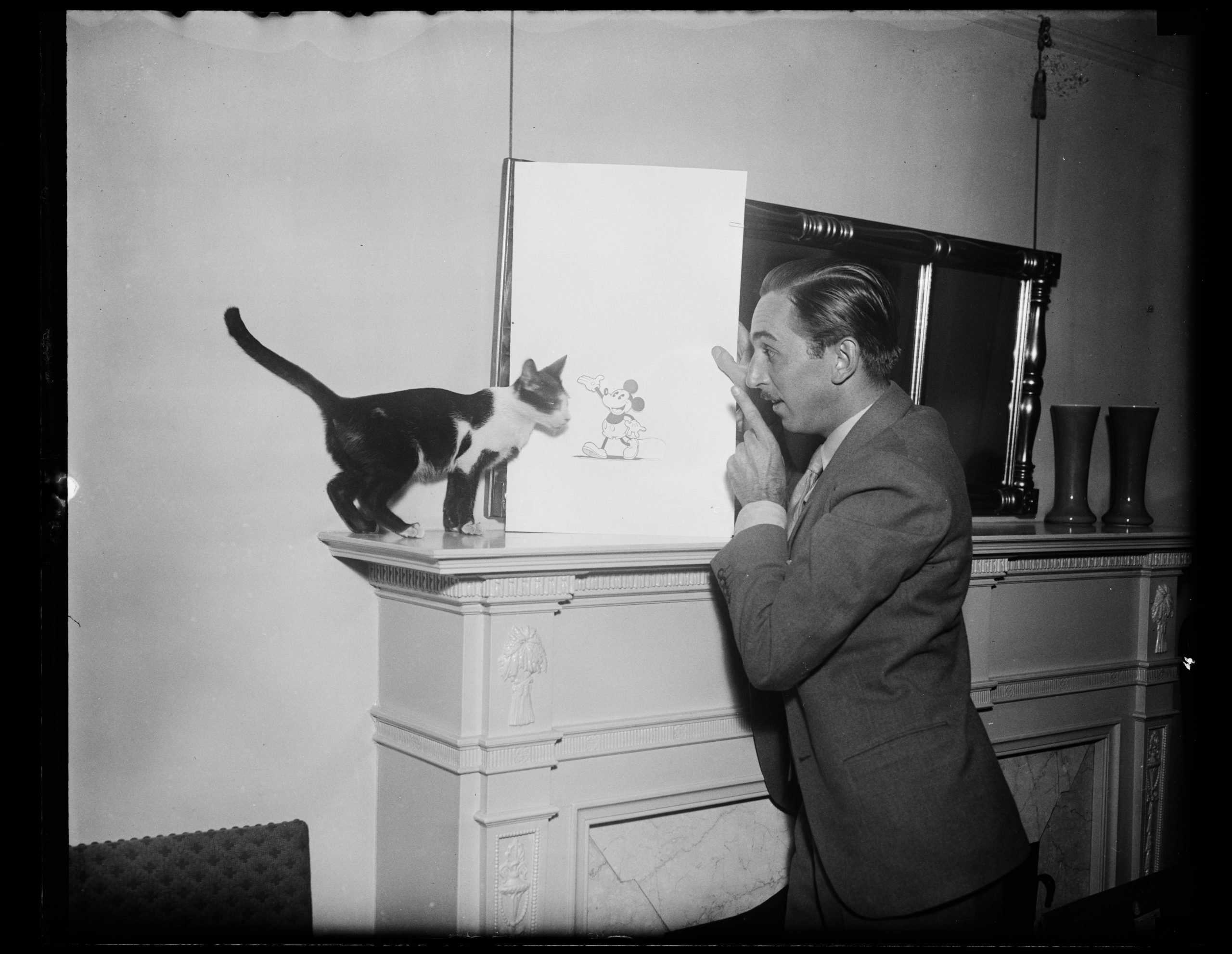
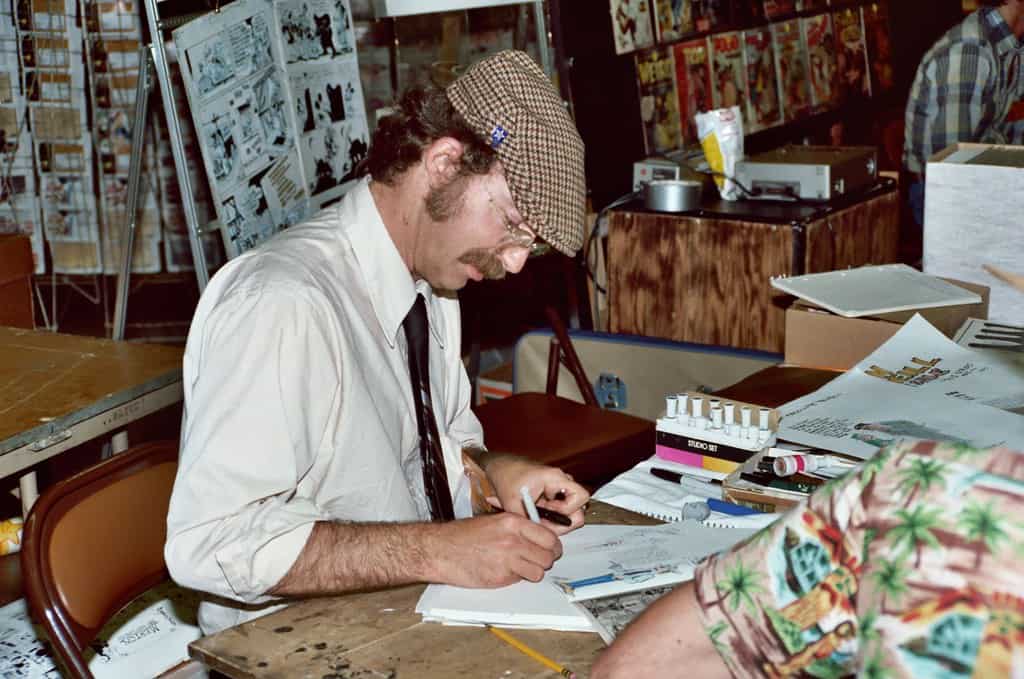
Walt Disney Productions v. Air Pirates
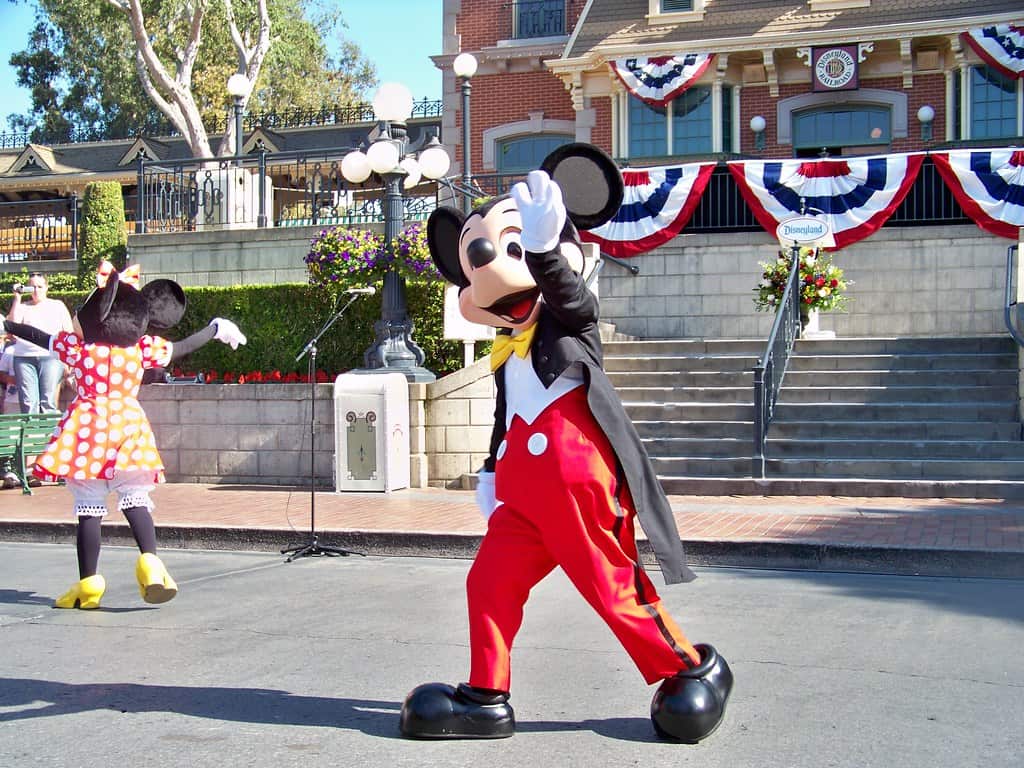
Disney does not play about copyright. You cannot use their characters, and if they notice, they will go after you. But what happens when you use the characters in a satirical way? That's explored in the Walt Disney Productions v. Air Pirates case. The Air Pirates were comedic cartoonists who used a satirical version of Mickey Mouse in one of their comics. Disney saw this and sued the group. On September 5, 1978, the courts decided in favor of Disney as the cartoonists' version of Mickey Mouse and other Disney characters were too similar to the real thing.
The Dangerous "Winnie the Pooh" Costume
This case wasn't about Disney, but a Disney employee who used their costume during the incident. In 1974, Robert Hill, a Disney actor wearing a Winnie the Pooh costume, was working when a little girl ran up to him. When he turned, she got hurt on the costume, specifically Pooh's ear. Costumes in 1974 weren't furry or soft, but instead bulky and plasticy. So, how did this escalate? The little girl's family said that he hit her with his arms, causing headaches and pain that lasted for months. Six years later, to prove that he couldn't move his arms enough to hurt the little girl, Hill wore the costume in court and acted like Pooh Bear, giving nods and rubbing his belly. The court, soon after, ruled in favor of Hill.
Walt Disney World Co. v. Wood
No matter what ride you go on, there is a risk. This is a ride-based lawsuit that included Walt Disney World. In 1971, Aloysia Wood was injured on the bumper car ride, the Grand Prix, by her then-fiance (now husband) Daniel Wood. She took Disney to the courts, where they found Disney was liable for 86% of the damages awarded to Aloysia Wood (although Wood was found at fault for 85% of the accident, but couldn't pay it).
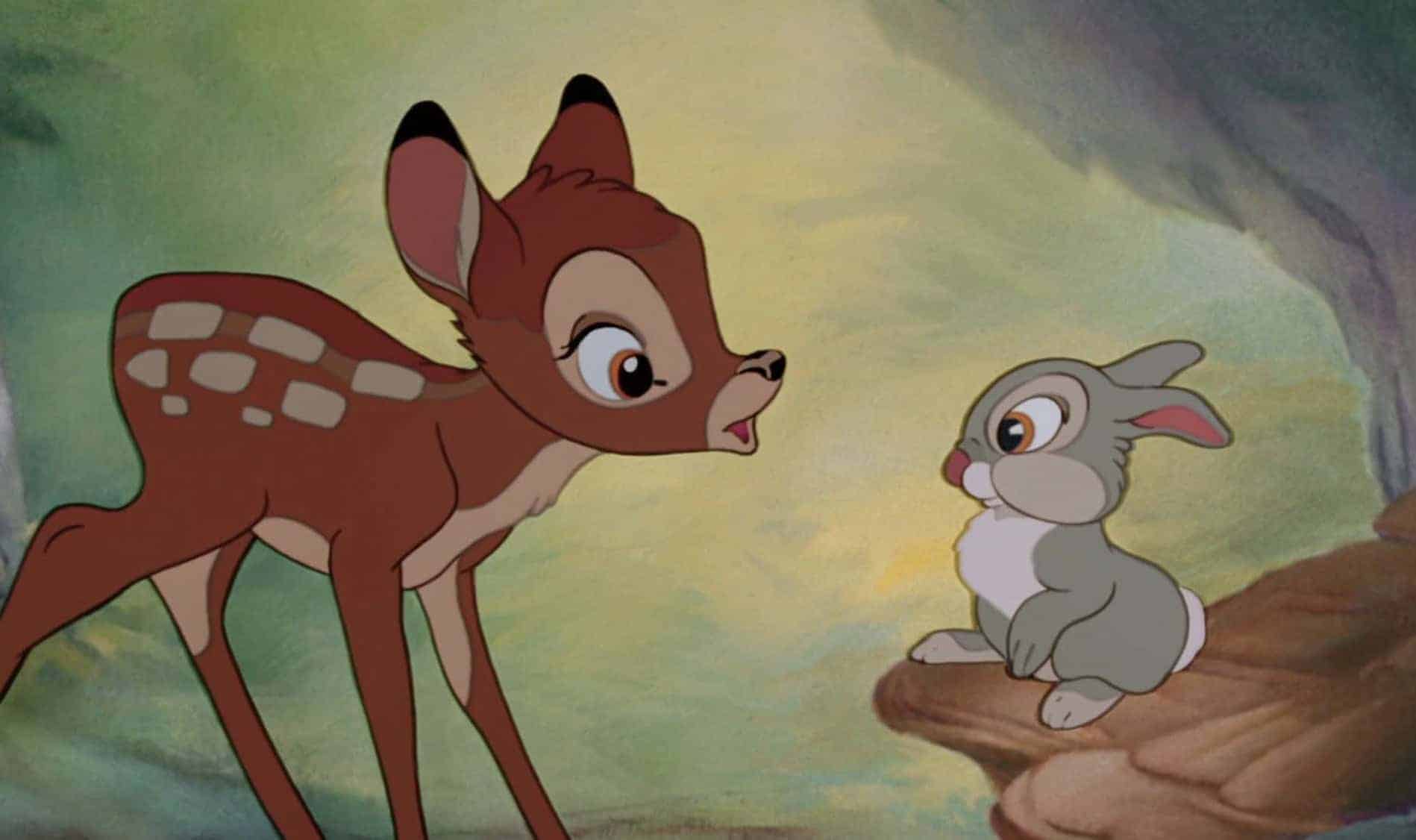
Twin Books Corp. v. Walt Disney Co.
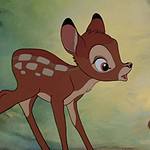
Decades after the "Bambi" movie was released, Twin Books Corp. sued Walt Disney Co. for derivative copyright as the "Bambi" film was based on the already written book, "Bambi, a Life in the Woods" by Felix Salten. The California courts initially ruled on Disney's side; however, when Twin Books appealed the ruling, the courts were on Twin Books' side as they noted they renewed the copyright for the novel in 1954.
Michael Ovitz Severance Package
Michael Ovitz was only the president of Disney for 16 months and yet left with a $140 million severance pay. This didn't make everyone happy, as some shareholders of the company sued the Walt Disney Company's board of directors. The courts decided in favor of Disney, stating there was no evidence that there was cause to fire Ovitz, meaning the severance package stayed in place.
Schenck v. Walt Disney Co.
On October 9, 1989, Patricia Schenck died when she collided on a small rental boat with a large ferry. Her husband, Brian Schenck, filed a wrongful death action in New York State Supreme Court against Walt Disney World Company. Because of the location, the case was moved to the Middle District of Florida. Not a lot of information is available on the next steps.
Brandon Zucker, et al. v. Walt Disney Company
Disneyland ride accidents aren't common, but they still do happen. On September 22, 2000, four-year-old Brandon Zucker was seriously injured while riding Roger Rabbit's Car Toon Spin in California's Disneyland. He fell out and got stuck under a ride cart and suffered brain damage and other serious injuries. His family then sued Disney and settled out of court for an undisclosed amount. Sadly, Zucker passed at 13 from complications of his injuries on January 26, 2009.
Bourne v. Walt Disney Co.
In 1995, Bourne filed a lawsuit against Disney because the company was selling videocassettes with music from Bourne when Bourne had exclusive rights to sell videocassettes. The courts, though, sided with Disney as the original license agreement was broad enough to include videocassettes.
Mandeville-Anthony v. Walt Disney Co.
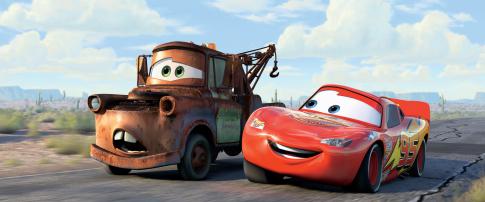
Another copyright lawsuit with Disney was the Mandeville-Anthony v. Walt Disney Co. In 2011, Jake Mandeville-Anthony filed a complaint against Disney for copyright infringement, citing that Disney used his works for their "Cars" series. His works also had anthropomorphic cars, "Cookie" and "Cars Chaos." On July 17, 2012, the courts decided in Disney's favor as the plot, character designs, and settings were very different.
Goto.com Inc. v. The Walt Disney Company
Also on our slideshow is the GoTo.com Inc. v. The Walt Disney Company lawsuit. During this lawsuit, GoTo.com Inc. sued Disney for similar logos. GoTo stated that the Walt Disney Company infringed upon its trademarked logo. This was one of the few cases where Disney didn't win. Instead, GoTo.com Inc. won the case and the two companies settled out of court, with Disney offering $21.5 million. They also changed their logo.
Mission: Space 2004 Death
On June 13, 2005, a 4-year-old boy, Daudi Bamuwamye, collapsed and died after riding Mission: Space in Disney World. He passed because of an existing, undiagnosed idiopathic heart condition. Still, the family sued Disney, citing that the child should never have been allowed on the ride for his height and that the medical care was lacking during the incident. The family and Disney settled out of court for an undisclosed amount.
Disney Nacho Cheese Lawsuit
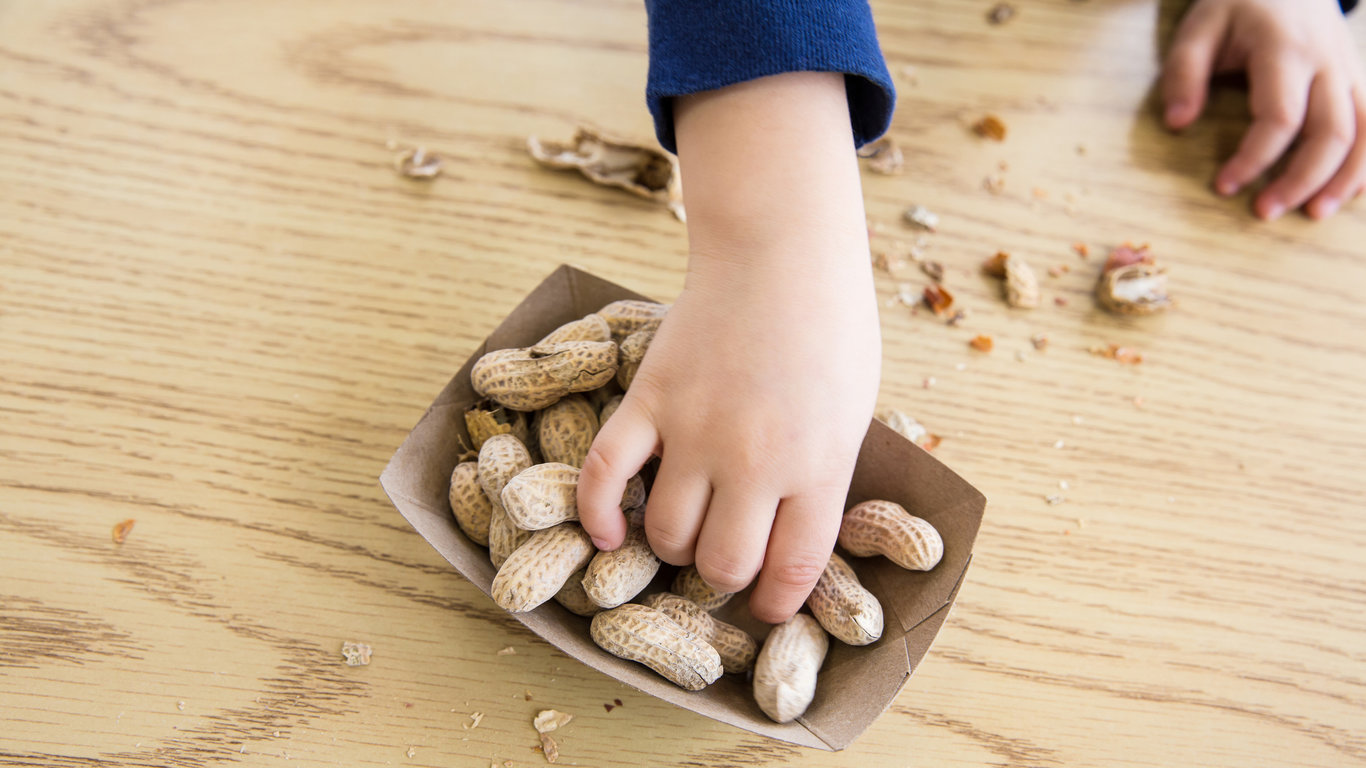
A lot of young children, specifically four-year-olds, have gotten hurt in Disney parks. This includes the Disney Nacho Cheese Lawsuit, where Isaiah Harris suffered from painful burns on his face when the nacho cheese dish fell on his body. The parents sued Disney, stating the cheese was dangerously hot and there were no warnings. Disney agreed to settle for $50,000.
Dr. Kanokporn Tangsuan's Wrongful Death
A more recent case involves a tragic death. Dr. Kanokporn Tangsuan passed away after eating at Raglan Road Irish Pub and Restaurant. She died of an allergic reaction as the food contained her allergens, even after she told the restaurant and they said it wouldn't be a problem. They confirmed again when the food made it to the table that it was allergy-free. Her husband, Jeffrey J. Piccolo, filed a wrongful death lawsuit against Disney and the resort's restaurant for $50,000 in damages. It's still ongoing as of summer 2025.
Jungle Cruise Wrongful Death Lawsuit
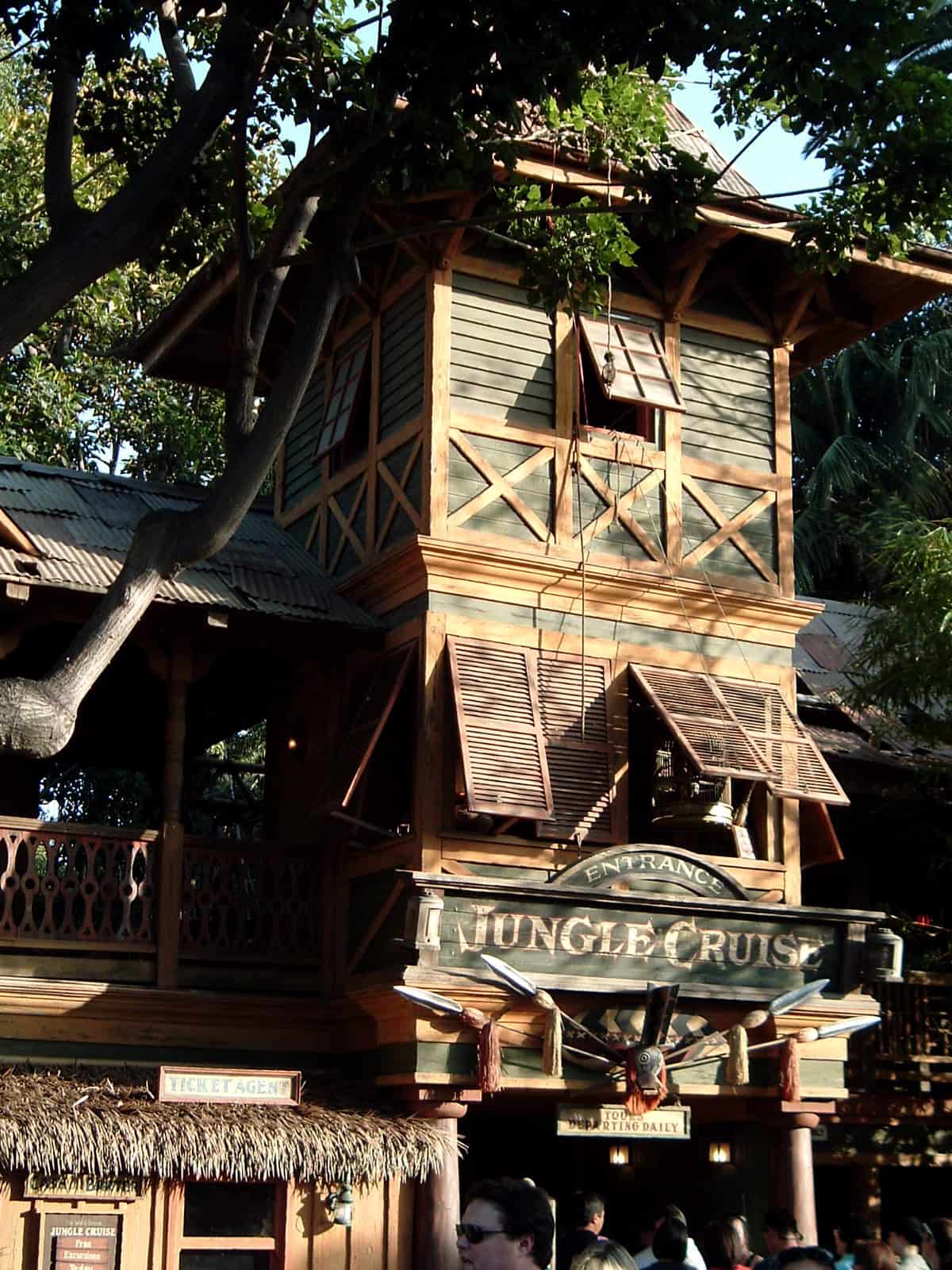
Another wrongful death lawsuit is the Jungle Cruise wrongful death lawsuit. In 2021, a woman with limited mobility attempted to get off the Jungle Cruise ride in California's Disneyland, when she fell and broke her femur. Apparently, some employees even laughed. Sadly, the woman passed away five months later due to complications of her injuries. The family is now suing Disney for improper disembarkation, a lack of warnings, and not having a wheelchair friendly accommodation.
Disney v. DeSantis
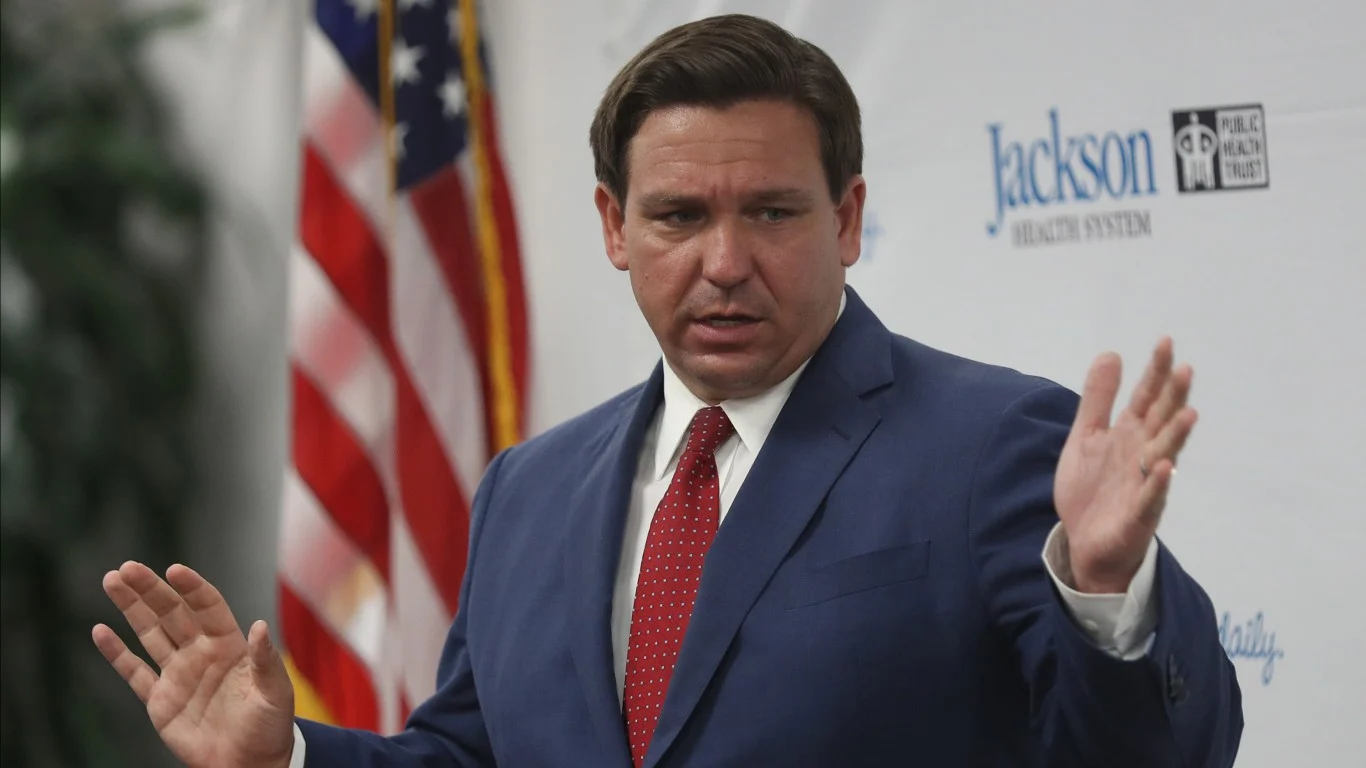
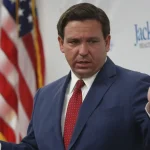
In 2023, the Parks, Experiences and Products division of The Walt Disney Company sued Florida governor Ron DeSantis for violating the company's First Amendment rights. This came after a feud between DeSantis and Walt Disney had been brewing. A federal judge in early 2024 ruled in DeSantis' favor, but Disney filed an appeal and eventually came to an agreement with DeSantis.
Eugene Strickland's Severe and Life-Altering Injuries
So many Disney lawsuits are popping up in 2025, including one involving Eugene Strickland. In 2021, while on Blizzard Beach's Downhill Double Dipper, he sustained life-altering and painful injuries. He was about 34 pounds over the ride's weight limit and yet was allowed on the ride, which may have contributed to his injuries. He is suing Disney now for negligence and the company's inability to maintain safe premises.