
Some restaurants get rave reviews from both the critics and customers alike. However, some places are equally hated by everyone. In between those two extremes, there’s a rare segment that gets trashed in rankings and review headlines but still manages to fill its parking lots every single night. This disconnect between what critics say and what regulars feel is where a lot of the action happens, and proves that while food and restaurant critics may be right most of the time, they’re human like the rest of us and aren’t always spot-on.
Here are 15 chain restaurants that fall into this category. Some reviewers tried to hit them really hard. And it never landed, because the people who actually eat there kept coming back regardless.
Waffle House
Welcome to the Waffle House. The service can be erratic and the restaurants are notorious for being extremely basic. Video clips have even gone viral, showing people fighting in the booths. None of it has stopped the chain from emerging as one of the most beloved restaurants in America.
On the one hand, this can be justified on the basis of practicality. The restaurant stays open even during hurricanes and tornadoes when almost everything else has closed, and this is a practice so well documented that the Federal Emergency Management Agency informally keeps track of restaurant closures to estimate storm damage. On the other hand, for a lot of regulars, the noise and the chaos are the whole point, not something to overlook.
Olive Garden
Olive Garden is attacked on two fronts. For years now, restaurant reviewers have derided it for being just a factory version of Italian cuisine, using pre-frozen foods and re-heated sauces instead of anything fresh. On the Internet, criticisms have only gotten louder regarding recent price increases and smaller portion sizes.
Yet somehow, Olive Garden continues to be one of the most familiar casual dining chains in America, sustained by its endless supply of breadsticks and a fan base that the critics seem to underestimate.
In 2012, columnist Marilyn Hagerty, at age 85, showed just how much the chain was loved in the community. She published her completely sincere, unironic review of her local Olive Garden restaurant in Grand Forks. At first, the Internet ridiculed her, but then Anthony Bourdain, among others, spoke out in defense of her sincerity, and millions of ordinary diners recognized their own affection for the chain in her words.
Sugarfish
Sugarfish built its Los Angeles following on chef Kazunori Nozawa’s “trust me” set menus, which are limited to just a few types of nigiri. This same lack of flexibility has helped Sugarfish become a fixture among the lovers of sushi, especially on the West Coast and among many celebrities as well.
But the chain has seen a lot of criticism as well. For instance, Pete Wells from the New York Times gave the chain a zero-star review for having a limited menu, too strong seasoning of the rice, and poor-quality fish, which didn’t justify the price tag. The review didn’t dent the chain’s expansion or its fan base one bit.
Mr. Chow
Mr. Chow has never really been about the food, and even its defenders will admit it. The Chinese restaurant chain gained fame due to the scene and spectacle. The dishes themselves are a bit of an afterthought and their quality can differ greatly from excellent to disappointing during the very same visit, but at prices that make the inconsistency sting even more.
According to an article from the New York Times, Mr. Chow falls into a small category of establishments that remain popular despite the opinion of the critics, just like some movies and songs stay massive regardless of the critics’ judgment. Many years later, the halls are still filled with people who came to enjoy the spectacle and not to listen to the critics about the stir fry.
Arby’s
Arby’s has been a punching bag within the fast food industry for a long time. Jokes about mystery meat and a menu built around roast beef instead of burgers are well known. But the loyalty to the brand does exist and is based on certain features rather than just vague nostalgia. Fans praise the crinkle-cut French fries of the chain as some of the best in fast food, a detail that gets buried under years of jokes regarding its meat products. Once people try them, the reputation tends to shift fast.
White Castle
White Castle is routinely ranked among the worst burgers in America, but its reputation has been a punchline for decades, no matter how devoted its fans may be. Despite that, White Castle has managed to create one of the most durable fan bases in fast food history because customers who will happily eat those very same frozen burgers swear they taste just like the ones served in restaurants. Decades of “Crave Cases” sold on Valentine’s Day are proof that the loyalty isn’t going anywhere.
Chick-fil-A
In a streak that lasted 11 years, Chick-fil-A was the winner of the American Customer Satisfaction Index among fast food restaurants until Jersey Mike’s edged it out in 2026, partly on the back of rising prices at the chicken chain. Such consistency is almost impossible to achieve in a market where customer loyalty is always in flux.
Food critics have never been all that impressed by the menu itself, though. It’s a fried chicken sandwich, a short list of sides, and not much else, with little of the ambition or risk-taking that critics tend to reward elsewhere. What keeps people coming back has almost nothing to do with any of that. It’s the service and the consistency that stayed untouchable for over a decade before finally slipping.
Chuck E. Cheese
Chuck E. Cheese has earned itself a reputation among many parents that borders on dread, built on mediocre pizza and pricey arcade game tokens. Restaurant critics haven’t been any kinder, often describing the pizza as an afterthought, with almost non-existent cheese on a bland crust.
The animatronic performers who land somewhere in the uncanny valley for any person above the age of eight haven’t helped much either. It’s one of those businesses whose customers tend to endure their experience more than enjoy it.
But kids tend to love it without reservation, which is why Chuck E. Cheese has been able to survive through decades of parental grumbling. Millennials are now coming back to their childhood memories, with plenty of grown adults admitting the ball pit years hold up better in memory than they probably should.
Golden Corral
Buffet chains face more scrutiny than almost any other restaurant category, and Golden Corral restaurants have received some of the harshest criticism among the lot. Reviewers have written about Golden Corral locations plagued by everything from serious cleanliness lapses to food that sits under heat lamps far longer than it should.
The rebuttal to this is very straightforward: volume and value. Customers who love Golden Corral talk about the wide variety of choices the restaurant provides during all three meals of the day and the ability to feed a family without breaking the bank. For that crowd, the occasional rough visit is a fair trade for consistency they can count on across every location.
Cheesecake Factory
The Cheesecake Factory’s menu is so long that critics have made a running joke of it, arguing there’s just no way for one kitchen to serve hundreds of items without dropping the quality in some. Combined with the long wait times and crowds that form in the dining areas during peak hours, the whole experience has gotten harder to love as the chain has grown.
But even those critics who pile on the menu length generally make at least one exception: the cheesecake. Even though it seems like every other item on the menu gets criticized, nearly everyone agrees that ordering the cheesecake will always be safe at The Cheesecake Factory. That single point of consensus keeps the parking lots full.
Subway
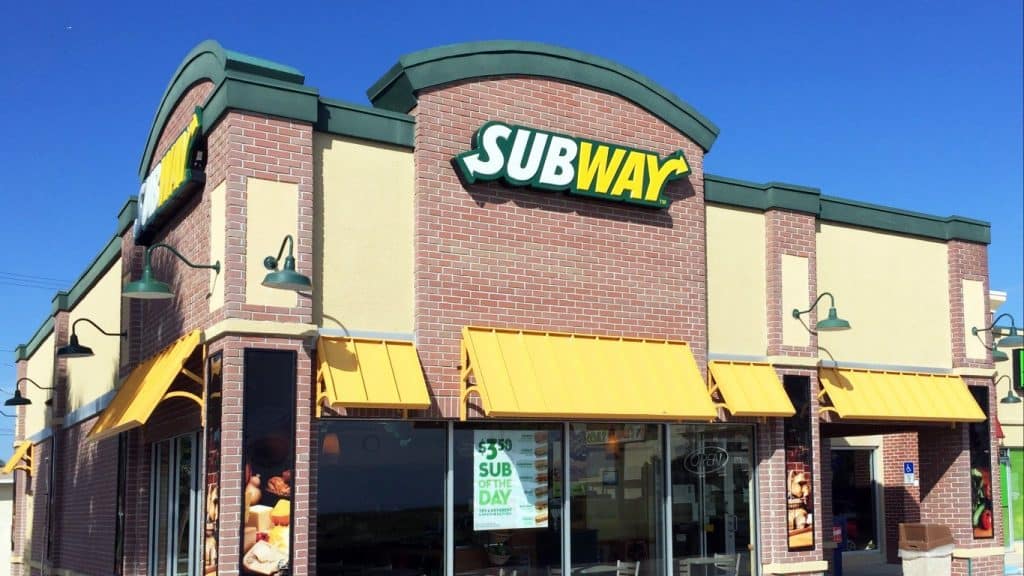
Subway has managed to survive one of the tougher periods for any major chain, starting with a widely publicized controversy over the actual amount of meat in its sandwiches all the way up to constant complaints regarding rising prices and declining quality. Critics have been especially blunt about ingredients that no longer feel fresh.
Its scale paints an entirely different picture. First of all, there are almost 19,000 Subway restaurants in the United States, more than almost any other in the country, and despite the declining number of franchises, the net income still increased last year.
The footlong sandwich remains one of the most convenient food items in the country, despite its imperfections, and that convenience keeps millions of customers coming back regardless of the headlines.
The Melting Pot
Fondue is seen as being out of date by many critics. The very idea of cooking your meal right at your table in a pot of hot oil or cheese gets dismissed as more novelty than actual cuisine.
Despite criticism, The Melting Pot has managed to stay profitable since the 1970s, largely on the strength of special occasion dining. Couples looking for a slow, interactive date night, or families marking an anniversary, keep the format relevant in a way that critics evaluating it purely on culinary merit tend to miss.
Buffalo Wild Wings
Wing purists rarely rank Buffalo Wild Wings among the best in the business, and some reviews have also mentioned that at times the wings might not always be as crispy as expected, especially during a rush on a big game night. Delivery orders fare even worse, with sauce and steam working against the texture on the ride home.
It’s the full package that keeps Buffalo Wild Wings thriving, and not any particular item. The sports bar concept, along with the wall-to-wall TV screens, beer, and a sauce lineup that lets every table customize their order. That’s what regulars show up for.
IHOP
IHOP tends to feel less authentic than Waffle House to diners chasing something more regional, and plenty of breakfast fans will say so without hesitation. IHOP’s polish, from its unlimited coffee to its more standardized dining rooms, can read as generic rather than dependable.
But a large proportion of IHOP’s customer base seeks this very refinement. The chain massively outperforms Waffle House in terms of the number of branches as well as revenue earned, proof that consistency and a broader menu win out for far more diners than the authenticity debate would suggest.
Denny’s

Denny’s has long been portrayed as the place people stumble into after a late night or a questionable decision, making it more of a pop-culture punchline than a serious dining destination. Reviews vary by location, but critics often dismiss the chain as a fallback option rather than somewhere people actively choose for a memorable meal. The food is rarely described as innovative, and the atmosphere can feel dated compared with newer breakfast chains.
Still, Denny’s has earned a loyal following by being dependable. Many locations remain open around the clock, serving pancakes, eggs, burgers, and its familiar Grand Slam meals at 3 a.m. just as readily as at 3 p.m. For regular customers, that convenience, affordability, and consistency matter far more than critical acclaim.