















Man Jumped From Cruise Ship to Dodge a $16,000 Gambling Debt
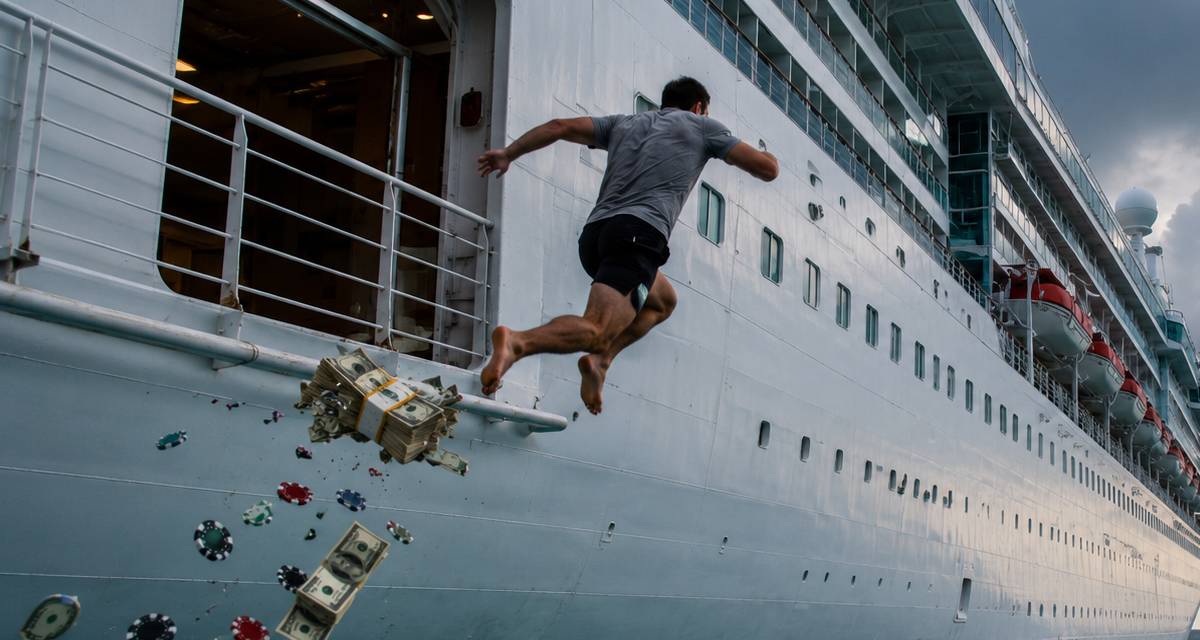
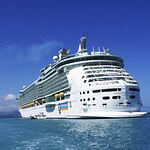
In September 2025, authorities said Jey González-Díaz jumped from Royal Caribbean's Rhapsody of the Seas near the Port of San Juan, Puerto Rico, after the ship returned from Barbados. According to a federal criminal complaint cited by CBS News, González-Díaz owed more than $16,000 in gambling debt to the cruise line and went into the water during the disembarkation process. He was brought to shore by people on jet skis and was later apprehended by U.S. Customs and Border Protection. Investigators also said he had $14,600 in cash, multiple IDs, and two phones when he was found.
The story is bizarre, but it points to a much larger and darker pattern. Gambling debts have followed athletes, executives, lawyers, heirs, and everyday people into legal trouble, financial ruin, public scandal, and desperate decision-making. What starts as an attempt to win money back can quickly turn into a cycle of chasing losses, hiding debts, and making choices that only deepen the damage.
Tempo is taking a closer look at some of the most extreme ways people have tried to escape gambling debts, along with the amounts involved, the schemes they attempted, and the consequences that followed. These stories are compelling because they are unusual, but they are also cautionary examples of how fast gambling problems can overwhelm judgment, relationships, careers, and finances.
Anyone struggling with gambling addiction, or worried about someone else's gambling, should know that help is available. The National Council on Problem Gambling and Gamblers Anonymous offer resources for people dealing with compulsive gambling, and getting support early can make a major difference before the financial and personal fallout becomes harder to repair.
Here is a look at the ways people have tried to avoid gambling debts and the consequences that have come from it:
When debts spiral out of control, even the wealthy and powerful make reckless choices. Fraud, deception, and even desperate escapes ultimately bring disastrous consequences. By reviewing these different cases, readers can gain insight into how addiction drives decision-making and why legal systems intervene so forcefully. Covering these examples matters because they illustrate the universal dangers of financial overreach, the thin line between thrill-seeking and ruin, and how accountability eventually catches up with everyone.
Ippei Mizuhara & Shohei Ohtani
- Location: Los Angeles, California
- Amount: $21.5 million
Shohei Ohtani is considered a generational talent in the MLB, and as such, he commands the highest salary in the leagu,e making a whopping $70 million per year. While Ohtani is making millions, his longtime Japanese interpreter and aide, Ippei Mizuhara, sought to cash in too, but in a more nefarious way. Mizuhara started racking up large gambling debts around 2021 with an illegal bookmaker. To cover these debts, Mizuhara misappropriated funds from Ohtani's bank account without his knowledge, using his login credentials and changing account security/email/phone so he could intercept verification calls. He would even go as far as to impersonate Ohtani to authorize wire transfers and use the money for gambling losses and personal expenses.
Accordingly, Mizuhara was fired in March 2024 after the allegations became public. He ultimately pled guilty to bank fraud and filing a false tax return. Mizuhara was sentenced to 57 months in prison and ordered to pay roughly $17 million in restitution. It's worth noting that Ohtani has publicly maintained that he did not place any bets or know about the misappropriation until all had come to light.
Jey González-Díaz
- Location: Near Port of San Juan, Puerto Rico (Royal Caribbean's Rhapsody of the Seas)
- Amount: $16,000
Jey González-Díaz boarded Royal Caribbean's Rhapsody of the Seas in late August 2025. The cruise left from San Juan, Puerto Rico, for Barbados and returned. On September 7, 2025, during the disembarkment process, he jumped overboard to avoid paying a $16,000 gambling debt that he had accrued over the week. After going overboard, he was rescued by individuals on jet skis and later apprehended by U.S. Customs and Border Protection. Authorities found him with about $14,600 in cash, as well as two phones, and multiple IDs. Currently, he's being charged with a federal offense regarding evading currency reporting and potentially more. If this all goes through, he could face up to 5 years in prison and fines up to $250,000.
Phil Ivey
- Location: London, UK — Crockfords Casino & Atlantic City, New Jersey — Borgata Casino
- Amount: $22 million
Phil Ivey, a world-renowned poker player with a number of World Series bracelets, exploited a little-known technique called "edge-sorting" with his partner Kelly Sun in a series of high-stakes baccarat games. While initially the casinos in question agreed to Ivey's terms of play and accommodated them (including the decks of cards to be used), the casinos later learned that they had been duped. Edge-sorting is a method of determining face-down cards based on the markings on the backs of these cards. Slight imperfections in these markings, based on how the cards were cut at the factory, tell the player the full story. Ivey took down about $12 million from Crockfords Casino and $9.6 million from Borgata. However, the casinos turned to the courts in the US and UK, which ultimately ruled against Ive,y but settlements were made outside of the courts, so the picture is not entirely clear.
Marcus Morris Sr.
- Location: Las Vegas, Nevada
- Amount: $250,000
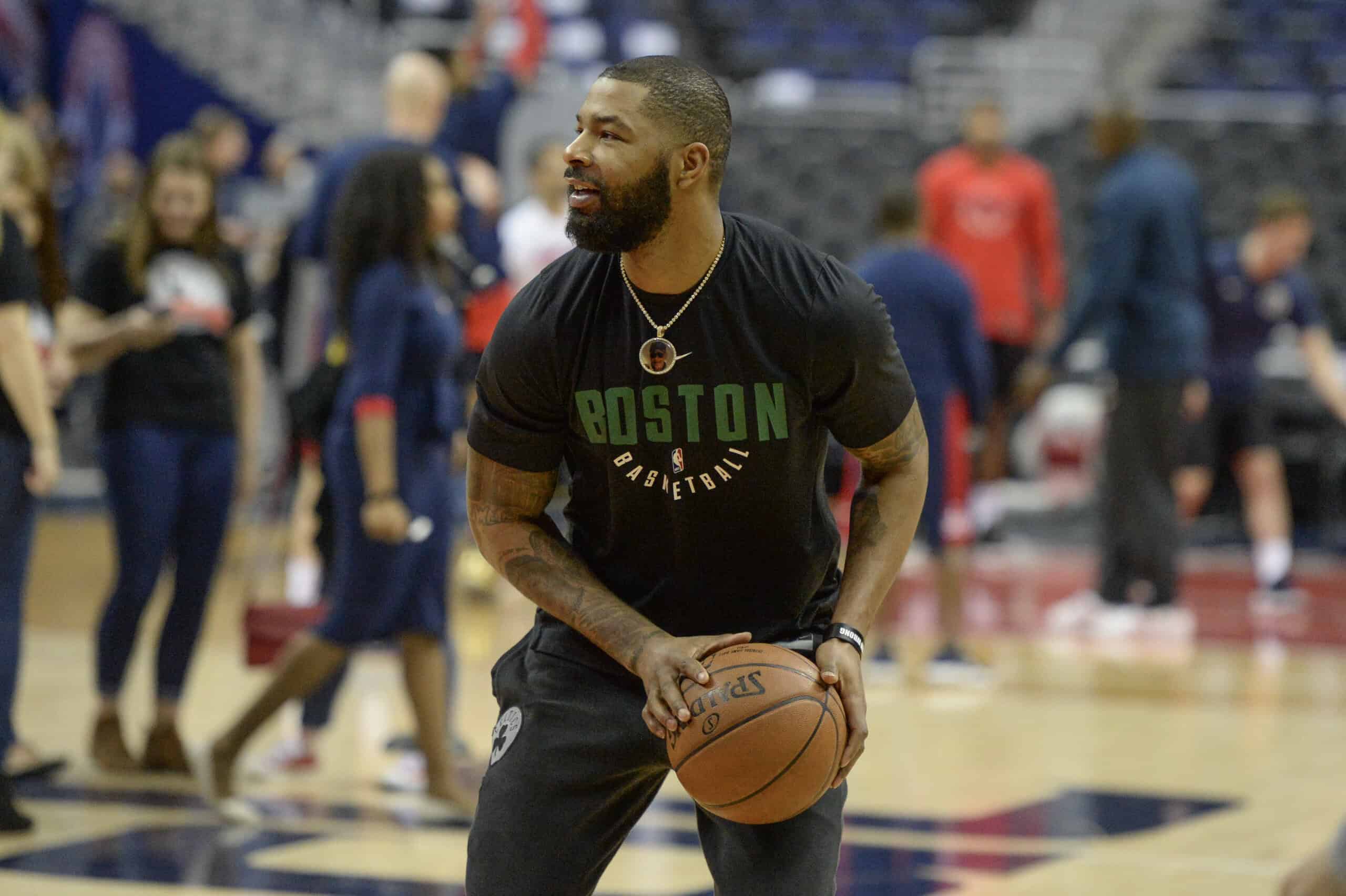
Marcus Morris Sr. was a promising basketball talent, playing for the Kansas Jayhawks and was selected by the Houston Rockets in 2011 as the 14th overall pick. Reports surfaced in 2023–2024 that a bookmaker and his associates accused Morris of borrowing large sums to cover bets and then failing to repay. Morris would be arrested in a Florida airport in July 2025 for writing insufficient funds checks with a warrant from Nevada. However, it appears his fraud and theft charges in Las Vegas were dismissed in early August after he paid off his debts to two casinos, resolving his legal issue that led to his arrest.
Sara Jacqueline King
- Location: Newport Beach, California — Las Vegas, Nevada
- Amount: $10 million
Sara Jacqueline King was a California lawyer and investment fund manager who rose to fame in 2023 after being sued by a lender, LDR International. According to the court filings, she was accused of fabricating 97 loans. The claim was that the money was being lent to wealthy borrowers, and then it was secured by luxury items like yachts, cars, and watches. Instead, King was accused of funneling these funds into her personal accounts and then hitting Las Vegas. Photos and court filings showed her living in a casino hotel, wagering millions at high-limit tables. Ultimately, this all fell apart and investors sued for the missing $10.2 million. King was sentenced to 21 months in federal prison.
Ausaf Umar Siddiqui (Omar Siddiqui)
- Location: San Jose, California & Las Vegas, Nevada
- Amount: $65 million
Ausaf Umar Siddiqui, better known as Omar Siddiqui, was a vice president at Fry's Electronics in San Jose, California. Starting in 2002, he created a fake "consulting" scam, pushing Fry's vendors to pay inflated fees, which he then siphoned off to feed his casino habit. Omar frequented Las Vegas enough to be known as a "whale," where he would receive lavish perks while burning through stacks of cash at the baccarat tables. When it all collapsed in 2008, the FBI charged him with wire fraud and money laundering. He pleaded guilty in 2011. Prosecutors noted he blew nearly all of the stolen $65 million on gambling. In 2012, he was sentenced to six years in federal prison and ordered to pay restitution.
Yew Choy Wong
- Location: Melbourne, Australia — Crown Casino
- Amount: $30 million
Yew Choy Wong made international headlines after a truly epic losing streak at the Crown Casino in Melbourne. Over a few days in 2018, he lost about $43 million (Australian dollars) playing baccarat. The issue was that his representatives later claimed the casino should bear responsibility because of an admitted dealer error. As a result, Wong refused to pay the massive line of credit that was extended to him, citing this error. The case turned into a legal battle, with Crown Casino taking the case all the way up to Singapore's High Court. In 2020, the court ruled against Wong, ordering him to pay the debt plus interest.
Chia Teck Leng
- Location: Singapore & Macau
- Amount: $69 million
Chia Teck Leng orchestrated one of the largest frauds in the history of Singapore. As a finance manager overseeing Asia Pacific Breweries, he forged documents to open credit lines from four banks. Instead of using these funds for company purposes, he funneled this cash into his personal accounts. Chia spent a lot of time in Macau casinos, racking up incredible losses while trying to claw back any of the money. While these losses piled up, and to keep the scheme alive, Chia continued forging false reports for the company and banks to make everything appear fine. However, everything unraveled in 2003 when Chia was arrested and convicted. He was ultimately sentenced to 42 years in prison, one of the harshest white-collar sentences in Singapore's history.
Terrance Watanabe
- Location: Las Vegas, Nevada — Caesars Palace & Rio casinos
- Amount: $127 million to $204 million
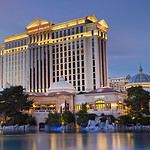
Terrance Watanabe was the heir to the Oriental Trading Company, founded by his father, Harry. Terrance saw himself as larger than life and racked up one of the largest gambling debts in Las Vegas history. In 2007, he reportedly lost more than $127 million at Caesars Palace and the Rio, which accounted for roughly 5–6% of Harrah's Entertainment's revenue that year. As a high-roller, these casinos wanted to keep him on the hook and extended him millions in credit ,which he would later refuse to pay, claiming that he was dosed with alcohol and painkillers to keep gambling. However, the courts would ultimately rule against him and charge him with $14.7 million in unpaid debts. The case was settled in 2010.
Art Schlichter
- Location: Ohio, Maryland, Indiana
- Amount: Over $1.5 million
Art Schlichter was once the starting quarterback of the Ohio State University and a first-round draft pick. After being selected as the fourth overall pick by the Baltimore Colts, he would go 0-6 as a starter playing a total of 13 games in the NFL. Art was suspended indefinitely by the NFL in 1983 for gambling. Reportedly, he borrowed heavily from family, friends, teammates, and more to cover his mounting debts. It even came to him writing bad checks, passing counterfeit tickets, and outright fraud. In one of the more high-profile cases against him, Art scammed victims through a phony ticket-resale scheme to pay gambling debts, stealing over $1.5 million. Repeated arrests and convictions would follow, with Art spending much of his adult life behind bars.