Some islands are popular warm-weather tourist destinations packed with hotels, restaurants, and crowded beaches. Others are so isolated that only a handful of people live there year-round. Instead of the tropical paradises many of us associate with islands, many of these places are stark and cold. The tiny communities who call these islands home tend to rely on fishing, farming, or modest amounts of tourism. They may have limited services, few roads, or no airports. Some are only accessible by boat, making them tricky to get to. Life on these islands moves at a slower pace, and locals tend to know each other intimately. Here are eight fascinating islands with tiny permanent populations.
Pitcairn Island, South Pacific
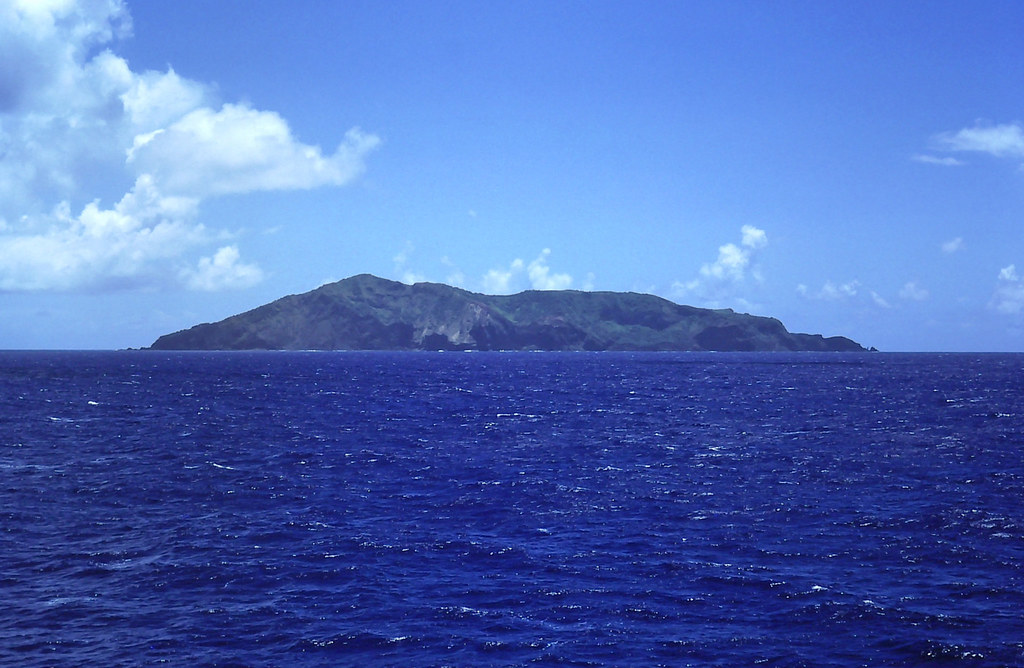
Pitcairn Island is one of the world’s most remote islands that is actually populated. Located in the South Pacific, the lush tropical island has fewer than 50 permanent residents. The island has a unique history. Most of the population are descendants of the mutineers of the HMS Bounty and their Polynesian companions. Both peoples settled there in the late eighteenth century. The island has no airport, and reaching it usually requires a long, uncomfortable boat journey. Despite its minuscule population, Pitcairn has its own government and post office.
Foula, Scotland
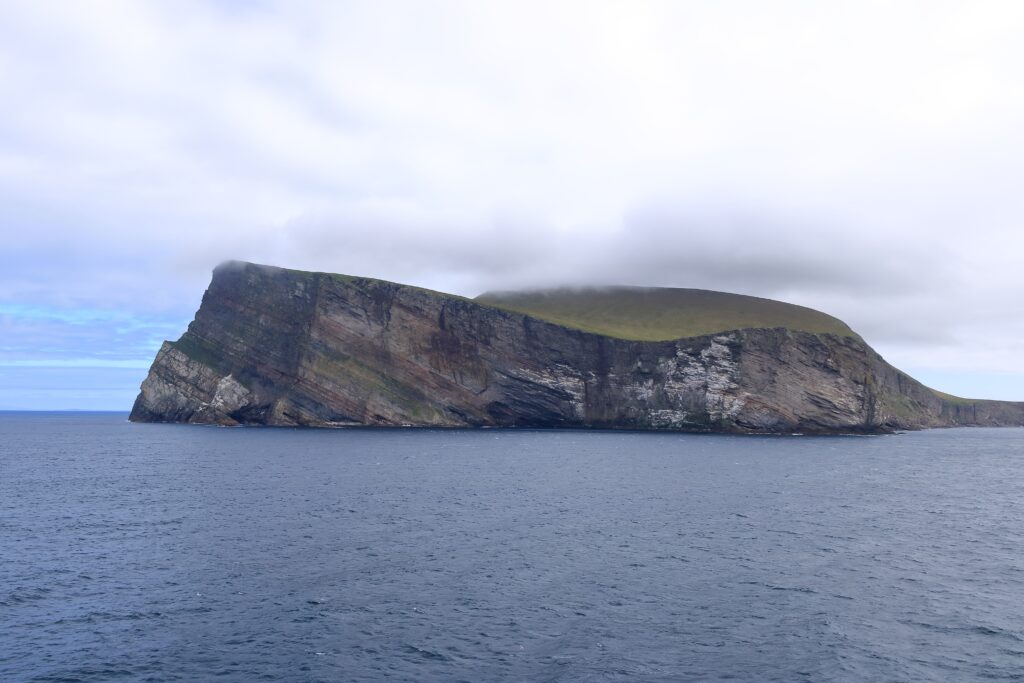
Foula is far from the tropical paradise most picture when they think of islands. Foula is west of mainland Scotland within the remote Shetland Islands. The island typically has around 30 year-round residents. Sheep farming and small-scale tourism help support the tiny community. It is known for its huge, dramatic cliffs that tower hundreds of feet above the ocean. They provide a home for thousands of nesting seabirds. The island’s isolation and rugged natural beauty make it feel somewhat otherworldly.
Sark, Channel Islands
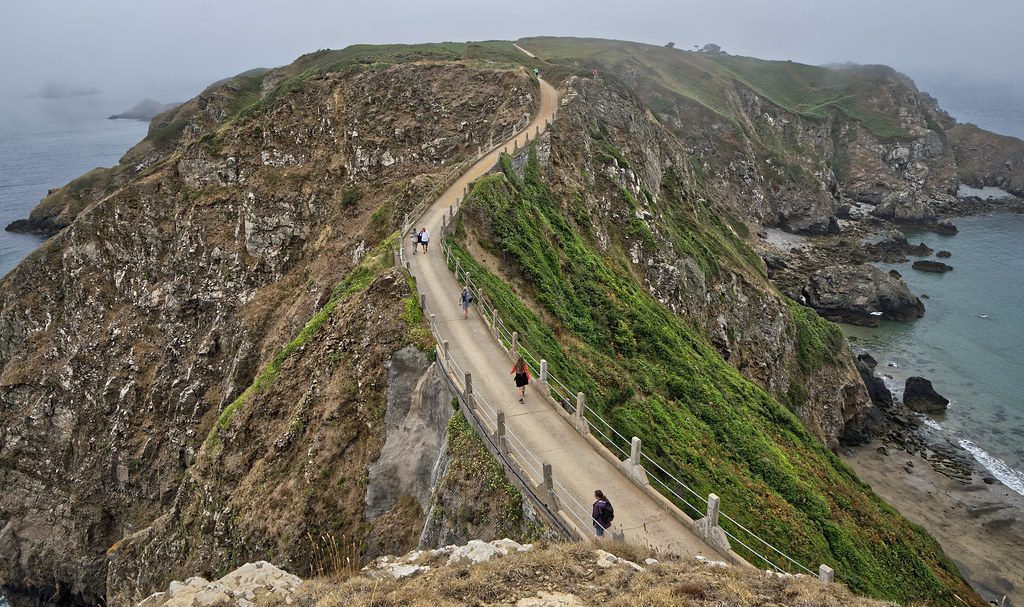
Sark is part of the British Isles. Interestingly, it is one of the smallest self-governing territories. Its population fluctuates, so exact estimates are difficult, but it has periodically dipped below 100 residents in some of its smaller settlements and hamlets. Because cars are mostly prohibited, transportation is limited. If bicycles aren’t your style, you’ll have to choose between a tractor or a horse-drawn carriage. The remote location results in incredibly island’s dark skies, earning the island a reputation as an excellent stargazing destination. Its lack of automobiles and isolation make it seem almost frozen in time.
Palmerston Atoll, Cook Islands
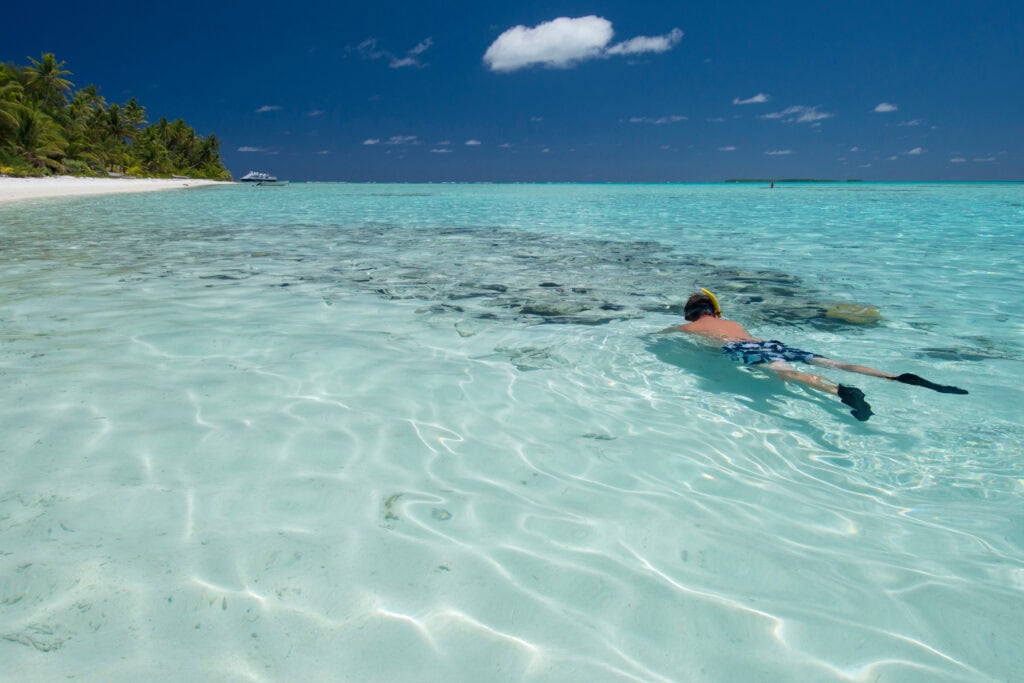
Palmerston Atoll is a gorgeous coral atoll in the South Pacific that has a population of only a few dozen people. Most residents are descendants of an English sailor named William Marsters, who began living there back in the nineteenth century. The island is actually several small islets surrounding a beautiful lagoon. Fishing supports the population, alongside very limited tourism. Because of its remoteness, the community only receives supplies occasionally by ship.
Ulva, Scotland
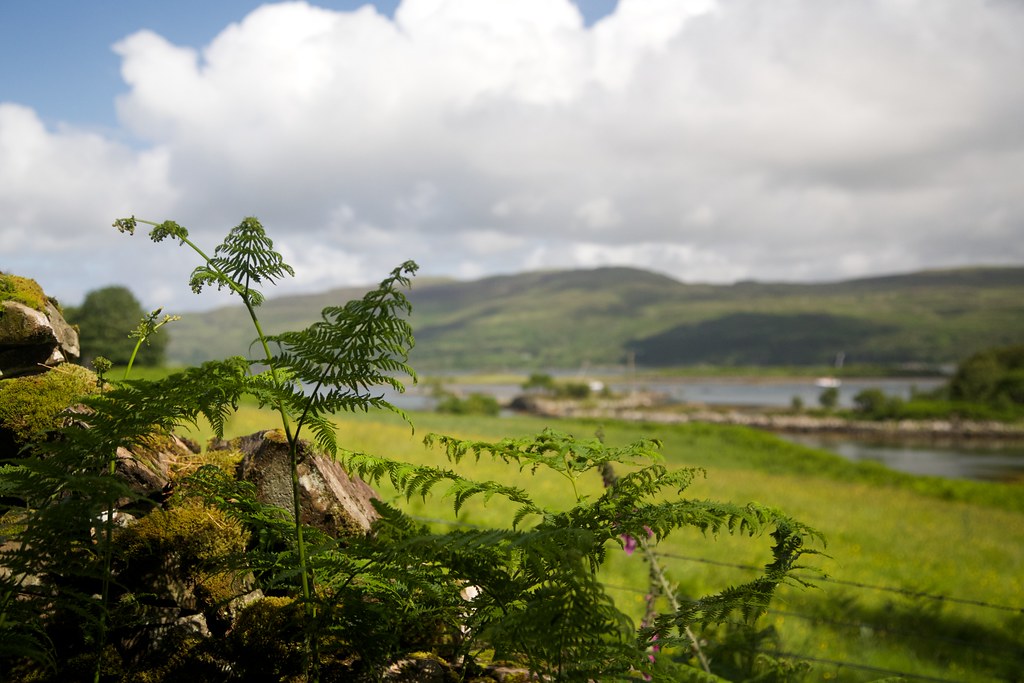
Ulva is a small island located off the coast of Scotland’s Isle of Mull. The population here is shockingly small, with fewer than 20 permanent residents, despite spanning roughly 4,500 acres. The great majority of the island is undeveloped. In these areas, wildlife thrives. The Scottish island is home to ancient ruins, breathtaking coastlines, and quiet walking trails. Community members have made efforts in recent years to encourage growth and attract new residents.
Canna, Scotland
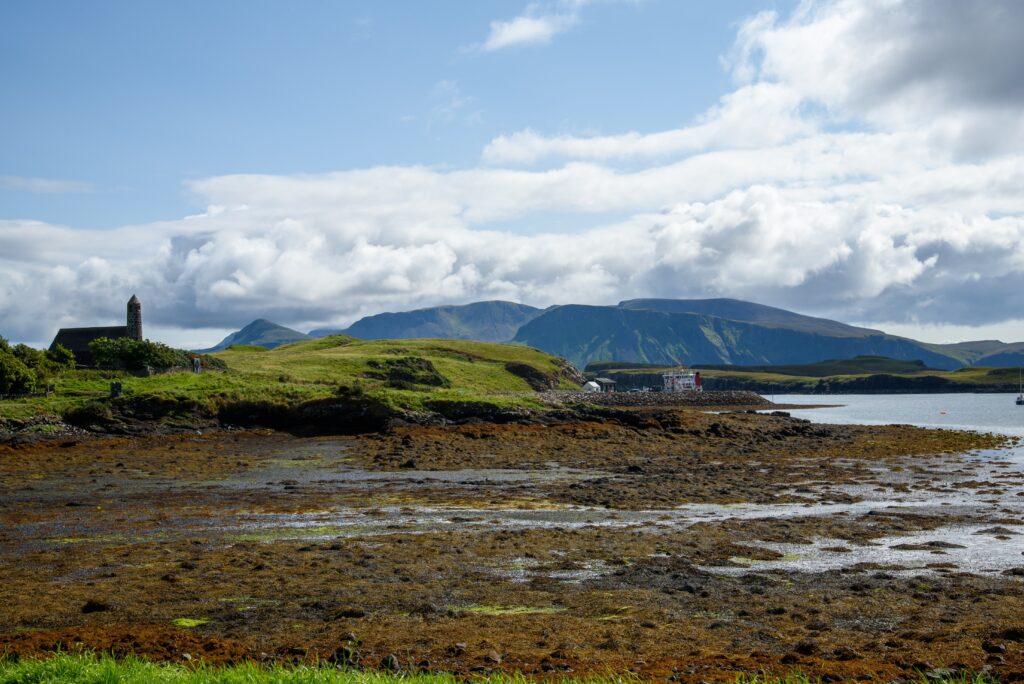
Canna is one of the Small Isles in the Inner Hebrides of Scotland. Like Ulva, fewer than 20 people live there permanently. The island is known for its dramatic cliffs, massive number of seabirds, and unique archaeological sites. Residents are committed to protecting both the natural habitat and the island’s cultural heritage. Since there are so few locals, the community is tight-knit, and residents support each other through cooperation and resourcefulness.
Grímsey, Iceland
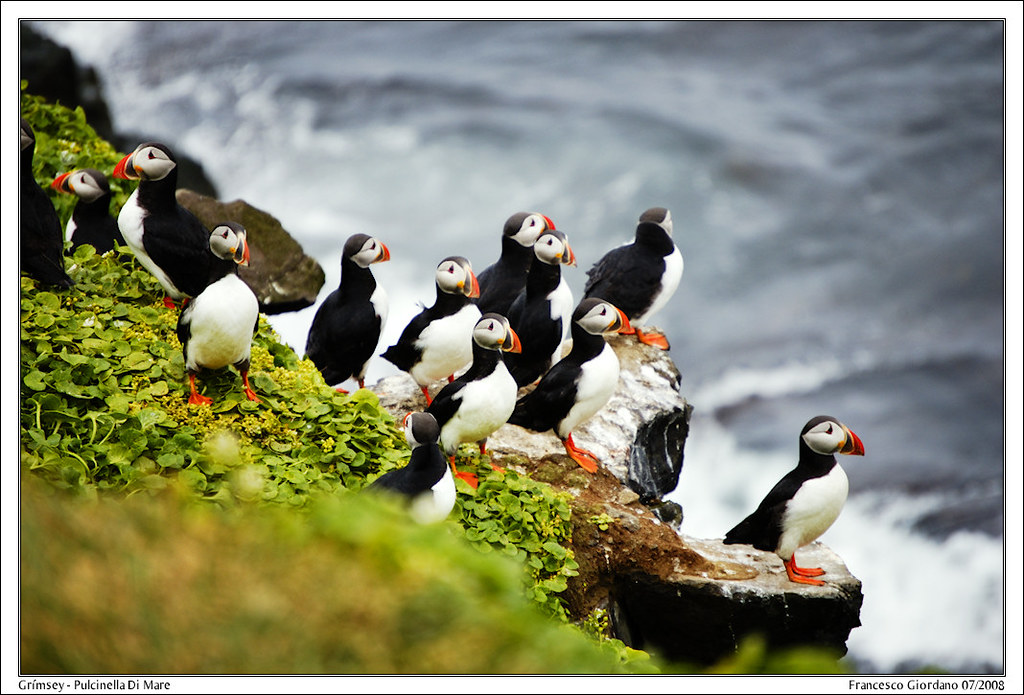
Grímsey is a tiny, remote Icelandic island located just south of the Arctic Circle that is home to between 50-70 permanent residents. Few people are willing to take on the harsh weather, freezing temperatures, and limited resources that make living here year-round challenging. The island is largely defined by stunning sea cliffs and huge bird colonies, including thousands of puffins that nest there each year. Though Grímsey has a small airport and ferry service, travel can still be difficult due to rough sea conditions and severe weather. For the dozens of folks that live there, isolation is a big part of everyday life.
Tristan da Cunha, South Atlantic Ocean
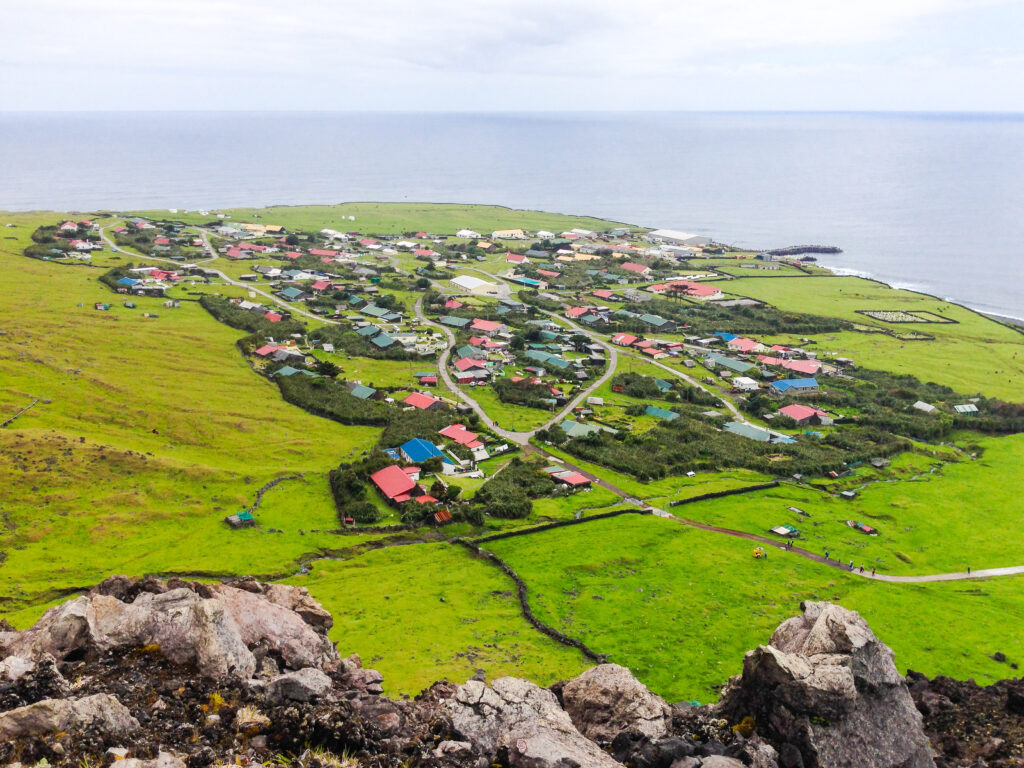
Tristan da Cunha is called the most remote inhabited archipelago on Earth. The islands are situated between South America and Africa, thousands of miles from either landmass. All residents live in a single settlement located on the main island of the archipelago. The entire community is between 200-250 people. There is no airport, meaning visiting the island requires a multi-day Atlantic voyage. This most-isolated-of-islands has shaped a close-knit community and family-oriented lifestyle.