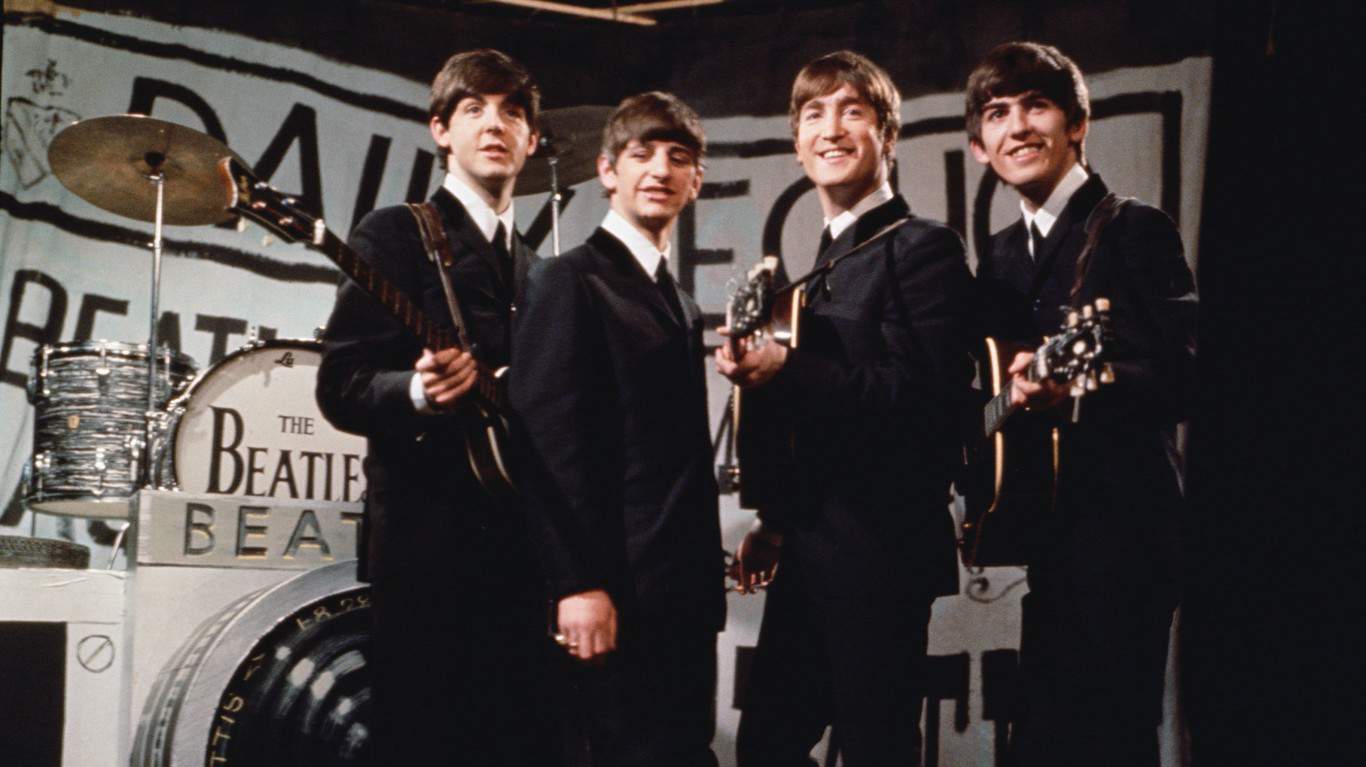
The early 1960s was a period of rapid change. It set the stage for one of the most transformative decades in our times. New music, historic political events, unprecedented television airing, and major social movements shocked the world. While capturing everyone’s attention, they actively challenged traditions of decades past. Many of these moments were so unexpected that people remembered exactly where they were when they happened. Here are eight of the most shocking cultural moments from the early 1960s.
1. America’s Youngest Elected President
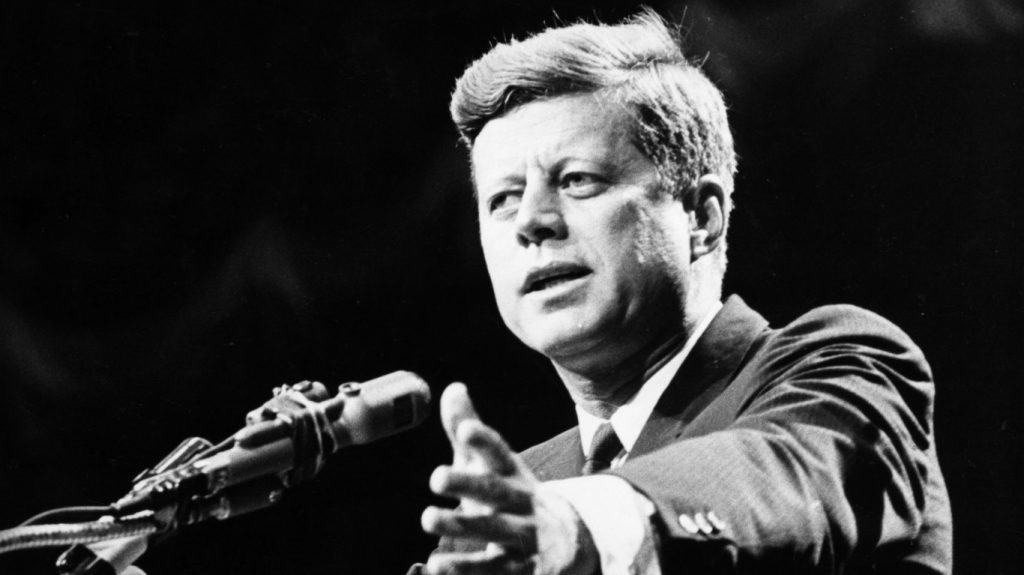
When John F. Kennedy won the 1960 presidential election, he became the youngest person ever elected to the office. He was just 43 years old. His youthful appearance, natural good looks, and charisma were wildly different from past presidents. Leading up to the election, televised debates helped Americans see the candidates side by side for the first time ever, significantly changing political campaigns. Kennedy quickly became one of the most recognizable men in the world.
2. The First Human in Space
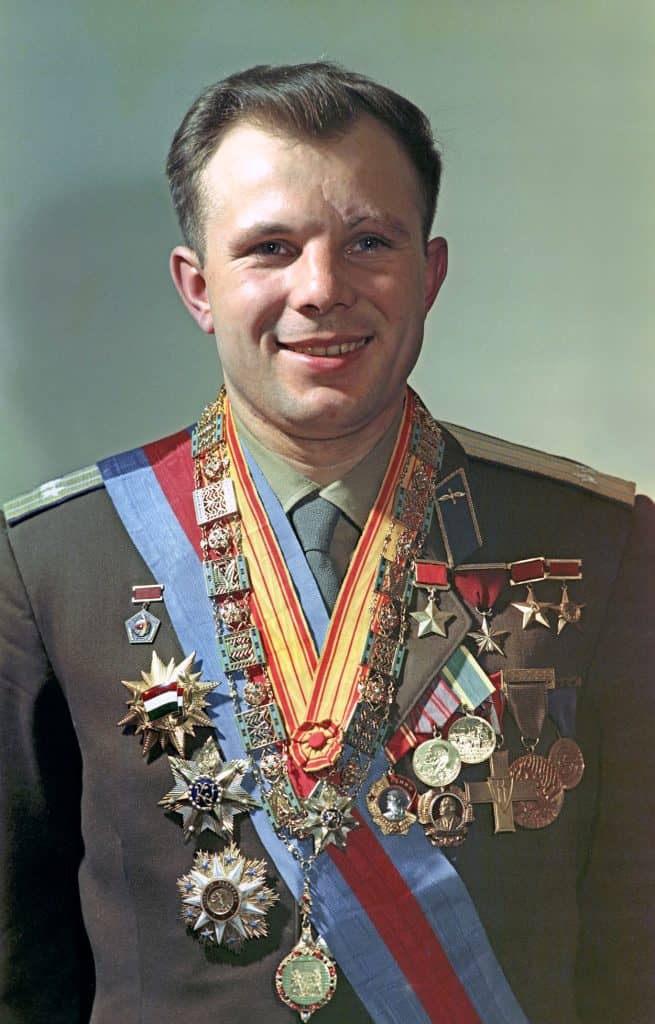
On April 12, 1961, Soviet cosmonaut Yuri Gagarin became the first person to travel into space. His successful mission stunned the world and was not good news as far as America was concerned. The event meant the Soviet Union one-upped the U.S. in the ever-intensifying Space Race between the Soviets and America. On top of the political implications, the significance of the act itself can’t be understated. For many people, the idea of a human orbiting Earth had seemed like science fiction only a few years earlier. The amazing achievement inspired heightened competition that would eventually lead to the Moon landing.
3. The Cuban Missile Crisis

In October 1962, the discovery of Soviet nuclear missiles in Cuba resulted in one of the most dangerous confrontations in modern history. For nearly two weeks, many people feared that nuclear war could break out at any moment. Schools practiced emergency drills, families stocked supplies, and news correspondents provided constant updates. The crisis ended peacefully, but the palpable anxiety is well-remembered among the affected generation.
4. The Beatles Sparked Beatlemania
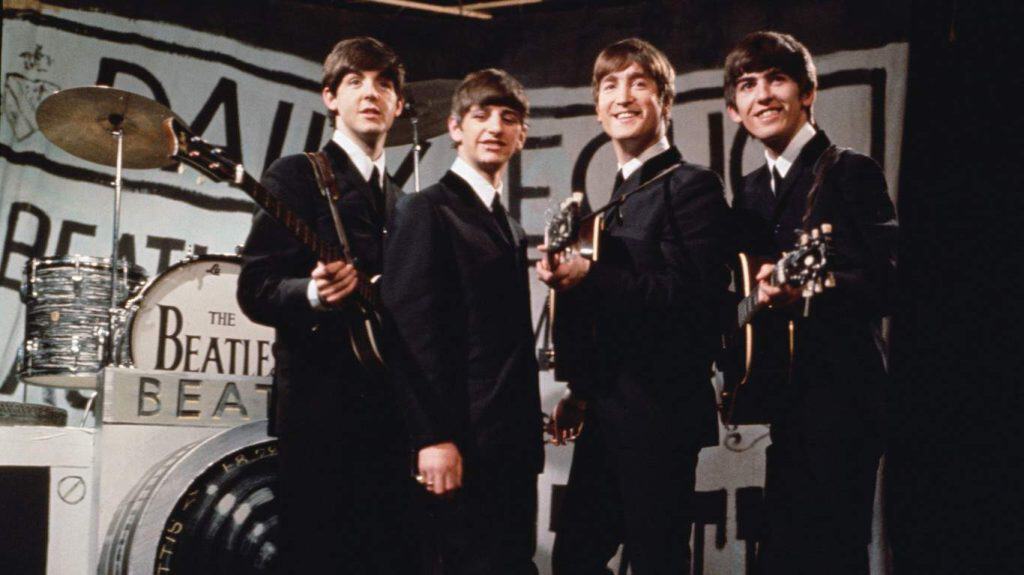
Although The Beatles had already become popular in Britain, their arrival in the United States in early 1964 created a never-before-seen level of excitement. More than 73 million people watched their performance on The Ed Sullivan Show, as millions of Americans were introduced to the band at one time. Fans screamed so loudly at future concerts that it was difficult to even hear the music. Beatlemania was certainly one of the defining cultural phenomena of the early ‘60s, and no band has since reached such extreme popularity.
5. The Civil Rights Movement
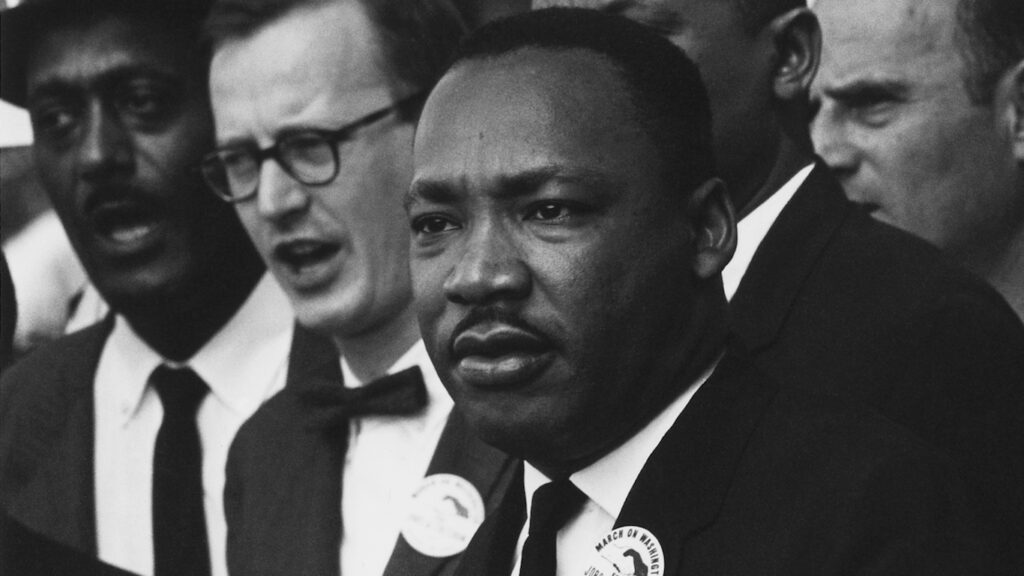
Some of the most important moments in the Civil Rights Movement occurred in the early part of the 1960s. Events including the Freedom Rides, the March on Washington, and the passage of the Civil Rights Act of 1964 brought important racial issues to the table. Segregation and discrimination became discussed in homes across the country. Martin Luther King Jr.’s “I Have a Dream” speech became legendary. These historic events permanently changed the nation.
6. President Kennedy’s Assassination
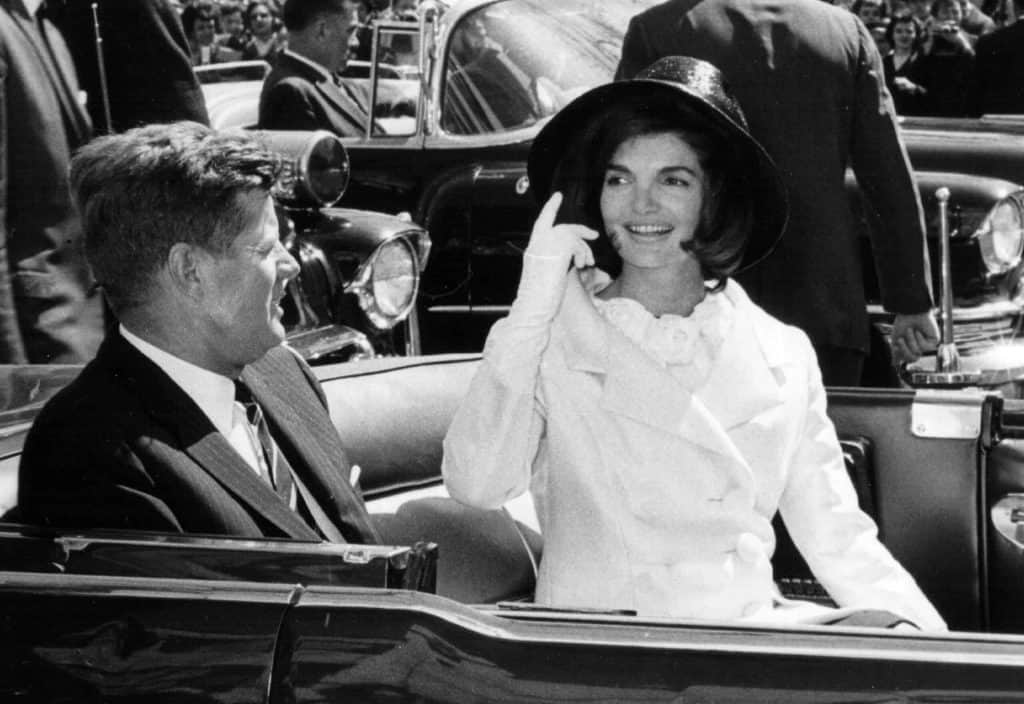
On November 22, 1963, beloved President John F. Kennedy was assassinated while riding in a motorcade through Dallas, Texas. The event stunned the world and T.V. networks immediately switched to continuous news coverage. Millions of grieving Americans joined in the experience of following the tragedy live. This memorable time period united citizens in disbelief and sadness. It didn’t just define the decade; it became one of the most unforgettable moments of the entire century.
7. Color Television Became a Household Item
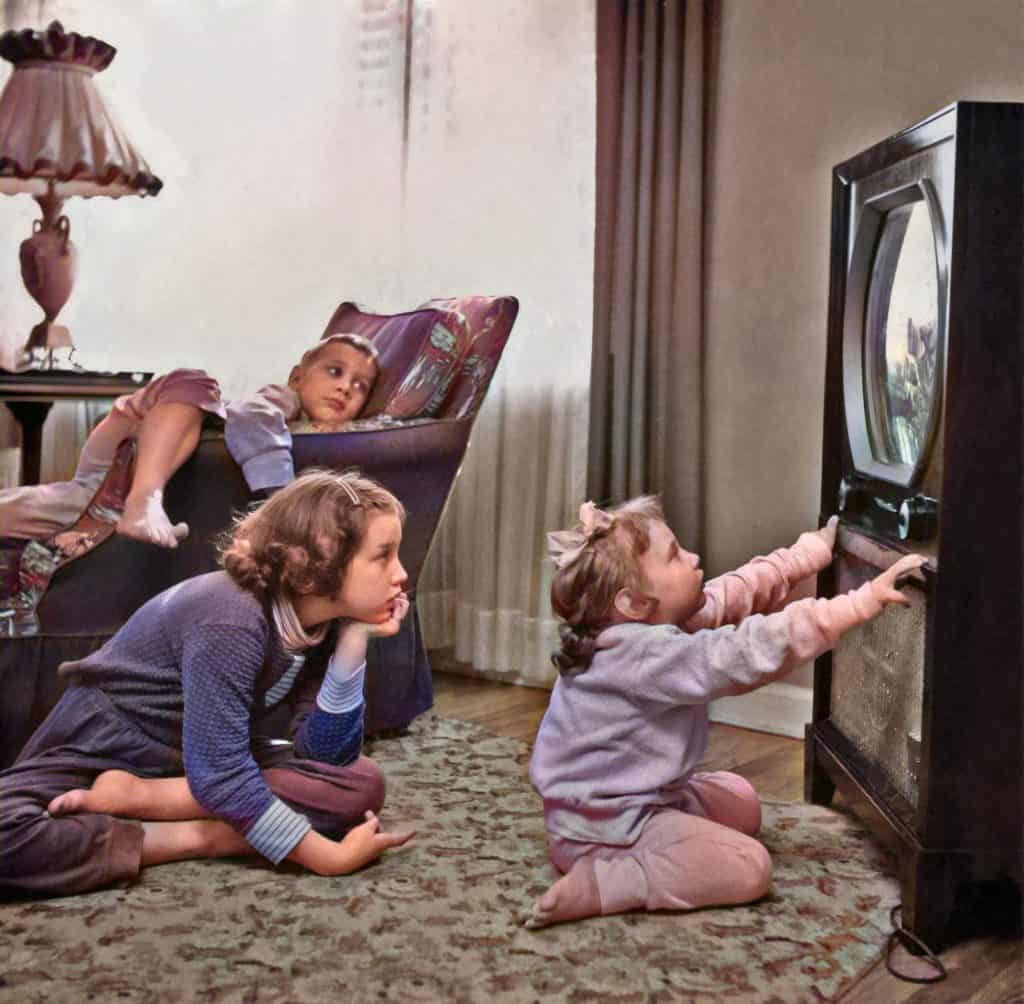
Although color television had been introduced earlier, the early 1960s was a time when growing numbers of families purchased color TVs. Americans watched favorite shows as a family and sporting events with friends in vivid color. The new technology felt revolutionary to many at the time. Through news coverage, television became an even larger part of life, bringing major events to living rooms across the country. It also led to shared experiences, helping to unite the public.
8. Cassius Clay Became Heavyweight Champion
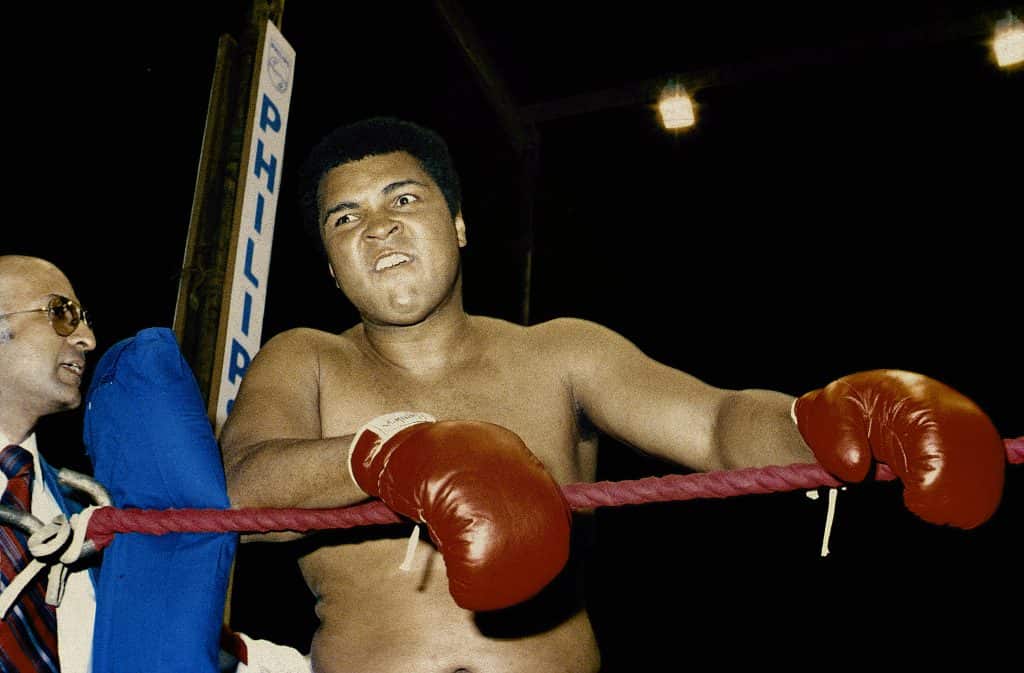
In 1964, 22-year-old Cassius Clay shocked the boxing world by winning his match against Sonny Liston and becoming heavyweight champion. The mouthy young boxer had loudly predicted his win, leading many to label him as an egotistical youth before the fight. After his unexpected victory, he publicly announced that he had joined the Nation of Islam and changed his name to Muhammad Ali. His athletic talent and bold personality made him a highly influential figure of the ‘60s.