The late 1960s were a time of massive cultural change. New movements, intense television broadcasts, and headline-making events essentially transformed society. Music reached new heights, protests became common, and scientific achievements were simply unprecedented. All of these new occurrences captured the world’s imagination. Several of the most unforgettable moments happened during the final years of the decade. They had a major impact on history. Here are eight of the most shocking cultural moments from the late 1960s.
1. Humans Walked on the Moon
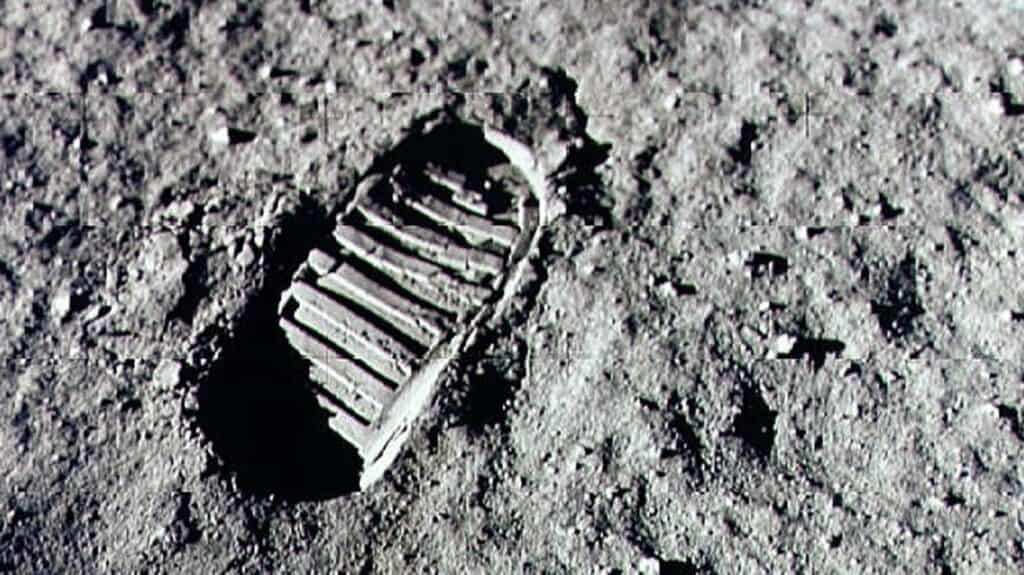
On July 20, 1969, millions of people gathered around their T.V.s to watch one of the greatest scientific achievements in history. Neil Armstrong became the first person to walk on the Moon, while an estimated 650 million people watched the broadcast worldwide. His famous words, “That’s one small step for man, one giant leap for mankind,” instantly became part of history books. The successful Apollo 11 mission showed countries all across the world just how fast technology had advanced.
2. Woodstock Became a Cultural Phenomenon
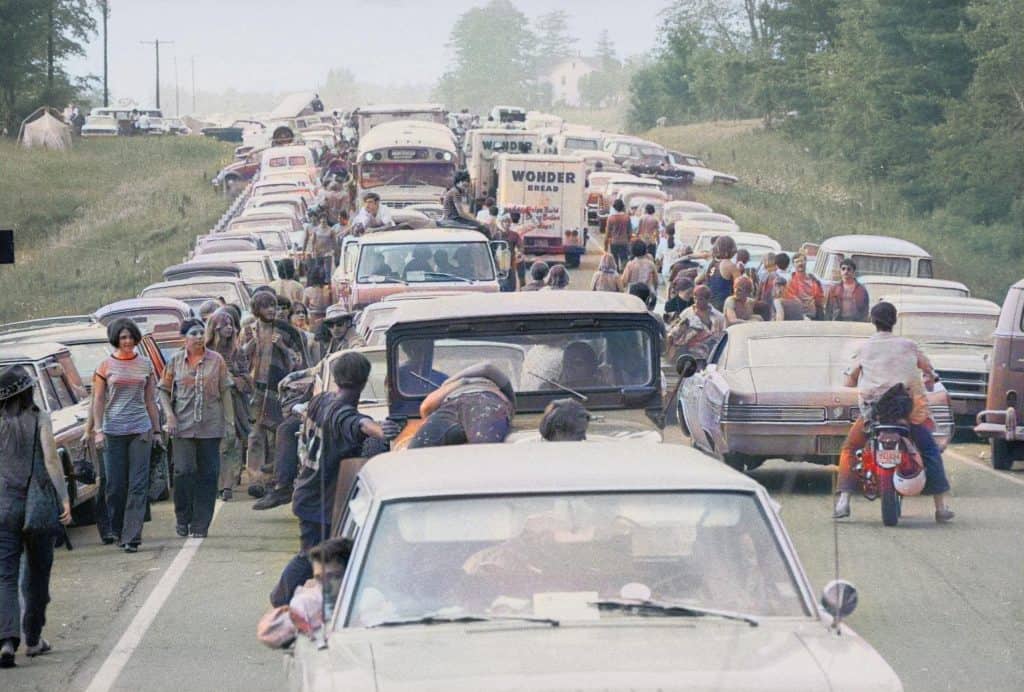
What began as a three-day music festival on a dairy farm in New York suddenly grew into one of the most famous events ever held. More than 400,000 people attended Woodstock in August 1969. Nothing could stop the attendees, despite traffic jams, muddy conditions, and extreme overcrowding. Legendary performances by Jimi Hendrix, Janis Joplin, Santana, and The Who defined the music of an entire generation. The festival was more than just a fun music-centered event; it represented the era’s ideals of peace, music, and rebellion.
3. Martin Luther King Jr.’s Assassination
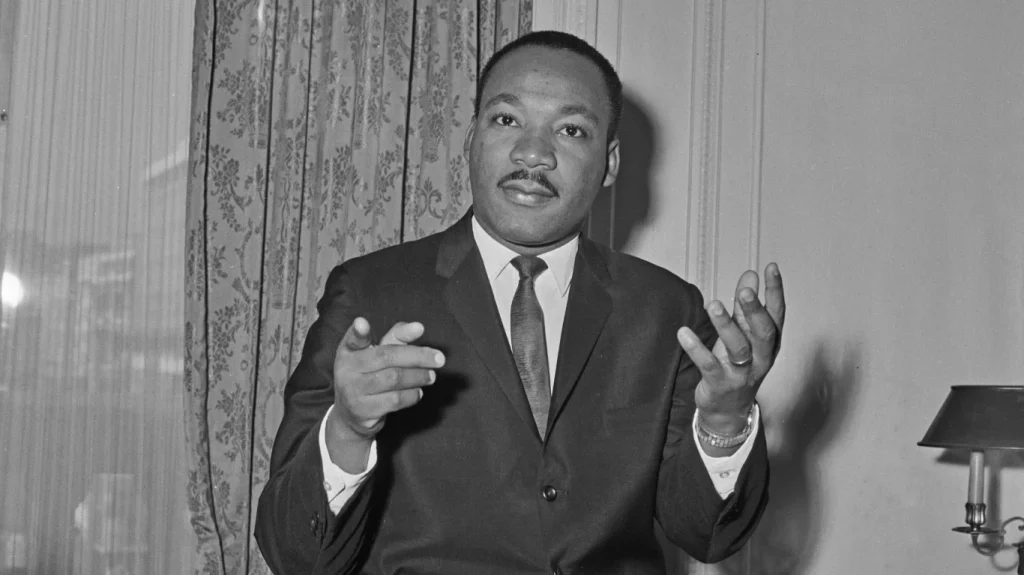
On April 4, 1968, civil rights leader Martin Luther King Jr. was assassinated in Memphis, Tennessee. Just four years after Kennedy was shot dead in Dallas, this assassination shocked the nation all over again, leading to protests and general unrest in cities across the United States. Millions of Americans admired King’s commitment to nonviolent activism and his beautiful words on racial equality. The tragedy is a major defining moment of the transformative 1960s.
4. Robert F. Kennedy Was Assassinated
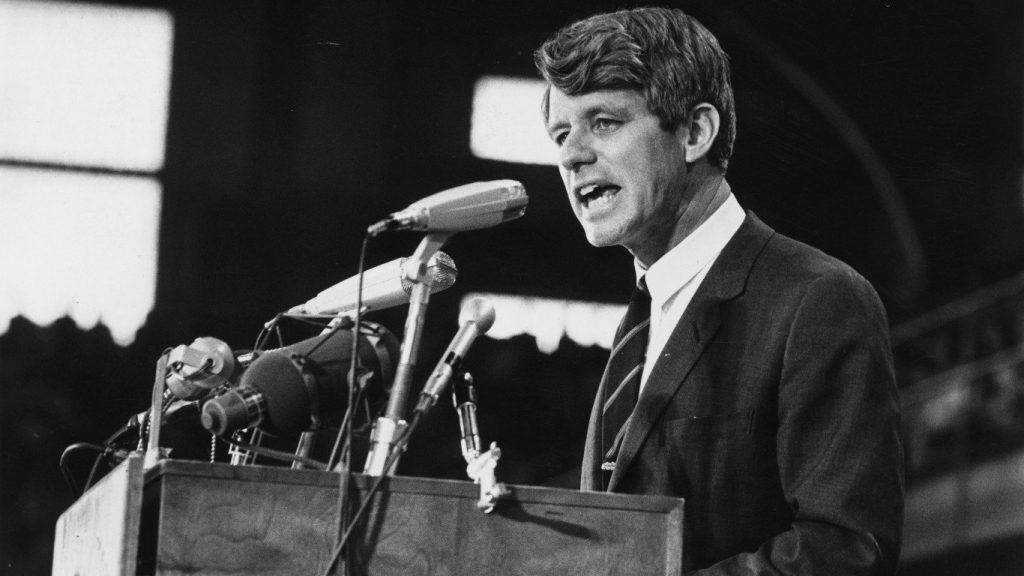
Only two months after Martin Luther King Jr.’s death, another national assassination took place. Senator Robert F. Kennedy was assassinated on June 5, 1968, not long after winning California’s Democratic presidential primary. Many Americans had viewed him as a hopeful leader during an anxiety-inducing, turbulent time. His death, representing the third major political assassination of the decade, deepened the sentiment that the country was experiencing a horrible period of violence.
5. The Summer of Love
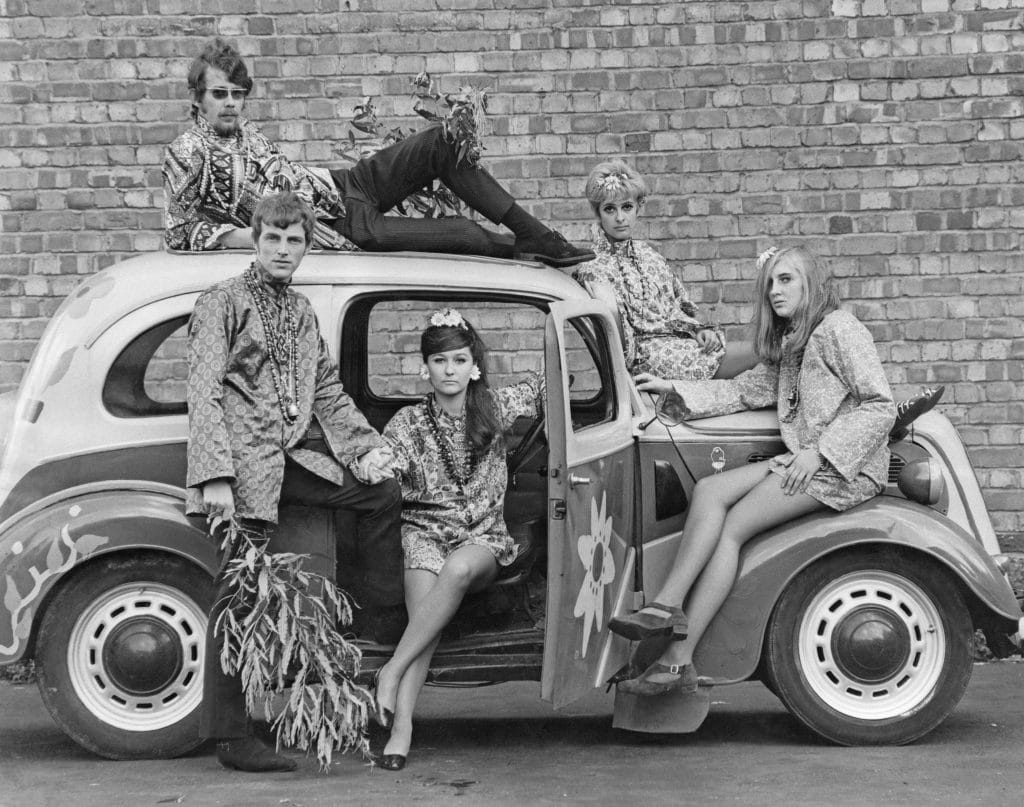
During the summer of 1967, thousands of young people traveled to San Francisco’s Haight-Ashbury neighborhood looking for a different way of life. Bright clothing, psychedelic art, rock music, and messages of peace became huge parts of this counterculture movement. Known as The Summer of Love, the movement attracted worldwide media attention. It introduced many Americans to ideas and activities that challenged daily social norms, like free love and recreational drug use. Its influence was enormous; it altered fashion, music, and popular culture for years afterward.
6. The First Super Bowl
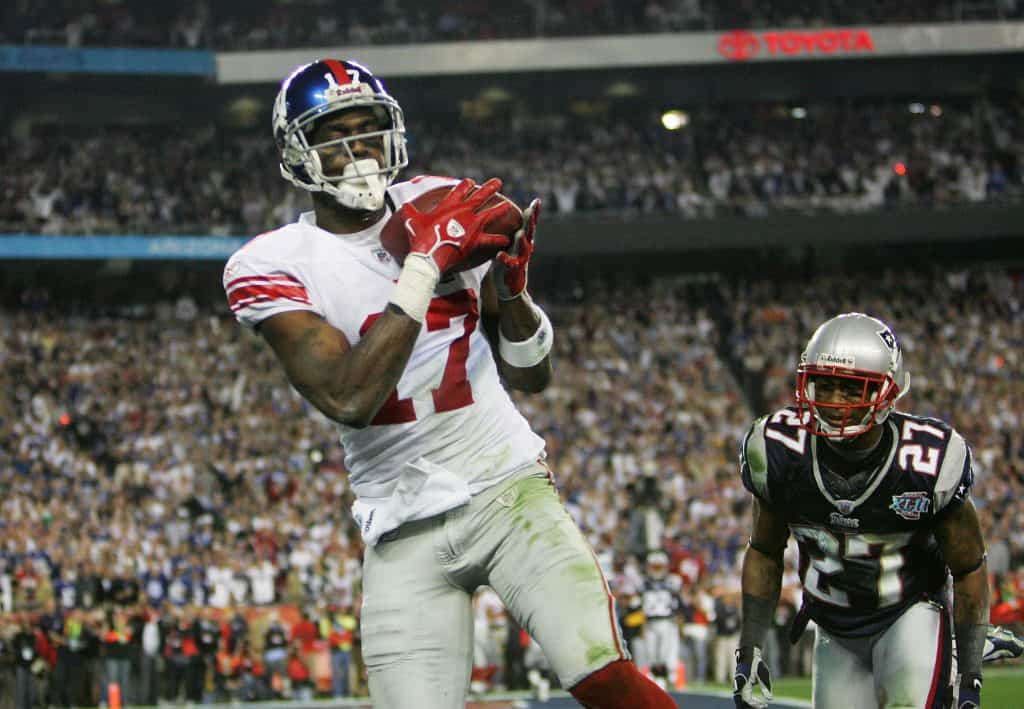
On January 15, 1967, professional football hosted the first-ever Super Bowl. Although getting people into the stadium wasn’t a problem, the event was way smaller than today’s spectacle. No one realized it would morph into one of the biggest yearly sporting events. Television audiences loved the televised game, and football grew rapidly in popularity across the country. Today, the Super Bowl is one of the most-watched television broadcasts and most anticipated sporting events every year.
7. The Manson Murders Horrified the Nation

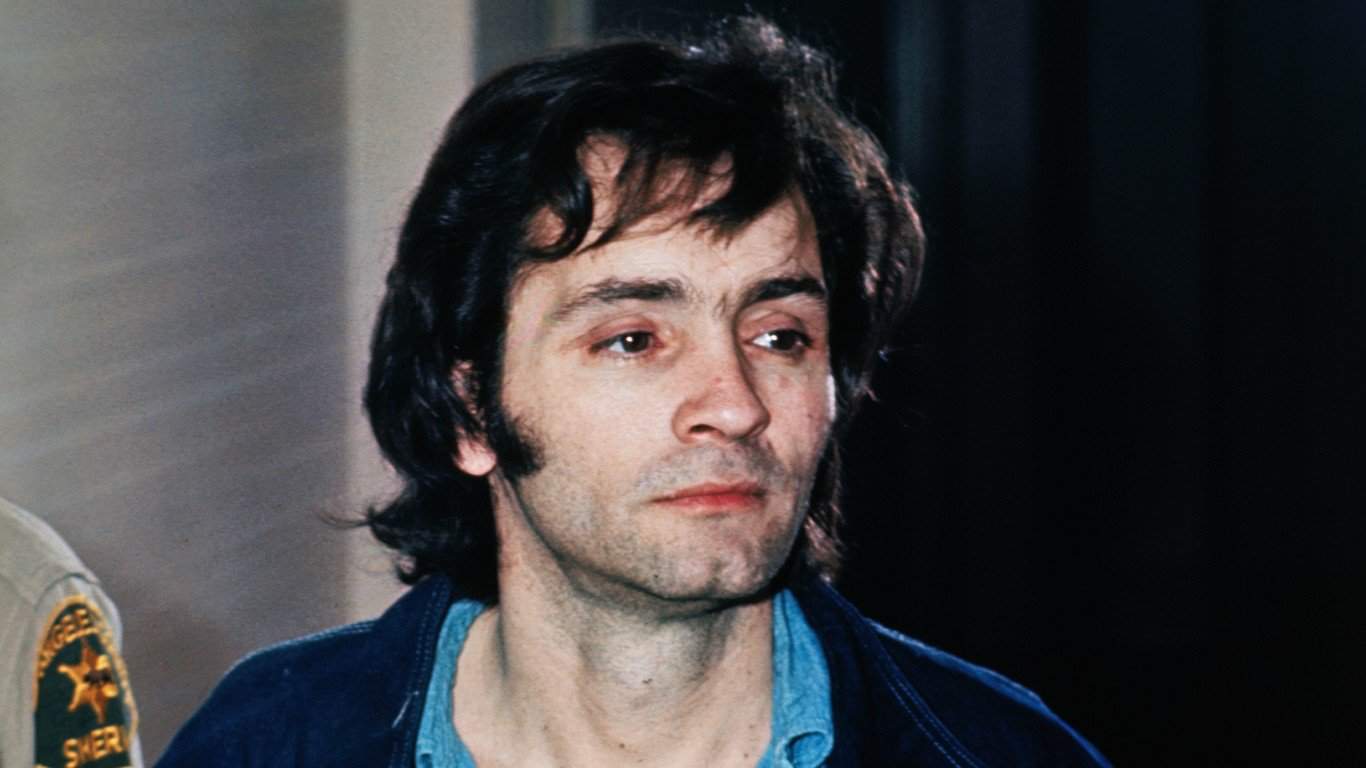
In August 1969, members of Charles Manson’s cult committed a series of brutal murders that stunned citizens. One of the victims was actress Sharon Tate, whose death received enormous media attention, both because she was married to famed film maker Roman Polanski and because she was 8 months pregnant. The shocking crimes darkened the decade dramatically. While other news-making deaths were politically motivated, these seemed like senseless brutality. In hindsight, the murders proved to mark a symbolic end to the decade.
8. Sesame Street Revolutionized Children’s Television

When Sesame Street premiered in 1969, it completely changed expectations for children’s programming. Instead of simply entertaining kids, the show combined education with interesting characters, fun music, and plenty of humor. Big Bird, Bert and Ernie, Cookie Monster, and other beloved characters became household names. The new series proved that television could both educate and entertain millions of children at the same time.