
mr.suphachai praserdumrongchai / iStock via Getty Images

sasirin pamai / Shutterstock.com

Vadim Sadovski/Shutterstock.com
Vallabh Soni / Shutterstock.com

Pixel-Shot / Shutterstock.com
Nakaraj5965 / Shutterstock.com
Roni Setiawan/Shutterstock.com

Scott Kinmartin / BY 2.0

akhenatenator / CC0 1.0

Peace Studio Creations / Shutterstock.com

Triff / Shutterstock.com
imaginima / E+ via Getty Images
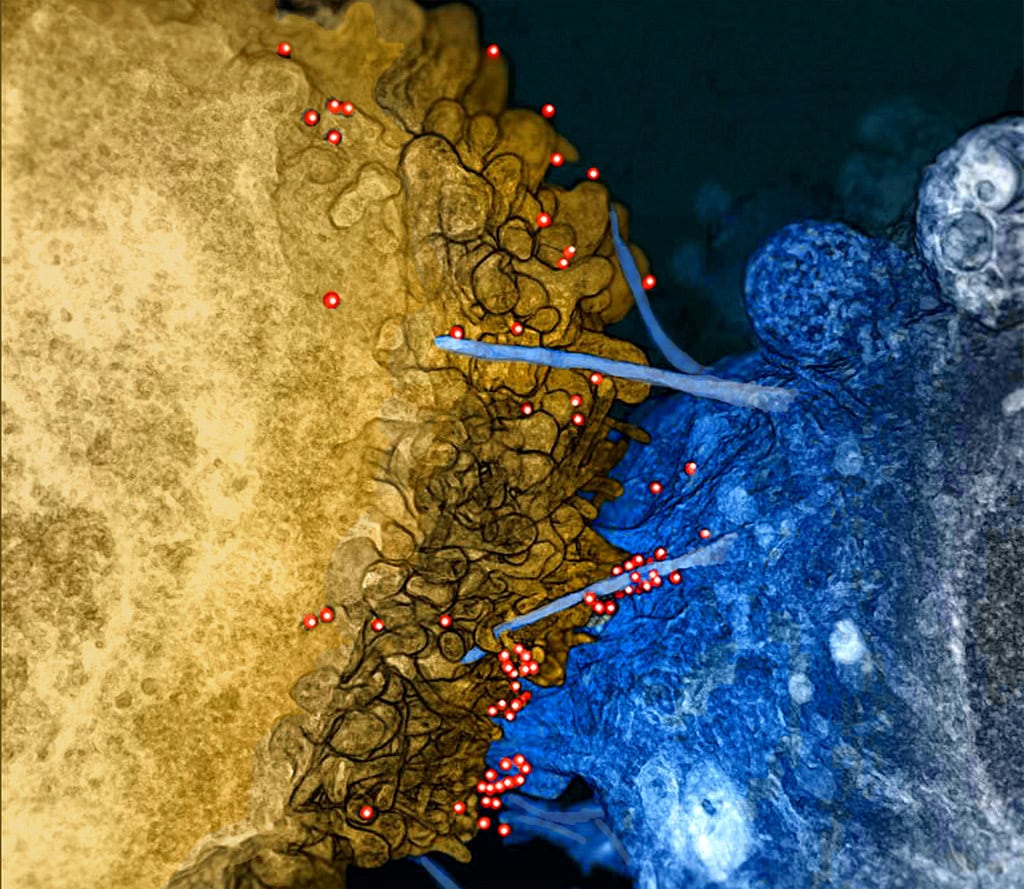
National Institutes of Health (NIH) / PDM 1.0












8 Scientific “Facts” History Proved Completely Wrong
Science has gotten plenty of things wrong over the years, but that is also part of how science works. Better evidence comes along, old assumptions get tested, and sometimes something that looked settled gets rewritten entirely. The tricky part is separating genuine scientific ideas that changed from myths that were simply repeated so often that people assumed they were science in the first place.
Most of the entries on this list are surprisingly recent. Some involved medical ideas that survived for decades. Others changed because of DNA sequencing, better telescopes, or discoveries buried in rock. A couple were never quite as scientifically established as popular culture made them sound. Either way, they are good reminders that a textbook is a snapshot of what we know at the time, not the final word. These are 8 scientific “facts” that turned out to be false, incomplete, or much more complicated than we were taught.
Stomach Ulcers Are Caused by Stress
For much of the 20th century, stress, lifestyle, and excess stomach acid were considered major causes of peptic ulcers. Patients were commonly treated with antacids, acid-reducing drugs, dietary changes, and, in severe cases, surgery. Spicy food also picked up plenty of blame along the way. Today, the picture is much clearer: the two most common causes of peptic ulcers are infection with Helicobacter pylori and the use of nonsteroidal anti-inflammatory drugs such as aspirin, ibuprofen, and naproxen.
Australian pathologist Robin Warren began observing unusual bacteria in stomach biopsies, and he and physician Barry Marshall studied and cultured the organism in the early 1980s. In 1984, Marshall famously swallowed a culture of the bacteria himself and subsequently developed acute gastritis, providing dramatic evidence that the organism could infect a healthy stomach. The work helped establish the role of H. pylori in gastritis and peptic ulcer disease. Marshall and Warren received the 2005 Nobel Prize in Physiology or Medicine for the discovery.
Pluto Is a Planet
Pluto was discovered by Clyde Tombaugh in 1930 and spent most of the next 76 years being taught as the ninth planet in the Solar System. Its status was not completely unchallenged, though. The discovery of the Kuiper Belt and other Pluto-like objects increasingly raised the question of what actually qualified as a planet. That problem became impossible to ignore after the 2005 announcement of Eris, another large object beyond Neptune. In August 2006, the International Astronomical Union formally adopted a definition of a planet.
Under that definition, a planet must orbit the Sun, be massive enough for gravity to make it nearly round, and have cleared the neighborhood around its orbit. Pluto meets the first two requirements but not the third. The IAU therefore classified it as a dwarf planet. That did not mean astronomers suddenly discovered that something physical about Pluto had been wrong. The object stayed exactly where it was. What changed was the definition scientists were using to classify it, and debate over that definition has continued ever since.
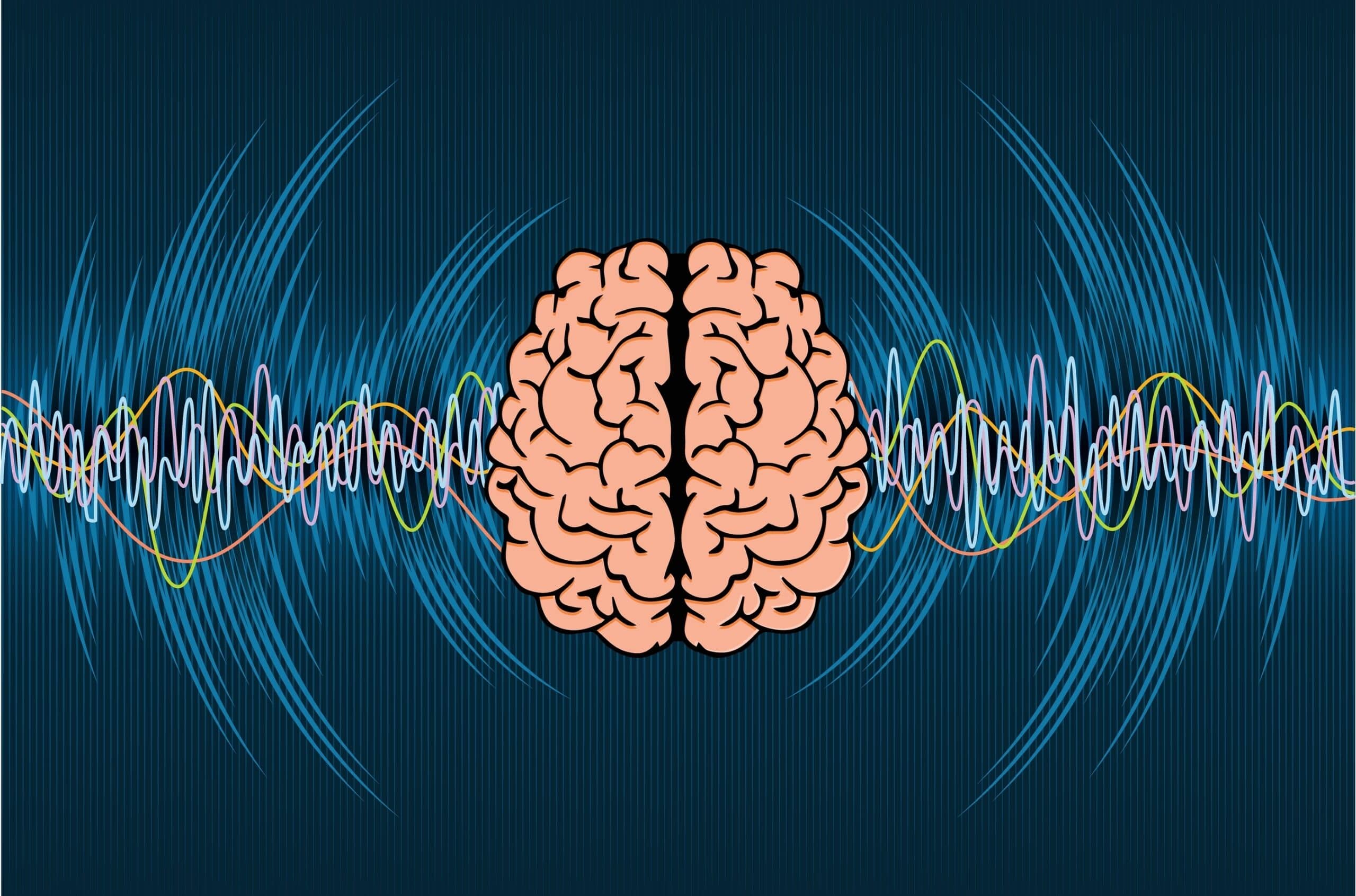
You Only Use 10% of Your Brain
This one is less an overturned scientific theory than a remarkably durable piece of pop science. The claim that humans use only 10% of their brains has circulated for more than a century and became a favorite of self-help books, motivational speakers, and movies such as Limitless and Lucy. Its precise origin is murky, and versions of the story have been incorrectly attributed to figures such as Albert Einstein. Mainstream neuroscience, however, never established that 90% of the human brain was sitting around waiting to be unlocked.
Modern brain imaging makes the problem with the claim easy to see. Different regions become more or less active depending on what a person is doing, and the entire brain is not firing at maximum intensity simultaneously. That would be a very different problem. But over the course of normal life, virtually every region of the brain has a function and shows activity. Neurological injuries also make clear that damage to supposedly “unused” areas can have serious consequences. There is no hidden 90% waiting to turn someone into a genius.
All Dietary Fat Causes Heart Disease
During the middle of the 20th century, researchers including American physiologist Ancel Keys investigated links between diet, blood cholesterol, and coronary heart disease. His Seven Countries Study followed 12,763 middle-aged men in 16 cohorts across seven countries and found important associations between saturated fat, serum cholesterol, and heart disease. Over time, however, the public message often became much simpler: fat was bad. By the late 20th century, “low fat” had become practically synonymous with “healthy,” even when products replaced fat with refined carbohydrates or added sugar.
One popular criticism of Keys also needs correcting. The oft-repeated story that he simply had data from 22 countries and cherry-picked the seven that supported his conclusion is not an accurate description of the Seven Countries Study.
Heart Disease (continued)
The 22-country comparison and the later prospective study were different analyses. The Seven Countries Study had legitimate limitations, including the fact that its populations were not randomly selected, but it was not created by quietly throwing away 15 countries that failed to cooperate with a predetermined result.
Modern nutrition research has not concluded that dietary fat is harmless. Instead, the type of fat and the overall diet matter. Current American Heart Association guidance recommends replacing foods high in saturated fat with sources of unsaturated fat while emphasizing vegetables, fruits, whole grains, healthy protein sources, and minimally processed foods. Saturated fat can raise LDL cholesterol, while replacing it with unsaturated fats can reduce cardiovascular risk. The outdated idea was treating every gram of fat as equally dangerous, not the connection between saturated fat, cholesterol, and heart disease.
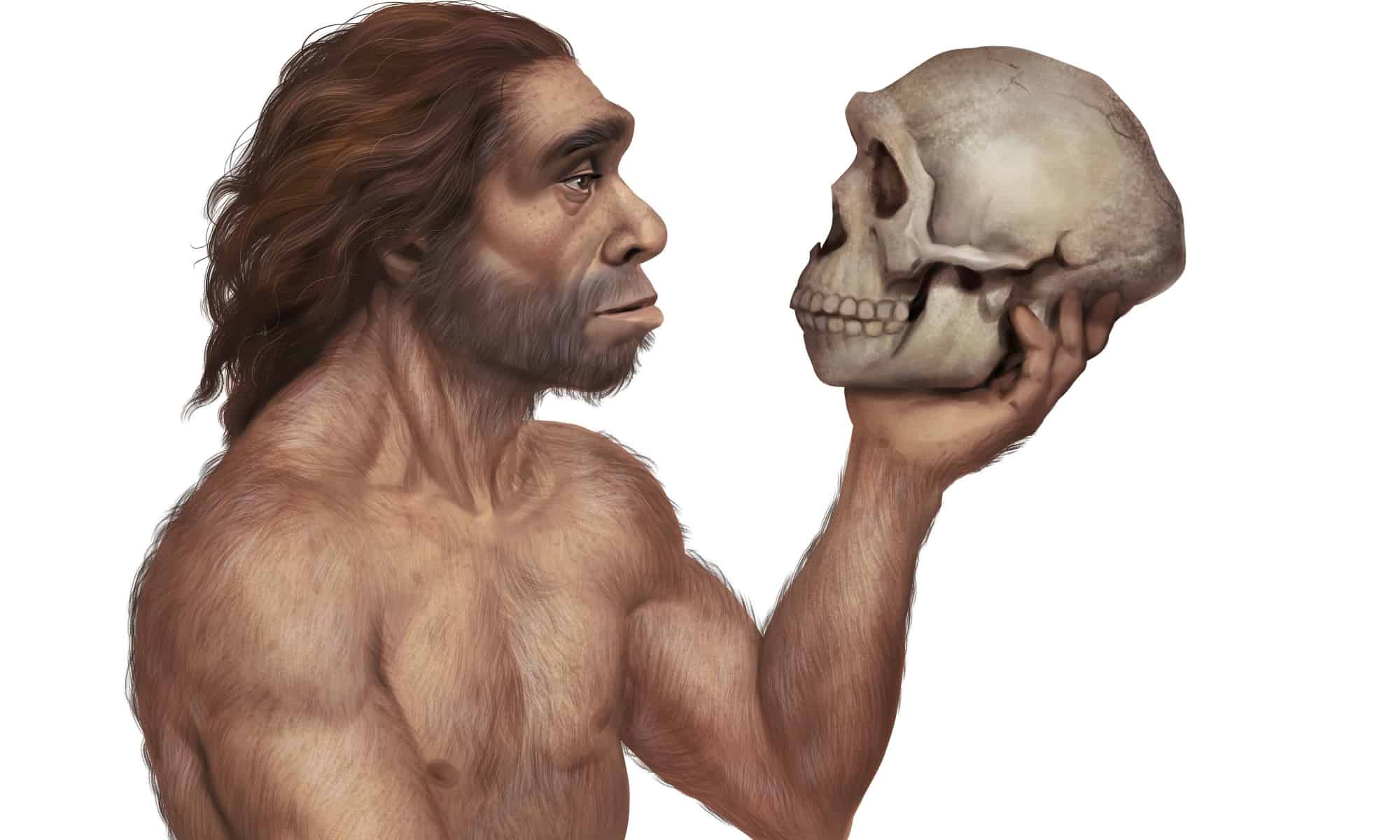
Neanderthals Were an Evolutionary Dead End
Neanderthals spent decades saddled with a pretty rough public image. Early reconstructions helped popularize the idea of stooped, brutish creatures that disappeared when smarter Homo sapiens arrived in Eurasia. Neanderthals did disappear as a distinct population roughly 40,000 years ago, but the simple story that they were completely replaced without leaving anything behind has not survived modern genetics. Evidence also shows that Neanderthals and modern humans overlapped in time and interacted rather than existing as two completely isolated branches.
In 2010, researchers led by Svante Pääbo published a draft Neanderthal genome and found evidence that Neanderthals had interbred with ancestors of present-day humans. Early estimates placed Neanderthal ancestry in Eurasian genomes at roughly 1% to 4%; later work refined that to around 1% to 2% in present-day non-African genomes, with a more complicated pattern of ancestry also detected in some African populations. Some inherited Neanderthal variants still influence human physiology, including immune responses. Pääbo received the 2022 Nobel Prize in Physiology or Medicine for his work on extinct hominin genomes and human evolution.
All Dinosaurs Were Cold-Blooded and Sluggish
For much of the 19th and early 20th centuries, dinosaurs were commonly portrayed as slow, lumbering reptiles whose body temperatures depended heavily on their surroundings. That image began falling apart during the dinosaur renaissance of the 1960s and 1970s. Fossils of agile predators such as Deinonychus, along with anatomical and ecological work by paleontologists including John Ostrom and Robert Bakker, helped establish a much more active picture of dinosaur life. Bakker formally argued for dinosaur endothermy in a 1972 paper in Nature.
Dinosaurs (continued)
The answer today is more interesting than simply declaring every dinosaur warm-blooded. Feathered fossils discovered in China beginning in the 1990s transformed our understanding of the relationship between birds and non-avian dinosaurs, but feathers by themselves did not prove that every dinosaur had a bird-like metabolism. Research now points to considerable metabolic diversity. A 2022 Nature study found evidence of high ancestral metabolic rates in dinosaurs while suggesting that some later ornithischian groups moved toward lower metabolic rates. The old one-size-fits-all cold-blooded model is gone, but the physiology of dinosaurs was not one-size-fits-all either.
The Universe’s Expansion Is Slowing Down
Astronomers have known since the early 20th century that the universe is expanding. For decades, a major question was how strongly gravity was slowing that expansion and whether there was enough matter for expansion eventually to stop or even reverse. In models dominated by ordinary matter, gravity naturally works against cosmic expansion, so researchers expected distant measurements to reveal some degree of deceleration. The big uncertainty was how much.
The Universe (continued)
Then came a genuine shock. In 1998, two independent teams studying distant Type Ia supernovae found evidence that the expansion of the universe was accelerating rather than slowing. Saul Perlmutter, Brian Schmidt, and Adam Riess shared the 2011 Nobel Prize in Physics for the discovery. Scientists use the term “dark energy” for whatever is driving or accounting for this accelerated expansion in the standard cosmological picture, but its underlying nature remains one of the biggest open questions in physics. The researchers had gone looking for cosmic braking and found the opposite.
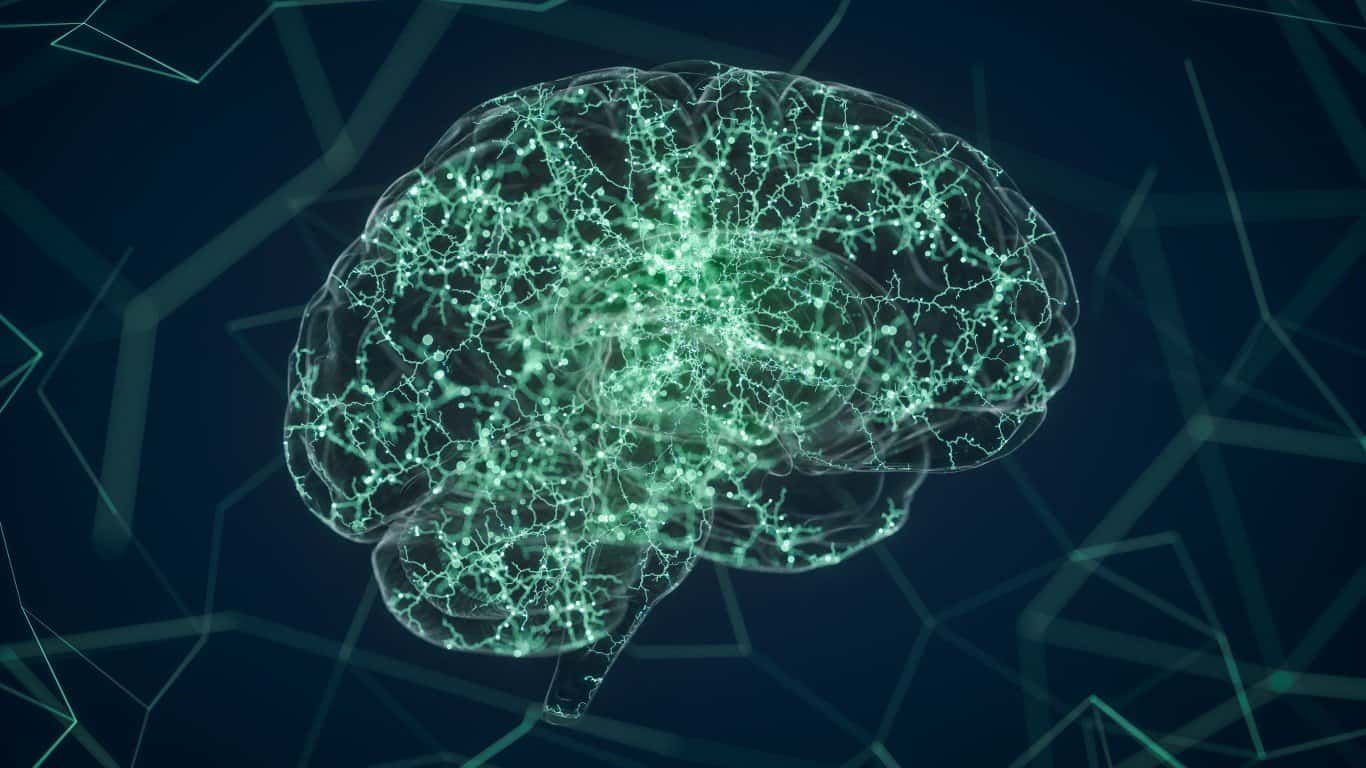
Adults Can’t Grow New Brain Cells
For much of the 20th century, neuroscience operated under the broad idea that the mature human brain had little or no ability to make new neurons. Evidence of adult neurogenesis in animals began challenging that picture decades ago, but demonstrating it in living adult humans was much harder. In 1998, Peter Eriksson, Fred Gage, and their colleagues published evidence that new neurons were being generated in the dentate gyrus of the adult human hippocampus, a brain region heavily involved in learning and memory.
Brain Cells (continued)
There is an important catch: this story is still being written. Multiple studies have reported evidence that adult hippocampal neurogenesis continues into old age, while others have found that it becomes extremely rare or undetectable after childhood. Reviews published in recent years continue to describe the field as an active scientific debate, partly because results depend heavily on tissue preservation, molecular markers, and other methods. So the absolute statement that adults can never make new neurons no longer holds up, but scientists are still working out how much neurogenesis occurs in the adult human brain and how important it is.