Aliaksandr Antanovich / Shutterstock.com

Pixel-Shot / Shutterstock.com
roibu / Shutterstock.com

279photo Studio / Shutterstock.com

279photo Studio / Shutterstock.com

hilf1 / Shutterstock.com
Rido / Shutterstock.com
John F. Stephenson/Topical Press Agency/Getty Images
Aliaksandr Antanovich / Shutterstock.com

Hulton Archive / Getty Images
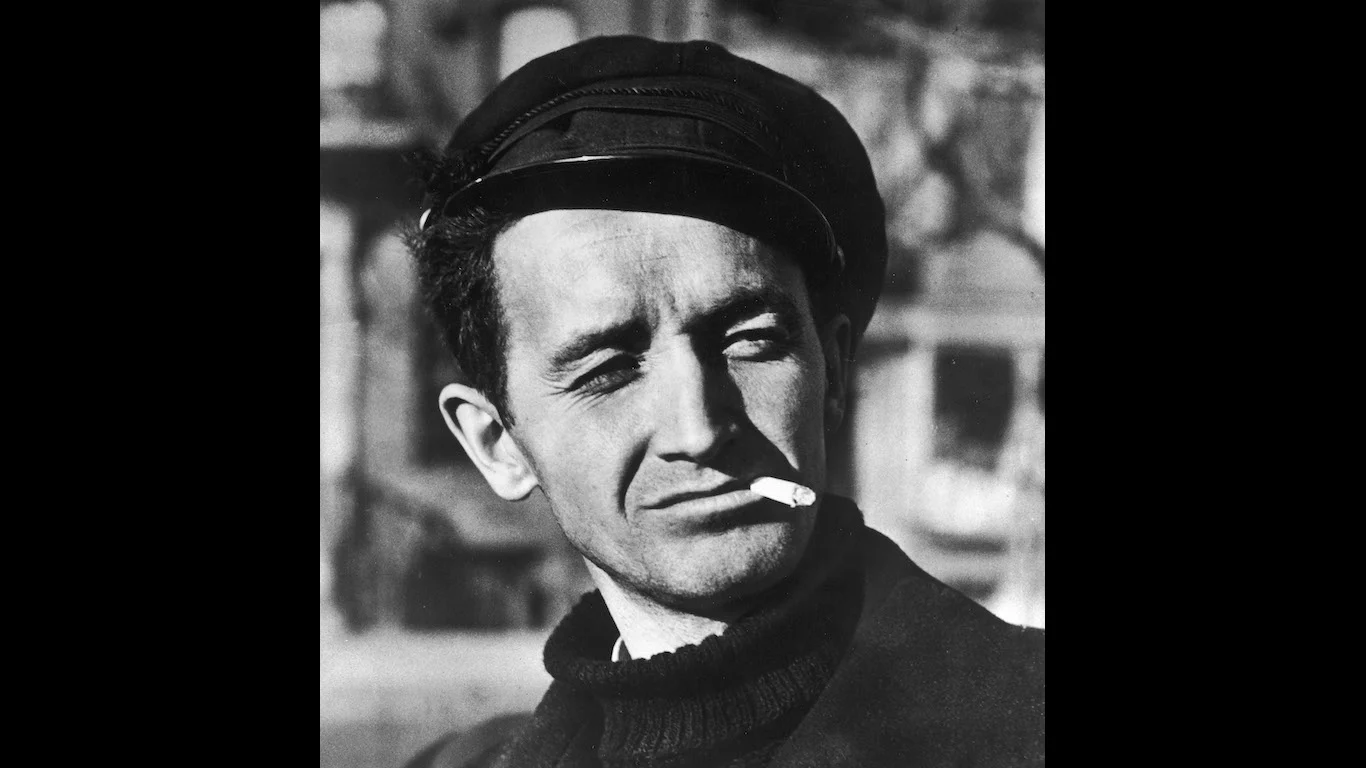
Photo by Getty Images

Photo by Evening Standard/Hulton Archive/Getty Images
bjones27 / Getty Images

Apollo White Wolf / Flickr







8 Bizarre Things People Actually Did 100 Years Ago
Think life today is strange? A century ago, Americans were doing things that would seem almost unbelievable now. People competed to see how long they could sit on top of flagpoles, some pharmacies still sold live leeches for medical treatment, and a handful of families even managed to send their children through the postal system. Yes, that last one really happened.
The early 20th century was a period of enormous change. Automobiles were replacing horse-drawn transportation, movies were becoming a national obsession, and new fashions were challenging longstanding social expectations. But progress didn't happen overnight. Old traditions existed alongside unusual new trends, and some practices that made sense at the time look downright bizarre through modern eyes.
From medical treatments that sound like something out of a horror movie to publicity stunts that attracted thousands of spectators, here are eight strange habits, fads, and real-life stories from roughly 100 years ago. Not all were widespread, and a few began before the Roaring Twenties, but each offers a fascinating glimpse into how much American life has changed.
Some Parents Actually Sent Their Children Through the Mail
Imagine taking your child to the post office, paying for postage, and asking a mail carrier to deliver them to a relative's house. It sounds like an absurd joke, but something remarkably similar happened in the United States during the early 1910s. After the Post Office Department introduced parcel post service in 1913, a small number of families discovered that postal regulations didn't clearly address transporting human beings. Some decided to take advantage of that unexpected loophole.
According to the Smithsonian National Postal Museum, one of the earliest cases involved an Ohio couple who paid 15 cents in postage to have their baby carried approximately a mile to his grandmother's home in January 1913. In another documented incident, six-year-old Edna Neff traveled by railway mail service from Pensacola, Florida, to Christiansburg, Virginia, in 1915. Her trip reportedly cost just 15 cents in parcel post stamps.
Thankfully, children weren't being stuffed into boxes or tossed into mailbags. They generally traveled with familiar postal workers, sometimes relatives of the family. The practice was rare, and postal officials moved to prohibit mailing human beings in 1914. The last documented incidents occurred in 1915, well before the Roaring Twenties were underway. Still, the fact that anyone managed to send a child through the postal system is one of the more unbelievable stories in American transportation history.
People Sat on Top of Flagpoles for Weeks at a Time
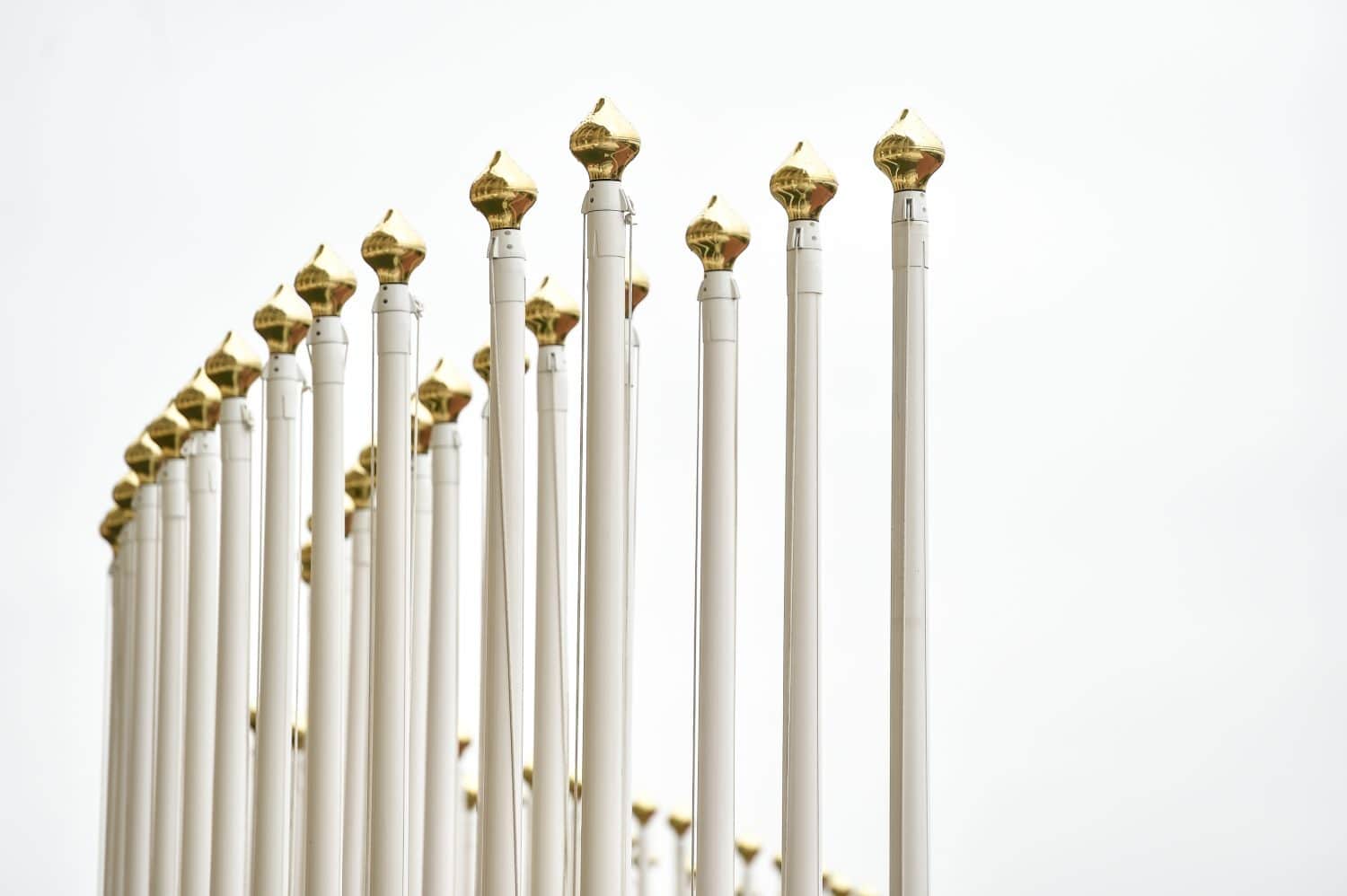
Forget viral internet challenges. During the 1920s, one of America's strangest crazes involved climbing to the top of a flagpole and staying there as long as possible. Known as flagpole sitting, the activity attracted enormous crowds and widespread newspaper coverage. Participants perched on small platforms high above the ground, enduring uncomfortable weather, limited space, and the obvious inconvenience of spending days or weeks in one place.
The man most closely associated with the fad was Alvin "Shipwreck" Kelly, a stunt performer who helped popularize the activity in 1924. One of his earliest widely reported attempts lasted 13 hours and 13 minutes, which sounds impressive until you learn what happened next. As more competitors entered the picture, endurance records stretched from hours into days and eventually weeks. Spectators gathered below to watch participants eat, sleep, and pass the time on their tiny elevated platforms.
In 1930, Kelly spent approximately 49 days atop a flagpole at Atlantic City's Steel Pier. The pole stood roughly 225 feet above the ground, and the stunt attracted thousands of curious spectators. According to HISTORY, as many as 20,000 people came to watch him during the stunt. Flagpole sitting eventually lost much of its popularity, but for a brief period, Americans genuinely treated watching someone sit very high in the air as a major entertainment event.
You Could Still Find Live Leeches Being Sold for Medical Treatment
If you walked into certain American pharmacies during the 1920s, you might have encountered something considerably more unsettling than bottles of medicine. A few drugstores still kept live leeches available for medical treatment. For centuries, physicians had used bloodletting to treat a wide range of illnesses, operating under the mistaken belief that removing blood could help restore the body's balance. Leeches provided one method of accomplishing that goal.
By the 1920s, however, medicinal leeches were already falling out of favor in mainstream American medicine. The Smithsonian's historical research on bloodletting explains that they had become difficult to find outside pharmacies in immigrant neighborhoods of cities such as New York and Boston.
Leaches (continued)
. One Brooklyn pharmacist described selling leeches for approximately $1 apiece in 1923, an indication that demand hadn't disappeared completely. Among the remaining uses was treating bruising and black eyes.
Here's the surprising twist: Leeches haven't disappeared from medicine entirely. Modern doctors sometimes use specially raised medicinal leeches to relieve blood congestion following reconstructive surgery or the reattachment of damaged tissue. Their saliva contains substances that help prevent blood from clotting, making them useful in certain carefully supervised procedures. The FDA recognizes medicinal leeches as medical products for specific purposes. So while most of the old claims about bloodletting have been discarded, the creatures themselves still have a legitimate place in certain operating rooms.
Some Americans Had to Visit Public Bathhouses Just to Get Clean
It's easy to take indoor plumbing for granted until you imagine living somewhere without a private shower or bathtub. During the late 19th and early 20th centuries, plenty of Americans living in crowded urban neighborhoods faced exactly that problem. Many older tenement apartments lacked adequate bathing facilities, leaving residents dependent on public bathhouses or other arrangements to stay clean.
In cities such as New York, reformers pushed for public baths as a way to improve sanitation and give working-class families access to facilities they couldn't afford at home. Municipal bathhouses frequently provided individual shower stalls rather than the large communal soaking pools people might picture today. Some also offered swimming facilities and other recreational amenities. The Asser Levy Public Baths in Manhattan, for example, opened in 1908 and continued serving New Yorkers in the following decades.
According to New York City's historical research on the public bath movement, these facilities emerged from concerns about overcrowded housing and poor sanitation. As indoor plumbing became more widely available, the need for dedicated municipal bathing services declined. Today, a trip to a public bathhouse might sound like a luxury spa experience, but for many residents a century ago, it was a practical necessity. The difference offers a remarkable reminder of how much ordinary household life has changed.
Beauty Products Came With Some Extraordinary Promises
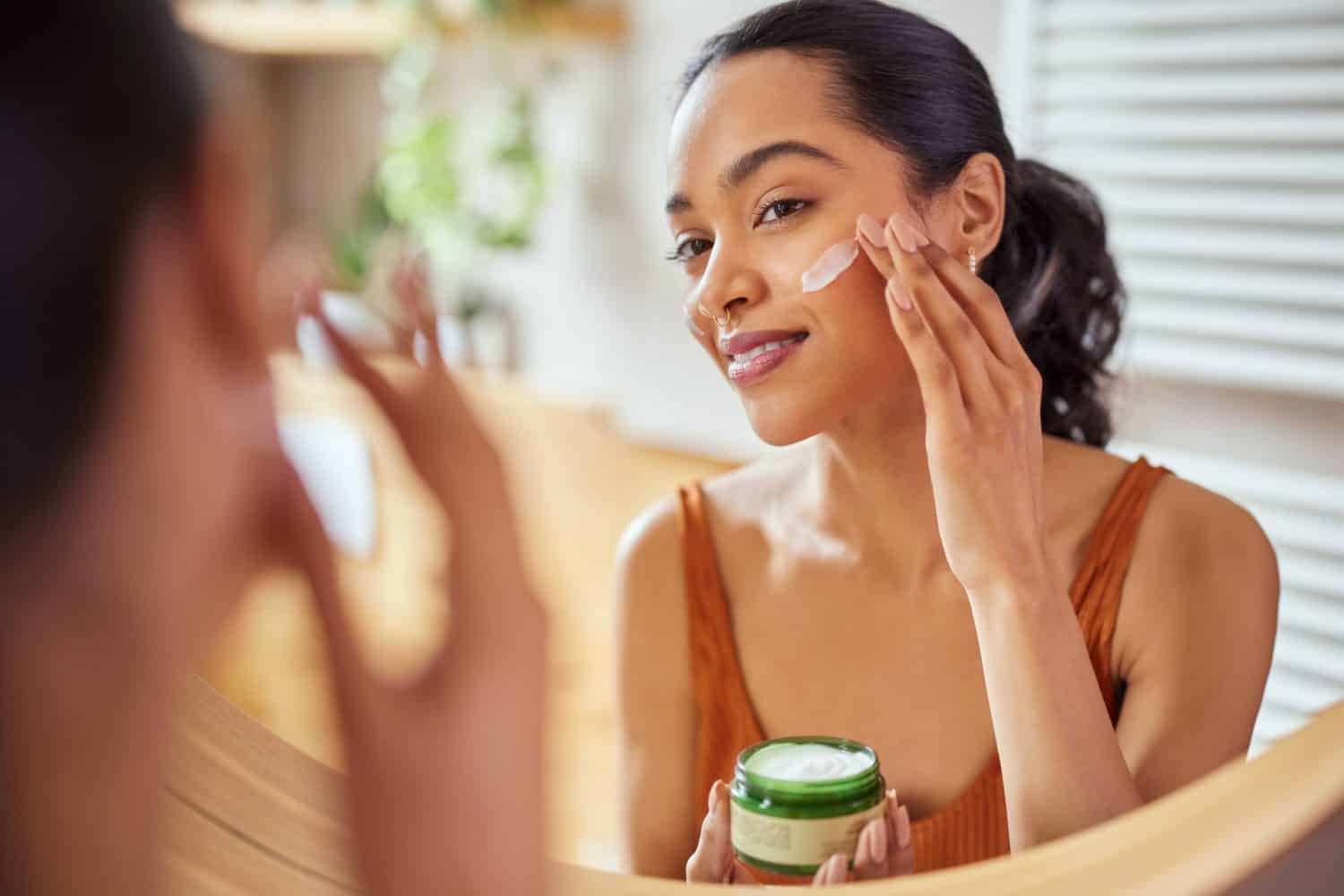
Beauty routines certainly didn't begin with modern skincare influencers. During the 1920s, cosmetics became an increasingly visible part of American culture, particularly among younger women who embraced the decade's changing fashions. Dark lipstick, noticeable eye makeup, face powder, and carefully styled hair helped define the glamorous appearance associated with Hollywood stars and flappers. What seems ordinary today could still attract criticism from people who considered conspicuous makeup inappropriate.
Cosmetics manufacturers were eager to turn those changing attitudes into sales. Companies promoted cold creams, skin treatments, powders, and other products with elaborate claims about achieving a youthful or flawless complexion.
Beauty Products (Continued)
Advertisements encouraged women to incorporate beauty preparations into their daily routines, often portraying appearance as an important part of social success. The Smithsonian National Museum of American History documents how the increasing acceptance of makeup during the 1920s reflected the influence of Hollywood and broader changes in women's public lives.
Not every woman followed elaborate routines, and claims about women routinely sleeping in makeup or spending hours preparing for bed aren't well supported. But the advertising culture was real. A 1920 advertisement preserved by the Library of Congress promoted Madam C. J. Walker's complexion, hair, and cold cream products. The formulas and fashions have changed, but the sales pitch might sound surprisingly familiar to anyone who has watched a modern skincare commercial.
Horse-Drawn Carriages Still Shared Roads With Automobiles
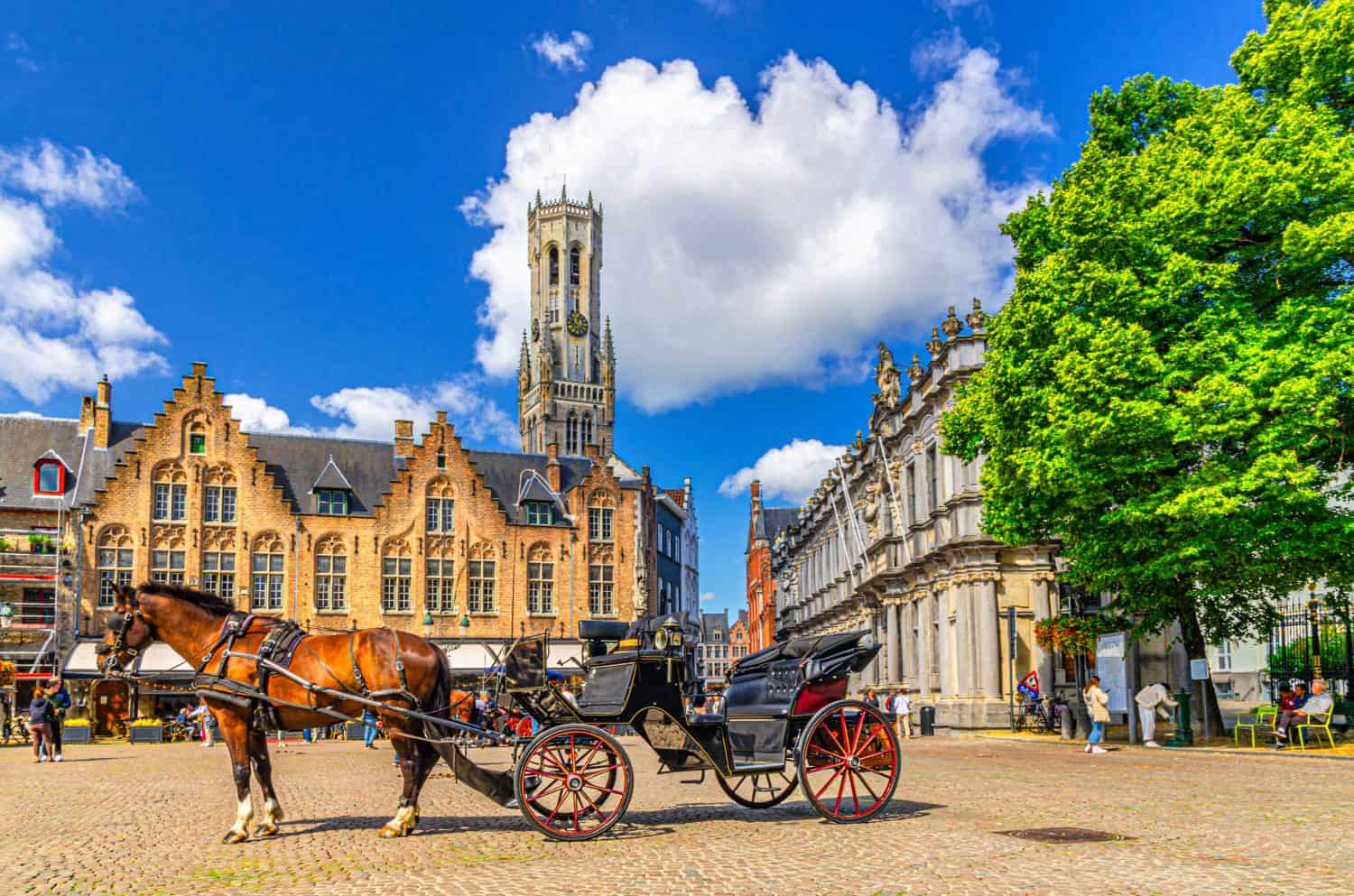
Picture driving down a busy street and finding yourself stuck behind a horse pulling a wagon. A century ago, that wouldn't necessarily have been unusual. Although automobiles were rapidly becoming more popular during the 1920s, horse-drawn transportation hadn't completely disappeared. Farmers, delivery workers, and residents of smaller communities continued using horses for certain jobs, even as cars and trucks transformed American roads.
The speed of that transformation was remarkable. According to the Federal Highway Administration, the United States had approximately 9.2 million registered motor vehicles in 1920. By 1929, that number had climbed to about 27 million. Automobiles were no longer unusual luxuries available only to wealthy households.
Horse-Drawn Carriage (continued)
Mass production, expanding road networks, and more affordable models helped make car ownership a defining feature of American life.
Still, the transition wasn't immediate or uniform. Rural areas often retained horse-drawn equipment longer than major cities, particularly where roads were poor or farming tasks didn't justify buying a new vehicle. The result was a transportation landscape where horses, bicycles, electric streetcars, trucks, and automobiles could all be found serving different purposes. Today, a horse-drawn carriage usually suggests a tourist attraction or a specialized community. During the early 20th century, it was simply one more way to get around while the country adjusted to the automotive age.
People Smoked Cigarettes in Places That Would Be Off-Limits Today
Anyone who has watched an old Hollywood movie knows that cigarettes once seemed to be everywhere. Actors smoked in restaurants, characters lit up during conversations, and cigarette advertisements promoted smoking as fashionable and sophisticated. During the 1920s, tobacco companies aggressively marketed their products while smoking became closely associated with certain images of glamour, modern living, and social confidence.
Indoor smoking was much more widely tolerated than it is today, although restrictions did exist in some workplaces and public settings. Cigarette smoking was especially common among men, while public smoking by women became a visible symbol of changing social expectations during the decade.
Smoking (continued)
Advertising helped normalize the habit, long before the full dangers of tobacco use became widely understood. The idea of walking into a restaurant or social gathering filled with cigarette smoke would seem unpleasant to many Americans today, but it was a familiar part of life for generations.
Smoking rates have fallen substantially over time. According to the Centers for Disease Control and Prevention, approximately 9.9% of American adults smoked cigarettes in 2024. Modern smoke-free laws, public health campaigns, and growing awareness of the links between smoking and serious diseases have transformed attitudes. Tobacco use hasn't disappeared, but the days when cigarette smoke was treated as an ordinary feature of so many indoor social spaces have largely ended.
Americans Went to the Movies at an Almost Unbelievable Rate
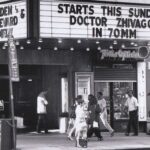
Long before streaming services, smartphones, or television became everyday entertainment, Americans had another obsession: going to the movies. During the 1920s, movie theaters became major social gathering places, drawing enormous audiences eager to escape into Hollywood's latest stories. Grand movie palaces offered elaborate decorations, comfortable seating, and an experience that could feel surprisingly luxurious compared with ordinary daily life.
Just how popular were movies? According to a Library of Congress report, American movie theaters averaged approximately 46 million admissions per week during the mid-1920s, when the country's population was around 116 million.
Movies (continued)
That represented a remarkable level of attendance, particularly considering that silent films dominated much of the decade. Audiences supplied the imagined dialogue while live musicians or theater organs often provided accompaniment.
The arrival of synchronized sound changed the experience dramatically, with "The Jazz Singer" in 1927 becoming a landmark in the transition toward talking pictures. The original claim that doctors commonly prescribed trips to the movies as treatment for mental illness isn't supported by reliable historical evidence. But the enormous popularity of moviegoing is beyond doubt. For millions of Americans, a trip to the theater offered an affordable escape from everyday worries, and the sheer scale of that habit makes modern movie attendance look modest by comparison.