Photo by FPG/Hulton Archive/Getty Images
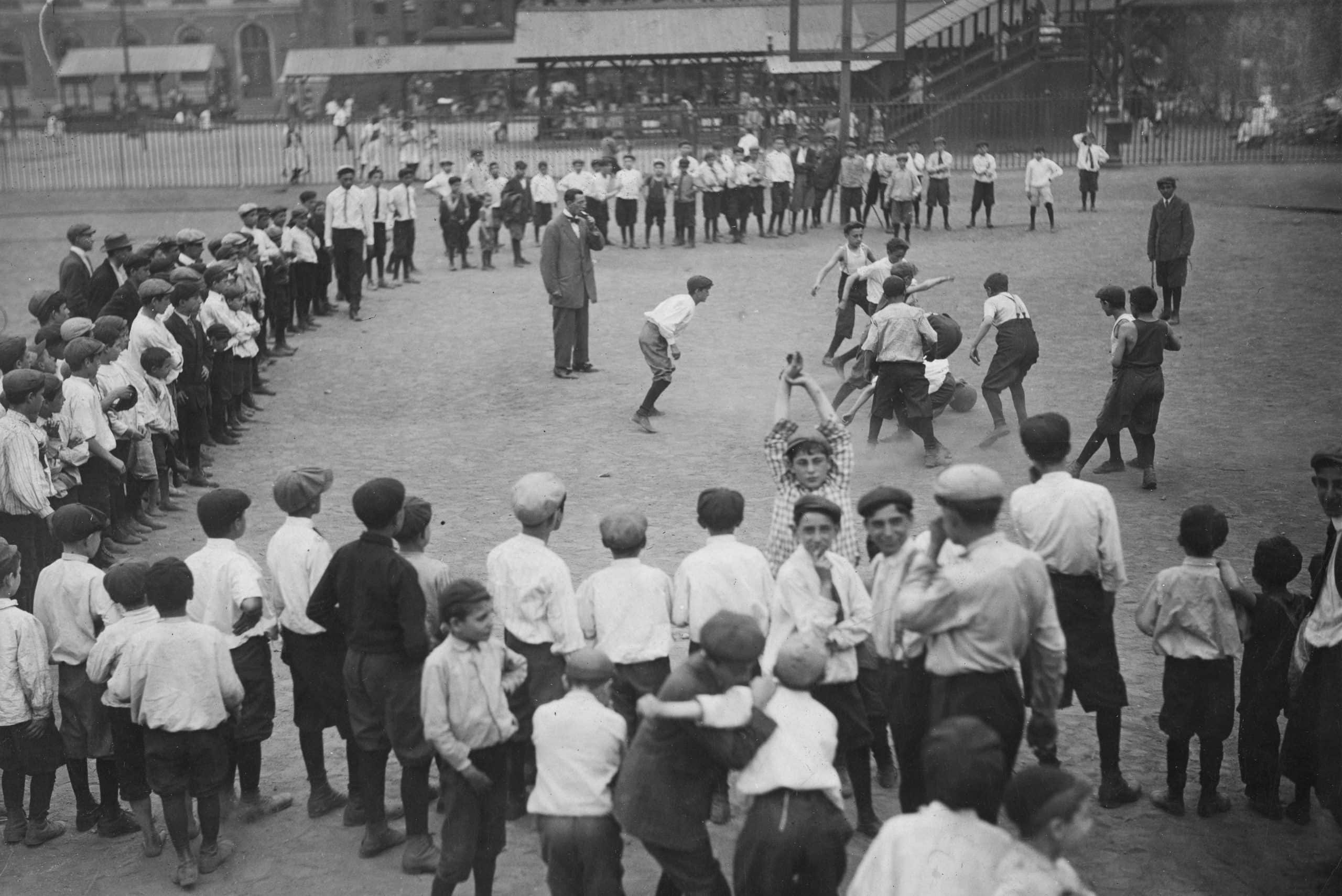
Photo by Paul Thompson/FPG/Archive Photos/Getty Images
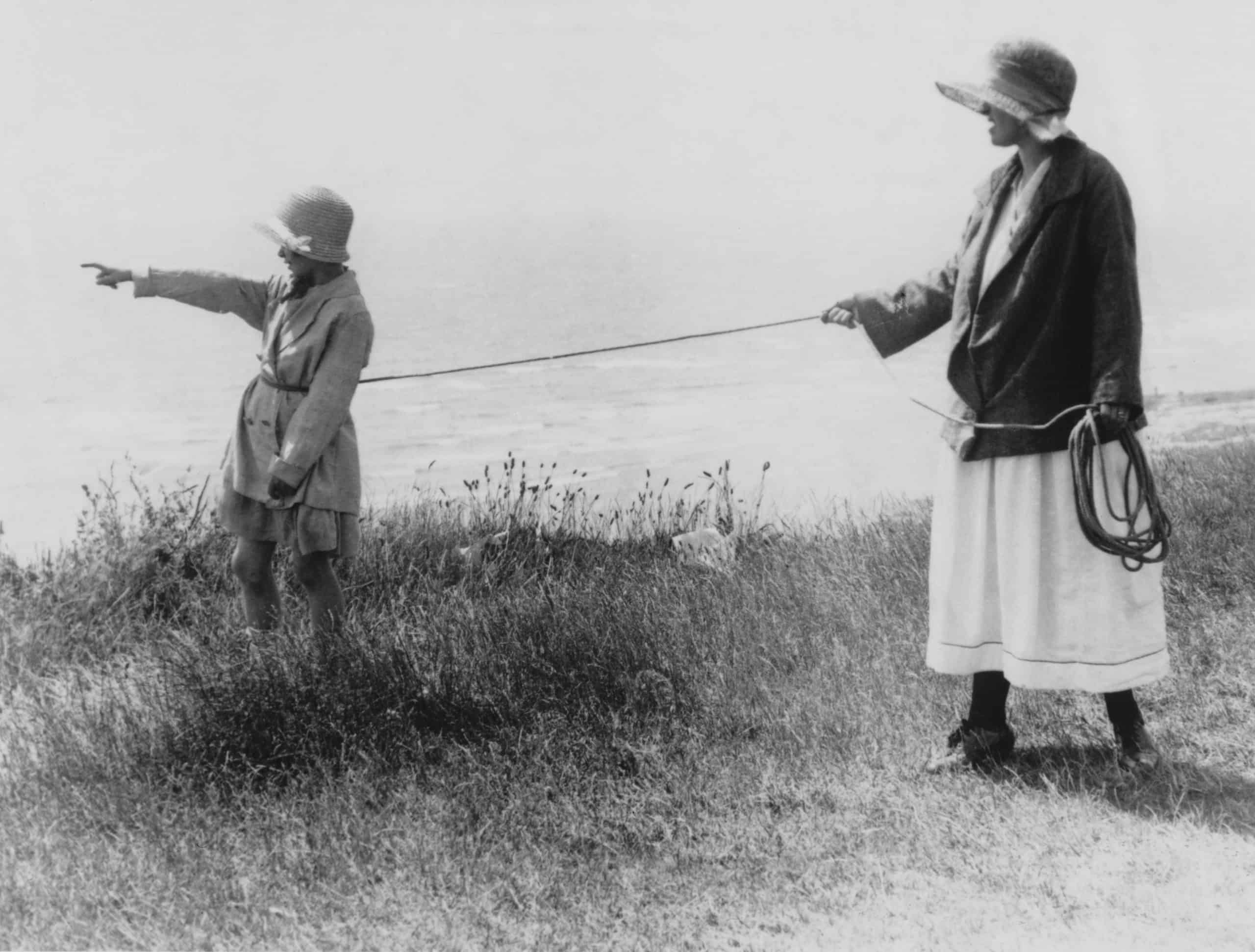
Photo by General Photographic Agency/Hulton Archive/Getty Images
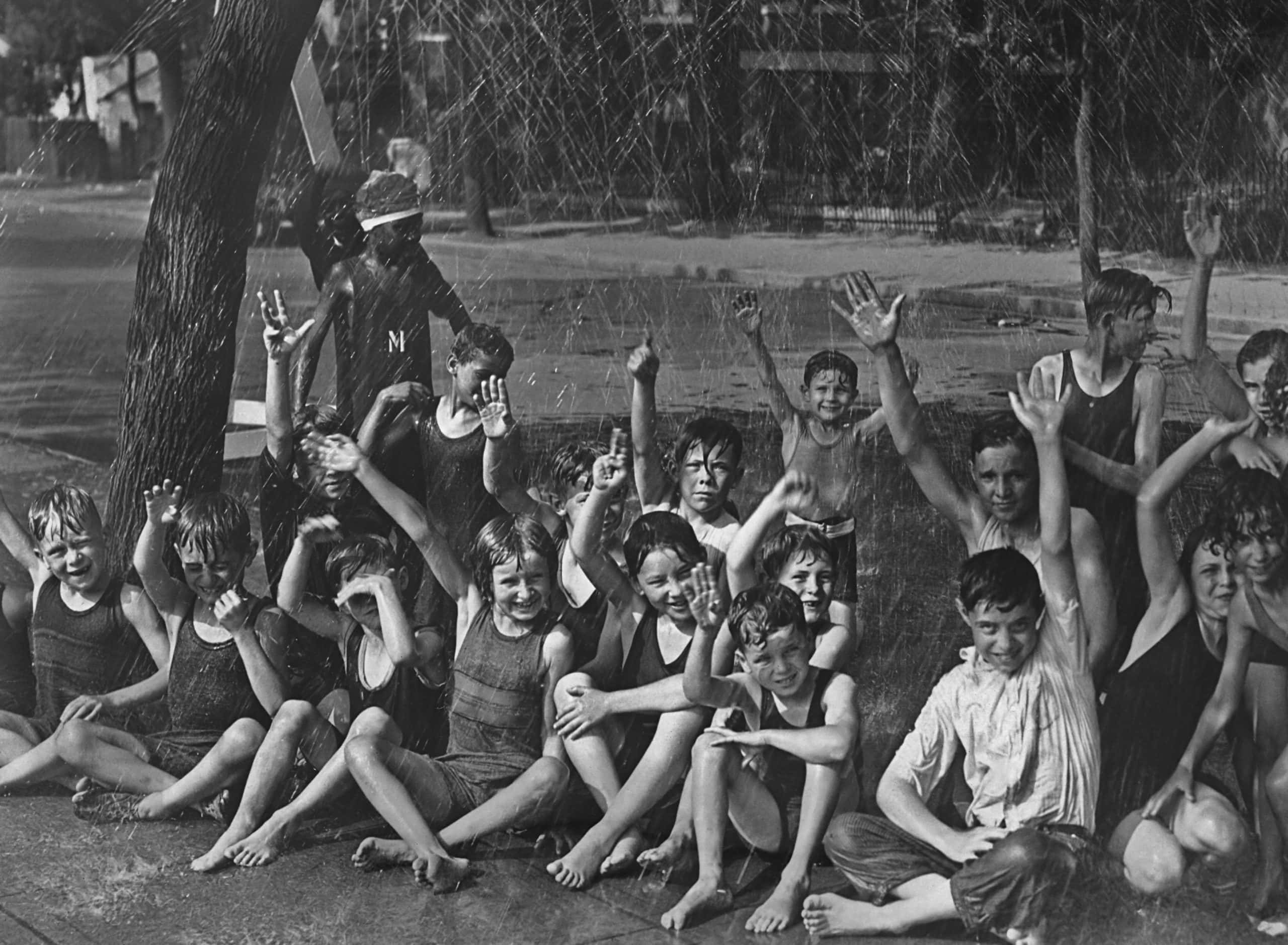
Photo by Henry Miller News Picture Service/Archive Photos/Getty Images
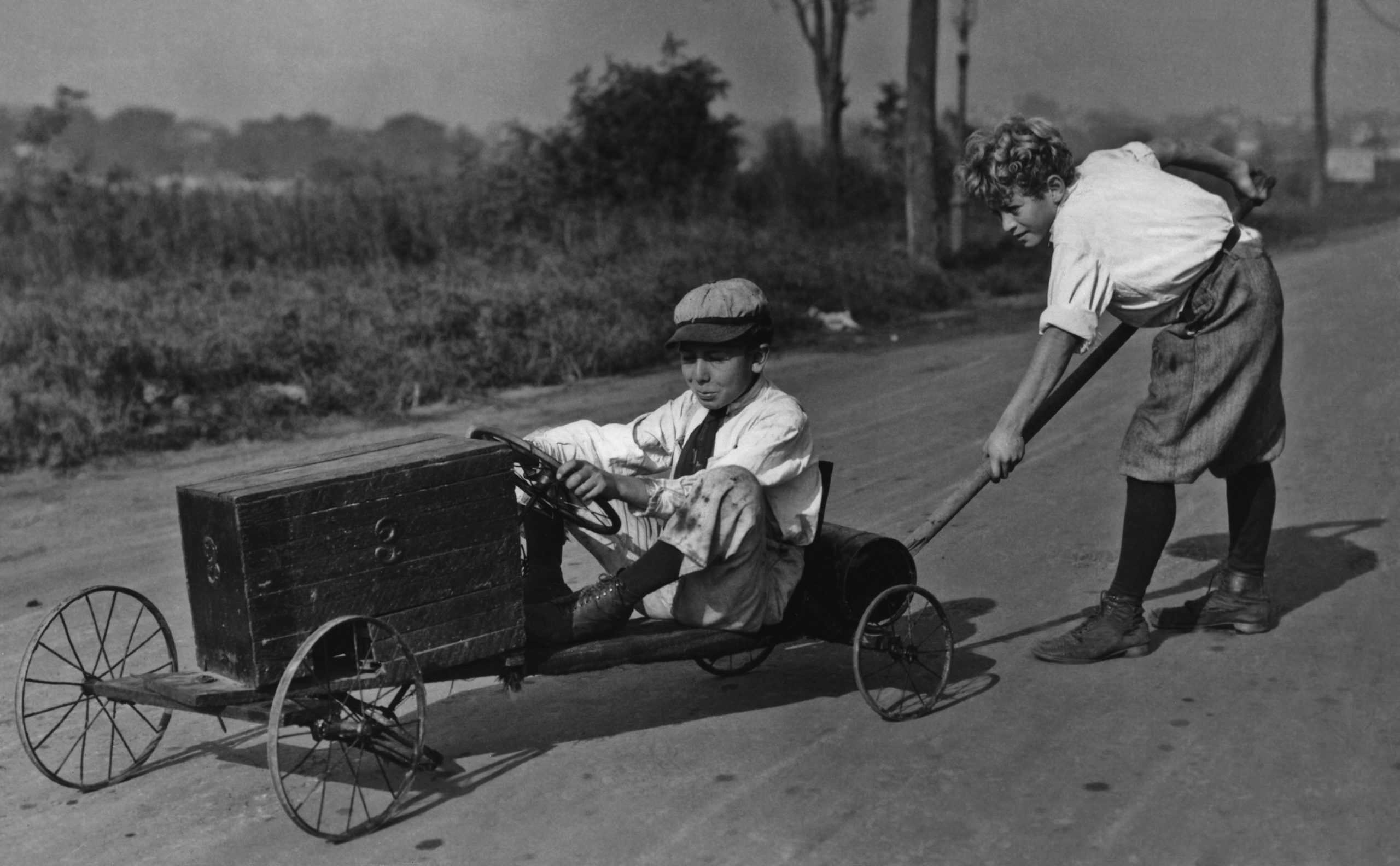
Photo by Keystone View/FPG/Getty Images
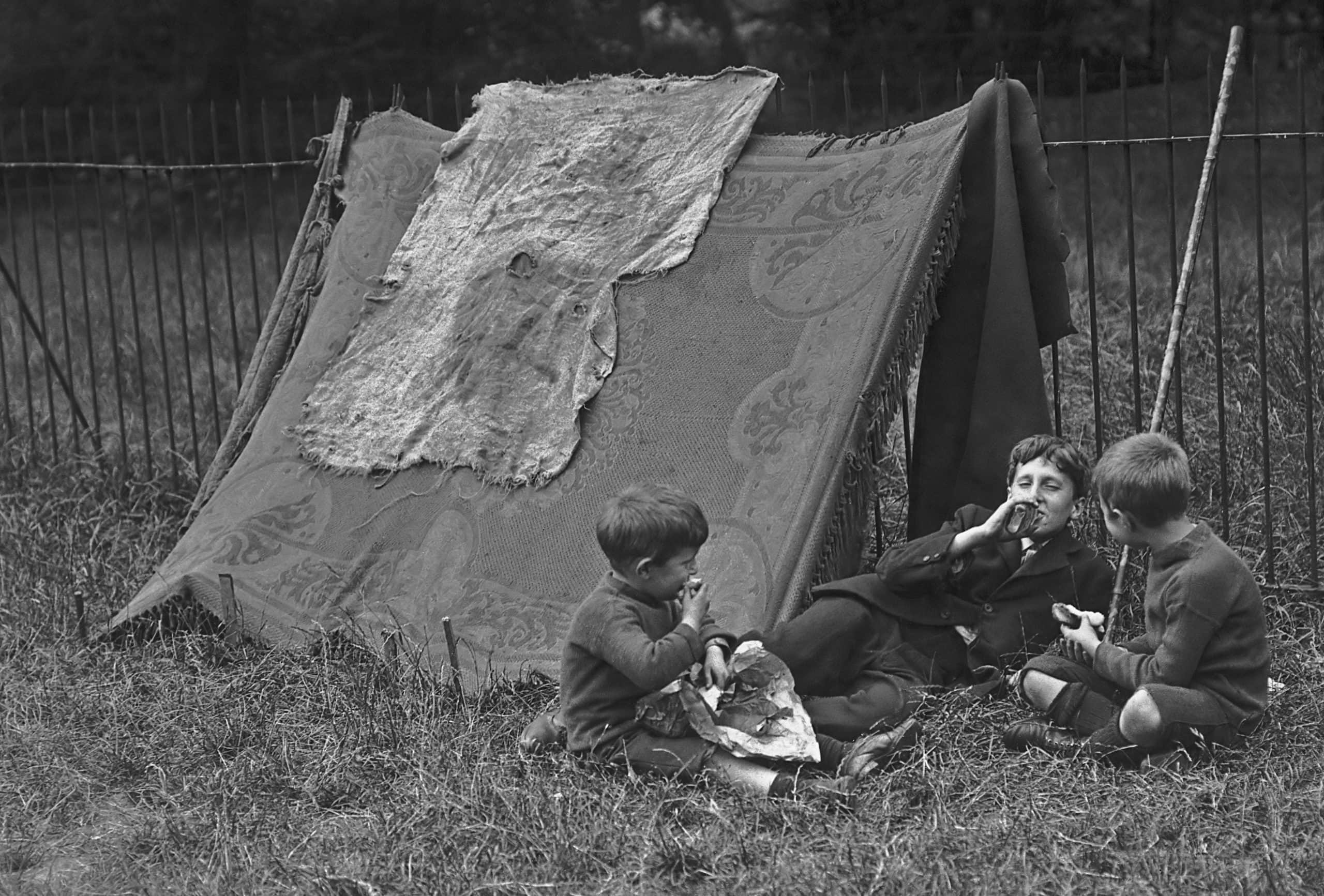
Photo by Paul Thompson/FPG/Archive Photos/Getty Images
Photo by FPG/Hulton Archive/Getty Images
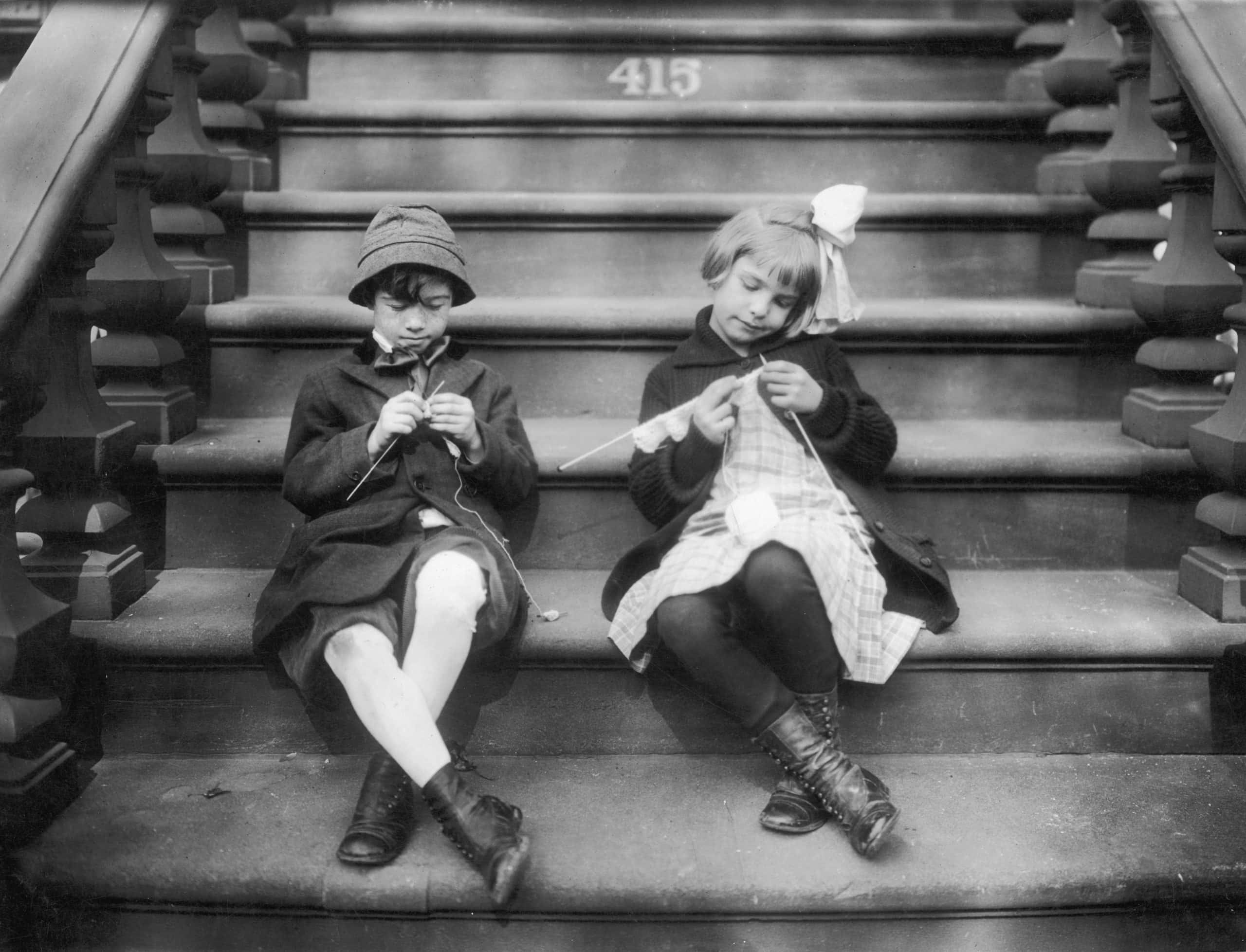
Photo by FPG/Getty Images

m0llyb00 / BY-ND 2.0
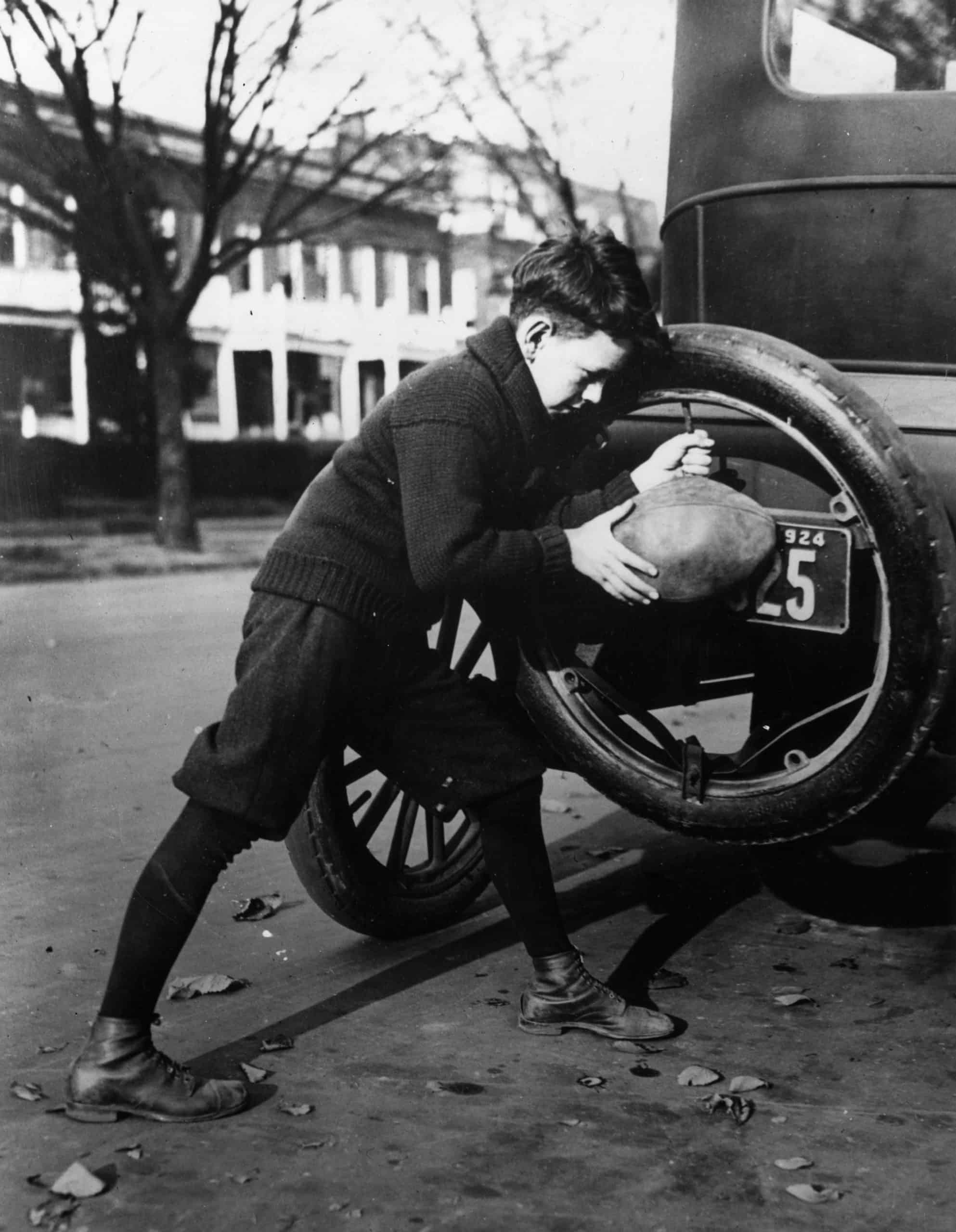
Photo by Topical Press Agency/Getty Images
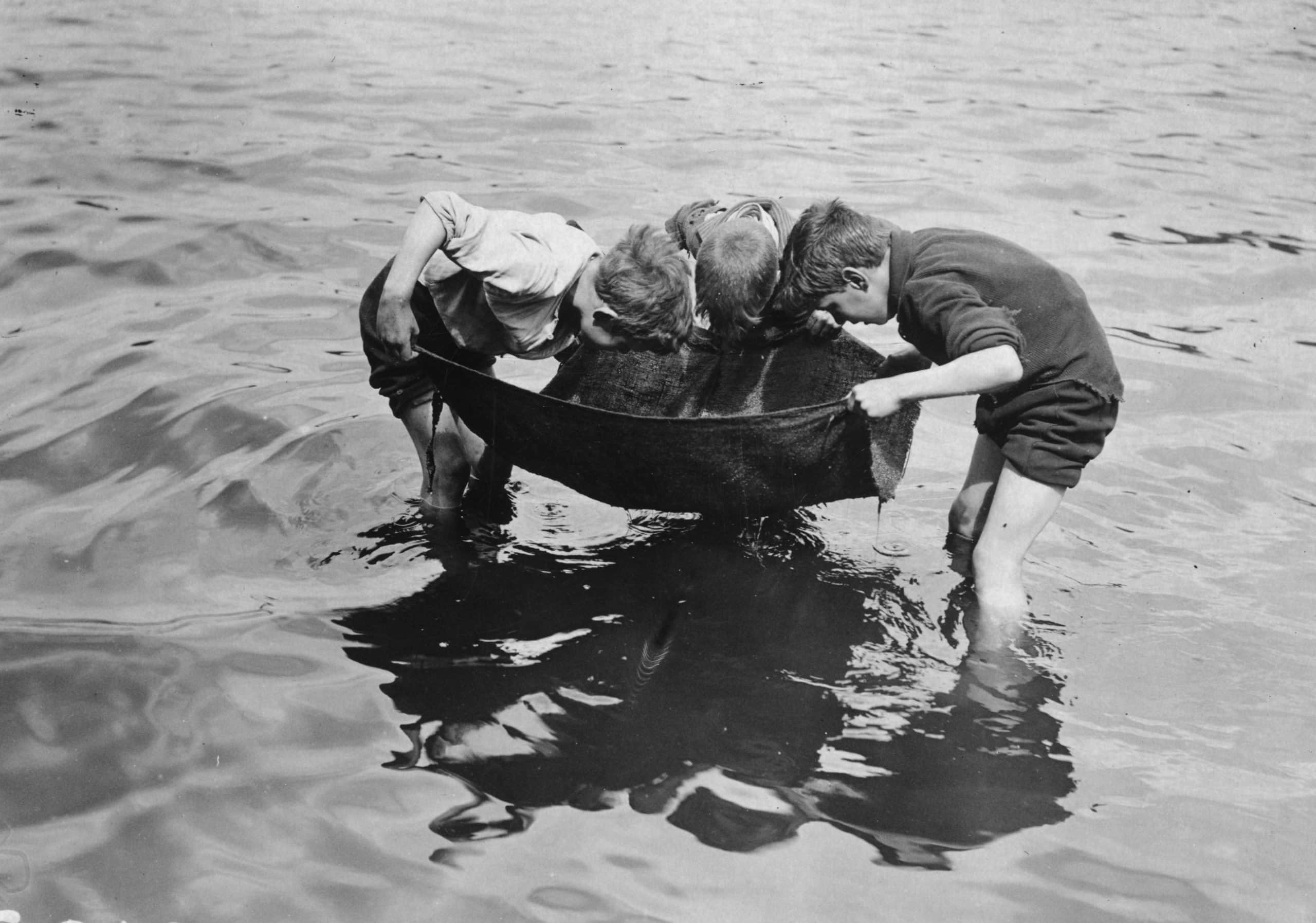
Photo by Topical Press Agency/Getty Images
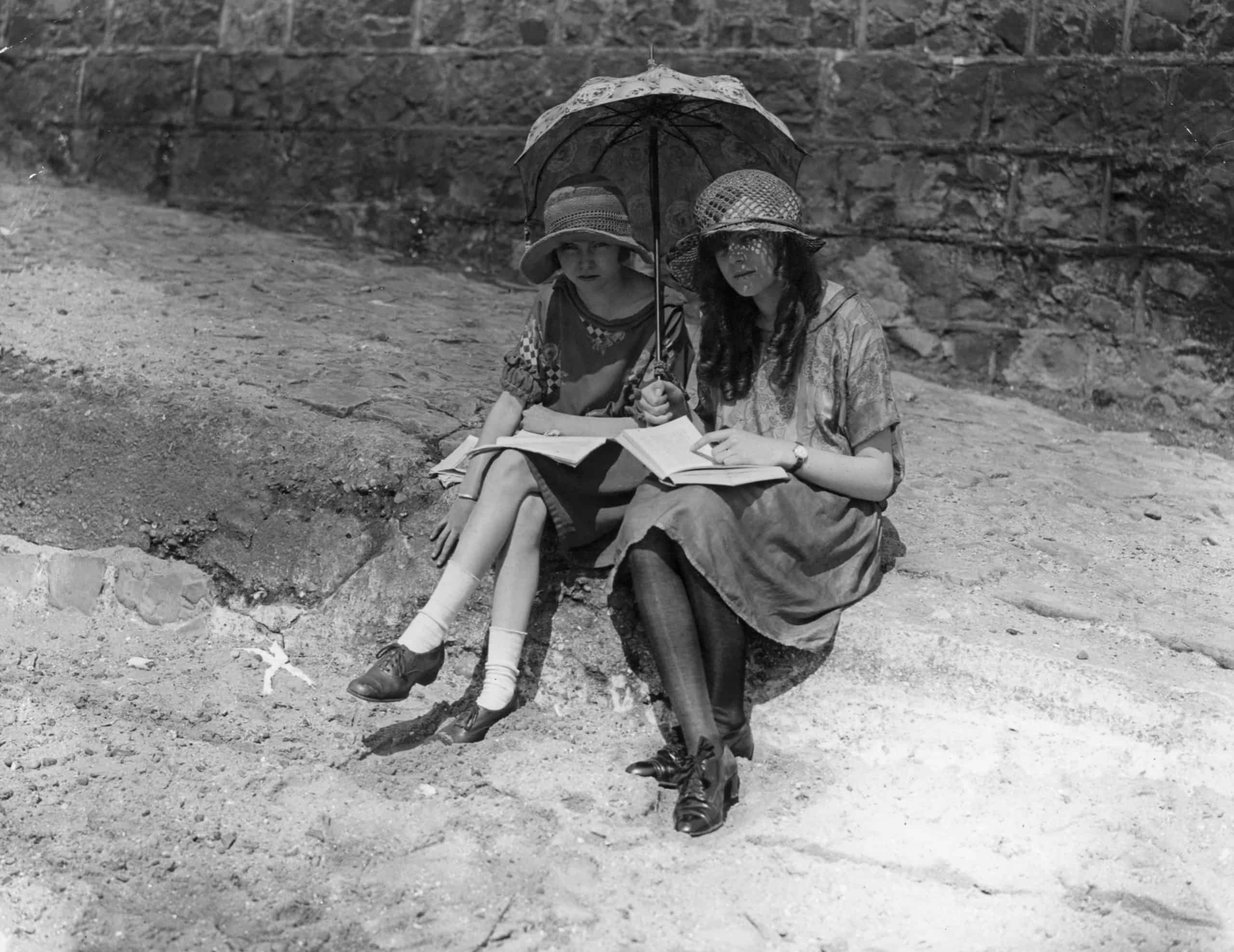
Photo by Topical Press Agency/Getty Images
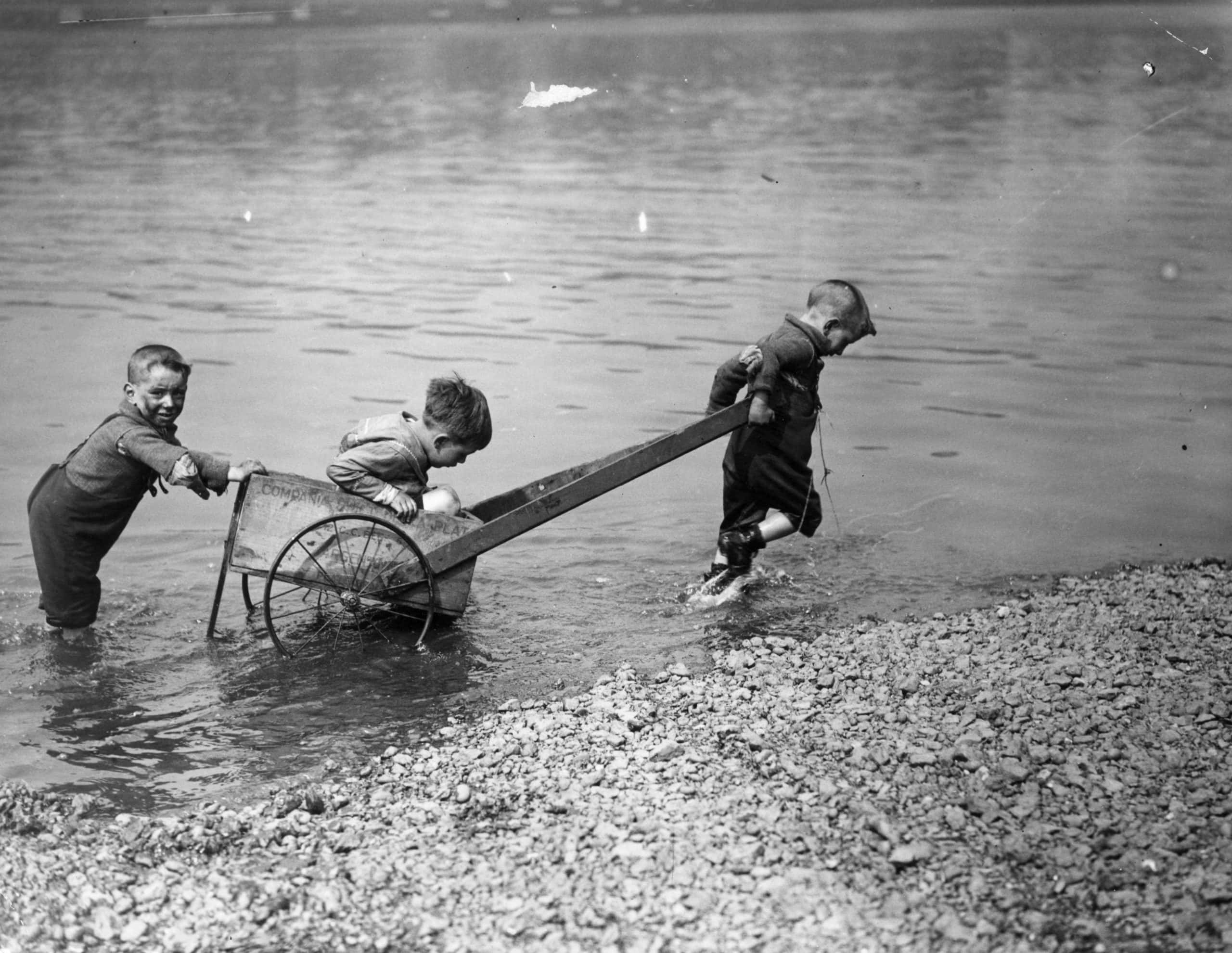
Photo by H. F. Davis/Topical Press Agency/Getty Images
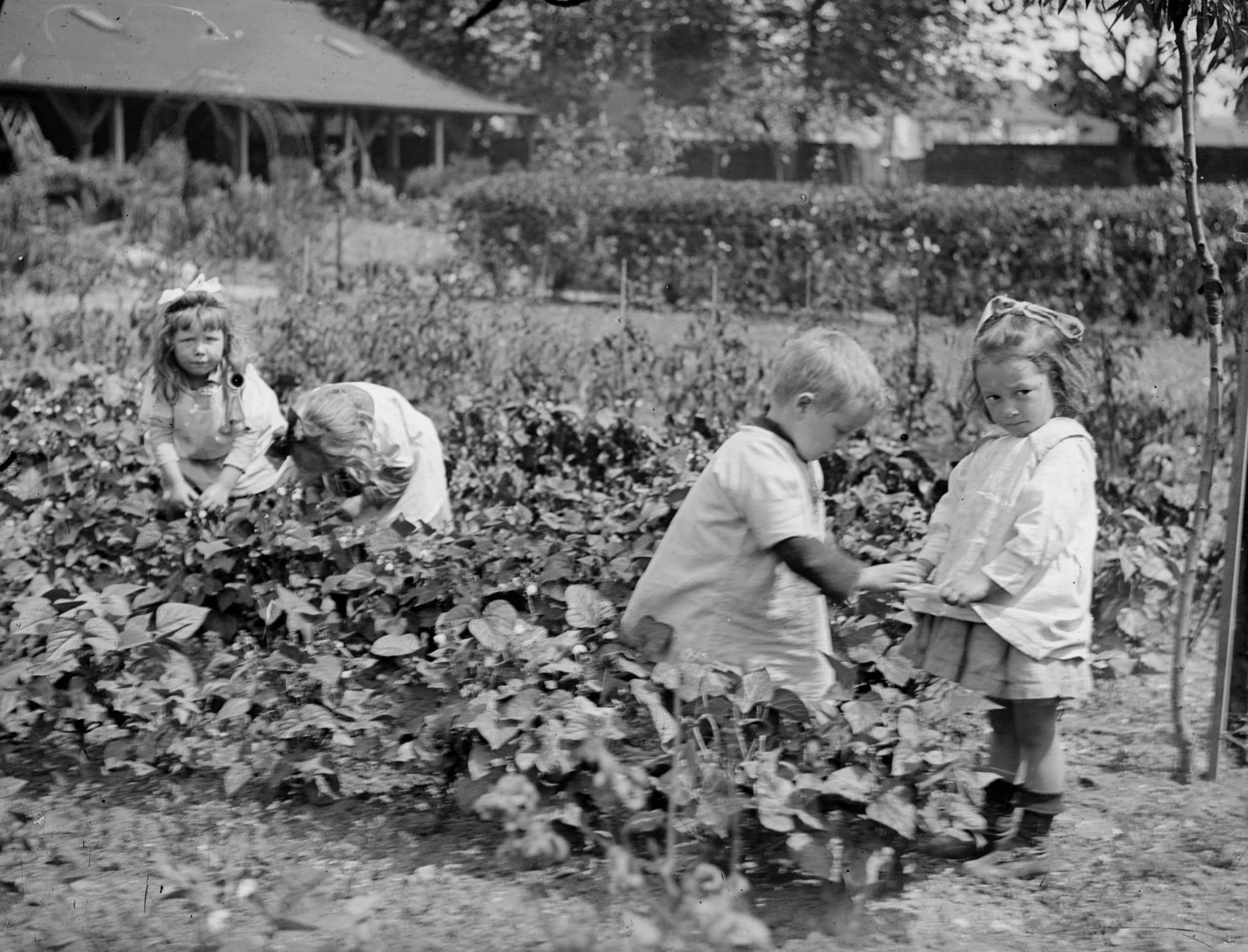
Photo by General Photographic Agency/Getty Images
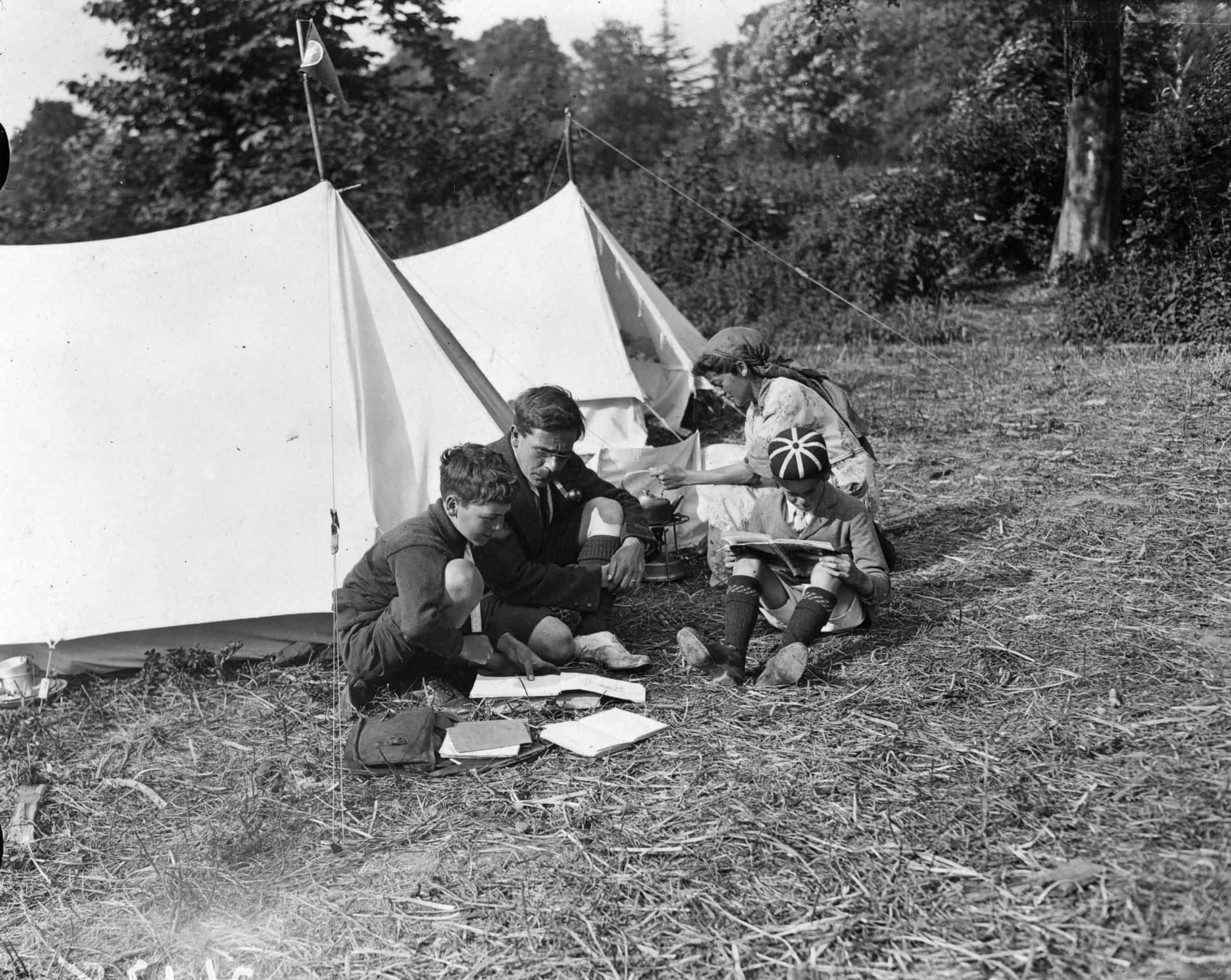
Photo by Topical Press Agency/Getty Images
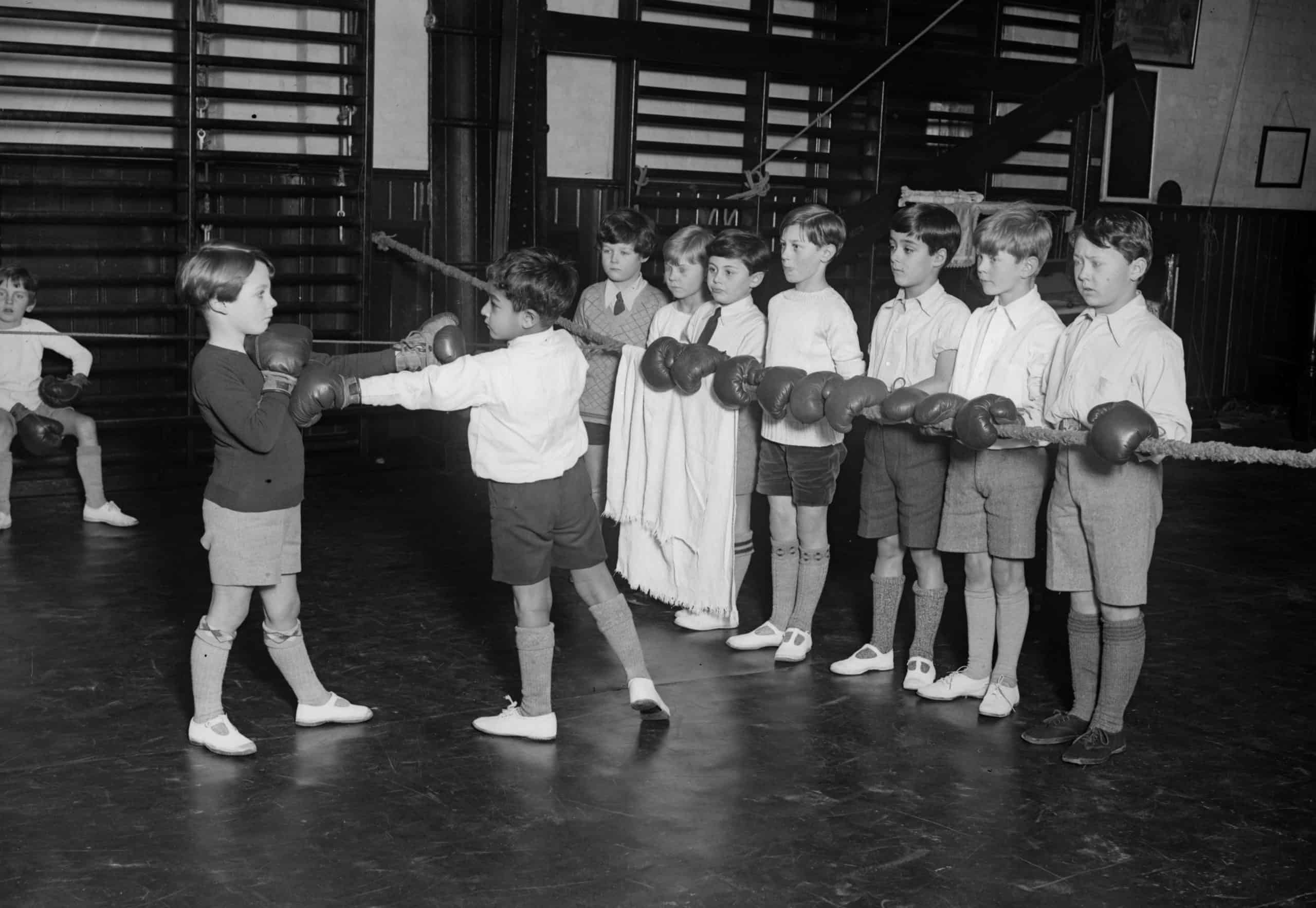
Photo by Fox Photos/Getty Images
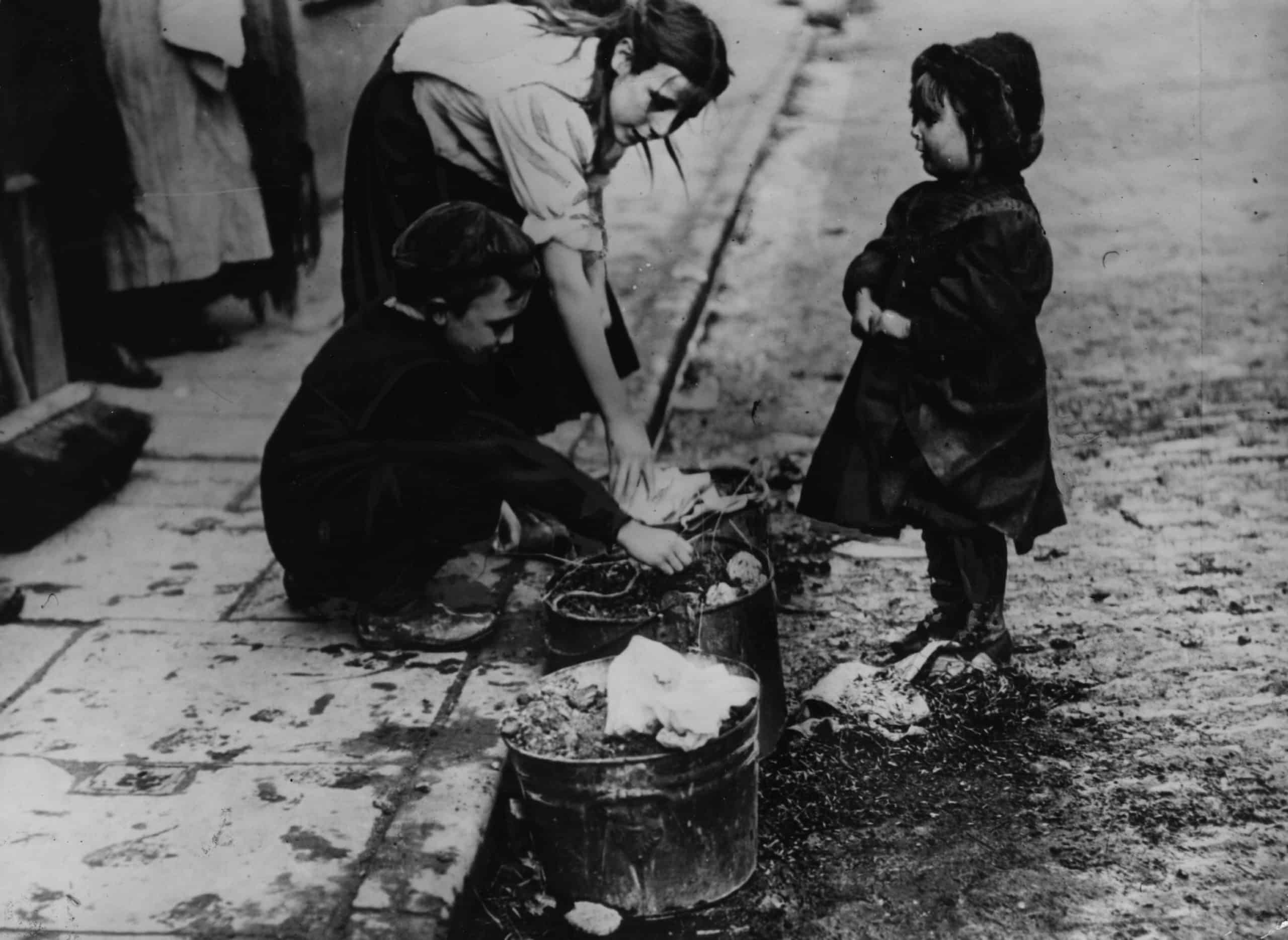
Photo by Topical Press Agency/Getty Images
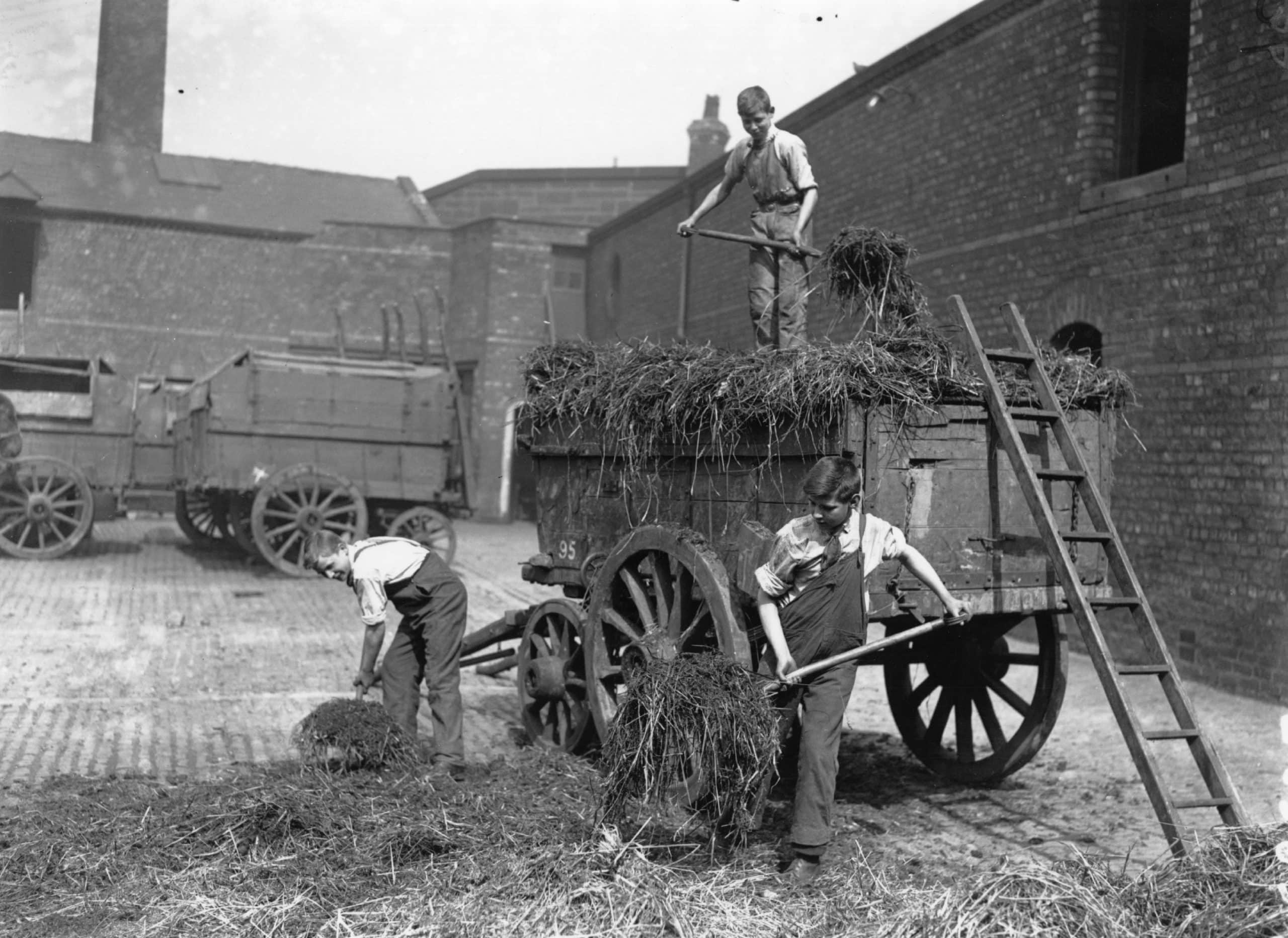
Photo by Topical Press Agency/Getty Images
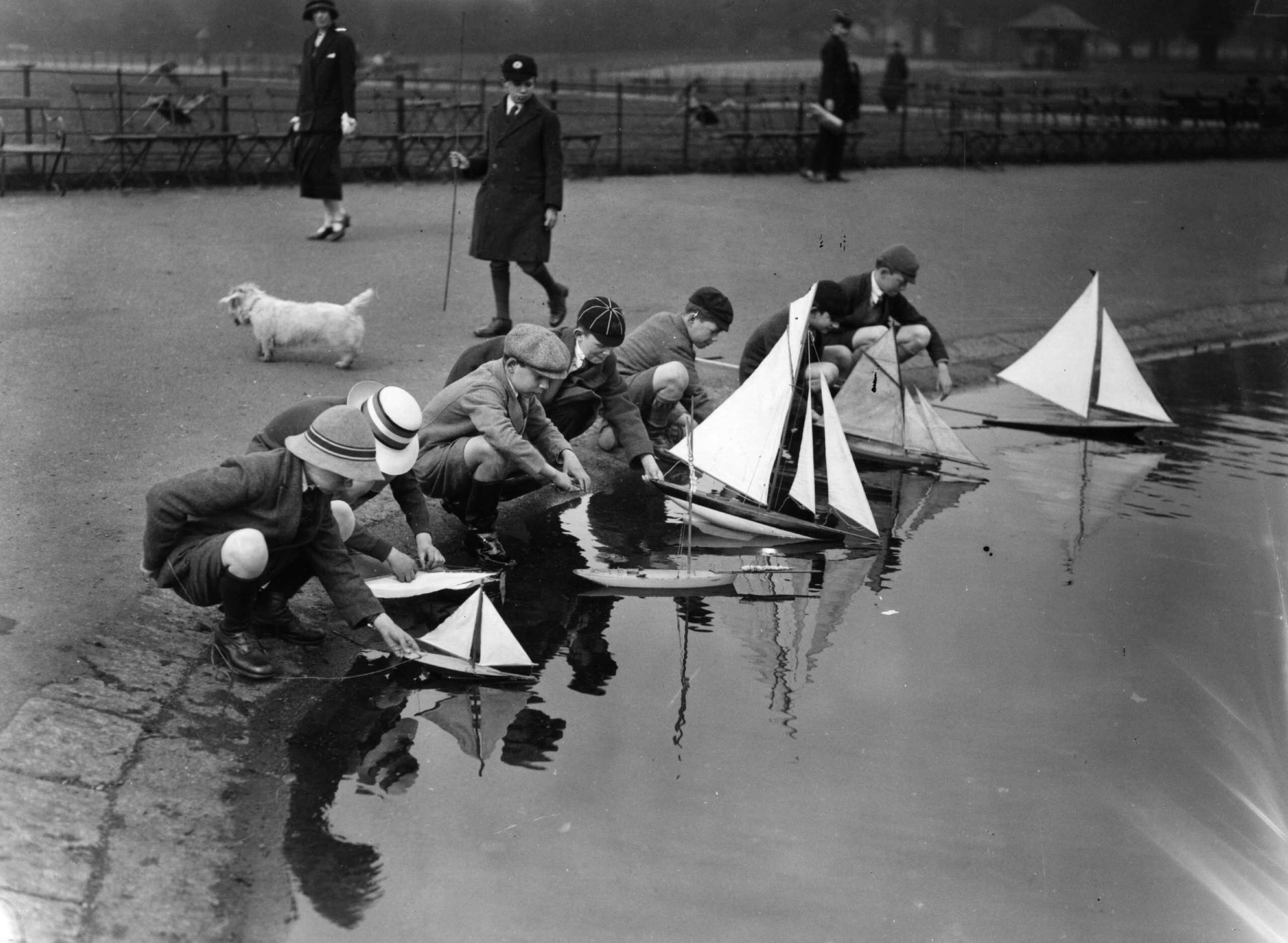
Photo by Davis/Topical Press Agency/Hulton Archive/Getty Images
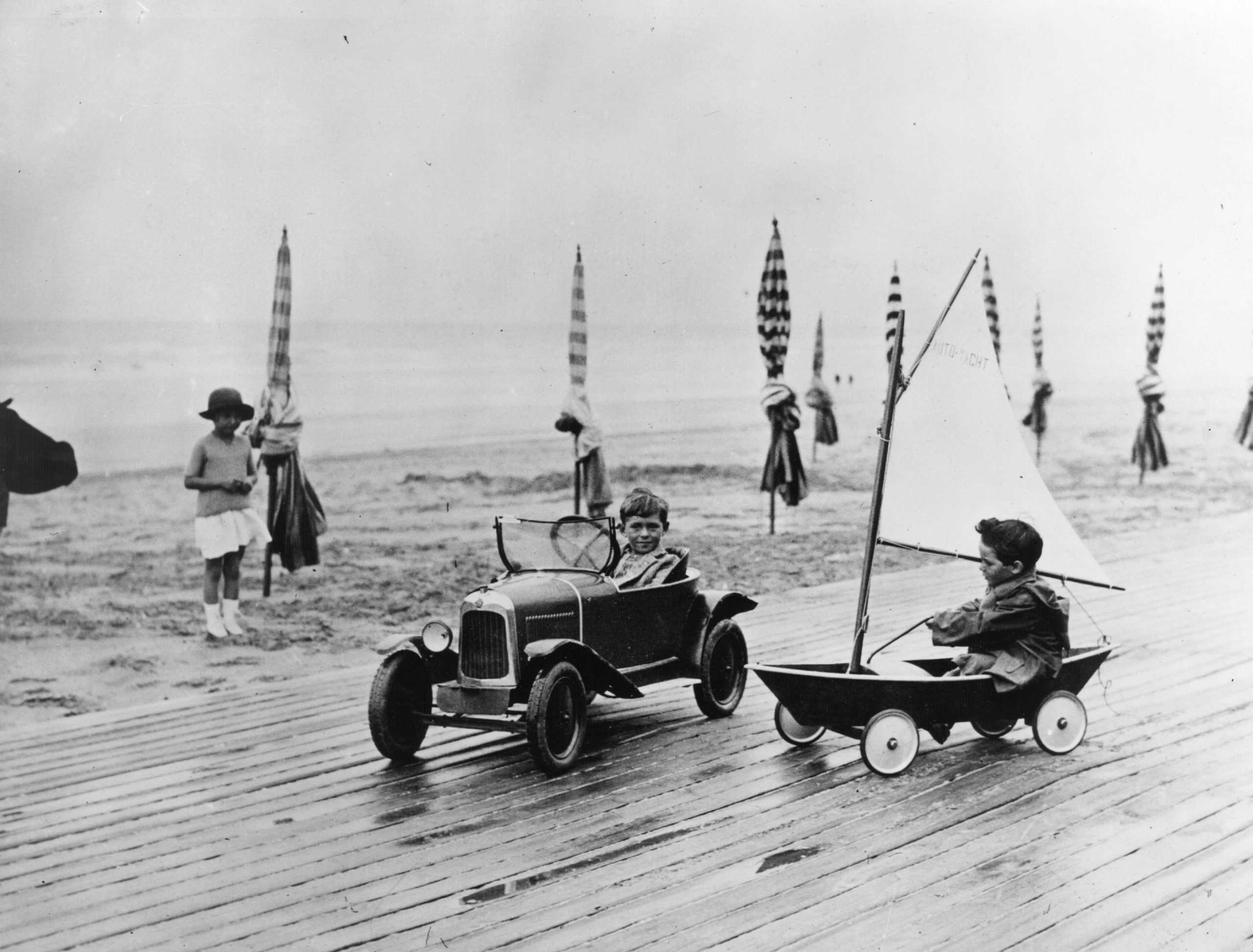
Photo by Topical Press Agency/Hulton Archive/Getty Images







19 Photos That Show What Childhood Was Like a Century Ago
Childhood a century ago was not literally a world without technology. Cars, telephones, movies, radios, and other inventions were already changing everyday life. What children did not have was the endless menu of screens, apps, streaming services, and video games that can fill an afternoon today.
That meant a lot of entertainment happened outdoors or had to be invented on the spot. Kids played sports, built things, went fishing, raced homemade toys, and turned whatever space they had into a playground. Their lives were not necessarily easier, though. Household chores started young, and some children also worked in agriculture, factories, and other jobs that would later face much tighter legal restrictions.
These 19 archival photos offer a glimpse at childhood in the early 20th century, from the genuinely fun to the parts that might make a modern parent do a double take.
Kids Played Sports Outdoors
There were organized sports long before television and video games, of course, but there were far fewer reasons for kids to stay planted indoors all afternoon. Fields, parks, schoolyards, streets, and empty lots could all become places to play. Sports also offered something that has not changed much in a century: an easy excuse to gather a group of kids, make up teams, argue about the rules, and keep playing until somebody was called home.
Family Outings Meant Getting Outside
Outdoor recreation was not limited to kids disappearing with their friends. Families also headed outside together for walks, picnics, sightseeing, and other excursions. This photograph captures the sort of family adventure that required little more than somewhere interesting to explore. There were no phones to document every five minutes of it, although judging by some of these old photographs, parents were apparently still perfectly capable of putting children uncomfortably close to the edge of things.
Summer Heat Sent Kids Looking for Water
Air conditioning existed in the early 20th century, but residential systems were expensive and uncommon. Window units reached the market in the 1930s, and the U.S. Department of Energy says it was not until the late 1960s that most new American homes were being built with central air. Earlier generations had simpler solutions when summer became unbearable. For children, finding a hose, fountain, hydrant, pool, river, or almost any other source of cool water could turn a hot day into entertainment.
Homemade Toys Could Be Half the Fun
Children certainly had manufactured toys a century ago, but fun did not necessarily arrive neatly packaged in a box. Wheels, boards, rope, discarded parts, and a little imagination could become something worth riding, racing, or immediately regretting. The homemade cart in this photograph is a good example. Building the thing was part of the entertainment, and whether it had anything resembling modern safety engineering was apparently a problem for Future You.
A Fort Could Become an Entire Hangout
Give kids some boards, blankets, branches, or whatever else happens to be lying around and they will usually find a way to turn it into a fort. That instinct clearly is not new. Homemade shelters gave children somewhere to play, talk, eat, and temporarily pretend adults no longer existed. In this photo, the shaded hideout also offered something practical on a warm day: protection from the sun without having to abandon the adventure and go inside.
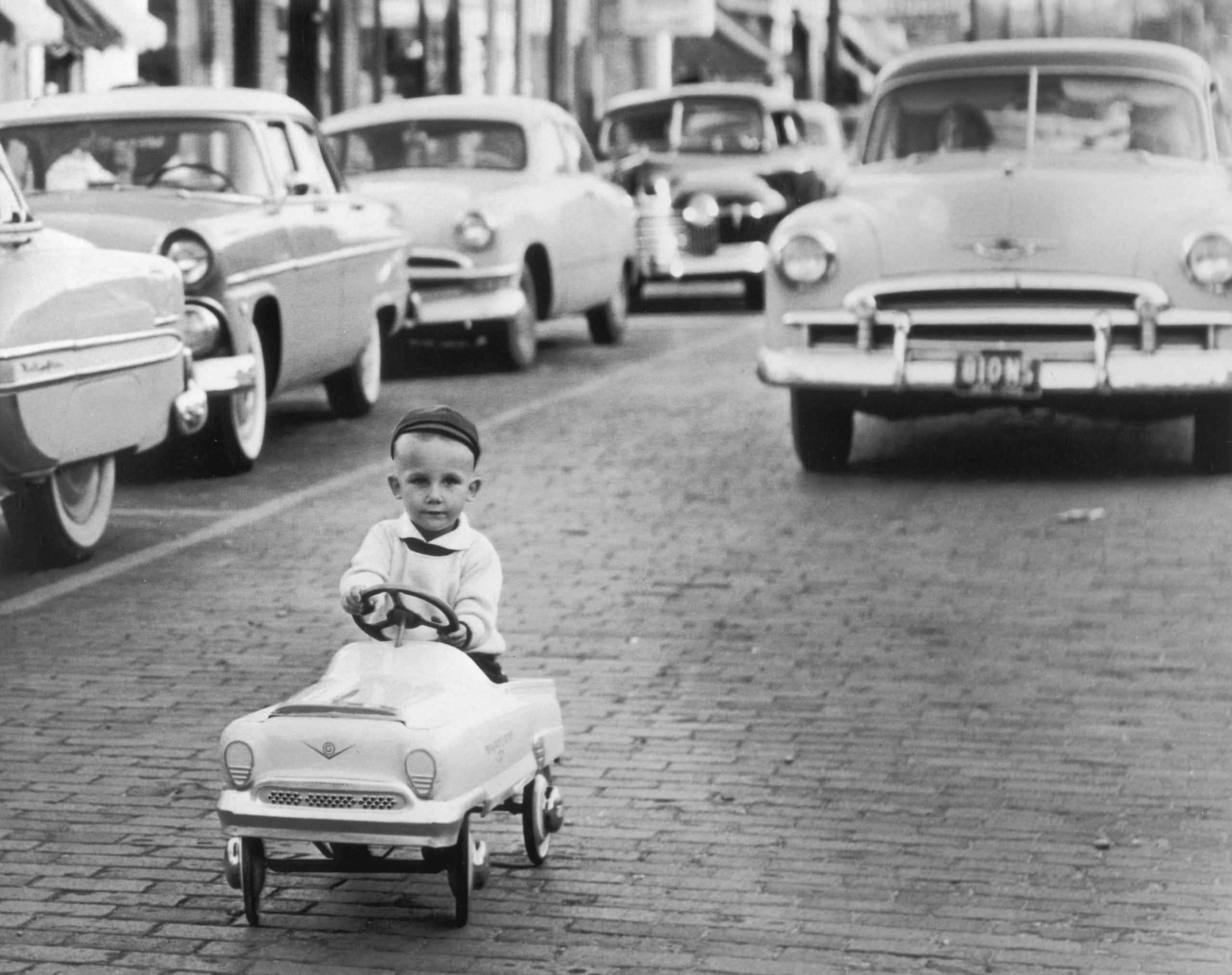
Pedal Cars Went Straight Into the Street
Toy cars are hardly a lost tradition, but where children used them could look very different. This youngster took his miniature car directly onto a real street, something that would make plenty of modern parents reach for the brakes themselves. Pedal cars became popular children's toys during the early decades of the automobile age, letting kids imitate the increasingly common full-size machines they saw around them. Apparently the appeal of getting your first set of wheels started young then, too.
Wartime Knitting Became a Home-Front Job
Knitting was more than a hobby during World War I. Civilian campaigns encouraged people on the home front to make socks, sweaters, scarves, and other warm clothing for troops. The American Red Cross distributed patterns and organized large-scale knitting efforts, and young people participated alongside adults. It is an interesting reminder that childhood recreation and responsibility often overlapped. A useful skill learned at home could suddenly become one small part of a much larger national effort.
Smoking Was Far More Normalized Around Children
One of the most jarring differences in old photographs is how casually cigarettes could appear around children. Smoking was far more socially accepted, advertising was widespread, and public understanding of the health risks was nowhere near what it is today. Scientists had raised health concerns well before the 1960s, so it would be wrong to say nobody knew cigarettes could be harmful. The major turning point in the United States came in 1964, when the first Surgeon General's report on smoking and health concluded that cigarette smoking caused serious disease.
Broken Toys Called for Improvised Repairs
A flat football was not necessarily the end of the afternoon. This boy appears to be improvising a way to get air back into his ball using a tire setup rather than walking inside and ordering a replacement online, mostly because that last option was still several generations away. Older photographs are full of this kind of make-do problem solving. When entertainment was limited, keeping the toys you already had working became part of the game.
Fishing Was Cheap Entertainment
For children living near rivers, ponds, canals, or the coast, fishing offered a way to spend hours outdoors without needing much equipment. The children shown here are fishing for small fish, sometimes called tiddlers in Britain. Catching something was obviously a bonus, but anyone who has ever taken a kid fishing knows the activity can become an adventure long before a fish actually cooperates.
Sun Protection Looked Very Different
Modern sunscreen was not part of an early-20th-century family's beach bag. Products designed to filter ultraviolet radiation began emerging in the 1930s and 1940s, and today's sunscreen habits developed much later. Hats, clothing, parasols, and simply finding shade were among the available ways to limit direct exposure. The girls in this photograph managed to combine two perfectly good low-tech activities: reading a book and sitting somewhere with an ocean nearby.
Getting Muddy Was Part of the Deal
Outdoor play has always had one unavoidable side effect: dirt. Rivers, muddy banks, vacant lots, fields, and whatever patch of ground happened to be available could become a playground. The children in this image seem considerably less concerned about clean clothes than the person who eventually had to wash them. Some things about childhood change dramatically over a century. The magnetic attraction between children and mud does not appear to be one of them.
Chores Started Young
Not every hour outside counted as playtime. Children routinely helped families with everyday work, including cleaning, cooking, caring for animals, tending gardens, and helping with crops. Exactly what was expected depended heavily on where a family lived and how it earned a living. A garden could therefore be both a place to learn and a place where another set of hands was genuinely useful. Apparently "go outside" did not always mean "go have fun."
Camping Was Already a Family Escape
Camping was popular long before anybody thought to attach luxury mattresses, climate control, and the word "glamping" to the experience. Families could head into the countryside with tents, blankets, cooking equipment, and whatever they could reasonably carry or fit into a vehicle. The equipment has improved considerably, but the basic appeal has survived: get away from ordinary life, sleep somewhere inconvenient on purpose, and somehow come home insisting it was relaxing.
Boxing Was Part of Youth Recreation
Boxing had an enormous following in the early 20th century, and young people sometimes learned the sport themselves. This photograph shows boys practicing in an era when ideas about protective equipment and childhood risk could be very different from today's. Modern youth boxing organizations generally place far greater emphasis on gloves, head protection, medical supervision, age divisions, and formal rules. The basic sibling-level instinct to punch something after being handed boxing gloves, however, presumably required no instruction.
Some Children Helped Search for Fuel
Coal was an essential household fuel in many communities, making shortages a very practical family problem. This photograph shows children searching through discarded material for pieces of coal that could still be used. It is a much less nostalgic side of childhood than toy cars and fishing poles. For working-class families especially, children could be expected to help with tasks tied directly to keeping a household running, even when the job was dirty and decidedly un-fun.
Work and Practical Skills Could Start Early
Children working was hardly unknown in the early 20th century, particularly in agriculture, family businesses, factories, mines, and other labor-intensive industries. But it is inaccurate to say there were simply no child labor laws. States had adopted various restrictions, and the federal government made several attempts to regulate child labor before the landmark Fair Labor Standards Act became law in 1938. That law established lasting federal limits on oppressive child labor. Before those protections became stronger and more uniform, work could occupy a much larger part of childhood than most kids experience today.
Model Boats Were Serious Entertainment
A model boat did not need batteries, Bluetooth, or an app to keep a child occupied. Small sailing boats and other models could be built, collected, and launched on ponds or other calm water. Part of the appeal was watching something you had assembled actually work. There was also the ever-present possibility that your prized boat would drift farther from shore than expected, turning a relaxing afternoon into an impromptu engineering rescue mission.
Racing Didn't Need Electronics
Children have apparently never needed much encouragement to turn anything with wheels into a race. Long before remote-controlled cars became common toys, pedal cars, carts, bicycles, boats, and homemade contraptions could provide the same basic thrill: figure out who is fastest and immediately demand a rematch. The technology has changed, but the rules of childhood competition have remained remarkably stable. Somebody wins, somebody insists the start was unfair, and everybody does it again.