Andrew Clemente

chayanuphol/Shutterstock.com
Seattle Municipal Archives / BY 2.0

PeopleImages / Shutterstock.com

ABGJ/Shutterstock.com

Andrey_Popov / Shutterstock.com

Yuganov Konstantin / Shutterstock.com
Pixel-Shot/Shutterstock.com
Aidil Diafragma / Shutterstock.com
mikeledray / Shutterstock.com

Zoran Zeremski / Shutterstock.com

WooTh_stock / Shutterstock.com
moonmovie/Shutterstock.com

sutadimages / Shutterstock.com

Ground Picture / Shutterstock.com

AaronAmat/iStock.com

Dorde Krstic / Shutterstock.com

Eddie J. Rodriquez / Shutterstock.com

Dragon Images / Shutterstock.com

Pressmaster / Shutterstock.com

Inside Creative House / Shutterstock.com



















20 Things That Used to Be Completely Normal in America
Some changes in American life happen so gradually that nobody notices them at first. There is no announcement, no obvious turning point, and usually no single moment when everyone agrees that something is over. A habit is simply part of everyday life until, one day, it isn't.
That is what makes looking back so strange. Things that once felt completely ordinary, from smoking indoors to carrying cash or sending kids outside until dinner, can now feel like they belong to another country. Some changes were clearly for the better. Others left behind routines, traditions, and little pieces of community that people still miss. Here are 20 things that used to be a normal part of American life.
Smoking Indoors, Everywhere
In 1965, about 42% of American adults smoked. Smoking indoors was so common that ashtrays were standard fixtures in offices, restaurants, airplanes, waiting rooms, and movie theaters. The U.S. Surgeon General had already issued a landmark report on smoking and health in 1964, but everyday culture changed much more slowly than the science.
Indoor smoking restrictions gained momentum over the following decades. California banned smoking in restaurants in the 1990s and later extended restrictions to bars, while cities and states across the country adopted their own rules. For younger Americans, the idea of sitting beside a smoker on a plane or eating dinner in a smoke-filled restaurant can seem almost unbelievable. That is probably one change few people want reversed.
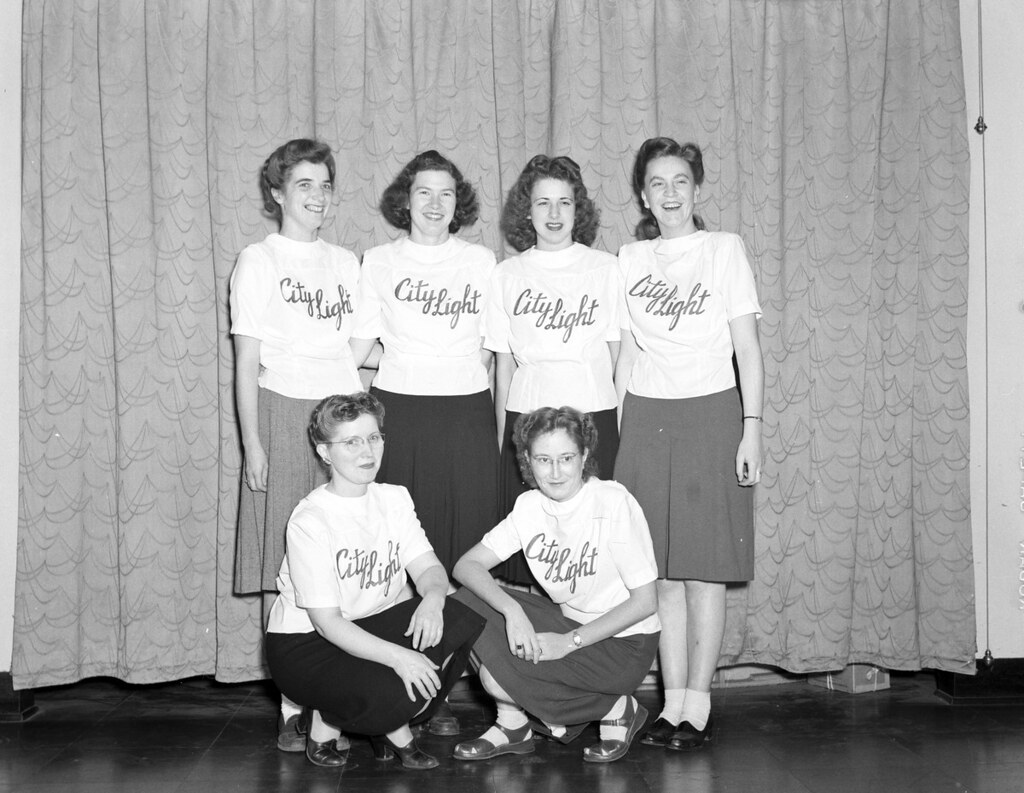
Belonging to a Civic Club or Bowling League
In 1995, Harvard political scientist Robert Putnam published a paper with the memorable title “Bowling Alone.” His point was not that Americans had stopped bowling. In fact, plenty of people still bowled. What was disappearing was the league, the regular group of people who met every week and built a social life around the activity.
Putnam later expanded the idea into a book about the broader decline of civic participation. Groups such as Rotary clubs, Elks lodges, Moose lodges, PTA chapters, garden clubs, unions, and other local organizations once played a much larger role in everyday life. Television, suburbanization, generational change, and later the internet all changed the way Americans spent their free time. The desire for community never disappeared, but regularly showing up somewhere in person became much less automatic.
Kids Roaming the Neighborhood Unsupervised
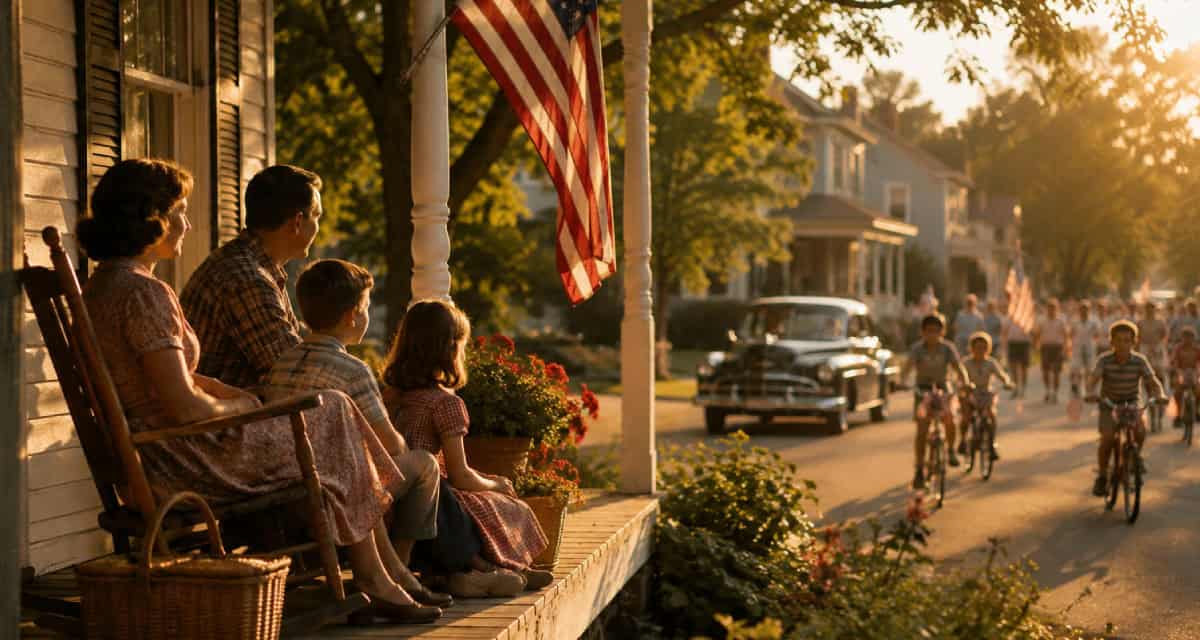
For many children growing up in the 1970s and early 1980s, being outside without an adult was simply part of childhood. Kids rode bikes across neighborhoods, explored empty lots and patches of woods, visited friends without scheduling a playdate, and somehow knew when it was time to head home for dinner.
That kind of independence has become much less common. Researcher and psychologist Peter Gray has written extensively about the long decline in children's independent outdoor play and the shrinking freedom children have to explore on their own. Parents today are more likely to know exactly where their children are and what they are doing. The old version of childhood freedom did not disappear overnight, but its boundaries became noticeably smaller.
Dressing Up to Board a Plane
In the early decades of commercial air travel, flying was an event. Adults often wore suits, dresses, or other polished outfits, and children were dressed as though the family were headed somewhere important. There was no universal airport dress code, but many passengers treated the occasion as if there were.
Airline deregulation in 1978 helped reshape the economics of flying as competition increased and air travel became accessible to a much broader group of Americans. The culture changed with it. Casual clothing became increasingly normal, and by the 2000s few people thought twice about boarding a domestic flight in jeans, sneakers, or sweatpants. Flying went from an occasion to something closer to a form of managed inconvenience.
Mailing Personal Letters to Stay in Touch
Before email and texting took over, keeping up with someone who lived far away often meant sitting down and writing a letter. People mailed birthday notes, family updates, thank-you letters, vacation postcards, and pages of ordinary conversation. Waiting several days for a reply was not frustrating. It was simply how communication worked.
First-Class Mail volume peaked around the beginning of the 2000s and then declined as electronic communication became the easier option. Email handled the first wave, and texting, social media, and messaging apps took care of much of the rest. Personal letters never disappeared completely, but what had once been an everyday form of communication gradually became something unusual enough to feel special.
Cooking From Scratch on Weeknights
For generations, cooking dinner from basic ingredients was simply part of running a household. Convenience foods certainly existed, and Americans happily bought them, but preparing a meal at home was still the normal weeknight routine for many families. Cookbooks were kitchen staples, and home economics classes taught skills that were expected to be useful in adult life.
Today, the definition of a home-cooked dinner is much looser. Prepared foods, frozen meals, meal kits, takeout, and delivery have made it possible to put dinner on the table with far less chopping, mixing, and cleanup. Plenty of Americans still love to cook, but for many households, cooking completely from scratch has shifted from a daily necessity to something saved for weekends or special occasions.
Carrying Cash as the Default
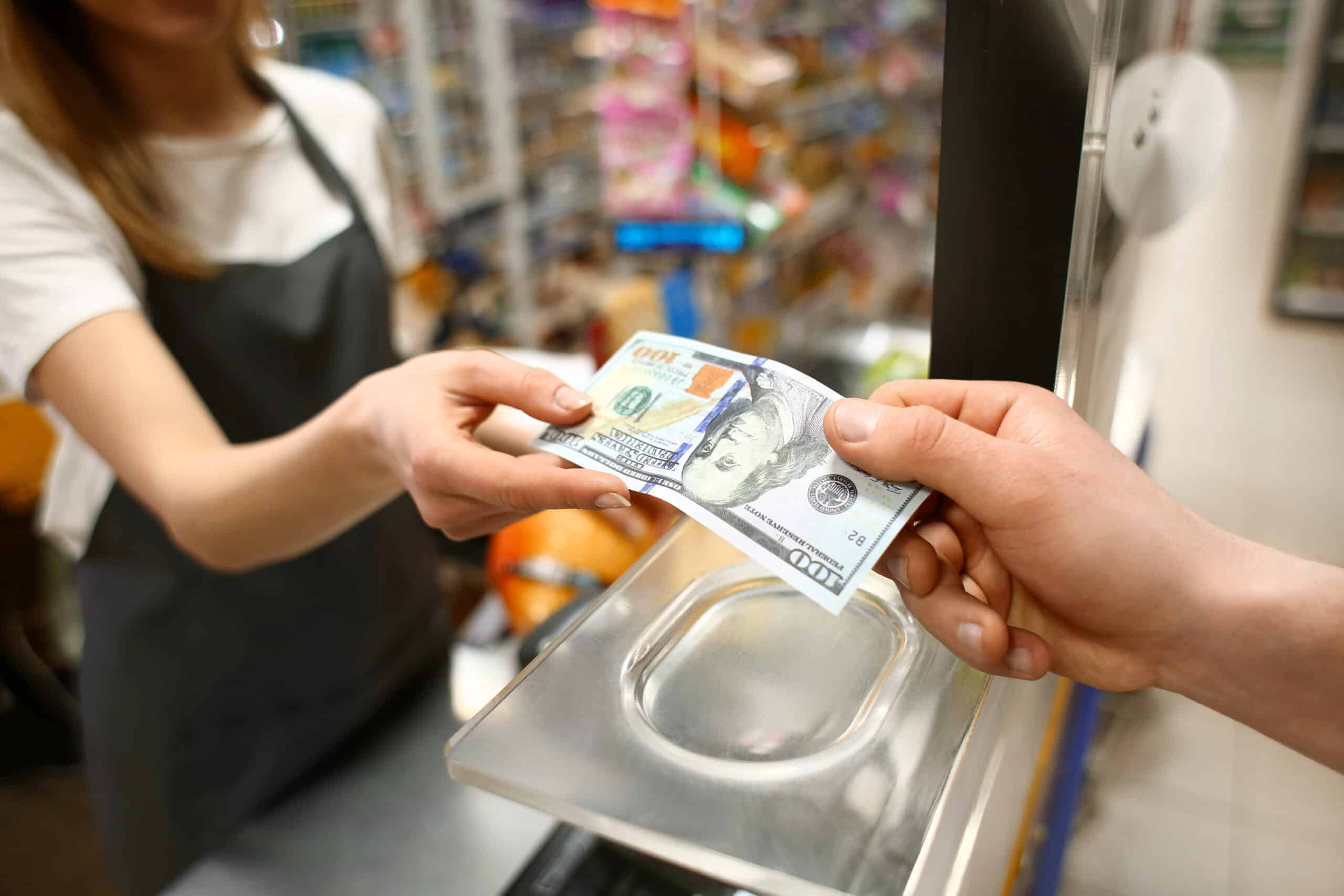
Cash used to be the default way to pay for everyday purchases. People kept bills in their wallets, went to the bank when they needed more, counted change at the register, and handed children a few dollars for completing chores. Splitting a restaurant bill could mean literally dividing a pile of cash across the table.
The shift toward cards and digital payments happened gradually and then accelerated. Federal Reserve consumer payment studies have documented cash taking a smaller share of everyday transactions as debit cards, credit cards, mobile wallets, and person-to-person payment apps became easier to use. Cash is still important and widely used, but for many Americans it has moved from the first choice to the backup plan.
Leaving the Front Door Unlocked
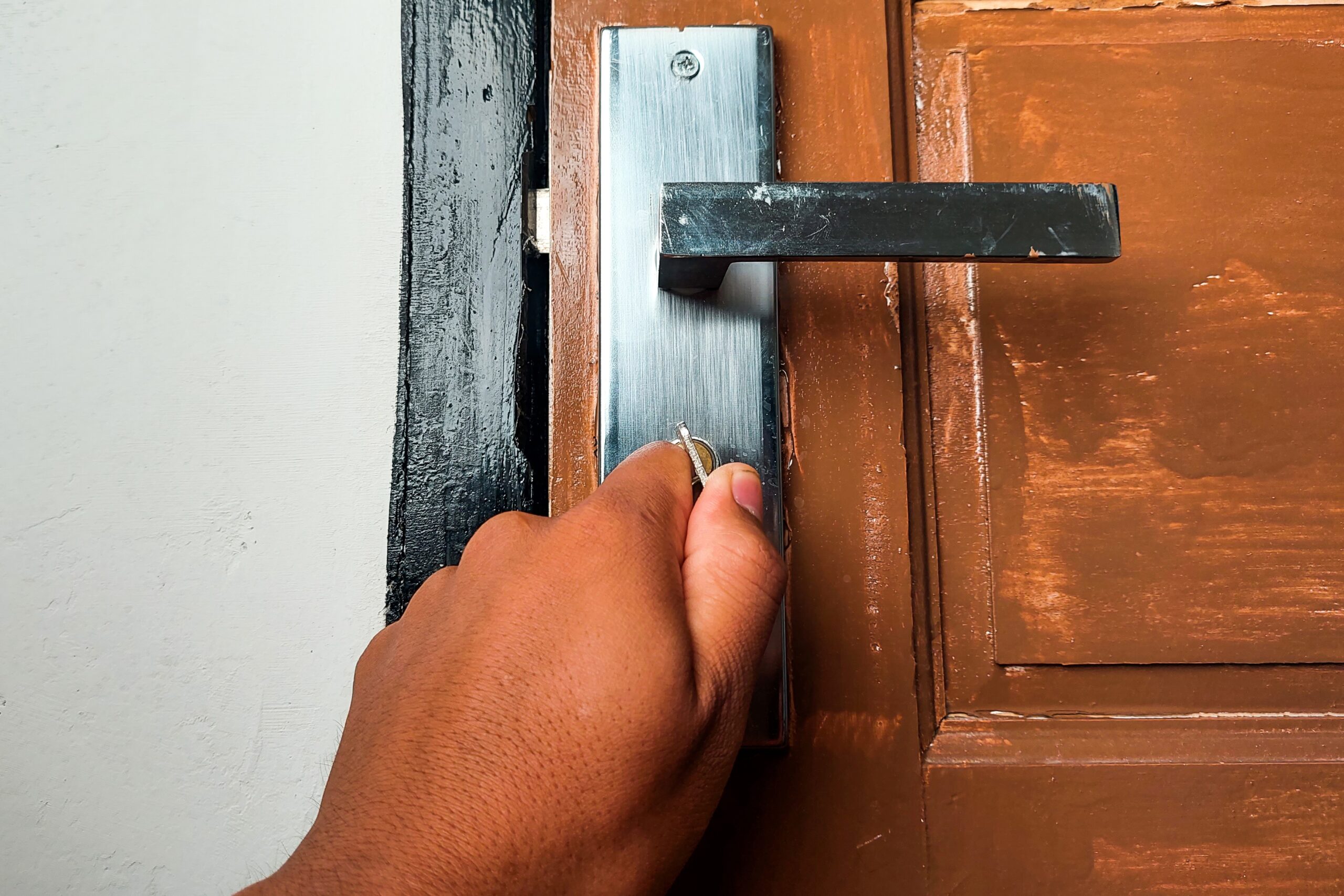
For many Americans in the mid-20th century, especially in smaller towns and close-knit neighborhoods, leaving the front door unlocked was not considered reckless. People might lock up before leaving town, but constantly checking the deadbolt every time they stepped inside was not always part of the routine.
That social expectation has changed even as national crime trends have risen and fallen over the decades. Home security systems, doorbell cameras, 24-hour news, neighborhood apps, and a greater awareness of crime far beyond one's own block have all changed how people think about personal security. Locking the door is now so automatic for many households that the idea of routinely leaving it open feels like a story from another era.
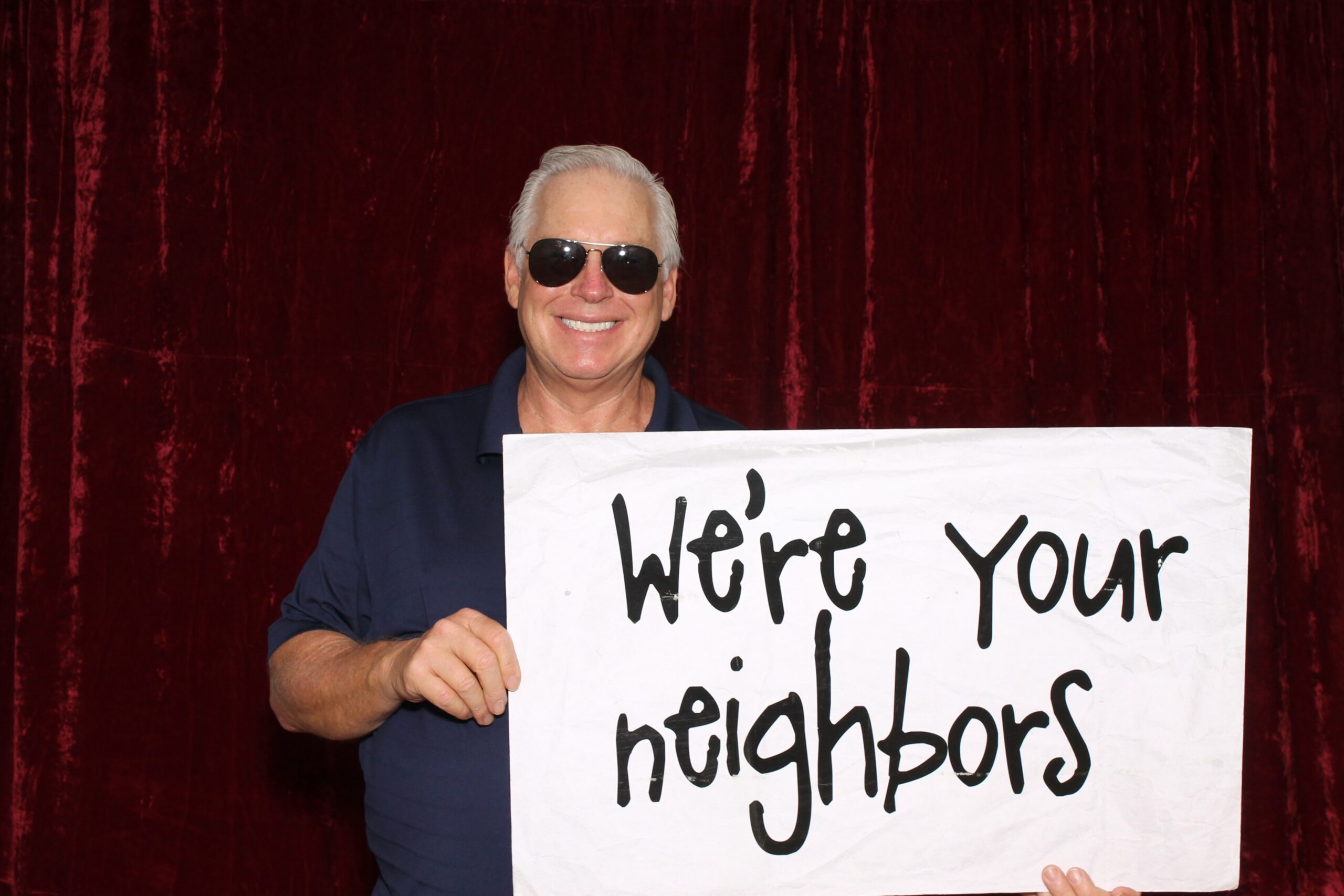
Knowing Your Neighbors by Name
This one is harder to pin to a specific decade. For much of American suburban life, knowing the people next door meant more than recognizing their faces. Neighbors knew each other's names, children, jobs, routines, and usually at least a little neighborhood gossip. Borrowing a tool or asking someone to keep an eye on the house did not require much thought.
Many Americans still have close relationships with their neighbors, but surveys have repeatedly found large numbers of people who know only some of the people living nearby, or none at all. Modern schedules, long commutes, fenced backyards, attached garages, and more time spent online all make it easier to live beside someone without really knowing them. The neighborhood did not disappear. The expectation that everyone in it would know one another did.
Taking a Real Lunch Break
The traditional lunch hour was once much closer to what the name suggests. Workers left their desks, went somewhere to eat, talked to coworkers, ran an errand, or simply took a break before returning for the rest of the day. Lunch was built into the rhythm of work rather than treated as time that had to be justified.
That line blurred as computers, email, and workplace messaging made it easier to stay connected through every part of the day. Eating a sandwich at a desk while answering messages became ordinary in many offices. Remote work changed the setting but not necessarily the habit. The hour-long lunch still exists, of course, but taking a genuine break from work can now feel almost indulgent.
Writing Thank-You Notes by Hand
A handwritten thank-you note used to be basic etiquette after receiving a gift, staying at someone's home, or being treated to something special. Children were taught to write them, adults kept stationery around the house, and sending one did not make you unusually thoughtful. It simply meant you had good manners.
The custom is still alive, but the standard has loosened. A text message, email, or quick phone call now handles many situations that once would have required an envelope and a stamp. That may be faster and perfectly sincere, but it also means a handwritten note now stands out precisely because it is no longer expected.
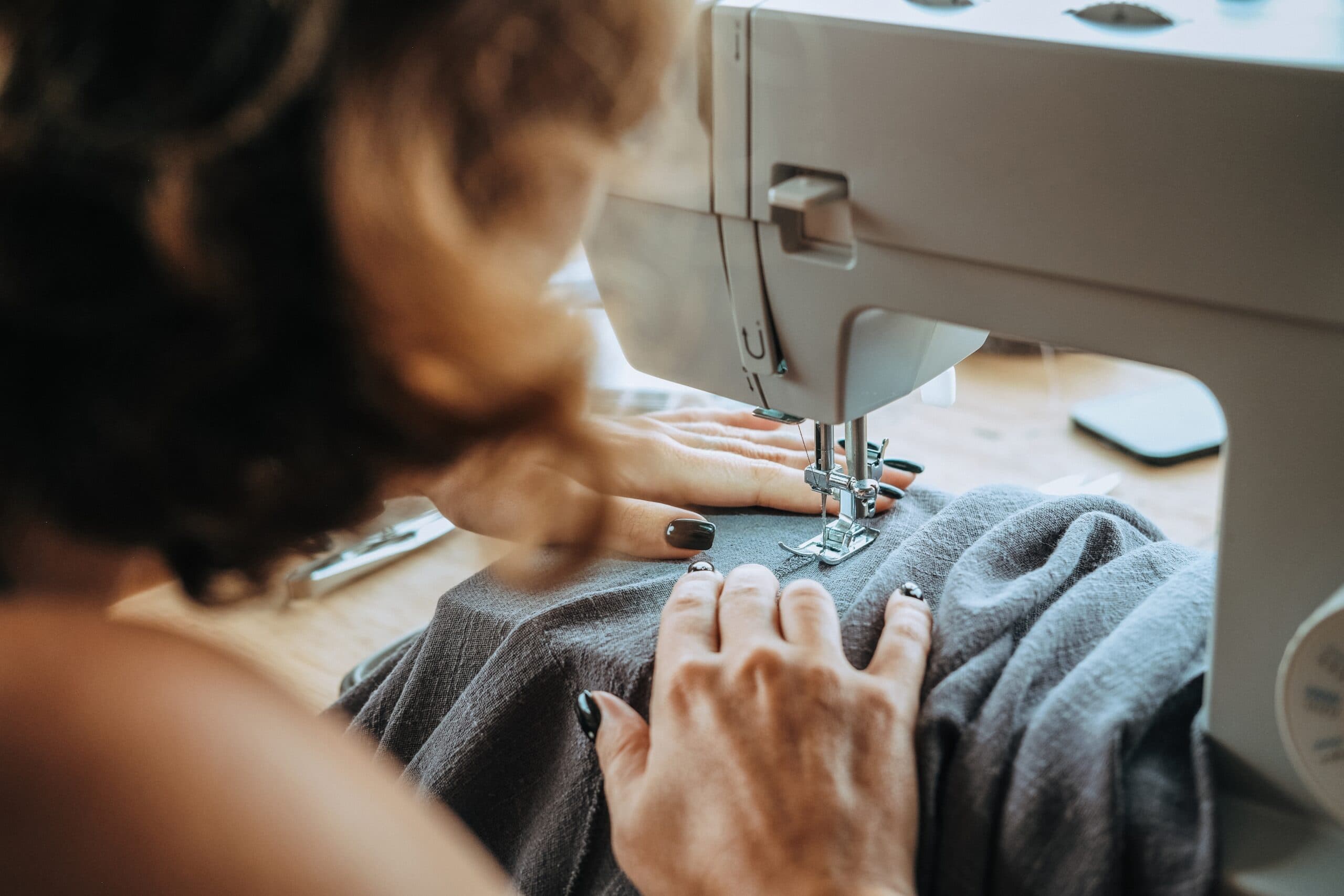
Mending and Repairing Clothes Instead of Replacing Them
Before inexpensive, mass-produced clothing became so easy to replace, repairing what you already owned was a normal household skill. Loose seams were stitched, buttons were sewn back on, worn shoes were taken to a cobbler, and torn clothing could be patched instead of tossed. Sewing kits were common because sooner or later someone needed one.
Cheap clothing changed the calculation. In many cases, replacing a basic shirt or pair of pants now costs less than paying someone to repair it. Fast fashion also made clothing feel more disposable. People still mend favorite or expensive pieces, and repair culture has found new fans, but knowing how to fix ordinary clothes is no longer an assumed household skill.
Negotiating Prices
Negotiating a price was once more common in American shopping than many people remember. Haggling was not limited to cars and pawn shops. Customers could sometimes negotiate at furniture stores, appliance shops, independent retailers, or with local service providers where the person behind the counter had real authority to make a deal.
National chains, standardized pricing, big-box retail, and online shopping gradually reduced that flexibility. Published prices began to feel fixed, and customers became more likely to comparison-shop than bargain face to face. Negotiation still exists in certain industries, but walking into an ordinary store and offering less than the price on the tag would now strike many Americans as awkward.
Sending Kids Outside With No Set Plans
This is related to unsupervised roaming, but it is not quite the same thing. There was once a very normal version of childhood in which kids left the house in the morning with no schedule, no organized activity, and only a vague idea of where the day might take them. The main instruction was often simple: be home by dinner.
Organized sports, camps, lessons, enrichment programs, and supervised playdates filled more of that open time. Parents also became more accustomed to knowing where their children were throughout the day. Unstructured play certainly still happens, but an entire summer afternoon with no destination, no adult supervision, and no real plan has become much less ordinary.
Sitting Down for Family Dinner Every Night
The family dinner became one of the defining images of American domestic life in the 20th century. Everyone was expected to be home around the same time, dinner was served at the table, and family members talked about what happened during the day. The routine became such a familiar part of television and advertising that it eventually turned into a cliché.
Families still eat together, but doing it every night is harder to assume. Children's sports and activities, long commutes, shift work, changing work schedules, takeout, and screens have all complicated the traditional dinner hour. The family meal has not vanished, but in many homes it has changed from the nightly default to something everyone has to deliberately make time for.
Making Small Talk With Strangers in Public
Waiting for a bus, standing in line, or sitting in a doctor's office once created little stretches of unavoidable downtime. Talking to the person beside you was one way to fill it. The conversation did not need to be important. A comment about the weather, traffic, or the long wait was simply part of sharing a public space.
Smartphones gave almost everyone another option. Waiting became scrolling time, earbuds created an easy barrier, and looking down at a screen signaled that a person was occupied. Research has found that people often underestimate how enjoyable brief conversations with strangers can be. Yet starting one now can feel more intrusive than it once did, even when both people might actually enjoy it.
Sunday Being Off-Limits for Shopping
For generations, so-called blue laws restricted certain business activities on Sundays, often for reasons connected to religious observance. The rules differed widely from state to state and town to town. Depending on where you lived, stores might be closed entirely, while sales of alcohol, cars, or particular goods could be prohibited.
Many of those restrictions were repealed or loosened as shopping habits and attitudes changed, although some Sunday restrictions still survive in parts of the country. What changed most was the expectation. Sunday used to feel commercially different from the rest of the week. Today, many Americans expect stores, restaurants, and online retailers to be available whenever they want them.
Giving Kids Real Household Chores
Household chores used to be treated as a routine part of childhood. Kids set and cleared the table, washed dishes, cleaned rooms, fed pets, took out trash, and helped with yard work. Older children might cook, do laundry, watch younger siblings, or handle whatever else needed to be done. It was not framed as enrichment. It was simply part of belonging to the household.
Plenty of families still expect children to help, but surveys over the years have suggested a gap between the chores adults remember doing as children and what they ask of their own kids. Busier schedules, extracurricular activities, and changing ideas about childhood all play a role. Nobody officially retired the chore chart. In many homes, it simply became less demanding.
Trusting a Handshake to Close a Deal
A handshake once carried more weight in everyday business, particularly in smaller communities where reputation mattered and people expected to deal with one another again. Not every transaction was sealed without paperwork, of course, but a person's word and a handshake could be treated as a meaningful commitment.
Modern business became more formal as transactions grew more complicated and relationships stretched far beyond local communities. Contracts, disclosures, electronic signatures, and detailed terms became normal protections for everyone involved. The COVID-19 pandemic even interrupted the handshake as a greeting for a time. The gesture survived, but trusting it as the only record of an important agreement is far less common.
Reading the Newspaper at Breakfast
For much of the 20th century, the morning newspaper was part of the household routine. It arrived at the door, someone unfolded it over coffee, and different sections often belonged to different family members. Sports, comics, local news, classifieds, and the crossword all had their regular readers.
The habit faded one subscription at a time as television, websites, smartphones, apps, and social media made news available instantly. Newspapers still exist in print and have large digital audiences, but the ritual changed. What disappeared was not simply paper. It was the quiet habit of sitting at the breakfast table and working through the day's news before the rest of the world started demanding attention.