
LightField Studios/Shutterstock.com

Sanja Radin/iStock via Getty Images
Mindscape studio/Shutterstock.com

LightField Studios/Shutterstock.com

Missing attribution

LBeddoe/Shutterstock.com

Rawpixel.com/Shutterstock.com
CC BY-SA 4.0
Serhii Bobyk/Shutterstock.com

Monkey Business Images/Shutterstock.com

AnastasiaNess/Shutterstock.com

PIKSEL/iStock via Getty Images
Anna Nahabed/Shutterstock.com












12 Weekend Hangouts We Grew Up With That Are Disappearing
A few weeks ago, my kid asked me what we were doing that Saturday. It wasn’t the first time I couldn’t give him a good answer. The truth was, I couldn’t immediately think of anywhere to take him and the rest of the family. Growing up, weekends felt different. There always seemed to be somewhere to go, whether it was the mall, the bowling alley, the public pool, or just Grandma’s house.
Now, don’t get me wrong, most of these places and traditions haven’t vanished completely. Some have genuinely become less common, while others are still going strong but look very different from the versions many of us remember. Either way, these are 12 places and weekend traditions that don’t feel quite as easy to find as they once did.
Saturday at the Mall
You went, you walked the loop, you got yourself a pretzel, you ran into three kids from school, and then you came home with nothing. For a lot of people, that was exactly what the mall was for. It wasn’t always about buying something. It was somewhere to go, wander around, and hang out for a few hours.
The traditional American mall has changed dramatically. E-commerce took a growing share of retail spending, while department stores, once crucial anchors for enclosed malls, went through a long period of contraction. Plenty of successful malls remain, particularly stronger properties with desirable stores, restaurants, and entertainment. What has become less dependable is the old middle-of-the-road suburban mall built around department-store anchors and a food court, where simply hanging around was half the attraction.
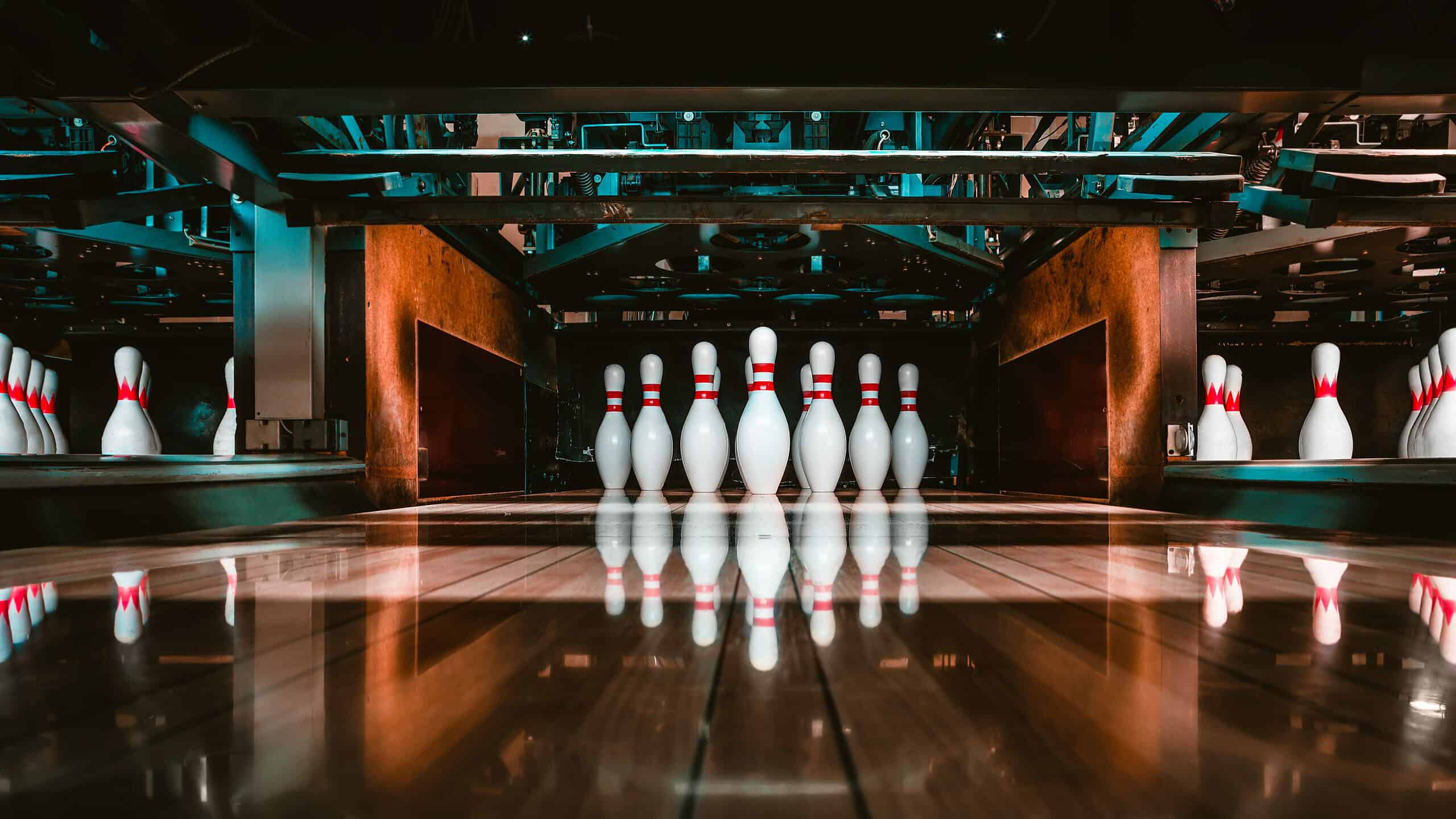
The Bowling Alley
Not the fancy modern one with cocktails, giant televisions, and a DJ spinning tunes. I’m talking about the old-school bowling alley, where the carpet had seen better days, the vending machine took quarters, and the guy behind the counter seemed to know everybody’s dad.
Industry histories generally put the U.S. peak at roughly 12,000 bowling centers in the mid-1960s. The United States Bowling Congress reported more than 3,400 USBC-certified centers during the 2024-25 season, although that figure does not represent every bowling alley in the country. Bowling itself is far from dead: USBC says tens of millions of Americans bowl at least once a year. What has faded considerably is the huge network of traditional, league-centered neighborhood alleys that once made bowling a weekly routine.
The Roller Rink
Every kid I knew went to the same rink. It was a regular destination for Friday nights and birthday parties. The music was too loud, the carpet was wild, and sooner or later somebody wiped out spectacularly in front of everybody else. Those were good times.
Roller rinks have closed in plenty of individual communities, but the national picture is more complicated than a simple collapse. The Roller Skating Association still represents a large network of rink owners and operators and promotes skating events nationwide. Roller skating remains active, even if the old neighborhood rink is no longer guaranteed to be five or ten minutes down the road. For many families, that easy Friday-night option is what has become harder to find.
Saturday at the Rec League Field
Community sports used to feel wonderfully simple. You signed up for the local league, got assigned a team, and spent Saturday at the field with half the neighborhood. The baseball itself might not have been great, but that wasn’t really the assignment. Everybody got somewhere to play.
Travel sports haven’t wiped out recreational leagues nationwide. In fact, youth sports participation has recovered from its pandemic-era slump, and community programs remain an important part of the system. The real pressure is cost and access. Aspen Institute Project Play research found that the average sports family spent $1,016 on a child’s primary sport in 2024, up 46% from 2019, and children from households earning at least $100,000 are twice as likely to play travel sports as those from households earning under $50,000. When affordable local options become limited, the kids without the money or time for the next level have fewer places to go.
The Public Pool
The municipal pool was one of those great summer equalizers. For a relatively small admission fee, you could spend an afternoon swimming, buy something questionable from the snack bar, and go home smelling like chlorine. You didn’t need a backyard pool, a resort, or a club membership.
Public pools aren’t disappearing everywhere, but keeping older facilities operating can be difficult. The National Recreation and Park Association has documented billions of dollars in deferred maintenance across local park systems, including aging recreational infrastructure, while seasonal staffing remains another challenge. Lifeguard shortages have forced some pools and aquatic programs to reduce hours, limit programming, or temporarily close. For communities with an aging pool and a tight recreation budget, keeping that inexpensive summer gathering place open can take more work than it once did.
The All-You-Can-Eat Buffet
The appeal was obvious when you were feeding a family. One kid could eat mac and cheese, then a brownie, then more mac and cheese, while somebody else tried six different things just because they could. Everyone left full, and nobody had to agree on what kind of restaurant they wanted.
Buffets took a serious hit during the pandemic, when self-service dining faced obvious operational problems and a number of restaurants closed. But the buffet itself did not disappear. Golden Corral still operates a large network of restaurants and continues to seek new franchise markets, while other buffet concepts remain in business as well. What feels less common is the once-ubiquitous, inexpensive family buffet that seemed to be in every decent-sized town.
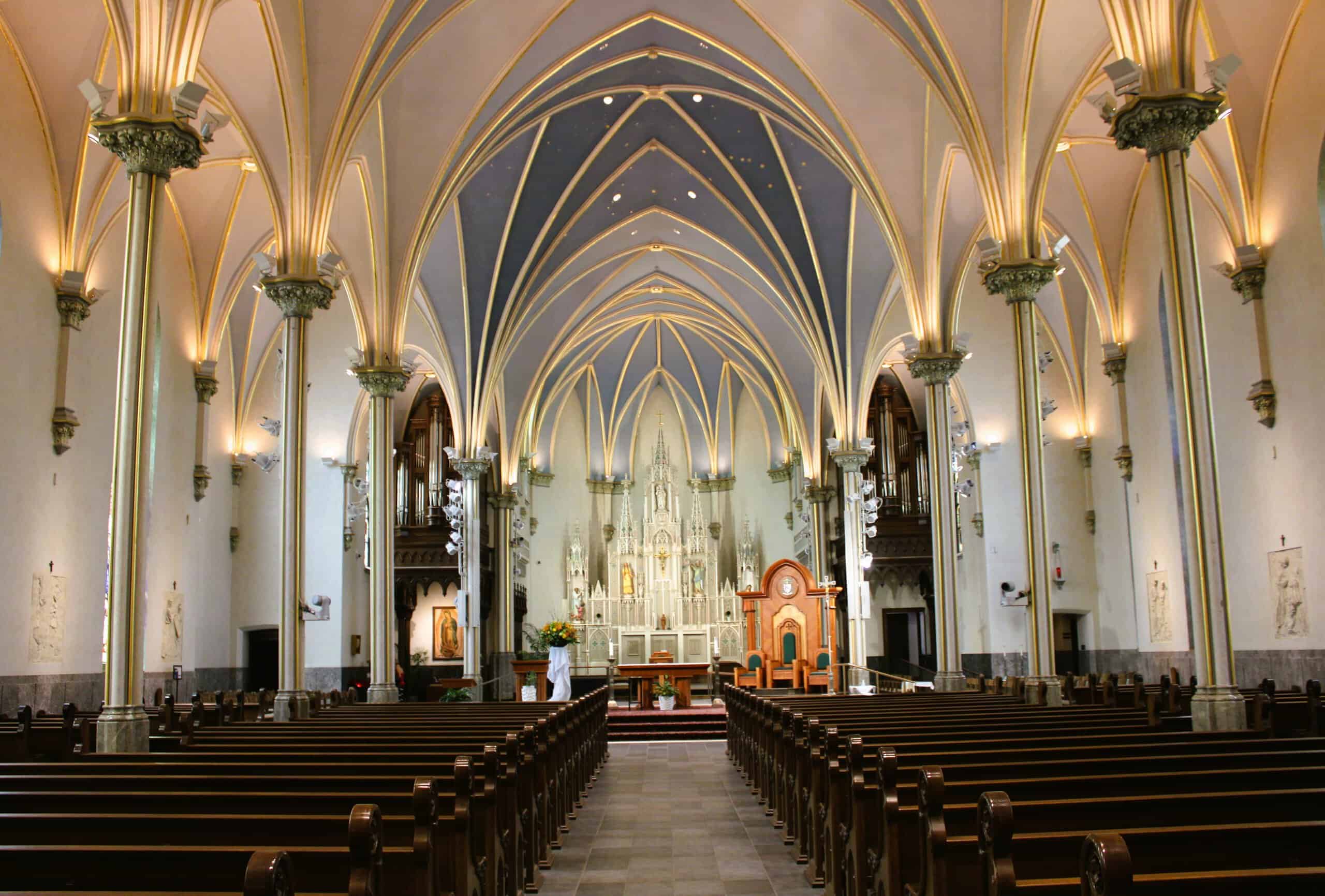
Sunday Service and the Coffee After
For families who attended regularly, the weekly service often did more than fill an hour on Sunday morning. The same people gathered in the same room each week, then ended up in a fellowship hall with coffee and donuts afterward. That was where people heard somebody was sick, found out who needed a ride, checked in on an older neighbor, or simply spent time talking face to face.
Religious attendance in the United States has declined over the long term, although the most recent data suggests the decline has slowed or leveled off in recent years. Pew Research Center found that 33% of U.S. adults in its 2023-24 Religious Landscape Study said they attended religious services at least once a month. For people who once built part of their weekly social life around a congregation, attending less often can also mean losing some of those routine, informal connections that came with it.
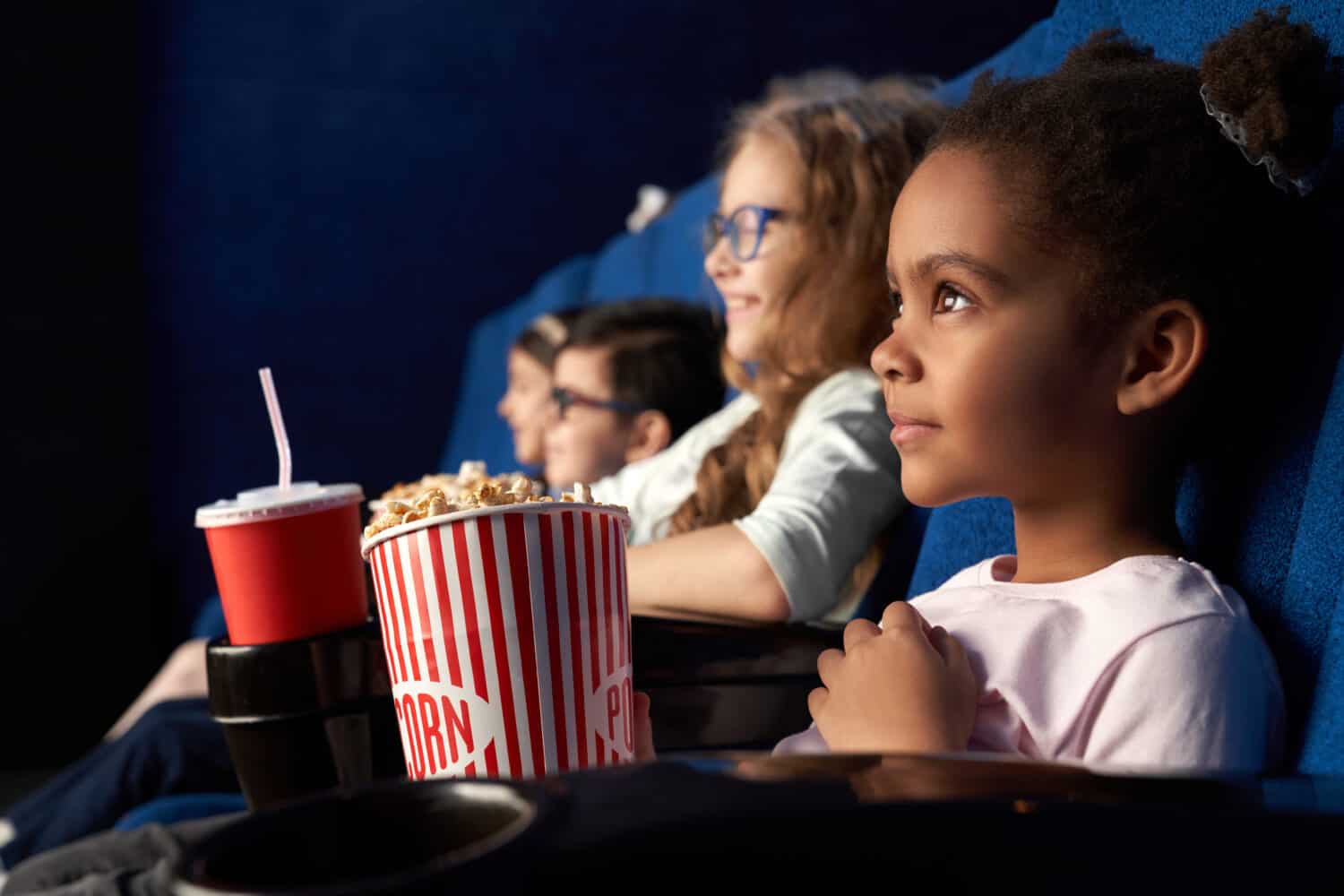
The Small Movie Theater
The little three-screen theater downtown had a different feel. You knew what was playing because there were only a handful of choices, and going to the movies didn’t require choosing between twelve auditoriums, four premium formats, three seating options, and a menu that looked like it belonged in a restaurant.
Small independent theaters faced a genuine challenge during the industry’s transition from film to digital projection, when the cost of new equipment was especially difficult for one- and two-screen operators to absorb. Many small theaters survived, however, and Cinema United still represents everything from major chains to single-screen cinemas. The industry now has more than 31,000 member screens in the United States, while operators are investing heavily in recliners, premium formats, food service, and other upgrades. The old downtown theater isn’t extinct, but running one has become a very different business.
The Sit-Down Chain Restaurant
This was “we’re going out to dinner” for an entire generation of families. Part of the appeal was knowing exactly what you were going to get before you even got in the car. The menu was familiar, the kids could find something they liked, and dinner could take an hour without feeling like a special occasion.
Some familiar casual-dining chains have reduced their footprints, but sit-down restaurants as a category are not disappearing. What they are facing is a difficult business environment. The National Restaurant Association says full-service restaurants have dealt with elevated food and labor costs along with weaker on-premises traffic compared with pre-pandemic patterns. Fast casual, takeout, and delivery have also given families more ways to skip the traditional sit-down meal. The casualty in some communities is less the restaurant itself than the habit of making a relaxed family dinner out a routine weekend event.
The Flea Market
Sunday morning, coffee for the grownups, five bucks in your pocket, and the green light to buy something completely ridiculous. A box of rusty old keys. A rock. A tape by a band nobody had ever heard of. The point wasn’t necessarily finding what you needed. Half the fun was having no idea what you were going to find.
Flea markets are actually still a substantial business in the United States. The National Flea Market Association says the country has more than 1,100 flea markets, with roughly 2.25 million vendors and more than 150 million customer visits each year. What has changed is the competition. Online resale platforms make it much easier to search for a specific secondhand item, compare prices, and have it shipped to your door. That efficiency can replace some casual bargain hunting, but it hasn’t replaced the social experience of wandering through tables full of things you never knew you wanted.
Grandma’s House
This one isn’t a business that closed or a building that got torn down. It’s a routine that some families will remember immediately. You drove over without turning it into an event, food somehow appeared, the kids went outside, and the adults could spend hours around the kitchen table talking about nothing in particular. Families still gather that way, of course, but for anyone whose relatives now live farther apart or whose weekends require more planning, the casual Sunday drop-in can feel like something from another time.
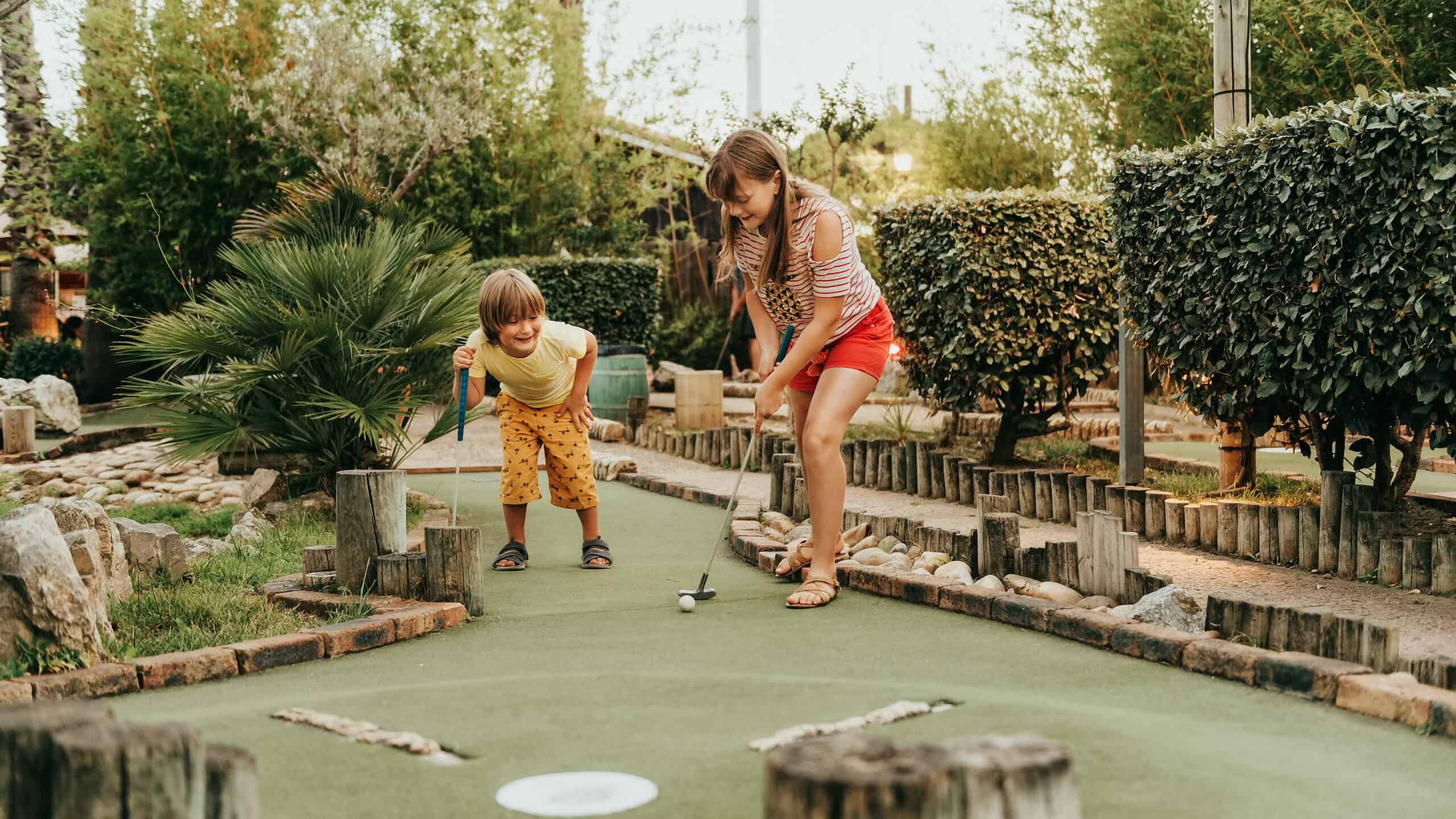
The Mini Golf Course
Eighteen holes, a windmill, maybe a clown’s mouth, and artificial grass that looked like it had been there forever. You pulled in, grabbed a putter, argued over the scorecard, and somebody conveniently forgot how many strokes they took on the last hole.
Mini golf itself is not disappearing. The National Golf Foundation has tracked roughly 18 million Americans playing miniature golf annually in recent years, and the attractions industry has described the category as experiencing a resurgence. What has changed is the format. The old outdoor windmill course now shares the market with indoor, technology-heavy concepts and larger golf-entertainment venues. The simple roadside version may be harder to find in some places, but the game has proven surprisingly durable.