Creative Commons

hilf1 / Shutterstock.com
Photo by Getty Images

Aliaksandr Antanovich / Shutterstock.com

279photo Studio / Shutterstock.com
bjones27 / Getty Images
roibu / Shutterstock.com

Rido / Shutterstock.com

Pixel-Shot / Shutterstock.com







8 Questionable Habits Deemed Normal 100 Years Ago
The way we go about our daily lives, what we eat, how we work, even how we unwind, feels totally normal to us. But if you looked back a hundred years, people back then felt the same way about their routines. The funny thing is, a lot of what they did would seem pretty strange to us now, just like many of our "normal" habits might puzzle future generations.
A century ago, plenty of everyday practices stuck around simply because people didn't know any better. Science and medicine hadn't yet caught up, and the average person wasn't aware of what was safe, helpful, or harmful. That lack of awareness led to some surprising habits, several of which you'll see below.
To curate this list of strange habits people thought were normal 100 years ago, we used educational and historical sources like the Library of Congress, SCSU Hilton C. Buley Library, and History.com.
Communal Bathing
It's not easy to find a communal or public bath in the U.S. anymore. However, these facilities used to be super popular, especially during the summer. Communal baths were normal even into the 1920s. In New York, they were everywhere. In the United States, people started building public baths in the late 1800s.
Communal bathrooms were especially common in large cities like New York City, San Francisco, and Philadelphia. They weren't everywhere, though. Some of the more well-known public baths in the U.S. include the Asser Levy Public Baths, Bathhouse Row, James Lick Baths, and Finnila's Finnish Baths.
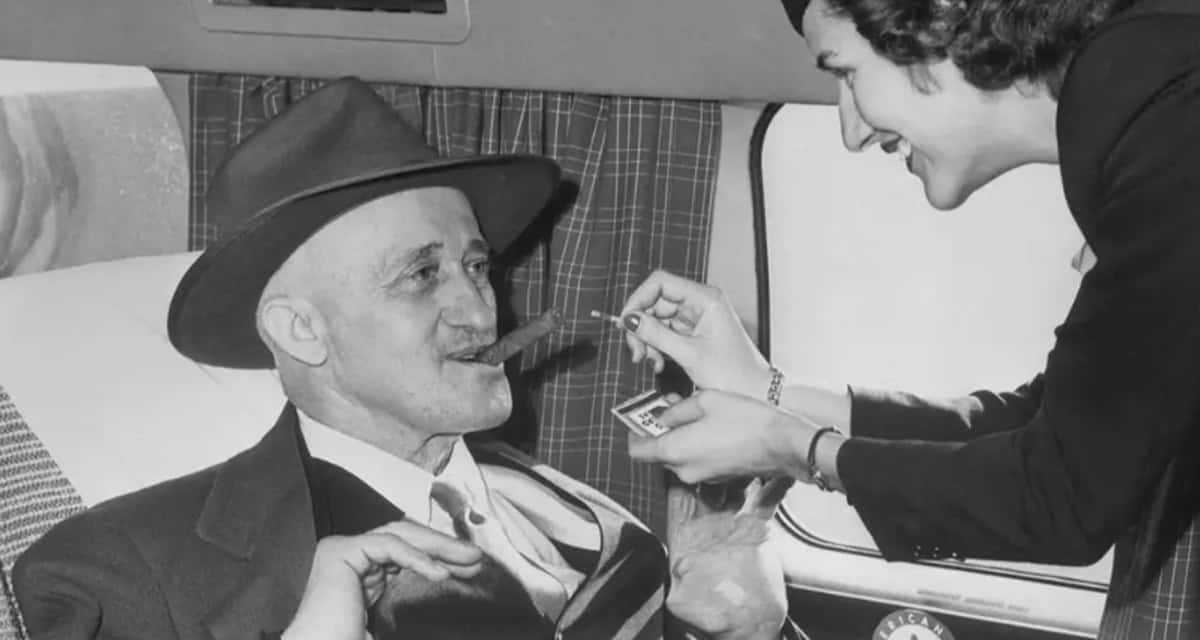
Smoking Indoors
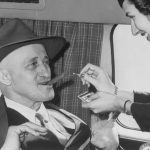
If you've ever watched a film set in the 1920s, you've likely noticed the cast smoking cigarettes constantly. Smoking cigarettes was super common. Instead, it was weird if you didn't like to smoke. According to a study, in 1920, about half of young American men smoked cigarettes. Now, that number is a lot lower.
In 2021, only about 11.5% of Americans smoked cigarettes. Generally, smoking is frowned upon. You can't just walk into any grocery store and start smoking. Doctors also urge their patients not to pick up this habit. In the 1920s and well into the 1960s, women would even smoke while pregnant.
Horses and Buggies
The first automobile was patented on January 29, 1886. Even when these first automobiles were produced, though, most American families didn't own one. They were too expensive and impractical. Still, more people became interested in buying a motor-powered car.
Fewer and fewer people used a horse and buggy in the late 1920s. Instead, horses and buggies were more commonly seen in small towns and rural areas. At the beginning of the decade, 6.7 million cars were driven on American roads. This number just about quadrupled by 1929 to 27 million.
Leeches For Medicine
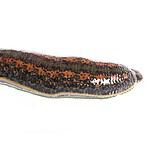
It's hard to imagine leech therapy in the 20th or 21st century. While leech therapy was losing popularity with surgeons and doctors nationwide, it was still being used. It was a treatment that used blood-sucking leeches. This medical procedure was used for almost everything. Doctors once thought it cured headaches and even obesity.
Doctors would go to patients and carefully place leeches on the affected part of the body. It was used to either increase blood flow or deplete blood. Leeching isn't new. It was a popular treatment in the 18th century across the world. Although rare, leeches are still sometimes used to help circulation in damaged areas.
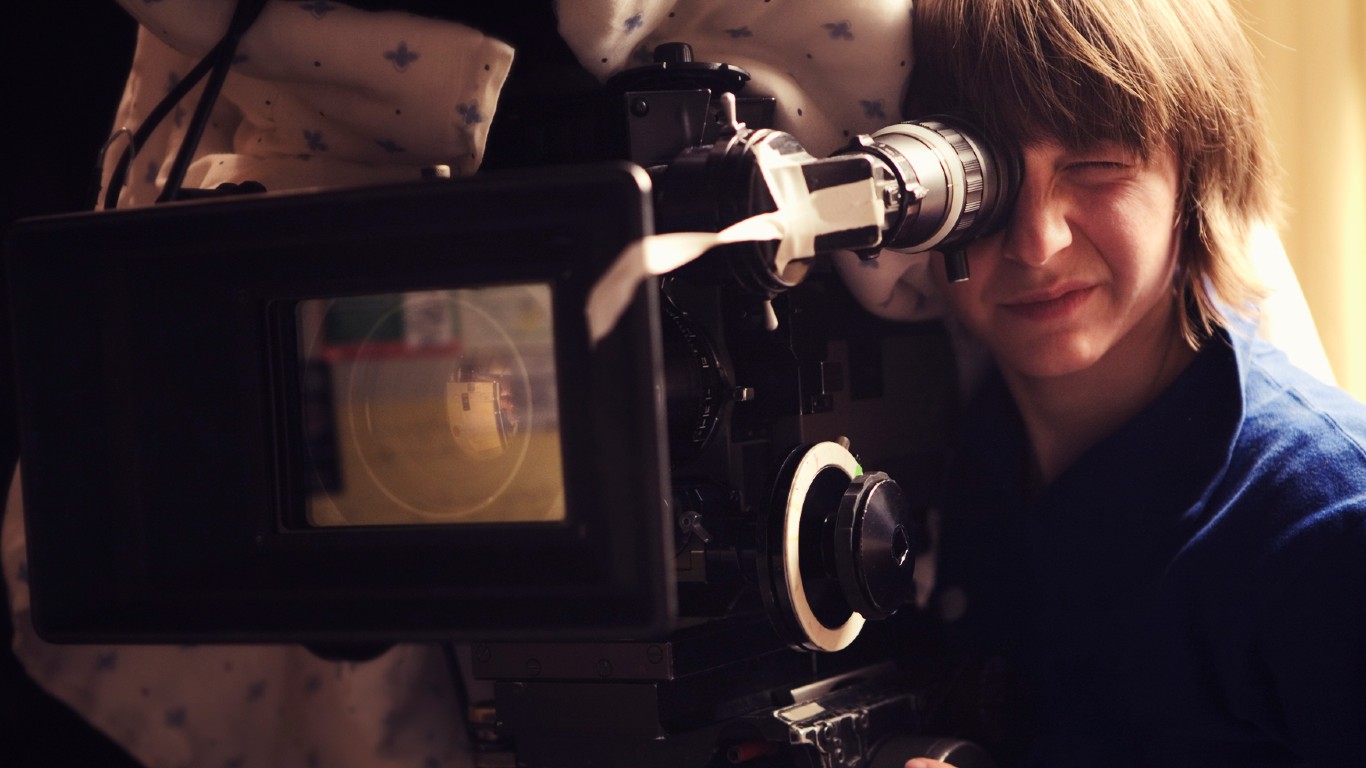
Movies For Mental Health
Mental illness treatments have come a long way. During the 1920s, psychologists were still studying the brain. There were some unusual treatments for depression and grief. Interestingly, doctors would often prescribe relaxation for their patients, telling them to watch a movie.
This wasn't a super common practice and was more common in small towns with family doctors. They would even send prescriptions to go on vacations. Springs in Florida were used to treat fatigue, joint and muscle pain, and even depression or anxiety. Now, a doctor probably won't set you to the movies unless you're having a relaxing mental health day.
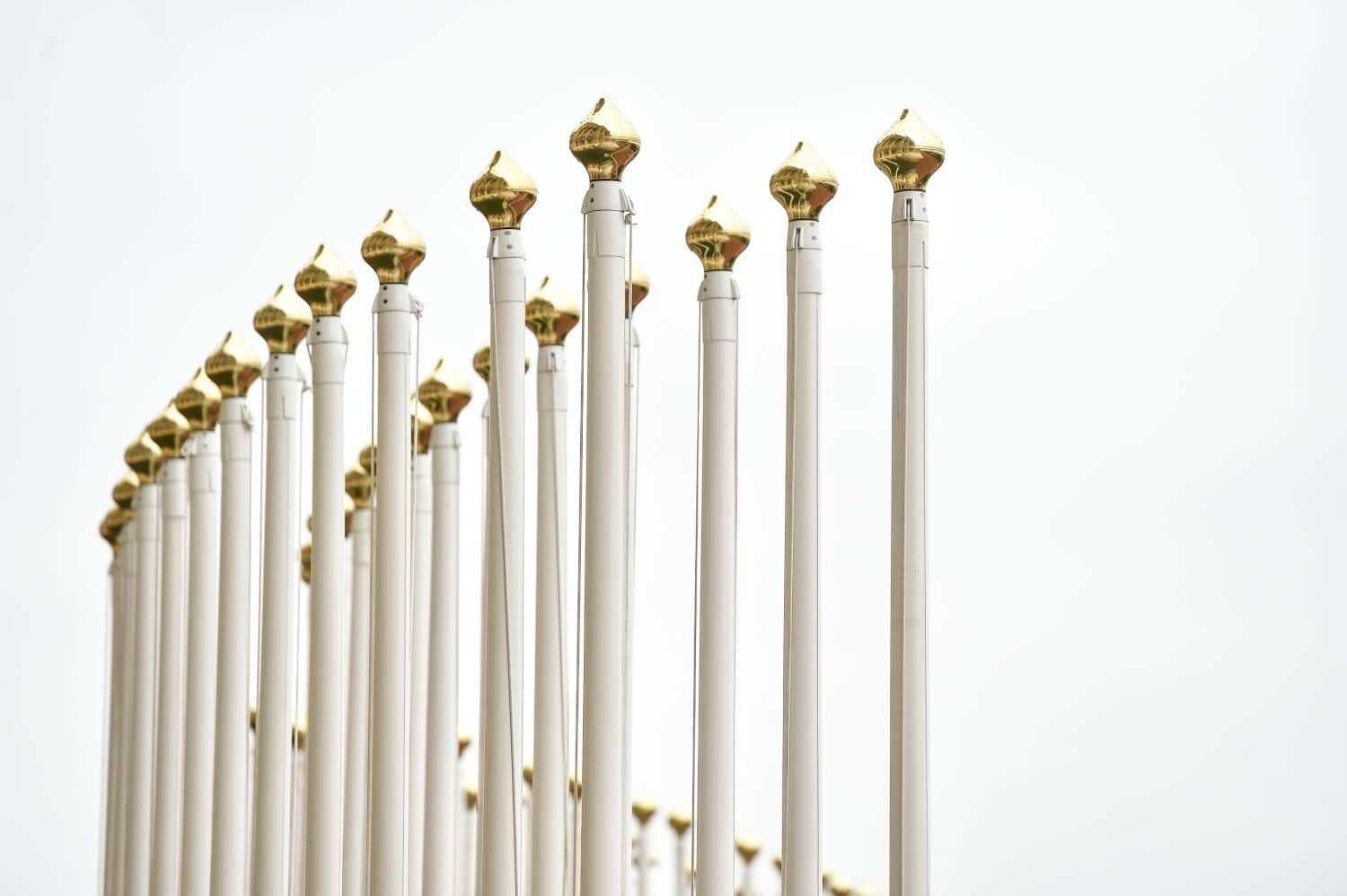
Pole Sitting
Have you ever heard of pole sitting? Flagpole sitting was a huge fad in the 1920s. We don't really see it anymore. Alvin "Shipwreck" Kelly spearheaded this interesting fad. It involves sitting on a flagpole for as long as possible. Alvin managed to sit on the flagpole for a whopping 13 hours and 13 minutes.
If you think 13 hours is a lot, wait till you hear about the record-breakers. The record for the longest flagpole sitting in the 1920s goes to Bill Penfield in Strawberry Point, Iowa. He sat on an uncomfortable flagpole for 51 days and 20 hours straight. He would have sat longer if there hadn't been a thunderstorm. Very few people now try to beat flagpole-sitting records.
Long Bedtime Beauty Routines
Long beauty routines were common during the 1920s. This isn't as common anymore. Housewives and young wives would spend hours at night preparing themselves for bed. Some would even wear makeup to sleep or wake up earlier than their partners to get ready. These long nighttime beauty routines have faded with time. Now it's considered strange if you overexert yourself for beauty.
Mailing Babies
During the 1910s and 1920s, post office workers dealt with a unique issue. Parents were mailing their babies and kids with postage for delivery. It was cheaper. One of the first cases of this was in 1913. Mr. and Mrs. Jesse Beauge spent less than $55 to send their 10-pound baby to the baby's grandmother's house. It was a mile away.
Not all kids were shipped so close, though. In one case, a child was shipped 720 miles away from Florida to Virginia. Don't worry, though; the kids weren't stuck in boxes or envelopes. Instead, they walked or were carried by mail workers. This got out of hand fast, and now mailing humans is not allowed.